Opening
Discipline is not just a motivational keyword; it is a practical framework that transform potential into reality. From the stories of Musashi and Joyce Carol Oates, we see three key takeaways: (1) diversity of tools as a strength, not a constraint; (2) time as a measurable, non-extendable resource; (3) consistent hard work that yields great works. These three lessons complement each other and build a lifestyle that can change how we learn, work, and create. Let’s explore how discipline can become a catalyst for our success, with concrete examples that can be applied.
Concept 1: Diversity of tools as a strength — not rigidity
Musashi’s story teaches us not to limit ourselves to one tool or one method. He argued that “you should not make distinctions… you want all your weapons to be of use,” and emphasized the importance of having as many tools as possible so as not to be trapped in one pattern. In practice, this means building a set of complementary skills so that when one area declines, another can support it. When we rely on only one methodology, the risk of failure increases if the situation changes. Healthy discipline actually pushes us to broaden our repertoire: learning new techniques, sharpening the stock of ideas, and preparing mental “weapons” ready to deploy at any time.
As a recap, we can see how tool diversity helps maintain flexibility—and that matters because, as Musashi warned, “When all you have is a hammer, everything looks like a nail.” When we become too attached to a single tool, we lose the ability to see other opportunities. Discipline Is Destiny _ The Power of Self-Control (1).epub The complete framework for applying this concept is discussed in five specific steps in the book…
Knowledge hook: Take advantage of a more comprehensive framework to integrate a variety of skills into your work. However, there are three common mistakes that often occur when trying to develop a repertoire of tools, which are thoroughly dissected in our summary…
Also read : The Language of Law School: Learning to “Think Like a Lawyer” by Elizabeth Mertz
Also read : The Art of Choosing by The Art of Choosing
Concept 2: Time as a Measurable Resource — memento mori and small disciplines
This statement asserts that we all have 24 hours each day, and it is important to honor it with proper management. “We are all given the same twenty-four hours each day… time increments” reminds us that discipline does not mean working hard only in long stretches, but also how we utilize every small action throughout the day. This point emphasizes that time can be a partner if we maintain a consistent daily rhythm: plan, execute, evaluate, and iterate. Memento mori is not merely a reflection on death, but a reminder that life continues and we cannot postpone learning or creating until later. In the discipline context, focusing on small details—such as waking up on time, a daily agenda, and reflective habits at the end of the day—makes a big difference over time.
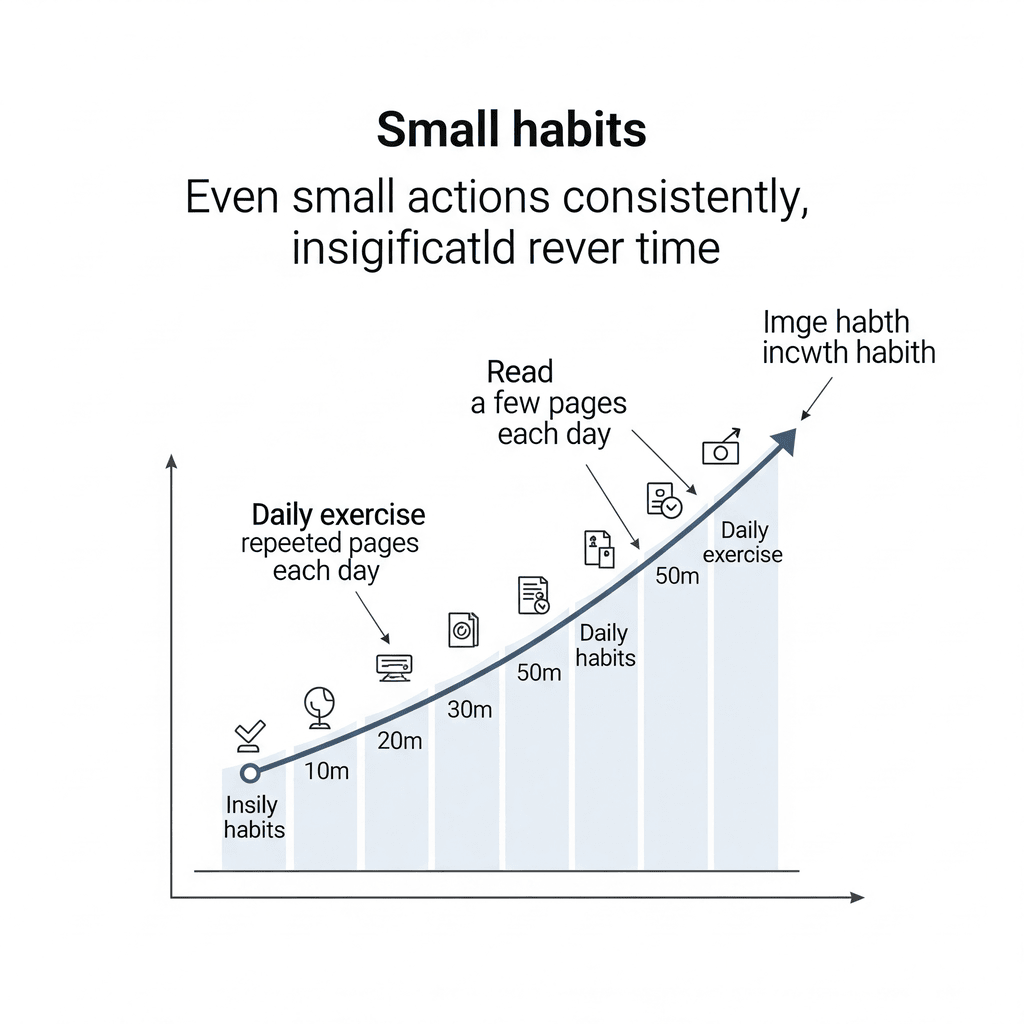
This lesson teaches us that discipline is a habit at all levels—not only when facing major moments, but also in those small moments. “The pursuit of discipline means being disciplined in all things, especially little things,” the data states. When we perform small habits consistently, we build significant momentum.
Discipline Is Destiny: The Power of Self-Control
The complete framework for applying this concept is discussed in five specific steps in the book…
Knowledge hook: Take advantage of a more comprehensive framework to integrate a variety of skills into your work. However, there are three common mistakes that often occur when trying to develop a repertoire of tools, which are thoroughly dissected in our summary…
Also read : Handbook of Research on Customer Engagement by Linda D. Hollebeek,David E. Sprott
Concept 3: Consistency and Measurable Hard Work — Evidence that Genius Does Not Simply Emerge
Joyce Carol Oates’s story confirms that greats don’t just appear in front of the public; they build capacity through sustained hard work. A body of work—novels, poetry, drama, short stories—that she has produced shows that achievement is the result of consistent hard work, not merely spontaneous talent. “The greats do, they don’t just show up, they do more than practice, they do the work,” is a reminder that the highest quality arises from a dedicated routine. In the discipline context, this means committing to ongoing production: writing, drafting, revising, and publishing regularly. It also highlights the importance of hard work as part of professional identity—not just sporadic actions.
What does this mean for us? When we choose to write ideas regularly, we empower ourselves to see patterns, test assumptions, and improve through sustained practice. “She published,” the data states, underscoring that success often rests on the courage to present one’s work consistently. This is a lesson that discipline is the foundation that allows our abilities to move from potential to real works. Discipline Is Destiny _ The Power of Self-Control .epub
Knowledge Hook: To apply the concept of consistency effectively, we discuss advanced techniques, including templates and practical examples, as part of the exclusive insights we prepare at MentorBuku…

Also read : Mayo Clinic Guide to a Healthy Pregnancy, 2nd Edition Dr. Myra J. Wick M.D. Ph.D.
Concept 4: Discipline as a Holistic Lifestyle Pattern
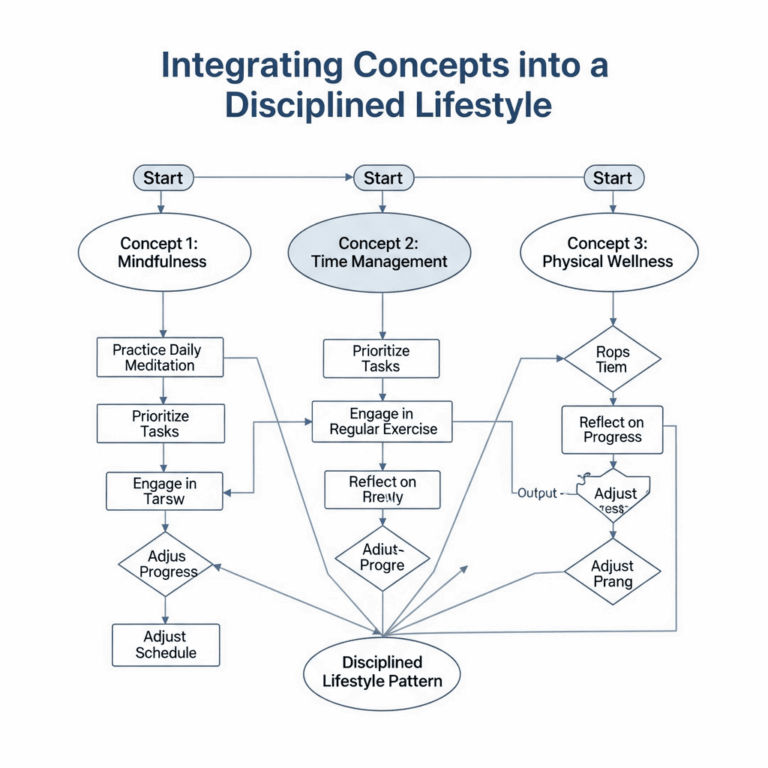
The combination of the three concepts above reinforces that discipline is a lifestyle pattern, not merely an occasional action. When we combine diversity of tools with rigorous time management and a commitment to sustained hard work, we form a lifestyle pattern that stimulates learning, innovation, and high-quality output. This is not just theory; it is a practical strategy for achieving ongoing progress. In the professional world, such a discipline pattern helps us avoid burnout traps, keep focus on main goals, and internalize how our work impacts others.
For example, if we want to build expertise in a particular field, we could design a 90-day program that combines three elements: (1) a diverse set of technical drills, (2) clearly allocated daily focus time, and (3) one large project that serves as a test of progress. This pattern follows the “discipline pattern” discussed in the data: consistency, tool diversity, and time management. This is a practical recipe for accelerating learning without sacrificing depth. Discipline Is Destiny: The Power of Self-Control .epub
Knowledge Hook: Readers can download the five-step implementation framework to form a holistic discipline pattern in our guide, including sample daily templates and weekly evaluations. However, we also invite readers to evaluate three common obstacles in building a holistic discipline pattern and how to overcome them, which are summarized in the next discussion section at MentorBuku…
This article is just a spark. Imagine if a single idea from here could change the way you work or think. Now imagine what dozens of other strategic ideas could accomplish. That is the power awaiting you.
Sign up and get free access at MentorBuku now!