Introduction
For a long time, we have been trapped in the narrative that love equates to romantic relationships. In reality, a richly emotional life is born when we free ourselves from that myth. Ayisha Malik—author of The Other Half of Happiness—proves it. Through her personal journey, she invites us to see love as a multidimensional force rooted in various aspects of life. This article reveals how this revolutionary perspective can be the key to overcoming loneliness and discovering true fulfillment.
Ayisha Malik’s Journey: From Romance to a Love That Is Wider
Initially, Ayisha believed that a perfect love story should be centered on a romantic partner. This view proved to limit her freedom. Over time, she realized that love can be found anywhere: in work, faith, family, and even the process of understanding oneself. This shift is not merely a change in perspective; it is a liberation from cultural constraints that narrow the meaning of love.
What’s surprising is that this approach actually brought her peace. When romantic relationships experience ups and downs, Ayisha still feels “connected” because the foundation of her love does not depend on one person. She has built an emotional safety net from various sources.
Knowledge Hook:
Ayisha’s concrete strategy for identifying non-romantic sources of love—along with her daily exercises—is described in 4 practical steps in the original book. Its exclusive summary is available to MentorBuku members.
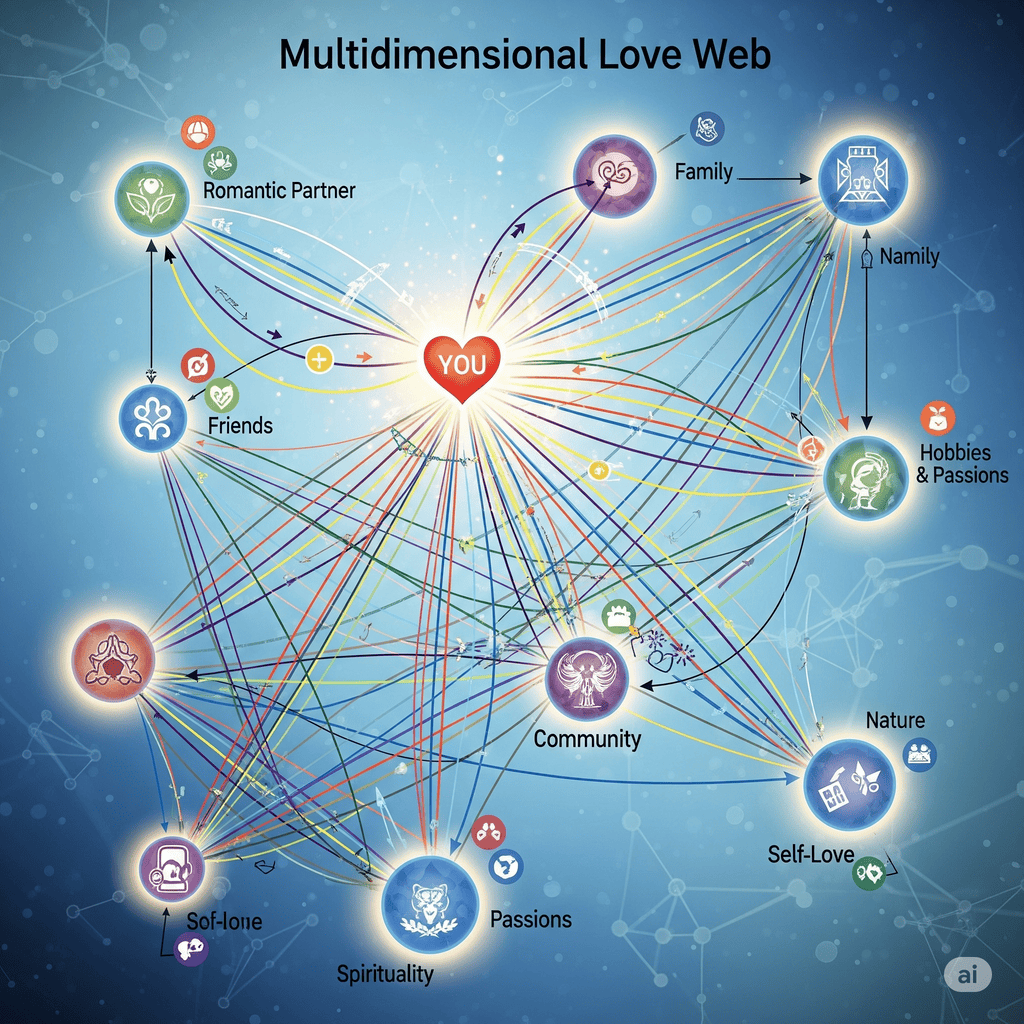
Five Pillars of Love Often Overlooked
Based on an interview with Ayisha, there are at least five sources of love that are often considered secondary:
- Love for Work
For Ayisha, work is a channel to express personal values. When she wrote The Other Half of Happiness, the creative process itself became a form of self-love. This is different from simply earning an income. - Love for Faith or Life Philosophy
Spiritual beliefs or philosophies provide a framework of meaning. Ayisha finds peace by reflecting on the principles she holds. This approach becomes a “compass” when facing emotional confusion. - Unconditional Love for Family
Blood relations are often considered ordinary. Yet, according to Ayisha, family is the first mirror of how we learn to give and receive support without transactions. - Friendship as a Safe Space
“Friends are the pillars that keep us whole when romance falters,” she says. Friendship offers honesty and acceptance that are hard to find in romantic relationships. - Investing in Self-Understanding
Ayisha emphasizes that loving oneself is foundational. Without it, love for others is prone to becoming dependency.
Knowledge Hook:
Three fatal mistakes in building these five pillars—plus how to avoid them—are thoroughly discussed in a dedicated chapter in the book. The summary version is accessible as soon as you join MentorBuku.
Romantic Love Myths and the Art of Self-Liberation
Pop culture paints romantic love as the “finishing touch” of life. Ayisha dismantles this illusion firmly: “There is no one who can see your entire self.” This statement becomes the key to her liberation.
Why is it dangerous? An overemphasis on romance makes us overlook other sources of love that are actually more stable. As a result, when romantic relationships encounter trouble, the world seems to crumble.
Vivek Murthy in Together: Loneliness, Health and What Happens When We Find Connection reinforces this: modern loneliness often stems from a lack of multidimensional connections. The solution isn’t to seek a partner, but to broaden the definition of love.
Knowledge Hook:
Ayisha’s techniques for detecting the influence of romantic myths on our thinking—complete with a self-assessment quiz—are available in MentorBuku premium materials. You will receive a self-evaluation template.
Also read: 100 Ways to Motivate Yourself by Steve Chandler
Why This Concept Is Revolutionary in an Era of Loneliness?
Data shows that 33% of the global population experiences chronic loneliness. The main cause? Inability to see love beyond romantic relationships. Ayisha’s approach offers a solution:
- Emotional Resilience: With many sources of love, romantic failure no longer destroys us.
- Happiness Autonomy: Happiness isn’t handed to you by others.
- Inclusivity: This can be applied by anyone, whether they have a partner or not.
Knowledge Hook:
The specific steps to build Ayisha’s “love portfolio”—including real-life case studies—are detailed in a 7-day structured exercise in the book. Our practical guide is provided exclusively for members.
Conclusion: A Door to Deeper Understanding
You’ve just seen the foundation. These concepts are only the tip of the iceberg of what the book offers. How to apply them step by step, avoid common pitfalls, and integrate them into your strategy? All the answers are inside.
Sign up and get free access at MentorBuku now!