Tag: Success paradigm

  • True Wealth and Authentic Happiness: The Magical Paradigm of Naval Ravikant That Changes How You View Success. The Almanack of Naval Ravikant by Eric Jorgenson

    Introduction: It’s Time to Change the Way You Pursue Happiness and Wealth

    How long have you been working hard for social status or the numbers in your bank account, yet still feel something is missing? In an era where success is often measured by material accumulation and achievements, Naval Ravikant emerges as a catalyst for change—not just within the Silicon Valley startup ecosystem, but also in the realm of modern life philosophy.

    Naval Ravikant is not just a founder and investor in world giants like Uber and Twitter. He is much more than a wealthy person: he is the living embodiment of wealth and happiness walking hand in hand. Through his life journey, Naval has proven that true success is not just about financial achievement—but about living an authentic, peaceful, and meaningful life. The book “The Almanack of Naval Ravikant: A Guide to Wealth and Happiness” brings together fragments of philosophy that inspire the world to rethink purpose, process, and the meaning of being a successful and happy human being.

    In this article, you will delve into three fundamental concepts from Naval Ravikant’s life journey and thinking. Each concept serves as a “gateway” to deeper insights—and after reading, you will feel a thirst to know “how” to make real changes in your own life.


    Read also : First Ladies of the United States: A Biographical Dictionary by Robert P. Watson

    The Power in Enjoyment: Turning Goals into a Game

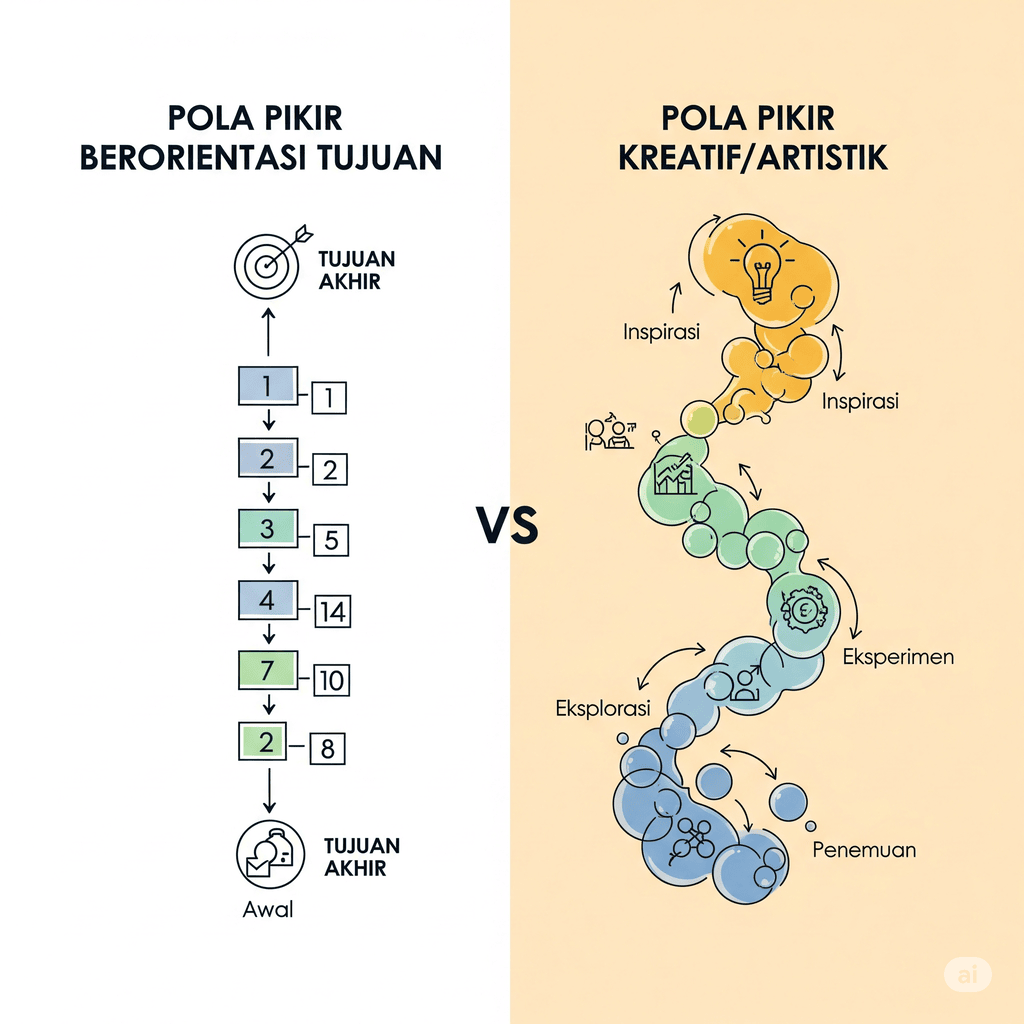
    One of Naval’s unique messages is to view business creation, innovation, or even work itself as a form of art—not merely as a tool to achieve goals. Naval boldly states that history only remembers the “artists,” whether in commerce, science, or politics. True artists create out of love and enjoyment, not out of pressure or obsession with the end result.

    For Naval, building companies isn’t just about chasing profit. He does it because he enjoys the game itself—much like a child engrossed in play, unconcerned about what others think. Imagine, after repeatedly succeeding in building businesses, he finds his motivation is more artistic than simply target-oriented. Remarkably, once he prioritizes creativity and freedom of expression, the results are far more satisfying—both personally and financially.

    This paradigm frees you from the trap of empty achievements. You are invited to reflect: Is your work a source of constant stress, or could it become an enjoyable field for creativity? What would happen if you started living and building your career as a work of art?

    The complete framework for shifting your mindset from “working for results” to “working as art,” along with practical exercises, can be found exclusively in this book and the special summaries from MentorBuku…
    Read also : Predictive Marketing: Easy Ways Every Marketer Can Use Customer Analytics and Big Data by Omer Artun,Dominique Levin

    Wealth Is Not the Goal, But a Side Effect

    The second concept that sets Naval’s philosophy apart is the relationship between wealth and perception. Many people think wealth is everything, but for Naval, true wealth is a “by-product”—a natural side effect of applying the right principles. As he emphasizes, he builds businesses “because it’s fun,” and money is simply a consequence, not the main purpose.

    Why is this important? Because when you pursue wealth as your sole goal, it’s easy to fall into a never-ending race; you constantly feel lacking, always chasing the next level that never truly arrives. Naval suggests that you should build value and solve real problems, and wealth will follow naturally. He relates this to economic and life philosophy: true winners not only accumulate money but also gain peace and gratitude.

    However, implementing this mindset is not easy. There are three common mistakes people make when trying to become “wealthy as a by-product,” both in mindset and action, which are detailed only in the book and MentorBuku discussions…

    Happiness: A Skill That Can Be Learned

    For Naval Ravikant, happiness is not something that “comes from the outside.” After decades studying Eastern and Western philosophy, he concludes that happiness is a skill—just like coding or public speaking. This means you can learn, cultivate, and practice it, as long as you have the right method.

    Most people wait for their external circumstances to change before they can be happy. Naval flips this: “Be happy first, and extraordinary performance and results will follow.” Through reflection techniques, meditation, and daily practices, he teaches that happiness is the result of mindset and consistent discipline. There’s no instant magic. It all begins with small shifts in thought and action.

    But how do you build happiness habits that are easy and lasting—especially amidst life’s pressures and endless work targets? Advanced techniques, including daily practice and practical step-by-step examples, are explained in depth in this book and the exclusive MentorBuku course…

    Mindful Productivity: The Liberating “Game”

    Naval speaks of productivity not as a form of time slavery, but as the freedom to choose what truly matters. He emphasizes the importance of minimizing the trivial, managing focus, and learning to say “no” to distractions and irrelevant social demands. In other words, it’s not how hard you work, but how authentically and purposefully you move toward your personal goals.

    This contrasts with hustle culture, which believes overtime is a mark of greatness. Naval instead suggests—with real proof in his own life—that discipline, prioritization, and “playing the right game” are much more effective at delivering achievement and inner peace.

    How can you start implementing the principle of “mindful productivity” gradually, without causing internal conflict or social pressure? The answers and strategic framework are laid out step by step in summaries and worksheets available exclusively to MentorBuku members…


    Conclusion: The Key to Wealth and Happiness Lies in the Mindset and Strategies You Choose

    Naval Ravikant offers a way out of the outdated paradigm of wealth and happiness. He invites us to ask ourselves: Are you living to chase validation, or have you made your own life a work of art? Are you endlessly chasing money, or creating value so that wealth comes as a “bonus”? And, are you waiting to be happy after achieving success, or choosing to be happy first as the foundation for success?

    These three “strategic foundations”—work as art, wealth as a side effect, and happiness as a skill—are just a few of Naval’s principles that have inspired founders and thinkers worldwide. However, applying them to your routines, mindset, and daily decision-making requires systematic guidance.

    Achieving this transformation is not about luck or temporary motivation. It’s about strategy. And you can find that strategy through special study at MentorBuku.

    Read also: They Say, I Say by Gerald Graff

    You’ve just seen the foundation. These concepts are only the tip of the iceberg of what this book has to offer. How do you implement them step by step, avoid common pitfalls, and integrate them into your strategy? All those answers are inside.
    Sign up and get free access at MentorBuku now!

  • The Secret Power of Kaizen: A New Paradigm Towards Authentic Success. Great CEOs are Lazy by Jim Schleckser

    The Knowledge Gap in the Pursuit of Success

    Everyone wants to achieve success. But the question is: why do so few actually attain it authentically and consistently?
    Most people work hard. They follow “motivational” advice, try popular methods, and are even willing to wake up before dawn for a new routine. Ironically, reality is often far from expectations. Many give up halfway. They feel deceived by their initial enthusiasm that doesn’t last long.
    Behind these repeated failures lies a fundamental lesson: success is not about working “harder,” but “smarter”—and, more importantly, about shifting your fundamental paradigm of thinking.


    This article will take you on a journey through new territory: how even the smallest changes, if made correctly, can unexpectedly redirect the course of your life. Every small step becomes part of a continuous transformation—that’s the power of “Kaizen.”


    A New Paradigm of Thinking About Success and Failure

    For a long time, success has been associated with big results and instant achievements.
    We tend to focus on spectacular stories: athletes winning gold medals, entrepreneurs becoming billionaires overnight, or debut authors whose books become instant global bestsellers. Unfortunately, these narratives blind us to the continuum of failure and the long process that actually forms the foundation of true success.

    Why the Old Mindset Limits Your Big Leaps

    The conventional mindset always leads us to ask, “How can big success happen as quickly as possible?”
    However, the real question should be: “How can the process lead to repeated success, without burning yourself out along the way?”
    The book we’re discussing invites you to re-examine all your old beliefs about success. It highlights a fundamental mistake: over-glorifying “big wins” while underestimating the power of accumulated “incremental gains”.

    As a result, we often find ourselves stuck in a cycle of trial and error. We feel like failures, not because we didn’t work hard enough, but because our mindset was wrong—focusing on dazzling outcomes while ignoring the process of “transformative repetition”. This is the critical point:
    Shifting from a results paradigm to a process paradigm is the leap that separates truly successful people from fleeting trend followers.

    However, unraveling the deepest layers of how to identify and break the “failure mindset”—complete with practical examples—is a secret that this book thoroughly explains in a separate chapter.
    “The complete framework for applying the paradigm shift from failure to repeated success is outlined in five phases in this book…”

    Read also: The Heart of Business: Leadership Principles for the Next Era of Capitalism by Hubert Joly, Caroline Lambert


    Unveiling the Kaizen Pattern: Small Changes, Maximum Impact

    Is it possible for small, consistent changes to produce extraordinary results—even rivaling the big breakthroughs that are often celebrated?
    The concept of “Kaizen” completely overturns our understanding of how change, achievement, and personal excellence happen.
    Originating from Japanese philosophy, Kaizen is the principle of continuous improvement—making small, measurable, consistent improvements every day. But its most important aspect? The accumulation of domino effects that are nearly impossible to predict at first.

    The 1% Rule Phenomenon and Compound Mentality

    Imagine the impact of improving by just 1% each day. Over a year, those small increments add up to a change 37 times greater than where you started.
    This compound effect phenomenon isn’t just about math: it’s a game changer in the psychology of achievement.
    Kaizen practitioners don’t need to master superhuman discipline or rely on ironclad motivation. They just need to consistently “stretch themselves” bit by bit into new zones, so that ultimately, profound change happens without force.
    Massive improvement (big bang transformation), on the other hand, often ends up in a cycle of failure–trying again–giving up. Meanwhile, those who persist with Kaizen quietly build a foundation that eventually creates a “sudden” explosion of success.
    This concept dismantles the failure of the “all or nothing” approach, offering a new lens for evaluating daily efforts.
    “Advanced Kaizen techniques, including how to identify the right 1% steps and strategies to maintain them under daily pressure, have been transformed into a practical guide for you at MentorBuku…”

    Anti-Bad Habit Mindset—Letting Go of Your Old Self

    How can someone remain trapped in the same cycle of bad habits for years, even when they know it’s hindering their personal success?
    The answer: an auto-pilot mindset that resists structural change.
    Our subconscious belief system keeps whispering old comforts while dramatizing the risks of change. When you adopt Kaizen, you’re not just adding new habits; you’re dismantling old habit cycles, layer by layer.

    The Secret to Breaking the Failure-Repeat Cycle

    This book distinguishes addictive change (driven only by fleeting motivation) from systemic change that truly liberates you from the repeat-failure pattern.
    What’s the main secret? “Identity-based habits”—the strategy of building habits from the foundation of a new identity, not just a checklist of routines.

    In a specific chapter, the author shows that forming lasting change requires three pillars:

    1. Recognition of old habits (awareness).
    2. Gradually breaking the old “reward chain”.
    3. Constructing a new identity based on small successful experiences.

    Resilience becomes the byproduct: the more often you successfully break old routines, the stronger your new mentality becomes. However, the three most common traps in this mindset transition—and strategies to overcome mental blocks and self-sabotage—are discussed in detail only in the secret section of this book.
    “Psychological steps and templates for breaking bad habits, including new identity exercises, can be found as practical insights on MentorBuku…”

    Read also: What to Expect When You’re Expecting by Heldi Murkoff


    Redesigned Environment—The Catalyst of Transformation

    How much does the environment influence someone’s journey to success?
    Much more than most people realize. Your environment—physical, social, and digital—quietly creates (or holds back) the process of change.
    Successful people don’t just rely on discipline; they consciously design their environment to support their vision.

    For example: the friends you choose, visual stimuli, availability of positive triggers, or even the setup of your daily workflow.
    This book reveals that even a single detail in your environment (such as where you place your to-do list or who you converse with most) can accelerate—or unknowingly sabotage—your long-term goals.

    Key Factors Quietly Shaping the Final Result

    A simple analogy: an artist may have talent, but without good lighting and access to quality materials, they will never produce a masterpiece.
    Likewise, anyone risks repeating failure if they don’t change key elements of their environment—often, this is more decisive than the much-touted internal motivation.

    This book exposes clever ways to structure your micro and macro environments, along with a “success environment audit” so your change journey is no longer trial and error. However, the environment redesign checklist and real-time evaluation are all available as a special section in the MentorBuku program.
    “The environment redesign toolkit, complete with real case examples and authentic scenarios, becomes an exclusive insight you can access in our advanced summary…”

    Read also: An Unseemly Man: My Life as Pornographer, Pundit, and Social Outcast by Larry Flynt

    Read also: Emergency Medicine PreTest Self-Assessment and Review, Second Edition (PreTest Clinical Medicine) by Adam Rosh


    Conclusion – Strategic Gap & Call to Action

    After exploring these four key concepts—authentic success paradigm, the power of Kaizen, the anti-bad habit mindset, and the importance of environment—do you feel your knowledge gap is narrowing, or actually getting deeper? Here lies “the knowledge gap”:
    Knowing the “what” and “why” is just the beginning. But applying precise steps, avoiding traps along the way, and optimizing all these pillars simultaneously—that’s an achievement only possible with structured guidance.

    Insight is an asset that cannot be postponed. Every day without deeper understanding is a missed opportunity. Don’t let your competitors gain this advantage before you do.
    Sign up and Get Free Access to MentorBuku Now!

  • The Fundamental Secret of the 80/20 Rule & Emotion in Marketing: An Elusive Strategy for You! The Personal MBA by Josh Kaufman


    Introduction: A Gateway to a New Paradigm in Business

    In the business world, many people are stuck in the assumption that success can only be achieved through higher education, long hours of study, or complex strategies. However, the reality is often different. Some of the simplest concepts are, in fact, the most revolutionary catalysts for change. The book “The Personal MBA” debunks various popular myths in the business world and invites us to re-examine the foundations of our daily thoughts and actions.
    This article will guide you through the core foundations of the book—specifically, three gems: the power of the 80/20 rule, the role of emotion and the provocation of desire in marketing, and the concept of the end result, which is often underestimated yet is crucial. We will explore what these concepts are and why each one determines the direction of a successful business—and why you will subsequently be hungry to learn how to apply them in the real world.


    Unveiling the 80/20 Rule – The Catalyst for Maximum Results

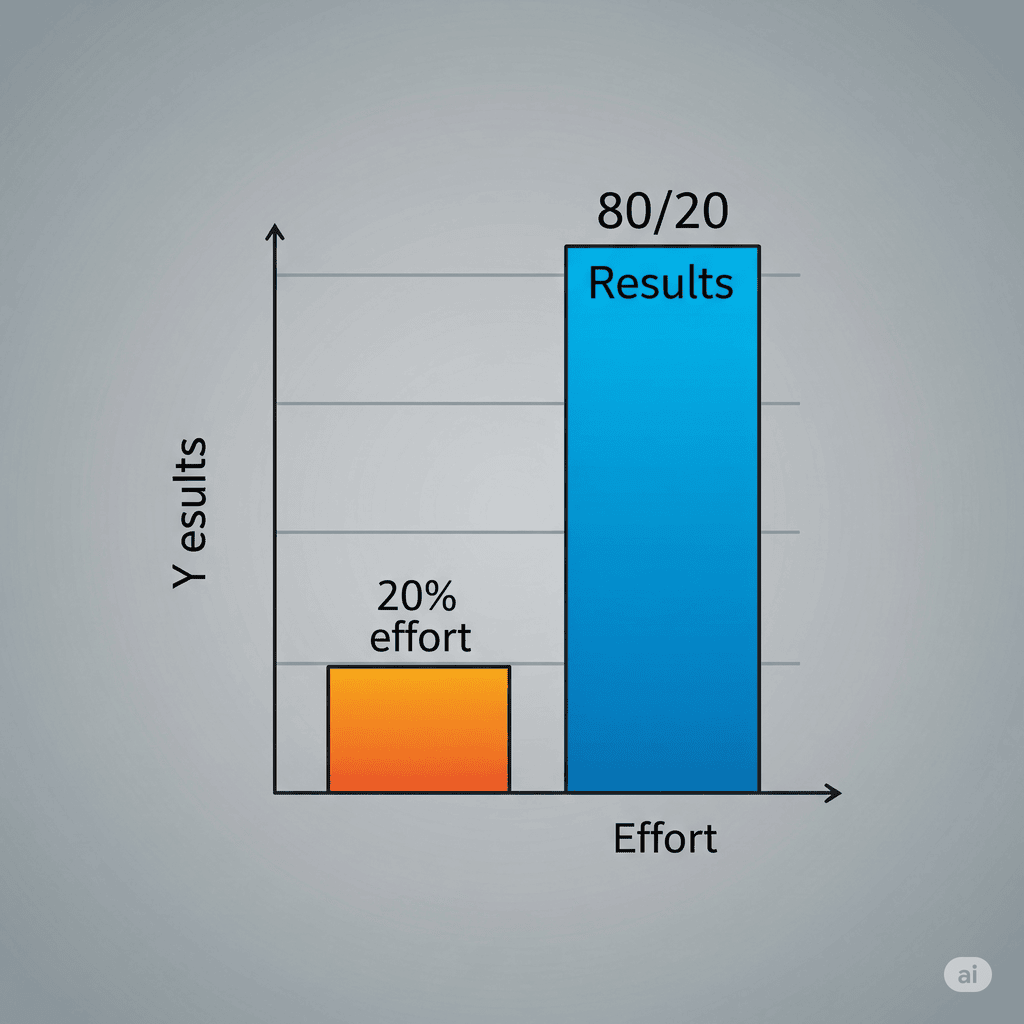
    The 80/20 rule, or Pareto Principle, is one of the most powerful principles in modern business. In essence, 80% of results come from only 20% of activities or resources. In the real world, we often see that most sales come from a few customers, or that most problems actually stem from a few causes.
    Why is this so important? Because by understanding this rule, you can focus your energy and resources on the areas that truly contribute significantly to your business. The effect is very significant: you can reduce waste and increase ROI instantly. However, there is a dangerous trap: many businesspeople fail to precisely identify their 20% leverage point, thus getting trapped in time-consuming routines.

    A systematic framework for identifying and leveraging the 80/20 in business, including the common pitfalls that often trap people, is broken down in detail in a special guide we have prepared at MentorBuku…


    Emotion – The Primary Fuel in Purchasing and Marketing

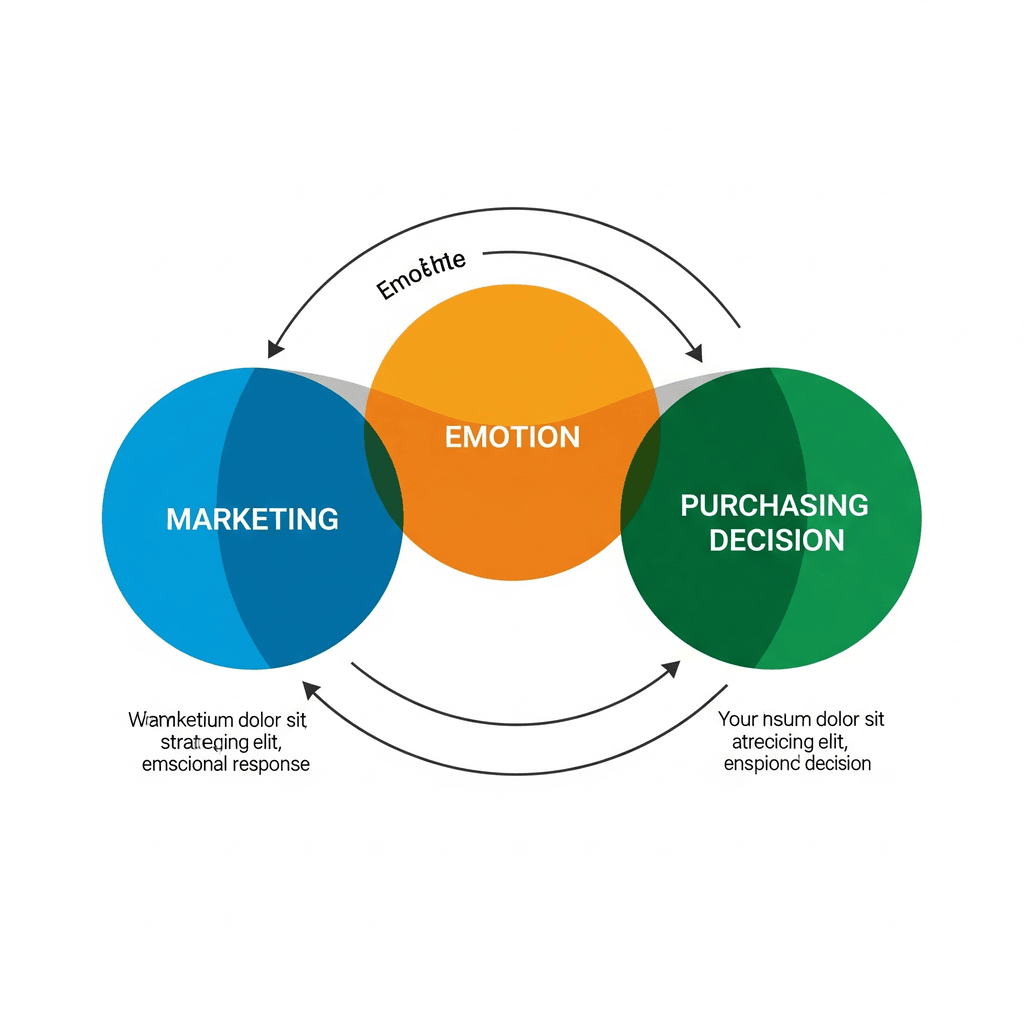
    Businesses are often too rational when designing their marketing or product offerings. Yet, research and field experience prove: emotion is the number one factor that drives purchasing decisions. From the desire for status, comfort, and pride, to the desire for acceptance—all are intertwined with emotion.
    The importance of provoking desire becomes the ultimate strategy in modern marketing. When you successfully ignite an emotional fire in your audience, your message and product will much more easily penetrate their psychological “walls.”
    However, it is futile if you don’t know how to strategically frame a story or message to evoke this emotion. There are specific narrative patterns and emotional triggers that, if applied, can transform ordinary sales pitches into revenue-boosting machines.

    Advanced techniques for designing storytelling and emotional triggers in your marketing, complete with concrete examples and copywriting templates, can be found in MentorBuku’s exclusive insights…


    The End Result – The Surefire Way to Win Negotiations and Marketing

    Instead of discussing product features and advantages, smart businesspeople always talk about the end result—the final outcome desired by the customer. This focus is not only easier for the audience to understand but also far more compelling and persuasive.
    For example, a tech company no longer sells “application features,” but rather “the convenience and efficiency it brings to your life.” In negotiations, offering the end result makes it easier for you to close the deal because the other party immediately imagines the concrete benefits for them.
    Why is this transformative? Because customers don’t care about the process—they care about the results. The ability to communicate in the language of end results is what separates elite marketers and negotiators from the rest.
    However, many fail to distinguish between a true end result and a surface-level benefit. There are special tricks to dig out, formulate, and convey an end result that truly hits the mark.
    A complete framework for designing and delivering the end result effectively is in this book and summarized in the exclusive training at MentorBuku…


    Education-Based Selling – Turning Offers into Education

    One of the most elegant modern marketing strategies is education-based selling, which emphasizes education as the foundation of the entire sales process. Instead of promoting directly, this technique focuses on providing insights, tips, and education to potential customers. The goal is not only to build authority but also to eliminate risk in their decision-making.
    Why is this so powerful? Because people are more likely to trust a party that provides benefits and knowledge before asking for something in return. The result is high trust and a dramatically increased closing rate.
    However, it requires specific techniques to weave education into a sales storytelling narrative that doesn’t feel forced. One wrong move, and the effect could actually drive prospects away.
    All the techniques, scripts, and real-world examples of education-based selling—including how to map the customer’s educational journey—are dissected in our in-depth insights at MentorBuku…


    Eliminating Purchase Risk – The Foundation of Modern Consumer Decisions

    Today, consumers are much more cautious because the risk of making a wrong purchase feels burdensome and detrimental in terms of time, reputation, and money. Therefore, a smart strategy to accelerate closing is to offer ways to eliminate purchase risk—whether through a guarantee, a trial period, or flexible payment terms.
    What is the main reason this technique is so effective? Because the human brain is naturally more inclined to avoid risk than to pursue gain.
    However, too many guarantees or empty promises can also backfire, creating an unprofessional impression. Thus, there are specific ways to design a risk elimination approach that genuinely builds trust.
    Practical strategies, formulas, and magic words that can erase a prospect’s doubts can be found at MentorBuku…


    Conclusion: It’s Time to Apply the Forgotten Fundamentals of Business

    The key to success is not advanced knowledge mastered by only a few—but the understanding and application of fundamental principles that are often overlooked. The 80/20 rule, the power of emotion, focusing on the end result, as well as education-based selling and eliminating purchase risk, are the “little sacred texts” that silently drive giant businesses and visionary entrepreneurs.
    However, without an execution framework, it all remains pseudo-knowledge. What are the practical steps, the potential pitfalls to avoid, and the ready-to-use strategy formulations? All of that awaits you in a strategic learning platform dedicated to true learners.

    Read also : Get Epic Shit Done by Ankur Warikoo


    Read also : How to Break Up with Your Phone Chaterine Price

    Read also : How to Make Girls Chase by Chase Amante


    Read also : Toxic Parents: Overcoming Their Hurtful Legacy and Reclaiming Your Life by Susan Forward


    You have just seen the foundation. These concepts are merely the tip of the iceberg of what this book offers. How do you apply them step-by-step, avoid common pitfalls, and integrate them into your strategy? All the answers lie within.
    Sign Up and Get Free Access on MentorBuku Now!