Tag: Self-Love

  • Why Love Is Not Just Romance: Ayisha Malik’s Perspective That Changes Lives. Conversations on Love by Natasha Lunn

    Introduction

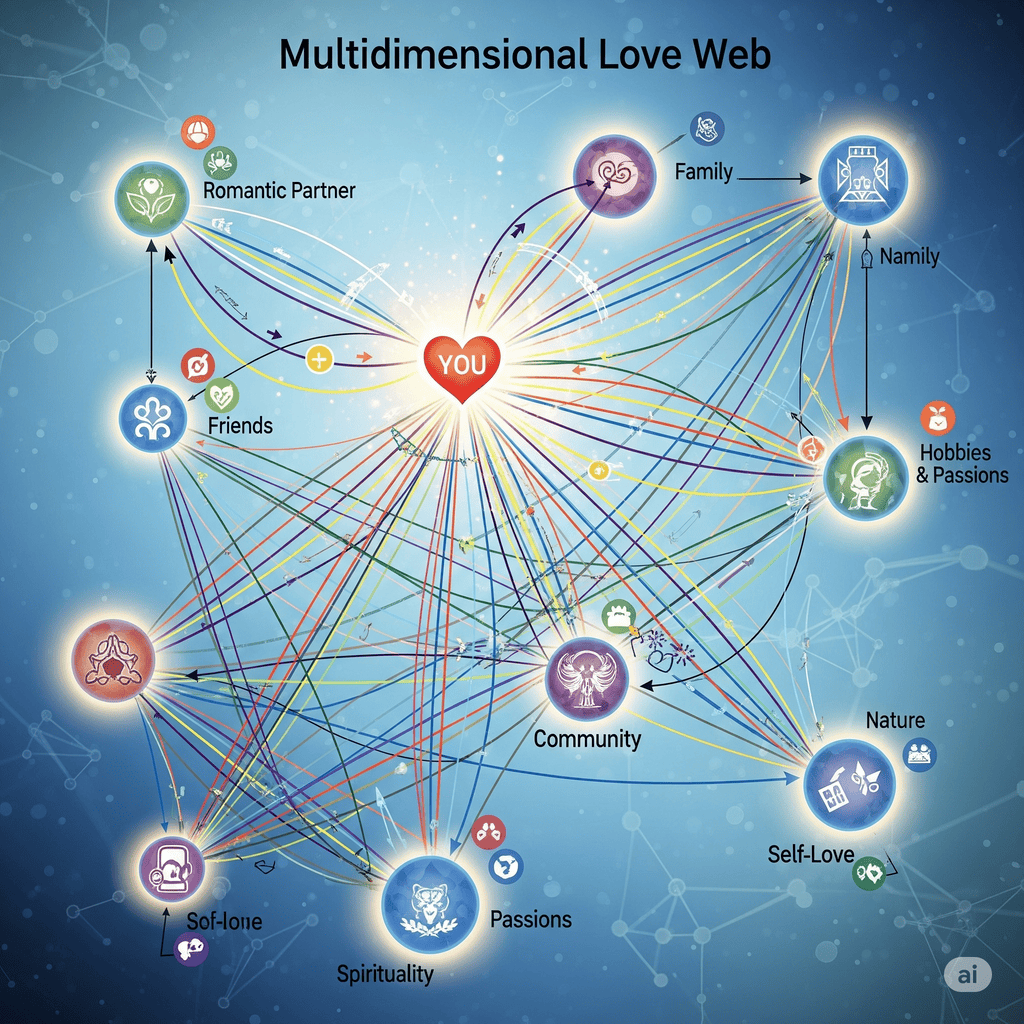
    For a long time, we have been trapped in the narrative that love equates to romantic relationships. In reality, a richly emotional life is born when we free ourselves from that myth. Ayisha Malik—author of The Other Half of Happiness—proves it. Through her personal journey, she invites us to see love as a multidimensional force rooted in various aspects of life. This article reveals how this revolutionary perspective can be the key to overcoming loneliness and discovering true fulfillment.


    Ayisha Malik’s Journey: From Romance to a Love That Is Wider

    Initially, Ayisha believed that a perfect love story should be centered on a romantic partner. This view proved to limit her freedom. Over time, she realized that love can be found anywhere: in work, faith, family, and even the process of understanding oneself. This shift is not merely a change in perspective; it is a liberation from cultural constraints that narrow the meaning of love.
    What’s surprising is that this approach actually brought her peace. When romantic relationships experience ups and downs, Ayisha still feels “connected” because the foundation of her love does not depend on one person. She has built an emotional safety net from various sources.

    Knowledge Hook:
    Ayisha’s concrete strategy for identifying non-romantic sources of love—along with her daily exercises—is described in 4 practical steps in the original book. Its exclusive summary is available to MentorBuku members.
    Also read : The First Episode of Psychosis: A Guide for Patients and Their Families by Michael T. M.D. Compton

    Five Pillars of Love Often Overlooked
    Based on an interview with Ayisha, there are at least five sources of love that are often considered secondary:

    1. Love for Work
      For Ayisha, work is a channel to express personal values. When she wrote The Other Half of Happiness, the creative process itself became a form of self-love. This is different from simply earning an income.
    2. Love for Faith or Life Philosophy
      Spiritual beliefs or philosophies provide a framework of meaning. Ayisha finds peace by reflecting on the principles she holds. This approach becomes a “compass” when facing emotional confusion.
    3. Unconditional Love for Family
      Blood relations are often considered ordinary. Yet, according to Ayisha, family is the first mirror of how we learn to give and receive support without transactions.
    4. Friendship as a Safe Space
      “Friends are the pillars that keep us whole when romance falters,” she says. Friendship offers honesty and acceptance that are hard to find in romantic relationships.
    5. Investing in Self-Understanding
      Ayisha emphasizes that loving oneself is foundational. Without it, love for others is prone to becoming dependency.

    Knowledge Hook:
    Three fatal mistakes in building these five pillars—plus how to avoid them—are thoroughly discussed in a dedicated chapter in the book. The summary version is accessible as soon as you join MentorBuku.

    Romantic Love Myths and the Art of Self-Liberation

    Pop culture paints romantic love as the “finishing touch” of life. Ayisha dismantles this illusion firmly: “There is no one who can see your entire self.” This statement becomes the key to her liberation.
    Why is it dangerous? An overemphasis on romance makes us overlook other sources of love that are actually more stable. As a result, when romantic relationships encounter trouble, the world seems to crumble.
    Vivek Murthy in Together: Loneliness, Health and What Happens When We Find Connection reinforces this: modern loneliness often stems from a lack of multidimensional connections. The solution isn’t to seek a partner, but to broaden the definition of love.

    Knowledge Hook:
    Ayisha’s techniques for detecting the influence of romantic myths on our thinking—complete with a self-assessment quiz—are available in MentorBuku premium materials. You will receive a self-evaluation template.
    Also read: 100 Ways to Motivate Yourself by Steve Chandler


    Why This Concept Is Revolutionary in an Era of Loneliness?

    Data shows that 33% of the global population experiences chronic loneliness. The main cause? Inability to see love beyond romantic relationships. Ayisha’s approach offers a solution:

    • Emotional Resilience: With many sources of love, romantic failure no longer destroys us.
    • Happiness Autonomy: Happiness isn’t handed to you by others.
    • Inclusivity: This can be applied by anyone, whether they have a partner or not.

    Knowledge Hook:
    The specific steps to build Ayisha’s “love portfolio”—including real-life case studies—are detailed in a 7-day structured exercise in the book. Our practical guide is provided exclusively for members.


    Conclusion: A Door to Deeper Understanding

    You’ve just seen the foundation. These concepts are only the tip of the iceberg of what the book offers. How to apply them step by step, avoid common pitfalls, and integrate them into your strategy? All the answers are inside.
    Sign up and get free access at MentorBuku now!

  • Mengapa Cinta Bukan Hanya Romansa: Pandangan Ayisha Malik yang Mengubah Hidup. Conversations on Love by Natasha Lunn

    Pendahuluan

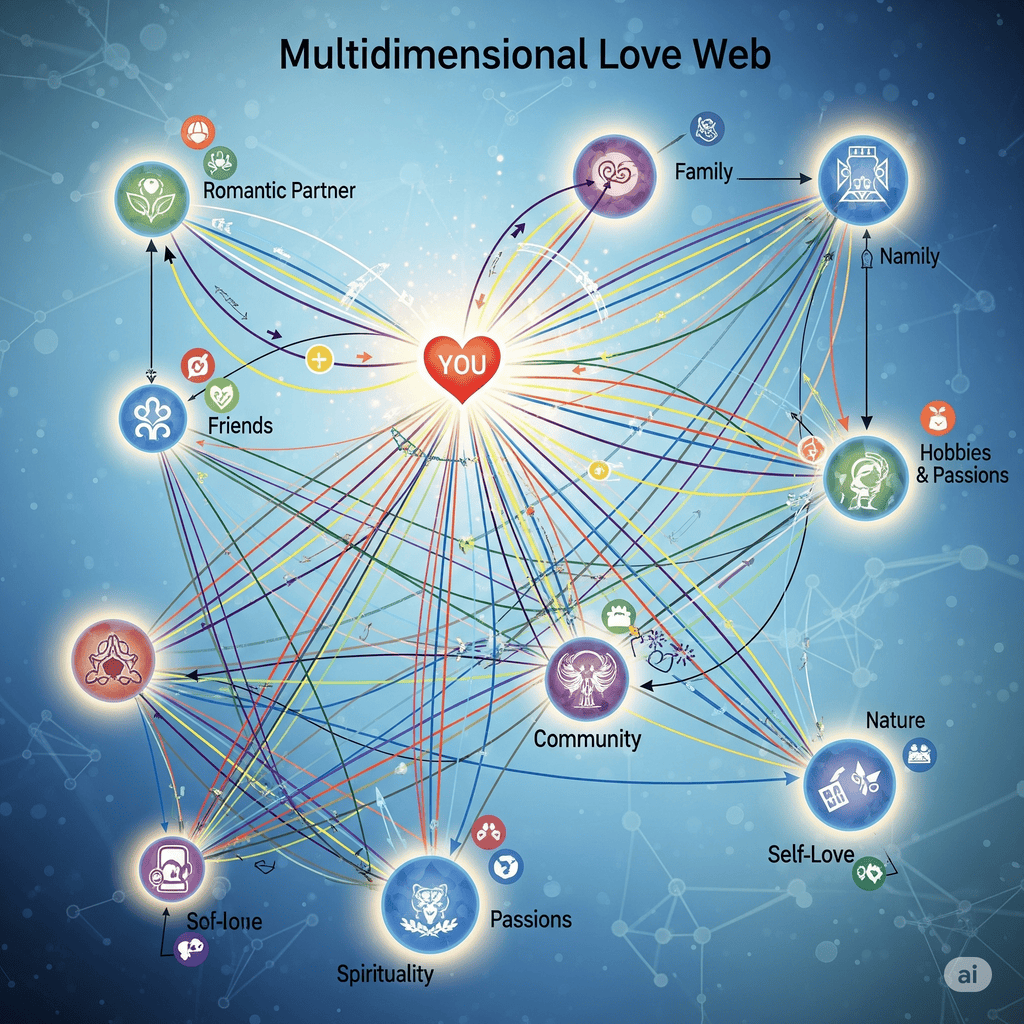
    Selama ini, kita terjebak dalam narasi bahwa cinta identik dengan hubungan romantis. Padahal, hidup yang kaya secara emosional justru lahir ketika kita membebaskan diri dari mitos itu. Ayisha Malik—penulis The Other Half of Happiness—membuktikannya. Melalui perjalanan pribadinya, ia mengajak kita melihat cinta sebagai kekuatan multidimensi yang bersumber dari berbagai aspek kehidupan . Artikel ini mengungkap bagaimana pandangan revolusioner ini bisa menjadi kunci mengatasi kesepian dan menemukan kepenuhan sejati.


    Perjalanan Ayisha Malik: Dari Romansa Menuju Cinta yang Lebih Luas

    Awalnya, Ayisha meyakini bahwa kisah cinta sempurna harus berpusat pada pasangan romantis. Pandangan ini ternyata membatasi ruang geraknya. Seiring waktu, ia menyadari bahwa cinta bisa ditemukan di mana saja: dalam pekerjaan, iman, keluarga, bahkan proses memahami diri sendiri . Peralihan ini bukan sekadar perubahan perspektif, melainkan pembebasan dari belenggu budaya yang menyempitkan makna cinta.

    Yang mengejutkan, pendekatan ini justru memberinya ketenangan. Ketika hubungan romantis mengalami pasang surut, Ayisha tetap merasa “terhubung” karena fondasi cintanya tidak bergantung pada satu orang. Ia membangun jaring pengaman emosional dari berbagai sumber.

    Pancingan Pengetahuan:
    Strategi konkret Ayisha untuk mengidentifikasi sumber-sumber cinta non-romantis—beserta latihan hariannya—dijelaskan dalam 4 langkah praktis di buku aslinya. Rangkuman eksklusifnya tersedia bagi anggota MentorBuku.


    Baca juga : The First Episode of Psychosis: A Guide for Patients and Their Families by Michael T. M.D. Compton

    Lima Pilar Cinta yang Sering Terabaikan

    Berdasarkan wawancara dengan Ayisha, setidaknya ada lima sumber cinta yang kerap dianggap sekunder:

    1. Cinta pada Pekerjaan
      Bagi Ayisha, pekerjaan adalah saluran untuk mengekspresikan nilai-nilai personal. Ketika ia menulis The Other Half of Happiness, proses kreatif itu sendiri menjadi bentuk self-love. Ini berbeda dari sekadar mencari penghasilan.
    2. Cinta pada Iman atau Filosofi Hidup
      Keyakinan spiritual atau filosofi memberi kerangka makna. Ayisha menemukan ketenangan dengan merenungkan prinsip-prinsip yang ia pegang. Pendekatan ini menjadi “kompas” saat menghadapi kebingungan emosional.
    3. Cinta Keluarga yang Tak Bersyarat
      Hubungan darah seringkali dianggap biasa. Padahal, menurut Ayisha, keluarga adalah cermin pertama bagaimana kita belajar memberi dan menerima dukungan tanpa transaksi.
    4. Persahabatan sebagai Ruang Aman
      “Teman adalah pilar yang membuat kita tetap utuh saat romansa goyah,” ujarnya. Persahabatan memberikan kejujuran dan penerimaan yang sulit ditemukan di hubungan romantis.
    5. Investasi dalam Pemahaman Diri
      Ayisha menekankan bahwa mencintai diri adalah fondasi. Tanpanya, cinta pada orang lain rentan menjadi ketergantungan.

    Pancingan Pengetahuan:
    Tiga kesalahan fatal dalam membangun kelima pilar ini—plus cara menghindarinya—dibedah tuntas dalam bab khusus di buku. Versi rangkumannya bisa diakses segera setelah Anda bergabung di MentorBuku.


    Mitos Cinta Romantis dan Seni Pembebasan Diri

    Budaya pop menggambar cinta romantis sebagai “penyempurna hidup”. Ayisha membongkar ilusi ini dengan tegas: “Tidak ada satu orang yang bisa melihat seluruh diri Anda”. Pernyataan ini menjadi kunci pembebasannya.

    Mengapa berbahaya? Fokus berlebihan pada romansa membuat kita mengabaikan sumber-sumber cinta lain yang sebenarnya lebih stabil. Akibatnya, ketika hubungan romantis bermasalah, dunia seolah runtuh.

    Vivek Murthy dalam Together: Loneliness, Health and What Happens When We Find Connection memperkuat ini: kesepian modern sering berakar pada kurangnya koneksi multidimensi. Solusinya bukan mencari pasangan, melainkan memperluas definisi cinta.

    Pancingan Pengetahuan:
    Teknik Ayisha untuk mendeteksi pengaruh mitos romantis dalam pola pikir kita—lengkap dengan kuis self-assessment—tersedia di materi premium MentorBuku. Anda akan mendapat template evaluasi mandiri.
    Baca juga : 100 Ways to Motivate Yourself by Steve Chandler


    Mengapa Konsep Ini Revolusioner di Era Kesepian?

    Data menunjukkan 33% populasi global merasa kesepian kronis. Penyebab utamanya? Ketidakmampuan melihat cinta di luar hubungan romantis. Pendekatan Ayisha menawarkan solusi:

    • Ketahanan Emosional: Dengan banyaknya sumber cinta, kegagalan romansa tidak lagi menghancurkan.
    • Otonomi Kebahagiaan: Kebahagiaan tidak diserahkan ke tangan orang lain.
    • Inklusivitas: Bisa diterapkan oleh siapa saja, baik yang memiliki pasangan maupun tidak.

    Pancingan Pengetahuan:
    Langkah-langkah spesifik membangun “portofolio cinta” ala Ayisha—termasuk studi kasus nyata—dirinci dalam 7 hari latihan terstruktur di buku. Panduan praktisnya kami sediakan khusus untuk anggota.


    Penutup: Pintu Menuju Pemahaman yang Lebih Dalam

    Anda baru saja melihat fondasinya. Konsep-konsep ini hanyalah puncak gunung es dari apa yang ditawarkan buku ini. Bagaimana cara menerapkannya langkah demi langkah, menghindari jebakan umum, dan mengintegrasikannya ke dalam strategi Anda? Semua jawaban itu ada di dalam.

    Daftar dan Dapatkan Akses Gratis di MentorBuku Sekarang!