Tag: self-improvement

  • The Fundamental Battle: The Powerful Way to Conquer the Enemy Within and Find Life’s Purpose. Win Your Inner Battles: Defeat The Enemy Within and Live With Purpose by Darius Foroux

    Introduction: Why the Greatest Struggle Actually Happens Within Ourselves

    Have you ever felt as if something is always holding you back from success? Not just external obstacles, but a small voice inside your head that constantly doubts, procrastinates, and even frightens you from moving forward. This voice is the ‘enemy within’—a mental challenge that is real but often invisible to others.
    The book “Win Your Inner Battles: Defeat The Enemy Within and Live With Purpose” dissects the internal warfare experienced by almost everyone. More than just motivation, this book offers strategic insights on how self-discipline, perseverance, and an understanding of true purpose can become your ultimate weapons to win this internal battle.
    In this article, you will discover three key concepts that form the foundation for victory against the enemy within. Each concept is not just about the “what” and “why,” but is also paired with knowledge hooks that will make you eager to know “how” to apply them in detail.


    H2: 1. Recognizing the Enemy Within: How ‘Resistance’ Destroys Your Potential

    One of the most compelling insights from this book is the concept called “resistance”—an internal push-and-pull force that becomes the main obstacle to all creative work and achievement. Steven Pressfield calls resistance the universal enemy of writers, creators, entrepreneurs, and anyone who wants to make a significant change in their life. Resistance manifests in the form of procrastination, self-doubt, fear of failure, and even excessive perfectionism.
    Why is resistance so dangerous? Because it operates silently, trapping you in a comfort zone and uncertainty. The bigger your dreams and steps, the stronger resistance attacks. If left unchecked, resistance will paralyze initiative and cause you to miss the best opportunities in life.
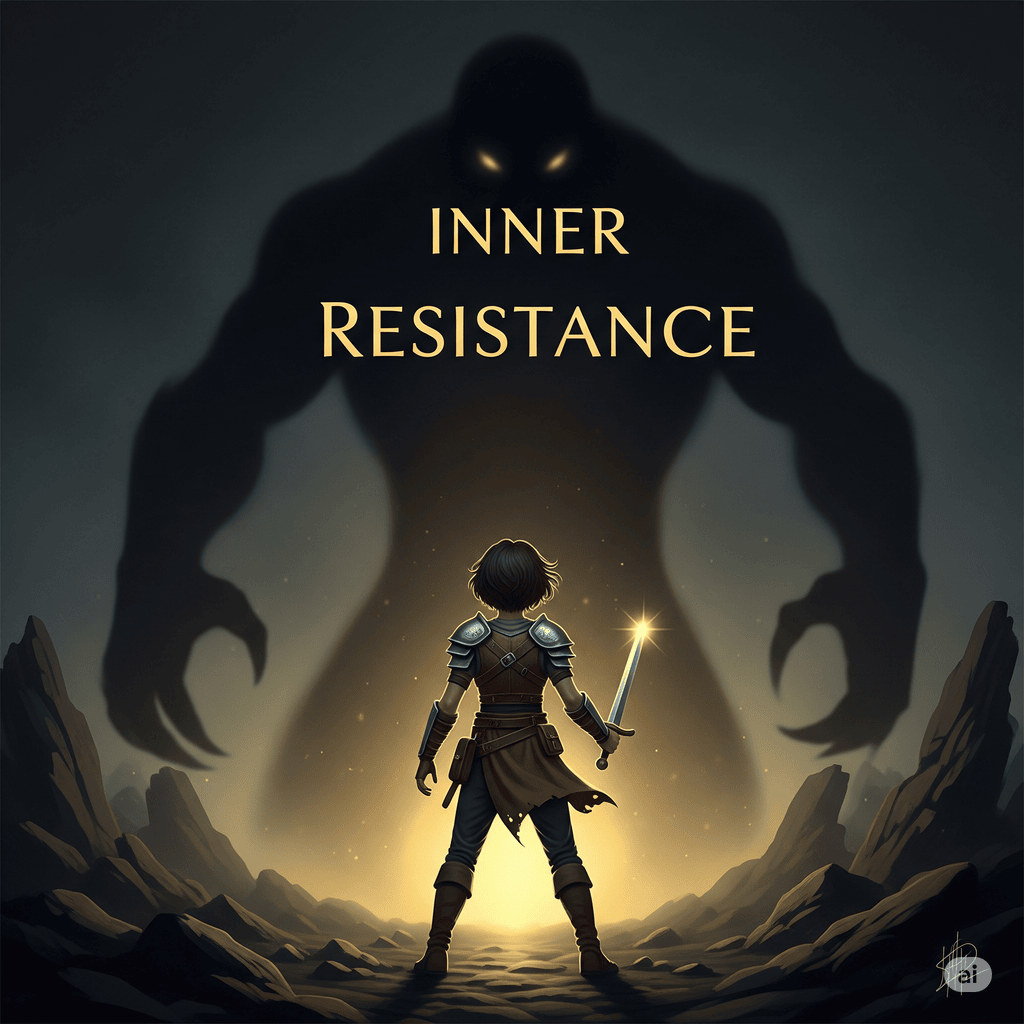
    However, a framework for identifying various types of resistance and the specific strategies to conquer them is thoroughly dissected in the book—including how to map out your own key weaknesses, which most people are often unaware of. The advanced strategies and mental exercises are part of a special toolkit that you can find in the MentorBuku summary.

    Read also : $100M Offers by Alex Hormozi

    H2: 2. Taking Control: The Power of Small Actions and Self-Discipline

    The second revolutionary concept is the importance of small, consistent actions as the primary way to conquer the enemy within. This book emphasizes that victory in the ‘internal battle’ is not about one grand moment, but rather a series of simple decisions made consciously every day.
    Why is this important? Because people often get trapped in the paradigm of “waiting for the perfect moment.” In reality, true progress is built on the courage to take the first step—no matter how small—and on proactively building competence from one experience to the next.
    Self-discipline becomes the catalyst that separates those who merely dream from those who truly win. You are encouraged to build “confidence through competence,” starting with simple things and eventually generating the courage to conquer your deepest fears.

    The specific framework for how to initiate change, the method for building disciplined habits that do not easily collapse, as well as real-life transformation case studies, are detailed step-by-step in the book. There is also a strategic guide for taming distractions in the digital age, which is something never discussed in conventional motivation.

    Read also : THE RUDEST BOOK EVER by Shwetabh Gangwar

    H2: 3. Finding and Living a Purpose: From Reaction to Meaningful Action

    The enemy within often obscures one fundamental thing: a purpose in life. In many cases, people live their days simply to fulfill expectations, compare themselves to others, and respond to environmental pressures, rather than acting based on a personal mission.
    This book reveals the importance of “purpose”—an authentic purpose that comes from within. Those who live with purpose are not only more resilient in facing trials, but are also more inclined to share and give without expecting anything in return. This is the foundation of true life satisfaction.
    Why? Because without a clear purpose, every achievement feels empty. Life becomes a series of passive responses rather than the embodiment of meaningful action. When you begin to identify ‘why’ you are fighting, the strength to defeat the enemy within multiplies.
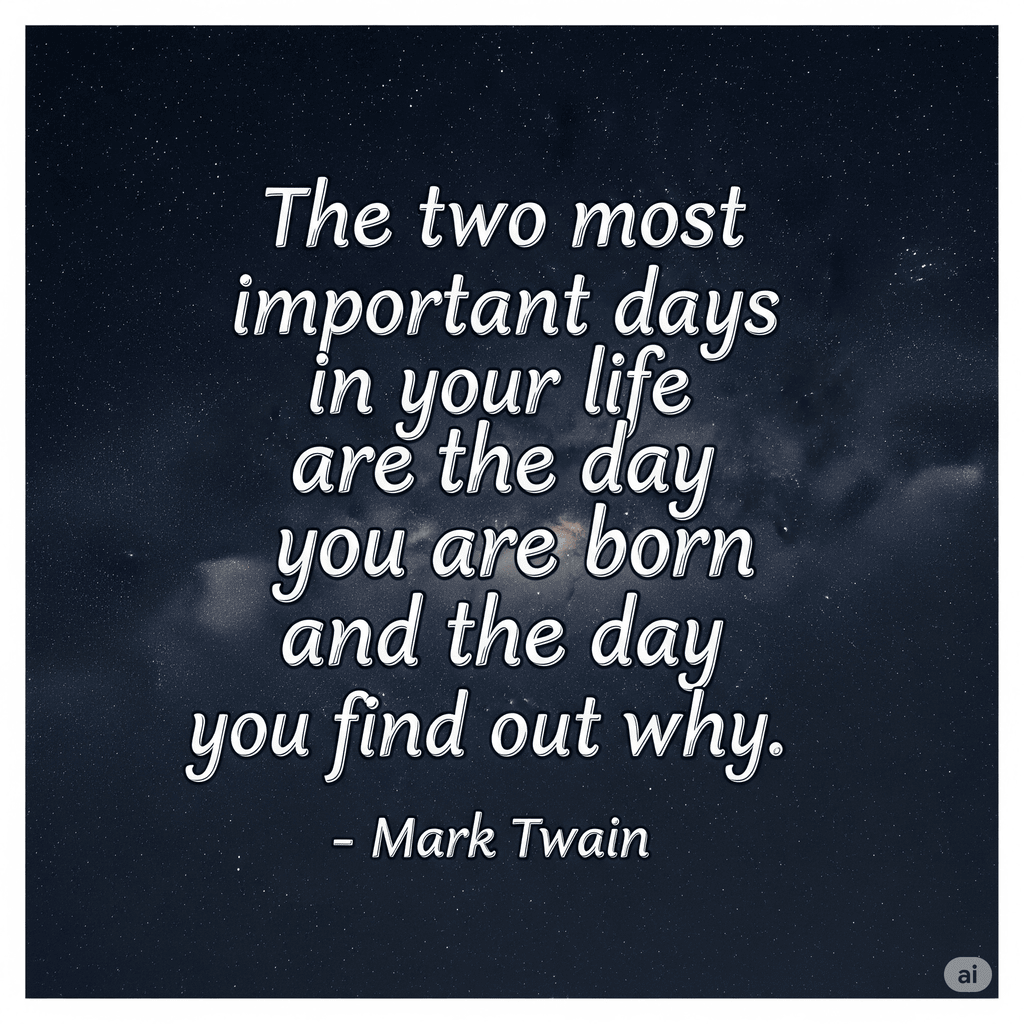
    The in-depth process for discovering true purpose and how to prevent the trap of comparing yourself to others is fully explored in the MentorBuku toolbox, complete with reflective exercises and real-life examples from transformational achievers.

    Read also : Why Has Nobody Told Me This Before? by Julie Smith

    H2: 4. Conquering the Noise: How to Reject Expectations and Focus on Yourself

    One of the biggest battles in the modern era is the ability to reject ‘the noise’—whether it’s social demands, pressure to be like others, or the temptation of distractions that destroy focus. The book “Win Your Inner Battles” emphasizes the importance of being selective about what you accept and who you spend your time with.
    Why must you dare to say no? Because your time and energy are limited. When you say yes to external requests too often, you are forced to sacrifice your personal agenda and integrity.
    The discipline to eliminate noise is not just about mental toughness; it also requires a mature relational strategy. You will learn how to “say no” without guilt, manage others’ expectations, and ultimately build a circle that strengthens your mental resilience.
    A practical guide to prioritizing time, redefining relationships, and assertive communication templates are all available in a masterclass accessible through MentorBuku.


    H2: Conclusion: Time to Be the Winner on the Inner Battlefield

    The most real war that determines your future is not external competition, but the daily battle within yourself. Through the concept of resistance, the importance of small and disciplined actions, finding authentic purpose, and sharpening focus, the book “Win Your Inner Battles” provides a strong foundation for you to be ready to fight and win.
    However, the applicable strategies, concrete steps, case study examples, and supporting exercises that separate those who win from those who merely know—all of these can only be found if you dig deeper.


    You’ve just seen the foundation. These concepts are merely the tip of the iceberg of what this book offers. How do you apply them step-by-step, avoid common pitfalls, and integrate them into your strategy? All those answers lie within.

    Sign Up and Get Free Access on MentorBuku Now!
  • The Fundamental Battle: Cara Ampuh Menaklukkan Musuh Dalam Diri dan Menemukan Tujuan Hidup. Win Your Inner Battles: Defeat The Enemy Within and Live With Purpose by Darius Foroux

    Introduksi: Mengapa Perjuangan Terbesar Sebenarnya Terjadi di Dalam Diri Kita

    Pernahkah Anda merasa seolah-olah ada sesuatu yang selalu menahan langkah Anda menuju keberhasilan? Bukan sekadar hambatan eksternal, melainkan suara kecil di dalam kepala yang terus meragukan, menunda, bahkan menakut-nakuti Anda untuk bergerak maju. Suara ini adalah ‘musuh dalam diri’—tantangan mental yang nyata namun sering kali tak tampak oleh orang lain.

    Buku “Win Your Inner Battles: Defeat The Enemy Within and Live With Purpose” membongkar peperangan batin yang dialami hampir semua orang. Lebih dari sekadar motivasi, buku ini menawarkan wawasan strategis tentang bagaimana disiplin diri, ketekunan, dan pemahaman akan tujuan sejati dapat menjadi senjata pamungkas Anda untuk menang dalam pertarungan internal ini.

    Dalam artikel ini, Anda akan menemukan tiga konsep kunci yang menjadi fondasi kemenangan melawan musuh dalam diri. Setiap konsep bukan hanya tentang “apa” dan “mengapa”, melainkan juga dipadukan dengan pancingan pengetahuan yang membuat Anda ingin segera tahu “bagaimana” menerapkannya secara detail.


    H2: 1. Mengenali Musuh Dalam Diri: Bagaimana ‘Resistance’ Menghancurkan Potensi Anda

    Salah satu insight paling menarik dari buku ini adalah konsep yang disebut “resistance”—gaya tarik-menarik dalam batin yang menjadi penghalang utama segala karya dan pencapaian. Steven Pressfield menyebut resistance sebagai musuh universal para penulis, kreator, pebisnis, bahkan siapa pun yang ingin membuat perubahan signifikan dalam hidup mereka. Resistance muncul dalam bentuk penundaan, keraguan diri, rasa takut gagal, hingga perfeksionisme berlebihan.

    Mengapa resistance begitu berbahaya? Karena ia beraksi secara diam-diam, menjebak Anda dalam zona nyaman dan ketidakpastian. Semakin besar impian dan langkah Anda, semakin kuat resistance menyerang. Jika dibiarkan, resistance akan melumpuhkan inisiatif dan membuat Anda kehilangan peluang terbaik dalam hidup.

    Namun, kerangka untuk mengidentifikasi berbagai tipe resistance dan strategi spesifik untuk menaklukkannya dibedah lengkap di dalam buku—termasuk bagaimana memetakan titik kelemahan utama Anda sendiri, yang sering tidak disadari oleh kebanyakan orang. Strategi lanjutan dan latihan mentalnya adalah bagian dari toolkit khusus yang bisa Anda temukan di rangkuman MentorBuku.

    Baca juga : $100M Offers by Alex Hormozi


    H2: 2. Mengambil Kendali: Kekuasaan Tindakan Kecil dan Disiplin Diri

    Konsep kedua yang revolusioner adalah pentingnya tindakan kecil yang konsisten sebagai penakluk utama musuh dalam diri. Buku ini menekankan bahwa kemenangan dalam ‘pertempuran batin’ bukan tentang satu momentum besar, melainkan serangkaian keputusan sederhana yang diambil dengan penuh kesadaran setiap hari.

    Mengapa ini penting? Karena sering kali orang terjebak dalam paradigma “menunggu momen sempurna”. Padahal, kemajuan sejati justru dibangun dari keberanian mengambil langkah pertama—betapapun kecilnya—dan secara proaktif membangun kompetensi dari pengalaman demi pengalaman.

    Disiplin diri menjadi katalisator yang membedakan mereka yang hanya bermimpi dengan mereka yang benar-benar menang. Anda diajak untuk membangun “kepercayaan lewat kompetensi”, mulai dari hal sederhana hingga akhirnya menghasilkan keberanian menaklukkan ketakutan terdalam.

    Kerangka kerja spesifik bagaimana mengawali perubahan, cara membangun kebiasaan disiplin yang tak mudah runtuh, serta contoh kasus transformasi nyata, diuraikan langkah demi langkah dalam buku. Ada juga panduan strategi untuk menjinakkan distraksi di era digital, yang tak pernah dibahas dalam motivasi konvensional.

    Baca juga : THE RUDEST BOOK EVER by Shwetabh Gangwar


    H2: 3. Menemukan dan Menghidupi Tujuan: Dari Reaksi Menjadi Aksi Bermakna

    Musuh dalam diri kerap kali mengaburkan satu hal mendasar: tujuan hidup. Dalam banyak kasus, orang menjalani hari-hari mereka hanya untuk memenuhi ekspektasi, membandingkan diri dengan orang lain, dan merespon tekanan lingkungan, bukan dengan melangkah berdasarkan misi pribadi.

    Buku ini mengungkap pentingnya “purpose”—tujuan hidup yang otentik dan lahir dari dalam diri. Mereka yang hidup dengan purpose tak hanya lebih resilient menghadapi cobaan, tapi juga lebih tertarik untuk berbagi dan memberi tanpa mengharapkan balasan. Ini adalah fondasi kepuasan hidup yang sesungguhnya.

    Mengapa? Karena tanpa tujuan yang jelas, setiap pencapaian terasa hampa. Hidup menjadi serangkaian respons pasif ketimbang perwujudan aksi bermakna. Ketika Anda mulai mengidentifikasi ‘mengapa’ Anda bertarung, kekuatan untuk mengalahkan musuh dalam diri pun berlipat ganda.

    Proses mendalam untuk menemukan purpose sejati dan bagaimana mencegah jebakan membandingkan diri dengan orang lain dikupas tuntas dalam toolbox yang ada di MentorBuku, lengkap dengan latihan reflektif dan contoh-contoh nyata para transformational achiever.

    Baca juga : Why Has Nobody Told Me This Before? by Julie Smith


    H2: 4. Mengalahkan Kebisingan: Cara Menolak Ekspektasi dan Fokus pada Diri Sendiri

    Salah satu pertempuran terbesar dalam era modern adalah kemampuan untuk menolak ‘kebisingan’—baik berupa tuntutan sosial, tekanan untuk menjadi seperti orang lain, maupun godaan distraksi yang merusak fokus. Buku “Win Your Inner Battles” menekankan pentingnya selektif terhadap apa yang Anda terima dan siapa yang Anda habiskan waktu bersama.

    Mengapa Anda harus berani berkata tidak? Karena waktu dan energi Anda terbatas. Ketika Anda terlalu sering mengatakan ya kepada permintaan eksternal, Anda terpaksa mengorbankan agenda pribadi dan integritas.

    Disiplin untuk mengeliminasi noise bukan hanya tentang ketangguhan mental, tapi juga membutuhkan strategi relasional yang matang. Anda akan belajar cara “mengatakan tidak” tanpa rasa bersalah, mengelola ekspektasi orang lain, dan akhirnya membangun circle yang memperkuat ketahanan mental Anda.

    Panduan praktis untuk memprioritaskan waktu, mendefinisikan ulang hubungan, serta template komunikasi asertif, semuanya tersedia dalam masterclass yang dapat diakses melalui MentorBuku.


    H2: Kesimpulan: Saatnya Menjadi Pemenang di Medan Perang Batin

    Perang paling nyata yang menentukan masa depan Anda bukanlah persaingan eksternal, melainkan pertarungan harian di dalam diri. Melalui konsep resistance, pentingnya tindakan kecil dan disiplin, menemukan purpose otentik, dan menajamkan fokus, buku “Win Your Inner Battles” memberi fondasi kuat agar Anda siap melawan dan menang.

    Namun, strategi aplikatif, langkah konkret, hingga contoh studi kasus dan latihan penunjang yang membedakan mereka yang menang dari mereka yang hanya tahu—semuanya hanya bisa Anda temukan jika Anda menggali lebih dalam.


    Anda baru saja melihat fondasinya. Konsep-konsep ini hanyalah puncak gunung es dari apa yang ditawarkan buku ini. Bagaimana cara menerapkannya langkah demi langkah, menghindari jebakan umum, dan mengintegrasikannya ke dalam strategi Anda? Semua jawaban itu ada di dalam.

    Daftar dan Dapatkan Akses Gratis di MentorBuku Sekarang!


  • 5 Fundamental Secrets to Reading People’s Body Language. What Every BODY Is Saying by Joe Navarro with Marvin Karlins, Ph.D


    In today’s hyper-connected world, the ability to read body language is no longer a skill exclusive to detectives or secret agents. In fact, every day you face moments where words cannot be fully trusted. When someone says, “I’m fine,” with a faint smile and hands clasped tightly in their lap, we know there’s a hidden message behind it.
    But did you know that the body holds a ‘secret code’ about a person’s emotions and intentions—even before they themselves are aware of it? Let’s unpack the five fundamental secrets of reading body language, a strategic skill that can transform the way you communicate, make decisions, and build trust.


    Why Does Body Language Reveal the Truth?

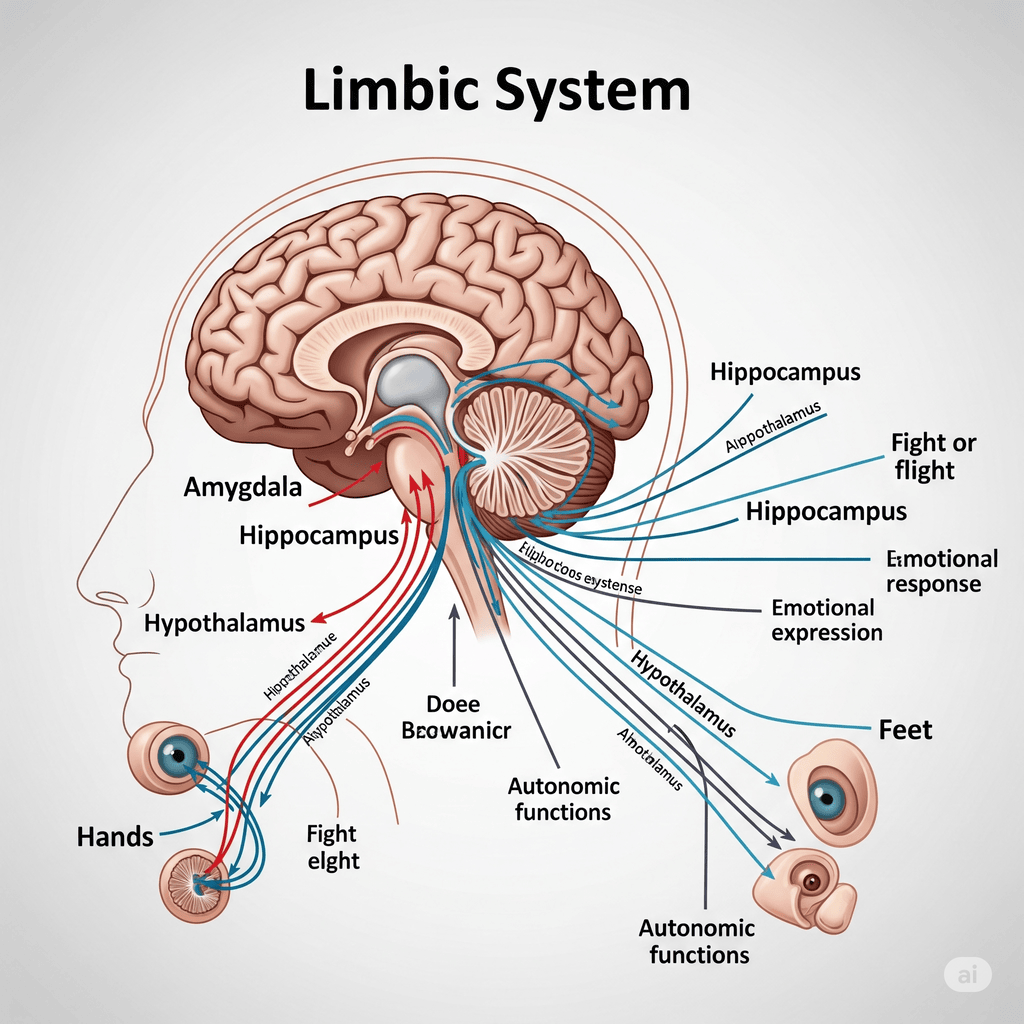
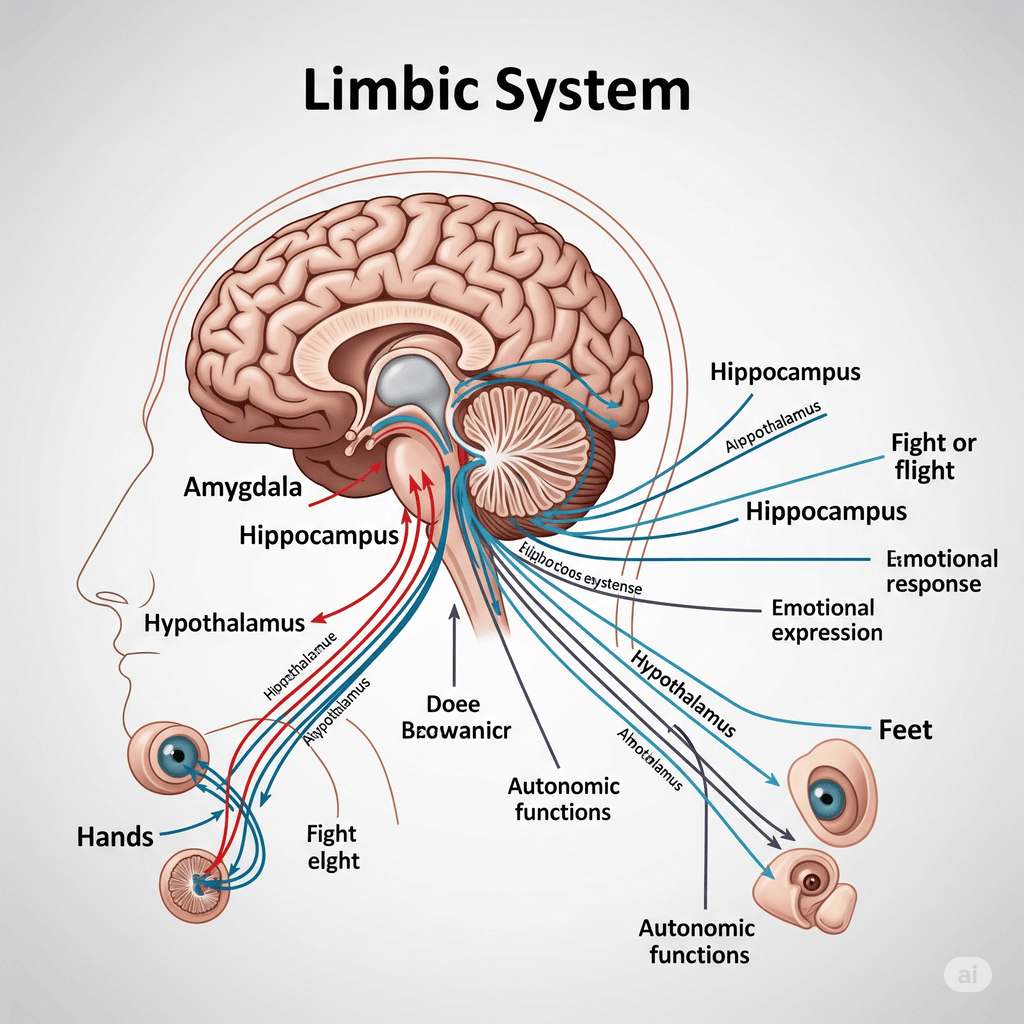
    Before we go any further, you must understand why nonverbals speak louder than spoken words. Neurologically, our bodies react first to threats, dishonesty, and even joy—long before our rational brain takes over. Reflexive movements, gaze, and changes in hand or foot position are all signals originating from the limbic brain.
    Essentially, nonverbal language is humanity’s “honest language.” In a casual conversation, you might not notice a person’s micro-expressions. But in the context of negotiations, interviews, or building personal relationships, reading body language can make the difference between being deceived and being able to control the situation.
    “People believe what they see, not just what they hear.”

    However, understanding “why” alone isn’t enough. To acquire this skill, you need to examine the detailed anatomy of body language—and this is where these five secrets begin.


    Secret #1 – Hand Gestures: Honest or Deceptive Signals?

    Hand gestures might seem ordinary. However, as one of the most powerful nonverbal signals, hand movements can be a primary gateway to reading your counterpart’s intentions. Body language researchers have found a strong correlation between the position of the palms and the impression of honesty.
    When someone speaks with their palms facing up (palm-up), it usually signifies openness, sincerity, and a willingness to share. Conversely, the palm-down gesture is a symbol of dominance, authority, or, in certain situations, a desire to withhold information. During a normal conversation, both gestures can appear interchangeably.
    However, what’s interesting occurs when the conversation becomes high-tension or involves an important declaration. Observe: does your counterpart choose a palm-down gesture with a firm voice, or stick with a calm palm-up gesture? It is this shift that signals the change in emotion and intention beneath the surface.

    Therefore, observing hand gestures is not just a matter of aesthetics, but a tool for detecting psychological dynamics in real time.
    “The complete framework for applying hand gesture reading in business decision-making, negotiations, and building trust is discussed in 5 specific steps within the original book and the MentorBuku premium summary…”

    Read also : The Greatest Secret by Rhonda Byrne

    Case Study: Palm-Up vs. Palm-Down in Conversation

    Imagine you are in an important meeting. Someone presents a major proposal while keeping their hands on the table, palms facing down, and rarely changing position. On the other hand, a colleague who supports the idea uses open gestures, palms up, with a smile and a friendly gaze. Who do you feel is more sincere? Who is secretly dictating the agenda?
    It’s no coincidence that microexpression studies confirm that hand gestures are not just an accompaniment to words, but also the foundation of trust in communication.
    But don’t make a decision just yet. There are a number of biases and common mistakes in reading hand gestures—and the details are one of the exclusive highlights we cover in more depth at MentorBuku…


    Secret #2 – The Limbic Response: A Subconscious Reaction That Cannot Be Hidden

    The limbic system, an area of the brain inherited from prehistoric times, is responsible for protecting us from danger and reflecting feelings through spontaneous physical reactions. When we feel threatened, uncomfortable, or doubtful, the body will issue a “subconscious alarm.” For example, someone suddenly placing a bag between themselves and another person, or rubbing their neck, is a classic “shielding gesture” from a limbic reaction.
    What makes this interesting is that these gestures are very difficult to control consciously, even for a masterful liar. Therefore, understanding the “limbic reaction” principle becomes a primary tool for anyone, whether you are in HR, a negotiator, or simply want to discern a friend’s honesty.
    However, the signs of a limbic response can be very subtle and easily missed. Restless leg movements under the table, one-second facial microexpressions, to changes in breathing patterns are a series of details that are often misread.
    “Advanced techniques for distinguishing a valid limbic response from mere social awkwardness, as well as how to practice this precise observation, are part of the exclusive insights in the MentorBuku summary…”

    Read also : The Collapse of Parenting by Leonard Sax

    Secret #3 – Declaration vs. Discussion: How Gestures Reveal Emotional Intensity

    One of the interesting chapters from the book “What Every BODY is Saying” is how hands “speak” louder in moments of declaration or assertion than in a normal conversation.
    When two people are in a casual debate, switching between palm-up and palm-down is normal. However, if a shift to an important statement occurs (“I really…”, “You have to believe…”), a sudden change in hand position (or the disappearance of gestures altogether) is a nonverbal ‘alarm’ for tension, doubt, or an attempt to control perception.
    Furthermore, the combination of gestures with facial expressions, gaze angle, and body posture completes this subconscious narrative. Those who understand this shift in gestures can read who is merely forming an opinion and who is genuinely trying to convince both themselves and their counterpart.
    However, distinguishing between an assertive intention and a mere stress gesture requires practice, in-depth observation, and a number of key behavioral checklists.
    “However, there are three common mistakes often made when assessing gesture shifts in declarations versus discussions, which are dissected in full detail in the MentorBuku premium summary…”

    Read also : Unwinding Anxiety by Judson A. Brewer

    Conclusion: Seeing a New Dimension in Communication Through the Body

    Reading body language is not merely about guessing other people’s moods. It is an applied science that can be honed to reduce misperceptions, improve the quality of interactions, and detect danger signals that are difficult to express through words alone.
    However, the biggest “secret” isn’t just about what the body language signals are, but rather how you train yourself to see, investigate, and then optimize these observations in your professional and personal life.
    The process is laid out before you. However, the concrete steps, the real-world application framework, and the practice of automatically recognizing these patterns are advanced skills that await you on the MentorBuku platform.


    You have just seen the foundation. These concepts are just the tip of the iceberg of what this book offers. How do you apply them step by step, avoid common pitfalls, and integrate them into your strategy? All those answers are inside.

    Sign Up and Get Free Access on MentorBuku Now!

  • 5 Rahasia Fundamental Membaca Bahasa Tubuh Orang. What Every BODY Is Saying by Joe Navarro with Marvin Karlins, Ph.D


    Di dunia yang serba terhubung, kemampuan membaca bahasa tubuh bukan lagi keahlian eksklusif detektif atau agen rahasia. Faktanya, Anda setiap hari menghadapi momen di mana kata-kata tak bisa diandalkan sepenuhnya. Ketika seseorang berkata “Saya baik-baik saja” dengan senyum tipis dan tangan yang mengatup keras di pangkuannya, kita tahu ada pesan tersembunyi di baliknya.

    Namun, apakah Anda tahu bahwa tubuh menyimpan ‘kode rahasia’ tentang emosi dan niat seseorang—bahkan sebelum mereka sendiri sadar? Mari kita bongkar lima rahasia fundamental membaca bahasa tubuh, sebuah pengetahuan strategis yang mampu mentransformasi cara Anda berkomunikasi, membuat keputusan, hingga membangun kepercayaan.


    Mengapa Bahasa Tubuh Menentukan Kebenaran Seseorang?

    Sebelum melangkah lebih jauh, Anda harus memahami mengapa nonverbal lebih berbicara daripada kata-kata lisan. Secara neurologis, tubuh kita bereaksi lebih dulu terhadap ancaman, ketidakjujuran, bahkan kegembiraan—jauh sebelum otak rasional mengambil alih. Gerak reflek, tatapan mata, perubahan posisi tangan atau kaki adalah sinyal-sinyal yang berasal dari otak limbik.

    Konteksnya, bahasa nonverbal adalah “bahasa jujur” manusia. Dalam percakapan kasual, Anda mungkin tak menyadari detail detail mikro-ekspresi seseorang. Tetapi dalam konteks negosiasi, wawancara, atau membangun relasi personal, membaca bahasa tubuh membuat perbedaan antara terjebak dalam kebohongan atau mampu memegang kendali situasi.

    “Orang percaya apa yang mereka lihat, bukan hanya apa yang mereka dengarkan.”

    Namun, memahami “kenapa” saja tidak cukup. Untuk mendapatkan keahlian ini, Anda perlu menelaah anatomi detail bahasa tubuh—dan di sinilah lima rahasia ini dimulai.


    Rahasia #1 – Gestur Tangan: Sinyal Jujur atau Menipu?

    Gestur tangan mungkin tampak biasa. Namun, sebagai salah satu sinyal nonverbal terkuat, pergerakan tangan dapat menjadi pintu gerbang utama membaca niat lawan bicara Anda. Peneliti bahasa tubuh menemukan keterkaitan erat antara posisi telapak tangan dengan impresi kejujuran.

    Ketika seseorang berbicara dengan telapak tangan menghadap ke atas (palm-up), biasanya ini menandakan keterbukaan, ketulusan, dan ingin berbagi. Sebaliknya, gestur palm-down adalah simbol dominansi, otoritas, atau dalam kondisi tertentu, keinginan untuk menahan informasi. Selama percakapan biasa, kedua gestur dapat muncul bergantian.

    Namun, hal yang menarik muncul saat percakapan berubah menjadi tensi tinggi atau deklarasi penting. Cermati: apakah lawan bicara Anda memilih gestur palm-down dengan suara tegas, atau tetap bertahan pada palm-up yang tenang? Pergeseran inilah yang menandai perubahan emosi dan niat di bawah permukaan.

    Oleh karena itu, pengamatan gestur tangan bukan hanya soal estetika, tetapi alat mendeteksi dinamika psikologis secara real time.

    “Kerangka kerja lengkap untuk menerapkan pembacaan gestur tangan dalam membuat keputusan bisnis, negosiasi, dan membangun kepercayaan dibahas dalam 5 langkah spesifik di dalam buku asli dan rangkuman premium MentorBuku…”

    Baca juga : The Greatest Secret by Rhonda Byrne


    Studi Kasus Palm-Up vs Palm-Down dalam Percakapan

    Bayangkan Anda berada di meeting penting. Seseorang memberikan usulan besar sambil mempertahankan tangan di atas meja, telapak menghadap ke bawah dan jarang berubah posisi. Di sisi lain, rekan yang mendukung ide itu menggunakan gestur terbuka, telapak ke atas, dengan senyum dan sorot mata ramah. Siapa yang Anda rasakan lebih tulus? Siapa yang diam-diam mendikte agenda?

    Bukan kebetulan, studi-studi microexpression membenarkan bahwa gestur tangan tidak hanya pengiring kata-kata, tapi juga landasan trust dalam komunikasi.

    Namun jangan dulu ambil keputusan. Ada sejumlah bias dan kesalahan umum dalam membaca gestur tangan—dan detailnya adalah salah satu highlight eksklusif yang kami ulas lebih mendalam di MentorBuku…


    Rahasia #2 – Limbic Response: Reaksi Bawah Sadar yang Tak Bisa Disembunyikan

    Limbic system, area di otak yang diwariskan sejak zaman prasejarah, bertanggung jawab melindungi kita dari bahaya serta merefleksikan perasaan lewat reaksi fisik spontan. Saat kita merasa terancam, tidak nyaman, atau ragu, tubuh akan memberikan “alarm bawah sadar”. Contohnya, orang yang tiba-tiba meletakkan tas di antara dirinya dan orang lain, atau mengusap leher, adalah “gesture shield” klasik dari reaksi limbic.

    Yang membuat ini menarik, gesture-gesture ini sangat sulit untuk dikontrol secara sadar, bahkan oleh pembohong ulung sekali pun. Oleh sebab itu, memahami prinsip “limbic reaction” menjadi bekal utama bagi siapapun, baik Anda seorang HR, negosiator, ataupun sekadar ingin menangkap kejujuran sahabat.

    Namun, ciri-ciri limbic response bisa sangat halus dan mudah terlewat. Gerakan kaki gelisah di bawah meja, microexpression wajah satu detik, hingga perubahan pola pernapasan adalah rangkaian detail yang sering keliru dibaca.

    “Teknik lanjutan membedakan limbic response yang valid dengan sekadar kecanggungan sosial, serta cara mempraktikkan pengamatan presisi ini, adalah bagian dari insight eksklusif rangkuman MentorBuku…”

    Baca juga : The Collapse of Parenting by Leonard Sax


    Rahasia #3 – Deklarasi vs Diskusi: Cara Gestur Membocorkan Intensitas Emosi

    Salah satu bab menarik dari buku “What Every BODY is Saying” adalah bagaimana tangan “berbicara” lebih keras di momen deklarasi atau penegasan dibanding percakapan biasa.

    Saat dua orang berdebat santai, bolak-balik palm-up, palm-down adalah hal biasa. Namun, jika terjadi peralihan ke statemen penting (“Saya benar-benar…”, “Kamu harus percaya…”), perubahan tiba-tiba pada posisi tangan (atau justru menghilangnya gesture) adalah ‘alarm’ nonverbal terhadap ketegangan, keraguan, atau upaya mengontrol persepsi.

    Lebih jauh, kombinasi gesture dengan ekspresi wajah, sudut tatapan, dan postur tubuh melengkapi narasi bawah sadar ini. Mereka yang memahami pergeseran gesture ini mampu membaca siapa yang sekadar membangun opini, dan siapa yang sedang sungguh-sungguh berupaya meyakinkan diri sekaligus lawan bicaranya.

    Akan tetapi, membedakan niat asertif dan sekadar stress gestur butuh latihan, observasi mendalam, serta sejumlah checklist perilaku utama.

    “Namun, ada tiga kesalahan umum yang sering terjadi saat menilai pergeseran gesture dalam deklarasi–diskusi, yang dibedah tuntas dalam rangkuman premium MentorBuku…”

    Baca juga : Unwinding Anxiety by Judson A. Brewer


    Penutup: Melihat Dimensi Baru dalam Komunikasi Lewat Tubuh

    Membaca bahasa tubuh bukanlah sekadar “menebak-nebak” mood orang lain. Ini adalah sains terapan, yang dapat diasah untuk mengurangi salah persepsi, meningkatkan kualitas interaksi, dan mendeteksi sinyal bahaya yang sulit diungkap lewat kata-kata saja.

    Namun, “rahasia” terbesar bukan sekadar tentang apa saja sinyal bahasa tubuhnya, melainkan bagaimana Anda membiasakan diri melihat, menelusuri, lalu mengoptimalkan pengamatan ini dalam kehidupan profesional dan personal.

    Prosesnya sudah terbuka di depan Anda. Namun, langkah konkrit, kerangka kerja aplikasi nyata, serta praktik mengenali pola–pola ini secara otomatis adalah keahlian lanjutan yang menanti Anda di platform MentorBuku.


    Anda baru saja melihat fondasinya. Konsep-konsep ini hanyalah puncak gunung es dari apa yang ditawarkan buku ini. Bagaimana cara menerapkannya langkah demi langkah, menghindari jebakan umum, dan mengintegrasikannya ke dalam strategi Anda? Semua jawaban itu ada di dalam.

    Daftar dan Dapatkan Akses Gratis di MentorBuku Sekarang!


  • Obstacle Is the Way: The Stoic Secret to Conquering All of Life’s Challenges. The Obstacle Is the Way by Ryan Holiday

    Introduction: When Life Forces You to Ask, “Why Is All This Happening?”

    Everyone, without exception, faces life’s challenges. In business, career, family, or the search for personal meaning—frustration, failure, and setbacks seem like perpetual enemies.

    So what if the best way isn’t to run away, but rather to change our perception of the obstacle? The book “The Obstacle Is the Way” by Ryan Holiday presents a radical answer: what stands in your way is the way itself.
    This article will dissect the three most fundamental Stoic paradigms from the book—concepts that can shift the way you perceive and respond to challenges. You will discover why a change in perspective is not just a theory, but a catalyst for transforming “problems” into authentic opportunities. However, its practical application techniques are deliberately reserved for those who are truly thirsty for change.

    Read also : I Will Teach You To Be Rich by Ramit Sethi

    I. Practicing Objectivity: The Art of Seeing Facts, Not Drama
    Let’s begin with the most essential Stoic discipline: resisting emotional impulses and separating facts from emotional judgment.
    According to the philosopher Epictetus, when you say “This happened and this is bad,” you are actually mixing two different things: the objective fact (“This happened”) and the subjective interpretation (“This is bad”). As a result, you get trapped in a drama of your own mind’s making.
    Ryan Holiday illustrates how Miyamoto Musashi, the legendary samurai, practiced this. Musashi distinguished between the “observing eye” (seeing things as they are) and the “interpreting eye” (seeing with bias). The observing eye is able to find opportunities behind bitter events, whereas the interpreting eye easily makes everything seem more frightening than reality.
    What is the concrete benefit of this objectivity? You begin to face problems as neutral, analyzable events, not as disasters that grip your emotions. This is the foundation of courage and mental toughness.
    However, the specific framework for practicing objectivity every day — including emotional detachment techniques and “cognitive reframing” — is explained through practical examples in the book and our in-depth summary at MentorBuku…

    Read also : Frames of Mind by Howard Gardner

    II. The Discipline of Action: Taking Steps, Not Waiting for Perfection

    After reshaping your perspective, the next step is to act without delay. Stoics don’t rely solely on motivation; they build a consistent work discipline.
    Ryan Holiday emphasizes that an orientation toward action is a primary human duty. Just like a true artist who gives their all to every project—prestigious or not—we too must deliver our best performance on whatever task we face, not wait for praise or ‘perfect’ conditions first.
    The core of this concept is to:

    • Eliminate procrastination caused by perfectionism,
    • Treat every task, no matter how difficult, as deserving of maximum effort,
    • Transform hard work into a form of authentic self-expression.

    The discipline of action also distinguishes between “reactive work,” which is based on fleeting emotions, versus “proactive work,” which is driven by principles and long-term goals.
    How can you discipline yourself so that action becomes a habit, not the result of a momentary burst of motivation? This book unpacks five powerful strategies for building a doer’s mentality, not a spectator’s. However, the specific time management techniques, daily rituals, and reminder systems are a privilege for MentorBuku members…


    III. Finding the Opportunity Behind Every Obstacle

    The third paradigm that forms the Stoic foundation for handling obstacles is reverse thinking: viewing an obstacle not just as a problem, but as a “catalyst” for growth—often the very source of an advantage.
    Ancient Stoics taught to look for the “fertile ground” in every adverse event by asking a fundamental question: What is the hidden value in this setback? Instead of self-pity, they focused on unearthing opportunities, for instance by pursuing innovation, strengthening character, or discovering new, previously hidden purposes.
    Ryan Holiday gives the example that every great entrepreneur, athlete, and leader has always conquered life with the logic: Because of this, not in spite of this. What is a hindrance in the eyes of the average person becomes a means of transformation for them.
    The philosophy of “the obstacle is the way” has turned failed startups into giants, weak teams into champions, and wounded individuals into mentors for many.
    However, the three common mistakes that often cause this concept to fail in real-world application—from over-optimism to fatalism—are only unpacked practically and in-depth in our summary…


    IV. Integration: From Perception and Action to Transformation

    The three pillars above—objectivity, the discipline of action, and finding opportunity in adversity—form the foundation of the Stoic strategy for conquering life’s challenges. However, the greatest benefits can only be felt if you are able to integrate them practically into your daily routine. This process doesn’t happen magically overnight, but through practice, reflection, and long-term commitment.
    Are you ready to change the way you think and act? The key is to start with one pattern: first, observe calmly; then, act with full awareness; and always, look for the opportunity where others only see disaster.


    Conclusion: Will You Let Challenges Become an Excuse or a Springboard?

    When problems arise, anyone can complain. However, only those who practice The Obstacle Is the Way realize: every obstacle is not just a test, but also an invitation to level up in the game of life. The real secret of the Stoics is the ability to see the game behind the scenes, to process disappointment into energy, and to turn a “stumbling block” into a “stepping stone”.

    You have just seen the foundation. These concepts are merely the tip of the iceberg of what this book offers. How to apply them step-by-step, avoid common pitfalls, and integrate them into your strategy? All those answers are inside.

    Sign Up and Get Free Access at MentorBuku Now!

  • ANALYSIS & THEMATIC ANGLE DETERMINATION. The Magic of Thinking Big by David J. Schwartz.


    After reviewing the key parts of the book “The Magic of Thinking Big” by David J. Schwartz, there are three gems of ideas that are closely related and can be woven into a single common thread:

    1. The power of mental pictures in our minds—that we think not in words, but in images formed from words.
    2. The importance of believing in growth and improvement—a proactive attitude to seek opportunities for expansion, efficiency, and new ideas that bring progress.
    3. The destructive impact of a negative mindset—that negative thoughts can have real consequences on outcomes and lead to missed opportunities.

    Main Thematic Angle: “How a Positive Mindset Becomes a Catalyst for Success and Growth—Starting from How You See the World in Your Mind.”
    Step 2: MAGNETIC TITLE & FRAMEWORK DEVELOPMENT
    Title Options (40-60 characters):

    1. The Secret to a Positive Mindset: A Real Catalyst for Success!
    2. Revealed! The Big-Thinking Method You Often Ignore
    3. Authentic Paradigm: The Key to Visualizing Instant Success
    4. The Magical Mindset That Shapes Your Future Now
    5. Avoid This Fatal Mistake: The Thinking That Destroys Potential

    Best Title: The Secret to a Positive Mindset: A Real Catalyst for Success!
    Article Outline:

    • H1: The Secret to a Positive Mindset: A Real Catalyst for Success!
      • Introduction: Why Your Way of Thinking Is the Starting Point for Success
      • H2: Mind Pictures: The Foundation of How Your Mind Works
        • H3: Turning Words into Pictures of Success
      • H2: A Proactive Attitude: Echoing Growth and Innovation
        • H3: Case Study: Three Different Ways to Approach Challenges
      • H2: The Power and Peril of a Negative Mindset
        • H3: Opportunities Lost Due to the Wrong Mindset
      • H2: Conclusion: Changing the World Through Your Mindset
      • CTA: Steps to Gain Deeper Insight

    Step 3: ARTICLE DRAFT WRITING (1500-1600 words, SEO & CTA Integrated)


    The Secret to a Positive Mindset: A Real Catalyst for Success!

    Why Your Way of Thinking Is the Starting Point for Success

    Everyone desires greater achievements in life—be it a soaring career, harmonious relationships, or continuous self-development. However, there is one universal foundation that sets winners apart: mindset. But did you know that a mindset is not just a collection of motivational words passing through your mind? It is a collection of “pictures” that unconsciously shapes our attitudes, decisions, and daily actions.
    The book “The Magic of Thinking Big” teaches a fundamental concept—your mind is a giant movie theater. Every word, comment, and thought you consume is actually converted by the brain into a series of mental pictures. This is where major change begins. This is not merely a theory; it is a strategy of how the human brain works, affirmed by experts and supported by modern research.
    This article will invite you to see how the power of a positive mindset can become the greatest catalyst for real success. We will dissect three core concepts of “thinking big” that will open up a new perspective. However, remember: you will only see the foundation here. The complete effective implementation methods are available with a MentorBuku membership.

    Read also : Zero to One by Peter Thiel

    Mind Pictures: The Foundation of How Your Mind Works

    Have you ever realized that when you hear someone say, “I failed,” you automatically picture a gloomy atmosphere, disappointment, or a person with their head down? The brain doesn’t stop at words. Every word heard and read is immediately processed into a “mind picture,” or a visual image that greatly influences your emotions and attitude. — The Magic of Thinking Big by David J. Schwartz.
    This is why the language you use with yourself or others largely determines your next actions. For example: the word “challenge” creates an image of a demanding but inspiring uphill path, while the word “problem” conjures an image of a dead end or a trap.
    A small change in word choice can make the difference between feeling motivated or discouraged. Great leaders guide their teams with visionary words that ignite images of great future possibilities, rather than simply staying in their comfort zone or giving up.

    “When you speak or write, you are a film director showing a movie in other people’s minds. The picture you create determines how you and others will react.” — The Magic of Thinking Big by David J. Schwartz.
    However, to master this art, you must understand the specific formula for consistently building “mind pictures” with a positive aura—including choosing strategic diction and how to practice it in daily communication. This book dissects the structure and practical exercises for creating narratives that build images of success in your subconscious—a vital component that can only be found in the concise summary for MentorBuku members.

    Baca juga : 12 Rules for Life by Jordan B. Peterson

    A Proactive Attitude: Fostering Growth and Innovation

    Next, let’s look at a concrete example from the real world, as shared by Schwartz. There are three types of people in an organization: the self-satisfied, the pessimist, and the visionary. Only one category continues to grow—those who always seek opportunities to advance, find room for innovation, and dare to suggest improvements. These are the people who build a culture of growth, both for the business and for themselves.
    When asked to assess their workplace, a visionary employee says, “We’re already good, but we can be better.” They then share a wealth of innovative ideas: from finding ways to acquire new clients to devising fresh marketing campaigns and revamping the compensation system to better motivate the team.
    Companies that survive and thrive are those filled with people who have this kind of proactive attitude. They are not content with the comfort zone; there is always a “we can do better” spirit and an exploration of solutions. Even when achievements fall short of the target, their feedback remains constructive: “What can be improved next?”
    However, it’s not just about intention. There is a specific mindset, set of habits, and particular questions that strengthen this visionary character in daily life—from goal setting and evaluation to self-negotiation. You will find the complete framework for its implementation, including the daily question list of great thinkers, only in our exclusive summary.

    The Power and Peril of a Negative Mindset

    Not many people realize that a negative mindset doesn’t just worsen your mood; it can literally ruin your destiny and opportunities. Schwartz reveals a true story: a professional lost an important client simply because he maintained a pessimistic tone during a forty-minute discussion. In reality, the client was fundamentally a good person; it was the professional’s negative mindset that caused the failure. — The Magic of Thinking Big by David J. Schwartz.
    Every negative attitude, comment, and conversation sticks like a ‘stain’ in your mind. Over time, it will eat away at your self-confidence, relationships, and even your own business. This vicious cycle is hard to break if you don’t start with self-awareness and the right mental strategy.
    Sometimes, even one pessimistic experience is enough to bury years of potential success. Imagine how many opportunities pass you by just because you allow doubt and anxiety to take the wheel. This isn’t rhetoric—its impact is real in both professional and personal aspects.

  • The Fundamental Secret of the Compound Effect That Will Truly Change Your Life Now. The Compound Effect by Darren Hardy


    Understanding the Power of the Compound Effect: The Proven Foundation for Life Change

    In the world of self-development and success, we often look for instant ways to create rapid, massive change. However, the reality is that long-term success is actually built from small things consistently done every day. This is the concept deeply explained in the book The Compound Effect by Darren Hardy. This book reveals the fundamental secret of the compound effect, a paradigm that can change anyone’s life in a simple yet incredibly powerful way.

    What Is the Compound Effect and Why Is It Important?

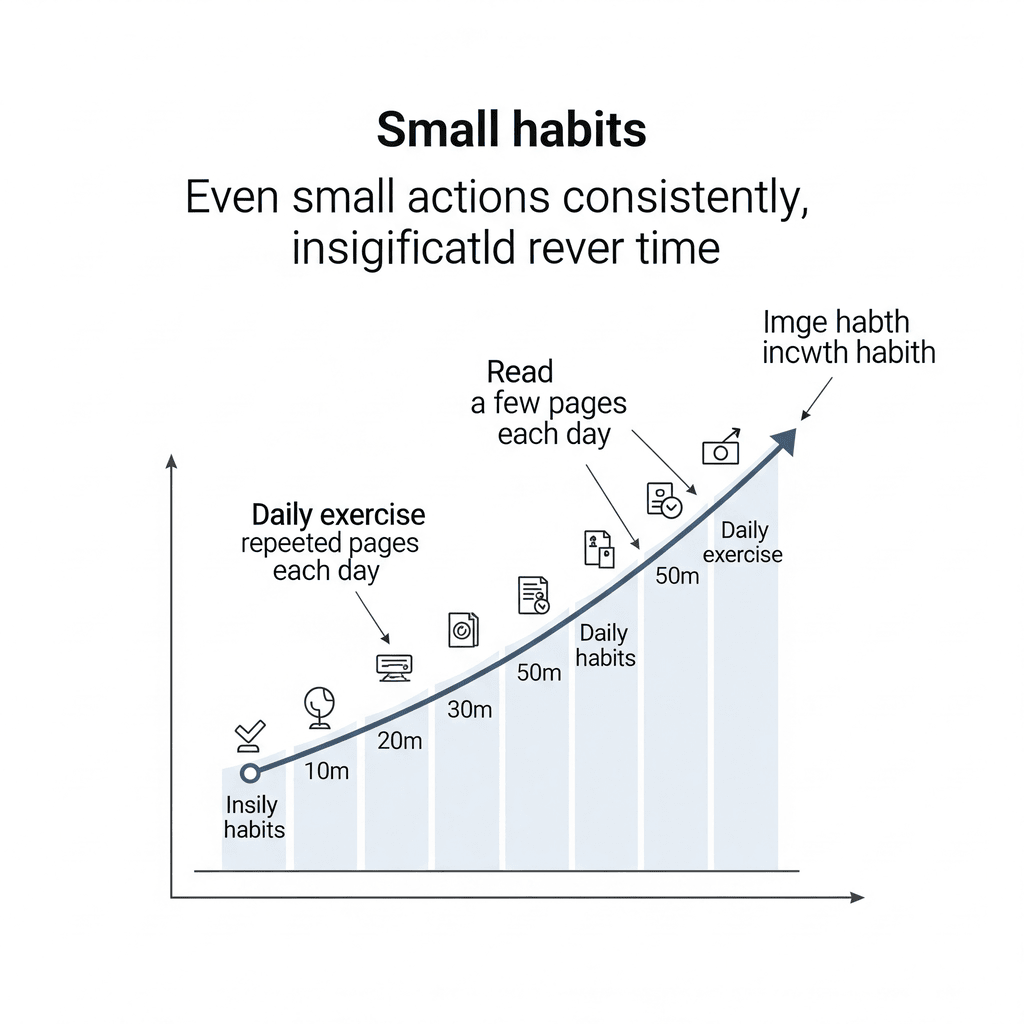
    The compound effect is a phenomenon in which small, consistent decisions, when carried out with discipline, will yield remarkably great results over time. The example is simple: saving a little bit every day over the years will result in significant wealth, or the habit of reading 10 pages of a book every day will broaden your knowledge and insights far more than sporadic study.
    Why is this effect so important? Because the compound effect emphasizes how small everyday decisions and actions are not just fleeting impacts, but have the power to fundamentally and permanently change the course of our lives. Many people fail to achieve big goals because they don’t realize the cumulative power of these small habits.
    A complete framework for applying the compound effect is discussed in 5 specific steps in the book, which will help you systematically design and manage personal change.

    Four Key Pillars of the Compound Effect

    This book highlights several interrelated key concepts that form the main foundation of the compound effect’s effectiveness.

    1. Small Habits, Big Impact

    Every small action, no matter how minor, if done repeatedly, will bring about major change. This is because the results of those actions are not linear, but exponential. Therefore, focusing on building positive small habits is much more important than trying to change your entire routine all at once.
    However, there are three common mistakes that often occur when trying to build new habits, which we thoroughly dissect in our summary, so you can avoid these common pitfalls.

    2. Conscious and Responsible Choices

    Success does not come from luck alone. Hardy emphasizes the importance of each individual taking full responsibility for the choices they make every day. By being fully aware of these choices, a person can steer their life in the desired direction with greater confidence.
    Advanced techniques from the concept of making conscious choices, including templates and practical examples, are part of the exclusive insights we provide at MentorBuku.

    3. Consistency and Discipline

    Discipline isn’t about mood or temporary motivation. Discipline is the ability to remain consistent in doing the right things even when you feel like giving up. This consistency is what strengthens the compound effect.
    However, maintaining motivation and self-discipline is the greatest challenge faced by many people. This book teaches how to manage your mindset to maintain long-term consistency.

    4. Personalizing Your Path to Success

    There is no single method that fits everyone. Hardy stresses the importance of customizing strategies and habits to suit personal context and goals. The process of making these adjustments is itself part of success.
    This personalization and adjustment framework is discussed in detail in practical steps in the book, so you can create a system that truly works for your own conditions and objectives.

    Read also : It’s Not You, It’s Biology by Joe Quirk

    Avoiding Short-Term Traps and Choosing Long-Term Change

    Many people get caught up in the allure of instant results, following trends, or unsustainable methods. The compound effect reminds us that the best outcomes come from a long and steady process. As a result, appreciating every small step and measuring long-term progress is more important than looking for overnight miracles.
    In addition, this book also discusses how to outsmart the temptation to give up and how to build a supportive environment for success, including various real-life examples that can inspire readers even more deeply.

    Read also : Is That Me Yelling? by Ronna Renner RN

    Why Do You Need to Understand the Compound Effect Now?

    In an increasingly competitive environment with constant change, the ability to consistently make small changes is a highly valuable asset. The compound effect gives you a new perspective on how to manage your life and career with reliable long-term strategies.
    Moreover, understanding this concept will serve as a catalyst for the personal transformation you’ve been seeking, enabling you to achieve goals that once seemed out of reach.

    Read also : R.E.D. Marketing: The Three Ingredients of Leading Brands by Greg Creed

    This article is the spark. Imagine if a single idea from here could change the way you work or think. Now, imagine what dozens of other strategic ideas could do. That is the power awaiting you.
    Sign up and Get Free Access to MentorBuku Now!

  • ANALISIS & PENENTUAN ANGLE TEMATIK. The Magic of Thinking Big by David J. Schwartz.

    Setelah menelaah bagian kunci dari buku “The Magic of Thinking Big” karya David J. Schwartz, terdapat tiga permata ide yang berhubungan erat dan bisa dijalin dalam satu benang merah:

    1. Kekuatan gambar mental (mind picture) pada pikiran kita—bahwa cara kita berpikir bukan dalam kata, melainkan dalam gambar yang dibentuk dari kata.
    2. Pentingnya keyakinan akan pertumbuhan dan perbaikan—sikap proaktif untuk mencari peluang ekspansi, efisiensi, dan ide baru yang membawa kemajuan.
    3. Dampak destruktif dari pola pikir negatif—bahwa pikiran negatif bisa berakibat nyata terhadap hasil dan kehilangan peluang.

    Angle Tematik Utama: “Bagaimana Pola Pikir Positif Menjadi Katalisator Sukses dan Pertumbuhan—Dimulai dari Cara Anda Melihat Dunia di dalam Pikiran.”

    Langkah 2: PEMBANGUNAN JUDUL MAGNETIK & KERANGKA

    Pilihan Judul (40-60 karakter):

    1. Rahasia Pola Pikir Positif: Katalisator Sukses Nyata!
    2. Terungkap! Cara Berpikir Besar yang Sering Anda Abaikan
    3. Paradigma Otentik: Kunci Visualisasi Menuju Sukses Instan
    4. Pola Pikir Ajaib yang Membentuk Masa Depan Anda Sekarang
    5. Hindari Kesalahan Fatal: Cara Berpikir yang Menghancurkan Potensi

    Judul Terbaik: Rahasia Pola Pikir Positif: Katalisator Sukses Nyata!

    Kerangka Artikel:

    • H1: Rahasia Pola Pikir Positif: Katalisator Sukses Nyata!
      • Introduksi: Mengapa Cara Berpikir Anda Menjadi Titik Awal Kesuksesan
      • H2: Mind Picture: Dasar Cara Kerja Pikiran Anda
        • H3: Mengubah Kata-Kata Menjadi Gambar Kesuksesan
      • H2: Sikap Proaktif: Menggemakan Pertumbuhan dan Inovasi
        • H3: Studi Kasus: Tiga Cara Berbeda Menyikapi Tantangan
      • H2: Kekuatan dan Kerugian Pola Pikir Negatif
        • H3: Peluang Yang Hilang Karena Pikiran yang Salah
      • H2: Kesimpulan: Mengubah Dunia Lewat Pola Pikir
      • CTA: Langkah Mendapatkan Wawasan Lebih Dalam

    Langkah 3: PENULISAN DRAF ARTIKEL (1500-1600 kata, SEO & CTA Terintegrasi)


    Rahasia Pola Pikir Positif: Katalisator Sukses Nyata!

    Mengapa Cara Berpikir Anda Menjadi Titik Awal Kesuksesan

    Setiap orang menginginkan pencapaian yang lebih besar dalam hidup—baik itu karier yang melesat, relasi yang harmonis, maupun pengembangan diri yang berkelanjutan. Namun, ada satu fondasi universal yang membedakan para pemenang: pola pikir. Tapi tahukah Anda, pola pikir bukan sekadar kumpulan kata-kata motivasi yang lewat di benak? Ia adalah sekumpulan “gambar” yang secara tak sadar membentuk sikap, keputusan, dan tindakan kita sehari-hari.

    Buku “The Magic of Thinking Big” mengajarkan hal mendasar—pikiran Anda adalah sebuah bioskop raksasa. Setiap kata, komentar, dan pemikiran yang Anda konsumsi sebenarnya diubah oleh otak menjadi rangkaian gambar mental. Di sinilah titik awal perubahan besar terjadi. Bukan teori semata, ini adalah strategi kerja otak manusia yang diamini para pakar dan didukung riset modern.

    Artikel ini akan mengajak Anda melihat bagaimana kekuatan pola pikir positif mampu menjadi katalisator terbesar menuju sukses nyata. Kami akan membedah tiga inti konsep “thinking big” yang akan membuka perspektif baru. Namun, ingat: Anda hanya akan melihat fondasinya di sini. Seluruh cara penerapan efektifnya tersimpan di balik keanggotaan MentorBuku .


    Baca juga : Zero to One by Peter Thiel

    Mind Picture: Dasar Cara Kerja Pikiran Anda

    Pernahkah Anda sadar, ketika mendengar seseorang berkata, “Saya gagal,” secara otomatis Anda membayangkan suasana muram, kekecewaan, atau wajah orang yang tertunduk? Otak tidak berhenti pada kata-kata. Setiap kata yang didengar dan dibaca langsung diolah menjadi “mind picture” atau gambaran visual yang sangat mempengaruhi emosi dan sikap Anda The magic of thinking big — David Joseph Schwartz.

    Inilah sebabnya, bahasa yang Anda gunakan ke diri sendiri atau orang lain sangat menentukan tindakan berikutnya. Misal: kata “tantangan” menciptakan gambar jalan menanjak yang menantang tapi membangkitkan semangat; sedangkan kata “masalah” menimbulkan gambaran jalan buntu atau jebakan.

    Perubahan kecil dalam pilihan kata dapat membedakan apakah Anda akan merasa termotivasi atau malah ciut. Para pemimpin hebat membawa timnya dengan kata-kata penuh visi yang membakar gambaran akan kemungkinan besar di masa depan, bukan sekadar berada di zona nyaman atau menyerah.

    “Ketika Anda berbicara atau menulis, Anda adalah pemutar film yang menayangkan film dalam pikiran orang lain. Gambar yang Anda ciptakan menentukan bagaimana reaksi Anda dan orang lain.”The magic of thinking big — David Joseph Schwartz.

    Namun, untuk menguasai seni ini, Anda harus memahami formula spesifik membangun “mind picture” aura positif secara konsisten—termasuk memilih diksi strategis dan cara praktiknya dalam komunikasi sehari-hari. Buku ini membedah struktur dan latihan praktis menciptakan narasi yang membangun gambaran sukses dalam bawah sadar Anda—komponen vital yang hanya dapat ditemukan dalam resume ringkas anggota MentorBuku.


    Baca juga : 12 Rules for Life by Jordan B. Peterson

    Sikap Proaktif: Menggemakan Pertumbuhan dan Inovasi

    Selanjutnya, mari lihat contoh konkret dari dunia nyata, seperti yang dibagikan Schwartz. Ada tiga tipe manusia dalam organisasi: si puas diri, si pesimis, dan si visioner. Hanya satu kategori yang terus berkembang—mereka yang selalu mencari peluang untuk maju, menemukan celah inovasi, dan berani memberi ide pembaruan. Orang-orang inilah yang membangun budaya pertumbuhan, baik untuk bisnis maupun dirinya sendiri.

    Saat diminta menilai organisasi tempat kerja, seorang karyawan yang visioner berkata, “Kita sudah bagus, tapi kita bisa lebih baik.” Ia lalu membagikan segudang ide inovasi: mulai dari mencari cara mendapatkan klien baru, hingga menyusun kampanye pemasaran segar dan membenahi sistem kompensasi agar lebih memotivasi tim.

    Perusahaan-perusahaan yang bertahan dan berkembang adalah yang selalu dipenuhi orang dengan sikap proaktif semacam ini. Mereka tidak puas di zona nyaman; selalu ada semangat “bisa lebih” dan eksplorasi solusi. Bahkan, ketika pencapaian belum segemilang target, feedback mereka tetap konstruktif: “Apa yang bisa ditingkatkan berikutnya?”

    Namun, bukan sekadar niat. Ada pola pikir, kebiasaan, dan pertanyaan spesifik yang memperkuat watak visioner ini dalam keseharian—mulai dari setting goal, evaluasi, hingga negosiasi dengan diri sendiri. Anda akan menemukan kerangka lengkap penerapannya, termasuk daftar pertanyaan harian para pemikir besar, hanya dalam rangkuman eksklusif kami.


    Kekuatan dan Kerugian Pola Pikir Negatif

    Tak banyak orang menyadari, pola pikir negatif bukan hanya membuat suasana hati memburuk, namun secara literal dapat merusak nasib dan peluang. Schwartz membocorkan kisah nyata: seorang profesional kehilangan klien penting hanya gara-gara selama empat puluh menit berdiskusi dengan nada pesimis. Padahal, sang klien pada dasarnya adalah sosok baik; pola pikir negatif si profesional-lah yang justru menyebabkan kegagalan The magic of thinking big — David Joseph Schwartz.

    Setiap sikap, komentar, dan obrolan negatif itu menempel sebagai ‘noda’ dalam pikiran Anda. Lama kelamaan, ia akan menggerogoti kepercayaan diri, relasi, bahkan bisnis Anda sendiri. Lingkaran setan ini sulit diputus bila Anda tidak mulai dengan self-awareness dan strategi mental yang tepat.

    Kadang, bahkan satu pengalaman pesimistis sudah cukup mengubur potensi kesuksesan bertahun-tahun. Bayangkan berapa banyak peluang lewat hanya karena Anda mengizinkan keraguan dan kecemasan mengambil alih kemudi. Ini bukan retorika—dampaknya nyata terjadi dalam aspek profesional dan personal.

    Bagaimana cara mendeteksi dan memutus rantai pola pikir destruktif ini? Buku “The Magic of Thinking Big” bukan cuma membahas bahaya, melainkan menyediakan latihan step-by-step mencegah relapse ke mindset negatif. Termasuk di dalamnya: check-list deteksi, strategi pembalikan cepat, serta mantra positif peny

  • Unveiling the 4 Psychological Pillars for True Life Mastery (Why ‘Master Your Emotions’ by Thibaut Meurisse Will Change the Way You See the World)

    Written by
    mentorbuku
    in
    Books & Book Summaries, Mental Health, Self-Development, Psychology, Life Strategies

    Why Do Emotions Always Linger in Our Lives?

    Have you ever felt controlled by your own mood, as if there’s an invisible remote dictating your daily decisions? Every human being, without exception, is emotional first before becoming rational. This is not just a mantra echoed by popular psychologists; modern brain science has proven that emotions often act faster than logic. Yet, why do so many of us feel trapped in cycles of negative emotions and find it hard to discover a way out?

    “Master Your Emotions” by Thibaut Meurisse offers a radical insight: your internal habits—your deeply ingrained emotional identity—are often the root of the problem. This book lays out simple science and modern techniques to escape destructive thought patterns and redesign your quality of life. But are you ready to embrace a philosophy that will challenge the core of your self-perception?

    In this article, we’ll break down four strategic pillars from the book that can flip the dominance of negative emotions into powerful engines of growth. One important note: we won’t reveal the detailed “how-to”—the strategic execution secrets are available exclusively via MentorBuku’s subscription. Curious? Start by understanding the ‘WHAT’ and the ‘WHY’.


    Pillar #1: Unpacking Emotional Identity—Why Have You Been Stuck All This Time?

    Everyone carries an ‘emotional identity’ shaped from childhood—a part of your “self” you’ve believed in for years. This identity is a catalog of roles, expectations, beliefs, and layers of values you’ve accumulated throughout your life, mostly unconsciously. Ironically, that identity often forms an invisible prison: you feel you must react to external events in certain, preset ways.

    Thibaut Meurisse highlights just how powerful these identity biases are in hijacking our modern emotional system. When things don’t go as expected, your old “self”—shaped by past wounds, ego, or limitations—immediately takes over, usually with automatic responses: anger, disappointment, anxiety, or withdrawal. This is the root of repetitive negative cycles that make life feel stagnant or full of drama.

    Recognizing the source of your emotional identity is the first step to freeing yourself from that ‘invisible remote’. But how do you let go and unpack those deeply buried layers of identity? The complete framework—including key techniques to separate ‘who you are’ from ‘what you feel’—is explained in detail in the original book and revealed systematically only on MentorBuku…


    Pillar #2: The Power of Visualization—Replacing Negative Patterns with a New Reality

    Many people think visualization is just cheap motivational advice—simply fantasizing about success without action. However, modern science proves that visualization is more than daydreaming. The brain struggles to distinguish between real experiences and highly detailed mental imagery: this is why elite athletes and world-class CEOs use visualization every day.

    Meurisse proposes a much deeper approach to visualization: instead of merely projecting future wishes, you can train your brain to intensely relive moments of peace, relief, and accomplishment. If undertaken technically and structurally, this process can rewire emotional circuits so the brain is more easily “anchored” to calmness rather than stress or failure.

    Imagine being able to switch off the “negative” light and turn on the “positive projector” at any time. However, the step-by-step secrets to powerful visualization—including the difference between “rote visualization” and “emotional immersion”, as well as the best times to practice—are only available in MentorBuku’s advanced strategies…


    Pillar #3: Managing Intrusive Thoughts—Logic Is Not Always the Answer

    Often, we chase logical solutions for negative emotions: finding “reasons”, giving ourselves advice, or drowning in overthinking. Yet, according to Meurisse, many intrusive thoughts are merely ‘symptoms’ of an under-processed emotional system. Trying to “fix” emotions by thinking can actually prolong the suffering—it’s like adding fuel to a fire.

    What’s rarely realized is that destructive thoughts often arise because your nervous system is already “on edge” from lingering emotional residue. So, the real solution isn’t just about calming the mind, but addressing the root—the physiological and emotional state that gives rise to those thoughts.

    Managing intrusive thoughts requires a training system that combines acceptance, refocusing, and structured mind-body interventions. These revolutionary techniques, complete with “case examples” and daily application checklists, are exclusive material from MentorBuku…


    Pillar #4: Breaking Free from Negative Drama—The Science of Letting Go

    People often feel that “letting go” of negative feelings is a sign of weakness, or even a failure. But Meurisse actually calls letting go the highest skill in emotional maturity. Instead of suppressing, denying, or judging bad emotions, you are invited to consciously embrace and release them—until the energy of those emotions dissipates naturally.

    This is science, not just philosophy. Recent studies show that proper letting go is a transformative catalyst for the immune system, mental health, and even work performance. However, there’s a trap: letting go does not mean giving up, nor is it about ignoring or just “getting used to” suffering.

    Releasing negative emotions is a gradual process—consisting of several phases, from recognizing physical sensations and naming specific emotions to integrating personal meaning. At MentorBuku, we break down the stages of letting go in detailed and practical terms, along with exercises and crucial precautions you MUST understand before trying it in real life…


    Epilogue: The Road to Emotional Freedom Is in Front of You—Are You Ready to Step into the ‘How’?

    The four pillars above merely unveil the mystery of why most people are stuck in cycles of sluggish emotions, prolonged anxiety, and endless drama. In “Master Your Emotions”, Thibaut Meurisse not only exposes the root causes but also provides a blueprint to break free. Still, like a gateway to knowledge, the key to transformation lies in your willingness to put it into practice.

    Are you ready to take this journey further? The techniques, training templates, and in-depth case studies—that set apart those who remain stagnant from those who grow extraordinarily—are available only through a MentorBuku subscription.

    You’ve just seen the foundation. But how do you build the skyscraper? All the strategies, detailed steps, and case studies from this book have been thoroughly reviewed. Don’t just know ‘what’, master the ‘how’ by subscribing to https://mentorbuku.com.

  • The Art of Selling Yourself: The Invisible Strategies Behind Modern Sales Success. “Sell or Be Sold: How to Get Your Way in Business and in Life” by Grant Cardone

    Written by
    mentorbuku
    in
    Business & Sales, Leadership & Motivation, Self-Development, Business Soft Skills, Sales Strategy

    In an increasingly competitive business world, one big question looms over every professional: What is the secret behind those who always succeed at selling, no matter the situation or conditions? The book “Sell or Be Sold: How to Get Your Way in Business and in Life” opens the door to a world long hidden behind the surface of traditional salesmanship. This article will take you through three revolutionary concepts from the book—concepts that change the way we see business, build relationships, and get what we want, both professionally and personally.

    However, in line with the “Strategic Teaser” philosophy—you’ll only glimpse the main foundations here. How you build the ultimate “skyscraper” of the art of selling is a mystery still waiting behind MentorBuku’s door.


    Prologue: Why is “Selling” the Most Valuable Skill in the Modern Era?

    Not long ago, the image of a salesperson wasn’t glamorous: aggressive, sometimes pushy, and even manipulative. But times have changed. Today, the ability to sell is the soft skill that distinguishes those who merely survive—from those who soar far ahead. It’s not just about products, but also ideas, opportunities, and even ourselves.

    The fundamental question: Are you “selling”—or “being sold”?

    In this book, the world of sales is completely overhauled. You will discover that “selling” isn’t the monopoly of a select few. In fact, everyone is a salesperson—whether they realize it or not. Simply being aware of this fact shifts the way we make decisions, negotiate, and influence others.

    But actually, what makes SOMEONE able to sell anything to anyone? Let’s break down three hidden gems.


    1. Service is Senior to Selling: Transforming the Paradigm from Getting to Giving

    One of the most striking ideas uncovered in this book is that service is more important than the sale itself. Here’s where many professionals—even experienced ones—go astray. They focus on “selling by any means,” when in fact, the key to transformation is found in selfless dedication to serving.

    The author describes the philosophy of “give, give, give” as the main lever of long-term success. For example, in car sales, the most successful salespeople aren’t those who force a customer to agree to a transaction, but those who give more than what’s asked for—without waiting to be asked. You don’t just bring a drink to a guest, but also provide a glass, ice, and napkin. You give without resistance, and that’s what builds long-term trust and loyalty [1].

    Why is this so important? Because today’s buyers crave experience, not just products. They want to feel valued, to be provided solutions before they even ask—and this can only come from a “giving” mindset.

    But “how” do you build this kind of service consistently, so it becomes the DNA of yourself and your sales team? The practical frameworks and revolutionary tools to apply this give-first paradigm are deeply explored in the original book and in MentorBuku’s exclusive summaries…


    2. Penetrating the Unspoken Mind: The Skill of Reading Customers’ “Silent Signals”

    Furthermore, this book reveals one of the deepest secrets of sales masters: the ability to dive into the “unspoken zone” inside the customer’s mind. This is the area that separates amateur salespeople from those playing in the professional league.

    Simply put, customers are never completely honest about their motivations, fears, or desires when making purchase decisions. Often, what they say is only half the truth—or a kind of ‘mask’. Top sellers learn to read “unsaid thoughts”—to uncover the real reasons behind a prospect’s reluctance, curiosity, or objections [1].

    Analogy: A painting artist might be good at copying colors and forms, but a true “artist” can capture the meaning behind the visible lines. In sales, these artists dare to “break through the veil” and offer personal solutions before the customer even realizes they need them.

    Why is this skill so crucial in the digital age, when information is abundant and customers are smarter? Because major decisions—whether buying a car, property, premium services, even choosing a business partner—happen at a subconscious level, not just through logical arguments.

    Advanced techniques for uncovering silent signals and lists of powerful questions used by top closers are thoroughly dissected in MentorBuku’s insights package…


    3. “You Must Be Sold Yourself”: The Power of Contagious Self-Belief

    One oft-forgotten fact: There’s no effective selling without a salesperson who is utterly confident in their product—and themselves. You can’t sell anything (or anyone) if you yourself harbor doubts, internally asking, “Is this worth it?” or “Am I good enough?”

    The author shares a true story: A salesperson whose performance stagnated for years, until he decided to buy the product he was selling, allowing him to truly say, “I bought this because I believe in what I recommend.” The result? His income quadrupled [1]. This isn’t just magic motivation—it’s about the energy and authority radiating from someone who truly “sells themselves.”

    This kind of belief has been proven contagious. Prospects can “smell” doubt from a distance. Once you’re truly “sold,” your aura completely changes—and it unconsciously draws in interest and trust from those you face.

    But how do you nurture this high level of confidence in yourself, even when facing tough products or sales situations? What are the most effective exercises, scripts, and mental strategies used by world-class closers? The answers are tucked inside page after page of MentorBuku’s deep summary…


    4. The Hidden Game: Selling Isn’t About Manipulation, but Transmutation

    The old paradigm considered “selling” synonymous with persuading or even deceiving. The book “Sell or Be Sold” emphasizes: True selling is an act of transmutation—that is, turning doubt into clarity, mistrust into security, an offer into a necessity.

    The core of modern selling is genuine care and a fully present attitude towards others. You’re not just a conduit for products, but also a catalyst for growth and solutions in your customer’s life. In other words, the best salespeople aren’t the most aggressive, but the most “present” and ready to help.

    How can we truly be present without being exposed as merely commission-seekers? This principle requires practice, ethics, and psychological sensitivity that can’t be born from instant quick-fix techniques. Best practices and case studies have been curated for you at MentorBuku—a place where serious learners grow into catalysts for change in the business world…


    Epilogue: Time to Invest in the Most Valuable Skill

    Every day, you’re essentially making transactions: negotiating ideas, pitching proposals, even fighting for trust. Whatever your role, the selling skill is the new currency in this hyper-competitive world. But without deep understanding at the “strategy” level, you’ll wear yourself out on the surface—or lose out to those who dig deeper.

    Today, you’ve glimpsed this window of knowledge. But how do you open it? How do you uncover all the secrets behind the art of selling, straight from real-world practitioners?

    You’ve just seen the foundations. But ‘how’ do you build the skyscraper? All the strategies, detailed steps, and case studies from this book have been thoroughly dissected. Don’t just know the ‘what’, master the ‘how’ by subscribing at https://mentorbuku.com.