Tag: Self-Discipline

  • The “Ego Is the Enemy” Strategy: The Secret Paradigm of Self-Mastery for Authentic Greatness. Ego Is the Enemy by Ryan Holiday

    Introduction: Behind Success, There Lies a Hidden Foe

    History is full of stories about the failures of geniuses, leaders, and brilliant artists. Why do these individuals, despite being brimming with talent and brilliant ideas, often end up trapped in cycles of failure or mediocrity? The answer often whispers quietly but bites deeply: ego.
    The book “Ego Is the Enemy” delves into the deepest roots of this hidden enemy. Through sharp narratives and real-life examples, this book offers a series of insights into ego—not just in the context of psychology, but as an invisible “hijacker” that can strike anyone at any time.
    This article presents some gems of concepts from a book that has been, and always will be, relevant to anyone seeking to reach authentic and sustainable heights. This is an initial roadmap. However, the path to real change awaits in deeper sections.

    1. Ideas and Work: Why Do Ideas Remain Just Ideas?

    Many of us, like Edgar Degas the seasoned painter, feel full of ideas—sometimes even exploding with inspiration. However, inspiration without execution is powerless to bring real change. A famous conversation between Degas and the poet Mallarmé sums it up: “I can’t write the way I want to, even though my head is full of ideas,” Degas lamented. Mallarmé’s reply was gentle but piercing: “Poems aren’t made with ideas, Degas. They’re made with words.”
    Just like poetry, success in life is only achieved through work, not merely intention. Peter Drucker, the management maestro, asserted, “The best plan is just good intentions unless it degenerates into work.” The biggest obstacle is not a lack of inspiration, but the ego that whispers, “Great ideas are enough; the details can wait.”
    Without the ability to turn ideas into actions, great achievements are nothing but empty dreams. A framework for consistently translating ideas into concrete results, complete with techniques for daily discipline, is thoroughly explored in this book…


    2. The “Canvas Strategy”: The Unconscious Direction Setter

    Most people, driven by ego, want to be at center stage—to control everything, to be known by everyone, to receive instant recognition. Yet, a quiet strategy actually offers a different path: becoming the “canvas setter” who shapes the direction without needing to be in the spotlight.
    The Canvas Strategy teaches us to clear the way for others and contribute selflessly at the outset of our journey. Strangely, by doing so, you are the one shaping the future. Just as a canvas frames a painting, you decide its tone.
    This strategy knows no age, rank, or even length of experience. From before starting a career to leading an organization, anyone can begin. What sets people apart is the ability to restrain the ego—retrain yourself—and consistently focus on contribution rather than praise.
    The complete techniques for systematically practicing the Canvas Strategy, including how to build authentic reputation without appearing to “suck up” or self-sacrifice, are dissected in several dedicated chapters in this book…


    3. Resisting Illusion and Accepting Reality

    It is easier to build illusions of glory than to accept the harsh reality of failure or shortcomings. Ego often plunges us into the narrative of “I already know,” or “I can definitely do it,” even when the facts say otherwise.
    However, as illustrated in the story of John DeLorean, being lulled by baseless ambition for too long and ignoring the warning signs of failure actually led him to total ruin. In truth, falling is not the end. This book affirms that the only way to appreciate personal progress is by standing at the edge of the very pit of failure we once dug, then learning from it and improving our character.
    Challenging the ego to willingly accept facts, admit failure, and rise stronger is a fundamental lesson dissected thoroughly. Yet, the three most common ego traps that hinder your achievements—along with techniques to dismantle them one by one—are only comprehensively outlined within MentorBuku’s detailed guide…


    4. The Willingness to “Draw the Line”: Preserving Character

    Marcus Aurelius once said, “He can only destroy your life if he destroys your character.” In today’s world, dominated by fierce competition, the temptation to trade principles for superficial victory becomes ever more enticing. Ego persuades us to cross the line “just a little,” promising, “you can always go back later.”
    In reality, true strength lies in the courage to draw boundaries. Restraining oneself, saying “enough,” and choosing consistency of character over fleeting desires. This ability, more than just discipline, is the art of enduring life’s toughest trials.
    The big questions: How do you set healthy boundaries? How do you cultivate mental resilience so your character remains intact when pressure peaks? A practical framework for applying the “draw the line” concept in full, including modern case studies and character-building tools, are presented in detail among MentorBuku’s insights…


    5. Transformation through Humility: Becoming an Unshakable Individual

    One of the greatest paradoxes is: the more humble someone is, the harder it is for ego to bring them down. This book highlights the power of humility—active humility, not mere resignation. With humility, you open endless opportunities for learning, accept criticism, and turn failure into a leap of progress.
    The book reveals how the world’s most successful figures almost always share one common thread: a commitment to suppressing ego, learning at every step, and never tiring of self-improvement. However, the mental techniques of a “humility routine” and ways to build daily self-awareness habits—which truly set apart genuine winners—are only available in the exclusive MentorBuku recommendation modules…


    Conclusion: Becoming the Master, Not the Slave of Ego

    Why is ego so elusive, alluring, yet dangerous? Because it clings in the form of hopes, good intentions, even overconfidence. Yet, by dissecting the lessons of key figures and adopting the tactical strategies in this book, you have the chance to become the one in control of your life—not just a victim of your own ego’s impulses.
    Are you ready to follow the roadmap to conquer ego and rewrite your success narrative? The answer starts here.

    Read also : Parenting from the Inside Out by Daniel J Siegel


    Read also : Why Are All the Black Kids Sitting Together in the Cafeteria? by Beverly Daniel Tatum


    Read also : Conversations on Love by Lunn Natasha


    You have just seen the foundation. These concepts are only the tip of the iceberg of what this book has to offer. How do you apply them step by step, avoid common pitfalls, and integrate them into your strategy? All those answers are inside.
    Sign up and Get Free Access on MentorBuku Now!
  • The Fundamental Battle: The Powerful Way to Conquer the Enemy Within and Find Life’s Purpose. Win Your Inner Battles: Defeat The Enemy Within and Live With Purpose by Darius Foroux

    Introduction: Why the Greatest Struggle Actually Happens Within Ourselves

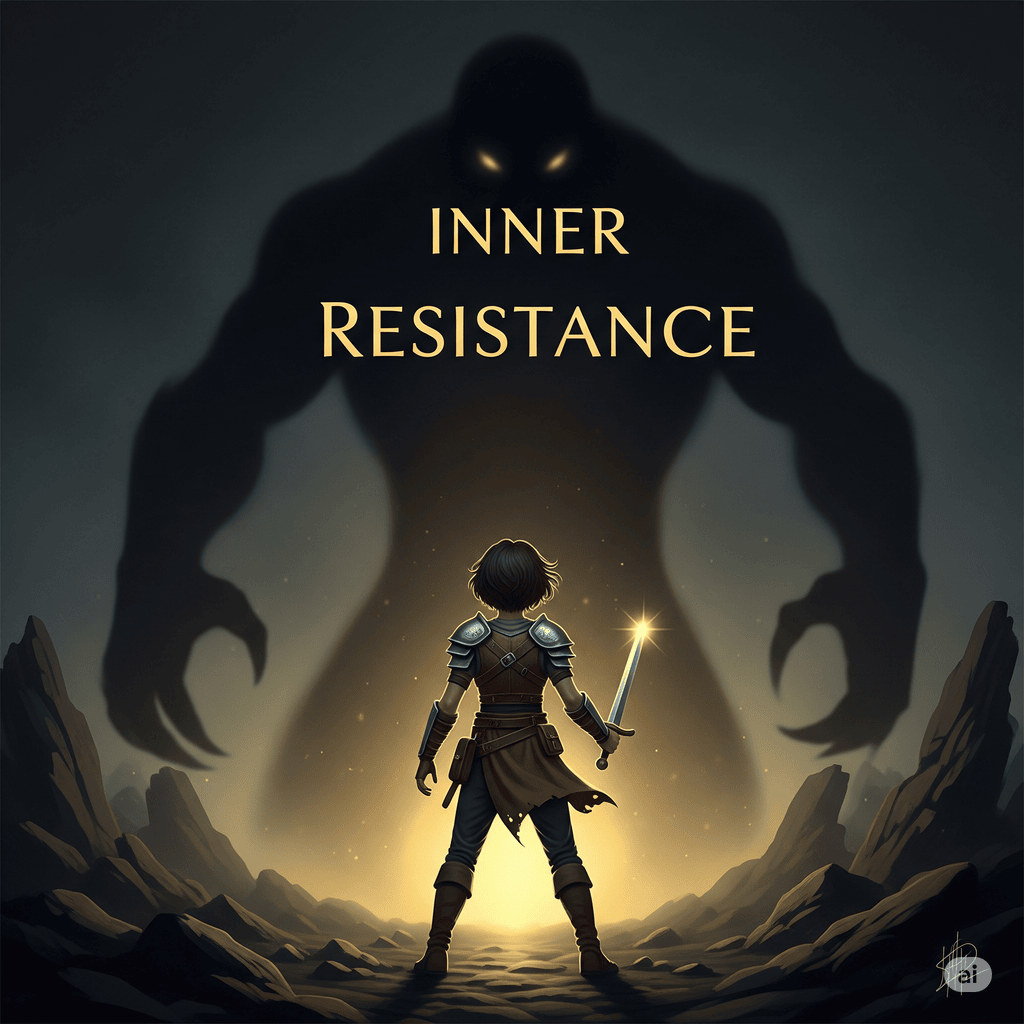
    Have you ever felt as if something is always holding you back from success? Not just external obstacles, but a small voice inside your head that constantly doubts, procrastinates, and even frightens you from moving forward. This voice is the ‘enemy within’—a mental challenge that is real but often invisible to others.
    The book “Win Your Inner Battles: Defeat The Enemy Within and Live With Purpose” dissects the internal warfare experienced by almost everyone. More than just motivation, this book offers strategic insights on how self-discipline, perseverance, and an understanding of true purpose can become your ultimate weapons to win this internal battle.
    In this article, you will discover three key concepts that form the foundation for victory against the enemy within. Each concept is not just about the “what” and “why,” but is also paired with knowledge hooks that will make you eager to know “how” to apply them in detail.


    H2: 1. Recognizing the Enemy Within: How ‘Resistance’ Destroys Your Potential

    One of the most compelling insights from this book is the concept called “resistance”—an internal push-and-pull force that becomes the main obstacle to all creative work and achievement. Steven Pressfield calls resistance the universal enemy of writers, creators, entrepreneurs, and anyone who wants to make a significant change in their life. Resistance manifests in the form of procrastination, self-doubt, fear of failure, and even excessive perfectionism.
    Why is resistance so dangerous? Because it operates silently, trapping you in a comfort zone and uncertainty. The bigger your dreams and steps, the stronger resistance attacks. If left unchecked, resistance will paralyze initiative and cause you to miss the best opportunities in life.

    However, a framework for identifying various types of resistance and the specific strategies to conquer them is thoroughly dissected in the book—including how to map out your own key weaknesses, which most people are often unaware of. The advanced strategies and mental exercises are part of a special toolkit that you can find in the MentorBuku summary.

    Read also : $100M Offers by Alex Hormozi

    H2: 2. Taking Control: The Power of Small Actions and Self-Discipline

    The second revolutionary concept is the importance of small, consistent actions as the primary way to conquer the enemy within. This book emphasizes that victory in the ‘internal battle’ is not about one grand moment, but rather a series of simple decisions made consciously every day.
    Why is this important? Because people often get trapped in the paradigm of “waiting for the perfect moment.” In reality, true progress is built on the courage to take the first step—no matter how small—and on proactively building competence from one experience to the next.
    Self-discipline becomes the catalyst that separates those who merely dream from those who truly win. You are encouraged to build “confidence through competence,” starting with simple things and eventually generating the courage to conquer your deepest fears.

    The specific framework for how to initiate change, the method for building disciplined habits that do not easily collapse, as well as real-life transformation case studies, are detailed step-by-step in the book. There is also a strategic guide for taming distractions in the digital age, which is something never discussed in conventional motivation.

    Read also : THE RUDEST BOOK EVER by Shwetabh Gangwar

    H2: 3. Finding and Living a Purpose: From Reaction to Meaningful Action

    The enemy within often obscures one fundamental thing: a purpose in life. In many cases, people live their days simply to fulfill expectations, compare themselves to others, and respond to environmental pressures, rather than acting based on a personal mission.
    This book reveals the importance of “purpose”—an authentic purpose that comes from within. Those who live with purpose are not only more resilient in facing trials, but are also more inclined to share and give without expecting anything in return. This is the foundation of true life satisfaction.
    Why? Because without a clear purpose, every achievement feels empty. Life becomes a series of passive responses rather than the embodiment of meaningful action. When you begin to identify ‘why’ you are fighting, the strength to defeat the enemy within multiplies.

    The in-depth process for discovering true purpose and how to prevent the trap of comparing yourself to others is fully explored in the MentorBuku toolbox, complete with reflective exercises and real-life examples from transformational achievers.

    Read also : Why Has Nobody Told Me This Before? by Julie Smith

    H2: 4. Conquering the Noise: How to Reject Expectations and Focus on Yourself

    One of the biggest battles in the modern era is the ability to reject ‘the noise’—whether it’s social demands, pressure to be like others, or the temptation of distractions that destroy focus. The book “Win Your Inner Battles” emphasizes the importance of being selective about what you accept and who you spend your time with.
    Why must you dare to say no? Because your time and energy are limited. When you say yes to external requests too often, you are forced to sacrifice your personal agenda and integrity.
    The discipline to eliminate noise is not just about mental toughness; it also requires a mature relational strategy. You will learn how to “say no” without guilt, manage others’ expectations, and ultimately build a circle that strengthens your mental resilience.
    A practical guide to prioritizing time, redefining relationships, and assertive communication templates are all available in a masterclass accessible through MentorBuku.


    H2: Conclusion: Time to Be the Winner on the Inner Battlefield

    The most real war that determines your future is not external competition, but the daily battle within yourself. Through the concept of resistance, the importance of small and disciplined actions, finding authentic purpose, and sharpening focus, the book “Win Your Inner Battles” provides a strong foundation for you to be ready to fight and win.
    However, the applicable strategies, concrete steps, case study examples, and supporting exercises that separate those who win from those who merely know—all of these can only be found if you dig deeper.


    You’ve just seen the foundation. These concepts are merely the tip of the iceberg of what this book offers. How do you apply them step-by-step, avoid common pitfalls, and integrate them into your strategy? All those answers lie within.

    Sign Up and Get Free Access on MentorBuku Now!
  • Obstacle Is the Way: The Stoic Secret to Conquering All of Life’s Challenges. The Obstacle Is the Way by Ryan Holiday

    Introduction: When Life Forces You to Ask, “Why Is All This Happening?”

    Everyone, without exception, faces life’s challenges. In business, career, family, or the search for personal meaning—frustration, failure, and setbacks seem like perpetual enemies.

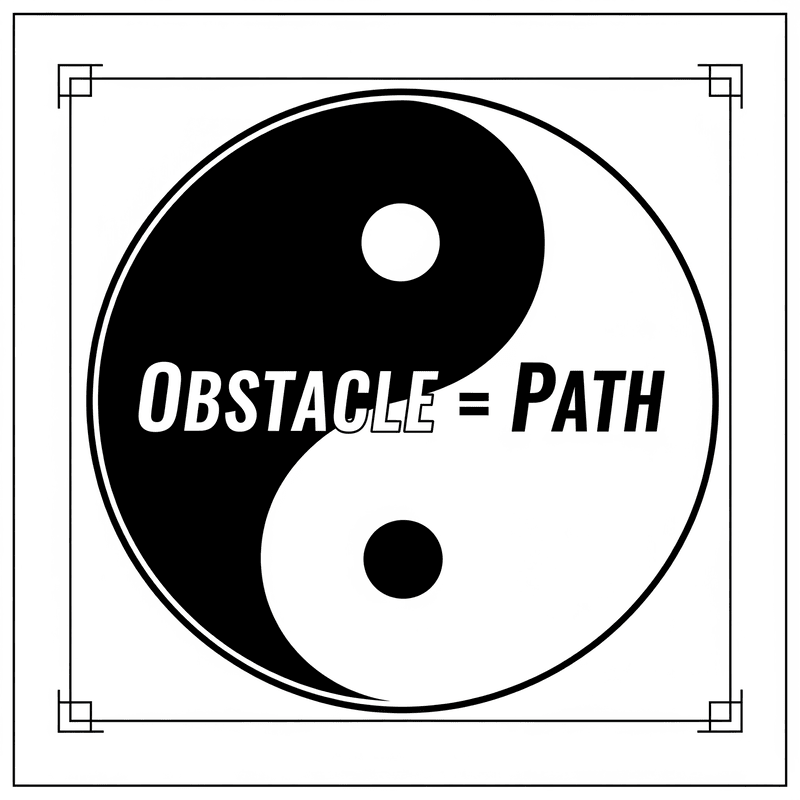
    So what if the best way isn’t to run away, but rather to change our perception of the obstacle? The book “The Obstacle Is the Way” by Ryan Holiday presents a radical answer: what stands in your way is the way itself.
    This article will dissect the three most fundamental Stoic paradigms from the book—concepts that can shift the way you perceive and respond to challenges. You will discover why a change in perspective is not just a theory, but a catalyst for transforming “problems” into authentic opportunities. However, its practical application techniques are deliberately reserved for those who are truly thirsty for change.

    Read also : I Will Teach You To Be Rich by Ramit Sethi

    I. Practicing Objectivity: The Art of Seeing Facts, Not Drama
    Let’s begin with the most essential Stoic discipline: resisting emotional impulses and separating facts from emotional judgment.
    According to the philosopher Epictetus, when you say “This happened and this is bad,” you are actually mixing two different things: the objective fact (“This happened”) and the subjective interpretation (“This is bad”). As a result, you get trapped in a drama of your own mind’s making.
    Ryan Holiday illustrates how Miyamoto Musashi, the legendary samurai, practiced this. Musashi distinguished between the “observing eye” (seeing things as they are) and the “interpreting eye” (seeing with bias). The observing eye is able to find opportunities behind bitter events, whereas the interpreting eye easily makes everything seem more frightening than reality.
    What is the concrete benefit of this objectivity? You begin to face problems as neutral, analyzable events, not as disasters that grip your emotions. This is the foundation of courage and mental toughness.
    However, the specific framework for practicing objectivity every day — including emotional detachment techniques and “cognitive reframing” — is explained through practical examples in the book and our in-depth summary at MentorBuku…

    Read also : Frames of Mind by Howard Gardner

    II. The Discipline of Action: Taking Steps, Not Waiting for Perfection

    After reshaping your perspective, the next step is to act without delay. Stoics don’t rely solely on motivation; they build a consistent work discipline.
    Ryan Holiday emphasizes that an orientation toward action is a primary human duty. Just like a true artist who gives their all to every project—prestigious or not—we too must deliver our best performance on whatever task we face, not wait for praise or ‘perfect’ conditions first.
    The core of this concept is to:

    • Eliminate procrastination caused by perfectionism,
    • Treat every task, no matter how difficult, as deserving of maximum effort,
    • Transform hard work into a form of authentic self-expression.

    The discipline of action also distinguishes between “reactive work,” which is based on fleeting emotions, versus “proactive work,” which is driven by principles and long-term goals.
    How can you discipline yourself so that action becomes a habit, not the result of a momentary burst of motivation? This book unpacks five powerful strategies for building a doer’s mentality, not a spectator’s. However, the specific time management techniques, daily rituals, and reminder systems are a privilege for MentorBuku members…


    III. Finding the Opportunity Behind Every Obstacle

    The third paradigm that forms the Stoic foundation for handling obstacles is reverse thinking: viewing an obstacle not just as a problem, but as a “catalyst” for growth—often the very source of an advantage.
    Ancient Stoics taught to look for the “fertile ground” in every adverse event by asking a fundamental question: What is the hidden value in this setback? Instead of self-pity, they focused on unearthing opportunities, for instance by pursuing innovation, strengthening character, or discovering new, previously hidden purposes.
    Ryan Holiday gives the example that every great entrepreneur, athlete, and leader has always conquered life with the logic: Because of this, not in spite of this. What is a hindrance in the eyes of the average person becomes a means of transformation for them.
    The philosophy of “the obstacle is the way” has turned failed startups into giants, weak teams into champions, and wounded individuals into mentors for many.
    However, the three common mistakes that often cause this concept to fail in real-world application—from over-optimism to fatalism—are only unpacked practically and in-depth in our summary…


    IV. Integration: From Perception and Action to Transformation

    The three pillars above—objectivity, the discipline of action, and finding opportunity in adversity—form the foundation of the Stoic strategy for conquering life’s challenges. However, the greatest benefits can only be felt if you are able to integrate them practically into your daily routine. This process doesn’t happen magically overnight, but through practice, reflection, and long-term commitment.
    Are you ready to change the way you think and act? The key is to start with one pattern: first, observe calmly; then, act with full awareness; and always, look for the opportunity where others only see disaster.


    Conclusion: Will You Let Challenges Become an Excuse or a Springboard?

    When problems arise, anyone can complain. However, only those who practice The Obstacle Is the Way realize: every obstacle is not just a test, but also an invitation to level up in the game of life. The real secret of the Stoics is the ability to see the game behind the scenes, to process disappointment into energy, and to turn a “stumbling block” into a “stepping stone”.

    You have just seen the foundation. These concepts are merely the tip of the iceberg of what this book offers. How to apply them step-by-step, avoid common pitfalls, and integrate them into your strategy? All those answers are inside.

    Sign Up and Get Free Access at MentorBuku Now!