Tag: Self-Development

  • The Fundamental Secret: A Powerful Way to Overcome Your Mind’s Blind Spots. Think Again by Adam Grant


    Have you ever felt so certain about a decision, only to realize later that you were wrong—all because of a factor you were completely unaware of beforehand? This phenomenon is often caused by the mind’s “blind spots”: hidden areas in our way of thinking that prevent us from seeing our own weaknesses. Ironically, this is precisely what often traps someone in a feeling of being right, even when they might be headed in the wrong direction.
    This article will help you understand the fundamental secret behind mental blind spots, why healthy confidence is crucial for learning, and the art of rethinking. All these ideas are foundational for anyone who wants to thrive in a fast-paced world—whether in their career, business, leadership, or daily life.


    Why Mental Blind Spots Are a Big Problem Many People Don’t Realize

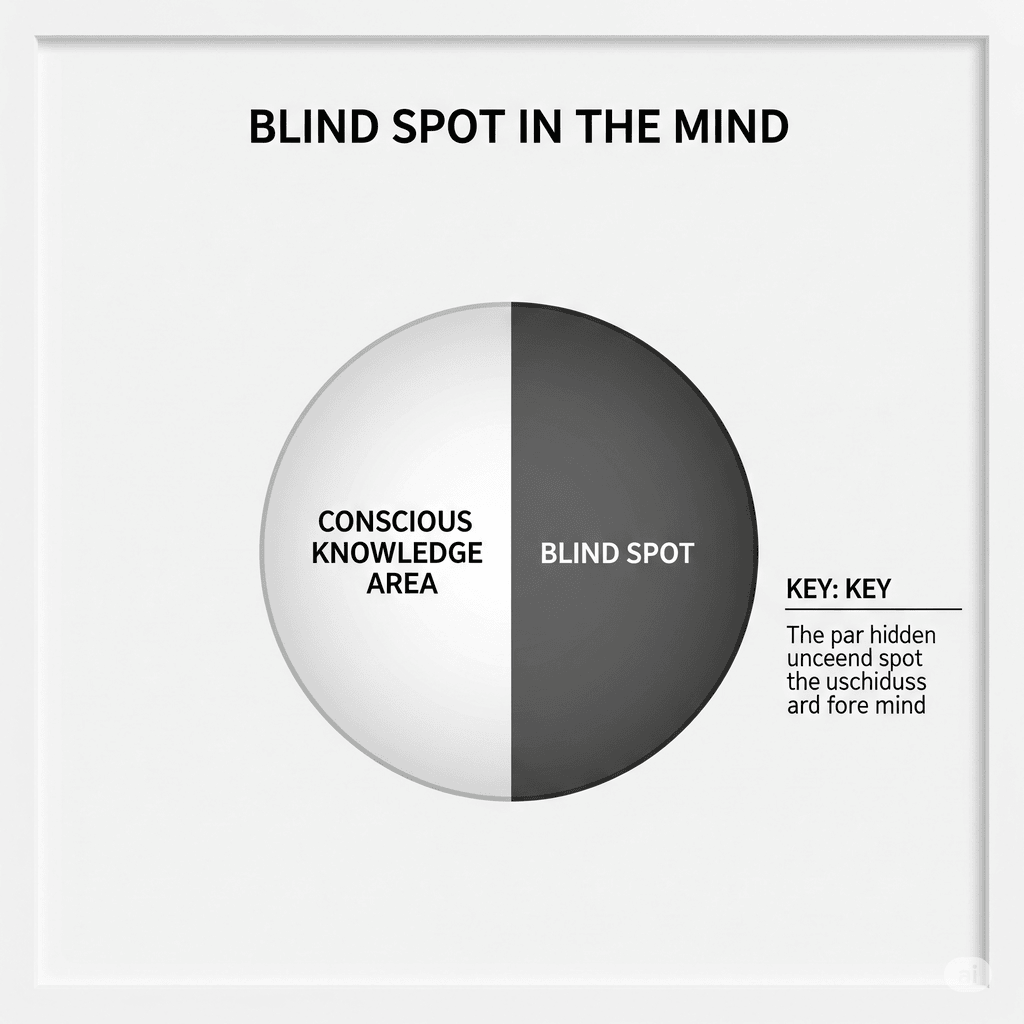
    We all have blind spots. However, we are often not even aware that we have them. In his book “Think Again,” Adam Grant touches on a fascinating phenomenon called Anton’s syndrome—a type of blindness where the sufferer’s brain fails to recognize that they are blind. In the context of thinking, this blindness applies to personal understanding and opinions.
    Grant writes, “We all have blind spots in our knowledge and opinions. The bad news is that they can leave us blind to our blindness, which gives us false confidence in our judgment and prevents us from rethinking. The good news is that with the right kind of confidence, we can learn to see ourselves more clearly and update our views.” This means that blind spots are not just a matter of knowledge, but also a problem of ‘false confidence’ that hinders our growth.
    This phenomenon can have fatal consequences. In an organizational or corporate context, leaders who are unaware of their blind spots are easily trapped into making wrong decisions or practicing outdated management. In personal relationships, this can lead to communication deadlocks because each party feels they are already right.
    But how do you recognize (and then reduce) a blind spot? This is what is explored further in the book “Think Again.” A specific framework for conducting this “blind spot detection” in your thinking, including step-by-step exercises you can apply, is detailed completely in the MentorBuku summary…


    Healthy Confidence: The Foundation for Keeping an Open Mind to Renewal

    Often, people think confidence is about standing firm in one’s beliefs. However, according to Grant, true confidence actually involves the ability to admit you could be wrong and the courage to explore alternative ways of thinking. In his book, he warns that too many people are trapped in “overconfidence bias”—an illusion that we know more than we actually do.
    The key to healthy confidence is building a readiness to be corrected. Grant uses an interesting analogy: in driver’s training, we are taught to find and eliminate blind spots with the help of mirrors and sensors. In real life, our minds are not equipped with such tools, so we are the ones who must consciously build these ‘detection tools’.
    This context is highly relevant, especially for those involved in the professional world, business, or important decision-making. Often, it is experienced professionals who are most vulnerable to getting trapped in overconfidence and closing themselves off to new feedback.
    This means the higher your position, the greater the risk of being trapped in the comfort zone of your own thinking. But how can you practically develop healthy confidence without falling into the trap of arrogance? The book “Think Again” outlines key indicators and self-reflection exercises you can do daily, but the technical details are available exclusively in the MentorBuku summary…
    The Art of Rethinking: How to Train Your Mind to be Flexible and Bold in Changing Your Perspective

    If blind spots are the hidden enemy, then “rethinking” is the cure. Grant gives an example: in architecture and art classes, instead of asking students to create one final piece, they are asked to redo their drafts four or more times. The results were extraordinary: the students actually grew more enthusiastic, because the revision process rapidly improved the quality of the output. “Quality means rethinking,” Grant writes firmly.
    The habit of rethinking strengthens the quality of decision-making and enables us to adapt quickly to change. This pattern can be applied in various fields: from product innovation and business strategy to personal self-development. Rethinking is not just about changing your mind randomly, but about making revisions based on new evidence, data, and environmental feedback.
    One of the strengths of “Think Again” is its dissection of the practical steps for building rethinking habits—such as getting used to asking the question “What can I learn from this failure?”, or preparing a ‘support network’ that dares to challenge your basic assumptions.
    Unfortunately, there are three main mistakes that often occur when people start to rethink—from considering the revision process a “failure,” to rejecting feedback for emotional reasons. All the effective techniques, checklists, and real-world examples of this rethinking application are thoroughly explored in MentorBuku. You will find ready-to-use templates and strategies that can be applied to both individuals and work teams…

    Read also : The 48 Laws of Power by Robert Greene

    Conclusion: What’s Next?

    Recognizing that you have blind spots, building healthy confidence, and practicing the habit of rethinking—these are the core foundations for achieving a leap in quality in your learning, career, or life. However, as Adam Grant says, awareness alone is not enough; you need a system, real practice, and deep insights to truly move beyond your comfort zone, revise your way of thinking, and achieve superior results.

    Read also : Discipline Is Destiny by Ryan Holiday


    Read also : Build, Don’t Talk by Raj Shamani


    You have just seen the foundation. These concepts are just the tip of the iceberg of what this book offers. How do you apply them step by step, avoid common pitfalls, and integrate them into your strategy? All those answers are inside.
    Register and Get Free Access at MentorBuku Now!
  • The Proven Secret to Habit Transformation: A Catalyst for a Paradigm Shift in Life. The Power of Habit by Charles Duhigg

    Introduction: Why Habits Determine Your Destiny

    Nearly every aspect of modern life is influenced by habits. From small things like how you start your day to major decisions in organizations and businesses. Often labeled as automatic behaviors, habits are actually the “secret code” that shapes destinies, from personal lives to professional institutions.
    However, behind these routines lies a surprising truth: you can dismantle, reshape, and even create new habits with the right strategy. The Power of Habit—a phenomenal book that has changed the mindsets of millions—unravels the intricacies of habits. But, are you ready to step out of your comfort zone and transform your life?
    In this article, you will understand the scientific foundation of habit formation and change, discover the “why” that has been hindering your progress, and get a teaser of strategies to change your life—but the complete method is accessible at MentorBuku.


    Routine, Reward, Cue: The Foundation of True Habits

    Understanding the Loop: Identifying the Routine

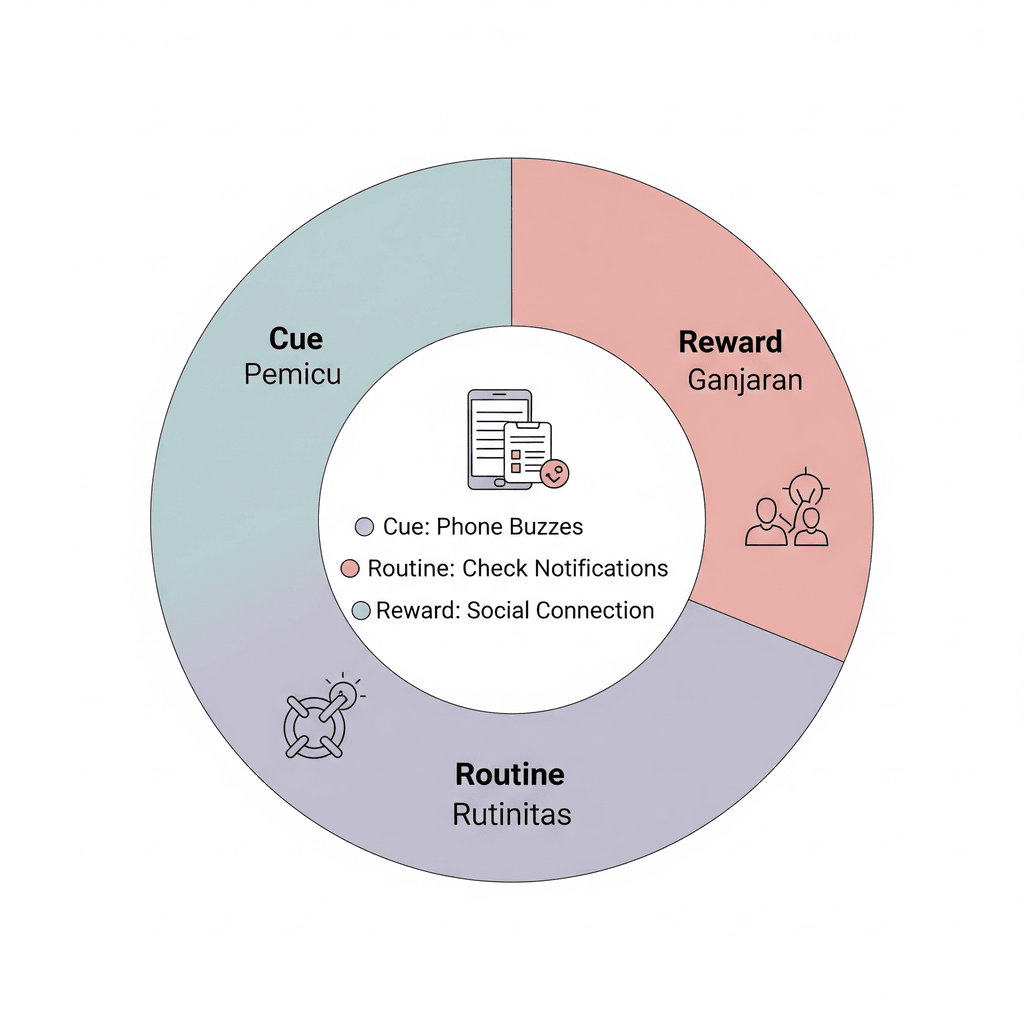
    At its core, every habit consists of three main elements: a routine, a reward, and a cue. This three-step pattern is what makes an action repeat over and over without conscious thought.
    The routine is the behavior we perform automatically—for example, always brewing coffee in the morning. However, behind that routine, there is a trigger (cue) that “ignites” you to do it. It could be a specific time, a mood, or even words heard at random. The reward, on the other hand, is the brain’s prize after performing the routine; it can be a feeling of comfort, calm, or even just a pleasurable sensation.
    A deep understanding of this cycle is crucial. Without knowing what routine is in motion, you will find it difficult to change the behavior.

    However, this is the secret: Honestly identifying your routines is the primary foundation for change.
    “A complete framework for detecting and mapping the routines that form habits is available in a special chapter of this book, including sample worksheets and practical tools that you can learn more about at MentorBuku…”

    Experimenting with Rewards: Locking in Positive Behavior

    Even bad habits persist because of a specific reward. This is why, for example, people continue to smoke despite knowing the risks—there is a temporary sensation (reward) they receive. The Power of Habit recommends reward experimentation; a strategic approach to test various forms of rewards to discover the true motivation behind your routine.
    In other words, the process of change begins not just by suppressing the bad routine, but by replacing it with a new, more constructive reward.
    “The step-by-step technique for conducting reward experiments, as well as how to avoid the ‘false reward’ trap, is explored in detail in the exclusive MentorBuku summary…”

    Read also : What Women Want: The Global Market Turns Female Friendly by Paco Underhill


    Isolating the Cue & The Role of Awareness

    The cue, or trigger, is the first thing that must be identified before you can effectively control a habit. A cue can be a time, an emotional state, a location, a specific person, or even a particular thought. Without understanding the cue, attempts to change a routine are likely to fail because you do not know when that “automatic button” is activated.
    Awareness of the cue grants you immense power: the ability to interrupt the automatic cycle that has held you captive. The Power of Habit teaches the technique of cue isolation through observation, logging, and repeated experimentation—until you can finally see the hidden patterns behind the habit.
    But of course, behind this simple knowledge lie complex layers of observational strategies and methods for identifying the cue, which cannot be fully unpacked here.
    “Advanced cue observation techniques, including a daily application journal and tips for distinguishing between external and internal cues, are part of MentorBuku’s premium insights, specially written by productivity practitioners…”


    The Role of a Plan in Shaping Change

    Without an action plan, habit change is just talk. Many people fail because they know “what” to change, but they don’t know “how” to design the roadmap. The Power of Habit presents a highly applicable framework for change: identify the routine, experiment with rewards, isolate the cue, and then create a plan.
    A plan is not just an intention; it maps out concrete steps that are ready to be implemented. For example, if your cue is stress, the routine is smoking, and the reward is relaxation, your plan could be to replace the smoking routine with a breathing technique for the same reward.
    The key is to take full control of every phase of the change. Without the discipline to design a plan, you will fall back into the old patterns.
    “The five pillars of a fail-proof habit change plan, along with templates and real case studies, are only available in full in the MentorBuku summary…”

    Read also : Ikigai by Héctor García,Francesc Miralles

    Lesson for Leaders: Implementation in Organizations

    Habit change isn’t just for individuals. In the business world, large organizations like Starbucks, Procter & Gamble, and even leading technology companies build the foundation of their success by managing collective habits in the workplace.
    Even strategic decisions—such as “changing the color of a main product” in the middle of the production process—cannot escape the influence of the organization’s established habit patterns. Challenging a team’s habits, facing resistance, and building a new culture require a deep understanding of the routine, reward, and cue cycle at the group level.
    Great leaders are able to detect team routines, map out shared rewards, and design positive cues that make organizational change easier to accept.
    “The three fatal mistakes that often occur when organizations try to change habits, and the strategies to overcome them, are dissected in detail with authentic case studies in MentorBuku…”

    Read also : The Art of Thinking Clearly by Rolf Dobell

    Conclusion: The Power of Transformation & Hidden Opportunities

    Habits are not destiny. They are a “script” that you can rewrite at any time with the relevant knowledge. By understanding the routine–cue–reward cycle, and having a structured plan, you open the door to major changes—both on a personal and professional level.
    However, the true journey of changing a habit only begins when you not only understand the basics, but also know the exact strategy to apply it.
    What are the common mistakes? What are some real-world application examples in the professional world?
    The answers are just a click away.


    CTA & Call to Action

    You have just seen the foundation. These concepts are just the tip of the iceberg of what this book has to offer. How to apply them step by step, avoid common pitfalls, and integrate them into your strategy? All those answers are inside.

    Sign up and Get Free Access at MentorBuku Now!
  • Obstacle Is the Way: The Stoic Secret to Conquering All of Life’s Challenges. The Obstacle Is the Way by Ryan Holiday

    Introduction: When Life Forces You to Ask, “Why Is All This Happening?”

    Everyone, without exception, faces life’s challenges. In business, career, family, or the search for personal meaning—frustration, failure, and setbacks seem like perpetual enemies.

    So what if the best way isn’t to run away, but rather to change our perception of the obstacle? The book “The Obstacle Is the Way” by Ryan Holiday presents a radical answer: what stands in your way is the way itself.
    This article will dissect the three most fundamental Stoic paradigms from the book—concepts that can shift the way you perceive and respond to challenges. You will discover why a change in perspective is not just a theory, but a catalyst for transforming “problems” into authentic opportunities. However, its practical application techniques are deliberately reserved for those who are truly thirsty for change.

    Read also : I Will Teach You To Be Rich by Ramit Sethi

    I. Practicing Objectivity: The Art of Seeing Facts, Not Drama
    Let’s begin with the most essential Stoic discipline: resisting emotional impulses and separating facts from emotional judgment.
    According to the philosopher Epictetus, when you say “This happened and this is bad,” you are actually mixing two different things: the objective fact (“This happened”) and the subjective interpretation (“This is bad”). As a result, you get trapped in a drama of your own mind’s making.
    Ryan Holiday illustrates how Miyamoto Musashi, the legendary samurai, practiced this. Musashi distinguished between the “observing eye” (seeing things as they are) and the “interpreting eye” (seeing with bias). The observing eye is able to find opportunities behind bitter events, whereas the interpreting eye easily makes everything seem more frightening than reality.
    What is the concrete benefit of this objectivity? You begin to face problems as neutral, analyzable events, not as disasters that grip your emotions. This is the foundation of courage and mental toughness.
    However, the specific framework for practicing objectivity every day — including emotional detachment techniques and “cognitive reframing” — is explained through practical examples in the book and our in-depth summary at MentorBuku…

    Read also : Frames of Mind by Howard Gardner

    II. The Discipline of Action: Taking Steps, Not Waiting for Perfection

    After reshaping your perspective, the next step is to act without delay. Stoics don’t rely solely on motivation; they build a consistent work discipline.
    Ryan Holiday emphasizes that an orientation toward action is a primary human duty. Just like a true artist who gives their all to every project—prestigious or not—we too must deliver our best performance on whatever task we face, not wait for praise or ‘perfect’ conditions first.
    The core of this concept is to:

    • Eliminate procrastination caused by perfectionism,
    • Treat every task, no matter how difficult, as deserving of maximum effort,
    • Transform hard work into a form of authentic self-expression.

    The discipline of action also distinguishes between “reactive work,” which is based on fleeting emotions, versus “proactive work,” which is driven by principles and long-term goals.
    How can you discipline yourself so that action becomes a habit, not the result of a momentary burst of motivation? This book unpacks five powerful strategies for building a doer’s mentality, not a spectator’s. However, the specific time management techniques, daily rituals, and reminder systems are a privilege for MentorBuku members…


    III. Finding the Opportunity Behind Every Obstacle

    The third paradigm that forms the Stoic foundation for handling obstacles is reverse thinking: viewing an obstacle not just as a problem, but as a “catalyst” for growth—often the very source of an advantage.
    Ancient Stoics taught to look for the “fertile ground” in every adverse event by asking a fundamental question: What is the hidden value in this setback? Instead of self-pity, they focused on unearthing opportunities, for instance by pursuing innovation, strengthening character, or discovering new, previously hidden purposes.
    Ryan Holiday gives the example that every great entrepreneur, athlete, and leader has always conquered life with the logic: Because of this, not in spite of this. What is a hindrance in the eyes of the average person becomes a means of transformation for them.
    The philosophy of “the obstacle is the way” has turned failed startups into giants, weak teams into champions, and wounded individuals into mentors for many.
    However, the three common mistakes that often cause this concept to fail in real-world application—from over-optimism to fatalism—are only unpacked practically and in-depth in our summary…


    IV. Integration: From Perception and Action to Transformation

    The three pillars above—objectivity, the discipline of action, and finding opportunity in adversity—form the foundation of the Stoic strategy for conquering life’s challenges. However, the greatest benefits can only be felt if you are able to integrate them practically into your daily routine. This process doesn’t happen magically overnight, but through practice, reflection, and long-term commitment.
    Are you ready to change the way you think and act? The key is to start with one pattern: first, observe calmly; then, act with full awareness; and always, look for the opportunity where others only see disaster.


    Conclusion: Will You Let Challenges Become an Excuse or a Springboard?

    When problems arise, anyone can complain. However, only those who practice The Obstacle Is the Way realize: every obstacle is not just a test, but also an invitation to level up in the game of life. The real secret of the Stoics is the ability to see the game behind the scenes, to process disappointment into energy, and to turn a “stumbling block” into a “stepping stone”.

    You have just seen the foundation. These concepts are merely the tip of the iceberg of what this book offers. How to apply them step-by-step, avoid common pitfalls, and integrate them into your strategy? All those answers are inside.

    Sign Up and Get Free Access at MentorBuku Now!

  • ANALYSIS & THEMATIC ANGLE DETERMINATION. The Magic of Thinking Big by David J. Schwartz.


    After reviewing the key parts of the book “The Magic of Thinking Big” by David J. Schwartz, there are three gems of ideas that are closely related and can be woven into a single common thread:

    1. The power of mental pictures in our minds—that we think not in words, but in images formed from words.
    2. The importance of believing in growth and improvement—a proactive attitude to seek opportunities for expansion, efficiency, and new ideas that bring progress.
    3. The destructive impact of a negative mindset—that negative thoughts can have real consequences on outcomes and lead to missed opportunities.

    Main Thematic Angle: “How a Positive Mindset Becomes a Catalyst for Success and Growth—Starting from How You See the World in Your Mind.”
    Step 2: MAGNETIC TITLE & FRAMEWORK DEVELOPMENT
    Title Options (40-60 characters):

    1. The Secret to a Positive Mindset: A Real Catalyst for Success!
    2. Revealed! The Big-Thinking Method You Often Ignore
    3. Authentic Paradigm: The Key to Visualizing Instant Success
    4. The Magical Mindset That Shapes Your Future Now
    5. Avoid This Fatal Mistake: The Thinking That Destroys Potential

    Best Title: The Secret to a Positive Mindset: A Real Catalyst for Success!
    Article Outline:

    • H1: The Secret to a Positive Mindset: A Real Catalyst for Success!
      • Introduction: Why Your Way of Thinking Is the Starting Point for Success
      • H2: Mind Pictures: The Foundation of How Your Mind Works
        • H3: Turning Words into Pictures of Success
      • H2: A Proactive Attitude: Echoing Growth and Innovation
        • H3: Case Study: Three Different Ways to Approach Challenges
      • H2: The Power and Peril of a Negative Mindset
        • H3: Opportunities Lost Due to the Wrong Mindset
      • H2: Conclusion: Changing the World Through Your Mindset
      • CTA: Steps to Gain Deeper Insight

    Step 3: ARTICLE DRAFT WRITING (1500-1600 words, SEO & CTA Integrated)


    The Secret to a Positive Mindset: A Real Catalyst for Success!

    Why Your Way of Thinking Is the Starting Point for Success

    Everyone desires greater achievements in life—be it a soaring career, harmonious relationships, or continuous self-development. However, there is one universal foundation that sets winners apart: mindset. But did you know that a mindset is not just a collection of motivational words passing through your mind? It is a collection of “pictures” that unconsciously shapes our attitudes, decisions, and daily actions.
    The book “The Magic of Thinking Big” teaches a fundamental concept—your mind is a giant movie theater. Every word, comment, and thought you consume is actually converted by the brain into a series of mental pictures. This is where major change begins. This is not merely a theory; it is a strategy of how the human brain works, affirmed by experts and supported by modern research.
    This article will invite you to see how the power of a positive mindset can become the greatest catalyst for real success. We will dissect three core concepts of “thinking big” that will open up a new perspective. However, remember: you will only see the foundation here. The complete effective implementation methods are available with a MentorBuku membership.

    Read also : Zero to One by Peter Thiel

    Mind Pictures: The Foundation of How Your Mind Works

    Have you ever realized that when you hear someone say, “I failed,” you automatically picture a gloomy atmosphere, disappointment, or a person with their head down? The brain doesn’t stop at words. Every word heard and read is immediately processed into a “mind picture,” or a visual image that greatly influences your emotions and attitude. — The Magic of Thinking Big by David J. Schwartz.
    This is why the language you use with yourself or others largely determines your next actions. For example: the word “challenge” creates an image of a demanding but inspiring uphill path, while the word “problem” conjures an image of a dead end or a trap.
    A small change in word choice can make the difference between feeling motivated or discouraged. Great leaders guide their teams with visionary words that ignite images of great future possibilities, rather than simply staying in their comfort zone or giving up.

    “When you speak or write, you are a film director showing a movie in other people’s minds. The picture you create determines how you and others will react.” — The Magic of Thinking Big by David J. Schwartz.
    However, to master this art, you must understand the specific formula for consistently building “mind pictures” with a positive aura—including choosing strategic diction and how to practice it in daily communication. This book dissects the structure and practical exercises for creating narratives that build images of success in your subconscious—a vital component that can only be found in the concise summary for MentorBuku members.

    Baca juga : 12 Rules for Life by Jordan B. Peterson

    A Proactive Attitude: Fostering Growth and Innovation

    Next, let’s look at a concrete example from the real world, as shared by Schwartz. There are three types of people in an organization: the self-satisfied, the pessimist, and the visionary. Only one category continues to grow—those who always seek opportunities to advance, find room for innovation, and dare to suggest improvements. These are the people who build a culture of growth, both for the business and for themselves.
    When asked to assess their workplace, a visionary employee says, “We’re already good, but we can be better.” They then share a wealth of innovative ideas: from finding ways to acquire new clients to devising fresh marketing campaigns and revamping the compensation system to better motivate the team.
    Companies that survive and thrive are those filled with people who have this kind of proactive attitude. They are not content with the comfort zone; there is always a “we can do better” spirit and an exploration of solutions. Even when achievements fall short of the target, their feedback remains constructive: “What can be improved next?”
    However, it’s not just about intention. There is a specific mindset, set of habits, and particular questions that strengthen this visionary character in daily life—from goal setting and evaluation to self-negotiation. You will find the complete framework for its implementation, including the daily question list of great thinkers, only in our exclusive summary.

    The Power and Peril of a Negative Mindset

    Not many people realize that a negative mindset doesn’t just worsen your mood; it can literally ruin your destiny and opportunities. Schwartz reveals a true story: a professional lost an important client simply because he maintained a pessimistic tone during a forty-minute discussion. In reality, the client was fundamentally a good person; it was the professional’s negative mindset that caused the failure. — The Magic of Thinking Big by David J. Schwartz.
    Every negative attitude, comment, and conversation sticks like a ‘stain’ in your mind. Over time, it will eat away at your self-confidence, relationships, and even your own business. This vicious cycle is hard to break if you don’t start with self-awareness and the right mental strategy.
    Sometimes, even one pessimistic experience is enough to bury years of potential success. Imagine how many opportunities pass you by just because you allow doubt and anxiety to take the wheel. This isn’t rhetoric—its impact is real in both professional and personal aspects.

  • The Magic of Gratitude: Transform Your Life with the Fundamental Power of Gratitude. The Magic by Rhonda Byrne

    Why Can Gratitude Change Everything?

    We often find ourselves trapped in daily routines filled with pressure and complaints. However, a simple concept called gratitude can be the catalyst for major change in your life. As Kahlil Gibran said, “The appearance of things changes according to the emotions, and thus we see magic and beauty in them, while the magic and beauty are really in ourselves.” This means that true beauty and magic come from within us, not from our external environment.

    When you make gratitude a way of life, the world you see changes magically. This is not just a shift in perception, but a transformation in how you attract and create experiences in your life. Your world changes because you change, and that change directly affects what you draw into your life.

    Concept 1: Gratitude as a Fundamental Paradigm in Life

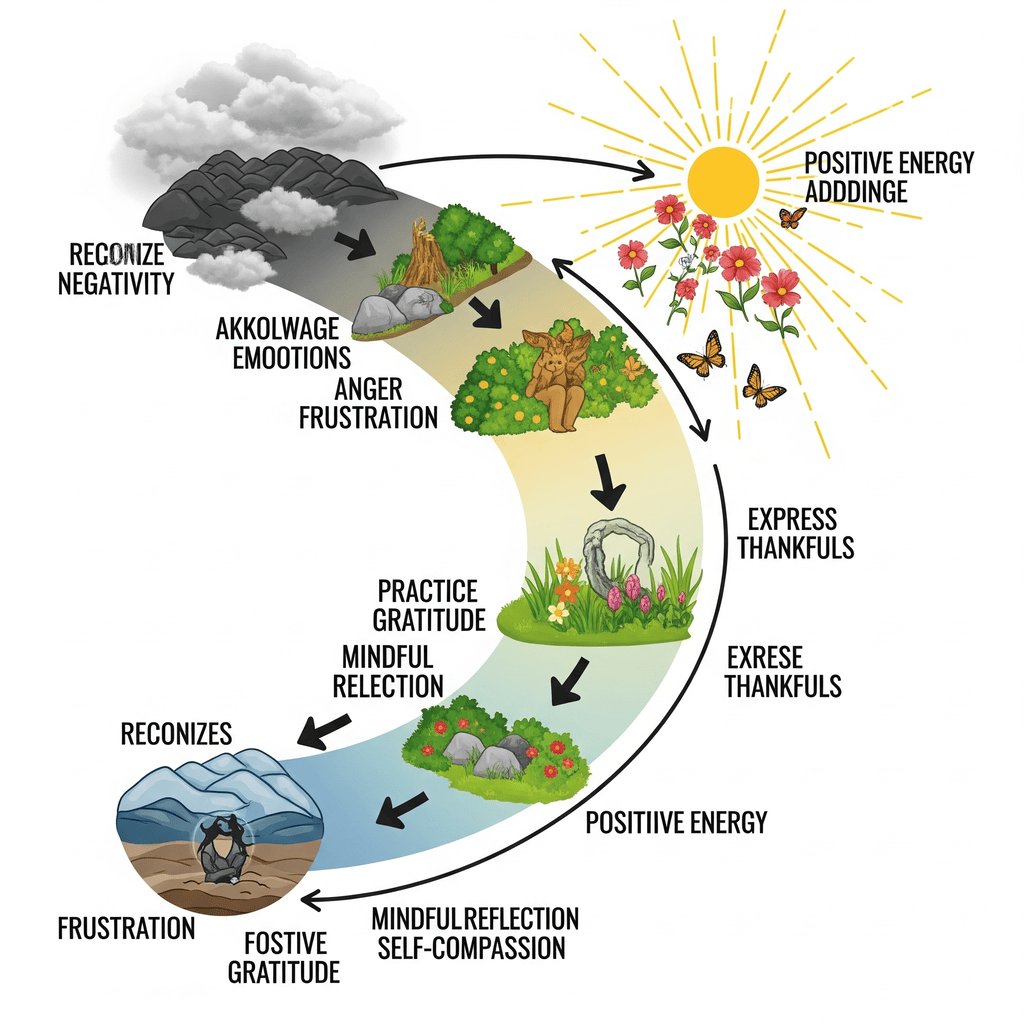
    Gratitude is not just a habit, but a fundamental paradigm that changes your outlook on everything. With this mindset, you no longer focus on lack or problems, but on what you already have and appreciate. As a result, stress and complaints decrease, and positive energy increases.

    However, for gratitude to be effective and not just theoretical, there is a very specific framework for applying it in daily life. The complete framework for practicing gratitude as a life paradigm is discussed in five specific steps in the book…

    Read also : Thinking Fast And Slow by Daniel Kahnema


    Concept 2: Gratitude as the Source of “Luck” or Good Fortune

    Many people expect luck to come from outside, such as coincidences or external factors beyond their control. However, gratitude allows you to create your own “luck.” When you hope for good fortune, you are actually preparing yourself to receive outcomes with an open and optimistic attitude.

    Imagine entering an important situation with a mindset filled with gratitude. You naturally open yourself up to opportunities and solutions that may not have been visible before. In other words, gratitude becomes a source of magical energy that makes positive outcomes more certain.

    However, there are three common mistakes people make when trying to create luck through gratitude, which are thoroughly discussed in our summary…

    Read also : The Small Business Bible by Steven D. Strauss

    Concept 3: Gratitude Transforms You and the World Around You

    The most remarkable principle of gratitude is that it not only changes your perception, but also transforms your environment and social relationships. When you express thanks and show appreciation consistently, your surroundings respond positively, reinforcing the habit.

    The impact is profound both in personal and professional life. Relationships become more harmonious, work performance improves, and enthusiasm for life increases. This is a real form of magic that happens when positive energy meets concrete action.

    Advanced techniques for this concept, including templates and practical examples, are part of the exclusive insights we have prepared at MentorBuku…

    Read also : Win Your Inner Battles by Darius Foroux

    How to Start Your Gratitude Journey Now?

    Getting started is not about waiting for the perfect moment, but about making gratitude a part of your daily routine. For example, you can begin your day by writing down three things you’re grateful for, or end it with a brief reflection on positive events.

    However, to practice gratitude effectively, you need a deeper understanding and a structured approach that you may not find just anywhere. That’s why we’ve prepared a series of materials that will reveal the secrets of applying gratitude in a practical, measurable, and powerful way.

    If you want to change the way you see the world and experience true magic in your life, start your gratitude journey with the right steps.


    Conclusion: Gratitude Is the Key to the Magic in Your Life

    You have just seen the foundation. These concepts are only the tip of the iceberg of what this book has to offer. How do you put them into practice step by step, avoid common pitfalls, and integrate them into your life strategy? All the answers are inside.

    Sign Up and Get Free Access at MentorBuku Now!

  • The Secret of Body Language: How to Read Surprising and Important Nonverbal Cues for You. The Dictionary of Body Language by Joe Navarro


    Understanding Body Language: The Elusive Yet Fundamental Key to Communication

    Every day, in our interactions, more than 70% of the messages we receive do not come from words. Body language becomes a powerful catalyst that sends signals often more honest than speech. Understanding bodily cues not only helps you read others better, but also enhances your ability to communicate, lead, and build relationships.
    But why is body language still considered elusive and hard to grasp? Because behind seemingly simple movements lie complex patterns that require careful attention to interpret correctly. This article discusses some important concepts in body language that will open your eyes to see beyond just words.

    Read also : The Laws of Human Nature by Robert Greene

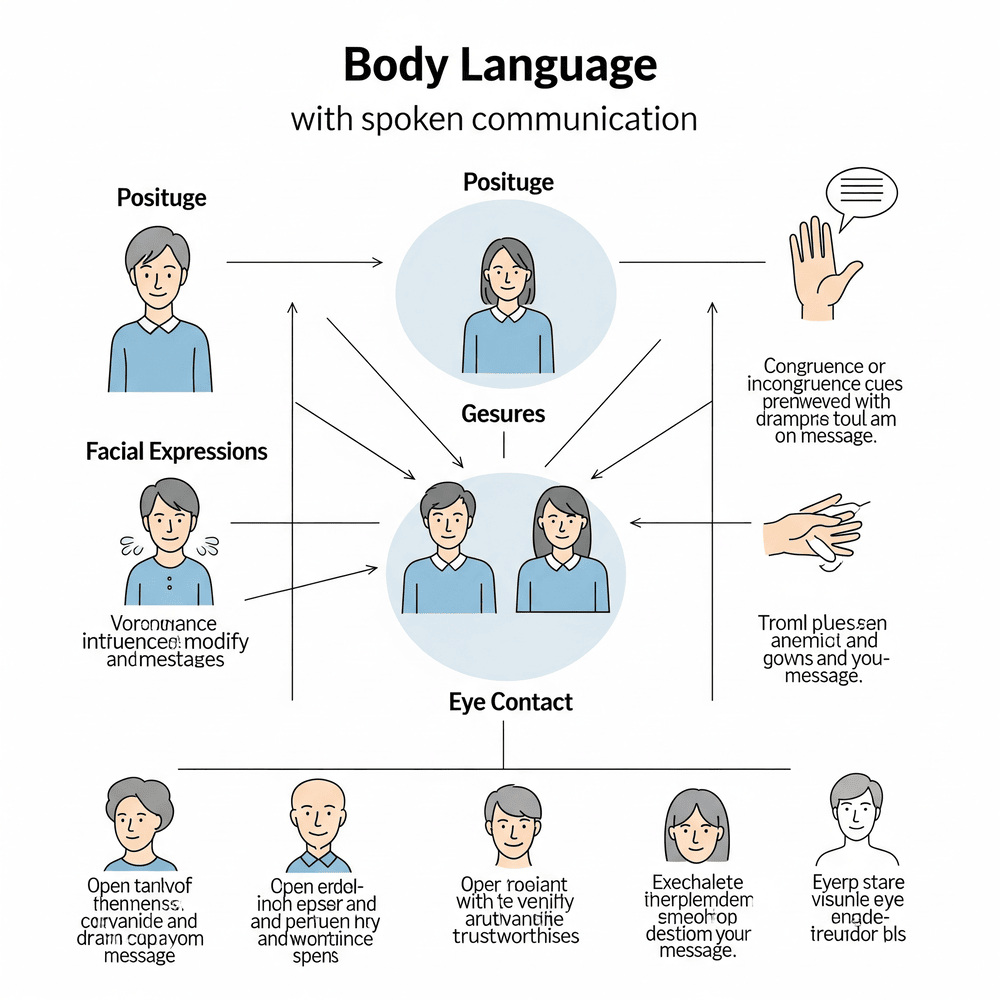
    Concept 1: Eye Gaze and Its Hidden Meanings

    Eyes are often called the windows to the soul. A gaze not only shows the direction someone is looking, but also reveals hidden inner feelings. For example, when someone looks up, they are often recalling something or even feeling hopeless. An askance glance—looking sideways with doubt or skepticism—indicates a lack of trust or concealed objections.
    Mastering the meanings of these gazes gives you an advantage in reading situations and the behavior of those you interact with more sharply. However, there is a significant risk of misinterpretation, so it’s important to study the context and accompanying behaviors that arise with such gazes.
    A complete framework for applying this understanding of eye gaze is discussed in five specific steps in the book we have summarized exclusively.

    Read also : Succeed For Yourself by Richard Denny

    Concept 2: Facial Expressions as Potent Emotional Cues

    Facial expressions can be the most powerful and undeniable signals of emotion. From a faint smile to a deep look of disappointment, a person’s face can reveal what they may not want to say. For example, eyes that appear glazed or vacant may indicate fatigue, boredom, or even the influence of substances like alcohol or drugs.
    Sensitivity to these shifts in expression will make you more adept at detecting the true emotions hidden behind words. However, incorrect interpretation can also lead to misunderstandings. Therefore, we present three common mistakes when interpreting facial expressions and how to avoid them in our summary.


    Concept 3: Hand Movements and Their Effects in Communication

    Hand movements add nuance to both verbal and nonverbal communication. From gestures that reinforce statements to unconscious movements like touching one’s own hands, each has a meaning you need to know. For example, erratic or inconsistent hand movements can indicate nervousness or confusion, while the position of the hands when speaking can reflect a person’s confidence and openness.
    Understanding the language of hands can help you better read the character and intentions of your conversation partner. However, more advanced techniques on this concept, including templates and practical examples, are part of the exclusive insights we’ve prepared at MentorBuku.

    Read also : The Book You Wish Your Parents Had Read by Philippa Perry

    Why Understanding Body Language Matters for You

    Body language is a strategic tool you can use to earn trust, influence decisions, and strengthen interpersonal relationships. With this insight, you become not only a good listener but also a keen observer. This is highly valuable in business, negotiation, and everyday social life.
    However, it is important to remember that reading body language requires practice and a systematic framework. Careless interpretation can lead to misunderstandings and even harm your relationships.


    Conclusion

    Body language occupies a vital role in effective communication. By deeply understanding eye gazes, facial expressions, and hand movements, you open up opportunities to communicate more authentically and better influence your surroundings.
    But this is just the beginning. Practical application, recognizing common pitfalls, and advanced techniques require a structured and systematic approach. Fortunately, all the secrets and methods to master them are available in our strategic summary.


    You have just seen the foundation. These concepts are just the tip of the iceberg of what this book has to offer. How do you apply them step by step, avoid common pitfalls, and integrate them into your strategy? All those answers are inside.

    Sign up and Get Free Access to MentorBuku Now!

  • The Fundamental Secret of the Compound Effect That Will Truly Change Your Life Now. The Compound Effect by Darren Hardy


    Understanding the Power of the Compound Effect: The Proven Foundation for Life Change

    In the world of self-development and success, we often look for instant ways to create rapid, massive change. However, the reality is that long-term success is actually built from small things consistently done every day. This is the concept deeply explained in the book The Compound Effect by Darren Hardy. This book reveals the fundamental secret of the compound effect, a paradigm that can change anyone’s life in a simple yet incredibly powerful way.

    What Is the Compound Effect and Why Is It Important?

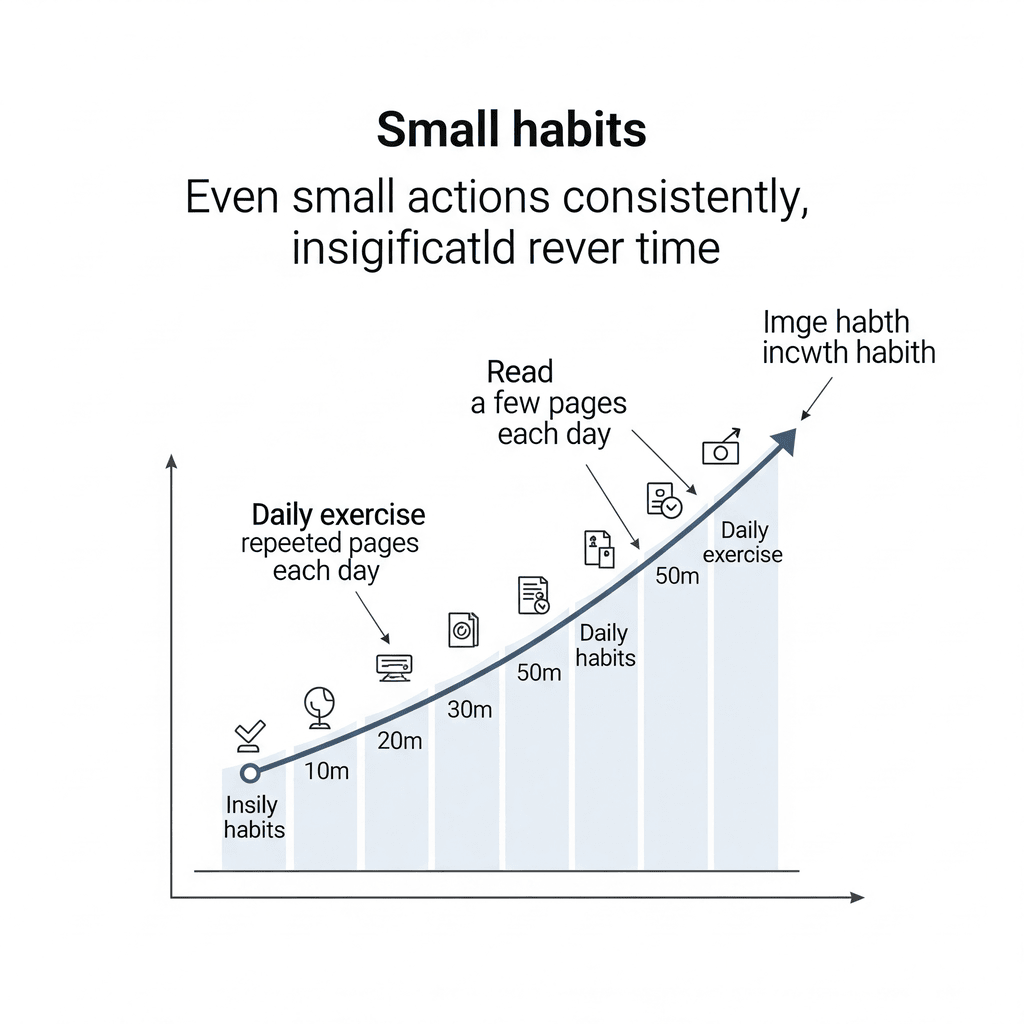
    The compound effect is a phenomenon in which small, consistent decisions, when carried out with discipline, will yield remarkably great results over time. The example is simple: saving a little bit every day over the years will result in significant wealth, or the habit of reading 10 pages of a book every day will broaden your knowledge and insights far more than sporadic study.
    Why is this effect so important? Because the compound effect emphasizes how small everyday decisions and actions are not just fleeting impacts, but have the power to fundamentally and permanently change the course of our lives. Many people fail to achieve big goals because they don’t realize the cumulative power of these small habits.
    A complete framework for applying the compound effect is discussed in 5 specific steps in the book, which will help you systematically design and manage personal change.

    Four Key Pillars of the Compound Effect

    This book highlights several interrelated key concepts that form the main foundation of the compound effect’s effectiveness.

    1. Small Habits, Big Impact

    Every small action, no matter how minor, if done repeatedly, will bring about major change. This is because the results of those actions are not linear, but exponential. Therefore, focusing on building positive small habits is much more important than trying to change your entire routine all at once.
    However, there are three common mistakes that often occur when trying to build new habits, which we thoroughly dissect in our summary, so you can avoid these common pitfalls.

    2. Conscious and Responsible Choices

    Success does not come from luck alone. Hardy emphasizes the importance of each individual taking full responsibility for the choices they make every day. By being fully aware of these choices, a person can steer their life in the desired direction with greater confidence.
    Advanced techniques from the concept of making conscious choices, including templates and practical examples, are part of the exclusive insights we provide at MentorBuku.

    3. Consistency and Discipline

    Discipline isn’t about mood or temporary motivation. Discipline is the ability to remain consistent in doing the right things even when you feel like giving up. This consistency is what strengthens the compound effect.
    However, maintaining motivation and self-discipline is the greatest challenge faced by many people. This book teaches how to manage your mindset to maintain long-term consistency.

    4. Personalizing Your Path to Success

    There is no single method that fits everyone. Hardy stresses the importance of customizing strategies and habits to suit personal context and goals. The process of making these adjustments is itself part of success.
    This personalization and adjustment framework is discussed in detail in practical steps in the book, so you can create a system that truly works for your own conditions and objectives.

    Read also : It’s Not You, It’s Biology by Joe Quirk

    Avoiding Short-Term Traps and Choosing Long-Term Change

    Many people get caught up in the allure of instant results, following trends, or unsustainable methods. The compound effect reminds us that the best outcomes come from a long and steady process. As a result, appreciating every small step and measuring long-term progress is more important than looking for overnight miracles.
    In addition, this book also discusses how to outsmart the temptation to give up and how to build a supportive environment for success, including various real-life examples that can inspire readers even more deeply.

    Read also : Is That Me Yelling? by Ronna Renner RN

    Why Do You Need to Understand the Compound Effect Now?

    In an increasingly competitive environment with constant change, the ability to consistently make small changes is a highly valuable asset. The compound effect gives you a new perspective on how to manage your life and career with reliable long-term strategies.
    Moreover, understanding this concept will serve as a catalyst for the personal transformation you’ve been seeking, enabling you to achieve goals that once seemed out of reach.

    Read also : R.E.D. Marketing: The Three Ingredients of Leading Brands by Greg Creed

    This article is the spark. Imagine if a single idea from here could change the way you work or think. Now, imagine what dozens of other strategic ideas could do. That is the power awaiting you.
    Sign up and Get Free Access to MentorBuku Now!

  • The Secrets of a Successful Attitude and Authentic Happiness You Need to Know Now. Succeed for Yourself by Richard Denny


    Unveiling the Essence of a Successful Attitude and True Happiness

    Everyone wants a successful and happy life. However, have you ever realized that a successful attitude comes before success itself? This book invites us to understand the close connection between mindset and true happiness, which is not just temporary, but sustainable.
    We often think that happiness comes from success or major achievements. In fact, lasting happiness actually begins with how we view and respond to everyday life. A positive attitude and sincere love can create a magnet that attracts many good things into our lives. Like a character in this book who, despite physical limitations, is still able to spread positive energy and be loved by those around him.
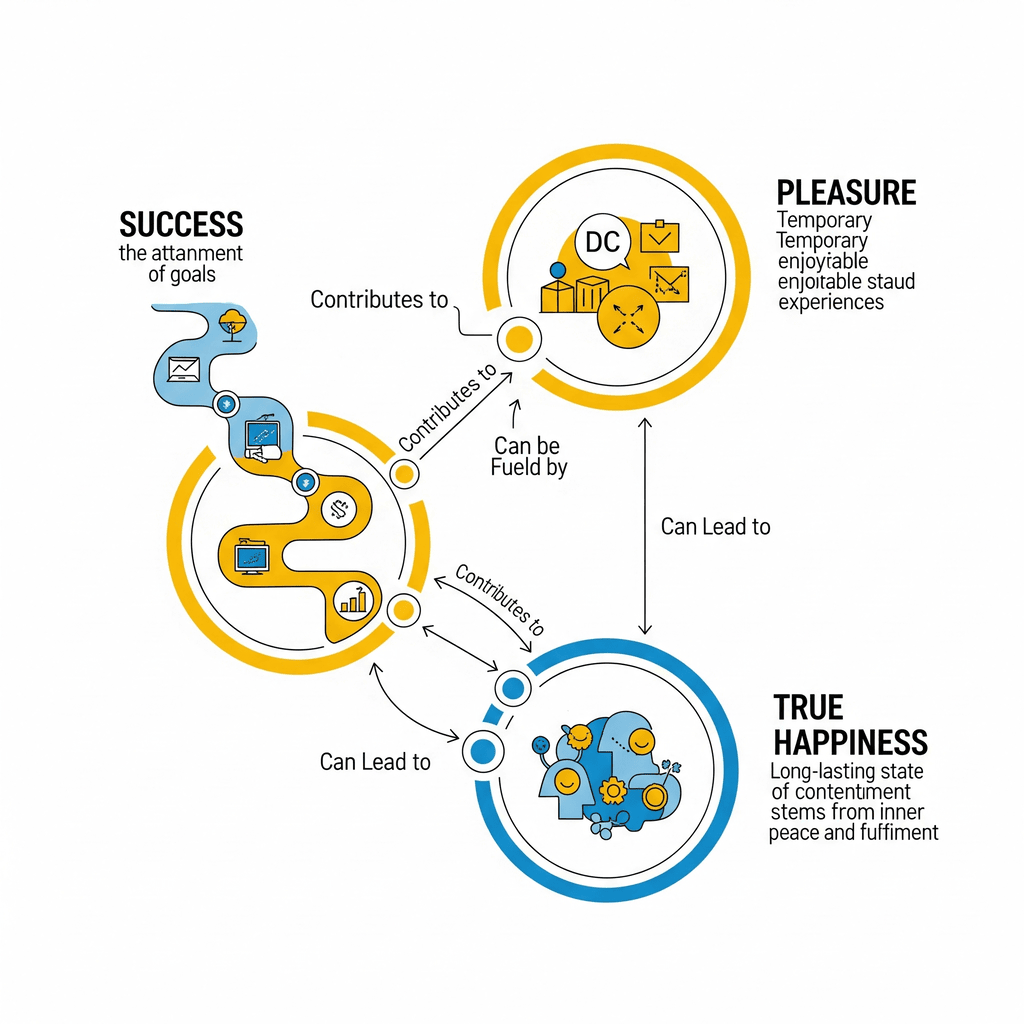
    This concept teaches us that success is not just about the end result, but the process of building the attitude that takes us there. Understanding the difference between true happiness and fleeting pleasure becomes an important foundation. Pleasure is like a small celebration in the middle of life’s journey, while happiness is a sense of peace that continually envelops the soul.
    A complete framework for applying this successful attitude is discussed in five specific steps in the book, which will help you prepare your mind to face challenges and shape authentic happiness.

    Read also : The Almanack of Naval Ravikant by Eric Jorgenson

    Building Family Strength as a Pillar of Happiness

    Apart from individual attitude, this book also emphasizes the importance of family as a source of happiness and emotional security. Undeniably, family brings both invaluable challenges and opportunities. When managed with love, responsibility, and without selfish intentions, family can become an oasis of happiness and the main support system in life.
    In this context, readers are encouraged to realize that family relationships are not just about blood ties, but about how we support each other and grow together in an atmosphere of mutual appreciation. Various common problems may arise, but with the right attitude, family can become a source of inspiration for success and true happiness.
    However, there are three common mistakes often made when building healthy family relationships, which are thoroughly discussed in our summary. Understanding these will help you avoid the pitfalls that frequently undermine harmony.

    Read also : The Yes Brain Child by Daniel J Siegel,Tina Payne Bryson


    Happiness Through a Positive Attitude: The Magnet of Life Success

    How does a positive attitude affect everyday life? This book presents a truly inspiring true story about someone who kept smiling despite facing physical limitations. This positive and cheerful attitude becomes a magnet that attracts the attention and affection of many people.
    This fact shows that happiness and success are not about being free from problems, but about how we face them. By cultivating a positive attitude, we build a strong foundation for achieving what we want in life. It also emphasizes that a successful attitude must be mastered even before success arrives.
    Advanced techniques for developing a positive attitude, including templates and practical examples, are part of the exclusive insights we have prepared at MentorBuku, which will help you maximize your personal and professional potential.


    Conclusion: Uniting the Pillars of Attitude, Family, and True Happiness

    From these three main concepts — a successful attitude, family strength, and a positive outlook — we can see a pattern showing that true happiness and success require harmonious collaboration between our inner selves and our closest environment.
    You have just seen the foundation. These concepts are only the tip of the iceberg of what this book has to offer. How can you apply them step by step, avoid common pitfalls, and integrate them into your strategy? All the answers are inside.
    Register and Get Free Access at MentorBuku Now!