Tag: Self-Development

  • The Secret Power of Kaizen: A New Paradigm Towards Authentic Success. Great CEOs are Lazy by Jim Schleckser

    The Knowledge Gap in the Pursuit of Success

    Everyone wants to achieve success. But the question is: why do so few actually attain it authentically and consistently?
    Most people work hard. They follow “motivational” advice, try popular methods, and are even willing to wake up before dawn for a new routine. Ironically, reality is often far from expectations. Many give up halfway. They feel deceived by their initial enthusiasm that doesn’t last long.
    Behind these repeated failures lies a fundamental lesson: success is not about working “harder,” but “smarter”—and, more importantly, about shifting your fundamental paradigm of thinking.


    This article will take you on a journey through new territory: how even the smallest changes, if made correctly, can unexpectedly redirect the course of your life. Every small step becomes part of a continuous transformation—that’s the power of “Kaizen.”


    A New Paradigm of Thinking About Success and Failure

    For a long time, success has been associated with big results and instant achievements.
    We tend to focus on spectacular stories: athletes winning gold medals, entrepreneurs becoming billionaires overnight, or debut authors whose books become instant global bestsellers. Unfortunately, these narratives blind us to the continuum of failure and the long process that actually forms the foundation of true success.

    Why the Old Mindset Limits Your Big Leaps

    The conventional mindset always leads us to ask, “How can big success happen as quickly as possible?”
    However, the real question should be: “How can the process lead to repeated success, without burning yourself out along the way?”
    The book we’re discussing invites you to re-examine all your old beliefs about success. It highlights a fundamental mistake: over-glorifying “big wins” while underestimating the power of accumulated “incremental gains”.

    As a result, we often find ourselves stuck in a cycle of trial and error. We feel like failures, not because we didn’t work hard enough, but because our mindset was wrong—focusing on dazzling outcomes while ignoring the process of “transformative repetition”. This is the critical point:
    Shifting from a results paradigm to a process paradigm is the leap that separates truly successful people from fleeting trend followers.

    However, unraveling the deepest layers of how to identify and break the “failure mindset”—complete with practical examples—is a secret that this book thoroughly explains in a separate chapter.
    “The complete framework for applying the paradigm shift from failure to repeated success is outlined in five phases in this book…”

    Read also: The Heart of Business: Leadership Principles for the Next Era of Capitalism by Hubert Joly, Caroline Lambert


    Unveiling the Kaizen Pattern: Small Changes, Maximum Impact

    Is it possible for small, consistent changes to produce extraordinary results—even rivaling the big breakthroughs that are often celebrated?
    The concept of “Kaizen” completely overturns our understanding of how change, achievement, and personal excellence happen.
    Originating from Japanese philosophy, Kaizen is the principle of continuous improvement—making small, measurable, consistent improvements every day. But its most important aspect? The accumulation of domino effects that are nearly impossible to predict at first.

    The 1% Rule Phenomenon and Compound Mentality

    Imagine the impact of improving by just 1% each day. Over a year, those small increments add up to a change 37 times greater than where you started.
    This compound effect phenomenon isn’t just about math: it’s a game changer in the psychology of achievement.
    Kaizen practitioners don’t need to master superhuman discipline or rely on ironclad motivation. They just need to consistently “stretch themselves” bit by bit into new zones, so that ultimately, profound change happens without force.
    Massive improvement (big bang transformation), on the other hand, often ends up in a cycle of failure–trying again–giving up. Meanwhile, those who persist with Kaizen quietly build a foundation that eventually creates a “sudden” explosion of success.
    This concept dismantles the failure of the “all or nothing” approach, offering a new lens for evaluating daily efforts.
    “Advanced Kaizen techniques, including how to identify the right 1% steps and strategies to maintain them under daily pressure, have been transformed into a practical guide for you at MentorBuku…”

    Anti-Bad Habit Mindset—Letting Go of Your Old Self

    How can someone remain trapped in the same cycle of bad habits for years, even when they know it’s hindering their personal success?
    The answer: an auto-pilot mindset that resists structural change.
    Our subconscious belief system keeps whispering old comforts while dramatizing the risks of change. When you adopt Kaizen, you’re not just adding new habits; you’re dismantling old habit cycles, layer by layer.

    The Secret to Breaking the Failure-Repeat Cycle

    This book distinguishes addictive change (driven only by fleeting motivation) from systemic change that truly liberates you from the repeat-failure pattern.
    What’s the main secret? “Identity-based habits”—the strategy of building habits from the foundation of a new identity, not just a checklist of routines.

    In a specific chapter, the author shows that forming lasting change requires three pillars:

    1. Recognition of old habits (awareness).
    2. Gradually breaking the old “reward chain”.
    3. Constructing a new identity based on small successful experiences.

    Resilience becomes the byproduct: the more often you successfully break old routines, the stronger your new mentality becomes. However, the three most common traps in this mindset transition—and strategies to overcome mental blocks and self-sabotage—are discussed in detail only in the secret section of this book.
    “Psychological steps and templates for breaking bad habits, including new identity exercises, can be found as practical insights on MentorBuku…”

    Read also: What to Expect When You’re Expecting by Heldi Murkoff


    Redesigned Environment—The Catalyst of Transformation

    How much does the environment influence someone’s journey to success?
    Much more than most people realize. Your environment—physical, social, and digital—quietly creates (or holds back) the process of change.
    Successful people don’t just rely on discipline; they consciously design their environment to support their vision.

    For example: the friends you choose, visual stimuli, availability of positive triggers, or even the setup of your daily workflow.
    This book reveals that even a single detail in your environment (such as where you place your to-do list or who you converse with most) can accelerate—or unknowingly sabotage—your long-term goals.

    Key Factors Quietly Shaping the Final Result

    A simple analogy: an artist may have talent, but without good lighting and access to quality materials, they will never produce a masterpiece.
    Likewise, anyone risks repeating failure if they don’t change key elements of their environment—often, this is more decisive than the much-touted internal motivation.

    This book exposes clever ways to structure your micro and macro environments, along with a “success environment audit” so your change journey is no longer trial and error. However, the environment redesign checklist and real-time evaluation are all available as a special section in the MentorBuku program.
    “The environment redesign toolkit, complete with real case examples and authentic scenarios, becomes an exclusive insight you can access in our advanced summary…”

    Read also: An Unseemly Man: My Life as Pornographer, Pundit, and Social Outcast by Larry Flynt

    Read also: Emergency Medicine PreTest Self-Assessment and Review, Second Edition (PreTest Clinical Medicine) by Adam Rosh


    Conclusion – Strategic Gap & Call to Action

    After exploring these four key concepts—authentic success paradigm, the power of Kaizen, the anti-bad habit mindset, and the importance of environment—do you feel your knowledge gap is narrowing, or actually getting deeper? Here lies “the knowledge gap”:
    Knowing the “what” and “why” is just the beginning. But applying precise steps, avoiding traps along the way, and optimizing all these pillars simultaneously—that’s an achievement only possible with structured guidance.

    Insight is an asset that cannot be postponed. Every day without deeper understanding is a missed opportunity. Don’t let your competitors gain this advantage before you do.
    Sign up and Get Free Access to MentorBuku Now!

  • Facing Uncertainty: Valuable Lessons from Courage Is Calling by Ryan Holiday and Stephen Hanselman

    In a fast-paced and uncertain world, courage is often considered a rare quality. The book “Courage Is Calling” invites us to explore the meaning of courage and how we can implement it in our daily lives. Through deep and reflective narration, we are encouraged to consider not only heroic acts, but also the small moments that require bravery in facing everyday challenges.

    1. Courage in Facing Obstacles

    One of the main themes raised in this book is the courage to confront obstacles. In this context, the author describes the struggle of Admiral James Stockdale, who endured torture at the Hanoi Hilton. Stockdale was not just a prisoner of war; he was a figure who fought for his fellow inmates, even risking his own life to stop the ongoing torture.

    This brave moment shows that courage often manifests as sacrifice. Stockdale demonstrates the importance of solidarity and collective courage in facing injustice. However, an important question arises: how can we apply this principle in our daily lives?
    Techniques for applying the principle of courage in professional and personal fields are discussed in more detail in the book…

    Read also : Sell or Be Sold by Grant Cardone

    2. Kintsugi: Embracing and Transforming Fragility into Strength

    Another fascinating concept presented in this book is kintsugi, the Japanese art of transforming broken objects into something even more valuable. In kintsugi, damage is not merely repaired, but celebrated and made a part of a new kind of beauty.
    We are invited to reflect: will we find ways to become stronger in places of fragility, or will we fall back into our old patterns that could lead to further destruction? Kintsugi teaches that moments of failure can be the starting point for a greater revival.
    Some practical steps for applying the kintsugi philosophy in daily life will be explained in detail in this book…

    Read also : The Post-Truth Business: How to Rebuild Brand Authenticity in a Distrusting World by Sean Pillot de Chenecey

    3. Focus on the Present: Reducing Fear

    Wilfred Owen, a war poet, wisely emphasized the importance of not letting our imagination take over. When we imagine all the worst possibilities, we miss the opportunity to focus on what we can do right now.
    In this context, the Stoics encourage us to stay focused on the “first impression”—what is right in front of us at this moment, rather than on unknown challenges. Reducing worry and concentrating on concrete things we can control is an important step in building resilience and courage.
    Strategies for practicing mindfulness and being present will be further outlined in our summary…

    Conclusion

    The book “Courage Is Calling” offers deep reflections on courage through real-life stories, philosophy, and art. By understanding that courage can mean fighting for others, accepting our weaknesses, and focusing on the present moment, we can develop greater resilience in facing life’s challenges.
    You have just seen the foundation. These concepts are only the tip of the iceberg of what this book has to offer. How do you apply them step by step, avoid common pitfalls, and integrate them into your strategy? All those answers are inside.

    Sign Up and Get Free Access on MentorBuku Now!

  • The Secrets of Ikigai Revealed: More Than Just a Life Purpose. Ikigai: The Japanese Secret to a Long and Happy Life, by Héctor García and Francesc Miralles

    Have you ever wondered why the residents of a small island in Japan, Okinawa, have the highest life expectancy in the world? The secret is not just a healthy diet or a friendly climate. Deep within their culture lies a fundamental concept that fuels their longevity and happiness: Ikigai. Many people in the West mistakenly interpret ikigai merely as “life purpose” or “passion.” However, this understanding is too superficial. Ikigai is a much deeper paradigm, an elusive meeting point where four essential elements of life intersect harmoniously. This concept is not just a beautiful philosophy to ponder; it is a practical roadmap you can use to engineer a fulfilling and long life. This article will dissect the three main pillars of the Ikigai philosophy, enlightening you on the “what” and “why,” and showing you where to find the “how” to apply it.

    Why Ikigai is a Fundamental Catalyst for Longevity?

    Ikigai can literally be translated as “a reason for being” or, more poetically, “a reason to get up in the morning.” According to the authors of this book, Héctor García and Francesc Miralles, everyone has an ikigai hidden within them. Discovering it requires a patient search, yet the results are transformative. It is not about a single passion, but rather the convergence of four main forces:

    1. What You Love (Your Passion & Mission): Activities that make time seem to stand still and bring you pure joy.
    2. What You Are Good At (Your Passion & Profession): Unique skills and talents you possess that set you apart from others.
    3. What the World Needs (Your Mission & Vocation): Contributions you can make to make the world a better place, no matter how small.
    4. What You Can Get Paid For (Your Profession & Vocation): How you can financially support yourself through your skills.

    The point where the four circles intersect is your Ikigai. It is a source of satisfaction, happiness, and deep meaning. People who live with a clear ikigai never really “retire” in the sense of stopping their work; they continue to do what they love as long as their health allows. This is what gives them extraordinary vitality and resilience. However, there are three common mistakes that often occur when trying to find this intersection, which are thoroughly dissected in our summary at MentorBuku.

    “Flow”: The Secret Weapon to Transform Activities into Happiness

    One of the keys to living in ikigai is to frequently experience a condition known as “flow.” Popularized by psychologist Mihaly Csikszentmihalyi, flow is a state where you are so engaged in an activity that everything else seems unimportant. Your ego dissolves, time disappears, and you become one with what you are doing. It is an optimal experience that can turn work and leisure time into a space for growth.
    To achieve flow, the activity you are involved in must be at an ideal point: challenging enough to keep you focused, but not too difficult that it causes anxiety or frustration. This is the zone where your skills are tested just beyond the comfortable limit. Additionally, having a clear goal and working in a distraction-free environment is a prerequisite for entering it. The takumi (master craftsmen) in Japan are masters of achieving this state, dedicating their lives to perfecting one skill with full concentration. They do not work solely for money, but for the pleasure of the process itself. Mastering ‘flow’ requires more than just turning off notifications. Our summary reveals seven specific triggers to enter the ‘flow’ state at will, an exclusive insight we have prepared at MentorBuku.

    Ogimi Lifestyle: Three Practical Pillars to Emulate Centenarians

    If Ikigai is the engine and flow is the fuel, then lifestyle is the chassis that supports everything. The village of Ogimi in Okinawa, dubbed the “Village of Longevity,” provides a practical blueprint for living that supports ikigai.

    The 80 Percent Secret: Eating for Energy, Not Fullness

    One of the most common sayings in Japan is “Hara hachi bu,” which means “fill your stomach until 80 percent.” This is not just a dietary recommendation, but a philosophy. Instead of eating until full, the Okinawans stop when they begin to feel satisfied. This practice prevents the body from being fatigued by a long digestion process, which can speed up cellular aging. Their diet is rich in vegetables, tofu, and antioxidant foods like green tea and shikuwasa fruit. The ‘hara hachi bu’ philosophy goes beyond just stopping eating. There is a list of 15 specific antioxidant foods that are key to the Okinawan diet, which is thoroughly discussed in this book.

    Read also: The Ultimate Marketing Engine: 5 Steps to Ridiculously Consistent Growth by John Jantsch

    Moving with Purpose, Not Torturing Yourself at the Gym

    The longest-living people are not those who exercise the hardest, but those who move the most. The residents of Ogimi do not go to the gym. Instead, physical activity is naturally integrated into their daily lives: gardening in the morning, walking to visit neighbors, and doing gentle exercises like Radio Taiso together. These gentle movements keep the joints flexible and the body active without putting too much strain. This book presents a step-by-step routine, such as ‘Radio Taiso,’ that can be done in just 5 minutes each morning to revitalize your body.

    The Power of “Moai”: Community as the Best Medicine

    Perhaps the most important pillar of longevity in Ogimi is the concept of “moai”—a group of close friends committed to taking care of each other for life. This moai functions like a second family, providing emotional, social, and even financial support. The strong sense of belonging and security that comes from this moai is a powerful antidote to stress and loneliness, two factors known to shorten lifespan. They celebrate every little thing together, from birthdays to gateball games, creating a rich and supportive social bond. Forming a ‘moai’ in the modern world may seem difficult, but there are fundamental principles from Ogimi that can be applied to build a strong social circle, which we will outline in MentorBuku.

    Also read: Handbook of Parent Training 3rd Edition by James M. Briesmeister

    Resilience and Wabi-Sabi: The Art of Facing Life’s Storms

    Having ikigai does not mean life will always be smooth. Challenges and setbacks will inevitably come. This is where resilience—the ability to bounce back after difficulties—becomes crucial. Japanese philosophy teaches this through the concept of wabi-sabi, which is about finding beauty in imperfection and transience. Instead of pursuing impossible perfection, we learn to appreciate things as they are. Another complementary concept is ichi-go ichi-e, which means “this moment is unique and will never occur again.” It serves as a reminder to live in the present, to value every encounter and experience, as they are all unique and temporary. By focusing our minds on the present and accepting that life is not perfect, we can face challenges with greater calm. Mental toughness is not innate. There are specific techniques from Buddhism and Stoicism, such as ‘negative visualization’, discussed in the book, to train your mind to remain calm in the face of challenges.


    You have just seen the foundation. These concepts are just the tip of the iceberg of what this book offers. How can you apply them step by step, avoid common pitfalls, and integrate them into your strategy? All those answers are within.
    Sign up and Get Free Access at MentorBuku Now!

  • Fundamental Secrets: How Roles & Identity Shape Our Lives According to “Frames of Mind”. Howard Gardner’s Frames of Mind: The Theory of Multiple Intelligences by the Author

    Introduction: Identity, Roles, and the Drama of Life

    Every human is born with an identity, but over time, the world asks us to wear various role masks. In the office, family, or community, we are compelled to adapt, sometimes to the point of forgetting who we really are. But have you ever wondered—how does culture shape the way we view ourselves? And what impact does it have on our creativity, leadership, or even our happiness?
    Howard Gardner, in his work “Frames of Mind,” invites us to explore how society weaves identity and roles into the human mind. By highlighting the dramas of life in Bali and Java as well as the world of art, Gardner reveals fundamental secrets about self, roles, and human potential that we often overlook.


    Bali, Java, and the Theater of Existence: Becoming Someone in Society?

    Balinese Life – Masks, Roles, and the Fear of Authenticity

    In Bali, life is a grand stage. Each individual lives in a highly structured social drama. One’s identity is no longer about personal uniqueness but rather about how well one embodies the roles inherited from society. There, everyone is an actor in an eternal play; masks and roles become more important than self-authenticity.
    Gardner writes that in Balinese culture, “every aspect of personal existence is distilled such that anything idiosyncratic is suppressed in favor of the roles established in the drama of Balinese life.” The greatest risk? When the public performance fails and the true personality suddenly emerges. In those moments, it feels intensely human, and one becomes “creatural”—returning to raw basic instincts. This is the greatest existential fear: being overwhelmed by authenticity amidst the overwhelming pressure of social roles.

    Javanese Philosophy – Inner & Outer Self, “Pure” and “Civilized”

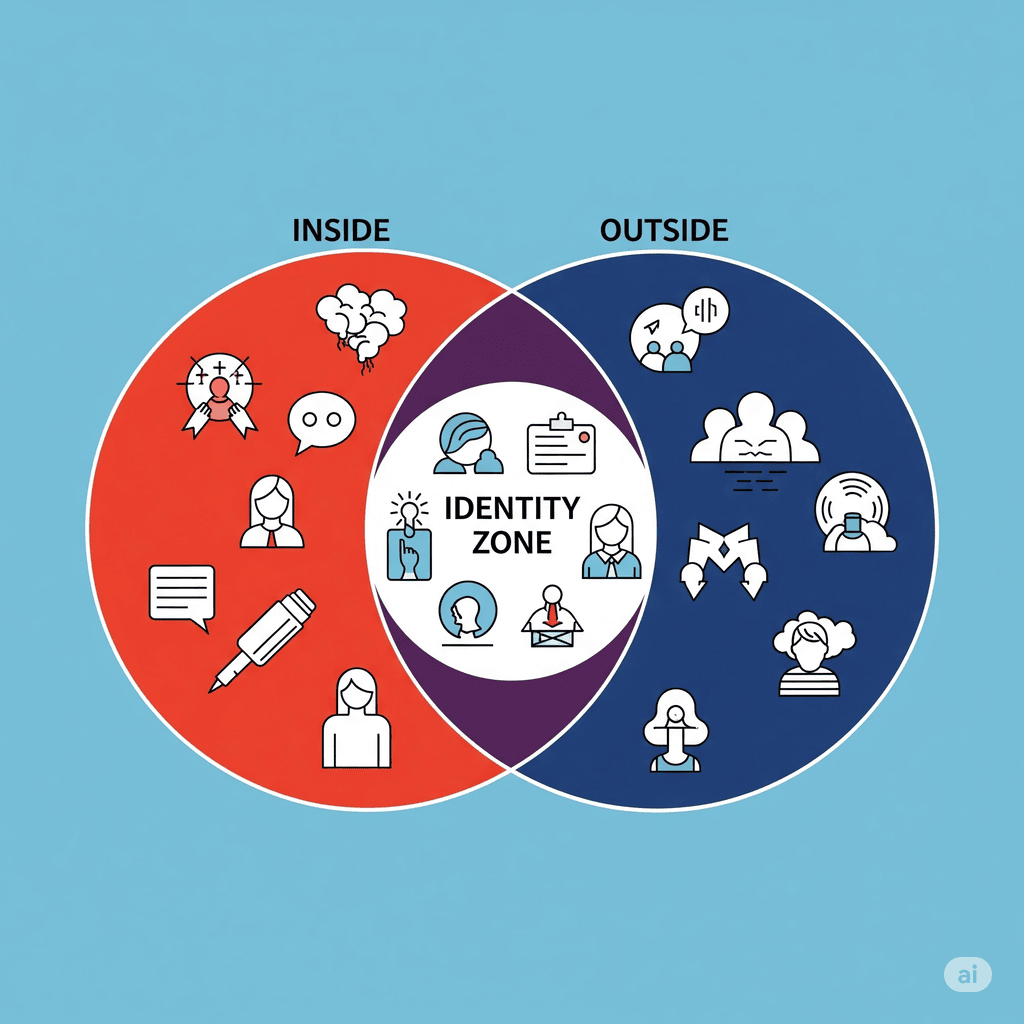
    Unlike Bali, Javanese society emphasizes two main poles in defining self: “inner” and “outer.” The “inner” realm encompasses feelings and subjective experiences, while the “outer” involves observable actions, speech, and body posture. Interestingly, these two sides do not replace each other but are managed independently. Each individual strives to balance a turbulent inner world with an outward world full of rules.
    Additionally, there is a tension between “pure” and “civilized,” where Javanese society places a high value on the ability to maintain harmony between these two worlds. However, how does one maintain balance without falling into pretense or losing inner authenticity?
    Advanced techniques for managing identity duality in Javanese culture, including case studies and their applications in the modern era, are part of the exclusive insights we have prepared at MentorBuku…

    The Concept of Composition Sensitivity: Lessons from the World of Art

    Ben Shahn, Turner, and Herbert Read – Sensitivity to Form and Color

    Not only culture, but Gardner also highlights spatial intelligence in art. A great artist like Ben Shahn reveals, “ideas must emerge from images.” Meanwhile, Turner—through his manipulation of color and form—successfully creates light that cannot be achieved by logic alone. Herbert Read emphasizes that true beauty is derived not from physical objects but from the ability to capture form, color, and composition in a work of art.
    This is what Gardner refers to as composition sensitivity: the ability to arrange visual elements to create harmony and new meaning. In art, issues of design, color, and form become central, often surpassing the subject of the painting itself.
    However, there are three common mistakes that often occur when developing composition sensitivity, which are thoroughly examined in our summary…

    Also read: Marketing Made Simple: A Step-by-Step StoryBrand Guide for Any Business by Donald Miller


    Implications for Modern Life: Managing Roles, Identity, and Creativity

    What does this mean for you? The modern world demands that we adeptly play many roles—professional, personal, social. However, the pressure to always “look good” risks leading us to lose ourselves. On the other hand, the ability to maintain a balance between the inner world and external appearance becomes the key to psychological resilience.
    From art, we learn that sensitivity to composition (both in works and in life) determines the quality of the final outcome. The ability to “arrange” emotions, roles, and expressions is as important as arranging colors on a canvas. Integrating lessons from culture and art can serve as a catalyst for building an authentic identity, creating innovative works, and living a more meaningful life.
    A practical framework for strategically managing roles and identity in professional and personal worlds, complete with templates and practical exercises, can be found at mentorbuku.com…

    Also read: Emergency Medicine PreTest Self-Assessment and Review, Second Edition (PreTest Clinical Medicine) by Adam Rosh


    Conclusion & Call to Action

    This article is just the spark. Imagine if one idea from here could change the way you work or think. Now, envision what dozens of other strategic ideas could do. That is the power waiting for you.

    Sign up and Get Free Access at MentorBuku Now!

  • The Secrets of Dark Psychology: Exposed Manipulation Techniques. Manipulation: Dark Psychology to Manipulate and Control People by Arthur Horn

    In a modern world filled with competition and intense social interactions, understanding dark psychology and manipulation is becoming increasingly important. Many people are unaware that they are victims of manipulation techniques, while others want to know how to identify, or even master, these techniques so they won’t be easily deceived. The book “Manipulation: Dark Psychology to Manipulate and Control People” by Arthur Horn offers deep insights into the world of dark psychology, manipulation techniques, and the ethical boundaries that must be upheld by anyone seeking to understand or use this knowledge.
    This article will explore the foundations of dark psychology, the most commonly used manipulation techniques, the power of knowledge possessed by the reader, and the importance of responsibility and ethics in applying (or facing) manipulation techniques. However, remember, as Arthur Horn himself says, this knowledge is a double-edged sword that must be used wisely.


    Understanding the Foundations of Dark Psychology

    Many people think dark psychology is only related to evil or criminal acts. In reality, dark psychology is a branch of psychology that studies the ways in which someone can influence, control, or even manipulate others for specific purposes. This knowledge is not always used for negative ends; in the right context, it can even be used to protect oneself from exploitation or to help others escape manipulative situations.
    Dark psychology is rooted in a deep understanding of human motivation, emotions, and psychological weaknesses. Arthur Horn emphasizes that recognizing the basic patterns of dark psychology is the first step to protecting yourself from manipulation and gaining control over your social interactions. By recognizing subtle signals, you can distinguish between healthy communication and conversations laden with manipulative traps.
    However, this book not only reveals “what” dark psychology is, but also highlights why this understanding is so important in the modern era. As information spreads rapidly and people are easily exposed to external influences, the ability to detect and resist manipulation becomes a fundamental life skill.
    A comprehensive framework for understanding and dismantling the foundations of dark psychology, along with its distinctive characteristics, is systematically outlined in this book. You will find a thought structure that can be applied to recognize and shield yourself from manipulation techniques that are often invisible.

    Manipulation Techniques in Dark Psychology

    Manipulation techniques are at the heart of dark psychology. In his book, Arthur Horn explains various techniques used by skilled manipulators, ranging from subtle methods like gaslighting and love bombing to more overt techniques such as guilt-tripping or the silent treatment. Each technique has its own unique psychological basis and operates in a different way.
    For example, gaslighting is often used to make victims doubt their own perceptions or memories. This process usually occurs gradually, so the victim does not realize they are being manipulated. On the other hand, love bombing exploits the basic human need for love and recognition. The manipulator showers the victim with attention and praise, then suddenly withdraws, creating emotional dependence.
    Knowledge of these techniques enables you to be more vigilant in both personal and professional relationships. Furthermore, this understanding can help you identify manipulation patterns in the workplace, family, or even in digital interactions.
    However, it is important to remember that using these techniques without ethical consideration can cause serious psychological harm to victims. This book thoroughly examines not only how these techniques work, but also the psychological impact they cause.
    Advanced techniques and practical application examples of each manipulation method, along with effective survival strategies, are available exclusively in MentorBuku’s special summary.

    Read also : I Am Malala by Malala Yousafzai

    Everyday Examples and Applications

    Manipulation techniques are not limited to romantic relationships or work environments. Often, we encounter manipulation within family, friendships, and even on social media. A simple example is the use of guilt to force someone into making a decision they don’t actually want. Or, someone might use the silent treatment to make you feel guilty and eventually comply with their wishes.
    In the digital age, manipulation has become even more sophisticated. Social media algorithms can exploit psychological weaknesses to keep users constantly engaged and consuming certain content. Therefore, learning to recognize these manipulation patterns is crucial so you don’t easily get trapped in a harmful cycle.
    However, practical applications and in-depth case studies that you can use as real references for dealing with manipulation are available exclusively in MentorBuku’s complete materials.

    Read also : Weird Parenting Wins by Hillary Frank

    The Power of Knowledge & Ethical Responsibility

    Delving into dark psychology and manipulation techniques is like wielding a double-edged sword. This knowledge can be an invaluable tool for protecting yourself from negative influences, but it can also be extremely dangerous if used for the wrong purposes. For this reason, Arthur Horn emphasizes the importance of ethics and responsibility in applying these techniques.
    Anyone studying dark psychology must possess a strong moral compass. Using this knowledge to build healthy relationships, empower others, or protect oneself from social predators is a wise goal. However, if it is used to exploit other people’s weaknesses, the psychological and social consequences can be highly damaging.
    The author even explicitly states in his book that the information provided is not professional advice, but insights that should be used wisely and responsibly. This is the fundamental difference between those who become predatory manipulators and those who act as protectors for themselves and others.
    Discussions on how to build a moral compass, as well as best practices for using dark psychology knowledge ethically, are explored in depth in MentorBuku’s advanced modules.

    Risks and Limitations in Manipulation Practices

    Although manipulation techniques may seem tempting to some, the risks involved cannot be ignored. The psychological impact on victims can last a long time, and in some cases, damaged relationships may never be repaired. Furthermore, manipulators who are caught often lose the trust and reputation they have in the eyes of others.
    This book reminds us that there is no manipulation technique that is truly safe. Every action has consequences, both for the manipulator and the victim. Therefore, understanding the limitations and risks before attempting to apply dark psychology techniques is a very important step.
    There are three common mistakes that beginners often make when trying to use manipulation techniques, ranging from misreading the situation to failing to understand the victim’s motivation. These mistakes, along with ways to avoid them, are discussed in detail in MentorBuku’s exclusive summary.

    Read also: Principles: Life and Work by Ray Dalio


    Conclusion & Next Steps

    Understanding dark psychology and manipulation techniques is the first step to becoming a more resilient and emotionally intelligent individual. However, as Arthur Horn has warned, this knowledge must be used wisely and responsibly. By equipping yourself with these insights, you can not only protect yourself from manipulation but also help those around you.

    You’ve just seen the foundation. These concepts are only the tip of the iceberg of what this book has to offer. How do you apply them step by step, avoid common pitfalls, and integrate them into your strategy? All those answers are inside.

    Sign up and Get Free Access at MentorBuku Now!

  • Rahasia Fundamental: Bagaimana Peran & Identitas Membentuk Kehidupan Kita Menurut “Frames of Mind”. Howard Gardner’s Frames of Mind: The Theory of Multiple Intelligences by the Authur

    Pendahuluan: Identitas, Peran, dan Drama Kehidupan

    Setiap manusia lahir dengan identitas, tetapi seiring waktu, dunia meminta kita untuk mengenakan beragam topeng peran. Di kantor, keluarga, atau komunitas, kita dipaksa menyesuaikan diri, terkadang sampai melupakan siapa diri kita yang sebenarnya. Tetapi, pernahkah Anda berpikir—bagaimana budaya membentuk cara kita memandang diri sendiri? Dan apa dampaknya terhadap kreativitas, kepemimpinan, atau bahkan kebahagiaan kita?

    Howard Gardner, dalam karyanya “Frames of Mind”, mengajak kita menelusuri bagaimana masyarakat menenun identitas dan peran ke dalam benak manusia. Dengan menyoroti drama kehidupan di Bali dan Jawa serta dunia seni, Gardner membuka rahasia fundamental tentang diri, peran, dan potensi manusia yang sering luput kita sadari.


    Bali, Jawa, dan Teater Eksistensi: Menjadi Siapa di Masyarakat?

    Balinese Life – Topeng, Peran, dan Ketakutan Akan Keaslian

    Di Bali, kehidupan adalah panggung besar. Setiap individu hidup dalam sebuah drama sosial yang sangat terstruktur. Identitas seseorang bukan lagi soal keunikan pribadi, melainkan tentang seberapa baik ia menjiwai peran yang diwariskan masyarakat. Di sana, setiap orang adalah aktor dalam sandiwara abadi; topeng dan peran menjadi lebih penting daripada keaslian diri.

    Gardner menulis bahwa dalam budaya Bali, “segala aspek eksistensi personal distilisasi sedemikian rupa hingga apapun yang bersifat idiosinkratik ditekan demi peran yang telah ditetapkan dalam drama kehidupan Balinese.” Risiko terbesar? Ketika pertunjukan publik gagal dan kepribadian sejati muncul secara tiba-tiba. Saat itulah, momen tersebut terasa sangat intens dan manusia menjadi “creatural”—kembali ke naluri dasar yang mentah. Ini adalah ketakutan eksistensial terbesar: dikalahkan oleh keaslian di tengah tekanan peran sosial yang begitu kuat [1].

    Kerangka kerja lengkap untuk menerapkan pemahaman peran sosial dalam kehidupan pribadi dibahas dalam lima langkah spesifik di dalam buku…

    Filsafat Javanese – Dalam & Luar Diri, “Pure” dan “Civilized”

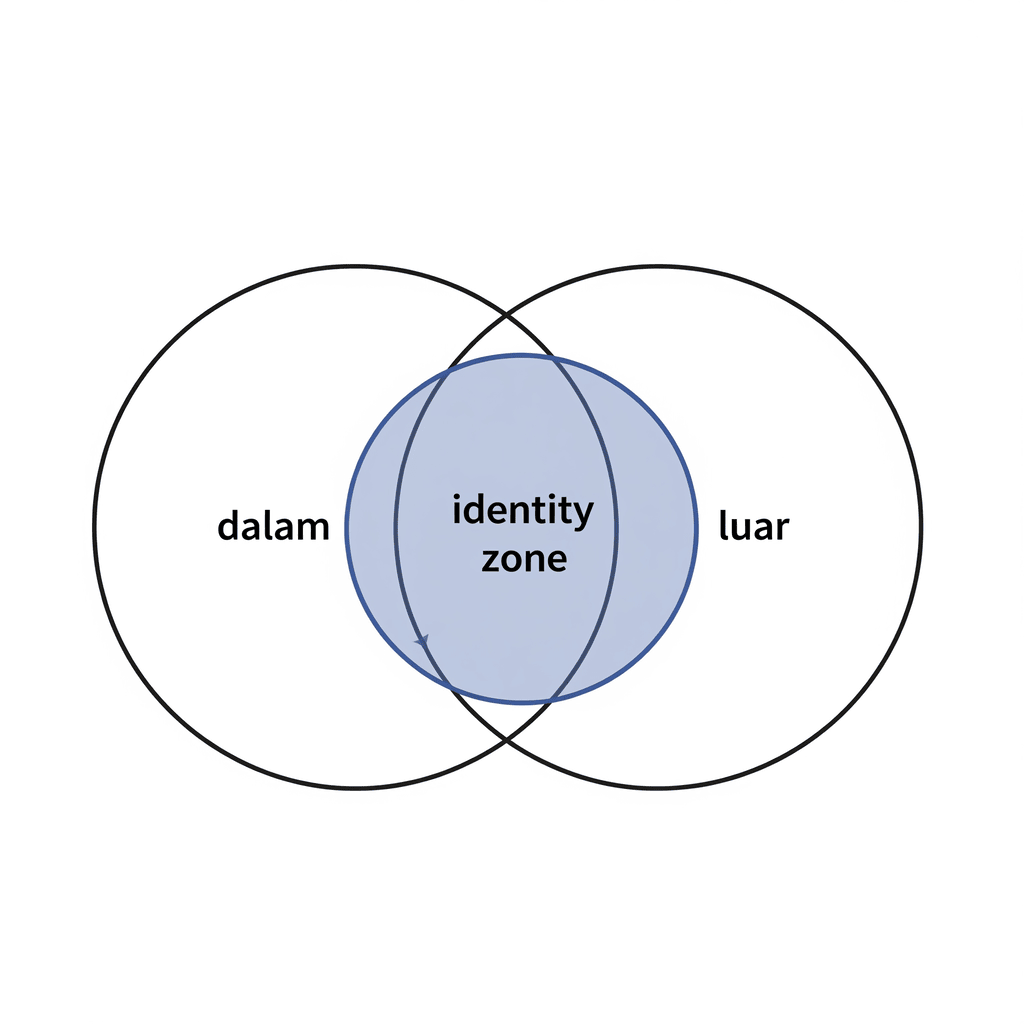
    Berbeda dengan Bali, masyarakat Jawa mengedepankan dua kutub utama dalam mendefinisikan diri: “dalam” dan “luar”. “Dalam” adalah ranah perasaan dan pengalaman subjektif, sedangkan “luar” adalah aksi, ucapan, dan postur tubuh yang bisa diamati. Menariknya, dua sisi ini tidak saling menggantikan, melainkan diatur secara independen. Setiap individu berusaha menyeimbangkan antara dunia batin yang penuh gejolak dan dunia luar yang penuh aturan.

    Selain itu, ada pertentangan antara “pure” dan “civilized”, di mana masyarakat Jawa menempatkan nilai tinggi pada kemampuan menjaga harmoni antara dua dunia tersebut [1]. Namun, bagaimana cara menjaga keseimbangan agar tidak terjebak dalam kepura-puraan atau kehilangan keaslian batin?

    Teknik lanjutan mengelola dualitas identitas dalam budaya Jawa, termasuk contoh kasus dan penerapannya di era modern, adalah bagian dari wawasan eksklusif yang kami siapkan di MentorBuku…


    Konsep Sensitivitas Komposisi: Pelajaran dari Dunia Seni

    Ben Shahn, Turner, dan Herbert Read – Sensitivitas Bentuk dan Warna

    Tak hanya budaya, Gardner juga menyoroti kecerdasan spasial dalam seni. Seorang seniman hebat seperti Ben Shahn mengungkap, “ide harus muncul dari gambar.” Sementara itu, Turner—dengan manipulasi warna dan bentuknya—berhasil menciptakan cahaya yang tidak mungkin dicapai dengan logika semata. Herbert Read menegaskan, keindahan sejati didapat bukan dari objek fisik, melainkan dari kemampuan menangkap bentuk, warna, dan komposisi dalam karya seni [1].

    Inilah yang disebut Gardner sebagai sensitivitas komposisi: kemampuan menata elemen visual hingga membentuk harmoni dan makna baru. Dalam seni, masalah desain, warna, dan bentuk menjadi begitu sentral, bahkan jauh melebihi subjek lukisan itu sendiri.

    Namun, ada tiga kesalahan umum yang sering terjadi saat mengembangkan sensitivitas komposisi, yang dibedah tuntas dalam rangkuman kami…

    Baca juga : Marketing Made Simple: A Step-by-Step StoryBrand Guide for Any Business by Donald Miller


    Implikasi untuk Kehidupan Modern: Mengelola Peran, Identitas, dan Kreativitas

    Apa maknanya bagi Anda? Dunia modern menuntut kita piawai memainkan banyak peran—profesional, pribadi, sosial. Namun, tekanan untuk selalu “tampil baik” berisiko membuat kita kehilangan diri sendiri. Di sisi lain, kemampuan menjaga keseimbangan antara dunia batin dan penampilan luar menjadi kunci ketahanan psikologis.

    Dari seni, kita belajar bahwa sensitivitas terhadap komposisi (baik dalam karya maupun kehidupan) menentukan kualitas hasil akhir. Mampu “menata” emosi, peran, dan ekspresi sama pentingnya dengan menata warna di atas kanvas. Mengintegrasikan pelajaran budaya dan seni ini dapat menjadi katalisator untuk membangun identitas otentik, menciptakan karya inovatif, dan menjalani hidup dengan lebih bermakna.

    Kerangka terapan untuk mengelola peran dan identitas secara strategis di dunia profesional dan personal, lengkap dengan template dan latihan praktis, bisa Anda temukan di mentorbuku.com…

    Baca juga : Emergency Medicine PreTest Self-Assessment and Review, Second Edition (PreTest Clinical Medicine) by Adam Rosh


    Kesimpulan & Call to Action

    Artikel ini adalah percikan apinya. Bayangkan jika satu ide dari sini bisa mengubah cara Anda bekerja atau berpikir. Sekarang, bayangkan apa yang bisa dilakukan oleh puluhan ide strategis lainnya. Itulah kekuatan yang menanti Anda.

    Daftar dan Dapatkan Akses Gratis di MentorBuku Sekarang!

  • Meaningful Life: Essential Rules Against Chaos According to Jordan Peterson. 12 Rules for Life: An Antidote to Chaos by Norman Doidge

    Every day, we face two fundamental forces that shape reality: Order and Chaos. Order is structure, predictability, and safety. It is your work schedule, traffic laws, and the soothing morning routine. On the other hand, there is Chaos. It is uncertainty, potential, and sometimes, terror. It is the unexpected layoff, a disease diagnosis, or a global crisis shaking the world. Too much order makes life rigid and boring; too much chaos makes life impossible to live.

    In his phenomenal book, 12 Rules for Life: An Antidote to Chaos, clinical psychologist Jordan B. Peterson does not offer easy solutions or shallow positive affirmations. Instead, he presents a strong argument that the path to a meaningful life is not by avoiding suffering or chaos, but by facing it voluntarily and bravely. Peterson argues that true meaning is found at the border between order and chaos.

    This article will dissect four of his twelve fundamental rules. This is not just a summary, but an invitation to understand a framework of thinking that can change the way you view responsibility, truth, and your own life purpose.

    Rule #1: Stand Up Straight with Your Shoulders Back – The Hidden Power of a Lobster

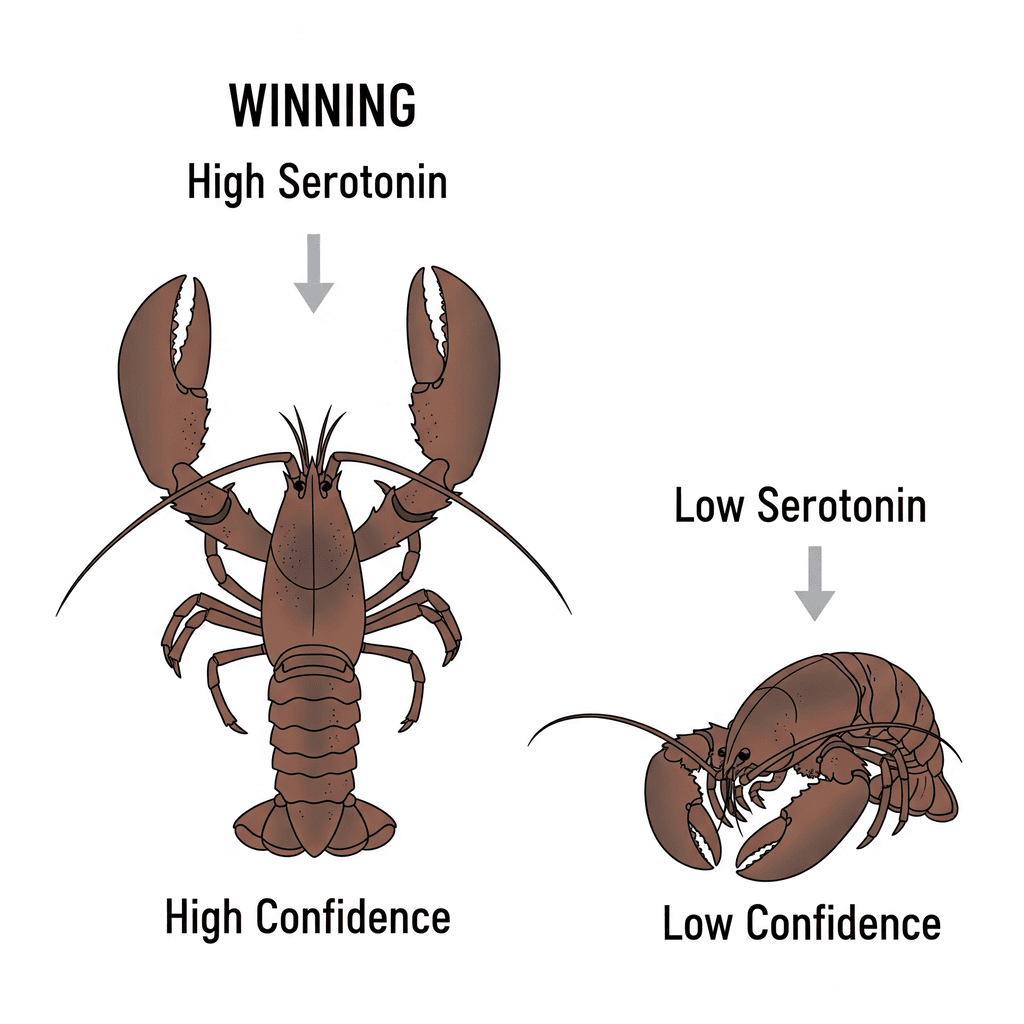
    Why does Peterson start with a rule that sounds like advice from a grandfather? Because physical posture is a direct reflection of our psychological condition. To explain this, he uses a surprising analogy: the lobster. Lobsters, creatures with a nervous system over 350 million years old, have a clear social hierarchy. When two lobsters fight for territory, the winner stands tall, while the loser hunches and retreats.

    This phenomenon is closely related to brain chemistry. The winning lobster receives a surge of serotonin, making it more confident and ready to face the next challenge. Conversely, the losing lobster experiences a drop in serotonin, making it more anxious and prone to avoid conflict. Humans, with all their complexity, have ancient neural circuits that are very similar. When we slouch, look down, and speak hesitantly, we unconsciously send signals of defeat to ourselves and the world.

    As a result, our brains respond by limiting serotonin, making us more vulnerable to stress and negative emotions. By consciously deciding to “stand up straight with your shoulders back,” we do more than just improve our posture. We trigger a positive feedback loop. A confident posture sends signals to the brain to feel more competent, which in turn encourages bolder actions. This is the first step to voluntarily facing the chaos of life, not as a victim, but as a brave participant.

    However, adopting this posture is not just about the physical. The complete framework for applying this mental posture amid failure and uncertainty is discussed in specific steps in the book, including how to build it from scratch.

    Rule #2: Treat Yourself Like Someone You Are Responsible for Helping – The Paradox of Caring

    Notice a strange paradox in human behavior. If a doctor prescribes medicine for your pet dog, you are likely to give it diligently and on time. However, statistics show that a third of patients never even fill prescriptions for themselves. Why are we so much more caring and responsible toward others (or even pets) than toward ourselves?

    Peterson argues that this stems from our awareness of our own shortcomings and failures. We know every mistake, every small lie, and every shortcut we have ever taken. This awareness can create a deep sense of disgust or unworthiness, making us unconsciously feel undeserving of care and kindness. We judge ourselves so harshly that we often sabotage our own well-being.

    This rule invites us to break free from that trap. Treat yourself as if you are someone valuable, someone you are responsible for helping. This means taking responsibility for your health, career, and personal development with the same seriousness as when you help someone you love. It’s not about selfishness, but about recognizing that you are the primary instrument you have for interacting with the world. A damaged instrument cannot function properly, let alone help others.

    However, there are three common psychological mistakes that often trap us in this cycle of self-sabotage, which are thoroughly dissected in our summary at MentorBuku, including how to identify and overcome them. [Internal Link to: Article on the importance of positive self-talk]

    Rule #3: Pursue What Is Meaningful, Not What Is Expedient – The Foundation of a True Life

    In a world full of distractions and instant gratification, it’s very easy to choose the “expedient” path. This path is about avoiding conflict, postponing responsibility, and seeking short-term pleasure. Although it may seem easy at first, this path will ultimately lead us to emptiness and despair. Peterson offers a much more powerful alternative: pursue what is meaningful.

    Meaning, according to him, is not the same as happiness. Happiness often comes and goes, is temporary, and cannot be relied upon as a compass for life. Meaning, on the other hand, is something deeper. It is the feeling that your life has a higher purpose, even in the midst of suffering. Meaning is the best antidote to chaos and existential suffering. Meaning is not found by avoiding burdens, but by voluntarily shouldering the right burden.

    This is a fundamental paradigm shift. Instead of asking, “What can make me happy right now?”, ask, “What responsibility can I take on to make things better?” When you voluntarily face problems, fix what is broken around you, and strive for a noble goal, you will find that the suffering in life becomes bearable, even meaningful [1]. This is the essence of becoming the hero in your own life story.

    Advanced techniques for identifying your personal ‘meaning’, including guidelines for distinguishing it from shallow goals and practical examples, are part of the exclusive insights we have prepared at MentorBuku.

    Read also : The Magic of Thinking Big by David J. Schwartz

    Rule #4: Tell the Truth, or at Least, Don’t Lie – Truth as a Compass

    Lies, no matter how small, damage the most vital instrument we have for navigating the world: our perception. Every time we tell a lie, we deliberately distort reality. If done repeatedly, we build a fictional world on a fragile foundation. When a real crisis comes—and it inevitably will—that fictional structure will collapse, leaving us powerless.

    Peterson distinguishes between “telling the truth” and “not lying.” Telling the absolute truth may be difficult, because we do not always know the whole truth. However, we almost always know when we are lying. Therefore, the minimum commitment is to stop saying things we know are false. Stop saying and doing things that make our inner selves weak and ashamed.

    This simple act of not lying has an extraordinary effect. It cleanses our minds and speech from falsehood. It forces us to rely on what we truly believe, which in turn strengthens our character. In this framework, truth is not an abstract moral concept, but a practical tool for survival. It is a compass that allows us to walk through the fog of chaos without getting lost. By speaking honestly, we align our actions with reality, which is the only way to truly become strong.

    Read also : Traffic Secrets by Russell Brunson

    Peterson examines the impact of ‘white lies’ versus ‘black lies’ and provides specific strategies for building integrity through radical honesty, which we have summarized in depth on our platform. [Internal Link to: Article on assertive communication techniques]

    From Insight to Transformation: This Is Just the Beginning

    The four rules we have explored—standing up straight, caring for yourself, pursuing meaning, and telling the truth—are not just a checklist. They are parts of an interconnected system for facing reality in its entirety. They are an invitation to stop being a victim of circumstances and start becoming the architect of a meaningful life, a life strong enough to withstand the inevitable storms of chaos.

    The book 12 Rules for Life offers eight more rules, each equally powerful, with in-depth explanations of the psychology, mythology, and philosophy behind them. Understanding these concepts is a crucial first step. However, the real power comes from consistent application.


    You’ve just seen the foundation. These concepts are only the tip of the iceberg of what this book offers. How do you apply them step by step, avoid common pitfalls, and integrate them into your strategy? All those answers are inside.

    Sign Up and Get Free Access at MentorBuku Now!

  • The Fundamental Secrets of Building Wealth: A Strategic Paradigm from “Your Next Five Moves”. Your Next Five Moves: Master the Art of Business Strategy by Patrick Bet-David with Greg Dinkin

    Introduction: Unveiling the Layers of Strategy to Wealth

    Everyone dreams of building authentic wealth—one that can endure not just for a season, but form the foundation of the future. However, few understand that true success is not merely a matter of luck or hard work. It is the result of a series of meticulously planned strategic moves. This is the powerful message presented in the book “Your Next Five Moves: Master the Art of Business Strategy”.
    This article explores several fundamental concepts from the book—from discovering the path to wealth and knowing your own identity, to understanding the power of differentiation and a winner’s mindset. However, each of these concepts is just the surface. To master the ‘how’ and avoid common pitfalls, follow the explanation to the end.


    The Strategic Paradigm: Crafting the Path to Personal Wealth

    Lasting wealth is never accidental. According to Patrick Bet-David, the author of this book, “money is only a tool.” This means money is neutral—it will only take you as far as your vision and strategy carry it. However, it is not the money that determines the driver; you are the one controlling the direction Your Next Five Moves Master the Art of Business Strategy.pdf.

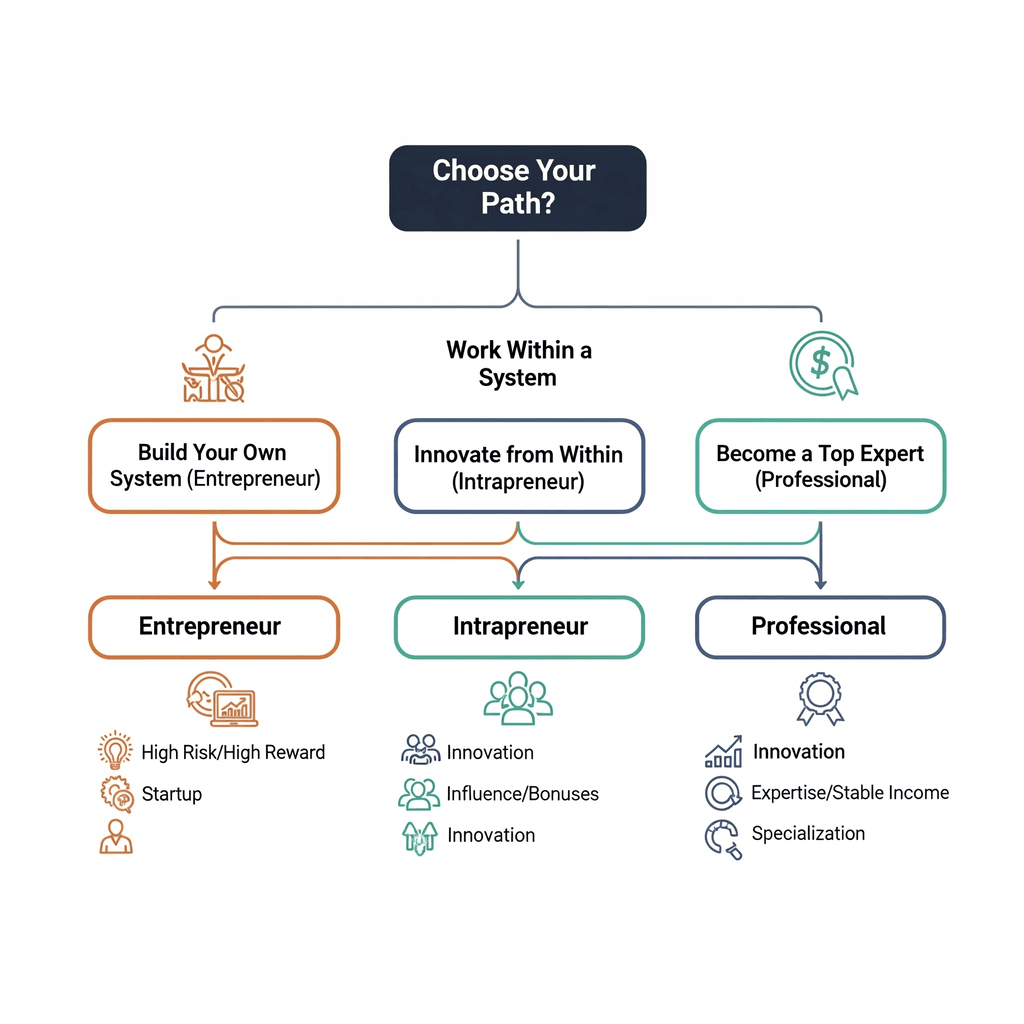
    The first point to understand is the importance of choosing a path to wealth based on your unique strengths. The book offers a “Personal Identity Audit” approach—a deep reflection to help each person understand what truly motivates them. Only by understanding who we are can we choose whether to become an entrepreneur, intrapreneur, or take on another role in building wealth—and each path has its own distinct strategy. Your Next Five Moves Master the Art of Business Strategy.pdf.
    But how exactly does one conduct an identity audit and translate it into the right path? The series of key questions and its in-depth process are outlined step-by-step in this book…


    Determining the Path: Entrepreneur vs. Intrapreneur

    Not everyone is cut out to be an entrepreneur, but every individual can find a value-creation path that aligns with their talents. The book emphasizes two main paths:

    1. Entrepreneur: The Risk-Taker and Game-Changer

    An entrepreneur breaks old boundaries and builds something new from scratch. They take on great risks, but also have the potential for the highest returns. However, the risks are not just in the form of capital—but also mental pressure and the acumen to spot opportunities. Your Next Five Moves Master the art of Business Strategy.pdf.

    2. Intrapreneur: The Innovation Leader Within an Organization

    On the other hand, an intrapreneur is a catalyst for change within a large company. They develop ideas, lead innovative projects, and build value, but within a framework that is relatively safer than that of an entrepreneur.

    Choosing this path cannot be done carelessly. You need to be aware of your strengths, weaknesses, and deepest motivations before making this big decision.
    A concrete framework for assessing your fit for the entrepreneur or intrapreneur role—including practical assessments and case studies—is presented in full in a special chapter of this book. The explanation of “blue ocean” and how to execute it is also dissected in detail in the exclusive summary on MentorBuku…


    The Power of Differentiation: Find Your Unique “Edge”

    In a world full of competition, only those who can stand out and be different will survive. Bet-David consistently emphasizes the importance of a “competitive edge”—something that sets you apart from the crowd and opens up a “blue ocean” or a new, untapped market. Your Next Five Moves Master the Art of Business Strategy.pdf.
    Differentiation is not just about creating a different product or service. It starts with knowing very clearly for whom you are offering value, what makes you relevant, and why people should choose you over others.
    Therefore, the step of finding this unique “edge” is often seen as simple, yet it is full of pitfalls. Many professionals fail to distinguish between a real competitive advantage and simply “following trends.”
    Market research techniques, the “Value Proposition” framework approach, as well as case studies on how large companies found their “blue oceans,” are all detailed in MentorBuku’s advanced guide. Three fatal mistakes in building differentiation are also thoroughly examined…


    The Mindset of a Great Player: Learning from the “Poker Master”

    There is an interesting story in this book about Eric Drache, one of the world’s greatest poker players. He was successful not only because of his playing skills, but also because he always chose opponents who made him grow—not just seeking easy wins. This analogy becomes an important lesson: in the business world, we are often required to make decisions by considering many steps ahead, like a chess grandmaster thinking about their “next five moves”. Your Next Five Moves Master the Art of Business Strategy.pdf.
    This kind of mindset distinguishes between ordinary businesspeople and those who can stay at the top of their game. You are required to:

    • Dare to make important decisions even when not all information is available
    • Always be prepared to face uncertainty
    • Choose challenges that sharpen your “mental muscle”

    However, how can one build this winner’s mindset? The book contains mental exercises, reflective reminders, and daily habits to hone strategic intuition. A template for developing “resilience” and real examples of decision mapping are available exclusively on MentorBuku…


    Strategy Integration: Creating a Personal Wealth Blueprint

    After understanding these major concepts, the main key is integration. You are faced with a critical question: how do you combine the personal identity audit, path determination (entrepreneur/intrapreneur), the search for a “competitive edge,” and a winner’s mindset into a single strategic blueprint?
    This series of integrative steps, which includes setting milestones, periodic reviews, and the technique of “reverse engineering” life goals, becomes an essential foundation for real transformation.
    A strategy integration framework, a self-evaluation checklist, and real blueprint examples are presented exclusively in the MentorBuku summary. You will also find cases of the biggest failures caused by a lack of “strategic integration,” and how to avoid them…


    Conclusion: Why You Shouldn’t Stop Here

    If you want to build wealth that is not only substantial but also resilient and true to your identity, the foundation you’ve learned in this article is just the tip of the iceberg. There are detailed secrets, practical techniques, and inspiring case studies that are intentionally not revealed here. You can get all of that if you are willing to dig deeper.

    Read also : Courage Is Calling by Ryan Holiday


    Read also : Do Epic Shit by Ankur Warikoo


    Read also : Energize Your Mind by Gaur Gopal Das

    You have just seen the foundation. These concepts are merely the tip of the iceberg of what this book offers. How do you apply them step by step, avoid common pitfalls, and integrate them into your strategy? All those answers are inside.
    Sign Up and Get Free Access on MentorBuku Now!

  • The Fundamental Battle: The Powerful Way to Conquer the Enemy Within and Find Life’s Purpose. Win Your Inner Battles: Defeat The Enemy Within and Live With Purpose by Darius Foroux

    Introduction: Why the Greatest Struggle Actually Happens Within Ourselves

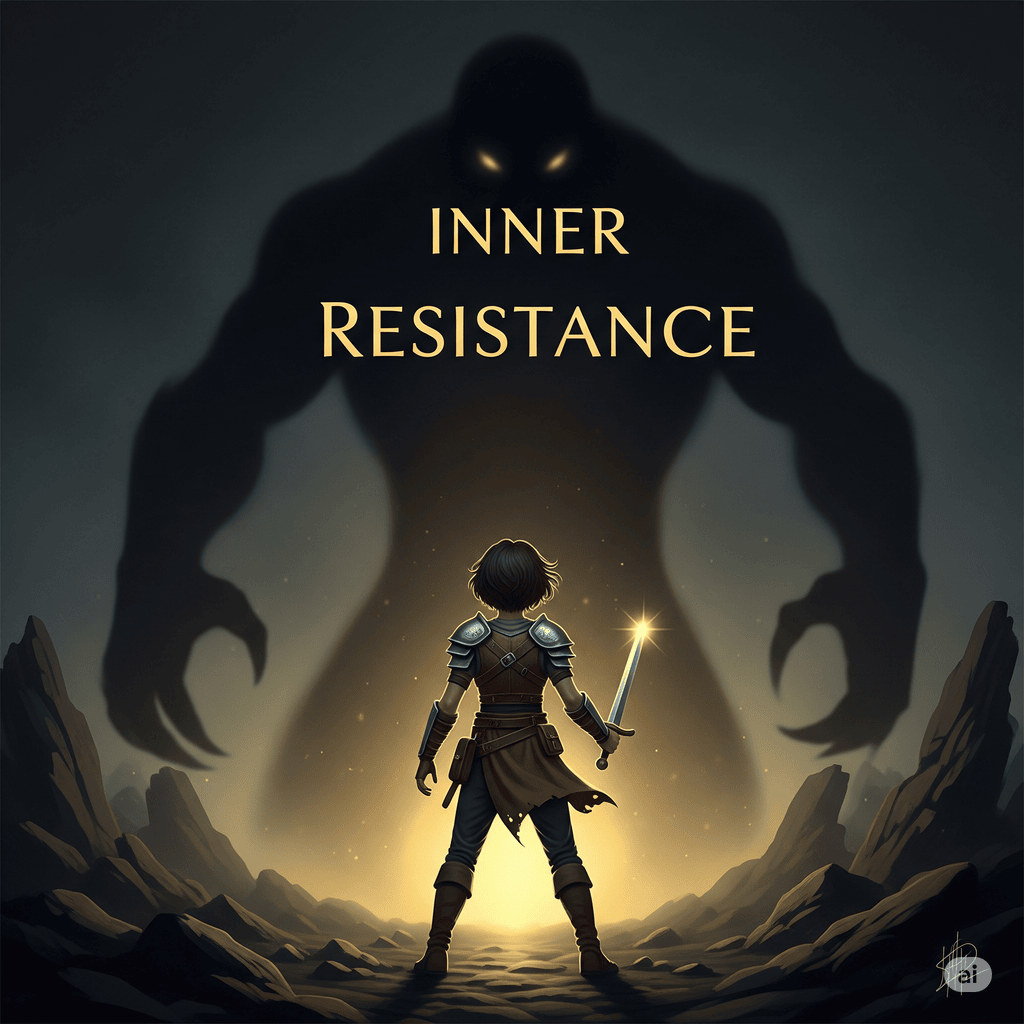
    Have you ever felt as if something is always holding you back from success? Not just external obstacles, but a small voice inside your head that constantly doubts, procrastinates, and even frightens you from moving forward. This voice is the ‘enemy within’—a mental challenge that is real but often invisible to others.
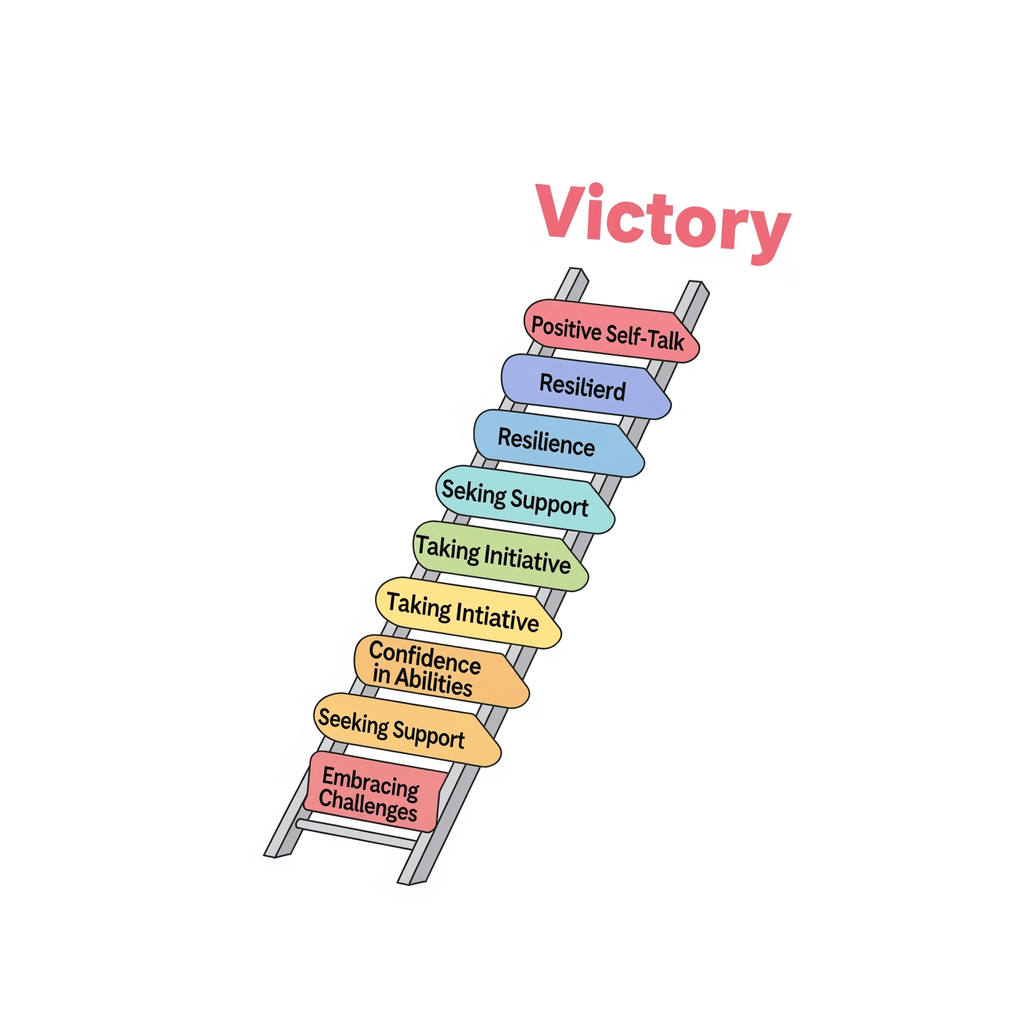
    The book “Win Your Inner Battles: Defeat The Enemy Within and Live With Purpose” dissects the internal warfare experienced by almost everyone. More than just motivation, this book offers strategic insights on how self-discipline, perseverance, and an understanding of true purpose can become your ultimate weapons to win this internal battle.
    In this article, you will discover three key concepts that form the foundation for victory against the enemy within. Each concept is not just about the “what” and “why,” but is also paired with knowledge hooks that will make you eager to know “how” to apply them in detail.


    H2: 1. Recognizing the Enemy Within: How ‘Resistance’ Destroys Your Potential

    One of the most compelling insights from this book is the concept called “resistance”—an internal push-and-pull force that becomes the main obstacle to all creative work and achievement. Steven Pressfield calls resistance the universal enemy of writers, creators, entrepreneurs, and anyone who wants to make a significant change in their life. Resistance manifests in the form of procrastination, self-doubt, fear of failure, and even excessive perfectionism.
    Why is resistance so dangerous? Because it operates silently, trapping you in a comfort zone and uncertainty. The bigger your dreams and steps, the stronger resistance attacks. If left unchecked, resistance will paralyze initiative and cause you to miss the best opportunities in life.

    However, a framework for identifying various types of resistance and the specific strategies to conquer them is thoroughly dissected in the book—including how to map out your own key weaknesses, which most people are often unaware of. The advanced strategies and mental exercises are part of a special toolkit that you can find in the MentorBuku summary.

    Read also : $100M Offers by Alex Hormozi

    H2: 2. Taking Control: The Power of Small Actions and Self-Discipline

    The second revolutionary concept is the importance of small, consistent actions as the primary way to conquer the enemy within. This book emphasizes that victory in the ‘internal battle’ is not about one grand moment, but rather a series of simple decisions made consciously every day.
    Why is this important? Because people often get trapped in the paradigm of “waiting for the perfect moment.” In reality, true progress is built on the courage to take the first step—no matter how small—and on proactively building competence from one experience to the next.
    Self-discipline becomes the catalyst that separates those who merely dream from those who truly win. You are encouraged to build “confidence through competence,” starting with simple things and eventually generating the courage to conquer your deepest fears.

    The specific framework for how to initiate change, the method for building disciplined habits that do not easily collapse, as well as real-life transformation case studies, are detailed step-by-step in the book. There is also a strategic guide for taming distractions in the digital age, which is something never discussed in conventional motivation.

    Read also : THE RUDEST BOOK EVER by Shwetabh Gangwar

    H2: 3. Finding and Living a Purpose: From Reaction to Meaningful Action

    The enemy within often obscures one fundamental thing: a purpose in life. In many cases, people live their days simply to fulfill expectations, compare themselves to others, and respond to environmental pressures, rather than acting based on a personal mission.
    This book reveals the importance of “purpose”—an authentic purpose that comes from within. Those who live with purpose are not only more resilient in facing trials, but are also more inclined to share and give without expecting anything in return. This is the foundation of true life satisfaction.
    Why? Because without a clear purpose, every achievement feels empty. Life becomes a series of passive responses rather than the embodiment of meaningful action. When you begin to identify ‘why’ you are fighting, the strength to defeat the enemy within multiplies.

    The in-depth process for discovering true purpose and how to prevent the trap of comparing yourself to others is fully explored in the MentorBuku toolbox, complete with reflective exercises and real-life examples from transformational achievers.

    Read also : Why Has Nobody Told Me This Before? by Julie Smith

    H2: 4. Conquering the Noise: How to Reject Expectations and Focus on Yourself

    One of the biggest battles in the modern era is the ability to reject ‘the noise’—whether it’s social demands, pressure to be like others, or the temptation of distractions that destroy focus. The book “Win Your Inner Battles” emphasizes the importance of being selective about what you accept and who you spend your time with.
    Why must you dare to say no? Because your time and energy are limited. When you say yes to external requests too often, you are forced to sacrifice your personal agenda and integrity.
    The discipline to eliminate noise is not just about mental toughness; it also requires a mature relational strategy. You will learn how to “say no” without guilt, manage others’ expectations, and ultimately build a circle that strengthens your mental resilience.
    A practical guide to prioritizing time, redefining relationships, and assertive communication templates are all available in a masterclass accessible through MentorBuku.


    H2: Conclusion: Time to Be the Winner on the Inner Battlefield

    The most real war that determines your future is not external competition, but the daily battle within yourself. Through the concept of resistance, the importance of small and disciplined actions, finding authentic purpose, and sharpening focus, the book “Win Your Inner Battles” provides a strong foundation for you to be ready to fight and win.
    However, the applicable strategies, concrete steps, case study examples, and supporting exercises that separate those who win from those who merely know—all of these can only be found if you dig deeper.


    You’ve just seen the foundation. These concepts are merely the tip of the iceberg of what this book offers. How do you apply them step-by-step, avoid common pitfalls, and integrate them into your strategy? All those answers lie within.

    Sign Up and Get Free Access on MentorBuku Now!

  • 5 Fundamental Secrets to Reading People’s Body Language. What Every BODY Is Saying by Joe Navarro with Marvin Karlins, Ph.D


    In today’s hyper-connected world, the ability to read body language is no longer a skill exclusive to detectives or secret agents. In fact, every day you face moments where words cannot be fully trusted. When someone says, “I’m fine,” with a faint smile and hands clasped tightly in their lap, we know there’s a hidden message behind it.
    But did you know that the body holds a ‘secret code’ about a person’s emotions and intentions—even before they themselves are aware of it? Let’s unpack the five fundamental secrets of reading body language, a strategic skill that can transform the way you communicate, make decisions, and build trust.


    Why Does Body Language Reveal the Truth?

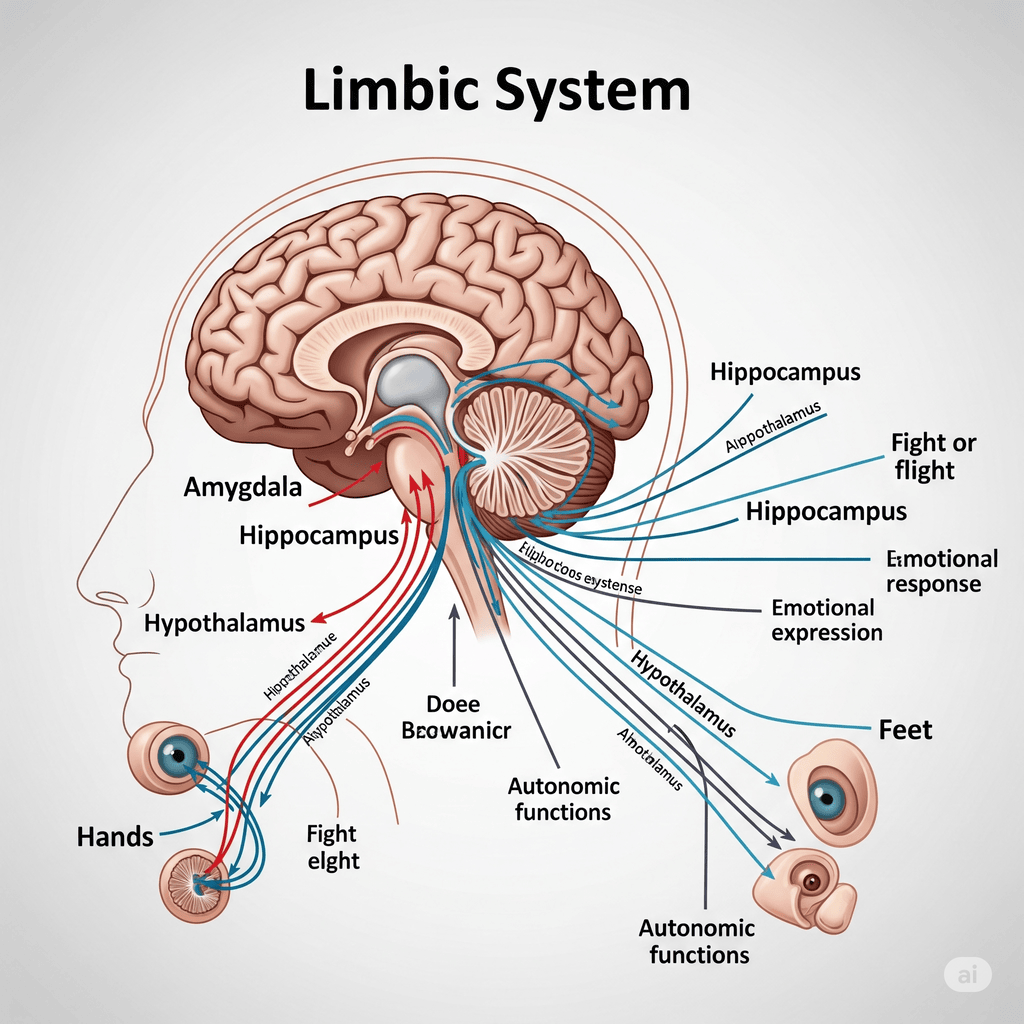
    Before we go any further, you must understand why nonverbals speak louder than spoken words. Neurologically, our bodies react first to threats, dishonesty, and even joy—long before our rational brain takes over. Reflexive movements, gaze, and changes in hand or foot position are all signals originating from the limbic brain.
    Essentially, nonverbal language is humanity’s “honest language.” In a casual conversation, you might not notice a person’s micro-expressions. But in the context of negotiations, interviews, or building personal relationships, reading body language can make the difference between being deceived and being able to control the situation.
    “People believe what they see, not just what they hear.”

    However, understanding “why” alone isn’t enough. To acquire this skill, you need to examine the detailed anatomy of body language—and this is where these five secrets begin.


    Secret #1 – Hand Gestures: Honest or Deceptive Signals?

    Hand gestures might seem ordinary. However, as one of the most powerful nonverbal signals, hand movements can be a primary gateway to reading your counterpart’s intentions. Body language researchers have found a strong correlation between the position of the palms and the impression of honesty.
    When someone speaks with their palms facing up (palm-up), it usually signifies openness, sincerity, and a willingness to share. Conversely, the palm-down gesture is a symbol of dominance, authority, or, in certain situations, a desire to withhold information. During a normal conversation, both gestures can appear interchangeably.
    However, what’s interesting occurs when the conversation becomes high-tension or involves an important declaration. Observe: does your counterpart choose a palm-down gesture with a firm voice, or stick with a calm palm-up gesture? It is this shift that signals the change in emotion and intention beneath the surface.

    Therefore, observing hand gestures is not just a matter of aesthetics, but a tool for detecting psychological dynamics in real time.
    “The complete framework for applying hand gesture reading in business decision-making, negotiations, and building trust is discussed in 5 specific steps within the original book and the MentorBuku premium summary…”

    Read also : The Greatest Secret by Rhonda Byrne

    Case Study: Palm-Up vs. Palm-Down in Conversation

    Imagine you are in an important meeting. Someone presents a major proposal while keeping their hands on the table, palms facing down, and rarely changing position. On the other hand, a colleague who supports the idea uses open gestures, palms up, with a smile and a friendly gaze. Who do you feel is more sincere? Who is secretly dictating the agenda?
    It’s no coincidence that microexpression studies confirm that hand gestures are not just an accompaniment to words, but also the foundation of trust in communication.
    But don’t make a decision just yet. There are a number of biases and common mistakes in reading hand gestures—and the details are one of the exclusive highlights we cover in more depth at MentorBuku…


    Secret #2 – The Limbic Response: A Subconscious Reaction That Cannot Be Hidden

    The limbic system, an area of the brain inherited from prehistoric times, is responsible for protecting us from danger and reflecting feelings through spontaneous physical reactions. When we feel threatened, uncomfortable, or doubtful, the body will issue a “subconscious alarm.” For example, someone suddenly placing a bag between themselves and another person, or rubbing their neck, is a classic “shielding gesture” from a limbic reaction.
    What makes this interesting is that these gestures are very difficult to control consciously, even for a masterful liar. Therefore, understanding the “limbic reaction” principle becomes a primary tool for anyone, whether you are in HR, a negotiator, or simply want to discern a friend’s honesty.
    However, the signs of a limbic response can be very subtle and easily missed. Restless leg movements under the table, one-second facial microexpressions, to changes in breathing patterns are a series of details that are often misread.
    “Advanced techniques for distinguishing a valid limbic response from mere social awkwardness, as well as how to practice this precise observation, are part of the exclusive insights in the MentorBuku summary…”

    Read also : The Collapse of Parenting by Leonard Sax

    Secret #3 – Declaration vs. Discussion: How Gestures Reveal Emotional Intensity

    One of the interesting chapters from the book “What Every BODY is Saying” is how hands “speak” louder in moments of declaration or assertion than in a normal conversation.
    When two people are in a casual debate, switching between palm-up and palm-down is normal. However, if a shift to an important statement occurs (“I really…”, “You have to believe…”), a sudden change in hand position (or the disappearance of gestures altogether) is a nonverbal ‘alarm’ for tension, doubt, or an attempt to control perception.
    Furthermore, the combination of gestures with facial expressions, gaze angle, and body posture completes this subconscious narrative. Those who understand this shift in gestures can read who is merely forming an opinion and who is genuinely trying to convince both themselves and their counterpart.
    However, distinguishing between an assertive intention and a mere stress gesture requires practice, in-depth observation, and a number of key behavioral checklists.
    “However, there are three common mistakes often made when assessing gesture shifts in declarations versus discussions, which are dissected in full detail in the MentorBuku premium summary…”

    Read also : Unwinding Anxiety by Judson A. Brewer

    Conclusion: Seeing a New Dimension in Communication Through the Body

    Reading body language is not merely about guessing other people’s moods. It is an applied science that can be honed to reduce misperceptions, improve the quality of interactions, and detect danger signals that are difficult to express through words alone.
    However, the biggest “secret” isn’t just about what the body language signals are, but rather how you train yourself to see, investigate, and then optimize these observations in your professional and personal life.
    The process is laid out before you. However, the concrete steps, the real-world application framework, and the practice of automatically recognizing these patterns are advanced skills that await you on the MentorBuku platform.


    You have just seen the foundation. These concepts are just the tip of the iceberg of what this book offers. How do you apply them step by step, avoid common pitfalls, and integrate them into your strategy? All those answers are inside.

    Sign Up and Get Free Access on MentorBuku Now!