Tag: Self-Development

  • The Secret of the New Breathing Paradigm: Unveiling the Forgotten Fundamental Power. Breath: The New Science of a Lost Art by James Nestor

    Introduction: Why Breath Is More Important Than We Ever Realized

    Every second, unconsciously, we breathe. Breathing is a fundamental and automatic process—yet behind this seemingly simple act lies extraordinary power that has long been overlooked by modern science. The book “Breath” takes us on a journey through the intricacies of breathing, from ancient heritage to contemporary research breakthroughs, revealing that the way we breathe profoundly influences health and daily life far beyond simply inhaling and exhaling air.
    In this article, you will be presented with four key concepts from “Breath” that can become catalysts for change in your life. Each concept will be explained in depth about the “what” and the “why”—but the secret of the “how” and the implementation steps? All of it is hidden, waiting for you to uncover further to the core.


    A Glimpse into the Ancient Heritage: Breath as the Path to Longevity

    Delving into Knowledge from Ancient Chinese Texts

    For thousands of years, Eastern cultures have recognized breath as the key to longevity and the core of vitality. Even in “The Primordial Breath,” one Taoist text, breath-control techniques are not only about health but also an art of prolonging life and maintaining harmony of body and soul. They believed that regulating the breath means regulating the fundamental life energy itself.
    Imagine, thousands of years before modern laboratories and sophisticated sensors, Tao practitioners had developed a breathing system with remarkable precision and purpose. This system is not merely mystical doctrine; it provides step-by-step guidelines proven in practice across generations.
    But how exactly did they “transport” breath and maximize its function for optimal health? The complete framework of these techniques, along with training examples, is examined in depth in the book’s dedicated chapters—full insight is available only if you delve further.

    Also read : Raising Responsible Teens in a Digital World by Brian Housman

    Breath: The Mysterious Connection Between Mind, Body, and the Ocean

    Modern Exploration: Breath, the Sea, and Lasting Health

    The author of “Breath” began from curiosity and experiences in the world of freediving—a breath-hold dive that requires full control over the breath. From this experience, an insight emerged: the human body actually harbors great potential if the breath is managed correctly. When breath becomes one with the rhythm of the sea, a symphony occurs between the physical, mental, and the surrounding environment.
    Modern scientific data also show that specific breathing techniques can reduce stress, regulate hormones, and even influence blood pressure and the immune system. However, on the other hand, incorrect breathing patterns in daily life can trigger problems—from fatigue, insomnia, to hidden metabolic disorders.
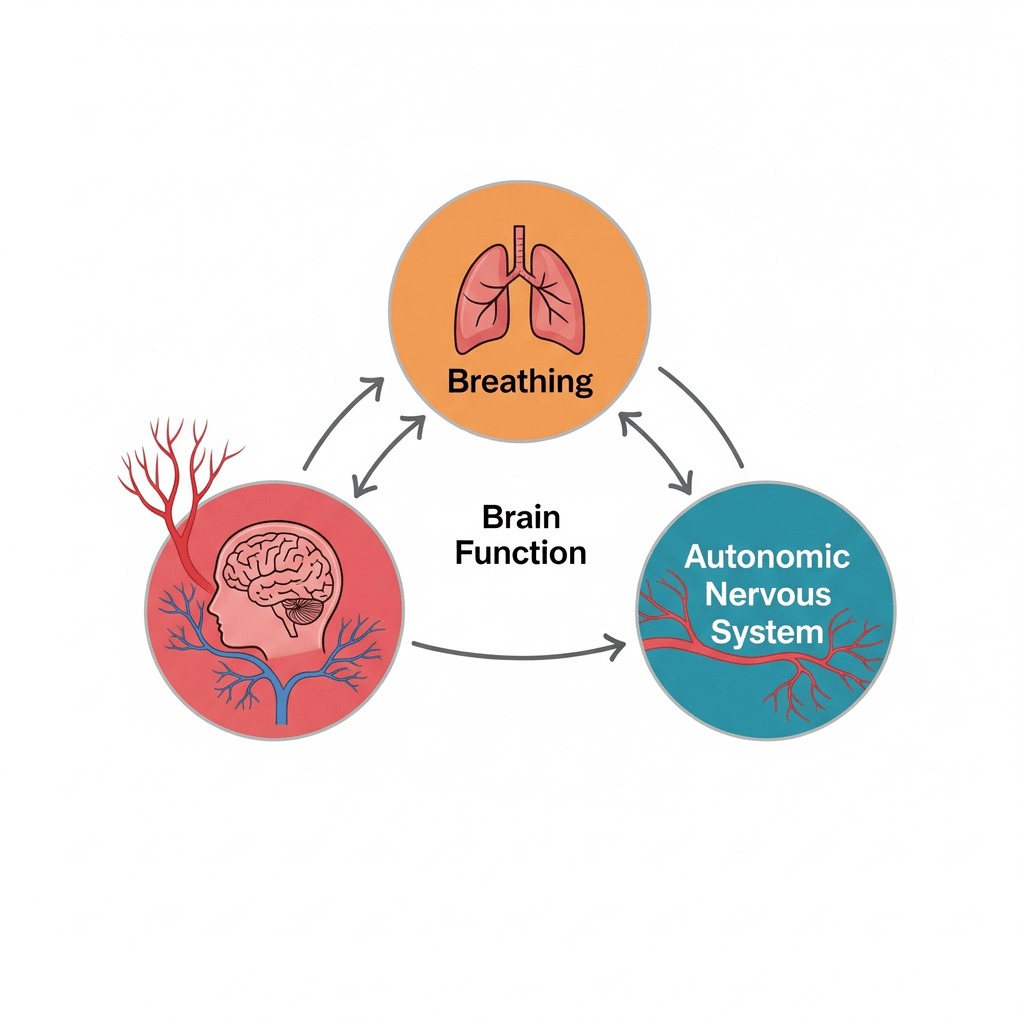
    So why is the breath–body connection so fundamental? Recent studies reveal the links between changes in breathing patterns, brain activity, and the functioning of vital organs. Yet the specific techniques on how to transform your breathing pattern into a source of strength? That is a major chapter that is unpacked step by step in the book, complete with research results and case studies from around the world.
    Also read : The Advertising Effect: How to Change Behaviour by Adam Ferrier

    Cracked House: A Modern Story of Breath Neglect

    A Trait Worth Envy, The Ancestors Paid Attention to Breath at All Times

    In the opening chapter, the author invites readers to a somber setting—like the old Amityville house rich with history and mystery. In that antique-toned room, a group of modern people from diverse backgrounds search for answers: why does their breath feel incomplete, whether due to stress, bad habits, or simply the fast-paced modern lifestyle.
    They arrive for a reason—noted by medical advice leading to health issues that won’t heal. In fact, breath turns out to be the starting point of recovery for a range of ailments, from sleep disorders to cardiovascular problems. The modern environment with pollution, sedentary living, and processed foods makes our breath shallower—and its effects erode daily vitality.
    But what can we do to avoid falling into the trap of incorrect breathing? The book contains structured discussions of the most common breathing mistakes and how to correct them—a step-by-step sequence that is accessible only to those ready to dive deeper.


    The Wonders of Modern Science: Astonishing Breath Studies

    Science Begins to Reappreciate Breath

    In recent decades, science has finally pursued the ancient wisdom about breath. Supported by the latest medical and neurological research, researchers identify the domino effects of breathing on mental health, hormonal balance, and human performance potential far beyond initial expectations.
    In fact, there are studies showing how small techniques to control the timing and depth of breathing can yield dramatic benefits for the immune system and the body’s healing processes. Yet what are the findings of this “troubling picture” uncovered by researchers—and how did they develop clinically tested breathing training protocols? Exclusive details and specific training recommendations are laid out clearly in the book’s pivotal sections.
    As a reader of this article, you have seen part of the picture of the urgency of breathing. However, advanced techniques, in-depth case studies, and proven habit-change templates—these are part of exclusive insights that are available only at MentorBuku.


    Breath as the Key to Personal Revolution: What Comes Next?

    The pressures of modern life, gadget addiction, and an increasingly polluted environment demand that we take full control of something we have long considered trivial: breath. There is no health innovation, self-development, or productivity strategy that can truly be effective if the foundation of breathing is left in disarray.
    This article is only the surface—there are still many mysteries, techniques, and real-life stories of personal transformation through breath waiting for you to explore further. Each chapter in the book “Breath” is like a layer of strategy and knowledge ready to change how you think, work, and enjoy daily life.

    You’ve just seen the foundation. These concepts are only the tip of the iceberg of what the book offers. How to apply them step by step, avoid common pitfalls, and integrate them into your strategy? All the answers are inside.
    Sign up and get free access at MentorBuku now!

  • Exploring “The Wall” and the Reality of the Sexual Marketplace: Secrets Few Men & Women Know – The Rational Male by Rollo Tomassi


    Introduction: Why is “The Wall” a Paradigm Turning Point?

    Imagine a moment in life when the score of the game changes—without warning, without a whistle, leaving only a new, inescapable reality. This is what Rollo Tomassi calls “The Wall.” Behind this term lies a deep understanding of the dynamics of the Sexual Marketplace (SMP), a truth often whispered behind the scenes, yet one that powerfully shapes the happiness and life choices of many adults.
    In this article, we will strategically examine three revolutionary ideas from “The Rational Male”:

    1. Navigating the SMP—how men and women actually move within this social map.
    2. The meaning and impact of “The Wall”—the point where women begin to lose their advantage in the romantic competition.
    3. The myth of the Feminine Mystique—how this social mantra shapes assumptions and decisions far removed from reality.

    However, for each concept, you will only see the surface. How will you apply them, anticipate the pitfalls, and transform your life strategies? All of this is thoroughly covered in MentorBuku’s exclusive discussion.


    Navigating the Sexual Marketplace: The Map You Never Saw in School

    It’s time to admit something that is often ignored: everyone—both men and women—are actually playing in a marketplace that is obvious, yet taboo to mention openly. The concept of the Sexual Marketplace (SMP) highlights that attraction, commitment, and even rejection are not merely the results of love or luck, but rather a social map with its own rules, cycles, and strategies.
    Rollo Tomassi clearly teaches that the SMP is an arena where value, competitiveness, and opportunity collide. There is a golden age, there are critical windows—different for each gender. This is where many men and women who have been ‘awakened’ find that the real world is not as idyllic as a fairy tale.

    This concept is crucial because:

    • It helps you understand that the reality of relationships is influenced by market logic, not merely “destiny.”
    • It prevents disappointment caused by expectations that don’t align with reality.
    • It equips you with a strategic mindset, rather than simply surrendering to fate.

    But is there a specific pattern to map your current position, as well as techniques to adjust your moves so you can remain a top player at any age? Detailed frameworks and real-life examples for modern professionals are thoroughly discussed in this book—and only at MentorBuku can you access practical interpretations.


    “The Wall”: When and Why Does the Competition Change Drastically?

    In simple terms, “The Wall” is a term marking the transition, especially for women, when their primary power in the sexual marketplace weakens due to age. Rollo Tomassi cites 30 as the average— a threshold where competition with younger women becomes imbalanced.

    Why is this age so significant? Because, according to research on the sexual marketplace:

    • Women reach their peak competitiveness around ages 22-24, when the qualities men seek in the marketplace are most prominent.
    • After 30, a decline in competitiveness starts to be felt, emphasizing the need for more realistic “bargaining.”
    • Psychological effects and life decisions often change drastically during this phase, whether in choosing a partner, managing expectations, or life strategy.

    Understanding “The Wall” is not meant to scare, but to serve as a foundation for making smart decisions before and after this phase. Unfortunately, there are still many myths, denial, or false hopes that obscure this reality.


    But how do you deal with social pressure, build “new value” after passing “The Wall,” or even anticipate it from early adulthood? Strategic recipes, including psychological and communication techniques, are broken down in detail only in the advanced guide at MentorBuku.


    The Myth of The Feminine Mystique: A Societal Illusion

    “The Feminine Mystique” is not just an old title, but rather a depiction of how society, the media, and the environment wrap women’s reality in enduring expectations and illusions. Tomassi points out that the definition of a woman’s “value” is never objective: there are always external factors, from trends to social doctrines, that determine what is considered valuable.

    Why does this matter? Because:

    • Many women delay crucial decisions, relying on the narrative of “there’s still plenty of time”—even though biological and psychological facts say otherwise.
    • Men who understand this illusion can avoid pressure and false expectations when building relationships.
    • Being aware of the role of social constructs lets you “outsource” false expectations and focus on building authentic value.

    Interestingly, modern society often links “The Wall” with personal failure, when in fact the realities are collective and structural. Here’s the secret: you can learn techniques to distinguish between manipulative “market value” and “true value” for mutually empowering relationships.

    However, practical checklists and templates for identifying and freeing yourself from the influence of the “Feminine Mystique” can only be found in the exclusive summaries curated by relationship strategy experts at MentorBuku.


    Once You Know: What Are the Next Strategic Steps?

    This article presents the main foundations of Navigating the Sexual Marketplace, “The Wall,” and the Myth of the Feminine Mystique—three key strategies that are rarely discussed openly, yet are the real face of modern relationships. Knowing the “what” and “why” is a liberating start, but the real impact comes when you know “how”:

    • How do you objectively map your position?
    • How do you build strategic advantages even after “The Wall”?
    • How do you recognize and break free from misleading social conditioning without becoming cynical?

    Also read: How to Talk to Anyone by Leil Lowndes

    Also read: Parent-Child Interaction Therapy with Toddlers by Emma I. Girard

    Also read: Principles for Dealing with the Changing World Order by Ray Dalio


    You’ve just seen the foundation. These concepts are only the tip of the iceberg of what this book has to offer. How do you apply them step by step, avoid common pitfalls, and integrate them into your strategy? All the answers are inside.

    Sign up and Get Free Access at MentorBuku Now!

  • The Fundamental Secrets of the Subconscious Mind: A Revolutionary Catalyst for Life Transformation. The Power of Your Subconscious Mind by Joseph Murphy

    The Invisible Gap Behind the Power of the Mind

    Have you ever felt like you’ve struggled as hard as you can, read countless motivational books, yet the life changes you’ve hoped for never come true? The answer may not lie in how hard you try in the outside world, but in how intelligently you orchestrate the power of your subconscious mind.
    A deep understanding separates ordinary people from world changers—the ability to use the subconscious as a catalyst for change. This article will take you beyond the surface layer of the concept of “positive thinking,” strategically dissecting how revolutionary ideas about visualization and suggestion can become the gateway to an authentic and fulfilling life.


    Visualization, the Main Pillar in Shaping Reality

    Imagination as a Real Foundation in Life

    Imagine being able to grasp your dreams before the world can see them. The secret? Visualization. In his book, the author describes how important it is to create a clear image in your mind before manifesting it in reality. Just like a painter who has already seen their masterpiece on the canvas of imagination before the brush touches the cloth, visualization is the process of seeing something “alive” in the mind as if it were already real.
    It’s not just daydreaming—visualization is the way the brain prepares the external world to receive a new reality. The mental images you create become the substance of “evidence of things not yet seen,” and if you consistently maintain these images, the energy to bring them into reality will accumulate in extraordinary ways.

    Read also : Measuring Marketing: 110+ Key Metrics Every Marketer Needs by John A. Davis

    However, why do so many people stop at just dreaming? Because there is a thin but essential difference between imagining and fully building belief in that image. To turn imagination into substance requires advanced techniques and inner discipline.
    The complete techniques for building visualization that is truly “alive” and rooted in the subconscious are outlined step by step in the book…


    Visualization Techniques that Have Inspired Thousands of Successful People

    The author reveals that before appearing in public, he always “plays” a mental recording: imagining the entire auditorium, seeing all the audience looking bright, enthusiastic, and inspired. This technique consistently makes performances more vibrant, energetic, and impactful on a much deeper level.
    This process is not just for the stage. Athletes, successful entrepreneurs, and even world-class scientists have proven that strong mental visualization enhances real-world performance.
    How to specifically prepare your mind so that your body and actions are programmed for achievement—all the frameworks are available as premium modules in MentorBuku…


    Planned Suggestion, the Elusive Driver Toward Real Change

    Phenomenal Studies: Proof of the Power of the Subconscious Mind

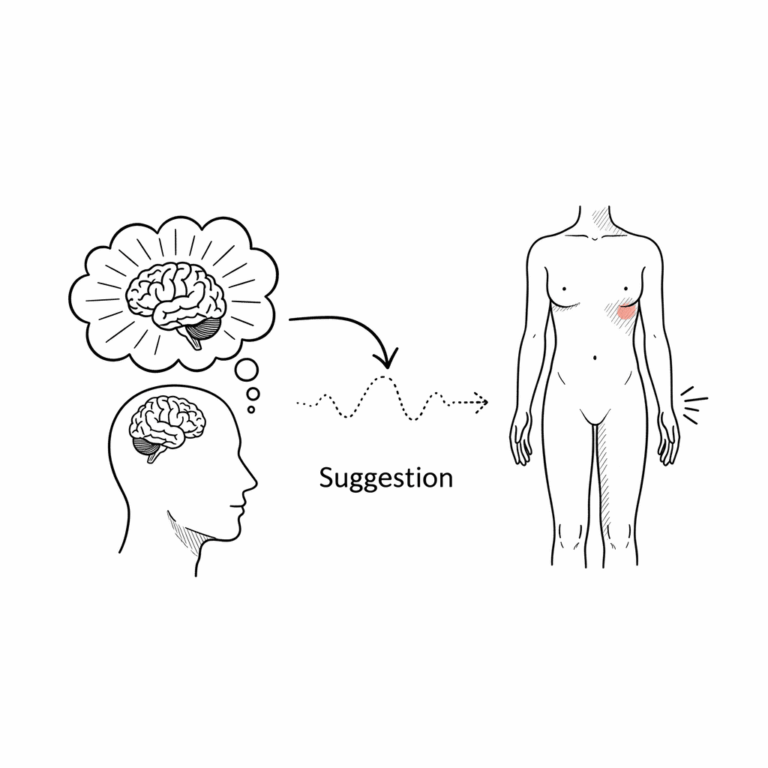
    An amazing story from Dr. M. Bourru highlights the power of suggestion: someone, given a command while under hypnosis—“at four o’clock your nose will bleed”—actually experiences a nosebleed at the designated time; not an illusion, but a real physical effect!
    In another case, someone’s name was lightly scratched onto their arm. With the suggestion, “later your name will appear from this scratch,” a few hours later, the letters actually appeared on the skin, even accompanied by blood. This is not just a stage phenomenon or sensory trick, but proof that the subconscious can control the body at a micro-biological level, far beyond conscious intention.

    Read also : Never Split the Difference by Chris Voss

    This story is a powerful reminder: anything absorbed by the subconscious can become an automatic command for our bodies and our lives.
    However, there are three common mistakes that people almost always make when applying suggestion techniques. All these pitfalls—along with their antidotes and strategies—are discussed in detail in a special session at MentorBuku…


    Why Suggestion Is More Dangerous or Powerful Than Mere Intention

    The main difference between conscious intention (simply wanting) and suggestion (an ingrained command) lies in the power of automatic execution. When suggestion is embedded, the subconscious works without needing to be pushed. That’s why suggestion, if misused, can lead to downfall—such as patterns of self-sabotage, addiction, or chronic doubt. Conversely, when suggestion reinforcement strategies are used correctly, they drive changes that feel almost “effortless” at the surface level of the mind.
    The strategy to eradicate self-sabotage and instill a highly competitive mindset belongs only to those who understand how to manage the power of suggestion.
    All patterns of affirmation sentences, repetition rhythms, and suggestion reinforcement techniques are shared exclusively in the premium guide at MentorBuku…


    The Mystery of Direct Experience from Experts: Between Imagination and Reality

    Many people believe it is impossible to change the real world “just” with the mind. However, modern science and the experiences of classic spiritualists show the interconnectedness between mental imagery and physiological change. In fact, today’s business world adopts this concept as “mindset engineering,” mental programming for great success.
    Between imagination and reality there is always an “invisible” space filled by the workings of the subconscious. Here, the laws of psychology and spirituality work together in synergy. From morning routines, affirmation repetition, to daily visualization—all are only effective if they truly reach the subconscious realm.
    How can you integrate simple techniques into your daily routine so the results last and build a much higher-quality life? The answer is a combination of empirical and spiritual strategies that you can only learn in depth through the authoritative discussion in this book…


    Closing – The Gateway to the Next Level

    Now, you have seen the deepest layers of how visualization and suggestion are not just theories, but the transformative foundation for life change. However, what you have read is only the beginning. The “how”—turning inspiration into habit, avoiding every pitfall of failure, and creating a framework for strategic implementation—all await you at the next level.


    You have just seen the foundation. These concepts are only the tip of the iceberg of what this book offers. How do you apply them step by step, avoid common pitfalls, and integrate them into your strategies? All the answers are inside.

    Sign up and Get Free Access at MentorBuku Now!

  • The Magical Secret to Unveiling the Authentic Self-Esteem Paradigm: A Revolutionary Foundation for a Meaningful Life. The Power of Self-Esteem by Nathaniel Branden, Ph.D.


    Every person has doubted their abilities at some point. Everyone has questioned, “Am I good enough?” or even found themselves trapped in comparing themselves to impossible standards. But behind that simple question lies a fundamental key that determines the quality of our lives: self-esteem, or authentic self-worth.

    In today’s fast-paced era, many people equate self-esteem only with achievements, appearance, or the recognition of others. However, as revealed in the important book The Power of Self-Esteem, there is a much deeper paradigm that is rarely uncovered.

    This article will dissect four essential conceptual gems from the book, while also highlighting why you should go beyond simply ‘knowing’—and begin to yearn for ‘how’ to build it authentically. Discover the “strategic teaser” that will open your eyes to the power of authentic self-esteem, yet (deliberately) leave you with a curiosity that propels you to take the next step.


    Why Self-Esteem Is a Paradigm, Not a Temporary Label

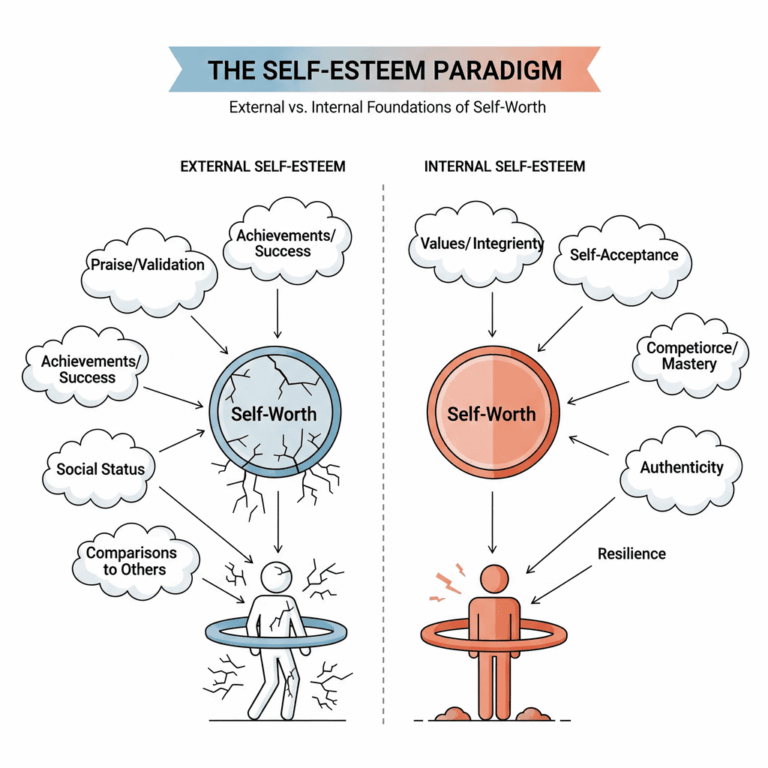
    Many people think of self-esteem as a price tag: something that can be attached, removed, or changed at will. However, The Power of Self-Esteem shows that self-esteem is a paradigm. It is not a ‘status’ suddenly gained through academic achievements, recognition from a boss, or a beautiful face in the mirror.

    Self-esteem grows as a result of how we conduct our daily lives, how we handle problems, interpret failures, and respond to criticism. The paradigm of true self-esteem is founded on responsible action, the courage to be honest with oneself, and the refusal to be trapped by superficial judgments.

    Why is this revolutionary? Because this paradigm breaks the chains of entrapment. If you depend on trophies (which can be lost), or youthful looks (which inevitably fade), your self-esteem will always be fragile. The new paradigm taught in this book urges you to build a foundation of self-value from the inside out—not from the outside in.

    “How do you shift the source of self-esteem from external to internal? Its comprehensive practical framework is only systematically revealed within the book…”

    Read also : GenderSell: How to Sell to the Opposite Sex by Judith C. Tingley Ph.D.

    Commitment to Awareness: The Main Pillar of High Self-Esteem

    There is one standout trait among people with high self-esteem: commitment to awareness, or “the will to understand.” They do not go through life on autopilot. Instead, they choose to live consciously—mindfully—in every action, decision, and interaction.

    This awareness is not just about being alert to the environment. It is the courage to be honest with oneself, to open one’s eyes to the motivations behind decisions, and to welcome feedback from others. People with high self-worth do not seek validation; they seek clarity: Am I progressing according to the goals and values I believe in? If not, what needs to be corrected?

    Why is this important? Because commitment to awareness keeps you “on course.” It is a vital compass in facing challenges and change. When someone loses self-awareness, they are easily trapped in reactive patterns, destructive habits, or even toxic relationships.

    “Techniques for building commitment to awareness, complete with proven daily exercises, are only thoroughly detailed in our exclusive guide…”

    Read also : The Illustrated Art of Manliness: The Essential How-To Guide: Survival, Chivalry, Self-Defense, Style, Car Repair, And More! by Brett McKay

    Authentic Pride: Enjoying Achievements Without Arrogance

    One of the classic pitfalls in the journey of building self-esteem is the confusion between healthy pride and empty arrogance. This book points out that authentic pride arises not from a desire to “prove oneself,” but from the satisfaction that grows after doing what is good and right.

    People with authentic pride will say, “I did what was necessary,” and feel quietly satisfied. They do not need to showcase their achievements or seek bombastic praise. This kind of pride does not come from an “emptiness wanting to be filled,” but from a “fullness longing to be savored.”

    Why is this important? Because authentic pride is a natural shield against feelings of inferiority, failure, and the compulsive urge to outdo others. It fosters a solid self-confidence—without having to sacrifice social relationships, as there is no false competition.

    “How do you distinguish authentic pride from false ego? A series of reflective tests and case studies are available only to those who dig deeper…”


    Avoiding the Trap of External Validation: The Quiet Path to Wholeness

    Oftentimes, people feel the need to please many parties at once—bosses, partners, friends, even “societal standards.” This creates a dilemma: striving to gain approval from one can mean facing rejection from another. If external validation becomes the sole source of self-worth, every rejection feels like a disaster.

    This book invites readers to move beyond that trap. By building inner wholeness, you no longer become a “slave” to popularity, status, or the opinions of the majority. Calmness, confidence, and happiness will grow from within—and endure even when circumstances are less than ideal.

    Why is this transition important? Because it frees you from collective anxiety, the fear of failure, or the worry of “losing face” in public.

    “There are three patterns of self-sabotage that most often keep people trapped in the web of external validation—and the strategies to overcome them are analyzed in depth in the complete version…”


    Conclusion: Embracing Change Before You Choose to Act

    Achieving authentic self-esteem is a journey, not a destination. By letting go of dependence on external validation, nurturing true pride, and committing to a mindful life, you deserve to enjoy inner freedom and meaningful accomplishment.

    However, this knowledge is just the tip of the iceberg. You have now grasped the “what” and “why.” The “how”? That’s where the true magic of transformation lies—and you deserve to experience it today.


    You have just seen the foundation. These concepts are only the tip of the iceberg of what the book has to offer. How do you apply them step by step, avoid common pitfalls, and integrate them into your strategy? All the answers are inside.

    Sign Up and Get Free Access at MentorBuku Now!

  • The Fundamental Secret to an Authentic “Glow Up”: Breaking Through Outdated Paradigms Toward True Transformation. The Mountain is You by Brianna Wiest

    Introduction: Why a “Glow Up” Is Actually Deeper Than You Think

    Everyone craves change. Many of us are obsessed with the “glow up”: a transformation to look more attractive, appear more successful, and simply—gain the world’s validation. However, behind the glitter of this trend, there is one fundamental question: Can external change truly bring inner fulfillment, or does it actually deepen the emptiness within?
    This article will uncover the secrets behind authentic transformation, connecting psychological foundations, the trap of false narratives, and revolutionary steps toward a meaningful life. Uniquely, this is the grand “what” and “why” that will open the path, but the “how” is only available through a deeper exploration. Let’s dig deeper and prepare for a paradigm shift!

    Read also : The Happiest Man on Earth by Eddie Jaku

    Debunking the Myth: Superficial “Glow Up” vs. True Transformation

    Often, “glow up” is understood only as a change in appearance. People race to enhance their images on social media, edit photos, cover up flaws, spend a fortune on their looks, and weave narratives that appear happy, while their hearts may remain empty.
    However, according to one of the key insights from the book The Mountain is You, truly meaningful change—an authentic glow up—is not about becoming bigger, smaller, or more beautiful in the eyes of others. True transformation happens when someone dares to “remove all the false layers,” acknowledge their real issues, heal their inner wounds, and prioritize their own heart instead of simply meeting others’ expectations.
    This concept dismantles the culture of “image-building” that prevails today. Anyone can create a better appearance. But if someone becomes so obsessed with proving themselves to others, it often signals an untouched emptiness within.
    The framework for distinguishing between authentic and cosmetic transformation, as well as how to detect whether the changes we pursue truly fulfill our deepest needs, is thoroughly discussed in the book—including warning signs that should not be ignored.
    In-depth techniques and steps to dismantle false narratives in your life and build a genuine “glow up” have been specially crafted in MentorBuku’s exclusive summary…

    Read also : The 5AM Club by Robin Sharma

    Why Old Wounds Hold You Back from Total Transformation

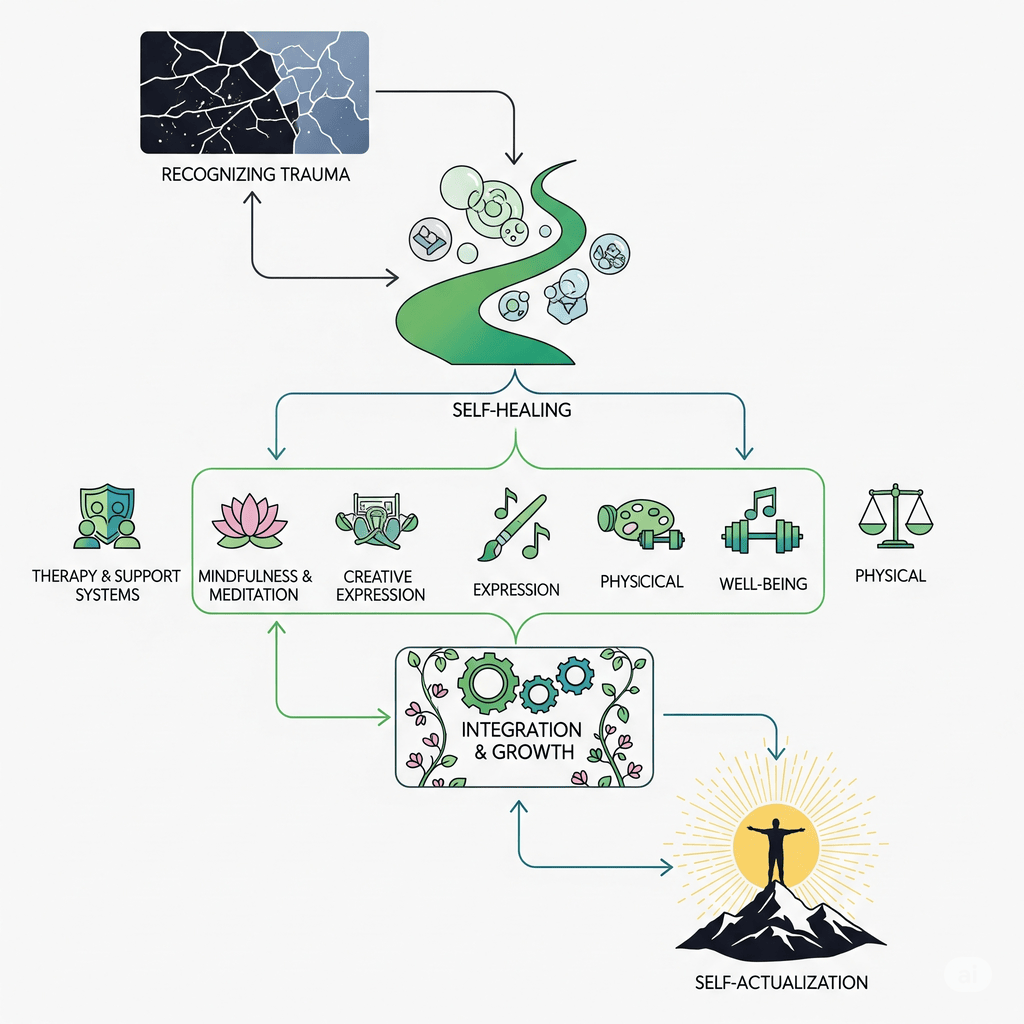
    Every desire for change is often overshadowed by one thing that rarely gets acknowledged—past trauma and psychological wounds. This book dissects the profound impact of trauma on three key brain structures: the amygdala, hippocampus, and prefrontal cortex.
    Because of trauma, the brain stops processing memories fully, emotions become difficult to regulate, and our ability to plan for the future and self-development is hindered. This is the main reason why so many attempts to “start over” end in failure, or feel nearly impossible even with strong determination.
    Understanding this foundation is the revolutionary key: we realize that to “climb the mountain” of life, we must dare to look back, confront old wounds, and process unresolved emotions. Without the courage to manage the remnants of trauma, change becomes nothing more than meaningless outer decoration.
    But what patterns of self-sabotage arise from this trauma? How can we distinguish spontaneous emotions from old patterns that hold you back? All the identification techniques and ways to navigate these challenges are specifically outlined in the in-depth chapters of this book.
    A complete framework for recognizing the traces of trauma and strategies for overcoming it can only be found in MentorBuku’s exclusive guide…


    Accessing Your Future Self: Revolutionary Practice to Break Through Old Limits

    Interestingly, the author introduces a unique introspective technique: meeting your “future self” in a structured meditation. The process is more than visualization; it’s a profound experience to break free from fears that are always rooted in past experiences.
    In the early stages, you are invited to sit quietly, meditate, and then imagine conversing with the most ideal, enlightened version of your “self.” Interestingly, at first, “fear” often disguises itself in the initial visualization. However, the author emphasizes that if you dare to push past this and open up, you can receive extraordinary messages from your future self—a roadmap to authentic transformation.
    This practice may seem simple, but it is incredibly deep. By overcoming fear and greeting your future, you free yourself from the traps of old thinking. You begin to carve out a new path that truly originates from your greatest potential, not from trauma or the expectations of those around you.
    What important messages commonly emerge from the “future self?” How can you make this session truly effective and not just empty imagination? All its secrets—including journaling formats, advanced visualization techniques, and the steps of integration—are fully explained in MentorBuku’s in-depth discussion.
    A detailed template and step-by-step guide for the ‘meeting your future self’ session can be found exclusively through MentorBuku’s internal resources…


    Putting Your Own Heart First—A New Paradigm for Authentic Happiness

    The most fundamental point of all these discussions is the courage to prioritize your own heart. In a world increasingly burdened by social pressures, we often care more about “how others judge us” than “what truly feels right in our hearts.”
    Why is this so important? Because as long as the direction of our lives is dictated by external expectations, all change will only repeat old patterns: chasing validation while still feeling empty. True transformation requires a radical decision: to prioritize conscience, follow your heart, and stop measuring yourself by external standards.
    But how do you take the first step to put your heart first amid real world demands? How can you establish healthy boundaries without feeling guilty or worrying about being labeled selfish? Practical answers and vital keys to inner freedom have been compiled in detail in MentorBuku’s mentoring program.
    Practical guides and daily routines for building the courage to prioritize your heart are available exclusively in official MentorBuku sources…


    Conclusion—The Path to True Transformation Is Right in Front of You

    By gaining a deep understanding of authentic “glow up,” you’re now able to distinguish between change that brings meaning and mere illusion. Recognizing the impact of trauma on the brain and on life, as well as daring to have conversations with your “future self,” results in a small revolution with profound effects. All of this leads to one thing: the decision to begin the journey inward, listen to your own heart, and go far beyond mere appearances.
    However, if you want practical strategies, daily templates, and step-by-step action frameworks—all of that is only available in MentorBuku’s exclusive collection of guides, summaries, and e-books. Don’t let true transformation remain just a discourse; it’s time to open the gateway to your transformation now.

    Also read: The One Thing by Gary W. Keller, Jay Papasan

    You’ve just seen the foundation. These concepts are only the tip of the iceberg of what this book has to offer. How do you implement them step by step, avoid common pitfalls, and integrate them into your strategy? All those answers are inside.
    Sign up and Get Free Access on MentorBuku Now!

  • True Wealth and Authentic Happiness: The Magical Paradigm of Naval Ravikant That Changes How You View Success. The Almanack of Naval Ravikant by Eric Jorgenson

    Introduction: It’s Time to Change the Way You Pursue Happiness and Wealth

    How long have you been working hard for social status or the numbers in your bank account, yet still feel something is missing? In an era where success is often measured by material accumulation and achievements, Naval Ravikant emerges as a catalyst for change—not just within the Silicon Valley startup ecosystem, but also in the realm of modern life philosophy.

    Naval Ravikant is not just a founder and investor in world giants like Uber and Twitter. He is much more than a wealthy person: he is the living embodiment of wealth and happiness walking hand in hand. Through his life journey, Naval has proven that true success is not just about financial achievement—but about living an authentic, peaceful, and meaningful life. The book “The Almanack of Naval Ravikant: A Guide to Wealth and Happiness” brings together fragments of philosophy that inspire the world to rethink purpose, process, and the meaning of being a successful and happy human being.

    In this article, you will delve into three fundamental concepts from Naval Ravikant’s life journey and thinking. Each concept serves as a “gateway” to deeper insights—and after reading, you will feel a thirst to know “how” to make real changes in your own life.


    Read also : First Ladies of the United States: A Biographical Dictionary by Robert P. Watson

    The Power in Enjoyment: Turning Goals into a Game

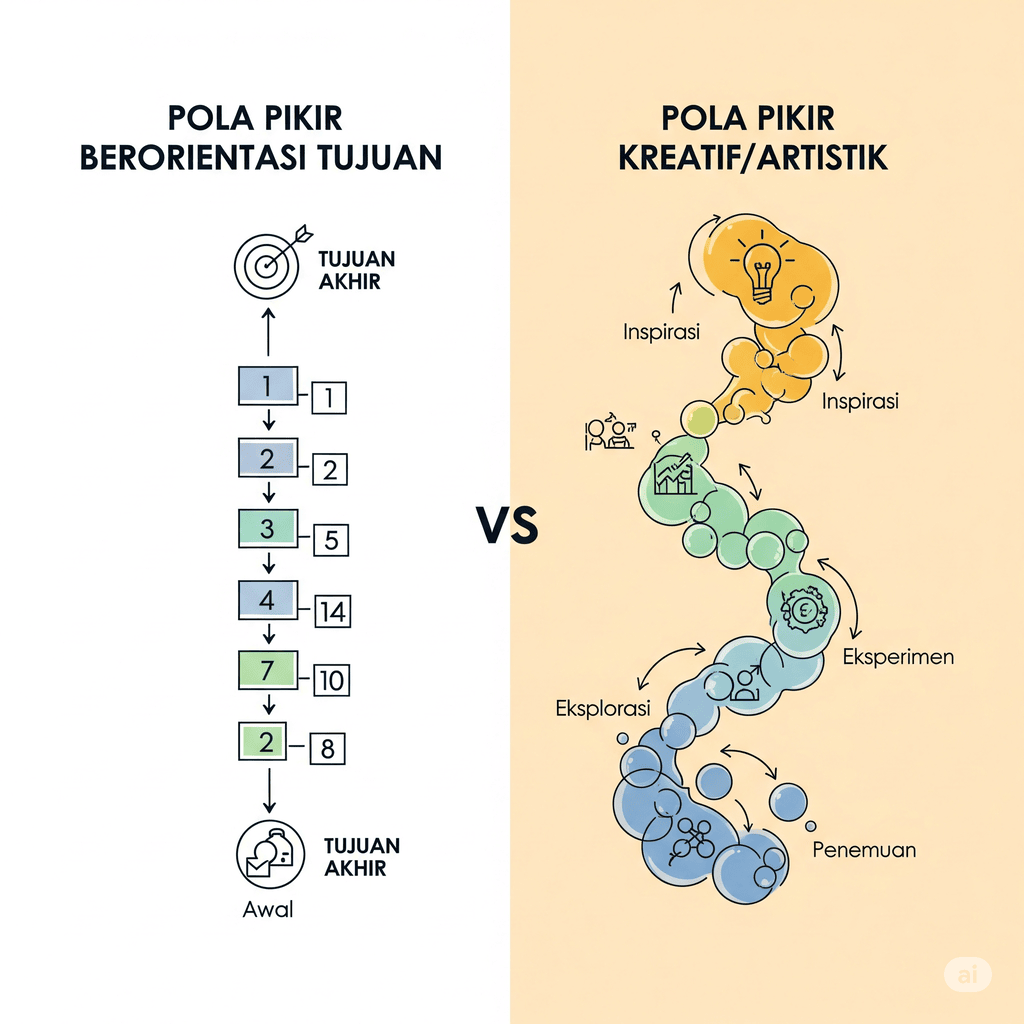
    One of Naval’s unique messages is to view business creation, innovation, or even work itself as a form of art—not merely as a tool to achieve goals. Naval boldly states that history only remembers the “artists,” whether in commerce, science, or politics. True artists create out of love and enjoyment, not out of pressure or obsession with the end result.

    For Naval, building companies isn’t just about chasing profit. He does it because he enjoys the game itself—much like a child engrossed in play, unconcerned about what others think. Imagine, after repeatedly succeeding in building businesses, he finds his motivation is more artistic than simply target-oriented. Remarkably, once he prioritizes creativity and freedom of expression, the results are far more satisfying—both personally and financially.

    This paradigm frees you from the trap of empty achievements. You are invited to reflect: Is your work a source of constant stress, or could it become an enjoyable field for creativity? What would happen if you started living and building your career as a work of art?

    The complete framework for shifting your mindset from “working for results” to “working as art,” along with practical exercises, can be found exclusively in this book and the special summaries from MentorBuku…

    Read also : Predictive Marketing: Easy Ways Every Marketer Can Use Customer Analytics and Big Data by Omer Artun,Dominique Levin

    Wealth Is Not the Goal, But a Side Effect

    The second concept that sets Naval’s philosophy apart is the relationship between wealth and perception. Many people think wealth is everything, but for Naval, true wealth is a “by-product”—a natural side effect of applying the right principles. As he emphasizes, he builds businesses “because it’s fun,” and money is simply a consequence, not the main purpose.

    Why is this important? Because when you pursue wealth as your sole goal, it’s easy to fall into a never-ending race; you constantly feel lacking, always chasing the next level that never truly arrives. Naval suggests that you should build value and solve real problems, and wealth will follow naturally. He relates this to economic and life philosophy: true winners not only accumulate money but also gain peace and gratitude.

    However, implementing this mindset is not easy. There are three common mistakes people make when trying to become “wealthy as a by-product,” both in mindset and action, which are detailed only in the book and MentorBuku discussions…

    Happiness: A Skill That Can Be Learned

    For Naval Ravikant, happiness is not something that “comes from the outside.” After decades studying Eastern and Western philosophy, he concludes that happiness is a skill—just like coding or public speaking. This means you can learn, cultivate, and practice it, as long as you have the right method.

    Most people wait for their external circumstances to change before they can be happy. Naval flips this: “Be happy first, and extraordinary performance and results will follow.” Through reflection techniques, meditation, and daily practices, he teaches that happiness is the result of mindset and consistent discipline. There’s no instant magic. It all begins with small shifts in thought and action.

    But how do you build happiness habits that are easy and lasting—especially amidst life’s pressures and endless work targets? Advanced techniques, including daily practice and practical step-by-step examples, are explained in depth in this book and the exclusive MentorBuku course…

    Mindful Productivity: The Liberating “Game”

    Naval speaks of productivity not as a form of time slavery, but as the freedom to choose what truly matters. He emphasizes the importance of minimizing the trivial, managing focus, and learning to say “no” to distractions and irrelevant social demands. In other words, it’s not how hard you work, but how authentically and purposefully you move toward your personal goals.

    This contrasts with hustle culture, which believes overtime is a mark of greatness. Naval instead suggests—with real proof in his own life—that discipline, prioritization, and “playing the right game” are much more effective at delivering achievement and inner peace.

    How can you start implementing the principle of “mindful productivity” gradually, without causing internal conflict or social pressure? The answers and strategic framework are laid out step by step in summaries and worksheets available exclusively to MentorBuku members…


    Conclusion: The Key to Wealth and Happiness Lies in the Mindset and Strategies You Choose

    Naval Ravikant offers a way out of the outdated paradigm of wealth and happiness. He invites us to ask ourselves: Are you living to chase validation, or have you made your own life a work of art? Are you endlessly chasing money, or creating value so that wealth comes as a “bonus”? And, are you waiting to be happy after achieving success, or choosing to be happy first as the foundation for success?

    These three “strategic foundations”—work as art, wealth as a side effect, and happiness as a skill—are just a few of Naval’s principles that have inspired founders and thinkers worldwide. However, applying them to your routines, mindset, and daily decision-making requires systematic guidance.

    Achieving this transformation is not about luck or temporary motivation. It’s about strategy. And you can find that strategy through special study at MentorBuku.

    Read also: They Say, I Say by Gerald Graff

    You’ve just seen the foundation. These concepts are only the tip of the iceberg of what this book has to offer. How do you implement them step by step, avoid common pitfalls, and integrate them into your strategy? All those answers are inside.
    Sign up and get free access at MentorBuku now!

  • The Powerful Secret of Kaizen: A New Paradigm for Authentic Success. Stoicism for Inner Peace by Einzelgänger

    Knowledge Gaps in the Pursuit of Success

    Everyone wants to achieve success. But the question is: why do only a few truly achieve it authentically and consistently?
    Most people work hard. They follow “motivational” advice, try popular methods, and even get up before dawn for a new routine. Ironically, the reality is often far from expectations. Many fall short along the way. They feel deceived by the initial enthusiasm that doesn’t last long.
    Behind this repeated failure lies a fundamental lesson: success is not about “working harder,” but “working smarter”—and, more importantly, about shifting the underlying thinking paradigm.

    This article will take you on a journey to explore new landscapes: how the smallest changes, when done correctly, can redirect your life in ways you never anticipated. Every small step becomes a part of continuous transformation—that’s the power of “Kaizen.”


    A New Thinking Paradigm About Success and Failure

    Success has long been associated with big results and instant achievements.
    We tend to focus on spectacular stories: athletes winning gold medals, entrepreneurs becoming billionaires overnight, or debut authors whose books instantly become bestsellers in the global market. Unfortunately, this narrative blinds us to the continuum of failure and the long processes that actually form the foundation of true success.

    Why Old Mindsets Limit Your Major Breakthroughs

    Conventional mindsets always prompt us to ask, “How can a big success happen as quickly as possible?”
    However, the real question should be: “How does the process lead to repeated success without burning out along the way?”
    The book we are discussing invites you to reevaluate all your old beliefs about success. It highlights a fundamental mistake: overvaluing “big wins” while underestimating the power of accumulating “incremental gains.”
    Ultimately, we often find ourselves trapped in a trial & error cycle. We feel like failures not because we worked less hard, but because of the wrong mindset—focusing on spectacular results while ignoring the transformative power of the “repetitive process.” This is the critical point:
    Shifting from a results-oriented paradigm to a process-oriented paradigm is the leap that distinguishes authentic success from mere trend-following.
    However, uncovering the deeper layers of how to identify and break the “failure mindset”—along with practical examples—is the secret that this book elaborates on in detail in a separate chapter.
    “A complete framework for applying the paradigm shift from failure to repeated success is outlined in five phases in this book…”
    Also read: Angels of Aceh: The compelling story of Operation Tsunami Assist by Sophie York


    Unveiling the Kaizen Pattern: Small Changes, Maximum Impact

    Can consistent small changes lead to extraordinary results, rivaling the big breakthroughs that are often glorified?
    The concept of “Kaizen” completely reverses our understanding of how change, achievement, and personal excellence occur.
    Originating from Japanese philosophy, Kaizen is the principle of continuous improvement—making small, measurable, and repeatable enhancements every day. But what is its most important aspect? The unpredictable domino effect that is hard to foresee at the beginning.

    The 1% Rule Phenomenon and Compound Mentality

    Imagine the impact of just a 1% improvement every day. Over the course of a year, that small accumulation can mean a change of 37 times from the original position.
    The phenomenon of the compound effect is not just mathematics: it is a game changer in achievement psychology.
    Kaizen warriors don’t have to master super disciplines, let alone rely on ironclad motivation. They simply need to consistently “stretch” themselves little by little into new zones until profound changes occur naturally.
    On the other hand, massive improvements (big bang transformations) often end up in a cycle of failure–try again–despair. Meanwhile, those who persist with Kaizen quietly build foundations that eventually create a “sudden” success explosion.
    This concept dismantles the failure of the “all or nothing” method and provides a new lens to evaluate daily efforts.
    “Advanced techniques of Kaizen, including how to identify the right 1% steps and strategies to maintain them under daily pressure, turn into practical guidance for you at MentorBuku…”

    Anti-Bad Habit Mindset—Breaking Free from Old Self

    How does someone get trapped in the same cycle of bad habits for years, even when they know it hinders personal success?
    The answer lies in an auto-pilot mindset that resists structural changes.
    Our subconscious belief system constantly whispers comfort of the old while dramatizing the risks of change. When Kaizen is adopted, you are not just adding new habits; you are dismantling old habit cycles, layer by layer.

    The Secret to Breaking the Fail-Repeat Cycle

    This book distinguishes between addictive change (based solely on momentary motivation) and systemic change that truly frees you from the fail-repeat patterns.
    The key secret? “Identity-based habits,” which is a strategy for building habits from the roots of a new identity rather than just a checklist of routines.
    In a specific chapter, the author shows that creating lasting change requires three pillars:

    1. Recognition of old habits (awareness).
    2. Gradual severing of the old “reward chain.”
    3. Construction of a new identity based on small success experiences.

    Resilience becomes a byproduct: the more frequently you succeed at canceling old routines, the stronger the new mentality becomes. However, the three most common traps in this mindset transition—along with strategies to break through mental blocks and self-sabotage—are discussed in detail in the secrets of this book.
    “Psychological steps and templates for dismantling bad habits, including new identity exercises, can be found as practical insights in MentorBuku…”
    Also read: The Power of Your Subconscious Mind by Joseph Murphy


    Environment Redesign—The Catalyst for Transformation

    How significant is the impact of the environment on someone’s journey to success?
    More than many realize. The environment—whether physical, social, or digital—silently fosters (or hinders) the process of change.
    Successful people do not solely rely on discipline but consciously design their environment to support their vision.
    For example, the choice of friends, visual stimuli, availability of positive triggers, or even the setup of daily workflows.
    This book reveals that even a single detail in the environment (such as where to place your to-do list, or who you often converse with) can accelerate or derail long-term goals without your awareness.

    Key Factors That Secretly Shape Outcomes

    A simple analogy: an artist may have talent, but without light and access to quality materials, they will never produce a masterpiece.
    Similarly, anyone risks repeating failures if they don’t change key environmental elements—often, this is more determining than the internal motivation touted elsewhere.
    This book breaks down smart ways to structure micro and macro environments, along with a “success environment audit” so your journey of change is no longer trial and error. From a checklist for redesigning the environment to real-time evaluations, everything is available as a special part of the MentorBuku program.
    “The toolkit for redesigning the environment, complete with case examples and real scenarios, becomes exclusive insights that you can access in our advanced summaries…”
    Also read: Keto Comfort Foods: Family Favorite Recipes Made Low-Carb and Healthy by Maria Emmerich

    Also read: Essential Yoga: An Illustrated Guide to Over 100 Yoga Poses and Meditations by Olivia H. Miller


    Conclusion – Strategic Gaps & Action Triggers

    After exploring these four key concepts—the authentic success paradigm, the power of Kaizen, the anti-bad habit mindset, and the importance of environment—do you feel your understanding gap is narrowing, or rather deepening? This is where “the knowledge gap” lies:
    Knowing the “what” and “why” is just the beginning. However, applying precise steps, avoiding traps in the process, and optimizing all these pillars simultaneously—that is the achievement that can only be attained with structured guidance.

    Insight is an asset that cannot be postponed. Every day without a deeper understanding is a missed opportunity. Don’t let your competitors gain this advantage before you do. Sign up and get free access to MentorBuku now!

  • The Secret of Authentic Negotiation: A New Mindset Paradigm in Never Split the Difference by Chris Voss with Tahl Raz

    Introduction: Why Do We Fail at Negotiation?

    Many people think negotiation is just about bargaining over prices or winning arguments. However, most of us fail. Why is that?
    Because all this time, we have often focused too much on “numbers” and “logic,” when in reality the real action takes place on a much deeper level: psychology and emotion. To truly understand and master negotiation, you must dare to look into the dark side of the human mind and apply strategies that are often overlooked.
    The book “Never Split the Difference” by Chris Voss—a former FBI hostage negotiator for high-stakes cases—offers a revolutionary new paradigm. It is not just theory, but the product of decades of life-and-death situations, direct from the front lines of the world’s toughest negotiations.

    Read also : Brand Naming: The Complete Guide to Creating a Name for Your Company, Product, or Service by Rob Meyerson

    Authentic Paradigm: Between Empathy, Reality, and Real Results

    Successful negotiation is born from the courage to face raw truth—including negative emotions. You’re not just talking to win, but subtly reading and guiding the meaning of the conversation. Chris Voss calls this “empathic negotiation.”

    Labeling – Turning Fear Into Strength

    One of Voss’s central techniques is “labeling.” Labeling is not just guessing or assuming what the other person is feeling, but actively “naming” their emotions and concerns. For example: “It seems you have doubts about this offer…” or “It looks like this situation is making you worried.”
    What’s its power? Neuroscience has proven that when someone is asked to name their emotions—such as fear—the brain’s activity shifts from the “fear” center (amygdala) to the logical area. As a result, panic intensity drastically decreases, and the other party is much more ready for a rational conversation.
    Additionally, labeling helps unravel the quality of communication in high-tension moments: “Exposing negative thoughts to daylight… makes them seem less frightening,” Voss writes. You can control the situation with just a single, simple sentence—if you know how.
    The complete framework for effective labeling—including specific phrases and practical exercises—is detailed in five special steps in this book…

    Master the Mindset: Negotiators Are Emotional Detectives

    A great negotiator trains themselves to become an “emotional detective.” Their task: to catch, understand, and handle emotional cues, whether implied or explicit.
    Rather than being busy “crafting the perfect response,” you should sharpen your sensitivity to changes in tone of voice, body language, and your counterpart’s expressions. This is the key to unlocking solutions that have long been hidden beneath layers of prejudice.
    However, there are three common pitfalls that often lead negotiators to complete failure when attempting to act as emotional detectives—all the strategies for overcoming them are thoroughly explained in the mentorbuku summary…

    Read also : Ghosts by Daylight: A Modern-Day War Correspondent’s Memoir of Love, Loss, and Redemption by Janine di Giovanni

    Field Story: Terrorists, the Media, and the Dark Side of Negotiation

    This book doesn’t stop at the conceptual level. You’re taken into the most brutal arena: elite negotiations with dangerous individuals. One example is when Chris Voss had to face Sabaya, the radical Abu Sayyaf figure known for recording acts of violence and sending them to the media.
    Sabaya: a terrorist-sociopath, a killer with a dark history and a string of brutal acts in the Philippines. He loved the media—and knew exactly how to manipulate public perception.
    In this real-life experience, ordinary strategies would surely fail. FBI negotiators were forced to go beyond reason: pushing themselves to understand the dark side of their opponents in order to save lives without “splitting the difference” or making dangerous compromises.

    Conquering the Opponent’s Ego Through a Realistic Approach

    The key to victory in this negotiation was not intimidating words or empty promises. It was the ability to subdue the opponent’s ego with a realistic approach and direct exposure to the emotional reality the perpetrator was experiencing.
    Every move, every sentence, had to be crafted to open up a space for dialogue with an opponent who was paranoid, manipulative, and full of hidden agendas.
    Yet, advanced communication techniques capable of “hypnotizing” the opponent’s narrative into submitting to reality can only be learned if you master the mix of strategies and authentic FBI sequencing as described in the book…

    Read also : Performance Marketing with Google Analytics: Strategies and Techniques for Maximizing Online ROI by Caleb Whitmore,Justin Cutroni,Sebastian Tonkin

    Why Does This FBI Concept Change the Game?

    Many negotiation books advise: “Find the middle ground,” or “Compromise is key.” But the reality on the field is very different. Chris Voss’s concept goes against the mainstream. His techniques expose the biggest myth: compromise is not a guaranteed solution.
    The FBI strategy focuses on achieving optimal solutions through deep psychology, not merely narrowing differences. When negotiating with lives at stake, compromise can end in disaster.
    Therefore, this approach offers a paradigm shift for anyone who wants to win negotiations—whether in business, family, or everyday life.
    However, without a fundamental understanding of the “worst consequences” from misapplying this FBI strategy, you are actually at risk. The three most terrifying patterns of failure when mistakenly adopting the principles from this book are structured and revealed in the MentorBuku reference. Don’t try it recklessly, without a solid foundation…

    Read also : Flying Free: My Victory Over Fear to Become the First Latina Pilot on the US Aerobatic Team by Cecilia Aragon

    Conclusion & The Path to the Next Level

    Every world-class negotiator knows: winning isn’t about speed, let alone volume. It’s about understanding human nature: emotions, fears, ego, and deepest needs.
    The FBI paradigm opens the “second gateway” in negotiation: a world where sharp empathy, labeling, ego play, and personal storytelling are the main weapons. What you have in your hands now is only the foundation—the what and the why.
    In the end, you’ll realize: the most important aspect of advanced negotiation techniques is not just knowing them, but applying them systematically, avoiding pitfalls, and building self-reflection.


    You’ve just seen the foundation. These concepts are only the tip of the iceberg of what this book has to offer. How do you apply them step by step, avoid common pitfalls, and integrate them into your strategy? All the answers are inside.

    Sign up and Get Free Access at MentorBuku Now!

  • Debunking the Myth of Laziness: Why ‘Laziness’ Is an Illusion Created by the Era of Productivity. Laziness Does Not Exist by Devon Price

    The Hidden Secret Behind the Stigma of Laziness: What We Don’t Realize About “Laziness”

    Today is an era of productivity worship. We live amidst a constant stream of information, social media, and apps that relentlessly push us to “do more.” Yet beneath this ocean of motivation, one label is most feared: laziness. Seen as the biggest enemy of success, everything seems wrong if we’re not “diligent.” But is laziness actually real—or is it just a social construct masking deeper problems?
    In this article, we’ll explore three fundamental concepts from the book “Laziness Does Not Exist” that will transform how you view effort, productivity, and self-identity. Each concept will help you realize something important, yet intentionally leave you wanting to know “how” to overcome it—and that’s the magic of knowledge you’ll only discover if you keep searching deeper.


    A New Paradigm: Laziness as a Cultural Illusion

    The stigma of being “lazy” often haunts anyone who isn’t constantly active in the productivity sphere. Even successful creative professionals—like Michael Roy, a.k.a. Birdcap, a renowned mural artist—still feel plagued by this judgment. Michael is known for consistently producing monumental artworks in various countries. Yet behind his busy schedule of painting, building client networks, and managing a digital presence, he still feels guilty and considers himself “horrifically lazy.”
    Why does this happen? The social paradigm of success has shifted. It’s no longer enough to just “work hard”; now you always have to “look busy” and “be active everywhere.” Exposure to others’ success on social media intensifies this phenomenon. Many of us fall into the trap of comparing our personal process to the highlight reels of others’ lives. Laziness becomes a mirage that’s always tempting, when in reality what underlies it is a cluster of invisible mental burdens.

    Knowledge Teaser:
    A complete framework to free yourself from the stigma of laziness—and to identify the real roots of mental exhaustion—is explained in a special chapter of the original book. There, you’ll learn to distinguish between feeling “lazy” and the signals of burnout that actually require a pause.

    The Irony of Productivity: Relentless Activity or Mental Health?

    The world of visual arts is a prime example of how relentless the demand to always be active can be. Michael Roy, like thousands of other artists, isn’t just required to keep creating but must also maintain a personal “brand” on digital platforms. This challenge brings about a new burden: the fear of becoming irrelevant if they don’t “show up” on Instagram or Twitter for just a single day.
    Beyond the creative world, learning apps like Duolingo demonstrate a similar “level.” These platforms turn learning into a game, with rewards, scores, and notifications from their iconic green mascot every time you skip a session. If you don’t access the app for a few days, you’re subtly shamed for “not trying hard enough”—even if you might just be tired or need a break.
    This phenomenon reveals one thing: modern society often fails to distinguish between healthy rest and “laziness.” The dark side of the “always on” principle is that the more you meet external expectations, the greater your tendency to blame yourself when you can’t keep up. As a result, mental health is eroded by the endless obsession with “appearing productive”—not truly being productive.

    Knowledge Teaser:
    The four main signs that differentiate the need for rest from a tendency to give up (and why the two are so often confused) are explained with real case studies in a special MentorBuku summary. Included are introductory strategies for managing both internal and external expectations.

    “Gamifying” Life: The Benefits, Destructive Power, and the Illusion of Consistency

    Learning apps like Duolingo leverage gamification—embedding game elements into daily tasks—to boost motivation. This method proves effective in the short term; anyone earning a streak medal surely feels proud. However, there’s a hidden side: the pressure to maintain those numbers can turn into compulsive behavior. Instead of learning out of a desire to grow, users become trapped in a spiral of “not wanting to lose the streak.”
    This phenomenon is widespread: from language learning apps, to social networks, to office reward systems. Digital platforms exploit the basic human need to feel “successful,” often with fake rewards. When someone eventually “fails” to maintain their virtual consistency, feelings of guilt and “laziness” arise. Yet sometimes, “taking a break” is the essential need for keeping the mind fresh.
    Here lies the great illusion: modern systems define consistency as “never stopping,” when in reality, humans need ebb and flow to maintain long-term mental health and productivity.

    Knowledge Teaser:
    A guide to managing “gamification” in daily life—so it doesn’t become a productivity poison—is available in templates and practical action recommendations on MentorBuku. You might be surprised by how many hidden psychological traps exist in modern reward systems!

    Also read: Anatomy and Physiology For Dummies by Maggie Norris, Donna Rae Siegfried


    Progress Comparison: Enjoying the Process, Not Just the Outcome

    One of the biggest traps when discussing “laziness” is comparing your own journey with other people’s achievements. Yet every journey is different. Even successful artists can feel insecure, especially when they judge themselves only by the “amount of visible work.”
    Knowing your own work rhythm is the key—not chasing achievements based on someone else’s timeline. The book “Laziness Does Not Exist” emphasizes that feeling lazy is often a sign that your body and mind need care. Breaking the cycle of social comparison is the first step to stop getting caught in the “laziness” trap that actually hinders your authentic progress.
    Knowledge Teaser:
    Advanced techniques for building self-compassion, as well as steps to break the chain of destructive comparisons, are thoroughly discussed in exclusive MentorBuku materials. How can you prioritize mental balance while still growing? The answer surprises many professionals!

    Also read: The Art of Explanation: How to Communicate with Clarity and Confidence by Ros Atkins


    Conclusion: It’s Time to Redefine “Diligence” and “Laziness”

    Many failures of the modern industry stem from forcing everyone to act as if they’re machines. But psychological reality and the human body are very different. The stigma of laziness only adds to already heavy mental pressures: it blocks the necessary rest and reflection that should also count as productive.
    Remember, there is no universal definition of success or productivity. The key to transformation lies in recognizing your own signals and distinguishing real needs from mere social pressure.


    You’ve just seen the foundation. These concepts are only the tip of the iceberg of what this book offers. How do you apply them step by step, avoid common pitfalls, and integrate them into your own strategy? All those answers are inside.

    Sign up and Get Free Access at MentorBuku Now!

  • Membongkar Mitos Kemalasan: Mengapa ‘Laziness’ Adalah Ilusi yang Diciptakan Era Produktivitas. Laziness Does Not Exist by Devon price


    Rahasia Ajaib di Balik Stigma Kemalasan: Apa yang Tidak Kita Sadari tentang “Laziness”

    Masa kini adalah era pengkultusan produktivitas. Kita hidup di tengah arus informasi, media sosial, dan aplikasi yang terus-menerus mendorong kita untuk “melakukan lebih banyak”. Namun, di balik lautan motivasi ini, tersembunyi satu label yang paling ditakuti: kemalasan. Dianggap musuh utama kesuksesan, segalanya tampak salah jika kita “tidak rajin”. Tetapi, benarkah kemalasan itu nyata—atau hanya konstruksi sosial yang menutupi masalah yang lebih dalam?

    Dalam artikel ini, kita akan menyusuri tiga konsep mendasar dari buku “Laziness Does Not Exist” yang akan membalikkan cara Anda memandang usaha, produktivitas, dan identitas diri. Setiap konsep akan membawa Anda menyadari sesuatu yang penting, namun sengaja menyisakan kerinduan untuk mengetahui “bagaimana” cara mengatasinya—dan itulah keajaiban pengetahuan yang hanya bisa Anda temukan jika terus mencari lebih dalam.


    Paradigma Baru: Kemalasan sebagai Ilusi Budaya

    Stigma “malas” kerap menjadi momok, menempel pada siapa saja yang tidak continously aktif di ranah produktivitas. Bahkan para pekerja kreatif yang sudah sukses pun—seperti Michael Roy alias Birdcap, seorang seniman mural terkenal—masih merasa dihantui judgement ini. Michael dikenal konsisten menghasilkan karya seni monumental di berbagai negara. Namun, di balik kesibukannya melukis, membangun jaringan klien, dan mengelola eksistensi digital, ia masih merasakan perasaan bersalah dan menganggap dirinya “horrifically lazy”.

    Mengapa ini bisa terjadi? Paradigma sosial tentang keberhasilan telah berubah. Tidak cukup lagi hanya “bekerja keras”; kini Anda harus selalu “terlihat sibuk” dan “aktif di mana-mana”. Paparan tentang kesuksesan orang lain di media sosial memperparah fenomena ini. Banyak dari kita terjebak membandingkan proses pribadi dengan highlight reel hidup orang lain. Kemalasan menjadi fatamorgana yang selalu menggoda, padahal di balik itu ada kumpulan beban mental yang tak kasatmata.

    Pancingan Pengetahuan:
    Kerangka kerja lengkap untuk membebaskan diri dari stigma kemalasan—dan mengidentifikasi akar sebenarnya dari kelelahan mental—dijabarkan dalam bab khusus di buku asli. Di sana, Anda akan belajar membedakan antara perasaan “malas” dengan sinyal burnout yang justru menuntut jeda.


    Ironi Produktivitas: Aktivitas Tiada Henti atau Kesehatan Mental?

    Dunia seni visual adalah salah satu contoh nyata betapa kerasnya tuntutan selalu aktif. Michael Roy, seperti ribuan seniman lain, tak hanya diwajibkan terus mencipta, tetapi juga memelihara “brand” pribadi di media digital. Tantangan ini memunculkan beban baru: takut tidak relevan jika sehari saja tidak “nampang” di Instagram atau Twitter.

    Di seberang dunia kreativitas, aplikasi belajar seperti Duolingo menunjukkan “level” yang sama. Platform ini membuat pengalaman belajar menjadi seperti gim, dengan hadiah, skor, serta notifikasi dari maskot hijau andalannya setiap kali Anda absen. Jika tak mengakses aplikasi selama beberapa hari, Anda disindir karena “tidak cukup berusaha”—walaupun Anda mungkin sedang dalam kondisi lelah atau butuh istirahat.

    Fenomena ini menjelaskan satu hal: masyarakat modern sering gagal membedakan antara istirahat sehat dan “malas”. Sisi gelap dari prinsip “always on” ini adalah, semakin Anda memenuhi ekspektasi luar, semakin besar pula kecenderungan menyalahkan diri ketika tak bisa mempertahankannya. Akibatnya, kesehatan mental tergerus oleh obsesi tanpa henti untuk “nampak produktif”—bukan produktif sesungguhnya.

    Pancingan Pengetahuan:
    Empat tanda utama perbedaan antara kebutuhan istirahat dengan kecenderungan menyerah (dan mengapa keduanya sering tertukar) dijelaskan dengan studi kasus nyata dalam rangkuman khusus MentorBuku. Termasuk di dalamnya: strategi awal mengelola ekspektasi internal & eksternal.


    “Gamifikasi” Kehidupan: Manfaat, Daya Rusak, dan Ilusi Konsistensi

    Aplikasi pembelajaran seperti Duolingo memanfaatkan gamification—menyisipkan elemen permainan dalam tugas sehari-hari—untuk memacu motivasi. Ini terbukti ampuh dalam jangka pendek; siapa pun yang mendapat medali streak pasti merasa bangga. Namun, ada sisi tersembunyi: tekanan untuk mempertahankan pencapaian angka-angka itu bisa berubah menjadi perilaku kompulsif. Alih-alih belajar karena ingin berkembang, pengguna justru terjebak dalam spiral “tidak ingin kehilangan streak”.

    Fenomena ini berlaku luas: dari aplikasi belajar bahasa, jejaring sosial, hingga sistem reward di kantor. Perangkat digital memanipulasi kebutuhan dasar manusia untuk merasa “berhasil”, sering kali dengan imbalan semu. Ketika akhirnya seseorang “gagal” menjaga konsistensi virtual, perasaan bersalah dan “malas” pun muncul. Padahal, kadang “istirahat” justru kebutuhan yang hakiki agar otak tetap segar.

    Di sinilah letak ilusi besar: sistem modern mendefinisikan konsistensi sebagai “tidak pernah berhenti”, padahal dalam kenyataan, manusia butuh ritme turun-naik demi mempertahankan kesehatan mental dan produktivitas jangka panjang.

    Pancingan Pengetahuan:
    Panduan mengelola “gamifikasi” dalam hidup sehari-hari—agar tidak berubah menjadi racun produktivitas—tersedia dalam template dan rekomendasi aksi praktis di MentorBuku. Anda mungkin terkejut, betapa banyak jebakan psikologis tersembunyi dalam sistem reward modern!

    Baca juga : Anatomy and Physiology For Dummies by Maggie Norris,Donna Rae Siegfried


    Perbandingan Progres: Nikmati Proses, Bukan Sekadar Hasil

    Salah satu jebakan terbesar ketika membicarakan “kemalasan” adalah membandingkan perjalanan diri dengan pencapaian orang lain. Namun, setiap perjalanan berbeda. Seniman sukses pun masih bisa merasa insecure, apalagi ketika hanya menilai diri dari “banyaknya karya yang tampak”.

    Mengenal ritme kerja diri sendiri adalah kunci—bukan mengejar pencapaian berdasarkan timeline orang lain. Buku “Laziness Does Not Exist” menekankan bahwa perasaan malas sering kali justru penanda tubuh dan pikiran Anda sedang membutuhkan perawatan. Menghentikan siklus perbandingan sosial adalah langkah pertama agar tidak lagi terjebak dalam perangkap “kemalasan” yang justru kontraproduktif terhadap kemajuan otentik Anda.

    Pancingan Pengetahuan:
    Teknik lanjutan untuk membangun self-compassion, serta langkah memutus rantai perbandingan destruktif, hanya dibahas lengkap dalam materi eksklusif MentorBuku. Bagaimana Anda bisa memprioritaskan keseimbangan mental sekaligus tetap bertumbuh? Jawabannya mengagetkan banyak profesional!

    Baca juga : The Art of Explanation: How to Communicate with Clarity and Confidence by Ros Atkins


    Konklusi: Waktunya Meredefinisi “Rajin” dan “Malas”

    Banyak kegagalan industri modern adalah memaksa semua individu untuk seolah-olah menjadi mesin. Padahal realita psikologis dan tubuh manusia jauh berbeda. Stigma kemalasan justru memperparah tekanan mental yang sudah berat: ia menutup kemungkinan untuk istirahat dan refleksi yang seharusnya dianggap produktif juga.

    Ingat, tidak ada satu pun definisi sukses atau produktif yang berlaku universal. Kunci pembuka transformasi ada pada kemampuan mengenali sinyal diri sendiri, serta membedakan mana kebutuhan riil dengan sekadar dorongan sosial.


    Anda baru saja melihat fondasinya. Konsep-konsep ini hanyalah puncak gunung es dari apa yang ditawarkan buku ini. Bagaimana cara menerapkannya langkah demi langkah, menghindari jebakan umum, dan mengintegrasikannya ke dalam strategi Anda? Semua jawaban itu ada di dalam.

    Daftar dan Dapatkan Akses Gratis di MentorBuku Sekarang!