Tag: self-confidence

  • The Magical Secret to Unveiling the Authentic Self-Esteem Paradigm: A Revolutionary Foundation for a Meaningful Life. The Power of Self-Esteem by Nathaniel Branden, Ph.D.


    Every person has doubted their abilities at some point. Everyone has questioned, “Am I good enough?” or even found themselves trapped in comparing themselves to impossible standards. But behind that simple question lies a fundamental key that determines the quality of our lives: self-esteem, or authentic self-worth.

    In today’s fast-paced era, many people equate self-esteem only with achievements, appearance, or the recognition of others. However, as revealed in the important book The Power of Self-Esteem, there is a much deeper paradigm that is rarely uncovered.

    This article will dissect four essential conceptual gems from the book, while also highlighting why you should go beyond simply ‘knowing’—and begin to yearn for ‘how’ to build it authentically. Discover the “strategic teaser” that will open your eyes to the power of authentic self-esteem, yet (deliberately) leave you with a curiosity that propels you to take the next step.


    Why Self-Esteem Is a Paradigm, Not a Temporary Label

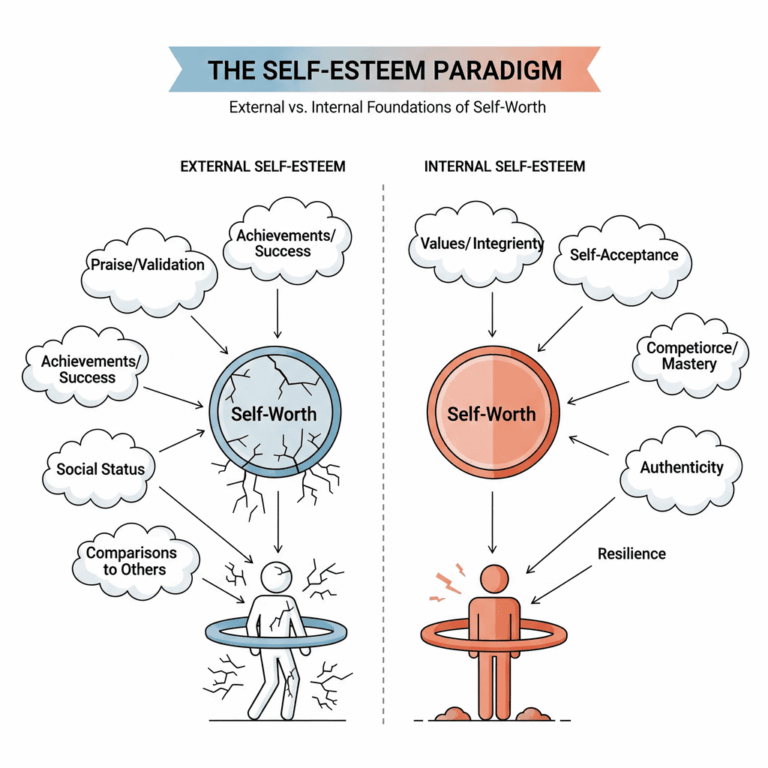
    Many people think of self-esteem as a price tag: something that can be attached, removed, or changed at will. However, The Power of Self-Esteem shows that self-esteem is a paradigm. It is not a ‘status’ suddenly gained through academic achievements, recognition from a boss, or a beautiful face in the mirror.

    Self-esteem grows as a result of how we conduct our daily lives, how we handle problems, interpret failures, and respond to criticism. The paradigm of true self-esteem is founded on responsible action, the courage to be honest with oneself, and the refusal to be trapped by superficial judgments.

    Why is this revolutionary? Because this paradigm breaks the chains of entrapment. If you depend on trophies (which can be lost), or youthful looks (which inevitably fade), your self-esteem will always be fragile. The new paradigm taught in this book urges you to build a foundation of self-value from the inside out—not from the outside in.

    “How do you shift the source of self-esteem from external to internal? Its comprehensive practical framework is only systematically revealed within the book…”
    Read also : GenderSell: How to Sell to the Opposite Sex by Judith C. Tingley Ph.D.

    Commitment to Awareness: The Main Pillar of High Self-Esteem

    There is one standout trait among people with high self-esteem: commitment to awareness, or “the will to understand.” They do not go through life on autopilot. Instead, they choose to live consciously—mindfully—in every action, decision, and interaction.

    This awareness is not just about being alert to the environment. It is the courage to be honest with oneself, to open one’s eyes to the motivations behind decisions, and to welcome feedback from others. People with high self-worth do not seek validation; they seek clarity: Am I progressing according to the goals and values I believe in? If not, what needs to be corrected?

    Why is this important? Because commitment to awareness keeps you “on course.” It is a vital compass in facing challenges and change. When someone loses self-awareness, they are easily trapped in reactive patterns, destructive habits, or even toxic relationships.

    “Techniques for building commitment to awareness, complete with proven daily exercises, are only thoroughly detailed in our exclusive guide…”

    Read also : The Illustrated Art of Manliness: The Essential How-To Guide: Survival, Chivalry, Self-Defense, Style, Car Repair, And More! by Brett McKay

    Authentic Pride: Enjoying Achievements Without Arrogance

    One of the classic pitfalls in the journey of building self-esteem is the confusion between healthy pride and empty arrogance. This book points out that authentic pride arises not from a desire to “prove oneself,” but from the satisfaction that grows after doing what is good and right.

    People with authentic pride will say, “I did what was necessary,” and feel quietly satisfied. They do not need to showcase their achievements or seek bombastic praise. This kind of pride does not come from an “emptiness wanting to be filled,” but from a “fullness longing to be savored.”

    Why is this important? Because authentic pride is a natural shield against feelings of inferiority, failure, and the compulsive urge to outdo others. It fosters a solid self-confidence—without having to sacrifice social relationships, as there is no false competition.

    “How do you distinguish authentic pride from false ego? A series of reflective tests and case studies are available only to those who dig deeper…”


    Avoiding the Trap of External Validation: The Quiet Path to Wholeness

    Oftentimes, people feel the need to please many parties at once—bosses, partners, friends, even “societal standards.” This creates a dilemma: striving to gain approval from one can mean facing rejection from another. If external validation becomes the sole source of self-worth, every rejection feels like a disaster.

    This book invites readers to move beyond that trap. By building inner wholeness, you no longer become a “slave” to popularity, status, or the opinions of the majority. Calmness, confidence, and happiness will grow from within—and endure even when circumstances are less than ideal.

    Why is this transition important? Because it frees you from collective anxiety, the fear of failure, or the worry of “losing face” in public.

    “There are three patterns of self-sabotage that most often keep people trapped in the web of external validation—and the strategies to overcome them are analyzed in depth in the complete version…”


    Conclusion: Embracing Change Before You Choose to Act

    Achieving authentic self-esteem is a journey, not a destination. By letting go of dependence on external validation, nurturing true pride, and committing to a mindful life, you deserve to enjoy inner freedom and meaningful accomplishment.

    However, this knowledge is just the tip of the iceberg. You have now grasped the “what” and “why.” The “how”? That’s where the true magic of transformation lies—and you deserve to experience it today.


    You have just seen the foundation. These concepts are only the tip of the iceberg of what the book has to offer. How do you apply them step by step, avoid common pitfalls, and integrate them into your strategy? All the answers are inside.

    Sign Up and Get Free Access at MentorBuku Now!
  • 5 Fundamental Secrets to Reading People’s Body Language. What Every BODY Is Saying by Joe Navarro with Marvin Karlins, Ph.D


    In today’s hyper-connected world, the ability to read body language is no longer a skill exclusive to detectives or secret agents. In fact, every day you face moments where words cannot be fully trusted. When someone says, “I’m fine,” with a faint smile and hands clasped tightly in their lap, we know there’s a hidden message behind it.
    But did you know that the body holds a ‘secret code’ about a person’s emotions and intentions—even before they themselves are aware of it? Let’s unpack the five fundamental secrets of reading body language, a strategic skill that can transform the way you communicate, make decisions, and build trust.


    Why Does Body Language Reveal the Truth?

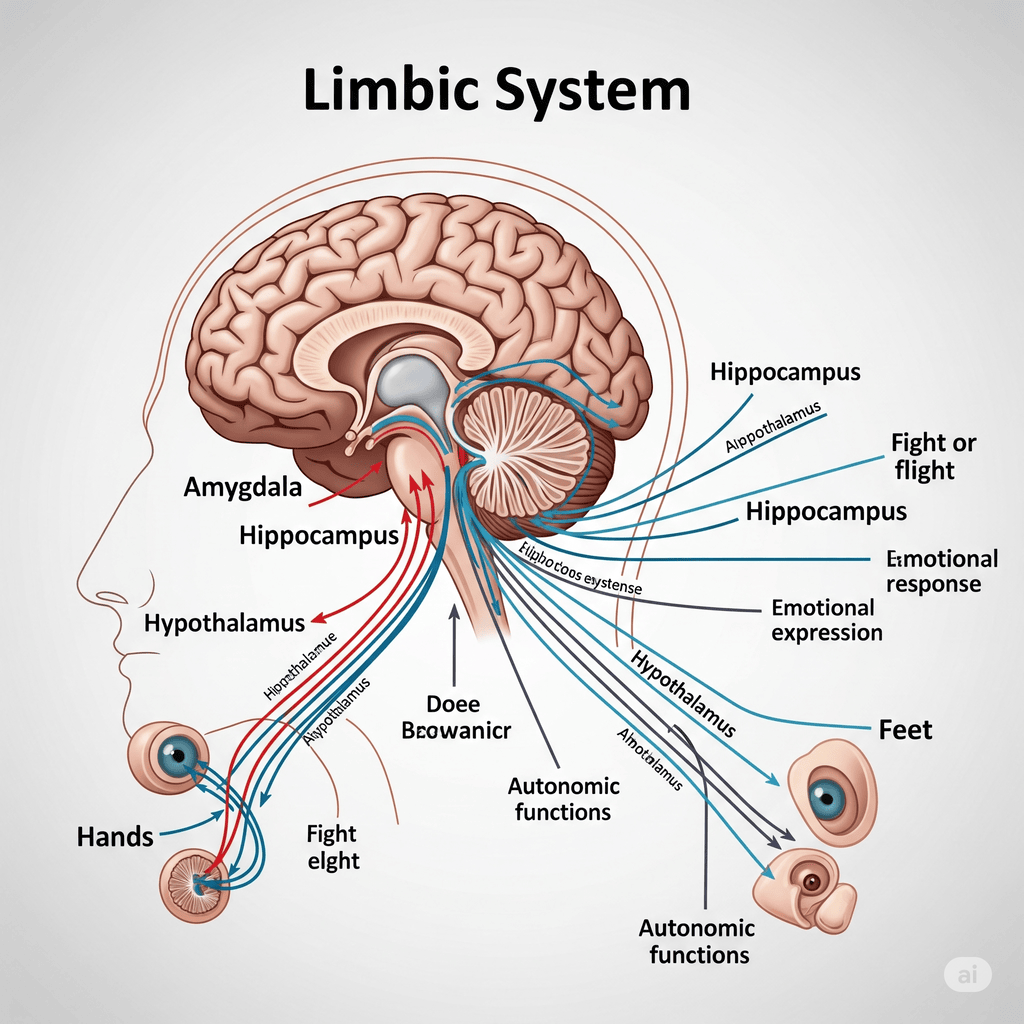
    Before we go any further, you must understand why nonverbals speak louder than spoken words. Neurologically, our bodies react first to threats, dishonesty, and even joy—long before our rational brain takes over. Reflexive movements, gaze, and changes in hand or foot position are all signals originating from the limbic brain.
    Essentially, nonverbal language is humanity’s “honest language.” In a casual conversation, you might not notice a person’s micro-expressions. But in the context of negotiations, interviews, or building personal relationships, reading body language can make the difference between being deceived and being able to control the situation.
    “People believe what they see, not just what they hear.”

    However, understanding “why” alone isn’t enough. To acquire this skill, you need to examine the detailed anatomy of body language—and this is where these five secrets begin.


    Secret #1 – Hand Gestures: Honest or Deceptive Signals?

    Hand gestures might seem ordinary. However, as one of the most powerful nonverbal signals, hand movements can be a primary gateway to reading your counterpart’s intentions. Body language researchers have found a strong correlation between the position of the palms and the impression of honesty.
    When someone speaks with their palms facing up (palm-up), it usually signifies openness, sincerity, and a willingness to share. Conversely, the palm-down gesture is a symbol of dominance, authority, or, in certain situations, a desire to withhold information. During a normal conversation, both gestures can appear interchangeably.
    However, what’s interesting occurs when the conversation becomes high-tension or involves an important declaration. Observe: does your counterpart choose a palm-down gesture with a firm voice, or stick with a calm palm-up gesture? It is this shift that signals the change in emotion and intention beneath the surface.

    Therefore, observing hand gestures is not just a matter of aesthetics, but a tool for detecting psychological dynamics in real time.
    “The complete framework for applying hand gesture reading in business decision-making, negotiations, and building trust is discussed in 5 specific steps within the original book and the MentorBuku premium summary…”

    Read also : The Greatest Secret by Rhonda Byrne

    Case Study: Palm-Up vs. Palm-Down in Conversation

    Imagine you are in an important meeting. Someone presents a major proposal while keeping their hands on the table, palms facing down, and rarely changing position. On the other hand, a colleague who supports the idea uses open gestures, palms up, with a smile and a friendly gaze. Who do you feel is more sincere? Who is secretly dictating the agenda?
    It’s no coincidence that microexpression studies confirm that hand gestures are not just an accompaniment to words, but also the foundation of trust in communication.
    But don’t make a decision just yet. There are a number of biases and common mistakes in reading hand gestures—and the details are one of the exclusive highlights we cover in more depth at MentorBuku…


    Secret #2 – The Limbic Response: A Subconscious Reaction That Cannot Be Hidden

    The limbic system, an area of the brain inherited from prehistoric times, is responsible for protecting us from danger and reflecting feelings through spontaneous physical reactions. When we feel threatened, uncomfortable, or doubtful, the body will issue a “subconscious alarm.” For example, someone suddenly placing a bag between themselves and another person, or rubbing their neck, is a classic “shielding gesture” from a limbic reaction.
    What makes this interesting is that these gestures are very difficult to control consciously, even for a masterful liar. Therefore, understanding the “limbic reaction” principle becomes a primary tool for anyone, whether you are in HR, a negotiator, or simply want to discern a friend’s honesty.
    However, the signs of a limbic response can be very subtle and easily missed. Restless leg movements under the table, one-second facial microexpressions, to changes in breathing patterns are a series of details that are often misread.
    “Advanced techniques for distinguishing a valid limbic response from mere social awkwardness, as well as how to practice this precise observation, are part of the exclusive insights in the MentorBuku summary…”

    Read also : The Collapse of Parenting by Leonard Sax

    Secret #3 – Declaration vs. Discussion: How Gestures Reveal Emotional Intensity

    One of the interesting chapters from the book “What Every BODY is Saying” is how hands “speak” louder in moments of declaration or assertion than in a normal conversation.
    When two people are in a casual debate, switching between palm-up and palm-down is normal. However, if a shift to an important statement occurs (“I really…”, “You have to believe…”), a sudden change in hand position (or the disappearance of gestures altogether) is a nonverbal ‘alarm’ for tension, doubt, or an attempt to control perception.
    Furthermore, the combination of gestures with facial expressions, gaze angle, and body posture completes this subconscious narrative. Those who understand this shift in gestures can read who is merely forming an opinion and who is genuinely trying to convince both themselves and their counterpart.
    However, distinguishing between an assertive intention and a mere stress gesture requires practice, in-depth observation, and a number of key behavioral checklists.
    “However, there are three common mistakes often made when assessing gesture shifts in declarations versus discussions, which are dissected in full detail in the MentorBuku premium summary…”

    Read also : Unwinding Anxiety by Judson A. Brewer

    Conclusion: Seeing a New Dimension in Communication Through the Body

    Reading body language is not merely about guessing other people’s moods. It is an applied science that can be honed to reduce misperceptions, improve the quality of interactions, and detect danger signals that are difficult to express through words alone.
    However, the biggest “secret” isn’t just about what the body language signals are, but rather how you train yourself to see, investigate, and then optimize these observations in your professional and personal life.
    The process is laid out before you. However, the concrete steps, the real-world application framework, and the practice of automatically recognizing these patterns are advanced skills that await you on the MentorBuku platform.


    You have just seen the foundation. These concepts are just the tip of the iceberg of what this book offers. How do you apply them step by step, avoid common pitfalls, and integrate them into your strategy? All those answers are inside.

    Sign Up and Get Free Access on MentorBuku Now!

  • The Fundamental Secret: A Powerful Way to Overcome Your Mind’s Blind Spots. Think Again by Adam Grant


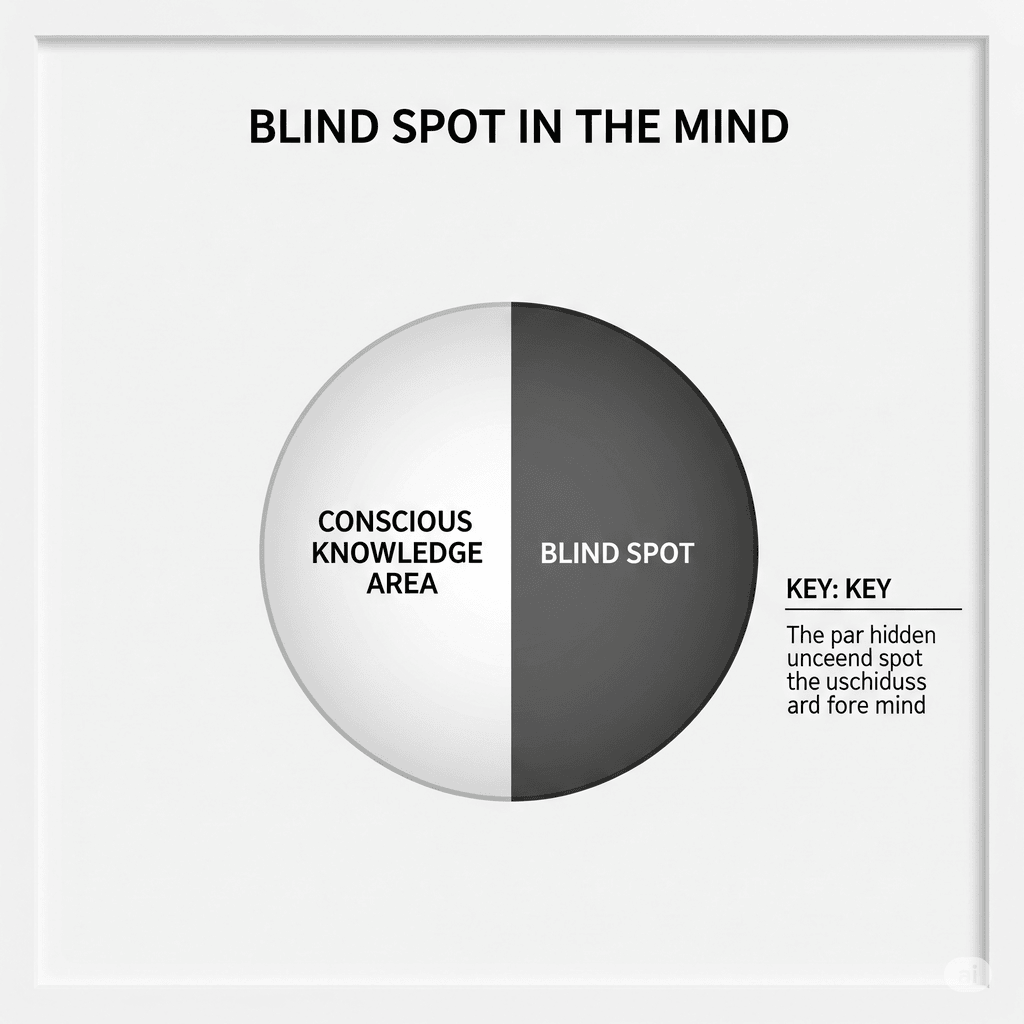
    Have you ever felt so certain about a decision, only to realize later that you were wrong—all because of a factor you were completely unaware of beforehand? This phenomenon is often caused by the mind’s “blind spots”: hidden areas in our way of thinking that prevent us from seeing our own weaknesses. Ironically, this is precisely what often traps someone in a feeling of being right, even when they might be headed in the wrong direction.
    This article will help you understand the fundamental secret behind mental blind spots, why healthy confidence is crucial for learning, and the art of rethinking. All these ideas are foundational for anyone who wants to thrive in a fast-paced world—whether in their career, business, leadership, or daily life.


    Why Mental Blind Spots Are a Big Problem Many People Don’t Realize

    We all have blind spots. However, we are often not even aware that we have them. In his book “Think Again,” Adam Grant touches on a fascinating phenomenon called Anton’s syndrome—a type of blindness where the sufferer’s brain fails to recognize that they are blind. In the context of thinking, this blindness applies to personal understanding and opinions.
    Grant writes, “We all have blind spots in our knowledge and opinions. The bad news is that they can leave us blind to our blindness, which gives us false confidence in our judgment and prevents us from rethinking. The good news is that with the right kind of confidence, we can learn to see ourselves more clearly and update our views.” This means that blind spots are not just a matter of knowledge, but also a problem of ‘false confidence’ that hinders our growth.
    This phenomenon can have fatal consequences. In an organizational or corporate context, leaders who are unaware of their blind spots are easily trapped into making wrong decisions or practicing outdated management. In personal relationships, this can lead to communication deadlocks because each party feels they are already right.

    But how do you recognize (and then reduce) a blind spot? This is what is explored further in the book “Think Again.” A specific framework for conducting this “blind spot detection” in your thinking, including step-by-step exercises you can apply, is detailed completely in the MentorBuku summary…


    Healthy Confidence: The Foundation for Keeping an Open Mind to Renewal

    Often, people think confidence is about standing firm in one’s beliefs. However, according to Grant, true confidence actually involves the ability to admit you could be wrong and the courage to explore alternative ways of thinking. In his book, he warns that too many people are trapped in “overconfidence bias”—an illusion that we know more than we actually do.
    The key to healthy confidence is building a readiness to be corrected. Grant uses an interesting analogy: in driver’s training, we are taught to find and eliminate blind spots with the help of mirrors and sensors. In real life, our minds are not equipped with such tools, so we are the ones who must consciously build these ‘detection tools’.
    This context is highly relevant, especially for those involved in the professional world, business, or important decision-making. Often, it is experienced professionals who are most vulnerable to getting trapped in overconfidence and closing themselves off to new feedback.
    This means the higher your position, the greater the risk of being trapped in the comfort zone of your own thinking. But how can you practically develop healthy confidence without falling into the trap of arrogance? The book “Think Again” outlines key indicators and self-reflection exercises you can do daily, but the technical details are available exclusively in the MentorBuku summary…

    The Art of Rethinking: How to Train Your Mind to be Flexible and Bold in Changing Your Perspective

    If blind spots are the hidden enemy, then “rethinking” is the cure. Grant gives an example: in architecture and art classes, instead of asking students to create one final piece, they are asked to redo their drafts four or more times. The results were extraordinary: the students actually grew more enthusiastic, because the revision process rapidly improved the quality of the output. “Quality means rethinking,” Grant writes firmly.
    The habit of rethinking strengthens the quality of decision-making and enables us to adapt quickly to change. This pattern can be applied in various fields: from product innovation and business strategy to personal self-development. Rethinking is not just about changing your mind randomly, but about making revisions based on new evidence, data, and environmental feedback.
    One of the strengths of “Think Again” is its dissection of the practical steps for building rethinking habits—such as getting used to asking the question “What can I learn from this failure?”, or preparing a ‘support network’ that dares to challenge your basic assumptions.
    Unfortunately, there are three main mistakes that often occur when people start to rethink—from considering the revision process a “failure,” to rejecting feedback for emotional reasons. All the effective techniques, checklists, and real-world examples of this rethinking application are thoroughly explored in MentorBuku. You will find ready-to-use templates and strategies that can be applied to both individuals and work teams…

    Read also : The 48 Laws of Power by Robert Greene

    Conclusion: What’s Next?

    Recognizing that you have blind spots, building healthy confidence, and practicing the habit of rethinking—these are the core foundations for achieving a leap in quality in your learning, career, or life. However, as Adam Grant says, awareness alone is not enough; you need a system, real practice, and deep insights to truly move beyond your comfort zone, revise your way of thinking, and achieve superior results.

    Read also : Discipline Is Destiny by Ryan Holiday


    Read also : Build, Don’t Talk by Raj Shamani


    You have just seen the foundation. These concepts are just the tip of the iceberg of what this book offers. How do you apply them step by step, avoid common pitfalls, and integrate them into your strategy? All those answers are inside.
    Register and Get Free Access at MentorBuku Now!

  • The Art of Selling Yourself: The Invisible Strategies Behind Modern Sales Success. “Sell or Be Sold: How to Get Your Way in Business and in Life” by Grant Cardone

    Written by
    mentorbuku
    in
    Business & Sales, Leadership & Motivation, Self-Development, Business Soft Skills, Sales Strategy

    In an increasingly competitive business world, one big question looms over every professional: What is the secret behind those who always succeed at selling, no matter the situation or conditions? The book “Sell or Be Sold: How to Get Your Way in Business and in Life” opens the door to a world long hidden behind the surface of traditional salesmanship. This article will take you through three revolutionary concepts from the book—concepts that change the way we see business, build relationships, and get what we want, both professionally and personally.

    However, in line with the “Strategic Teaser” philosophy—you’ll only glimpse the main foundations here. How you build the ultimate “skyscraper” of the art of selling is a mystery still waiting behind MentorBuku’s door.


    Prologue: Why is “Selling” the Most Valuable Skill in the Modern Era?

    Not long ago, the image of a salesperson wasn’t glamorous: aggressive, sometimes pushy, and even manipulative. But times have changed. Today, the ability to sell is the soft skill that distinguishes those who merely survive—from those who soar far ahead. It’s not just about products, but also ideas, opportunities, and even ourselves.

    The fundamental question: Are you “selling”—or “being sold”?

    In this book, the world of sales is completely overhauled. You will discover that “selling” isn’t the monopoly of a select few. In fact, everyone is a salesperson—whether they realize it or not. Simply being aware of this fact shifts the way we make decisions, negotiate, and influence others.

    But actually, what makes SOMEONE able to sell anything to anyone? Let’s break down three hidden gems.


    1. Service is Senior to Selling: Transforming the Paradigm from Getting to Giving

    One of the most striking ideas uncovered in this book is that service is more important than the sale itself. Here’s where many professionals—even experienced ones—go astray. They focus on “selling by any means,” when in fact, the key to transformation is found in selfless dedication to serving.

    The author describes the philosophy of “give, give, give” as the main lever of long-term success. For example, in car sales, the most successful salespeople aren’t those who force a customer to agree to a transaction, but those who give more than what’s asked for—without waiting to be asked. You don’t just bring a drink to a guest, but also provide a glass, ice, and napkin. You give without resistance, and that’s what builds long-term trust and loyalty [1].

    Why is this so important? Because today’s buyers crave experience, not just products. They want to feel valued, to be provided solutions before they even ask—and this can only come from a “giving” mindset.

    But “how” do you build this kind of service consistently, so it becomes the DNA of yourself and your sales team? The practical frameworks and revolutionary tools to apply this give-first paradigm are deeply explored in the original book and in MentorBuku’s exclusive summaries…


    2. Penetrating the Unspoken Mind: The Skill of Reading Customers’ “Silent Signals”

    Furthermore, this book reveals one of the deepest secrets of sales masters: the ability to dive into the “unspoken zone” inside the customer’s mind. This is the area that separates amateur salespeople from those playing in the professional league.

    Simply put, customers are never completely honest about their motivations, fears, or desires when making purchase decisions. Often, what they say is only half the truth—or a kind of ‘mask’. Top sellers learn to read “unsaid thoughts”—to uncover the real reasons behind a prospect’s reluctance, curiosity, or objections [1].

    Analogy: A painting artist might be good at copying colors and forms, but a true “artist” can capture the meaning behind the visible lines. In sales, these artists dare to “break through the veil” and offer personal solutions before the customer even realizes they need them.

    Why is this skill so crucial in the digital age, when information is abundant and customers are smarter? Because major decisions—whether buying a car, property, premium services, even choosing a business partner—happen at a subconscious level, not just through logical arguments.

    Advanced techniques for uncovering silent signals and lists of powerful questions used by top closers are thoroughly dissected in MentorBuku’s insights package…


    3. “You Must Be Sold Yourself”: The Power of Contagious Self-Belief

    One oft-forgotten fact: There’s no effective selling without a salesperson who is utterly confident in their product—and themselves. You can’t sell anything (or anyone) if you yourself harbor doubts, internally asking, “Is this worth it?” or “Am I good enough?”

    The author shares a true story: A salesperson whose performance stagnated for years, until he decided to buy the product he was selling, allowing him to truly say, “I bought this because I believe in what I recommend.” The result? His income quadrupled [1]. This isn’t just magic motivation—it’s about the energy and authority radiating from someone who truly “sells themselves.”

    This kind of belief has been proven contagious. Prospects can “smell” doubt from a distance. Once you’re truly “sold,” your aura completely changes—and it unconsciously draws in interest and trust from those you face.

    But how do you nurture this high level of confidence in yourself, even when facing tough products or sales situations? What are the most effective exercises, scripts, and mental strategies used by world-class closers? The answers are tucked inside page after page of MentorBuku’s deep summary…


    4. The Hidden Game: Selling Isn’t About Manipulation, but Transmutation

    The old paradigm considered “selling” synonymous with persuading or even deceiving. The book “Sell or Be Sold” emphasizes: True selling is an act of transmutation—that is, turning doubt into clarity, mistrust into security, an offer into a necessity.

    The core of modern selling is genuine care and a fully present attitude towards others. You’re not just a conduit for products, but also a catalyst for growth and solutions in your customer’s life. In other words, the best salespeople aren’t the most aggressive, but the most “present” and ready to help.

    How can we truly be present without being exposed as merely commission-seekers? This principle requires practice, ethics, and psychological sensitivity that can’t be born from instant quick-fix techniques. Best practices and case studies have been curated for you at MentorBuku—a place where serious learners grow into catalysts for change in the business world…


    Epilogue: Time to Invest in the Most Valuable Skill

    Every day, you’re essentially making transactions: negotiating ideas, pitching proposals, even fighting for trust. Whatever your role, the selling skill is the new currency in this hyper-competitive world. But without deep understanding at the “strategy” level, you’ll wear yourself out on the surface—or lose out to those who dig deeper.

    Today, you’ve glimpsed this window of knowledge. But how do you open it? How do you uncover all the secrets behind the art of selling, straight from real-world practitioners?

    You’ve just seen the foundations. But ‘how’ do you build the skyscraper? All the strategies, detailed steps, and case studies from this book have been thoroughly dissected. Don’t just know the ‘what’, master the ‘how’ by subscribing at https://mentorbuku.com.

  • Breaking the Chains of Awkwardness: 4 Secrets to Authentic Connection from ‘How to Talk to Anyone’ by Leil Lowndes

    Written by
    mentorbuku
    in
    Career & Professional Relationships, Communication, Personal Development, Social Skills

    Introduction: Why Do So Many People Fail to Build Relationships?

    Behind every influential conversation, there are always ‘hidden secrets’ that distinguish those who merely talk from those who truly leave an impression. Today’s social world moves ever faster: human connection is an increasingly valuable asset, but also ever harder to build. Say the wrong thing once or twice, and a formal relationship can turn cold. Present yourself poorly, and golden opportunities become fleeting memories.

    What actually makes some people seem natural in their interactions, while others remain trapped in a cycle of awkwardness? The book “How to Talk to Anyone” by Steven Hopkins dissects the psychological foundations behind social skills that appear effortless. Yet beneath the surface lie four strategic keys that are rarely truly understood—let alone mastered.

    This article will reveal those ‘secret’ foundations: making you realize that building influential conversations isn’t just about memorizing scripts or making small talk. There’s an art, a science, and a strategy behind every meaningful communication. Still, after understanding the “what” and “why” in this article, you’ll see—without knowing the ‘how’, your transformation will never truly happen.


    1. The Secret Mindset: Replacing Fear with a New Perspective

    Every fear of starting a conversation, haunted by awkward scenarios, actually stems from a flawed mindset. Hopkins reveals that social anxiety is often born from negative preconceptions about others’ reactions—in other words, overthinking and self-judgement. Believing that communication is simply about ‘delivering a message’ is a fundamental mistake.

    Hopkins’ key concept: Talking isn’t just exchanging words, but exchanging energy and intent. When you approach with the intent to understand (not just to be heard), the whole dynamic of the conversation changes—for both you and your counterpart.

    Why is this crucial? Because without a mindset reset, no matter how advanced your modern communication techniques are, they’ll still be a fragile ‘mask’. Authentic conversation grows from inner security—a realization that ‘social failure’ is merely a myth created by old fears.

    The full framework for breaking these limiting mindsets, including practical exercises and introspection, is thoroughly discussed in the opening chapter and in a special analysis at MentorBuku…


    2. “Opening Mastery” Technique: Conquering the Crucial First Five Seconds

    Social research proves: people form perceptions within the first few seconds. Hopkins emphasizes, the art of opening a conversation isn’t just about flashing a smile or making small talk; there’s a series of micro-strategies to ‘set’ your counterpart’s emotional state.

    One important concept here is the use of a ‘Positive Pre-Frame’—subtly influencing your conversation partner to feel open and comfortable from the outset. Small details matter: your tone of voice, eye contact, and making your introduction personal.

    Why is this revolutionary? Because most people fail to build relationships not because of the wrong message, but because the ‘emotional frequency’ set from the start is already off. You’re ‘playing’ on the wrong communication channel before ever talking about substance.

    However, there are three common (and very fatal) mistakes in applying this opening technique—from misguided gestures to tones that kill the momentum of closeness—all are thoroughly explained with corrective tactics in MentorBuku’s premium summary…


    3. Reading Body Language: “Listening with the Eyes”

    Dozens of ‘conversation tips’ become useless without the ability to read nonverbal cues. Hopkins busts the myth: effective communication is 90% body language. But it’s not about consciously observing, rather about creating a ‘feedback loop’ between your words and body gestures.

    ‘Listening with the Eyes’ becomes the key differentiator here. When you start ‘hearing’ by paying attention to micro-expressions, body language, and unspoken signals from your conversation partner, you gain the power to adapt your response in real time. The result? The conversation feels like it ‘flows automatically,’ creating the impression that you were meant to click as conversation partners.

    Why is this indispensable? Because in reality, the true message is often hidden in micro body movements—a slight smile, a raised brow, tensed shoulders—all signaling whether you’re welcome or should quickly change direction.

    Advanced techniques on reading, interpreting, and recoding body language—along with detailed exercises to develop your social instincts—are presented as part of exclusive insights for MentorBuku members…


    4. Planting Emotional Anchors: How to Make Every Conversation Unforgettable

    Amid the sea of rapid interactions, very few are truly memorable. What’s the secret? The next key concept from this book is ‘Emotional Anchoring’: the ability to plant a ‘positive trap’ in conversation so that you and your message stay lodged in the other person’s memory.

    Hopkins explains, a meaningful conversation isn’t the longest, but the one that can ‘slow down time’—becoming an experience the other person wants to repeat. This might be genuine appreciation, using an ‘emotional callback’ to a previous topic, or simply being fully present for a moment.

    Why is this emotional experience important? Because in the era of information overload, what sticks in people’s minds isn’t rational arguments, but emotional resonance. You want them to say, “I want to talk to you again,” without even knowing why.

    But did you know? Planting emotional anchors can backfire if the technique is wrong. Case studies, variations on anchoring, and drills for personal branding through conversation are some of the strongest modules at MentorBuku, taken directly from Hopkins’ strategies…


    Conclusion: The Knowledge Gap Waiting to be Filled

    Reading “How to Talk to Anyone,” you’ll realize: advanced communication isn’t just a skill—it’s an art and a system anyone can learn. This article only scratches the surface—revealing four key secrets that form the foundation of modern social savvy.

    But now you know: understanding the what and the why is just the beginning. If you want real transformation—to break career deadlocks, conquer networking events, or simply build relationships that last—you need to systematically explore the ‘how.’


    You’ve just seen the foundation. But how do you build the skyscraper? All the strategies, step-by-step guides, and case studies from this book have been thoroughly explored. Don’t just know the ‘what’—master the ‘how’ by subscribing at https://mentorbuku.com.