Tag: Self-Awareness

  • The Magical Secret to Unveiling the Authentic Self-Esteem Paradigm: A Revolutionary Foundation for a Meaningful Life. The Power of Self-Esteem by Nathaniel Branden, Ph.D.


    Every person has doubted their abilities at some point. Everyone has questioned, “Am I good enough?” or even found themselves trapped in comparing themselves to impossible standards. But behind that simple question lies a fundamental key that determines the quality of our lives: self-esteem, or authentic self-worth.

    In today’s fast-paced era, many people equate self-esteem only with achievements, appearance, or the recognition of others. However, as revealed in the important book The Power of Self-Esteem, there is a much deeper paradigm that is rarely uncovered.

    This article will dissect four essential conceptual gems from the book, while also highlighting why you should go beyond simply ‘knowing’—and begin to yearn for ‘how’ to build it authentically. Discover the “strategic teaser” that will open your eyes to the power of authentic self-esteem, yet (deliberately) leave you with a curiosity that propels you to take the next step.


    Why Self-Esteem Is a Paradigm, Not a Temporary Label

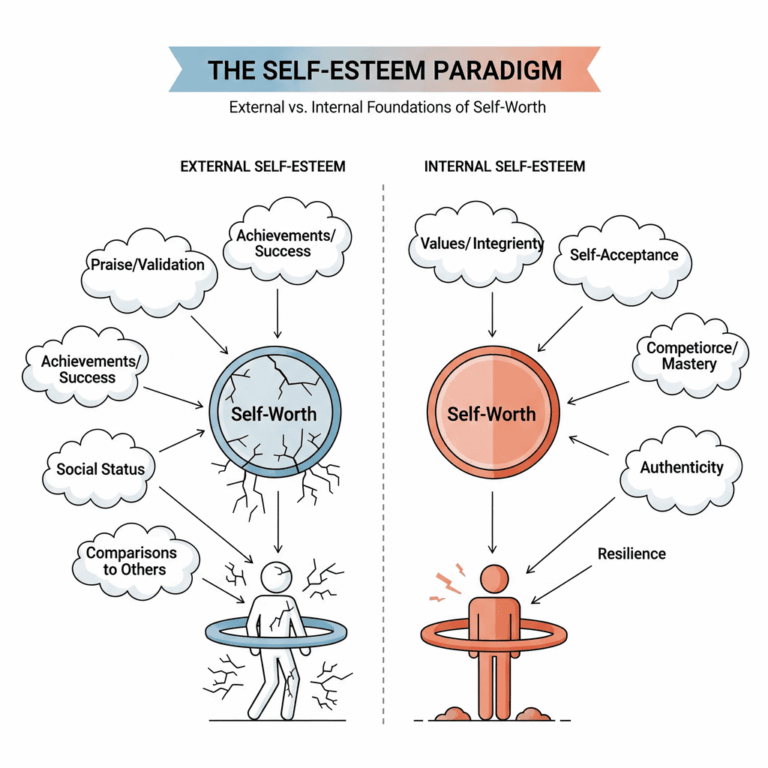
    Many people think of self-esteem as a price tag: something that can be attached, removed, or changed at will. However, The Power of Self-Esteem shows that self-esteem is a paradigm. It is not a ‘status’ suddenly gained through academic achievements, recognition from a boss, or a beautiful face in the mirror.

    Self-esteem grows as a result of how we conduct our daily lives, how we handle problems, interpret failures, and respond to criticism. The paradigm of true self-esteem is founded on responsible action, the courage to be honest with oneself, and the refusal to be trapped by superficial judgments.

    Why is this revolutionary? Because this paradigm breaks the chains of entrapment. If you depend on trophies (which can be lost), or youthful looks (which inevitably fade), your self-esteem will always be fragile. The new paradigm taught in this book urges you to build a foundation of self-value from the inside out—not from the outside in.

    “How do you shift the source of self-esteem from external to internal? Its comprehensive practical framework is only systematically revealed within the book…”
    Read also : GenderSell: How to Sell to the Opposite Sex by Judith C. Tingley Ph.D.

    Commitment to Awareness: The Main Pillar of High Self-Esteem

    There is one standout trait among people with high self-esteem: commitment to awareness, or “the will to understand.” They do not go through life on autopilot. Instead, they choose to live consciously—mindfully—in every action, decision, and interaction.

    This awareness is not just about being alert to the environment. It is the courage to be honest with oneself, to open one’s eyes to the motivations behind decisions, and to welcome feedback from others. People with high self-worth do not seek validation; they seek clarity: Am I progressing according to the goals and values I believe in? If not, what needs to be corrected?

    Why is this important? Because commitment to awareness keeps you “on course.” It is a vital compass in facing challenges and change. When someone loses self-awareness, they are easily trapped in reactive patterns, destructive habits, or even toxic relationships.

    “Techniques for building commitment to awareness, complete with proven daily exercises, are only thoroughly detailed in our exclusive guide…”

    Read also : The Illustrated Art of Manliness: The Essential How-To Guide: Survival, Chivalry, Self-Defense, Style, Car Repair, And More! by Brett McKay

    Authentic Pride: Enjoying Achievements Without Arrogance

    One of the classic pitfalls in the journey of building self-esteem is the confusion between healthy pride and empty arrogance. This book points out that authentic pride arises not from a desire to “prove oneself,” but from the satisfaction that grows after doing what is good and right.

    People with authentic pride will say, “I did what was necessary,” and feel quietly satisfied. They do not need to showcase their achievements or seek bombastic praise. This kind of pride does not come from an “emptiness wanting to be filled,” but from a “fullness longing to be savored.”

    Why is this important? Because authentic pride is a natural shield against feelings of inferiority, failure, and the compulsive urge to outdo others. It fosters a solid self-confidence—without having to sacrifice social relationships, as there is no false competition.

    “How do you distinguish authentic pride from false ego? A series of reflective tests and case studies are available only to those who dig deeper…”


    Avoiding the Trap of External Validation: The Quiet Path to Wholeness

    Oftentimes, people feel the need to please many parties at once—bosses, partners, friends, even “societal standards.” This creates a dilemma: striving to gain approval from one can mean facing rejection from another. If external validation becomes the sole source of self-worth, every rejection feels like a disaster.

    This book invites readers to move beyond that trap. By building inner wholeness, you no longer become a “slave” to popularity, status, or the opinions of the majority. Calmness, confidence, and happiness will grow from within—and endure even when circumstances are less than ideal.

    Why is this transition important? Because it frees you from collective anxiety, the fear of failure, or the worry of “losing face” in public.

    “There are three patterns of self-sabotage that most often keep people trapped in the web of external validation—and the strategies to overcome them are analyzed in depth in the complete version…”


    Conclusion: Embracing Change Before You Choose to Act

    Achieving authentic self-esteem is a journey, not a destination. By letting go of dependence on external validation, nurturing true pride, and committing to a mindful life, you deserve to enjoy inner freedom and meaningful accomplishment.

    However, this knowledge is just the tip of the iceberg. You have now grasped the “what” and “why.” The “how”? That’s where the true magic of transformation lies—and you deserve to experience it today.


    You have just seen the foundation. These concepts are only the tip of the iceberg of what the book has to offer. How do you apply them step by step, avoid common pitfalls, and integrate them into your strategy? All the answers are inside.

    Sign Up and Get Free Access at MentorBuku Now!
  • The Fundamental Secret to an Authentic “Glow Up”: Breaking Through Outdated Paradigms Toward True Transformation. The Mountain is You by Brianna Wiest

    Introduction: Why a “Glow Up” Is Actually Deeper Than You Think

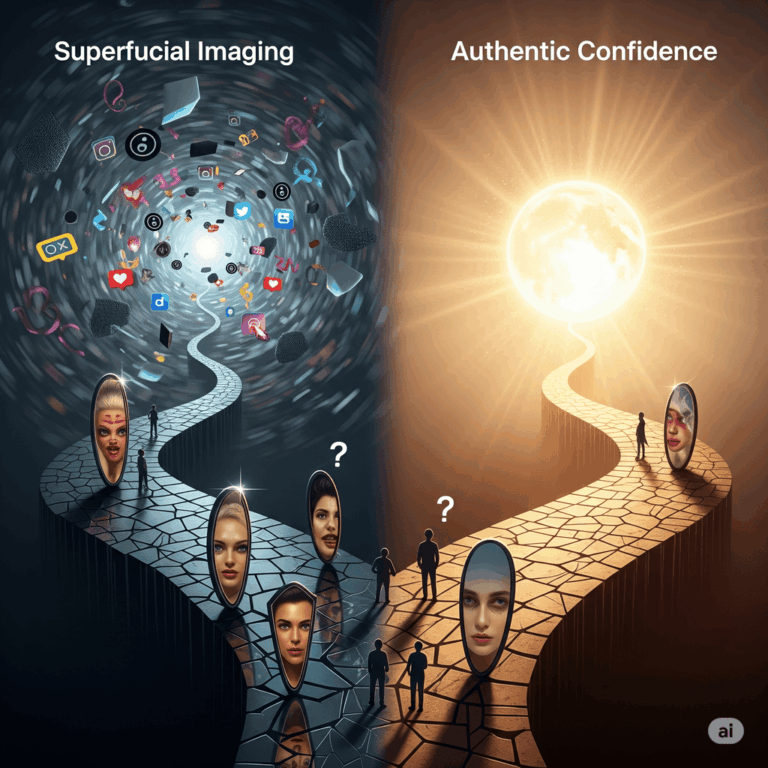
    Everyone craves change. Many of us are obsessed with the “glow up”: a transformation to look more attractive, appear more successful, and simply—gain the world’s validation. However, behind the glitter of this trend, there is one fundamental question: Can external change truly bring inner fulfillment, or does it actually deepen the emptiness within?
    This article will uncover the secrets behind authentic transformation, connecting psychological foundations, the trap of false narratives, and revolutionary steps toward a meaningful life. Uniquely, this is the grand “what” and “why” that will open the path, but the “how” is only available through a deeper exploration. Let’s dig deeper and prepare for a paradigm shift!

    Read also : The Happiest Man on Earth by Eddie Jaku

    Debunking the Myth: Superficial “Glow Up” vs. True Transformation

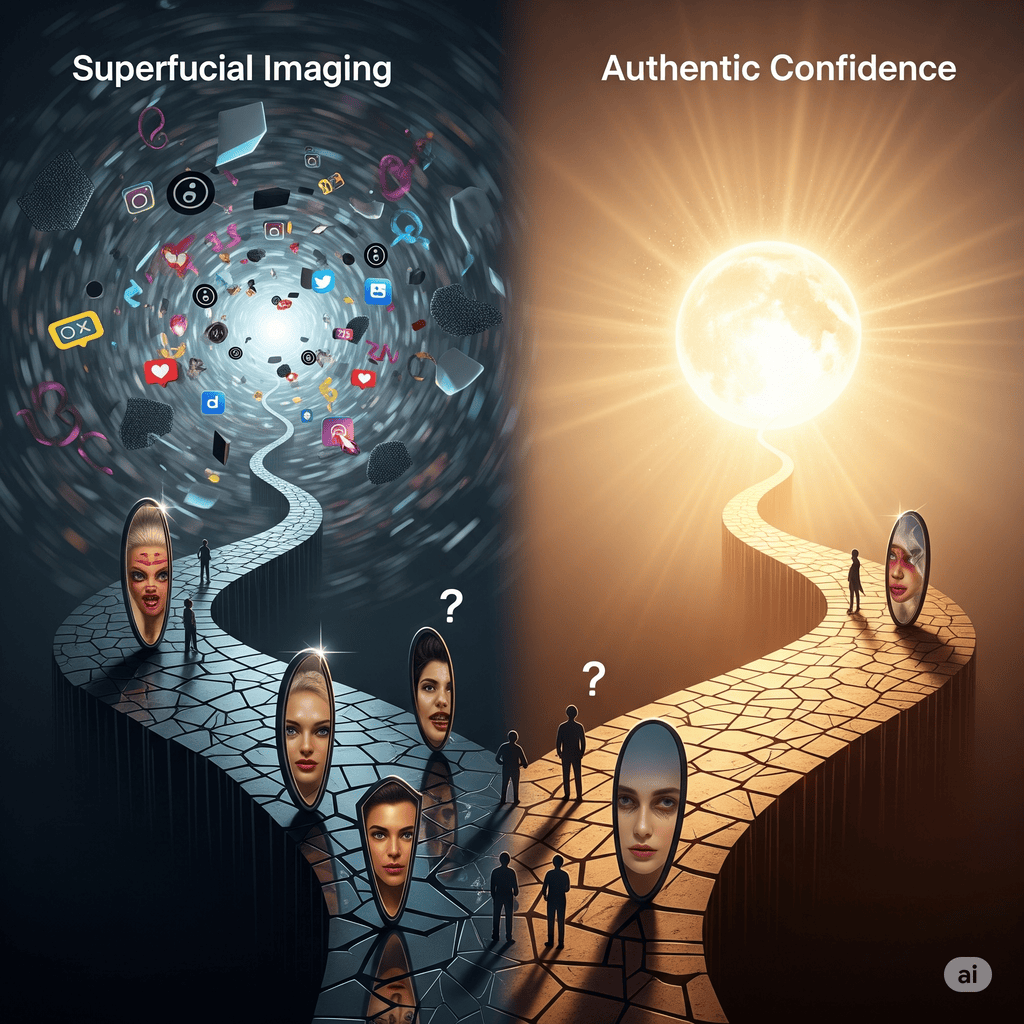
    Often, “glow up” is understood only as a change in appearance. People race to enhance their images on social media, edit photos, cover up flaws, spend a fortune on their looks, and weave narratives that appear happy, while their hearts may remain empty.
    However, according to one of the key insights from the book The Mountain is You, truly meaningful change—an authentic glow up—is not about becoming bigger, smaller, or more beautiful in the eyes of others. True transformation happens when someone dares to “remove all the false layers,” acknowledge their real issues, heal their inner wounds, and prioritize their own heart instead of simply meeting others’ expectations.
    This concept dismantles the culture of “image-building” that prevails today. Anyone can create a better appearance. But if someone becomes so obsessed with proving themselves to others, it often signals an untouched emptiness within.
    The framework for distinguishing between authentic and cosmetic transformation, as well as how to detect whether the changes we pursue truly fulfill our deepest needs, is thoroughly discussed in the book—including warning signs that should not be ignored.
    In-depth techniques and steps to dismantle false narratives in your life and build a genuine “glow up” have been specially crafted in MentorBuku’s exclusive summary…

    Read also : The 5AM Club by Robin Sharma

    Why Old Wounds Hold You Back from Total Transformation

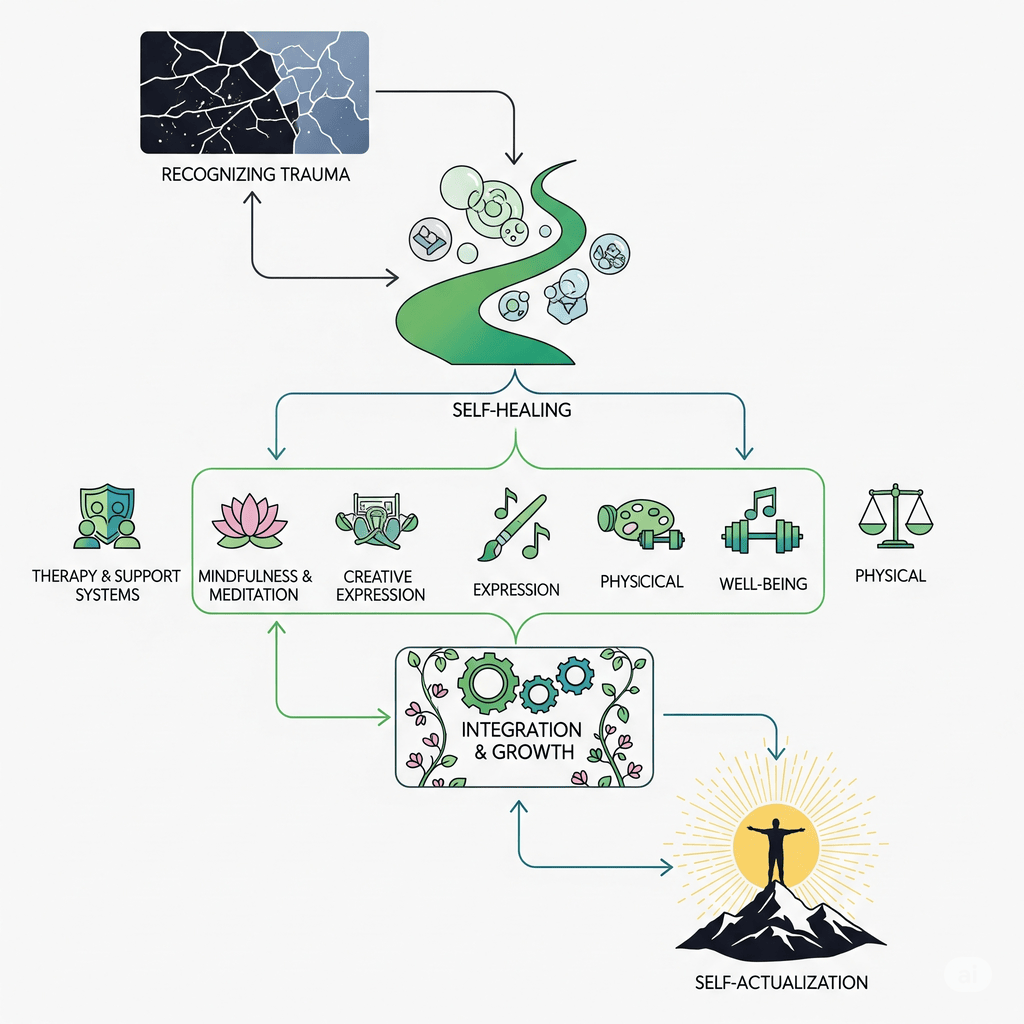
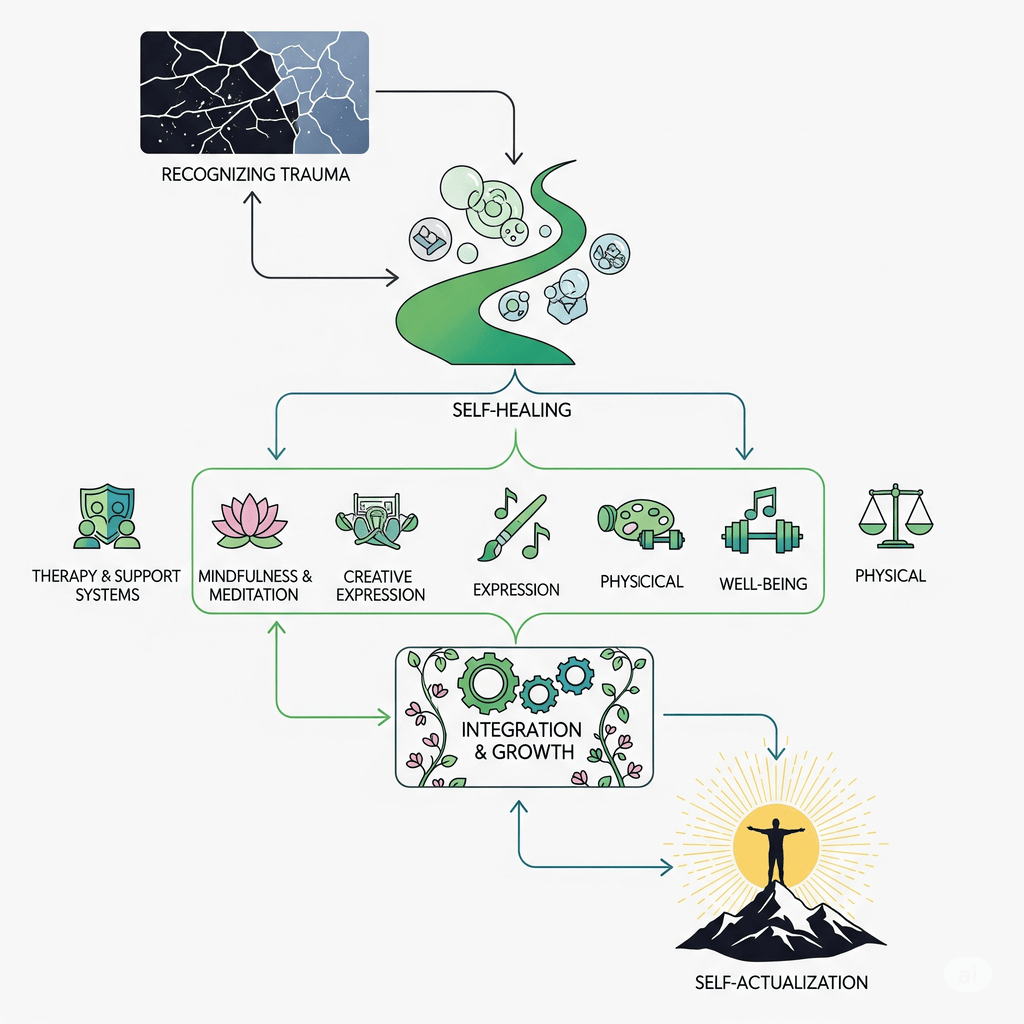
    Every desire for change is often overshadowed by one thing that rarely gets acknowledged—past trauma and psychological wounds. This book dissects the profound impact of trauma on three key brain structures: the amygdala, hippocampus, and prefrontal cortex.
    Because of trauma, the brain stops processing memories fully, emotions become difficult to regulate, and our ability to plan for the future and self-development is hindered. This is the main reason why so many attempts to “start over” end in failure, or feel nearly impossible even with strong determination.
    Understanding this foundation is the revolutionary key: we realize that to “climb the mountain” of life, we must dare to look back, confront old wounds, and process unresolved emotions. Without the courage to manage the remnants of trauma, change becomes nothing more than meaningless outer decoration.
    But what patterns of self-sabotage arise from this trauma? How can we distinguish spontaneous emotions from old patterns that hold you back? All the identification techniques and ways to navigate these challenges are specifically outlined in the in-depth chapters of this book.
    A complete framework for recognizing the traces of trauma and strategies for overcoming it can only be found in MentorBuku’s exclusive guide…


    Accessing Your Future Self: Revolutionary Practice to Break Through Old Limits

    Interestingly, the author introduces a unique introspective technique: meeting your “future self” in a structured meditation. The process is more than visualization; it’s a profound experience to break free from fears that are always rooted in past experiences.
    In the early stages, you are invited to sit quietly, meditate, and then imagine conversing with the most ideal, enlightened version of your “self.” Interestingly, at first, “fear” often disguises itself in the initial visualization. However, the author emphasizes that if you dare to push past this and open up, you can receive extraordinary messages from your future self—a roadmap to authentic transformation.
    This practice may seem simple, but it is incredibly deep. By overcoming fear and greeting your future, you free yourself from the traps of old thinking. You begin to carve out a new path that truly originates from your greatest potential, not from trauma or the expectations of those around you.
    What important messages commonly emerge from the “future self?” How can you make this session truly effective and not just empty imagination? All its secrets—including journaling formats, advanced visualization techniques, and the steps of integration—are fully explained in MentorBuku’s in-depth discussion.
    A detailed template and step-by-step guide for the ‘meeting your future self’ session can be found exclusively through MentorBuku’s internal resources…


    Putting Your Own Heart First—A New Paradigm for Authentic Happiness

    The most fundamental point of all these discussions is the courage to prioritize your own heart. In a world increasingly burdened by social pressures, we often care more about “how others judge us” than “what truly feels right in our hearts.”
    Why is this so important? Because as long as the direction of our lives is dictated by external expectations, all change will only repeat old patterns: chasing validation while still feeling empty. True transformation requires a radical decision: to prioritize conscience, follow your heart, and stop measuring yourself by external standards.
    But how do you take the first step to put your heart first amid real world demands? How can you establish healthy boundaries without feeling guilty or worrying about being labeled selfish? Practical answers and vital keys to inner freedom have been compiled in detail in MentorBuku’s mentoring program.
    Practical guides and daily routines for building the courage to prioritize your heart are available exclusively in official MentorBuku sources…


    Conclusion—The Path to True Transformation Is Right in Front of You

    By gaining a deep understanding of authentic “glow up,” you’re now able to distinguish between change that brings meaning and mere illusion. Recognizing the impact of trauma on the brain and on life, as well as daring to have conversations with your “future self,” results in a small revolution with profound effects. All of this leads to one thing: the decision to begin the journey inward, listen to your own heart, and go far beyond mere appearances.
    However, if you want practical strategies, daily templates, and step-by-step action frameworks—all of that is only available in MentorBuku’s exclusive collection of guides, summaries, and e-books. Don’t let true transformation remain just a discourse; it’s time to open the gateway to your transformation now.

    Also read: The One Thing by Gary W. Keller, Jay Papasan

    You’ve just seen the foundation. These concepts are only the tip of the iceberg of what this book has to offer. How do you implement them step by step, avoid common pitfalls, and integrate them into your strategy? All those answers are inside.
    Sign up and Get Free Access on MentorBuku Now!

  • Rahasia Fundamental “Glow Up” Otentik: Menerobos Paradigma Usang Menuju Transformasi Sejati. The Mountain is You by Brianna Wiest

    Pendahuluan: Mengapa “Glow Up” Sebenarnya Lebih Dalam dari yang Anda Kira

    Setiap orang mendambakan perubahan. Banyak dari kita terobsesi dengan “glow up”: transformasi untuk terlihat lebih menarik, tampak lebih sukses, dan sederhana—mendapatkan validasi dunia. Namun, di balik gempita tren ini, ada satu pertanyaan fundamental: Apakah perubahan luar bisa benar-benar memberi kepuasan batin, atau justru menambah kekosongan dalam diri?

    Artikel ini akan membongkar rahasia di balik transformasi otentik, menghubungkan fondasi psikologis, jebakan narasi palsu, hingga langkah revolusioner menuju hidup penuh makna. Dan uniknya, inilah “apa” dan “mengapa” besar yang akan membuka jalan, namun “bagaimana”-nya hanya tersedia dalam penjelajahan penuh yang lebih mendalam. Mari kita gali lebih dalam dan bersiap untuk perubahan paradigma!


    Baca juga : The Happiest Man on Earth by Eddie Jaku

    Membedah Mitos: “Glow Up” yang Semu Vs. Transformasi Sejati

    Seringkali, “glow up” hanya dipahami sebagai perubahan penampilan. Orang berlomba-lomba memperindah citra di media sosial, mengedit foto, menutup kekurangan, membeli penampilan dengan biaya mahal, dan menenun narasi yang tampak bahagia, padahal hati mereka mungkin tetap kosong.

    Padahal, menurut salah satu insight penting dari buku The Mountain is You, perubahan yang benar-benar bermakna—glow up otentik—bukan soal menjadi lebih besar, lebih kecil, atau lebih cantik di mata orang lain. Transformasi sejati justru terjadi saat seseorang berani “melepas semua lapisan palsu”, mengakui masalah yang sebenarnya, menyembuhkan luka batin, dan memprioritaskan hati sendiri daripada sekadar mengikuti harapan orang lain.

    Konsep ini membongkar budaya “pencitraan” yang marak terjadi. Siapa pun memang bisa menciptakan tampilan yang lebih baik. Namun jika seseorang begitu terobsesi membuktikan dirinya pada orang lain, seringkali itu pertanda ada kekosongan yang belum tersentuh di dalam diri.

    Kerangka kerja untuk membedakan antara transformasi otentik dan kosmetik, serta cara mendeteksi apakah perubahan yang kita kejar benar-benar memenuhi kebutuhan terdalam, dibahas tuntas di dalam buku—termasuk sinyal-sinyal yang tak boleh diabaikan.

    Teknik dan langkah mendalam untuk membongkar narasi palsu dalam hidup Anda serta membangun “glow up” sejati sudah dirancang khusus dalam rangkuman eksklusif MentorBuku…


    Baca juga : The 5AM Club by Robin Sharma

    Mengapa Luka Lama Menahan Anda dari Perubahan Menyeluruh

    Setiap keinginan akan perubahan seringkali dibayangi satu hal yang jarang diakui—trauma masa lalu dan luka psikologis. Buku ini membedah dampak luar biasa trauma pada tiga struktur utama otak: amygdala, hippocampus, dan prefrontal cortex.

    Akibat trauma, otak berhenti memproses memori dengan utuh, emosi menjadi sulit diatur, serta kemampuan merancang masa depan dan pengembangan diri ikut tersendat. Inilah penyebab utama mengapa banyak upaya “memulai lagi” gagal total, atau terasa sulit didekati meski tekad sudah kuat.

    Memahami fondasi ini adalah kunci revolusioner: kita menyadari bahwa untuk “naik gunung” kehidupan, harus berani menoleh ke belakang untuk menghadapi luka dan memproses emosi yang tertinggal. Tanpa keberanian mengelola sisa-sisa trauma, perubahan hanya akan menjadi hiasan luar tanpa makna dalam.

    Namun, apa saja pola sabotase diri yang muncul akibat trauma ini? Bagaimana membedakan emosi yang muncul spontan dari pola lama yang menahan diri Anda? Semua teknik identifikasi dan navigasinya diuraikan secara spesifik di bab-bab mendalam buku ini.

    Kerangka kerja komplet tentang cara mengenali jejak trauma dan strategi mengatasinya hanya ada di dalam panduan eksklusif MentorBuku…


    Mengakses Sisi Masa Depan Anda: Latihan Revolusioner Menembus Batas Diri Lama

    Menariknya, penulis memperkenalkan sebuah teknik introspeksi unik: bertemu dengan “diri masa depan” dalam sebuah meditasi yang terstruktur. Prosesnya bukan sekadar visualisasi, tapi sebuah pengalaman mendalam untuk mendobrak pola ketakutan yang selalu datang dari pengalaman masa lalu.

    Di tahap awal, Anda diajak duduk tenang, bermeditasi, lalu membayangkan sedang berbincang dengan “diri sendiri” dalam versi paling ideal dan tercerahkan. Menariknya, seringkali “ketakutan” bertopeng dalam visualisasi awal. Namun, penulis menekankan, bila Anda berani melewatinya dan membuka diri, Anda bisa mendapat pesan luar biasa dari diri masa depan—peta jalan transformasi otentik.

    Latihan ini terasa sederhana tapi sangat dalam. Dengan menundukkan ketakutan dan menyapa masa depan, Anda membebaskan diri dari jebakan pikiran lama. Anda mulai meretas jalan baru yang benar-benar berakar pada potensi terbaik, bukan trauma atau ekspektasi sekitar.

    Apa saja pesan penting yang biasa muncul dari “diri masa depan”? Bagaimana membuat sesi ini benar-benar efektif dan bukan sekadar imajinasi kosong? Semua rahasianya—termasuk format jurnal, teknik visualisasi lanjutan, serta tahap integrasinya—tersedia secara lengkap dalam pembahasan lanjutan MentorBuku.

    Template rinci dan langkah demi langkah sesi bertemu ‘diri masa depan’ bisa Anda temukan secara eksklusif melalui sumber internal MentorBuku…


    Mendahulukan Hati Sendiri—Paradigma Baru untuk Kebahagiaan Otentik

    Poin paling fundamental dari semua pembahasan adalah keberanian untuk memprioritaskan hati sendiri. Dalam dunia yang kian penuh tekanan sosial, seringkali kita lebih peduli dengan “bagaimana orang lain menilai” daripada “apa yang benar-benar terasa baik di hati”.

    Mengapa ini sangat penting? Karena selama arah hidup kita ditentukan oleh ekspektasi luar, semua perubahan hanya akan mengulang pola lama: memburu validasi namun tetap merasa hampa. Transformasi sejati butuh keputusan radikal: mengutamakan nurani, mengikuti kata hati, dan tak lagi mengukur diri dengan standar luar.

    Namun, bagaimana memulai langkah pertama untuk memprioritaskan hati, di tengah tuntutan dunia nyata? Bagaimana cara menetapkan batasan sehat tanpa rasa bersalah atau khawatir dicap egois? Jawaban praktis dan kunci-kunci penting menuju kebebasan batin telah disusun secara detail dalam program mentoring MentorBuku.

    Panduan praktis dan rutinitas harian membangun keberanian memprioritaskan hati akan Anda temukan khusus di sumber resmi MentorBuku…


    Konklusi—Jalur Transformasi Sejati Ada di Depan Mata

    Melalui pemahaman mendalam tentang “glow up” otentik, Anda sudah mampu membedakan mana perubahan yang membawa makna dan mana sekadar ilusi. Menyadari dampak trauma pada otak dan hidup, serta berani bercakap dengan “diri masa depan”, merupakan revolusi kecil namun berdampak luar biasa. Semua ini bermuara pada satu hal: keputusan untuk mulai menapaki jalan ke dalam, mendengar suara hati sendiri, dan melangkah jauh melampaui sekadar pencitraan.

    Namun, jika Anda ingin strategi praktis, template harian, dan kerangka aksi langkah demi langkah—semua itu hanya dapat Anda temukan dalam koleksi panduan, rangkuman, dan e-book eksklusif MentorBuku. Jangan biarkan perubahan sejati hanya sebatas wacana, waktunya membuka pintu gerbang transformasi Anda sekarang juga.

    Baca juga : The One Thing by Gary W. Keller,Jay Papasan


    Anda baru saja melihat fondasinya. Konsep-konsep ini hanyalah puncak gunung es dari apa yang ditawarkan buku ini. Bagaimana cara menerapkannya langkah demi langkah, menghindari jebakan umum, dan mengintegrasikannya ke dalam strategi Anda? Semua jawaban itu ada di dalam.

    Daftar dan Dapatkan Akses Gratis di MentorBuku Sekarang!


  • Find Strength Within: Achieving Success Through Self-Awareness. Get Epic Shit Done by Ankur Warikoo

    We often hear the saying, “When the student is ready, the teacher will appear.” This simple sentence speaks volumes about the importance of readiness in acquiring knowledge and wisdom. Through understanding and self-awareness, we can explore the limitless potential within ourselves. This article delves into how self-awareness can be a catalyst for greater success in our lives.

    The Importance of Self-Awareness

    Self-awareness is not just about knowing our strengths and weaknesses. It is an ongoing process in which we reflect on our experiences, emotions, and reactions to various situations. By understanding who we are and what we want, we can better direct our lives. Self-awareness leads us to a deeper understanding of our life goals and mission.

    Why is Self-Awareness So Important?

    1. Helps in Facing Challenges: When confronted with difficulties, self-aware individuals tend to be better at analyzing situations and determining appropriate steps. They do not just react; they prefer to respond with wisdom.
    2. Enhances Relationships: By becoming more aware of our emotions and reactions, we can communicate more effectively. This creates deeper and more authentic relationships with others.
    3. Continuous Personal Development: Self-awareness encourages us to keep learning and growing. It triggers a healthy curiosity that will lead us toward greater success.

    But building self-awareness is not an instant process. There are various practical steps and techniques that can be applied, which are discussed further in the book we recommend.

    Read also : No-Drama Discipline: The Whole-Brain Way to Calm the Chaos and Nurture Your Child’s Developing Mind by Daniel J Siegel

    Creating Personal Standards

    One valuable lesson told in an anecdote about a sculptor is the importance of having personal standards. When a student sees a beautiful statue that has some minor damage, he is amazed by its beauty. However, the sculptor destroys the statue because he is not satisfied with his self-imposed standards—something that may not be visible to others but is important to him.

    Why You Should Have Personal Standards?

    1. Encourages Quality and Integrity: When you set high standards for yourself, you strive to deliver the best results in every action.
    2. Maintains Consistency: By having clear standards, you can be more consistent in your life goals and decisions.
    3. Inspires Others: When people see you committed to your standards, they may be inspired to pursue their own goals in the same way.

    Skills and techniques on how to set and maintain personal standards will be discussed in more detail in our recommended book…

    Placeholder Visual:

    Read also : Atomic Habits by James Clear

    Facing Uncertainty

    One of life’s biggest challenges is uncertainty. In critical moments, finding clarity through self-awareness can help you stay on track until you achieve your goals. When difficulties strike, it’s important to understand that every experience is an opportunity to learn.

    Why Is Facing Uncertainty Important?

    1. Developing Resilience: The ability to endure and stay focused amidst challenges is a crucial life skill. It will prepare you to face the future more effectively.
    2. Creating Independence: Self-awareness helps us become more independent in making decisions and facing risks.
    3. Gaining Valuable Insights: Experiences, even the toughest ones, often bring valuable lessons that can only be learned by understanding our situations well.

    However, some effective strategies for facing this uncertainty are detailed in our book…

    Placeholder Visual:


    Read also : The Intelligent Investor by Benjamin Graham

    Conclusion

    Self-awareness is an incredibly valuable tool in achieving true success. By understanding ourselves, reaching personal standards, and facing uncertainty, we pave the way to our true potential. Creating this awareness is not easy, but the journey will surely yield remarkable results.

    You have just seen the foundation. These concepts are just the tip of the iceberg of what this book offers. How to apply them step by step, avoid common pitfalls, and integrate them into your strategy? All the answers can be found within.

    Register and Get Free Access on MentorBuku Now!

  • Beyond the Limits of Logic: 3 Essential Social Skills Pillars for Analytical Thinkers. “People Skills for Analytical Thinkers” by Gilbert Eijkelenboom

    Written by
    mentorbuku
    in
    Social Skills, Self-Development, Business Psychology, Professional Soft Skills

    Uncovering the Gap Between Logic and Social Reality
    Analytical thinkers are known as outstanding problem-solvers, experts at unraveling tangled data, and adept at building solid, logical arguments. Ironically, however, amidst the tidal wave of information and in team-based workplaces, logical thinking alone is no longer enough to ensure personal and professional success. There’s a major “blindspot”: social skills.

    Why do so many intelligent professionals find themselves caught up in conflict, friction during meetings, or feel disconnected from their teams? Is it true that logical abilities can actually backfire when navigating a social landscape full of emotional nuance and competing interests? If you’ve ever felt like an “alien” in a meeting or struggled to influence others without triggering defensiveness—you’re not alone.

    This article serves as your gateway to understanding why social skills are key leverage for analytical thinkers, and beyond that, introduces three rarely-taught yet crucial pillars of social interaction skills. However, in the spirit of the “Strategic Teaser” philosophy, you’ll only find the “why” and the “what” here. For a concrete framework for implementation, there’s one critical step you’ll have to take at the end of this article.

    First Pillar: Leaving the Complaint Zone—Adopting a Solution-Oriented Mindset

    One of the most common traps for analytical thinkers is the tendency to focus on problems—analyze, critique, identify gaps, and then stop there. This often results in “spreading complaints” in the workplace. In fact, organizational behavior research shows that energy focused on complaints is not only unproductive but also lowers team morale and diminishes your personal influence.

    However, the book “People Skills for Analytical Thinkers” offers a new perspective: Choose the harder—but more beneficial—path, which is to shift the habit of complaining into an active drive to improve situations. How is this done? It starts by activating the “rational brain”—also known as the “elephant rider,” capable of channeling emotional impulses toward constructive change. Is it easy? Of course not. But this is the hallmark of professional maturity and advanced social skills.

    The full framework for transforming from complainer to problem solver is thoroughly dissected in this book, complete with case studies and reflective exercises. If you want specific guidance on how to resist the urge to complain and turn it into solution initiatives, the entire blueprint is available at MentorBuku, waiting for you to delve deeper…

    Second Pillar: Managing Emotional Dynamics—“Riding the Elephant Within”

    This illustration will feel familiar: you’ve crafted a logical argument, prepared solid data, but conflicts still arise in meetings. Why does this happen? Because in social interactions, emotions play the role of a large “elephant” not easily controlled by rational explanations alone. The book uses the “elephant and rider” metaphor: where the emotional brain often dominates, and the rider (the rational mind) must struggle to steer the “elephant.”

    For analytical thinkers, understanding and managing this dynamic is at the core of advanced social skills. Emotions shouldn’t be seen as the enemy of logic but need to be leveraged to support your mission, goals, and long-term relationships. How do you recognize when the “elephant” is getting out of control, and what techniques calm it—both in yourself and others? The book delves into five main techniques and three common pitfalls that almost always appear when managing emotional interactions. If you want to turn conflict into collaboration and have your logic accepted rather than emotionally rejected, the key steps are available exclusively in MentorBuku’s summaries.

    Advanced strategies, including internal dialogue and “reframing” techniques, are ready to be explored if you truly want to master the art of riding the “elephant” of communication…

    Third Pillar: Honest Communication Without Damaging Relationships—Balancing Transparency and Diplomacy

    One classic mistake analytical thinkers make is equating honesty with “brutal directness.” In reality, in dynamic environments, being too blunt can trigger defensiveness and damage trust. On the other hand, being too “subtle” can weaken your message and cause confusion.

    The book “People Skills for Analytical Thinkers” emphasizes the importance of “constructively honest” communication—that is, having the courage to deliver tough messages while maintaining positive expectations and healthy professional relationships. You’ll be guided to explore a communication model that places transparency and empathy on opposite sides of the scale. Communication here is not just about delivering facts, but about effecting attitude change without causing resistance.

    Precisely how do you construct honest communication that isn’t destructive? How do you differentiate between honest, confrontational, and manipulative communication? All the step-by-step illustrations, exercises, and real dialogues have been compiled into a practical guide in MentorBuku’s exclusive materials.

    Three common mistakes that hinder open communication, as well as seven ready-to-use framework sentences for the workplace, are part of a secret toolkit you’ll only access once you become a member.

    Fourth Pillar: Negotiating Boundaries Effectively—Preserving Your Core Energy

    Often, analytical thinkers feel overwhelmed because they can’t say “no,” or get dragged into conflict for failing to set clear boundaries. This is the main source of chronic stress, overwork, and burnout in high-pressure professional environments. Assertiveness in social interaction—the ability to set boundaries clearly and gracefully—is a life skill that’s sorely needed.

    How do you set boundaries without offending? What’s the “mini-negotiation” formula that earns respect for your boundaries, rather than provoking questions or pushback? The book explores several reliable strategies, from mapping personal energy zones to practicing micro-negotiations during meetings and projects.

    However, the art of boundary negotiation is more than just saying “no.” There is a language pattern, timing, and response technique that you’ll only master by thoroughly studying the examples. Negotiation templates, conversation scripts, and personal reflection exercises to build your assertiveness muscle can only be mastered after exploring the full content on MentorBuku.

    The most critical part of this process is included in the self-evaluation checklist and case simulations never taught in conventional training…

    Conclusion: Daring to Go Beyond “Just” Smart, Toward Deep-Rooted Influence

    This article may well shake up your old beliefs: that logical intelligence alone is insufficient to navigate the modern workplace. The key pillars of social skills—ceasing to complain, managing emotions, honest communication, and boundary negotiation—are absolutely vital assets for analytical thinkers. But don’t be mistaken: knowing the “what” and the “why” is only the beginning.

    Consider the following analogy: You now have a treasure map, but only the overview. The real treasure—the action framework, transformative exercises, practical scripts, and case studies—is neatly stored behind a single gate of knowledge. Don’t be content to remain on the brink of discovery. It’s time to take a step further, and turn your social skills into your winning weapon.

    This article is just the spark. To ignite the fire of your career or business transformation, you need the full fuel. Get unlimited access to hundreds of the world’s best book summaries you can consume in minutes. Start your journey by subscribing now at https://mentorbuku.com.

  • Unveiling the 4 Psychological Pillars for True Life Mastery (Why ‘Master Your Emotions’ by Thibaut Meurisse Will Change the Way You See the World)

    Written by
    mentorbuku
    in
    Books & Book Summaries, Mental Health, Self-Development, Psychology, Life Strategies

    Why Do Emotions Always Linger in Our Lives?

    Have you ever felt controlled by your own mood, as if there’s an invisible remote dictating your daily decisions? Every human being, without exception, is emotional first before becoming rational. This is not just a mantra echoed by popular psychologists; modern brain science has proven that emotions often act faster than logic. Yet, why do so many of us feel trapped in cycles of negative emotions and find it hard to discover a way out?

    “Master Your Emotions” by Thibaut Meurisse offers a radical insight: your internal habits—your deeply ingrained emotional identity—are often the root of the problem. This book lays out simple science and modern techniques to escape destructive thought patterns and redesign your quality of life. But are you ready to embrace a philosophy that will challenge the core of your self-perception?

    In this article, we’ll break down four strategic pillars from the book that can flip the dominance of negative emotions into powerful engines of growth. One important note: we won’t reveal the detailed “how-to”—the strategic execution secrets are available exclusively via MentorBuku’s subscription. Curious? Start by understanding the ‘WHAT’ and the ‘WHY’.


    Pillar #1: Unpacking Emotional Identity—Why Have You Been Stuck All This Time?

    Everyone carries an ‘emotional identity’ shaped from childhood—a part of your “self” you’ve believed in for years. This identity is a catalog of roles, expectations, beliefs, and layers of values you’ve accumulated throughout your life, mostly unconsciously. Ironically, that identity often forms an invisible prison: you feel you must react to external events in certain, preset ways.

    Thibaut Meurisse highlights just how powerful these identity biases are in hijacking our modern emotional system. When things don’t go as expected, your old “self”—shaped by past wounds, ego, or limitations—immediately takes over, usually with automatic responses: anger, disappointment, anxiety, or withdrawal. This is the root of repetitive negative cycles that make life feel stagnant or full of drama.

    Recognizing the source of your emotional identity is the first step to freeing yourself from that ‘invisible remote’. But how do you let go and unpack those deeply buried layers of identity? The complete framework—including key techniques to separate ‘who you are’ from ‘what you feel’—is explained in detail in the original book and revealed systematically only on MentorBuku…


    Pillar #2: The Power of Visualization—Replacing Negative Patterns with a New Reality

    Many people think visualization is just cheap motivational advice—simply fantasizing about success without action. However, modern science proves that visualization is more than daydreaming. The brain struggles to distinguish between real experiences and highly detailed mental imagery: this is why elite athletes and world-class CEOs use visualization every day.

    Meurisse proposes a much deeper approach to visualization: instead of merely projecting future wishes, you can train your brain to intensely relive moments of peace, relief, and accomplishment. If undertaken technically and structurally, this process can rewire emotional circuits so the brain is more easily “anchored” to calmness rather than stress or failure.

    Imagine being able to switch off the “negative” light and turn on the “positive projector” at any time. However, the step-by-step secrets to powerful visualization—including the difference between “rote visualization” and “emotional immersion”, as well as the best times to practice—are only available in MentorBuku’s advanced strategies…


    Pillar #3: Managing Intrusive Thoughts—Logic Is Not Always the Answer

    Often, we chase logical solutions for negative emotions: finding “reasons”, giving ourselves advice, or drowning in overthinking. Yet, according to Meurisse, many intrusive thoughts are merely ‘symptoms’ of an under-processed emotional system. Trying to “fix” emotions by thinking can actually prolong the suffering—it’s like adding fuel to a fire.

    What’s rarely realized is that destructive thoughts often arise because your nervous system is already “on edge” from lingering emotional residue. So, the real solution isn’t just about calming the mind, but addressing the root—the physiological and emotional state that gives rise to those thoughts.

    Managing intrusive thoughts requires a training system that combines acceptance, refocusing, and structured mind-body interventions. These revolutionary techniques, complete with “case examples” and daily application checklists, are exclusive material from MentorBuku…


    Pillar #4: Breaking Free from Negative Drama—The Science of Letting Go

    People often feel that “letting go” of negative feelings is a sign of weakness, or even a failure. But Meurisse actually calls letting go the highest skill in emotional maturity. Instead of suppressing, denying, or judging bad emotions, you are invited to consciously embrace and release them—until the energy of those emotions dissipates naturally.

    This is science, not just philosophy. Recent studies show that proper letting go is a transformative catalyst for the immune system, mental health, and even work performance. However, there’s a trap: letting go does not mean giving up, nor is it about ignoring or just “getting used to” suffering.

    Releasing negative emotions is a gradual process—consisting of several phases, from recognizing physical sensations and naming specific emotions to integrating personal meaning. At MentorBuku, we break down the stages of letting go in detailed and practical terms, along with exercises and crucial precautions you MUST understand before trying it in real life…


    Epilogue: The Road to Emotional Freedom Is in Front of You—Are You Ready to Step into the ‘How’?

    The four pillars above merely unveil the mystery of why most people are stuck in cycles of sluggish emotions, prolonged anxiety, and endless drama. In “Master Your Emotions”, Thibaut Meurisse not only exposes the root causes but also provides a blueprint to break free. Still, like a gateway to knowledge, the key to transformation lies in your willingness to put it into practice.

    Are you ready to take this journey further? The techniques, training templates, and in-depth case studies—that set apart those who remain stagnant from those who grow extraordinarily—are available only through a MentorBuku subscription.

    You’ve just seen the foundation. But how do you build the skyscraper? All the strategies, detailed steps, and case studies from this book have been thoroughly reviewed. Don’t just know ‘what’, master the ‘how’ by subscribing to https://mentorbuku.com.

  • Melampaui Batas Logika: 3 Pilar Keterampilan Sosial Esensial bagi Pemikir Analitis. “People Skills for Analytical Thinkers” by Gilbert Eijkelenboom


    Menguak Kesenjangan antara Logika dan Realitas Sosial

    Para pemikir analitis dikenal sebagai pemecah masalah ulung, ahli mengurai benang kusut data, dan mahir membangun argumen logis nan solid. Namun, ironisnya, di tengah derasnya gelombang informasi dan ruang kerja berbasiskan kerja tim, justru kemampuan berpikir logis saja tidak cukup untuk memastikan kesuksesan personal dan profesional. Ada satu “blindspot” besar: keterampilan sosial.

    Mengapa begitu banyak profesional cerdas yang mendapati diri mereka terjebak dalam konflik, friksi di rapat, atau malah merasa tidak benar-benar “terhubung” dengan tim? Apakah benar, kemampuan berlogika malah menjadi bumerang saat harus menavigasi lanskap sosial yang penuh nuansa emosi dan kepentingan? Kalau Anda pernah merasa seperti “alien” dalam rapat, atau kesulitan mempengaruhi orang lain tanpa memicu defensif—Anda bukan satu-satunya.

    Artikel ini akan menjadi pintu gerbang bagi Anda untuk memahami mengapa keterampilan sosial menjadi pengungkit utama bagi para pemikir analitis, dan lebih dari itu, memperkenalkan tiga “pilar” keterampilan sosialisasi yang jarang diajarkan namun krusial. Namun, sebagaimana filosofi “Strategic Teaser”, Anda hanya akan menemukan “mengapa” dan “apa”-nya di sini. Untuk kerangka penerapannya secara konkret, ada satu langkah kritis yang harus Anda lakukan di bagian akhir artikel ini.

    Pilar Pertama: Meninggalkan Zona Keluhan—Mengadopsi Pola Solusi

    Salah satu perangkap paling umum bagi para pemikir analitis adalah kecenderungan terfokus pada masalah—analisa, kritisi, identifikasi celah, lalu berhenti di situ. Tidak jarang hal ini berujung pada “menyebar keluhan” di lingkungan kerja. Padahal, menurut penelitian perilaku organisasi, energi yang difokuskan pada keluhan bukan saja tidak produktif, tetapi juga menurunkan moral tim serta peluang pengaruh personal Anda.

    Namun, buku “People Skills for Analytical Thinkers” menawarkan sebuah perspektif baru: Pilih jalur lebih sulit—namun lebih bermanfaat—yaitu mengalihkan kebiasaan mengeluh menjadi dorongan aktif untuk memperbaiki situasi. Bagaimana caranya? Dimulai dengan mengaktifkan “otak rasional”—disebut juga sebagai sang “jokinya gajah”, yang mampu mengarahkan dorongan emosional ke arah perubahan yang konstruktif. Apakah mudah? Tentu saja tidak. Tapi inilah penanda kedewasaan profesional dan keterampilan sosial tingkat tinggi.

    Kerangka lengkap langkah-langkah transformasi dari pengeluh menjadi problem solver dibedah tuntas dalam buku ini, lengkap dengan studi kasus dan latihan reflektif. Jika Anda ingin tahu secara spesifik bagaimana menahan dorongan keluhan dan mengubahnya menjadi inisiatif solusi, seluruh blueprint-nya tersedia di MentorBuku, menunggu untuk didalami lebih lanjut…

    Pilar Kedua: Mengelola Dinamika Emosi—“Menunggangi Gajah dalam Diri”

    Ilustrasi ini akan terasa familiar: Anda sudah merancang argumentasi logis, menyiapkan data valid, namun pertengkaran tetap terjadi di rapat. Mengapa demikian? Karena dalam interaksi sosial, emosi berperan seperti “gajah” besar yang tidak mudah dikendalikan hanya dengan penjelasan rasional. Buku ini mengambil metafora “gajah dan penunggang” (elephant and rider): di mana otak emosional kerap mendominasi, dan penunggang (rasional) harus berjuang mengarahkan “gajah”.

    Bagi pemikir analitis, memahami dan mengelola dinamika ini adalah inti dari keterampilan sosial tingkat lanjut. Emosi tidak semestinya dianggap sebagai musuh logika, namun perlu dielaborasi agar mendukung misi, target, dan hubungan jangka panjang. Bagaimana cara mengenali kapan “gajah” mulai liar, dan teknik menenangkannya—baik dalam diri sendiri maupun orang lain? Buku ini mengupas tuntas lima teknik utama dan tiga jebakan yang hampir selalu muncul saat mencoba mengelola interaksi emosional. Jika Anda ingin mengubah konflik jadi kolaborasi dan membuat logika Anda diterima, bukan ditolak secara emosional, tahap-tahap kuncinya tersedia secara eksklusif di rangkuman MentorBuku.

    Strategi lanjutan, termasuk dialog internal dan teknik “reframing”, siap untuk dieksplor jika Anda benar-benar ingin menguasai seni menunggang “gajah” komunikasi…

    Pilar Ketiga: Komunikasi Jujur tanpa Merusak Hubungan—Menyeimbangkan Transparansi dan Diplomasi

    Salah satu kekeliruan tradisional pemikir analitis adalah menyamakan kejujuran dengan “menghantam langsung”. Padahal, dalam lingkungan dinamis, terlalu frontal bisa memicu defensif dan merusak kepercayaan. Di sisi lain, terlalu “halus” membuat pesan tidak mengena dan membuka celah kebingungan.

    Buku “People Skills for Analytical Thinkers” menekankan pentingnya komunikasi “jujur secara konstruktif”—yaitu keberanian menyampaikan pesan sulit, namun tetap menjaga harapan positif dan hubungan profesional sehat. Anda diajak mengeksplorasi model komunikasi yang menempatkan transparansi dan empati di dua sisi timbangan. Di sini, komunikasi bukan sekadar menyampaikan fakta, tapi menciptakan perubahan sikap tanpa menimbulkan resistensi.

    Persisnya bagaimana formula membangun komunikasi jujur yang tidak destruktif? Bagaimana membedakan antara komunikasi jujur, konfrontatif, dan manipulatif? Semua tahap demi tahap ilustratif, latihan, dan dialog nyata telah dirangkum menjadi panduan praktis dalam materi eksklusif MentorBuku.

    Tiga kesalahan konstan yang menghambat komunikasi terbuka, serta 7 kalimat kerangka yang dapat langsung digunakan di lingkungan kerja, merupakan bagian dari toolkit rahasia yang hanya dapat Anda akses setelah menjadi anggota.

    Pilar Keempat: Menegosiasikan Batas secara Efektif—Menjaga Batang Hidup Energi Anda

    Seringkali, pemikir analitis merasa terbebani karena tidak mampu mengatakan “tidak”, atau terseret ke dalam konflik akibat gagal menetapkan batas yang jelas. Inilah sumber utama stress kronis, overwork, dan burnout di lingkungan profesional bertekanan tinggi. Peran asertif dalam interaksi sosial—yaitu kemampuan menetapkan batas secara lugas dan elegan—adalah keterampilan hidup yang sangat dibutuhkan.

    Bagaimana menetapkan batas tanpa menyinggung? Apa rumus “negosiasi” mini yang menjadikan batas Anda dihormati, bukan dipertanyakan atau digerogoti? Buku ini membedah beberapa strategi andal, mulai dari membuat peta zona energi personal hingga praktik micro-negotiation di tengah rapat dan proyek.

    Namun, seni menegosiasikan batas lebih dari sekadar berkata “tidak”. Ada pola bahasa, timing, dan teknik respons yang hanya akan Anda kuasai jika mempelajari contoh-contohnya secara rinci. Template negosiasi, skrip percakapan, dan refleksi pribadi untuk membangun “otot” asertif bisa Anda kuasai hanya setelah menjelajah seluruh konten di MentorBuku.

    Bagian paling kritis dari proses ini terdapat pada checklist evaluasi diri dan simulasi kasus yang tidak pernah diajarkan di pelatihan konvensional…

    Konklusi: Berani Melampaui “Hanya” Cerdas, Menuju Pengaruh yang Mengakar

    Artikel ini mungkin telah mengguncang keyakinan lama Anda: Bahwa kecerdasan logis saja tidak cukup untuk mengarungi tantangan dunia kerja modern. Pilar-pilar utama keterampilan sosial—berhenti mengeluh, mengelola emosi, komunikasi jujur, dan negosiasi batas—adalah asset yang sama sekali vital bagi pemikir analitis. Namun jangan salah: mengetahui “apa” dan “mengapa” hanyalah permulaan.

    Ambil analogi berikut: Anda kini punya peta harta karun, namun hanya peta besarnya. Harta sebenarnya—kerangka tindakan, latihan transformasi, skrip praktis, dan studi kasus—tersimpan rapi di balik satu gerbang pengetahuan. Jangan hanya puas berada di tepi penemuan. Saatnya melangkah lebih jauh, dan jadikan keterampilan sosial Anda senjata kemenangan.

    Artikel ini adalah percikan apinya. Untuk menyalakan api transformasi karier atau bisnis Anda, Anda butuh seluruh bahan bakarnya. Dapatkan akses tak terbatas ke ratusan rangkuman buku terbaik dunia yang bisa Anda lahap dalam hitungan menit. Mulai perjalanan Anda, berlangganan sekarang di https://mentorbuku.com.