Tag: Positive Habits

  • The Powerful Secret of Kaizen: A New Paradigm for Authentic Success. Stoicism for Inner Peace by Einzelgänger

    Knowledge Gaps in the Pursuit of Success

    Everyone wants to achieve success. But the question is: why do only a few truly achieve it authentically and consistently?
    Most people work hard. They follow “motivational” advice, try popular methods, and even get up before dawn for a new routine. Ironically, the reality is often far from expectations. Many fall short along the way. They feel deceived by the initial enthusiasm that doesn’t last long.
    Behind this repeated failure lies a fundamental lesson: success is not about “working harder,” but “working smarter”—and, more importantly, about shifting the underlying thinking paradigm.

    This article will take you on a journey to explore new landscapes: how the smallest changes, when done correctly, can redirect your life in ways you never anticipated. Every small step becomes a part of continuous transformation—that’s the power of “Kaizen.”


    A New Thinking Paradigm About Success and Failure

    Success has long been associated with big results and instant achievements.
    We tend to focus on spectacular stories: athletes winning gold medals, entrepreneurs becoming billionaires overnight, or debut authors whose books instantly become bestsellers in the global market. Unfortunately, this narrative blinds us to the continuum of failure and the long processes that actually form the foundation of true success.

    Why Old Mindsets Limit Your Major Breakthroughs

    Conventional mindsets always prompt us to ask, “How can a big success happen as quickly as possible?”
    However, the real question should be: “How does the process lead to repeated success without burning out along the way?”
    The book we are discussing invites you to reevaluate all your old beliefs about success. It highlights a fundamental mistake: overvaluing “big wins” while underestimating the power of accumulating “incremental gains.”
    Ultimately, we often find ourselves trapped in a trial & error cycle. We feel like failures not because we worked less hard, but because of the wrong mindset—focusing on spectacular results while ignoring the transformative power of the “repetitive process.” This is the critical point:
    Shifting from a results-oriented paradigm to a process-oriented paradigm is the leap that distinguishes authentic success from mere trend-following.
    However, uncovering the deeper layers of how to identify and break the “failure mindset”—along with practical examples—is the secret that this book elaborates on in detail in a separate chapter.
    “A complete framework for applying the paradigm shift from failure to repeated success is outlined in five phases in this book…”
    Also read: Angels of Aceh: The compelling story of Operation Tsunami Assist by Sophie York


    Unveiling the Kaizen Pattern: Small Changes, Maximum Impact

    Can consistent small changes lead to extraordinary results, rivaling the big breakthroughs that are often glorified?
    The concept of “Kaizen” completely reverses our understanding of how change, achievement, and personal excellence occur.
    Originating from Japanese philosophy, Kaizen is the principle of continuous improvement—making small, measurable, and repeatable enhancements every day. But what is its most important aspect? The unpredictable domino effect that is hard to foresee at the beginning.

    The 1% Rule Phenomenon and Compound Mentality

    Imagine the impact of just a 1% improvement every day. Over the course of a year, that small accumulation can mean a change of 37 times from the original position.
    The phenomenon of the compound effect is not just mathematics: it is a game changer in achievement psychology.
    Kaizen warriors don’t have to master super disciplines, let alone rely on ironclad motivation. They simply need to consistently “stretch” themselves little by little into new zones until profound changes occur naturally.
    On the other hand, massive improvements (big bang transformations) often end up in a cycle of failure–try again–despair. Meanwhile, those who persist with Kaizen quietly build foundations that eventually create a “sudden” success explosion.
    This concept dismantles the failure of the “all or nothing” method and provides a new lens to evaluate daily efforts.
    “Advanced techniques of Kaizen, including how to identify the right 1% steps and strategies to maintain them under daily pressure, turn into practical guidance for you at MentorBuku…”

    Anti-Bad Habit Mindset—Breaking Free from Old Self

    How does someone get trapped in the same cycle of bad habits for years, even when they know it hinders personal success?
    The answer lies in an auto-pilot mindset that resists structural changes.
    Our subconscious belief system constantly whispers comfort of the old while dramatizing the risks of change. When Kaizen is adopted, you are not just adding new habits; you are dismantling old habit cycles, layer by layer.

    The Secret to Breaking the Fail-Repeat Cycle

    This book distinguishes between addictive change (based solely on momentary motivation) and systemic change that truly frees you from the fail-repeat patterns.
    The key secret? “Identity-based habits,” which is a strategy for building habits from the roots of a new identity rather than just a checklist of routines.
    In a specific chapter, the author shows that creating lasting change requires three pillars:

    1. Recognition of old habits (awareness).
    2. Gradual severing of the old “reward chain.”
    3. Construction of a new identity based on small success experiences.

    Resilience becomes a byproduct: the more frequently you succeed at canceling old routines, the stronger the new mentality becomes. However, the three most common traps in this mindset transition—along with strategies to break through mental blocks and self-sabotage—are discussed in detail in the secrets of this book.
    “Psychological steps and templates for dismantling bad habits, including new identity exercises, can be found as practical insights in MentorBuku…”
    Also read: The Power of Your Subconscious Mind by Joseph Murphy


    Environment Redesign—The Catalyst for Transformation

    How significant is the impact of the environment on someone’s journey to success?
    More than many realize. The environment—whether physical, social, or digital—silently fosters (or hinders) the process of change.
    Successful people do not solely rely on discipline but consciously design their environment to support their vision.
    For example, the choice of friends, visual stimuli, availability of positive triggers, or even the setup of daily workflows.
    This book reveals that even a single detail in the environment (such as where to place your to-do list, or who you often converse with) can accelerate or derail long-term goals without your awareness.

    Key Factors That Secretly Shape Outcomes

    A simple analogy: an artist may have talent, but without light and access to quality materials, they will never produce a masterpiece.
    Similarly, anyone risks repeating failures if they don’t change key environmental elements—often, this is more determining than the internal motivation touted elsewhere.
    This book breaks down smart ways to structure micro and macro environments, along with a “success environment audit” so your journey of change is no longer trial and error. From a checklist for redesigning the environment to real-time evaluations, everything is available as a special part of the MentorBuku program.
    “The toolkit for redesigning the environment, complete with case examples and real scenarios, becomes exclusive insights that you can access in our advanced summaries…”
    Also read: Keto Comfort Foods: Family Favorite Recipes Made Low-Carb and Healthy by Maria Emmerich

    Also read: Essential Yoga: An Illustrated Guide to Over 100 Yoga Poses and Meditations by Olivia H. Miller


    Conclusion – Strategic Gaps & Action Triggers

    After exploring these four key concepts—the authentic success paradigm, the power of Kaizen, the anti-bad habit mindset, and the importance of environment—do you feel your understanding gap is narrowing, or rather deepening? This is where “the knowledge gap” lies:
    Knowing the “what” and “why” is just the beginning. However, applying precise steps, avoiding traps in the process, and optimizing all these pillars simultaneously—that is the achievement that can only be attained with structured guidance.

    Insight is an asset that cannot be postponed. Every day without a deeper understanding is a missed opportunity. Don’t let your competitors gain this advantage before you do. Sign up and get free access to MentorBuku now!
  • The Fundamental Battle: The Powerful Way to Conquer the Enemy Within and Find Life’s Purpose. Win Your Inner Battles: Defeat The Enemy Within and Live With Purpose by Darius Foroux

    Introduction: Why the Greatest Struggle Actually Happens Within Ourselves

    Have you ever felt as if something is always holding you back from success? Not just external obstacles, but a small voice inside your head that constantly doubts, procrastinates, and even frightens you from moving forward. This voice is the ‘enemy within’—a mental challenge that is real but often invisible to others.
    The book “Win Your Inner Battles: Defeat The Enemy Within and Live With Purpose” dissects the internal warfare experienced by almost everyone. More than just motivation, this book offers strategic insights on how self-discipline, perseverance, and an understanding of true purpose can become your ultimate weapons to win this internal battle.
    In this article, you will discover three key concepts that form the foundation for victory against the enemy within. Each concept is not just about the “what” and “why,” but is also paired with knowledge hooks that will make you eager to know “how” to apply them in detail.


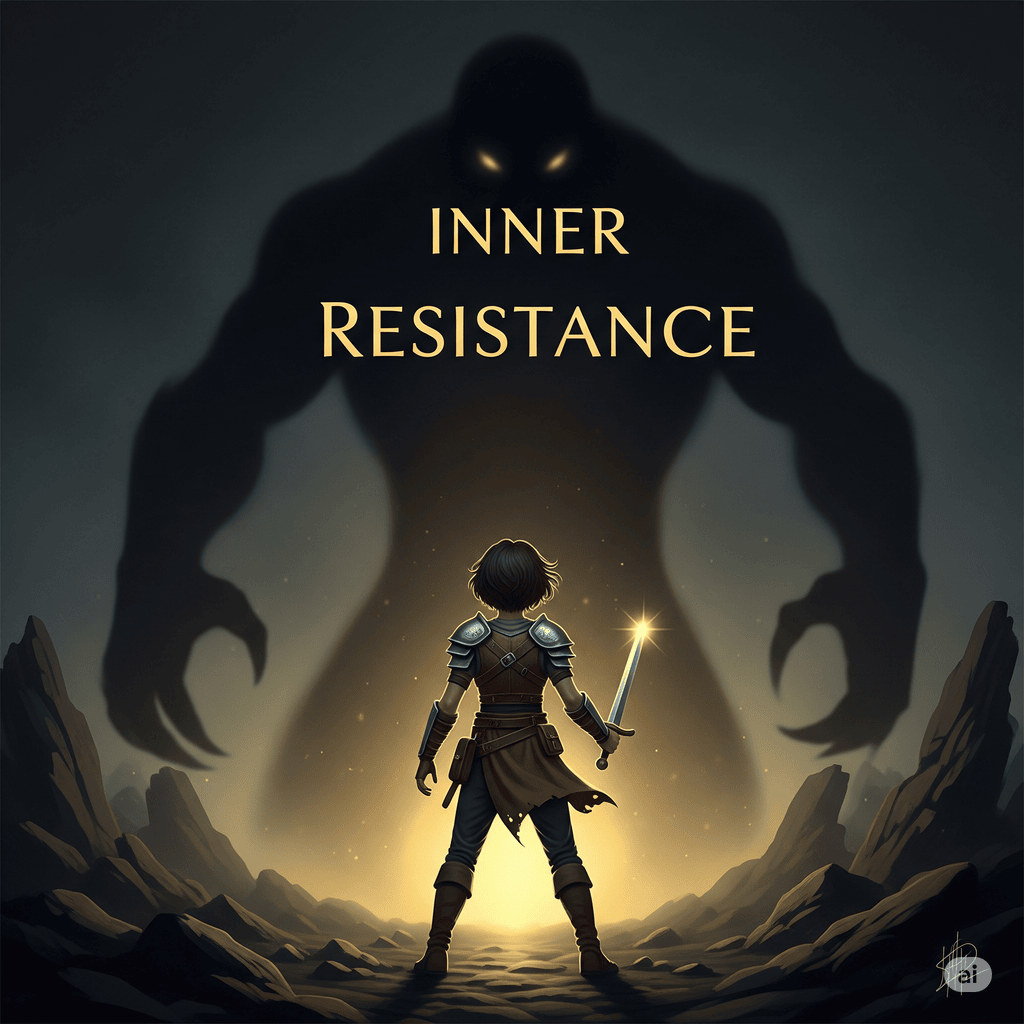
    H2: 1. Recognizing the Enemy Within: How ‘Resistance’ Destroys Your Potential

    One of the most compelling insights from this book is the concept called “resistance”—an internal push-and-pull force that becomes the main obstacle to all creative work and achievement. Steven Pressfield calls resistance the universal enemy of writers, creators, entrepreneurs, and anyone who wants to make a significant change in their life. Resistance manifests in the form of procrastination, self-doubt, fear of failure, and even excessive perfectionism.
    Why is resistance so dangerous? Because it operates silently, trapping you in a comfort zone and uncertainty. The bigger your dreams and steps, the stronger resistance attacks. If left unchecked, resistance will paralyze initiative and cause you to miss the best opportunities in life.

    However, a framework for identifying various types of resistance and the specific strategies to conquer them is thoroughly dissected in the book—including how to map out your own key weaknesses, which most people are often unaware of. The advanced strategies and mental exercises are part of a special toolkit that you can find in the MentorBuku summary.

    Read also : $100M Offers by Alex Hormozi

    H2: 2. Taking Control: The Power of Small Actions and Self-Discipline

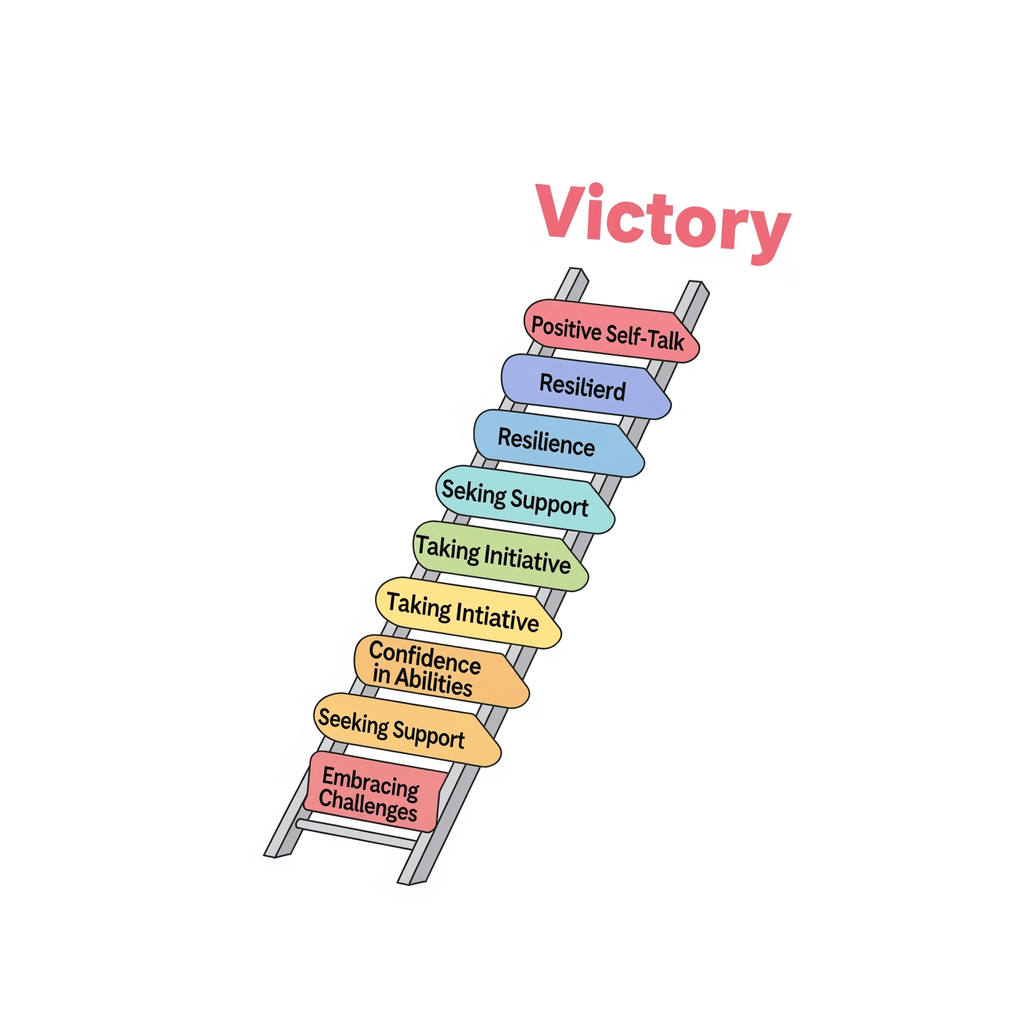
    The second revolutionary concept is the importance of small, consistent actions as the primary way to conquer the enemy within. This book emphasizes that victory in the ‘internal battle’ is not about one grand moment, but rather a series of simple decisions made consciously every day.
    Why is this important? Because people often get trapped in the paradigm of “waiting for the perfect moment.” In reality, true progress is built on the courage to take the first step—no matter how small—and on proactively building competence from one experience to the next.
    Self-discipline becomes the catalyst that separates those who merely dream from those who truly win. You are encouraged to build “confidence through competence,” starting with simple things and eventually generating the courage to conquer your deepest fears.

    The specific framework for how to initiate change, the method for building disciplined habits that do not easily collapse, as well as real-life transformation case studies, are detailed step-by-step in the book. There is also a strategic guide for taming distractions in the digital age, which is something never discussed in conventional motivation.

    Read also : THE RUDEST BOOK EVER by Shwetabh Gangwar

    H2: 3. Finding and Living a Purpose: From Reaction to Meaningful Action

    The enemy within often obscures one fundamental thing: a purpose in life. In many cases, people live their days simply to fulfill expectations, compare themselves to others, and respond to environmental pressures, rather than acting based on a personal mission.
    This book reveals the importance of “purpose”—an authentic purpose that comes from within. Those who live with purpose are not only more resilient in facing trials, but are also more inclined to share and give without expecting anything in return. This is the foundation of true life satisfaction.
    Why? Because without a clear purpose, every achievement feels empty. Life becomes a series of passive responses rather than the embodiment of meaningful action. When you begin to identify ‘why’ you are fighting, the strength to defeat the enemy within multiplies.

    The in-depth process for discovering true purpose and how to prevent the trap of comparing yourself to others is fully explored in the MentorBuku toolbox, complete with reflective exercises and real-life examples from transformational achievers.

    Read also : Why Has Nobody Told Me This Before? by Julie Smith

    H2: 4. Conquering the Noise: How to Reject Expectations and Focus on Yourself

    One of the biggest battles in the modern era is the ability to reject ‘the noise’—whether it’s social demands, pressure to be like others, or the temptation of distractions that destroy focus. The book “Win Your Inner Battles” emphasizes the importance of being selective about what you accept and who you spend your time with.
    Why must you dare to say no? Because your time and energy are limited. When you say yes to external requests too often, you are forced to sacrifice your personal agenda and integrity.
    The discipline to eliminate noise is not just about mental toughness; it also requires a mature relational strategy. You will learn how to “say no” without guilt, manage others’ expectations, and ultimately build a circle that strengthens your mental resilience.
    A practical guide to prioritizing time, redefining relationships, and assertive communication templates are all available in a masterclass accessible through MentorBuku.


    H2: Conclusion: Time to Be the Winner on the Inner Battlefield

    The most real war that determines your future is not external competition, but the daily battle within yourself. Through the concept of resistance, the importance of small and disciplined actions, finding authentic purpose, and sharpening focus, the book “Win Your Inner Battles” provides a strong foundation for you to be ready to fight and win.
    However, the applicable strategies, concrete steps, case study examples, and supporting exercises that separate those who win from those who merely know—all of these can only be found if you dig deeper.


    You’ve just seen the foundation. These concepts are merely the tip of the iceberg of what this book offers. How do you apply them step-by-step, avoid common pitfalls, and integrate them into your strategy? All those answers lie within.

    Sign Up and Get Free Access on MentorBuku Now!

  • The Magic of Gratitude: Transform Your Life with the Fundamental Power of Gratitude. The Magic by Rhonda Byrne

    Why Can Gratitude Change Everything?

    We often find ourselves trapped in daily routines filled with pressure and complaints. However, a simple concept called gratitude can be the catalyst for major change in your life. As Kahlil Gibran said, “The appearance of things changes according to the emotions, and thus we see magic and beauty in them, while the magic and beauty are really in ourselves.” This means that true beauty and magic come from within us, not from our external environment.

    When you make gratitude a way of life, the world you see changes magically. This is not just a shift in perception, but a transformation in how you attract and create experiences in your life. Your world changes because you change, and that change directly affects what you draw into your life.

    Concept 1: Gratitude as a Fundamental Paradigm in Life

    Gratitude is not just a habit, but a fundamental paradigm that changes your outlook on everything. With this mindset, you no longer focus on lack or problems, but on what you already have and appreciate. As a result, stress and complaints decrease, and positive energy increases.

    However, for gratitude to be effective and not just theoretical, there is a very specific framework for applying it in daily life. The complete framework for practicing gratitude as a life paradigm is discussed in five specific steps in the book…

    Read also : Thinking Fast And Slow by Daniel Kahnema


    Concept 2: Gratitude as the Source of “Luck” or Good Fortune

    Many people expect luck to come from outside, such as coincidences or external factors beyond their control. However, gratitude allows you to create your own “luck.” When you hope for good fortune, you are actually preparing yourself to receive outcomes with an open and optimistic attitude.

    Imagine entering an important situation with a mindset filled with gratitude. You naturally open yourself up to opportunities and solutions that may not have been visible before. In other words, gratitude becomes a source of magical energy that makes positive outcomes more certain.

    However, there are three common mistakes people make when trying to create luck through gratitude, which are thoroughly discussed in our summary…

    Read also : The Small Business Bible by Steven D. Strauss

    Concept 3: Gratitude Transforms You and the World Around You

    The most remarkable principle of gratitude is that it not only changes your perception, but also transforms your environment and social relationships. When you express thanks and show appreciation consistently, your surroundings respond positively, reinforcing the habit.

    The impact is profound both in personal and professional life. Relationships become more harmonious, work performance improves, and enthusiasm for life increases. This is a real form of magic that happens when positive energy meets concrete action.

    Advanced techniques for this concept, including templates and practical examples, are part of the exclusive insights we have prepared at MentorBuku…

    Read also : Win Your Inner Battles by Darius Foroux

    How to Start Your Gratitude Journey Now?

    Getting started is not about waiting for the perfect moment, but about making gratitude a part of your daily routine. For example, you can begin your day by writing down three things you’re grateful for, or end it with a brief reflection on positive events.

    However, to practice gratitude effectively, you need a deeper understanding and a structured approach that you may not find just anywhere. That’s why we’ve prepared a series of materials that will reveal the secrets of applying gratitude in a practical, measurable, and powerful way.

    If you want to change the way you see the world and experience true magic in your life, start your gratitude journey with the right steps.


    Conclusion: Gratitude Is the Key to the Magic in Your Life

    You have just seen the foundation. These concepts are only the tip of the iceberg of what this book has to offer. How do you put them into practice step by step, avoid common pitfalls, and integrate them into your life strategy? All the answers are inside.

    Sign Up and Get Free Access at MentorBuku Now!

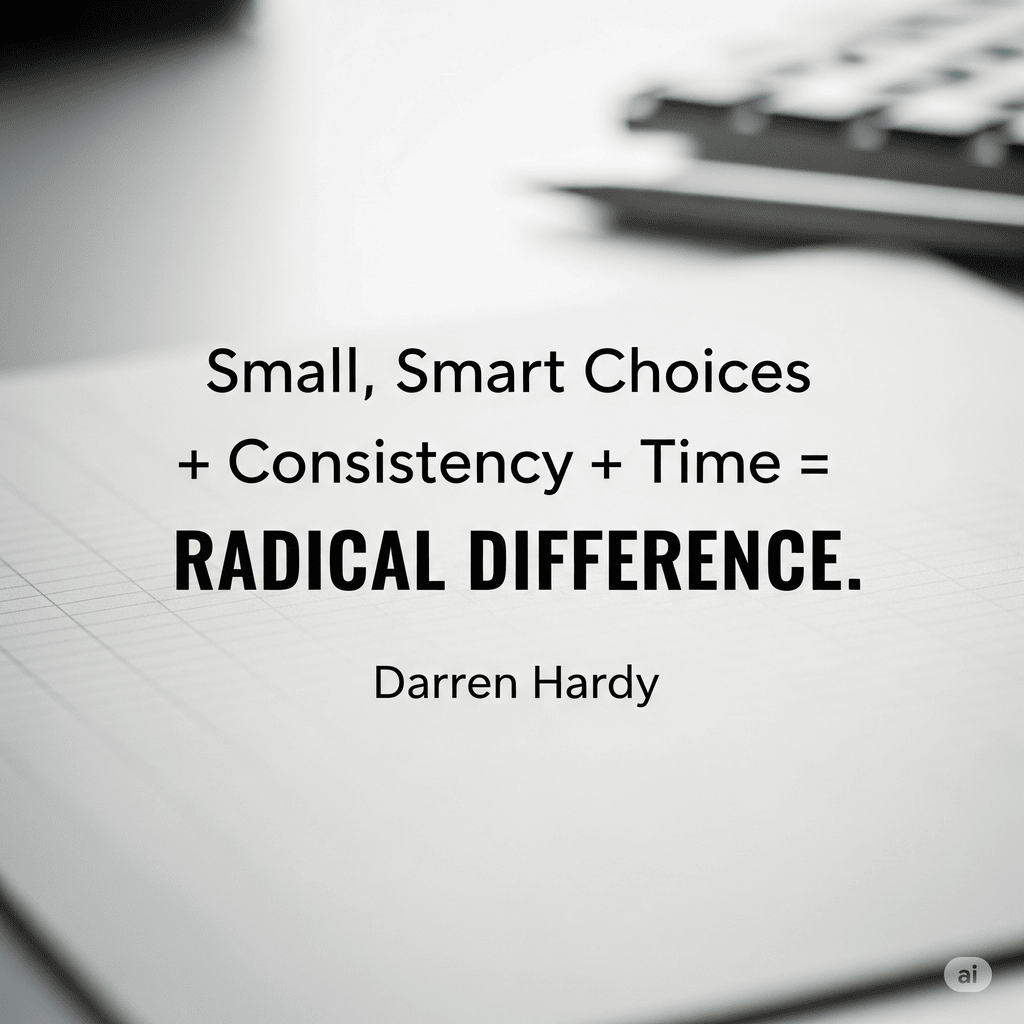
  • The Fundamental Secret of the Compound Effect That Will Truly Change Your Life Now. The Compound Effect by Darren Hardy


    Understanding the Power of the Compound Effect: The Proven Foundation for Life Change

    In the world of self-development and success, we often look for instant ways to create rapid, massive change. However, the reality is that long-term success is actually built from small things consistently done every day. This is the concept deeply explained in the book The Compound Effect by Darren Hardy. This book reveals the fundamental secret of the compound effect, a paradigm that can change anyone’s life in a simple yet incredibly powerful way.

    What Is the Compound Effect and Why Is It Important?

    The compound effect is a phenomenon in which small, consistent decisions, when carried out with discipline, will yield remarkably great results over time. The example is simple: saving a little bit every day over the years will result in significant wealth, or the habit of reading 10 pages of a book every day will broaden your knowledge and insights far more than sporadic study.
    Why is this effect so important? Because the compound effect emphasizes how small everyday decisions and actions are not just fleeting impacts, but have the power to fundamentally and permanently change the course of our lives. Many people fail to achieve big goals because they don’t realize the cumulative power of these small habits.
    A complete framework for applying the compound effect is discussed in 5 specific steps in the book, which will help you systematically design and manage personal change.

    Four Key Pillars of the Compound Effect

    This book highlights several interrelated key concepts that form the main foundation of the compound effect’s effectiveness.

    1. Small Habits, Big Impact

    Every small action, no matter how minor, if done repeatedly, will bring about major change. This is because the results of those actions are not linear, but exponential. Therefore, focusing on building positive small habits is much more important than trying to change your entire routine all at once.
    However, there are three common mistakes that often occur when trying to build new habits, which we thoroughly dissect in our summary, so you can avoid these common pitfalls.

    2. Conscious and Responsible Choices

    Success does not come from luck alone. Hardy emphasizes the importance of each individual taking full responsibility for the choices they make every day. By being fully aware of these choices, a person can steer their life in the desired direction with greater confidence.
    Advanced techniques from the concept of making conscious choices, including templates and practical examples, are part of the exclusive insights we provide at MentorBuku.

    3. Consistency and Discipline

    Discipline isn’t about mood or temporary motivation. Discipline is the ability to remain consistent in doing the right things even when you feel like giving up. This consistency is what strengthens the compound effect.
    However, maintaining motivation and self-discipline is the greatest challenge faced by many people. This book teaches how to manage your mindset to maintain long-term consistency.

    4. Personalizing Your Path to Success

    There is no single method that fits everyone. Hardy stresses the importance of customizing strategies and habits to suit personal context and goals. The process of making these adjustments is itself part of success.
    This personalization and adjustment framework is discussed in detail in practical steps in the book, so you can create a system that truly works for your own conditions and objectives.

    Read also : It’s Not You, It’s Biology by Joe Quirk

    Avoiding Short-Term Traps and Choosing Long-Term Change

    Many people get caught up in the allure of instant results, following trends, or unsustainable methods. The compound effect reminds us that the best outcomes come from a long and steady process. As a result, appreciating every small step and measuring long-term progress is more important than looking for overnight miracles.
    In addition, this book also discusses how to outsmart the temptation to give up and how to build a supportive environment for success, including various real-life examples that can inspire readers even more deeply.

    Read also : Is That Me Yelling? by Ronna Renner RN

    Why Do You Need to Understand the Compound Effect Now?

    In an increasingly competitive environment with constant change, the ability to consistently make small changes is a highly valuable asset. The compound effect gives you a new perspective on how to manage your life and career with reliable long-term strategies.
    Moreover, understanding this concept will serve as a catalyst for the personal transformation you’ve been seeking, enabling you to achieve goals that once seemed out of reach.

    Read also : R.E.D. Marketing: The Three Ingredients of Leading Brands by Greg Creed

    This article is the spark. Imagine if a single idea from here could change the way you work or think. Now, imagine what dozens of other strategic ideas could do. That is the power awaiting you.
    Sign up and Get Free Access to MentorBuku Now!

  • Unveiling the 4 Psychological Pillars for True Life Mastery (Why ‘Master Your Emotions’ by Thibaut Meurisse Will Change the Way You See the World)

    Written by
    mentorbuku
    in
    Books & Book Summaries, Mental Health, Self-Development, Psychology, Life Strategies

    Why Do Emotions Always Linger in Our Lives?

    Have you ever felt controlled by your own mood, as if there’s an invisible remote dictating your daily decisions? Every human being, without exception, is emotional first before becoming rational. This is not just a mantra echoed by popular psychologists; modern brain science has proven that emotions often act faster than logic. Yet, why do so many of us feel trapped in cycles of negative emotions and find it hard to discover a way out?

    “Master Your Emotions” by Thibaut Meurisse offers a radical insight: your internal habits—your deeply ingrained emotional identity—are often the root of the problem. This book lays out simple science and modern techniques to escape destructive thought patterns and redesign your quality of life. But are you ready to embrace a philosophy that will challenge the core of your self-perception?

    In this article, we’ll break down four strategic pillars from the book that can flip the dominance of negative emotions into powerful engines of growth. One important note: we won’t reveal the detailed “how-to”—the strategic execution secrets are available exclusively via MentorBuku’s subscription. Curious? Start by understanding the ‘WHAT’ and the ‘WHY’.


    Pillar #1: Unpacking Emotional Identity—Why Have You Been Stuck All This Time?

    Everyone carries an ‘emotional identity’ shaped from childhood—a part of your “self” you’ve believed in for years. This identity is a catalog of roles, expectations, beliefs, and layers of values you’ve accumulated throughout your life, mostly unconsciously. Ironically, that identity often forms an invisible prison: you feel you must react to external events in certain, preset ways.

    Thibaut Meurisse highlights just how powerful these identity biases are in hijacking our modern emotional system. When things don’t go as expected, your old “self”—shaped by past wounds, ego, or limitations—immediately takes over, usually with automatic responses: anger, disappointment, anxiety, or withdrawal. This is the root of repetitive negative cycles that make life feel stagnant or full of drama.

    Recognizing the source of your emotional identity is the first step to freeing yourself from that ‘invisible remote’. But how do you let go and unpack those deeply buried layers of identity? The complete framework—including key techniques to separate ‘who you are’ from ‘what you feel’—is explained in detail in the original book and revealed systematically only on MentorBuku…


    Pillar #2: The Power of Visualization—Replacing Negative Patterns with a New Reality

    Many people think visualization is just cheap motivational advice—simply fantasizing about success without action. However, modern science proves that visualization is more than daydreaming. The brain struggles to distinguish between real experiences and highly detailed mental imagery: this is why elite athletes and world-class CEOs use visualization every day.

    Meurisse proposes a much deeper approach to visualization: instead of merely projecting future wishes, you can train your brain to intensely relive moments of peace, relief, and accomplishment. If undertaken technically and structurally, this process can rewire emotional circuits so the brain is more easily “anchored” to calmness rather than stress or failure.

    Imagine being able to switch off the “negative” light and turn on the “positive projector” at any time. However, the step-by-step secrets to powerful visualization—including the difference between “rote visualization” and “emotional immersion”, as well as the best times to practice—are only available in MentorBuku’s advanced strategies…


    Pillar #3: Managing Intrusive Thoughts—Logic Is Not Always the Answer

    Often, we chase logical solutions for negative emotions: finding “reasons”, giving ourselves advice, or drowning in overthinking. Yet, according to Meurisse, many intrusive thoughts are merely ‘symptoms’ of an under-processed emotional system. Trying to “fix” emotions by thinking can actually prolong the suffering—it’s like adding fuel to a fire.

    What’s rarely realized is that destructive thoughts often arise because your nervous system is already “on edge” from lingering emotional residue. So, the real solution isn’t just about calming the mind, but addressing the root—the physiological and emotional state that gives rise to those thoughts.

    Managing intrusive thoughts requires a training system that combines acceptance, refocusing, and structured mind-body interventions. These revolutionary techniques, complete with “case examples” and daily application checklists, are exclusive material from MentorBuku…


    Pillar #4: Breaking Free from Negative Drama—The Science of Letting Go

    People often feel that “letting go” of negative feelings is a sign of weakness, or even a failure. But Meurisse actually calls letting go the highest skill in emotional maturity. Instead of suppressing, denying, or judging bad emotions, you are invited to consciously embrace and release them—until the energy of those emotions dissipates naturally.

    This is science, not just philosophy. Recent studies show that proper letting go is a transformative catalyst for the immune system, mental health, and even work performance. However, there’s a trap: letting go does not mean giving up, nor is it about ignoring or just “getting used to” suffering.

    Releasing negative emotions is a gradual process—consisting of several phases, from recognizing physical sensations and naming specific emotions to integrating personal meaning. At MentorBuku, we break down the stages of letting go in detailed and practical terms, along with exercises and crucial precautions you MUST understand before trying it in real life…


    Epilogue: The Road to Emotional Freedom Is in Front of You—Are You Ready to Step into the ‘How’?

    The four pillars above merely unveil the mystery of why most people are stuck in cycles of sluggish emotions, prolonged anxiety, and endless drama. In “Master Your Emotions”, Thibaut Meurisse not only exposes the root causes but also provides a blueprint to break free. Still, like a gateway to knowledge, the key to transformation lies in your willingness to put it into practice.

    Are you ready to take this journey further? The techniques, training templates, and in-depth case studies—that set apart those who remain stagnant from those who grow extraordinarily—are available only through a MentorBuku subscription.

    You’ve just seen the foundation. But how do you build the skyscraper? All the strategies, detailed steps, and case studies from this book have been thoroughly reviewed. Don’t just know ‘what’, master the ‘how’ by subscribing to https://mentorbuku.com.