Tag: Personal Transformation

  • The Secret of the New Breathing Paradigm: Unveiling the Forgotten Fundamental Power. Breath: The New Science of a Lost Art by James Nestor

    Introduction: Why Breath Is More Important Than We Ever Realized

    Every second, unconsciously, we breathe. Breathing is a fundamental and automatic process—yet behind this seemingly simple act lies extraordinary power that has long been overlooked by modern science. The book “Breath” takes us on a journey through the intricacies of breathing, from ancient heritage to contemporary research breakthroughs, revealing that the way we breathe profoundly influences health and daily life far beyond simply inhaling and exhaling air.
    In this article, you will be presented with four key concepts from “Breath” that can become catalysts for change in your life. Each concept will be explained in depth about the “what” and the “why”—but the secret of the “how” and the implementation steps? All of it is hidden, waiting for you to uncover further to the core.


    A Glimpse into the Ancient Heritage: Breath as the Path to Longevity

    Delving into Knowledge from Ancient Chinese Texts

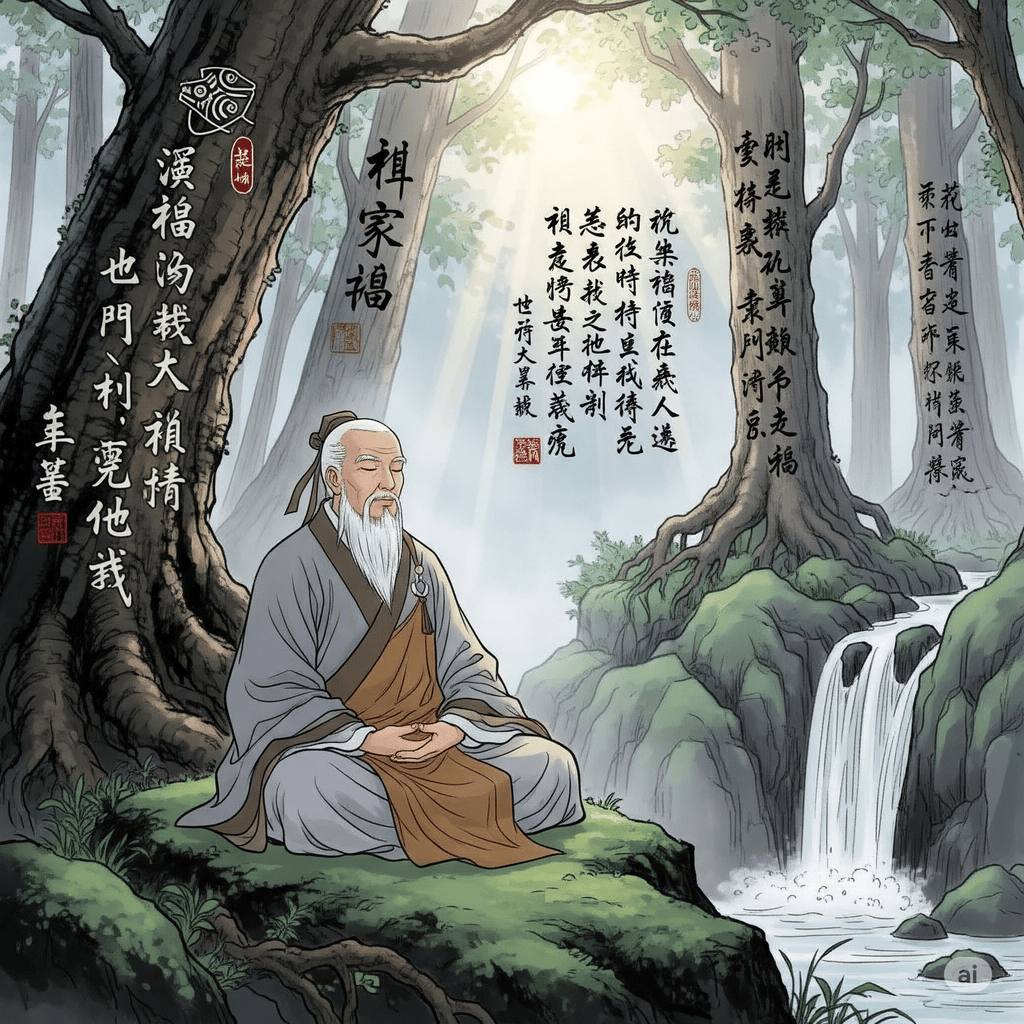
    For thousands of years, Eastern cultures have recognized breath as the key to longevity and the core of vitality. Even in “The Primordial Breath,” one Taoist text, breath-control techniques are not only about health but also an art of prolonging life and maintaining harmony of body and soul. They believed that regulating the breath means regulating the fundamental life energy itself.
    Imagine, thousands of years before modern laboratories and sophisticated sensors, Tao practitioners had developed a breathing system with remarkable precision and purpose. This system is not merely mystical doctrine; it provides step-by-step guidelines proven in practice across generations.
    But how exactly did they “transport” breath and maximize its function for optimal health? The complete framework of these techniques, along with training examples, is examined in depth in the book’s dedicated chapters—full insight is available only if you delve further.
    Also read : Raising Responsible Teens in a Digital World by Brian Housman

    Breath: The Mysterious Connection Between Mind, Body, and the Ocean

    Modern Exploration: Breath, the Sea, and Lasting Health

    The author of “Breath” began from curiosity and experiences in the world of freediving—a breath-hold dive that requires full control over the breath. From this experience, an insight emerged: the human body actually harbors great potential if the breath is managed correctly. When breath becomes one with the rhythm of the sea, a symphony occurs between the physical, mental, and the surrounding environment.
    Modern scientific data also show that specific breathing techniques can reduce stress, regulate hormones, and even influence blood pressure and the immune system. However, on the other hand, incorrect breathing patterns in daily life can trigger problems—from fatigue, insomnia, to hidden metabolic disorders.
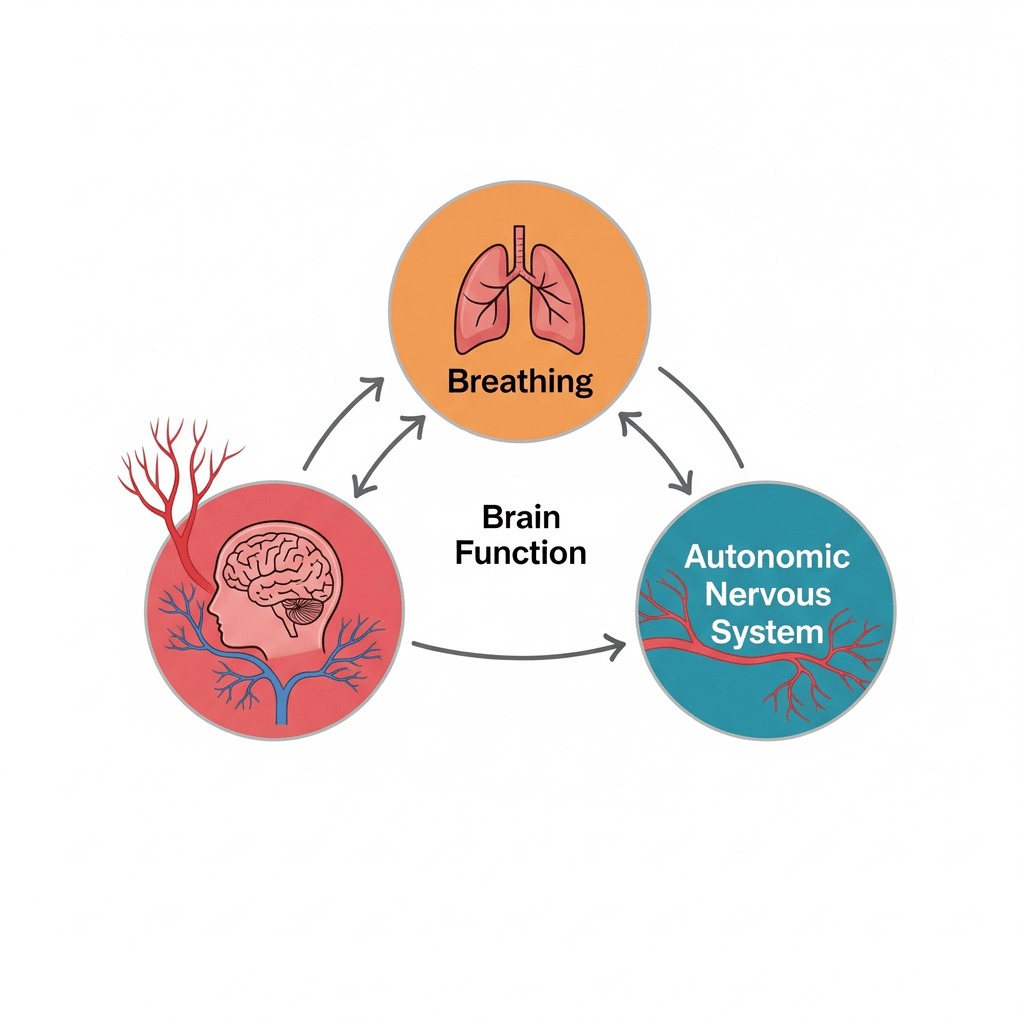
    So why is the breath–body connection so fundamental? Recent studies reveal the links between changes in breathing patterns, brain activity, and the functioning of vital organs. Yet the specific techniques on how to transform your breathing pattern into a source of strength? That is a major chapter that is unpacked step by step in the book, complete with research results and case studies from around the world.
    Also read : The Advertising Effect: How to Change Behaviour by Adam Ferrier

    Cracked House: A Modern Story of Breath Neglect

    A Trait Worth Envy, The Ancestors Paid Attention to Breath at All Times

    In the opening chapter, the author invites readers to a somber setting—like the old Amityville house rich with history and mystery. In that antique-toned room, a group of modern people from diverse backgrounds search for answers: why does their breath feel incomplete, whether due to stress, bad habits, or simply the fast-paced modern lifestyle.
    They arrive for a reason—noted by medical advice leading to health issues that won’t heal. In fact, breath turns out to be the starting point of recovery for a range of ailments, from sleep disorders to cardiovascular problems. The modern environment with pollution, sedentary living, and processed foods makes our breath shallower—and its effects erode daily vitality.
    But what can we do to avoid falling into the trap of incorrect breathing? The book contains structured discussions of the most common breathing mistakes and how to correct them—a step-by-step sequence that is accessible only to those ready to dive deeper.


    The Wonders of Modern Science: Astonishing Breath Studies

    Science Begins to Reappreciate Breath

    In recent decades, science has finally pursued the ancient wisdom about breath. Supported by the latest medical and neurological research, researchers identify the domino effects of breathing on mental health, hormonal balance, and human performance potential far beyond initial expectations.
    In fact, there are studies showing how small techniques to control the timing and depth of breathing can yield dramatic benefits for the immune system and the body’s healing processes. Yet what are the findings of this “troubling picture” uncovered by researchers—and how did they develop clinically tested breathing training protocols? Exclusive details and specific training recommendations are laid out clearly in the book’s pivotal sections.
    As a reader of this article, you have seen part of the picture of the urgency of breathing. However, advanced techniques, in-depth case studies, and proven habit-change templates—these are part of exclusive insights that are available only at MentorBuku.


    Breath as the Key to Personal Revolution: What Comes Next?

    The pressures of modern life, gadget addiction, and an increasingly polluted environment demand that we take full control of something we have long considered trivial: breath. There is no health innovation, self-development, or productivity strategy that can truly be effective if the foundation of breathing is left in disarray.
    This article is only the surface—there are still many mysteries, techniques, and real-life stories of personal transformation through breath waiting for you to explore further. Each chapter in the book “Breath” is like a layer of strategy and knowledge ready to change how you think, work, and enjoy daily life.

    You’ve just seen the foundation. These concepts are only the tip of the iceberg of what the book offers. How to apply them step by step, avoid common pitfalls, and integrate them into your strategy? All the answers are inside.
    Sign up and get free access at MentorBuku now!

  • The Magical Secrets of Visualization: An Artistic Paradigm for Transforming Your Life and Career. 100 Ways to Motivate Yourself: Change Your Life Forever by Steve Chandler

    In a fast-paced and distraction-filled world, have you ever felt like your life is being controlled by circumstances? What if you are actually the “lead painter” of every day’s experiences? Through several revolutionary ideas from the book 100 Ways to Motivate Yourself: Change Your Life Forever, there is one thread that can become a catalyst for change: the power of visualization and your role as the artist of life. This article will invite you to unpack three fundamental ideas from the book—winning visualization, the treasure-mapping technique, and the life-as-canvas paradigm—and why these concepts can change the direction of your life. However, just as an artist is not enough to understand color theory, you will soon realize that the secret of applying it goes much deeper.


    Introduction: Grasping the Brush in Your Hands

    Imagine a world where you are not merely “living” your days, but actively creating them. This book does not offer instant recipes, but rather introduces a new paradigm: you, not the situation, are the primary creator of your life experiences. The three concepts we will discuss today are interconnected and form the foundation of personal as well as professional transformation.

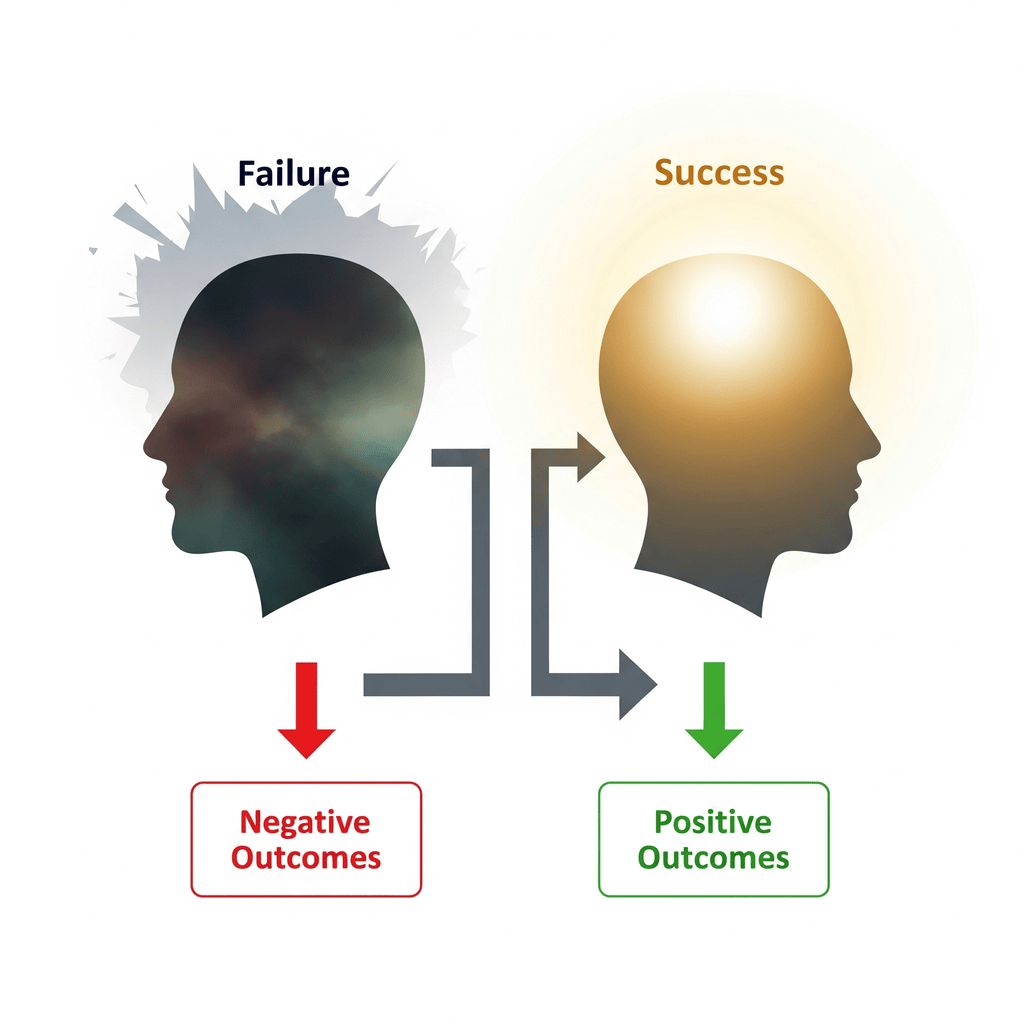
    Visualization: Between Failure and Success

    Visualization is not merely imagining desires. As explained by Rob Gilbert, there is a fundamental difference between winners and losers in how they harness imagination. “Losers visualize the penalties of failure, and winners visualize the rewards of success.” This simple statement has great power: What you focus on mentally will dictate real outcomes.
    When someone focuses on the consequences of failure, they unconsciously program the brain to anticipate defeat, so their steps are haunted by doubt. Conversely, when you imagine a positive result, your attention, attitude, and energy begin to center on achieving the goal, no matter how challenging the path ahead. This is not just empty motivation, but a psychology technique that has been used by top athletes worldwide, successful CEOs, even creative artists.
    However, how can you ensure your visualization does not become mere daydreaming? A systematic framework and step-by-step mental training are offered in the book, which guides you in detail toward effective winning visualization.
    “The complete framework for applying winning visualization is discussed in 5 specific steps within the book…”

    Treasure-Mapping: Mapping Dreams to Reality
    One of the inspirational stories in this book is about a married couple who, for years, struggled to buy their dream home. Change happened when they practiced “treasure-mapping”—posting pictures of their dream home on the fridge and tracking savings through a visual thermometer. In just nine months, the dream became a reality.
    The treasure-mapping technique is not merely “daydreaming”; it is a visual tool that actively conditions your subconscious to move toward the goal. The visual symbols, which you consistently see every day, act as invisible yet powerful reminders, keeping motivation burning even when reality feels exhausting.
    Behind this story, there is a practical methodology so treasure-mapping is more than wall decoration. In the book, you will find how to choose the right visuals, strategic placement tips, and how to measure progress psychologically.
    “However, there are three common mistakes that often occur when trying this treasure-mapping technique, which are thoroughly dissected in our summary…”


    Life as a Canvas Paradigm: Becoming the Artist of Your Day

    Every day is a blank canvas. If you let the “paint” from outside (negative comments, bad news, gossip, environmental criticism) imprint colors and patterns on it, the final result becomes hard to control. A key line from the book reads: “Wake up and visualize your day as a blank canvas. Ask yourself, ‘Who’s the artist today? Blind circumstance, or me?’”
    How you fill life is determined by your awareness of the freedom to choose. If you’re passive, your life becomes a jumble of random colors and unwanted shapes. But when you realize you can choose colors and patterns, that is when the power of personal transformation starts to work.
    Adopting this paradigm means:

    • You selectively consume what you feed your mind each day,
    • You are more aware of the influence of your surrounding environment,
    • You have the power to say “no” to things that pollute your mind.

    The “life as a canvas” paradigm is not just inspirational talk—there is a series of daily exercises that can train you to be more aware, more creative, and more responsible.
    “Advanced techniques of this concept, including daily templates and practical examples, are part of the exclusive insights we prepare at MentorBuku…”


    Reframing Yourself: The True Artist Always Learning

    When you start applying the three concepts above, changes occur not only in the professional sphere but in every aspect of life—from health and relationships to self-discipline. You’ll find that small habits in visualization, arranging physical space through treasure-mapping, and the awareness of living each day as a “painter of life” are the stimuli that awaken your previously hidden potential.
    However, keep in mind:

    • Effective visualization requires practice and structure.
    • Treasure-mapping must be aligned with goals and real actions.
    • The life-as-canvas paradigm requires ongoing habit-building and self-reflection.

    Without a clear step-by-step map, these insights risk becoming fleeting inspiration. Just as an artist needs techniques and repetitive practice to create a masterpiece, you also need a concrete framework to ensure real change happens.
    Also read: The Mountain Is You by Brianna Wiest

    Also read: The Subtle Art Of Not Giving A F*ck by Mark Manson

    Also read: Guerrilla Marketing Field Guide by Jay Levinson, Jeannie Levinson


    Conclusion: It’s Time for You to Become the Maestro of Your Own Life

    The three concepts—visualizing positive outcomes, treasure-mapping, and living as a canvas—are the foundations for reframing your life. The world may not always be friendly, but you always have the power to pour the colors, shapes, and patterns you want into the years ahead. If you currently feel stuck, overwhelmed by things outside your control, or simply want to live more consciously and meaningfully, this book is a real invitation to transform. All technical details, in-depth practices, and real challenges have been mapped out for you—ready to be carried out step by step.


    You’ve just seen the foundation. These concepts are only the tip of the iceberg of what this book offers. How to apply them step by step, avoid common pitfalls, and integrate them into your strategy? All the answers are inside.

    Sign up and get free access at MentorBuku now!
  • The Powerful Secret of Kaizen: A New Paradigm for Authentic Success. Stoicism for Inner Peace by Einzelgänger

    Knowledge Gaps in the Pursuit of Success

    Everyone wants to achieve success. But the question is: why do only a few truly achieve it authentically and consistently?
    Most people work hard. They follow “motivational” advice, try popular methods, and even get up before dawn for a new routine. Ironically, the reality is often far from expectations. Many fall short along the way. They feel deceived by the initial enthusiasm that doesn’t last long.
    Behind this repeated failure lies a fundamental lesson: success is not about “working harder,” but “working smarter”—and, more importantly, about shifting the underlying thinking paradigm.

    This article will take you on a journey to explore new landscapes: how the smallest changes, when done correctly, can redirect your life in ways you never anticipated. Every small step becomes a part of continuous transformation—that’s the power of “Kaizen.”


    A New Thinking Paradigm About Success and Failure

    Success has long been associated with big results and instant achievements.
    We tend to focus on spectacular stories: athletes winning gold medals, entrepreneurs becoming billionaires overnight, or debut authors whose books instantly become bestsellers in the global market. Unfortunately, this narrative blinds us to the continuum of failure and the long processes that actually form the foundation of true success.

    Why Old Mindsets Limit Your Major Breakthroughs

    Conventional mindsets always prompt us to ask, “How can a big success happen as quickly as possible?”
    However, the real question should be: “How does the process lead to repeated success without burning out along the way?”
    The book we are discussing invites you to reevaluate all your old beliefs about success. It highlights a fundamental mistake: overvaluing “big wins” while underestimating the power of accumulating “incremental gains.”
    Ultimately, we often find ourselves trapped in a trial & error cycle. We feel like failures not because we worked less hard, but because of the wrong mindset—focusing on spectacular results while ignoring the transformative power of the “repetitive process.” This is the critical point:
    Shifting from a results-oriented paradigm to a process-oriented paradigm is the leap that distinguishes authentic success from mere trend-following.
    However, uncovering the deeper layers of how to identify and break the “failure mindset”—along with practical examples—is the secret that this book elaborates on in detail in a separate chapter.
    “A complete framework for applying the paradigm shift from failure to repeated success is outlined in five phases in this book…”
    Also read: Angels of Aceh: The compelling story of Operation Tsunami Assist by Sophie York


    Unveiling the Kaizen Pattern: Small Changes, Maximum Impact

    Can consistent small changes lead to extraordinary results, rivaling the big breakthroughs that are often glorified?
    The concept of “Kaizen” completely reverses our understanding of how change, achievement, and personal excellence occur.
    Originating from Japanese philosophy, Kaizen is the principle of continuous improvement—making small, measurable, and repeatable enhancements every day. But what is its most important aspect? The unpredictable domino effect that is hard to foresee at the beginning.

    The 1% Rule Phenomenon and Compound Mentality

    Imagine the impact of just a 1% improvement every day. Over the course of a year, that small accumulation can mean a change of 37 times from the original position.
    The phenomenon of the compound effect is not just mathematics: it is a game changer in achievement psychology.
    Kaizen warriors don’t have to master super disciplines, let alone rely on ironclad motivation. They simply need to consistently “stretch” themselves little by little into new zones until profound changes occur naturally.
    On the other hand, massive improvements (big bang transformations) often end up in a cycle of failure–try again–despair. Meanwhile, those who persist with Kaizen quietly build foundations that eventually create a “sudden” success explosion.
    This concept dismantles the failure of the “all or nothing” method and provides a new lens to evaluate daily efforts.
    “Advanced techniques of Kaizen, including how to identify the right 1% steps and strategies to maintain them under daily pressure, turn into practical guidance for you at MentorBuku…”

    Anti-Bad Habit Mindset—Breaking Free from Old Self

    How does someone get trapped in the same cycle of bad habits for years, even when they know it hinders personal success?
    The answer lies in an auto-pilot mindset that resists structural changes.
    Our subconscious belief system constantly whispers comfort of the old while dramatizing the risks of change. When Kaizen is adopted, you are not just adding new habits; you are dismantling old habit cycles, layer by layer.

    The Secret to Breaking the Fail-Repeat Cycle

    This book distinguishes between addictive change (based solely on momentary motivation) and systemic change that truly frees you from the fail-repeat patterns.
    The key secret? “Identity-based habits,” which is a strategy for building habits from the roots of a new identity rather than just a checklist of routines.
    In a specific chapter, the author shows that creating lasting change requires three pillars:

    1. Recognition of old habits (awareness).
    2. Gradual severing of the old “reward chain.”
    3. Construction of a new identity based on small success experiences.

    Resilience becomes a byproduct: the more frequently you succeed at canceling old routines, the stronger the new mentality becomes. However, the three most common traps in this mindset transition—along with strategies to break through mental blocks and self-sabotage—are discussed in detail in the secrets of this book.
    “Psychological steps and templates for dismantling bad habits, including new identity exercises, can be found as practical insights in MentorBuku…”
    Also read: The Power of Your Subconscious Mind by Joseph Murphy


    Environment Redesign—The Catalyst for Transformation

    How significant is the impact of the environment on someone’s journey to success?
    More than many realize. The environment—whether physical, social, or digital—silently fosters (or hinders) the process of change.
    Successful people do not solely rely on discipline but consciously design their environment to support their vision.
    For example, the choice of friends, visual stimuli, availability of positive triggers, or even the setup of daily workflows.
    This book reveals that even a single detail in the environment (such as where to place your to-do list, or who you often converse with) can accelerate or derail long-term goals without your awareness.

    Key Factors That Secretly Shape Outcomes

    A simple analogy: an artist may have talent, but without light and access to quality materials, they will never produce a masterpiece.
    Similarly, anyone risks repeating failures if they don’t change key environmental elements—often, this is more determining than the internal motivation touted elsewhere.
    This book breaks down smart ways to structure micro and macro environments, along with a “success environment audit” so your journey of change is no longer trial and error. From a checklist for redesigning the environment to real-time evaluations, everything is available as a special part of the MentorBuku program.
    “The toolkit for redesigning the environment, complete with case examples and real scenarios, becomes exclusive insights that you can access in our advanced summaries…”
    Also read: Keto Comfort Foods: Family Favorite Recipes Made Low-Carb and Healthy by Maria Emmerich

    Also read: Essential Yoga: An Illustrated Guide to Over 100 Yoga Poses and Meditations by Olivia H. Miller


    Conclusion – Strategic Gaps & Action Triggers

    After exploring these four key concepts—the authentic success paradigm, the power of Kaizen, the anti-bad habit mindset, and the importance of environment—do you feel your understanding gap is narrowing, or rather deepening? This is where “the knowledge gap” lies:
    Knowing the “what” and “why” is just the beginning. However, applying precise steps, avoiding traps in the process, and optimizing all these pillars simultaneously—that is the achievement that can only be attained with structured guidance.

    Insight is an asset that cannot be postponed. Every day without a deeper understanding is a missed opportunity. Don’t let your competitors gain this advantage before you do. Sign up and get free access to MentorBuku now!

  • The “Ego Is the Enemy” Strategy: The Secret Paradigm of Self-Mastery for Authentic Greatness. Ego Is the Enemy by Ryan Holiday

    Introduction: Behind Success, There Lies a Hidden Foe

    History is full of stories about the failures of geniuses, leaders, and brilliant artists. Why do these individuals, despite being brimming with talent and brilliant ideas, often end up trapped in cycles of failure or mediocrity? The answer often whispers quietly but bites deeply: ego.
    The book “Ego Is the Enemy” delves into the deepest roots of this hidden enemy. Through sharp narratives and real-life examples, this book offers a series of insights into ego—not just in the context of psychology, but as an invisible “hijacker” that can strike anyone at any time.
    This article presents some gems of concepts from a book that has been, and always will be, relevant to anyone seeking to reach authentic and sustainable heights. This is an initial roadmap. However, the path to real change awaits in deeper sections.

    1. Ideas and Work: Why Do Ideas Remain Just Ideas?

    Many of us, like Edgar Degas the seasoned painter, feel full of ideas—sometimes even exploding with inspiration. However, inspiration without execution is powerless to bring real change. A famous conversation between Degas and the poet Mallarmé sums it up: “I can’t write the way I want to, even though my head is full of ideas,” Degas lamented. Mallarmé’s reply was gentle but piercing: “Poems aren’t made with ideas, Degas. They’re made with words.”
    Just like poetry, success in life is only achieved through work, not merely intention. Peter Drucker, the management maestro, asserted, “The best plan is just good intentions unless it degenerates into work.” The biggest obstacle is not a lack of inspiration, but the ego that whispers, “Great ideas are enough; the details can wait.”
    Without the ability to turn ideas into actions, great achievements are nothing but empty dreams. A framework for consistently translating ideas into concrete results, complete with techniques for daily discipline, is thoroughly explored in this book…


    2. The “Canvas Strategy”: The Unconscious Direction Setter

    Most people, driven by ego, want to be at center stage—to control everything, to be known by everyone, to receive instant recognition. Yet, a quiet strategy actually offers a different path: becoming the “canvas setter” who shapes the direction without needing to be in the spotlight.
    The Canvas Strategy teaches us to clear the way for others and contribute selflessly at the outset of our journey. Strangely, by doing so, you are the one shaping the future. Just as a canvas frames a painting, you decide its tone.
    This strategy knows no age, rank, or even length of experience. From before starting a career to leading an organization, anyone can begin. What sets people apart is the ability to restrain the ego—retrain yourself—and consistently focus on contribution rather than praise.
    The complete techniques for systematically practicing the Canvas Strategy, including how to build authentic reputation without appearing to “suck up” or self-sacrifice, are dissected in several dedicated chapters in this book…


    3. Resisting Illusion and Accepting Reality

    It is easier to build illusions of glory than to accept the harsh reality of failure or shortcomings. Ego often plunges us into the narrative of “I already know,” or “I can definitely do it,” even when the facts say otherwise.
    However, as illustrated in the story of John DeLorean, being lulled by baseless ambition for too long and ignoring the warning signs of failure actually led him to total ruin. In truth, falling is not the end. This book affirms that the only way to appreciate personal progress is by standing at the edge of the very pit of failure we once dug, then learning from it and improving our character.
    Challenging the ego to willingly accept facts, admit failure, and rise stronger is a fundamental lesson dissected thoroughly. Yet, the three most common ego traps that hinder your achievements—along with techniques to dismantle them one by one—are only comprehensively outlined within MentorBuku’s detailed guide…


    4. The Willingness to “Draw the Line”: Preserving Character

    Marcus Aurelius once said, “He can only destroy your life if he destroys your character.” In today’s world, dominated by fierce competition, the temptation to trade principles for superficial victory becomes ever more enticing. Ego persuades us to cross the line “just a little,” promising, “you can always go back later.”
    In reality, true strength lies in the courage to draw boundaries. Restraining oneself, saying “enough,” and choosing consistency of character over fleeting desires. This ability, more than just discipline, is the art of enduring life’s toughest trials.
    The big questions: How do you set healthy boundaries? How do you cultivate mental resilience so your character remains intact when pressure peaks? A practical framework for applying the “draw the line” concept in full, including modern case studies and character-building tools, are presented in detail among MentorBuku’s insights…


    5. Transformation through Humility: Becoming an Unshakable Individual

    One of the greatest paradoxes is: the more humble someone is, the harder it is for ego to bring them down. This book highlights the power of humility—active humility, not mere resignation. With humility, you open endless opportunities for learning, accept criticism, and turn failure into a leap of progress.
    The book reveals how the world’s most successful figures almost always share one common thread: a commitment to suppressing ego, learning at every step, and never tiring of self-improvement. However, the mental techniques of a “humility routine” and ways to build daily self-awareness habits—which truly set apart genuine winners—are only available in the exclusive MentorBuku recommendation modules…


    Conclusion: Becoming the Master, Not the Slave of Ego

    Why is ego so elusive, alluring, yet dangerous? Because it clings in the form of hopes, good intentions, even overconfidence. Yet, by dissecting the lessons of key figures and adopting the tactical strategies in this book, you have the chance to become the one in control of your life—not just a victim of your own ego’s impulses.
    Are you ready to follow the roadmap to conquer ego and rewrite your success narrative? The answer starts here.

    Read also : Parenting from the Inside Out by Daniel J Siegel


    Read also : Why Are All the Black Kids Sitting Together in the Cafeteria? by Beverly Daniel Tatum


    Read also : Conversations on Love by Lunn Natasha


    You have just seen the foundation. These concepts are only the tip of the iceberg of what this book has to offer. How do you apply them step by step, avoid common pitfalls, and integrate them into your strategy? All those answers are inside.
    Sign up and Get Free Access on MentorBuku Now!

  • The Magic of Gratitude: Transform Your Life with the Fundamental Power of Gratitude. The Magic by Rhonda Byrne

    Why Can Gratitude Change Everything?

    We often find ourselves trapped in daily routines filled with pressure and complaints. However, a simple concept called gratitude can be the catalyst for major change in your life. As Kahlil Gibran said, “The appearance of things changes according to the emotions, and thus we see magic and beauty in them, while the magic and beauty are really in ourselves.” This means that true beauty and magic come from within us, not from our external environment.

    When you make gratitude a way of life, the world you see changes magically. This is not just a shift in perception, but a transformation in how you attract and create experiences in your life. Your world changes because you change, and that change directly affects what you draw into your life.

    Concept 1: Gratitude as a Fundamental Paradigm in Life

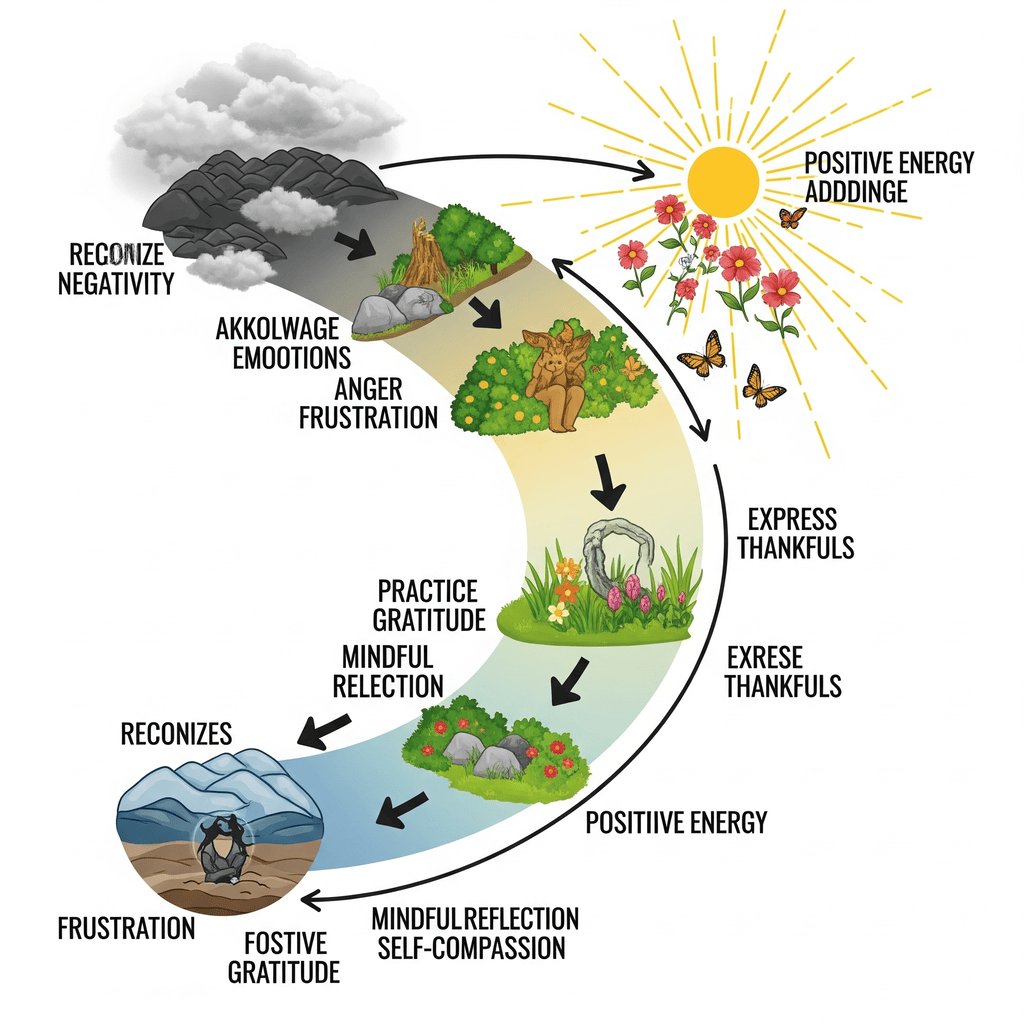
    Gratitude is not just a habit, but a fundamental paradigm that changes your outlook on everything. With this mindset, you no longer focus on lack or problems, but on what you already have and appreciate. As a result, stress and complaints decrease, and positive energy increases.

    However, for gratitude to be effective and not just theoretical, there is a very specific framework for applying it in daily life. The complete framework for practicing gratitude as a life paradigm is discussed in five specific steps in the book…

    Read also : Thinking Fast And Slow by Daniel Kahnema


    Concept 2: Gratitude as the Source of “Luck” or Good Fortune

    Many people expect luck to come from outside, such as coincidences or external factors beyond their control. However, gratitude allows you to create your own “luck.” When you hope for good fortune, you are actually preparing yourself to receive outcomes with an open and optimistic attitude.

    Imagine entering an important situation with a mindset filled with gratitude. You naturally open yourself up to opportunities and solutions that may not have been visible before. In other words, gratitude becomes a source of magical energy that makes positive outcomes more certain.

    However, there are three common mistakes people make when trying to create luck through gratitude, which are thoroughly discussed in our summary…

    Read also : The Small Business Bible by Steven D. Strauss

    Concept 3: Gratitude Transforms You and the World Around You

    The most remarkable principle of gratitude is that it not only changes your perception, but also transforms your environment and social relationships. When you express thanks and show appreciation consistently, your surroundings respond positively, reinforcing the habit.

    The impact is profound both in personal and professional life. Relationships become more harmonious, work performance improves, and enthusiasm for life increases. This is a real form of magic that happens when positive energy meets concrete action.

    Advanced techniques for this concept, including templates and practical examples, are part of the exclusive insights we have prepared at MentorBuku…

    Read also : Win Your Inner Battles by Darius Foroux

    How to Start Your Gratitude Journey Now?

    Getting started is not about waiting for the perfect moment, but about making gratitude a part of your daily routine. For example, you can begin your day by writing down three things you’re grateful for, or end it with a brief reflection on positive events.

    However, to practice gratitude effectively, you need a deeper understanding and a structured approach that you may not find just anywhere. That’s why we’ve prepared a series of materials that will reveal the secrets of applying gratitude in a practical, measurable, and powerful way.

    If you want to change the way you see the world and experience true magic in your life, start your gratitude journey with the right steps.


    Conclusion: Gratitude Is the Key to the Magic in Your Life

    You have just seen the foundation. These concepts are only the tip of the iceberg of what this book has to offer. How do you put them into practice step by step, avoid common pitfalls, and integrate them into your life strategy? All the answers are inside.

    Sign Up and Get Free Access at MentorBuku Now!