Introduction – Why the CEO Mindset Makes All the Difference
What truly sets the world’s best CEOs apart from ordinary leaders? Many people assume the answer lies in strategy or networking. However, the reality behind the pinnacle of leadership is much deeper. In a rapidly changing world, a CEO’s mindset is the primary catalyst that can turn a company’s fortunes, drive innovation, and keep an organization relevant.
The book “CEO Excellence: The Six Mindsets That Distinguish the Best Leaders from the Rest” uncovers the deepest layers of the mindset that shapes world-class CEOs. This article will highlight three key concepts—not just theories, but the proven foundations that shape great leaders. You will understand the “what” and the “why,” but the specifics of how to implement them can only be found if you dig deeper.
Vision Ownership & The Power of One
Why CEOs Must Hold a Firm Vision
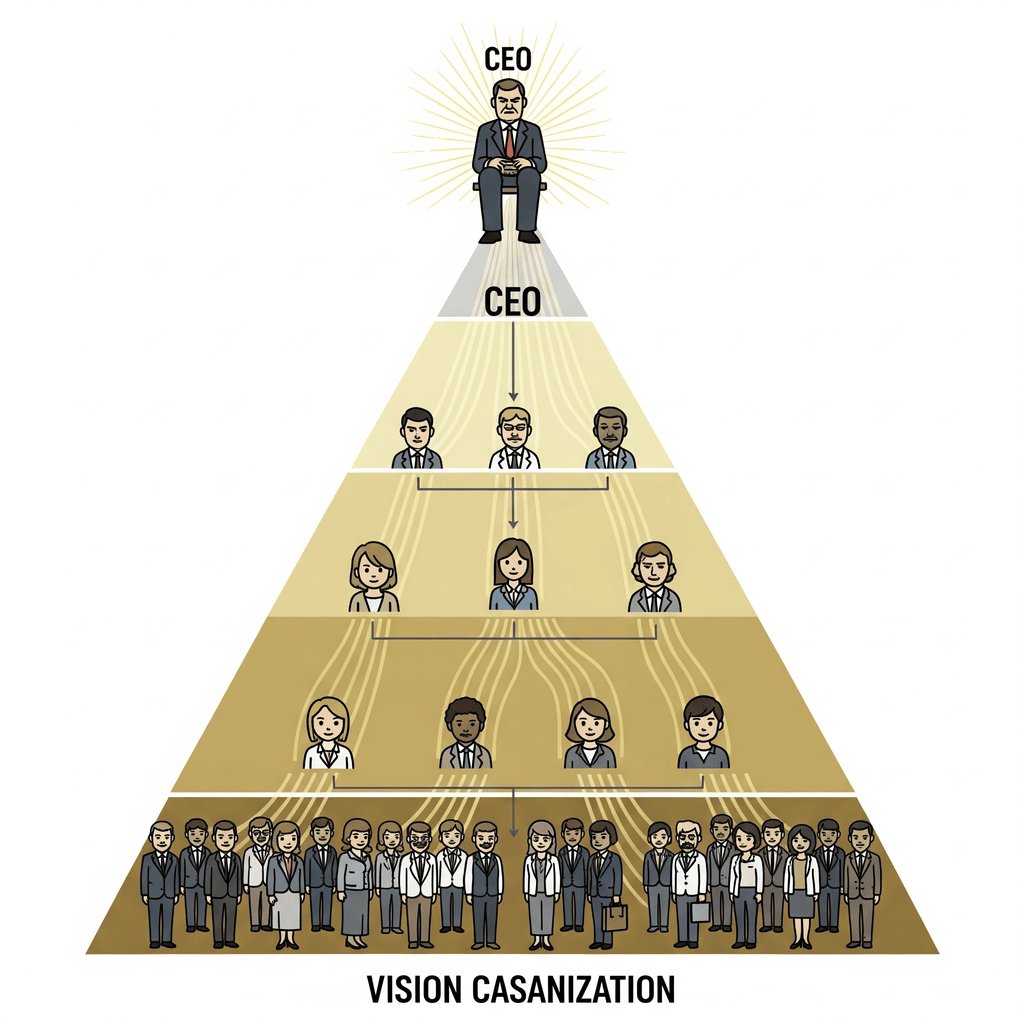
A CEO is not just a strategy executor. They are the owner of the vision. The concept of “The Power of One” emphasizes how crucial it is for a CEO to have an authentic and bold vision, not just for themselves but for the entire organization. History has shown that a strong vision can focus the company’s energy and unite thousands of individuals under one overarching goal—even when strategies change, the vision remains a moral compass guiding every decision.
Ajay Banga at Mastercard, for example, introduced the “kill cash” vision, focusing on the future of digital payments. This vision was not just a slogan, but became the catalyst for a major transformation within the company, despite initial resistance. With total vision ownership, a CEO not only inspires but also builds trust in the eyes of the board and shareholders, establishing themselves as a true agent of change.
But how do world-class CEOs develop a truly authentic vision, and how do they effectively spread it throughout the organization?
The complete framework for implementing vision ownership, including communication techniques and reality testing, is discussed in depth in this book…
Strategic Resource Allocation
The “Be Bold” Mindset and the Zero-Based Approach
Many CEOs get stuck in routine, allocating resources based on old patterns without the courage to change the status quo. The “Be Bold” mindset demands that CEOs dare to make big decisions, even if they involve risk. One of the main tools is the zero-based approach—allocating resources from scratch, not just continuing last year’s patterns.
This approach forces the organization to thoroughly examine which projects or divisions deserve full support and which ones should be trimmed or even discontinued. World-class CEOs, as studied in this book, are able to leverage this mindset not just for efficiency but to create new growth. They are unafraid to cut what is irrelevant while simultaneously making significant investments in future opportunities.
Therefore, outstanding CEOs are not just budget managers, but architects of the future. However, how is this “bold” resource allocation decision-making process actually carried out?
Advanced techniques from the “be bold” mindset, including zero-based analysis templates and real case studies, are part of the exclusive insights we have prepared at MentorBuku…
Read also : Connection Parenting by Pam Leo
Building Trust and Uniting the Team
Solving for the Whole & Overcoming Resistance
The best CEOs don’t just focus on small parts; they solve problems for the good of the entire organization. The concept of “solving for the whole” requires leaders to see the bigger picture, resolve conflicts of interest between divisions, and ensure every decision brings long-term benefits to the company as a whole.
However, the path to synergy is rarely smooth. Resistance, inter-team rivalry, and turf wars often become obstacles. World-class CEOs use various techniques to build trust—with the board, management, and employees alike. They understand that trust is the main currency when driving massive strategic change.
Interestingly, there are specific communication patterns and psychological approaches that top CEOs use to break down resistance. They also rely on performance milestones as a way to measure and maintain momentum during the transformation journey.
However, there are three common mistakes often made when trying to unite the team and build trust, which are thoroughly analyzed in our summary…
Read also : Men Are from Mars, Women Are from Venus by John Gray
The Path to Excellence in an Era of Uncertainty
Amid business volatility, the CEO’s mindset becomes the anchor that unites vision, strategy, and execution. The three key concepts—vision ownership, strategic resource allocation, and building trust—are the foundations that set great CEOs apart from mediocre ones. Yet, this is only the beginning. Each concept has deeper layers that you can only master through thorough exploration.
Read also: Give and Take by Adam Grant
You’ve just seen the foundation. These concepts are only the tip of the iceberg of what this book has to offer. How do you apply them step by step, avoid common pitfalls, and integrate them into your strategy? All those answers are inside.
Sign up and Get Free Access at MentorBuku Now!