Raising children is never just about providing what they want—more than that, the true role of a parent is to help children build strong character, a sense of security, and lasting happiness. One book that profoundly shifts our understanding of modern parenting is The Book You Wish Your Parents Had Read (and Your Children Will Be Glad That You Did) by Philippa Perry. In a world full of distractions, material things, and the demands of being the “perfect parent,” this book offers a fresh perspective: that building an emotional foundation, setting boundaries with empathy, and creating a structured yet simple environment are the keys to a child’s optimal growth.
This article will reveal three main concepts from the book: the importance of healthy boundaries, the power of simple toys, and the effect of limited choices on a child’s mental well-being. You will discover why these three things are game changers in modern parenting—and why you will need a deeper roadmap to implement them at home.
Why Empathetic Boundaries Actually Liberate Children
Often, parents are caught between two extremes: being too permissive or too strict. However, The Book You Wish Your Parents Had Read teaches that children actually value—and even need—clear boundaries. Boundaries are not “prisons”—but rather safety signals that provide security and structure.
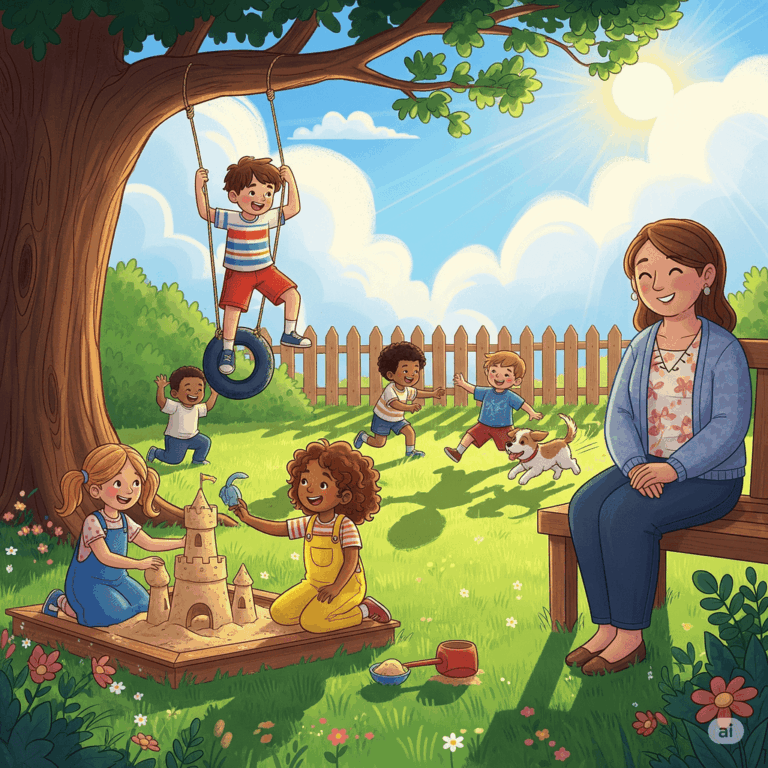
Imagine the following situation: a group of children are playing, becoming increasingly noisy, almost on the verge of hysteria. An adult steps in, not with shouting, but with a firm and calm voice, “I feel your voices are too loud for me. You can play more quietly here, or go inside.” This firmness brings them back on track, no drama, no threats. Those children know: this adult really means what they say, and they feel protected, not restricted.
Why is this important? Children, just like adults, need clarity about what boundaries are safe and acceptable. Empathetic boundaries build confidence, self-control, and a strong foundation for decision-making.
Read also : Futurevision: Scenarios for the World in 2040 by Richard Watson
However, anyone can easily misunderstand how to set boundaries. You might fall into the “just in case” trap, which ends up making your child more stressed or confused. The complete framework for implementing empathetic boundaries, including 5 practical steps, is thoroughly detailed in this book…
Simple Toys: Why “Less” Is Better in a Child’s World
In today’s era, the temptation to fill a child’s closet with all kinds of sophisticated toys is huge. Ironically, research and real-world observation prove the opposite: too many toys actually make children quickly bored, more chaotic, and even more anxious.
The author shares an interesting experience: out of all the toys, a used lemon plastic bottle ended up being a child’s favorite! From there, the child learned to suck and spray water, to imagine, and to explore the world in their own way. Meanwhile, fancy dollhouses, Disney characters, and miniature kitchen sets became mere decorations.
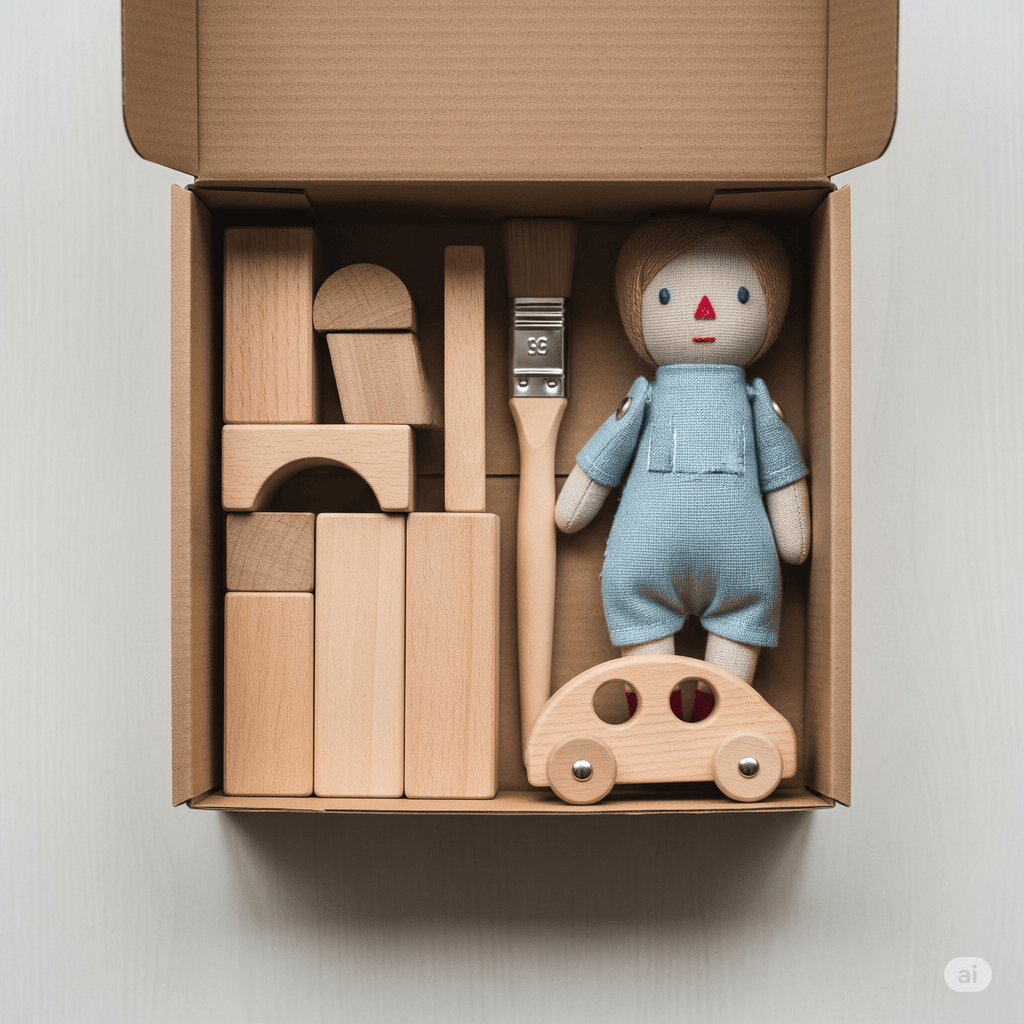
What’s the lesson? Children prefer simple and open-ended play experiences—like a cardboard box, a piece of cloth, a doll, or some wooden blocks. Having fewer items actually helps them learn to focus, keep things tidy, and foster boundless imagination.
But here’s the secret: limiting toys and providing craft materials like paint and paper is more effective than filling a home with “educational toys.” A child doesn’t need more than one drawer of toys—in fact, cognitive research has shown that overstimulation actually makes children more prone to anxiety and trouble concentrating.
Read also : Brand Psychology: The Art and Science of Building Strong Brands by Laura Busche
The techniques for setting up a minimalist play area and how to choose toys that truly provide optimal stimulation—including tips on rotating toys—are part of the in-depth insights discussed exclusively at MentorBuku…
Limited Choices: The Key to Preventing Overwhelm in Children
You might feel that the more options you give your child, the more creative and independent they will be. In reality, the opposite is true. The phenomenon of “choice overload” doesn’t only affect adults—it happens to children, too. Imagine a child faced with a dozen toys or activity options—instead of excitement, they end up feeling confused, overwhelmed, and ultimately… giving up or becoming cranky.
This book emphasizes: children (and adults) get confused, even “freeze,” when presented with too many choices. What they actually need is structure, and to a certain extent, they feel happier when the available options are limited and clear.
In addition, limiting choices gives children the opportunity to “finish” what they start—instead of jumping from one thing to another without direction. This way, children learn consistency, patience, and a sense of achievement.
How do you determine the right number of choices, when to provide options, and how to create routines that are rich but not overwhelming? The answers to these questions, as well as the three most common pitfalls when applying the “less is more” principle, are explained in detail in our special summary…
Why Simplicity, Boundaries, and Simple Choices Create Happy Children
The combination of these three elements creates a stable and healthy household ecosystem: children have space to imagine, feel safe within boundaries, and know exactly what they are doing. If you want to break the cycle of “impulsive parenting,” or prevent your child from growing up to be an anxious, instant-gratification-driven generation—these principles are not just relevant, they are CRUCIAL.
Many of us think love must be expressed by giving more and allowing as much freedom as possible. But as real-life experiences show, healthy boundaries, fewer but “right” toys, and controlled choices are true expressions of love that leave a lifelong imprint on a child’s character.
Of course, understanding “why” is not enough. Your child’s future deserves a tested “how,” one that can be applied calmly and confidently—and that is precisely the core mission of MentorBuku.
Closing Section — Unlock the Door to Deeper Knowledge
This article is just the spark. Imagine if one idea from here could change the way you work or think. Now, imagine what dozens of other strategic ideas could do. That is the power waiting for you.
Sign up and get free access at MentorBuku now!