Tag: MentorBuku

  • The “Ego Is the Enemy” Strategy: The Secret Paradigm of Self-Mastery for Authentic Greatness. Ego Is the Enemy by Ryan Holiday

    Introduction: Behind Success, There Lies a Hidden Foe

    History is full of stories about the failures of geniuses, leaders, and brilliant artists. Why do these individuals, despite being brimming with talent and brilliant ideas, often end up trapped in cycles of failure or mediocrity? The answer often whispers quietly but bites deeply: ego.
    The book “Ego Is the Enemy” delves into the deepest roots of this hidden enemy. Through sharp narratives and real-life examples, this book offers a series of insights into ego—not just in the context of psychology, but as an invisible “hijacker” that can strike anyone at any time.
    This article presents some gems of concepts from a book that has been, and always will be, relevant to anyone seeking to reach authentic and sustainable heights. This is an initial roadmap. However, the path to real change awaits in deeper sections.

    1. Ideas and Work: Why Do Ideas Remain Just Ideas?

    Many of us, like Edgar Degas the seasoned painter, feel full of ideas—sometimes even exploding with inspiration. However, inspiration without execution is powerless to bring real change. A famous conversation between Degas and the poet Mallarmé sums it up: “I can’t write the way I want to, even though my head is full of ideas,” Degas lamented. Mallarmé’s reply was gentle but piercing: “Poems aren’t made with ideas, Degas. They’re made with words.”
    Just like poetry, success in life is only achieved through work, not merely intention. Peter Drucker, the management maestro, asserted, “The best plan is just good intentions unless it degenerates into work.” The biggest obstacle is not a lack of inspiration, but the ego that whispers, “Great ideas are enough; the details can wait.”
    Without the ability to turn ideas into actions, great achievements are nothing but empty dreams. A framework for consistently translating ideas into concrete results, complete with techniques for daily discipline, is thoroughly explored in this book…


    2. The “Canvas Strategy”: The Unconscious Direction Setter

    Most people, driven by ego, want to be at center stage—to control everything, to be known by everyone, to receive instant recognition. Yet, a quiet strategy actually offers a different path: becoming the “canvas setter” who shapes the direction without needing to be in the spotlight.
    The Canvas Strategy teaches us to clear the way for others and contribute selflessly at the outset of our journey. Strangely, by doing so, you are the one shaping the future. Just as a canvas frames a painting, you decide its tone.
    This strategy knows no age, rank, or even length of experience. From before starting a career to leading an organization, anyone can begin. What sets people apart is the ability to restrain the ego—retrain yourself—and consistently focus on contribution rather than praise.
    The complete techniques for systematically practicing the Canvas Strategy, including how to build authentic reputation without appearing to “suck up” or self-sacrifice, are dissected in several dedicated chapters in this book…


    3. Resisting Illusion and Accepting Reality

    It is easier to build illusions of glory than to accept the harsh reality of failure or shortcomings. Ego often plunges us into the narrative of “I already know,” or “I can definitely do it,” even when the facts say otherwise.
    However, as illustrated in the story of John DeLorean, being lulled by baseless ambition for too long and ignoring the warning signs of failure actually led him to total ruin. In truth, falling is not the end. This book affirms that the only way to appreciate personal progress is by standing at the edge of the very pit of failure we once dug, then learning from it and improving our character.
    Challenging the ego to willingly accept facts, admit failure, and rise stronger is a fundamental lesson dissected thoroughly. Yet, the three most common ego traps that hinder your achievements—along with techniques to dismantle them one by one—are only comprehensively outlined within MentorBuku’s detailed guide…


    4. The Willingness to “Draw the Line”: Preserving Character

    Marcus Aurelius once said, “He can only destroy your life if he destroys your character.” In today’s world, dominated by fierce competition, the temptation to trade principles for superficial victory becomes ever more enticing. Ego persuades us to cross the line “just a little,” promising, “you can always go back later.”
    In reality, true strength lies in the courage to draw boundaries. Restraining oneself, saying “enough,” and choosing consistency of character over fleeting desires. This ability, more than just discipline, is the art of enduring life’s toughest trials.
    The big questions: How do you set healthy boundaries? How do you cultivate mental resilience so your character remains intact when pressure peaks? A practical framework for applying the “draw the line” concept in full, including modern case studies and character-building tools, are presented in detail among MentorBuku’s insights…


    5. Transformation through Humility: Becoming an Unshakable Individual

    One of the greatest paradoxes is: the more humble someone is, the harder it is for ego to bring them down. This book highlights the power of humility—active humility, not mere resignation. With humility, you open endless opportunities for learning, accept criticism, and turn failure into a leap of progress.
    The book reveals how the world’s most successful figures almost always share one common thread: a commitment to suppressing ego, learning at every step, and never tiring of self-improvement. However, the mental techniques of a “humility routine” and ways to build daily self-awareness habits—which truly set apart genuine winners—are only available in the exclusive MentorBuku recommendation modules…


    Conclusion: Becoming the Master, Not the Slave of Ego

    Why is ego so elusive, alluring, yet dangerous? Because it clings in the form of hopes, good intentions, even overconfidence. Yet, by dissecting the lessons of key figures and adopting the tactical strategies in this book, you have the chance to become the one in control of your life—not just a victim of your own ego’s impulses.
    Are you ready to follow the roadmap to conquer ego and rewrite your success narrative? The answer starts here.

    Read also : Parenting from the Inside Out by Daniel J Siegel


    Read also : Why Are All the Black Kids Sitting Together in the Cafeteria? by Beverly Daniel Tatum


    Read also : Conversations on Love by Lunn Natasha


    You have just seen the foundation. These concepts are only the tip of the iceberg of what this book has to offer. How do you apply them step by step, avoid common pitfalls, and integrate them into your strategy? All those answers are inside.
    Sign up and Get Free Access on MentorBuku Now!

  • Strategi “Ego Is the Enemy”: Paradigma Rahasia Mengendalikan Diri demi Kejayaan Autentik. Ego is the Enemy by Ryan Holiday

    Pendahuluan: Di Balik Kejayaan, Ada Musuh Dalam Selimut

    Sejarah penuh dengan kisah kegagalan para genius, pemimpin, hingga seniman cemerlang. Mengapa mereka, meski dipenuhi bakat dan ide gemilang, justru terjebak dalam lingkaran kegagalan atau mediokritas? Jawabannya seringkali berbisik pelan namun menggigit: ego.

    Buku “Ego Is the Enemy” membedah akar terdalam dari musuh tersembunyi ini. Melalui narasi tajam dan contoh nyata, buku ini menawarkan serangkaian pencerahan akan ego, bukan sekadar dalam konteks psikologi, tetapi sebagai “pembajak” tak terlihat yang bisa menyerang siapa saja—kapan saja.

    Artikel ini menyajikan beberapa permata konsep dari buku yang sudah, dan akan selalu, relevan untuk siapa pun yang ingin meraih puncak yang otentik dan berkelanjutan. Ini adalah peta awal. Namun, jalan menuju perubahan nyata menunggu di bagian yang lebih dalam.


    1. Ide dan Kerja: Kenapa Gagasan Tinggal Gagasan?

    Banyak dari kita, seperti Edgar Degas si pelukis kawakan, merasa penuh ide—bahkan kadang meledak-ledak akan inspirasi. Namun, inspirasi tanpa eksekusi tak berdaya membawa perubahan nyata. Percakapan terkenal antara Degas dan penyair Mallarmé merangkum semuanya: “Saya tak mampu menulis seperti yang saya mau, padahal kepala saya penuh ide,” kata Degas meratap. Jawab Mallarmé lembut tapi menusuk, “Bukan dengan ide seseorang membuat puisi, Degas. Tapi dengan kata-kata.”

    Sama seperti puisi, keberhasilan dalam hidup hanya dicapai lewat kerja, bukan niat semata. Peter Drucker, sang maestro manajemen, menegaskan, “Rencana terbaik adalah niat baik, kecuali ia menjelma dalam kerja.” Kesulitan terbesar bukanlah kekurangan inspirasi, melainkan ego yang berbisik, “Ide hebat cukup, detail nanti saja.”

    Tanpa kemampuan mengubah ide menjadi aksi, pencapaian besar hanyalah mimpi kosong. Kerangka kerja untuk konsisten menerjemahkan ide jadi hasil konkret, lengkap dengan teknik pengatur disiplin harian, dibedah secara spesifik di dalam buku ini…


    2. “Canvas Strategy”: Si Pengendali Arah yang Tak Disadari

    Kebanyakan orang, didorong ego, ingin menjadi pusat panggung—mengatur segalanya, diketahui semua orang, segera mendapat pengakuan. Namun, sebuah strategi diam-diam justru menawarkan jalur berbeda: menjadi “si pengatur kanvas” yang membentuk arah, tanpa harus ada di sorotan utama.

    Strategi kanvas (“Canvas Strategy”) mengajarkan kita untuk membersihkan jalan bagi orang lain dan berkontribusi tanpa pamrih di awal perjalanan. Anehnya, saat Anda melakukannya, justru Andalah yang membentuk masa depan. Seperti kanvas membingkai lukisan, Andalah yang menentukan coraknya.

    Strategi ini tidak mengenal batas usia, jabatan, atau bahkan lama pengalaman. Mulai dari sebelum berkarier hingga ketika memimpin organisasi, siapa pun bisa memulai. Yang membedakan adalah kemampuan menahan ego—retrain yourself—dan konsisten berfokus pada kontribusi, bukan pujian.

    Teknik lengkap untuk mempraktikkan Canvas Strategy secara sistematis, termasuk cara membangun reputasi otentik tanpa terlihat “menjilat” atau mengorbankan diri, dibedah dalam beberapa bab khusus buku ini…


    3. Menahan Ilusi dan Menerima Realitas

    Lebih mudah membangun ilusi kejayaan daripada menerima realitas keras kegagalan atau kekurangan. Ego kerap menjerumuskan kita ke dalam narasi “aku sudah tahu,” atau “aku pasti bisa,” bahkan ketika fakta berkata sebaliknya.

    Namun, seperti digambarkan dalam kisah John DeLorean, terlalu lama terbuai ambisi tanpa dasar serta mengabaikan sinyal kegagalan justru membawanya pada kehancuran total. Sebenarnya, jatuh bukanlah akhir. Buku ini menegaskan, satu-satunya cara untuk menghargai kemajuan diri adalah dengan berdiri di tepi lubang kegagalan yang pernah kita gali, lalu belajar dan memperbaiki karakter.

    Menantang ego agar rela menerima fakta, mengakui kegagalan, dan bangkit lebih tangguh adalah pelajaran fundamental yang dibedah tuntas. Namun, tiga jebakan ego paling sering yang menjerat pencapaian Anda—beserta teknik membongkarnya satu per satu—hanya diuraikan lengkap dalam rincian MentorBuku…


    4. Kemauan untuk “Draw the Line”: Menyelamatkan Karakter

    Marcus Aurelius pernah berujar, “Ia hanya bisa menghancurkan hidupmu jika ia menghancurkan karaktermu.” Dalam dunia modern yang didominasi persaingan, godaan menukar prinsip demi kemenangan semu semakin menggoda. Ego membujuk supaya menyeberang garis hanya sedikit, dan “nanti bisa kembali.”

    Padahal, kekuatan sejati ada pada keberanian untuk menggambari batas. Menahan diri, berkata “cukup,” dan memilih konsistensi karakter di atas keinginan sesaat. Kemampuan ini, lebih dari sekadar disiplin, adalah seni bertahan di medan ujian terberat hidup.

    Pertanyaan besarnya: Bagaimana Anda menetapkan batas yang sehat? Bagaimana mengasah ketahanan mental agar karakter tetap utuh ketika tekanan memuncak? Kerangka praktis untuk mengaplikasikan konsep “draw the line” secara komplit, termasuk studi kasus modern dan tools pengasah karakter, dipaparkan detail dalam ragam insight MentorBuku…


    5. Transformasi dengan Rendah Hati: Menjadi Sosok yang Tak Tergoyahkan

    Satu paradoks terbesar adalah: semakin rendah hati seseorang, semakin sulit ia dijatuhkan oleh ego. Buku ini menekankan kekuatan humility—kerendahan hati yang aktif—bukan sekadar pasrah. Dengan rendah hati, Anda membuka peluang belajar tanpa henti, menerima kritik, dan mengubah kegagalan menjadi lompatan kemajuan.

    Buku ini membeberkan bagaimana para sosok sukses dunia nyaris selalu memiliki satu benang merah: keteguhan menundukkan ego, belajar di setiap perjalanan, dan tak pernah lelah memperbaiki diri. Namun, teknik mental “humility routine” serta cara membangun kebiasaan mawas diri setiap hari—yang terbukti membedakan pemenang sejati—hanya tersedia dalam modul khusus rekomendasi MentorBuku…


    Konklusi: Menjadi Tuan, Bukan Budak Ego

    Mengapa ego begitu elusif, mempesona, tapi berbahaya? Karena ia menempel dalam bentuk harapan, niat baik, bahkan keyakinan diri yang berlebihan. Namun, dengan membedah pelajaran para tokoh dan mengadopsi strategi-strategi taktis dalam buku ini, Anda punya peluang menjadi pengendali hidup, bukan sekadar korban dari dorongan ego sendiri.

    Apakah Anda siap menerapkan peta jalan mengalahkan ego dan menyusun ulang narasi keberhasilan hidup? Jawabannya baru dimulai di sini.


    Baca juga : Parenting from the Inside Out by Daniel J Siegel

    Baca juga : Why Are All the Black Kids Sitting Together in the Cafeteria? by Beverly Daniel Tatum

    Baca juga : Conversations on Love by Lunn Natasha


    Anda baru saja melihat fondasinya. Konsep-konsep ini hanyalah puncak gunung es dari apa yang ditawarkan buku ini. Bagaimana cara menerapkannya langkah demi langkah, menghindari jebakan umum, dan mengintegrasikannya ke dalam strategi Anda? Semua jawaban itu ada di dalam.

    Daftar dan Dapatkan Akses Gratis di MentorBuku Sekarang!


  • Revealed! A New Paradigm for Mastering Attention & Creativity. Hyperfocus: How to Be More Productive in a World of Distraction by Chris Bailey

    In today’s information age, attention is the new currency. Every day, we are bombarded with thousands of notifications, digital distractions, and relentless multitasking demands. But have you ever wondered: why is it so difficult to maintain deep focus and generate fresh ideas? The answer lies in how we manage two main modes of the brain: hyperfocus and scatterfocus.
    Chris Bailey, through his book “Hyperfocus: The New Science of Attention, Productivity, and Creativity,” dissects the secrets of managing attention to boost your productivity and creativity. This article will unveil its fundamental foundations—and why you must master them before your competitors do.

    Hyperfocus — A Revolutionary Way to Manage Attention

    Let’s start with the fundamental concept: hyperfocus. In a world full of distractions, the ability to place your entire attention on a single task without fragmentation is a strategic advantage. Hyperfocus is a state where your brain is fully immersed in work, much like an athlete entering the “zone.” In this condition, productivity soars, the quality of work improves, and you can complete important tasks more quickly and effectively.
    Chris Bailey emphasizes that hyperfocus is not just a theory; it is a skill that can be trained. By identifying the best times to focus (Creative Prime Time) and organizing your work environment, you can create space for hyperfocus to thrive. Additionally, working in structured time blocks and managing energy are also key.
    However, activating hyperfocus is not as easy as flipping your hand. Many get trapped in the illusion of productivity: feeling busy while their attention is scattered everywhere. This is the main trap of the digital age.

    A complete framework for implementing hyperfocus, including strategies for prioritizing tasks and setting up a distraction-free environment, is discussed in specific steps in this book. However, there are three common mistakes often made when trying to hyperfocus, which are thoroughly examined in our summary at MentorBuku.

    Scatterfocus — The Hidden Source of Your Brain’s Creativity

    If hyperfocus is about narrowing attention, then scatterfocus is the opposite: allowing thoughts to wander in a directed manner. Scatterfocus does not mean daydreaming aimlessly, but rather giving the brain space to connect the dots of ideas hidden in the subconscious. This is the brain’s creative mode often utilized by great thinkers like Salvador Dalí and Mihaly Csikszentmihalyi.
    During scatterfocus, your brain naturally reflects on problems, identifies patterns, and generates innovative solutions. Many great discoveries occur while someone is engaged in light activities such as walking or taking a shower—when the brain is in scatterfocus mode. Bailey mentions that scheduling specific time for scatterfocus is as important as hyperfocus sessions. Both complement each other: you need hyperfocus to complete tasks, and scatterfocus to generate new ideas.

    Advanced techniques for optimizing scatterfocus—including how to manage “mind wandering” to remain productive and not let it turn into mere distraction—are part of the exclusive insights we have prepared at MentorBuku.

    Taming Distractions and Building Focus Habits

    Nothing is more challenging than maintaining attention in today’s digital world. Phone notifications, incoming emails, and social media are the primary enemies of hyperfocus. Often, we fail to build focus habits because our surroundings do not support it. Chris Bailey analyzes that the biggest sources of distraction actually come from within: uncontrolled curiosity, the desire to react immediately, and procrastination habits.
    The solution is not only to turn off notifications or apply “deep work” techniques but also to build habits that reinforce self-control. Through structured practice, discipline, and understanding attention patterns of the brain, you can gradually enhance your focus ability. Bailey outlines tiny habits that become the foundation of hyperfocus and scatterfocus routines.
    However, there is a trap: many people fail to maintain focus habits because they do not know how to address “attention fatigue” and build an effective support system. Templates and practical examples for building long-term focus habits are only available at MentorBuku.

    Also read: The 4-Hour Workweek by Timothy Ferriss

    Integrating Hyperfocus & Scatterfocus into Your Routine

    Often, we get stuck in one mode: overly focused (hyperfocus) to the point of exhaustion, or allowing thoughts to wander (scatterfocus) so much that we lose direction. The key to success is to integrate both proportionally into your daily routine. In other words, you need to know when to sharpen your focus and when to give space for creativity to flourish.
    Chris Bailey emphasizes the importance of finding your personal rhythm—identifying when your brain is most optimal for deep work and when the best time is to rest and let ideas emerge naturally. Many successful professionals schedule specific times for deep work and creativity sessions in their agendas.

    Also read: Luxury Marketing, Sustainability and Technology (Routledge Studies in Luxury Management) by Park Thaichon, Sara Quach

    However, specific strategies for adjusting hyperfocus and scatterfocus schedules to fit your lifestyle and unique challenges can only be found in our complete summary.

    Conclusion: A New Era of Attention = A New Era of Success

    The key to future productivity and creativity is not just hard work, but smart work—by mastering attention. Hyperfocus and scatterfocus are two sides of the same coin that you must practice and utilize. By understanding when and how to activate these two modes, you will surpass conventional productivity limits.
    Do not let your attention be stolen by the digital world. Build focus habits, create space for creativity, and become a pioneer in the era of relentless competition.

    This article is just the spark. Imagine if one idea from here could change the way you work or think. Now, imagine what dozens of other strategic ideas could do. That is the power that awaits you.

    Sign up and Get Free Access at MentorBuku Now!

  • Terungkap! Paradigma Baru Menguasai Perhatian & Kreativitas. Hyperfocus: How to Be More Productive in a World of Distraction by Chris Bailey

    Di era informasi saat ini, perhatian adalah mata uang baru. Setiap hari, kita dibombardir ribuan notifikasi, distraksi digital, dan tuntutan multitasking yang tanpa henti. Namun, pernahkah Anda bertanya: mengapa sulit sekali mempertahankan fokus mendalam dan menciptakan ide-ide segar? Jawabannya terletak pada cara kita mengelola dua mode utama otak: hyperfocus dan scatterfocus.

    Chris Bailey, melalui buku “Hyperfocus: The New Science of Attention, Productivity, and Creativity”, membedah rahasia mengelola perhatian agar produktivitas dan kreativitas Anda melesat pesat. Artikel ini akan mengungkap fondasi-fondasi utamanya—dan mengapa Anda wajib menguasainya sebelum kompetitor Anda melakukannya.

    Hyperfocus — Cara Revolusioner Mengelola Perhatian

    Mari kita mulai dengan konsep fundamental: hyperfocus. Dalam dunia yang penuh distraksi, kemampuan untuk menempatkan seluruh perhatian pada satu tugas tanpa terpecah adalah keunggulan strategis. Hyperfocus adalah keadaan di mana otak Anda terbenam sepenuhnya ke dalam pekerjaan, layaknya atlet yang masuk “zona”. Dalam kondisi ini, produktivitas meroket, kualitas hasil kerja meningkat, dan Anda mampu menyelesaikan tugas-tugas penting dengan lebih cepat dan efektif.

    Chris Bailey menekankan bahwa hyperfocus bukan sekadar teori; ini adalah keterampilan yang bisa dilatih. Dengan mengidentifikasi waktu-waktu terbaik untuk fokus (Creative Prime Time) dan mengatur lingkungan kerja Anda, Anda dapat menciptakan ruang bagi hyperfocus untuk berkembang [1]. Selain itu, melakukan pekerjaan dalam blok waktu terstruktur dan mengelola energi juga menjadi kunci.

    Namun, mengaktifkan hyperfocus tidak semudah membalikkan telapak tangan. Banyak yang terjebak dalam ilusi produktivitas: merasa sibuk, padahal perhatian mereka tersebar ke mana-mana. Inilah jebakan utama era digital.

    Kerangka kerja lengkap untuk menerapkan hyperfocus, termasuk strategi memilih prioritas dan menyiapkan lingkungan bebas gangguan, dibahas dalam langkah-langkah spesifik di dalam buku ini. Namun, ada tiga kesalahan umum yang sering terjadi saat mencoba hyperfocus, yang dibedah tuntas dalam rangkuman kami di MentorBuku.

    Scatterfocus — Sumber Kreativitas Tersembunyi Otak Anda

    Jika hyperfocus adalah tentang mengerucutkan perhatian, maka scatterfocus adalah kebalikannya: membiarkan pikiran mengembara secara terarah. Scatterfocus bukan berarti melamun tanpa tujuan, melainkan memberi ruang bagi otak untuk menghubungkan titik-titik ide yang tersembunyi di bawah sadar. Inilah mode kreatif otak yang sering dimanfaatkan oleh para pemikir besar seperti Salvador Dalí dan Mihaly Csikszentmihalyi [1].

    Selama scatterfocus, otak Anda secara alami merefleksikan masalah, menemukan pola, dan melahirkan solusi inovatif. Banyak penemuan besar lahir saat seseorang sedang melakukan aktivitas ringan seperti berjalan atau mandi—saat otak berada di mode scatterfocus. Bailey menyebutkan bahwa mengatur waktu khusus untuk scatterfocus sama pentingnya dengan sesi hyperfocus. Keduanya saling melengkapi: Anda butuh hyperfocus untuk menyelesaikan, dan scatterfocus untuk menciptakan ide baru.

    Teknik lanjutan untuk mengoptimalkan scatterfocus—termasuk cara mengelola “mind wandering” agar tetap produktif dan tidak berubah menjadi distraksi semata—adalah bagian dari wawasan eksklusif yang kami siapkan di MentorBuku.

    Menjinakkan Distraksi dan Membentuk Kebiasaan Fokus

    Tidak ada yang lebih menantang daripada menjaga perhatian di tengah dunia digital saat ini. Notifikasi ponsel, email masuk, dan media sosial adalah musuh utama hyperfocus. Sering kali, kita gagal membangun kebiasaan fokus karena lingkungan sekitar tidak mendukung. Chris Bailey menganalisis bahwa sumber distraksi terbesar justru berasal dari dalam diri: rasa ingin tahu yang tidak terkendali, keinginan untuk segera bereaksi, dan kebiasaan menunda pekerjaan [1].

    Solusinya bukan hanya mematikan notifikasi atau menerapkan teknik “deep work”, tetapi juga membangun kebiasaan yang memperkuat kontrol diri. Dengan latihan terstruktur, disiplin, dan pemahaman tentang pola atensi otak, Anda bisa secara bertahap meningkatkan kemampuan fokus. Bailey memaparkan kebiasaan-kebiasaan kecil (tiny habits) yang menjadi fondasi rutinitas hyperfocus dan scatterfocus.

    Namun, ada jebakan: banyak orang yang gagal mempertahankan kebiasaan fokus karena tidak mengetahui cara mengatasi “keletihan perhatian” (attention fatigue) dan membangun sistem pendukung yang efektif. Template dan contoh praktis membangun kebiasaan fokus jangka panjang hanya tersedia di MentorBuku.

    Baca juga : The 4-Hour Workweek by Timothy Ferriss

    Mengintegrasikan Hyperfocus & Scatterfocus dalam Rutinitas

    Seringkali, kita terjebak dalam salah satu mode: terlalu fokus (hyperfocus) sehingga kelelahan, atau terlalu membiarkan pikiran mengembara (scatterfocus) sehingga kehilangan arah. Kunci sukses adalah mengintegrasikan keduanya secara proporsional dalam rutinitas harian. Dengan kata lain, Anda perlu tahu kapan saatnya menajamkan fokus, dan kapan harus memberi ruang bagi kreativitas untuk tumbuh.

    Chris Bailey menggarisbawahi pentingnya menemukan ritme pribadi—mengidentifikasi kapan otak Anda paling optimal untuk bekerja mendalam, dan kapan waktu terbaik untuk beristirahat serta membiarkan ide bermunculan secara alami. Banyak profesional sukses menjadwalkan waktu khusus untuk deep work dan sesi kreativitas dalam agenda mereka.

    Baca juga : Luxury Marketing, Sustainability and Technology (Routledge Studies in Luxury Management) by Park Thaichon,Sara Quach

    Namun, strategi spesifik untuk menyesuaikan jadwal hyperfocus dan scatterfocus agar sesuai dengan gaya hidup serta tantangan unik Anda hanya bisa ditemukan dalam rangkuman lengkap kami.

    Kesimpulan: Era Baru Perhatian = Era Baru Sukses

    Kunci produktivitas dan kreativitas masa depan bukan sekadar kerja keras, tetapi kerja cerdas—dengan menguasai perhatian. Hyperfocus dan scatterfocus adalah dua sisi mata uang yang harus Anda latih dan manfaatkan. Dengan memahami kapan dan bagaimana mengaktifkan kedua mode ini, Anda akan melampaui batasan produktivitas konvensional.

    Jangan biarkan perhatian Anda dicuri oleh dunia digital. Bangun kebiasaan fokus, ciptakan ruang bagi kreativitas, dan jadilah pionir di era persaingan tanpa henti.

    Artikel ini adalah percikan apinya. Bayangkan jika satu ide dari sini bisa mengubah cara Anda bekerja atau berpikir. Sekarang, bayangkan apa yang bisa dilakukan oleh puluhan ide strategis lainnya. Itulah kekuatan yang menanti Anda.

    Daftar dan Dapatkan Akses Gratis di MentorBuku Sekarang!


  • Rahasia Fundamental: Kekuatan Paradigma Selflessness yang Mengubah Hidup Anda. Energize Your Mind by Gaur Gopal Das

    Mengapa “Selflessness” Kini Jadi Katalisator Hidup Produktif

    Pernahkah Anda bertanya-tanya, mengapa sebagian orang tampak begitu bahagia dan produktif, bahkan ketika mereka justru lebih banyak memberi daripada menerima? Jawabannya bisa jadi terletak pada satu kata yang sering kita abaikan: selflessness, atau ketidakmementingan diri.

    Di dunia yang semakin individualistik, buku “Energize Your Mind” karya Gaur Gopal Das menghadirkan sudut pandang kontras yang revolusioner. Buku ini tidak sekadar membahas motivasi atau teknik manajemen waktu. Ia justru menyoroti bagaimana “memberi” tanpa pamrih—baik dalam bentuk waktu, tenaga, maupun pemikiran—bisa menjadi sumber energi mental yang tak terbatas.

    Artikel ini akan mengulas tiga konsep kunci dari buku tersebut:

    1. Selflessness sebagai fondasi hidup bermakna
    2. Prinsip “Kebaikan Berantai” dan dampaknya pada produktivitas
    3. Mindset “Beyond Yourself” sebagai katalisator kebahagiaan sejati

    Namun, perlu diingat: pembahasan ini adalah “pintu gerbang” pengetahuan. Cara menerapkan konsep-konsep ini secara konkret hanya dapat Anda temukan di MentorBuku.


    Selflessness: Fondasi Hidup Bermakna

    Pernah mendengar pepatah, “Pohon tidak makan buahnya sendiri, sungai tidak minum airnya sendiri”? Gaur Gopal Das mengutip filosofi kuno yang menegaskan bahwa makhluk-makhluk agung—seperti pohon, sungai, dan awan—memberi manfaat kepada sesama tanpa pamrih. Filosofi ini menjadi pondasi “selflessness” sebagai pola pikir yang seharusnya kita miliki dalam hidup modern.

    Mengapa hal ini penting?
    Banyak penelitian modern menunjukkan bahwa memberi, baik dalam bentuk materiil maupun emosional, memicu pelepasan hormon kebahagiaan dan menurunkan stres. Namun, tidak hanya itu, selflessness juga menciptakan ketahanan mental yang lebih kuat. Ketika Anda berhenti fokus pada diri sendiri dan mulai memikirkan orang lain, Anda justru mengaktifkan pusat energi baru dalam hidup Anda.

    Selain itu, selflessness berperan sebagai “jaringan pengaman” psikologis saat menghadapi tantangan. Saat Anda memberi, Anda membangun koneksi sosial yang kuat dan memperluas makna kehidupan. Ini adalah prinsip yang telah terbukti selama ribuan tahun, kini kembali relevan di era digital yang serba cepat.

    Kerangka kerja lengkap untuk menerapkan selflessness dalam rutinitas harian—tanpa merasa dieksploitasi—dibahas secara sistematis di dalam buku ini dan telah dirangkum secara eksklusif di MentorBuku.
    Baca juga : The Magic by Rhonda Byrne


    Prinsip Kebaikan Berantai: Kecil, Namun Berdampak Besar

    Selanjutnya, “Energize Your Mind” memperkenalkan prinsip “Kebaikan Berantai”. Filosofi ini menegaskan bahwa satu tindakan kecil dapat menciptakan efek domino positif yang tak terduga. Dalam kisah nyata Kamalamma, misalnya, tindakan sederhana yang ia lakukan menjadi inspirasi nasional dan mengubah kehidupan banyak orang.

    Mengapa konsep ini begitu powerful? Karena dengan kebaikan berantai, Anda tidak hanya mengubah hidup satu orang, tetapi juga membangun ekosistem kebaikan yang terus berkembang. Setiap aksi positif yang Anda lakukan bisa menginspirasi orang lain untuk berbuat hal serupa, menciptakan lingkaran kebajikan yang tidak pernah berhenti.

    Di dunia kerja, prinsip ini bisa mengubah budaya organisasi. Dalam hubungan pribadi, ia mempererat kepercayaan dan loyalitas. Bahkan dalam kehidupan sehari-hari, kebaikan berantai menambah rasa syukur dan memperkaya jiwa.

    Namun, ada tiga kesalahan umum yang sering terjadi saat mencoba membangun rantai kebaikan, mulai dari motivasi yang salah hingga ekspektasi sosial yang keliru. Ulasan mendalam beserta solusi praktisnya hanya ada dalam rangkuman kami di MentorBuku.
    Baca juga : Great CEOs Are Lazy by Jim Schleckser


    Mindset “Beyond Yourself”: Katalisator Kebahagiaan Sejati

    Di bagian lain, buku ini menyoroti pentingnya mengembangkan mindset “Beyond Yourself”—berpikir dan bertindak melampaui kepentingan pribadi. Banyak orang terjebak dalam pola pikir “apa untungnya bagiku”, tanpa sadar justru menutup pintu kebahagiaan sejati.

    Mengadopsi mindset ini mengubah cara Anda melihat tantangan dan peluang. Anda tidak lagi takut gagal, karena tujuan utama Anda adalah kontribusi, bukan hanya prestasi pribadi. Ini juga membuat Anda lebih tahan banting terhadap tekanan sosial dan ekspektasi eksternal.

    Bahkan, riset psikologi positif menunjukkan bahwa individu yang fokus pada kontribusi memiliki tingkat kesehatan mental lebih baik dan risiko burnout lebih rendah. Mereka lebih adaptif, kreatif, dan bahagia.

    Teknik lanjutan mengembangkan mindset “Beyond Yourself”, termasuk template refleksi diri dan contoh aplikasinya dalam kehidupan sehari-hari, merupakan bagian dari wawasan eksklusif yang kami siapkan di MentorBuku.
    Baca juga : Stoicism for Inner Peace by Fleur Marie Vaz


    Pelajaran Spiritual dari “Energize Your Mind”

    Buku ini juga menyinggung dimensi spiritual dari selflessness. Dalam ajaran-ajaran India kuno, memberi tanpa pamrih adalah bentuk tertinggi dari pengabdian dan jalan menuju kehidupan yang lebih bermakna. Penulis bahkan mengucapkan terima kasih kepada para guru spiritualnya, menandakan bahwa belajar memberi adalah perjalanan seumur hidup.

    Spirit spiritual ini membuka cakrawala baru tentang makna kesuksesan. Bukan sekadar pencapaian materi, melainkan pencapaian yang membawa manfaat bagi sebanyak-banyaknya orang. Perspektif ini sangat relevan di era sekarang, di mana makna kebahagiaan semakin bergeser dari “memiliki” menjadi “berbagi”.

    Bagaimana cara Anda mengintegrasikan dimensi spiritual ini ke dalam rutinitas modern? Jawabannya, lengkap dengan langkah praktis dan refleksi diri, dapat Anda temukan di platform MentorBuku.


    Mengapa Anda Harus Mengadopsi Paradigma Selflessness Sekarang?

    Menerapkan selflessness bukan berarti mengorbankan diri sendiri tanpa batas, melainkan menempatkan kontribusi sebagai prioritas. Dalam dunia yang penuh persaingan, justru mereka yang berani memberi dan berbagi yang akan menjadi pemenang sejati—baik secara personal maupun profesional.

    Paradigma ini telah diuji oleh waktu. Ia menjadi fondasi bagi para pemimpin hebat, inovator, dan individu yang hidupnya penuh makna. Kini, saatnya Anda memulai perjalanan perubahan dengan langkah pertama: memahami dan menginternalisasi konsep selflessness.

    Namun, memahami “apa” dan “mengapa” hanyalah permulaan. Anda butuh strategi praktis, studi kasus nyata, dan panduan langkah demi langkah untuk benar-benar mengubah hidup Anda.


    Penutup: Transformasi Dimulai dari Sini

    Anda baru saja melihat fondasinya. Konsep-konsep ini hanyalah puncak gunung es dari apa yang ditawarkan buku ini. Bagaimana cara menerapkannya langkah demi langkah, menghindari jebakan umum, dan mengintegrasikannya ke dalam strategi Anda? Semua jawaban itu ada di dalam.

    **[Daftar dan Dapatkan Akses Gratis di MentorBuku]**

  • Fundamental Secrets: The Catalyst for Harmony Between Men and Women in Modern Relationships. Men Are from Mars, Women Are from Venus by John Gray, Ph.D

    Introduction: The Knowledge Gap Behind “So-So” Relationships

    Have you ever felt that no matter how hard you try to maintain harmony, your relationship still feels full of friction? Or that communication becomes increasingly stiff and full of misunderstandings, even though you and your partner love each other? In this fast-paced modern era, the secret to building a harmonious relationship is not just about love, but also about a deep understanding of the psychology of men and women.
    The classic book “Men Are from Mars, Women Are from Venus” unpacks the fundamental differences between men and women in thinking, responding to stress, and expressing emotional needs. This article will explore three strategic concepts from the book that are ready to give you an “Aha! moment.” However, only on the level of what and why. For how to apply them concretely, we will provide a teaser of knowledge leading to the original source.


    H2: The “Different Planets” Paradigm – The First Key to Understanding Your Partner

    One of the most powerful foundations of this book is the idea that men and women are as if they come from entirely different planets: Mars and Venus. This means their thought patterns, needs, and ways of handling problems are very likely to be polar opposites.
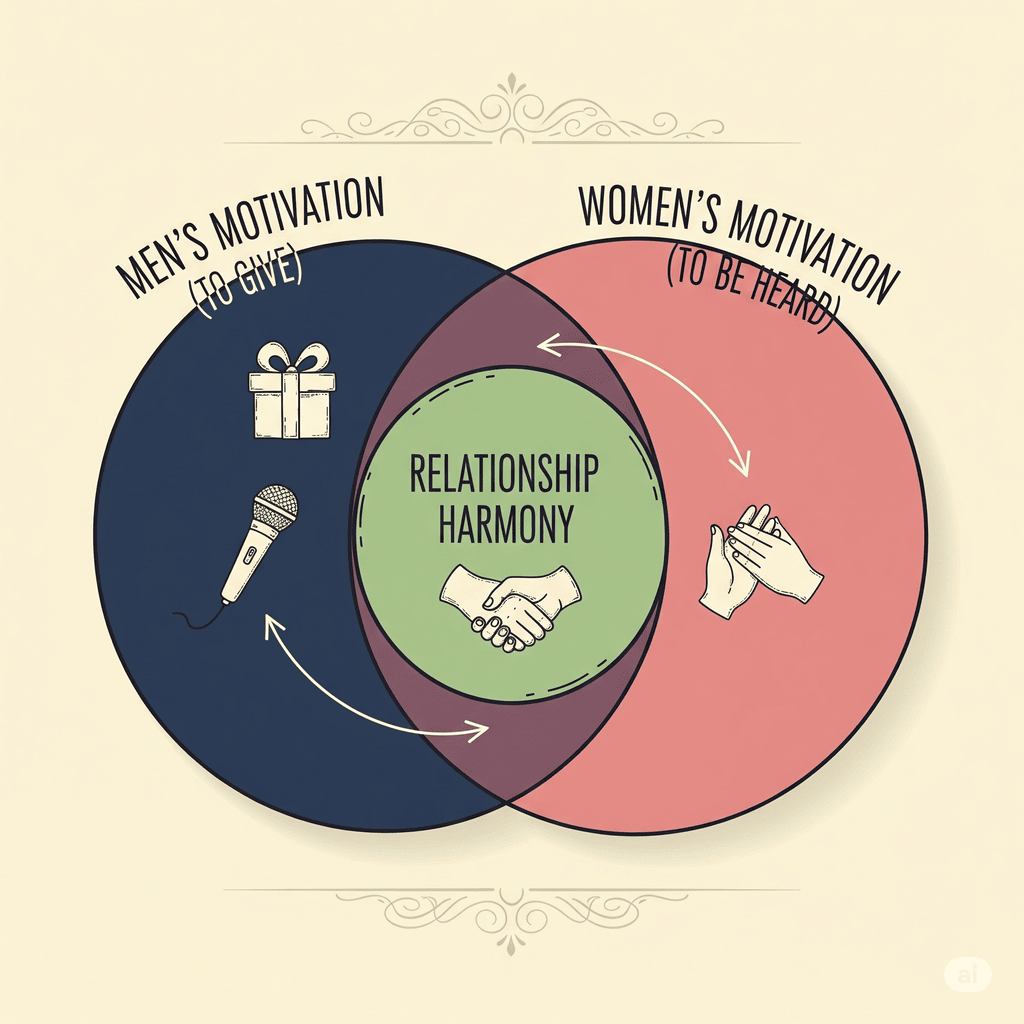
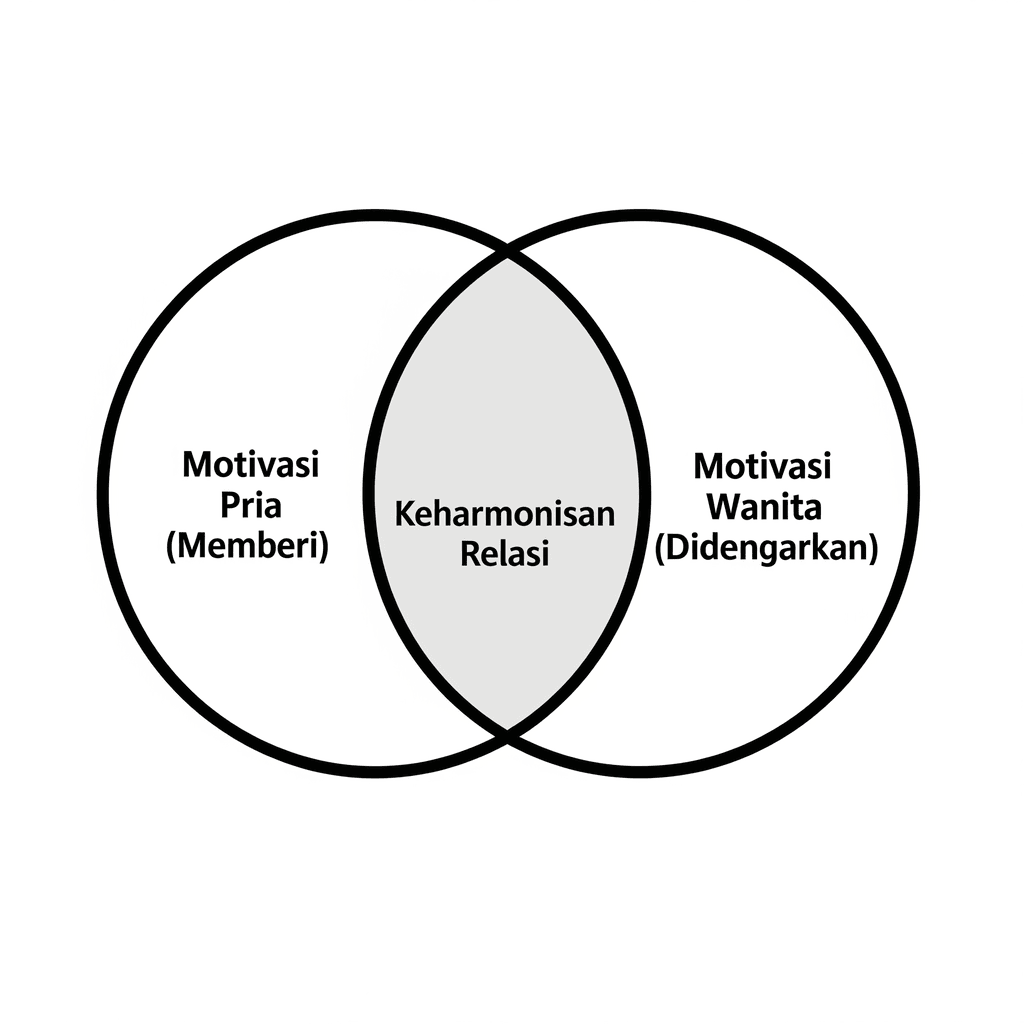
    In a man’s world, meaning in life often arises when they have the opportunity to give and contribute in a tangible way. They want to feel competent, needed, and capable of facing external challenges for the happiness of their loved ones. When men are given the space to prove their potential, they tend to show the best version of themselves. However, if they feel they have failed or their efforts are not appreciated, they can revert to selfish patterns and shut down.
    On the other hand, women—as “citizens of Venus”—are more inspired by the experience of being heard and understood in a safe emotional space. Communication and the expression of feelings are seen as strengths, not weaknesses. The process of telling stories and sharing is how women express affection, process stress, and rediscover their inner strength.
    Why is this important? Because, without the awareness that your and your partner’s “mental maps” are completely different, any good effort risks being misinterpreted. Men offer solutions when what women need is empathetic listening. Women pour out their feelings when men need space for themselves. The result: recurring frustration, accumulating petty arguments, and emotional burnout.
    The complete framework for applying this “different planets” paradigm is detailed through exercises and reflective conversations in the book…

    Read also : Secrets of the Millionaire Mind by T. Harv Eke

    H2: A Man’s Motivation – When Giving Brings Happiness

    The second revolutionary concept from this book is the transformation of a man’s motivation as he matures. In his youth, fulfilling his own personal needs is “enough” to make a man happy. However, as he ages and the relationship deepens, that need shifts. A man will only feel true happiness when he is able to bring happiness to others, especially his partner. This is an amazing, life-changing catalyst.
    When a man is in an environment that supports his ability to give and “strive” for his loved ones, he will experience new happiness and energy. Competence and success in the relationship make him more enthusiastic and resilient in the face of any hardship. However, when he feels like a failure, unappreciated, or unneeded, a man will “retreat,” even reverting to old life patterns that tend to be selfish and withdrawn.
    Why is this important to understand? Because many relationships fail when a wife does not provide enough opportunities for her husband to contribute, or conversely, the husband feels he can do nothing right when he tries to help. Instead of being a partner, the man feels like a “burden” or incompetent in his partner’s eyes. Understanding this core motivation is the best gateway to begin building emotional synergy.
    However, there are three common mistakes often made when trying to actualize this motivation to give, which are broken down in detail in our summary…

    H2: The Phase of Emotional Maturity – When a Man “Moves Beyond” Himself

    Still aligning with the previous concept, John Gray highlights the shift in a man’s emotional needs from self-gratification to selfless giving. This means life satisfaction is no longer found in self-fulfillment alone. On the contrary, when he “breaks free from the chains” of selfish motivation and begins to give selflessly, a man discovers a new meaning in life.
    For example, a husband who once focused only on his hobbies will begin to find incredible happiness when he successfully does something meaningful for his wife. In fact, when experiencing hardship—a man is willing to endure it as long as he knows his partner’s happiness is increasing. This is a transcendence of motivation, from seeking self-pleasure to living with a shared mission. This process also pushes a man out of ‘inertia’ (laziness, stagnation) to become a more energetic and purpose-driven version of himself.
    Why is this a game changer? Many couples get stuck in a “me-first” pattern because they don’t understand this phase. In reality, when a man is given the space and recognition to give, not only does the relationship grow, but so does their quality of life.
    Advanced techniques from this principle, including real-life examples and daily exercises, are part of the exclusive insights we present at MentorBuku…

    H2: Conclusion – Harmony Begins with Understanding the “What” and “Why”

    Understanding the basic psychological patterns of men and women is like having the key to unlock a long-lasting, harmonious relationship. Without this, all communication techniques or romantic gestures are only temporary solutions.
    In summary:

    • Men & women have different “mental maps”; understand their differences first before trying to improve communication.
    • Mature men find happiness when they are able to “give” and see their partner happy – not just from fulfilling their own needs.
    • The motivational phase from self-fulfillment to selfless giving is the greatest catalyst for personal and relational growth.

    However, let’s be honest: this knowledge is just the beginning. Its implementation in real life, as well as the common pitfalls to avoid, requires a practical framework and real-life examples. And, the original book, as well as MentorBuku’s premium summary, are the best resources to master the steps in depth.

    Read also : Josh Kaufman by Josh Kaufman

    This article is the spark. Imagine if one idea from this could change the way you work or think. Now, imagine what dozens of other strategic ideas could do. That is the power that awaits you.
    Sign Up and Get Free Access at MentorBuku Now!

  • Rahasia Fundamental: Katalisator Harmoni Pria dan Wanita dalam Hubungan Modern. Men Are from Mars, Women Are from Venus by John Gray, Ph.D

    Pendahuluan: Celah Pengetahuan di Balik Hubungan yang “Biasa-biasa Saja”

    Pernahkah Anda merasa, sekeras apa pun usaha menjaga keharmonisan, hubungan tetap terasa penuh gesekan? Atau justru komunikasi jadi semakin kaku dan penuh kesalahpahaman, meski Anda dan pasangan saling mencintai? Di era modern yang serba cepat, rahasia untuk membangun hubungan harmonis ternyata tidak semata soal cinta, tapi juga pemahaman mendalam mengenai psikologi laki-laki dan perempuan.

    Buku klasik “Men Are from Mars, Women Are from Venus” membongkar perbedaan mendasar antara pria dan wanita dalam berpikir, merespons stres, serta mengekspresikan kebutuhan emosional. Artikel ini akan mengupas tiga konsep strategis dari buku tersebut, yang siap memberi Anda “Aha! moment”. Namun, hanya pada tataran apa dan mengapa. Untuk bagaimana penerapannya yang konkret, kami akan berikan pancingan pengetahuan menuju sumber aslinya.


    H2: Paradigma “Planet Berbeda” – Kunci Awal Memahami Pasangan

    Salah satu fondasi paling ampuh dari buku ini adalah gagasan bahwa pria dan wanita ibarat berasal dari planet yang sepenuhnya berbeda: Mars dan Venus. Artinya, pola pikir, kebutuhan, hingga cara mengatasi masalah sangat mungkin bertolak belakang.

    Di dalam dunia pria, makna hidup banyak muncul ketika mereka mendapatkan kesempatan untuk memberi dan berkontribusi secara nyata. Mereka ingin merasa kompeten, diperlukan, dan mampu menghadapi tantangan luar demi kebahagiaan orang yang dicintai. Ketika pria diberi ruang untuk membuktikan potensi, mereka cenderung menampilkan versi terbaik dari diri mereka. Namun, jika merasa gagal atau usahanya tidak dihargai, mereka bisa kembali pada pola egois dan menutup diri.

    Di sisi lain, wanita—sebagai “warga Venus”—lebih terinspirasi oleh pengalaman didengarkan dan dipahami dalam ruang emosional yang aman. Komunikasi serta ekspresi perasaan dianggap sebagai kekuatan, bukan kelemahan. Proses bercerita dan berbagi kisah adalah cara wanita mengekspresikan kasih sayang, memproses stres, dan menemukan kembali kekuatan diri.

    Mengapa ini penting? Karena, tanpa kesadaran bahwa “peta mental” Anda dan pasangan benar-benar berbeda, usaha baik apa pun berisiko salah tafsir. Pria justru memberi solusi ketika yang dibutuhkan wanita adalah empati mendengarkan. Wanita justru menuangkan perasaan saat pria sedang butuh ruang sendiri. Hasilnya: frustrasi berulang, pertengkaran kecil yang menumpuk, dan kejenuhan emosional.

    Kerangka kerja lengkap untuk menerapkan paradigma “planet berbeda” ini dijabarkan melalui latihan dan percakapan reflektif di buku…
    Baca juga : Secrets of the Millionaire Mind by T. Harv Eker


    H2: Motivasi Pria – Saat Memberi Membuat Bahagia

    Konsep revolusioner kedua dari buku ini adalah transformasi motivasi pria seiring kedewasaan. Di masa muda, pemenuhan kebutuhan pribadi “cukup” untuk membahagiakan seorang pria. Namun, seiring bertambahnya usia dan kedalaman relasi, kebutuhan itu bergeser. Pria hanya akan merasakan kebahagiaan sejati saat ia mampu memberi kebahagiaan kepada orang lain, utamanya pasangan. Inilah katalisator perubahan hidup yang menakjubkan.

    Saat pria di lingkungan yang mendukung kemampuannya memberi dan “berjuang” demi orang yang dicintai, ia akan mengalami kebahagiaan dan energi baru. Kompetensi dan keberhasilan dalam relasi membuatnya semakin bersemangat dan tahan banting menghadapi kesulitan apa pun. Namun, ketika merasa gagal, tidak dihargai, atau tidak diperlukan, pria akan “mundur”, bahkan kembali ke pola hidup lama yang cenderung egois dan tertutup.

    Mengapa harus dipahami? Karena banyak hubungan gagal lantaran istri tidak memberikan cukup peluang bagi suami untuk berkontribusi, atau sebaliknya suami merasa serba salah saat membantu. Alih-alih menjadi partner, pria merasa sebagai “beban” atau tidak kompeten di mata pasangannya. Pemahaman motivasi utama ini adalah pintu masuk terbaik untuk mulai membangun sinergi emosional.

    Namun, ada tiga kesalahan umum yang sering terjadi saat mencoba mengaktualisasikan motivasi memberi ini, yang dibedah tuntas dalam rangkuman kami…


    H2: Fase Kedewasaan Emosi – Saat Lelaki “Melepaskan” Diri dari Diri Sendiri

    Masih selaras dengan konsep sebelumnya, John Gray menyorot pergeseran kebutuhan emotional pria dari self-gratification menuju selfless giving. Artinya, kepuasan hidup tidak lagi ditemukan dalam pemenuhan diri saja. Justru ketika ia “terlepas dari rantai” motivasi egois dan mulai memberi tanpa pamrih, pria menemukan makna baru dalam hidup.

    Contohnya, seorang suami yang dulunya hanya fokus pada hobinya, akan mulai menemukan kebahagiaan luar biasa ketika berhasil melakukan sesuatu yang bermakna bagi istrinya. Bahkan, saat mengalami penderitaan—pria siap menanggungnya asal tahu kebahagiaan pasangannya meningkat. Inilah sebuah transendensi motivasi, dari mencari kenikmatan diri menuju hidup dengan misi bersama. Proses ini juga mendorong pria keluar dari ‘inertia’ (kemalasan, stagnasi) menjadi versi lebih energik dan purpose-driven.

    Mengapa ini game changer? Banyak pasangan terjebak di pola “aku-aku” lantaran tidak memahami fase ini. Padahal, ketika pria diberikan ruang dan pengakuan untuk memberi, bukan cuma hubungan yang tumbuh, namun juga kualitas hidup mereka.

    Teknik lanjutan dari prinsip ini, termasuk contoh nyata dan latihan harian, adalah bagian dari insight eksklusif yang kami sajikan di MentorBuku…


    H2: Kesimpulan – Harmoni yang Dimulai dari Pemahaman “Apa” dan “Mengapa”

    Memahami pola dasar psikologi pria dan wanita bagaikan memiliki kunci pembuka hubungan harmonis yang tahan lama. Tanpa ini, semua teknik komunikasi atau romantisme hanya menjadi solusi sementara.

    Ringkasnya:

    • Pria & wanita punya “peta mental” berbeda; pahami dulu perbedaannya sebelum memperbaiki komunikasi.
    • Pria dewasa berbahagia ketika mampu “memberi” dan melihat pasangannya bahagia – bukan sekadar memenuhi diri sendiri.
    • Fase motivasi dari pemenuhan diri menuju memberi tanpa pamrih adalah katalisator terbesar bagi pertumbuhan pribadi dan relasi.

    Namun, mari jujur: pengetahuan ini baru awalan. Implementasinya di kehidupan nyata, serta jebakan umum yang perlu dihindari, membutuhkan kerangka praktis dan contoh nyata. Dan, buku aslinya serta rangkuman premium MentorBuku adalah sumber terbaik untuk menguasai langkah-langkahnya secara mendalam.

    Baca juga : The Personal MBA by Josh Kaufman


    Artikel ini adalah percikan apinya. Bayangkan jika satu ide dari sini bisa mengubah cara Anda bekerja atau berpikir. Sekarang, bayangkan apa yang bisa dilakukan oleh puluhan ide strategis lainnya. Itulah kekuatan yang menanti Anda.

    Daftar dan Dapatkan Akses Gratis di MentorBuku Sekarang!


  • The Fundamental Secrets of Building Wealth: A Strategic Paradigm from “Your Next Five Moves”. Your Next Five Moves: Master the Art of Business Strategy by Patrick Bet-David with Greg Dinkin

    Introduction: Unveiling the Layers of Strategy to Wealth

    Everyone dreams of building authentic wealth—one that can endure not just for a season, but form the foundation of the future. However, few understand that true success is not merely a matter of luck or hard work. It is the result of a series of meticulously planned strategic moves. This is the powerful message presented in the book “Your Next Five Moves: Master the Art of Business Strategy”.
    This article explores several fundamental concepts from the book—from discovering the path to wealth and knowing your own identity, to understanding the power of differentiation and a winner’s mindset. However, each of these concepts is just the surface. To master the ‘how’ and avoid common pitfalls, follow the explanation to the end.


    The Strategic Paradigm: Crafting the Path to Personal Wealth

    Lasting wealth is never accidental. According to Patrick Bet-David, the author of this book, “money is only a tool.” This means money is neutral—it will only take you as far as your vision and strategy carry it. However, it is not the money that determines the driver; you are the one controlling the direction Your Next Five Moves Master the Art of Business Strategy.pdf.

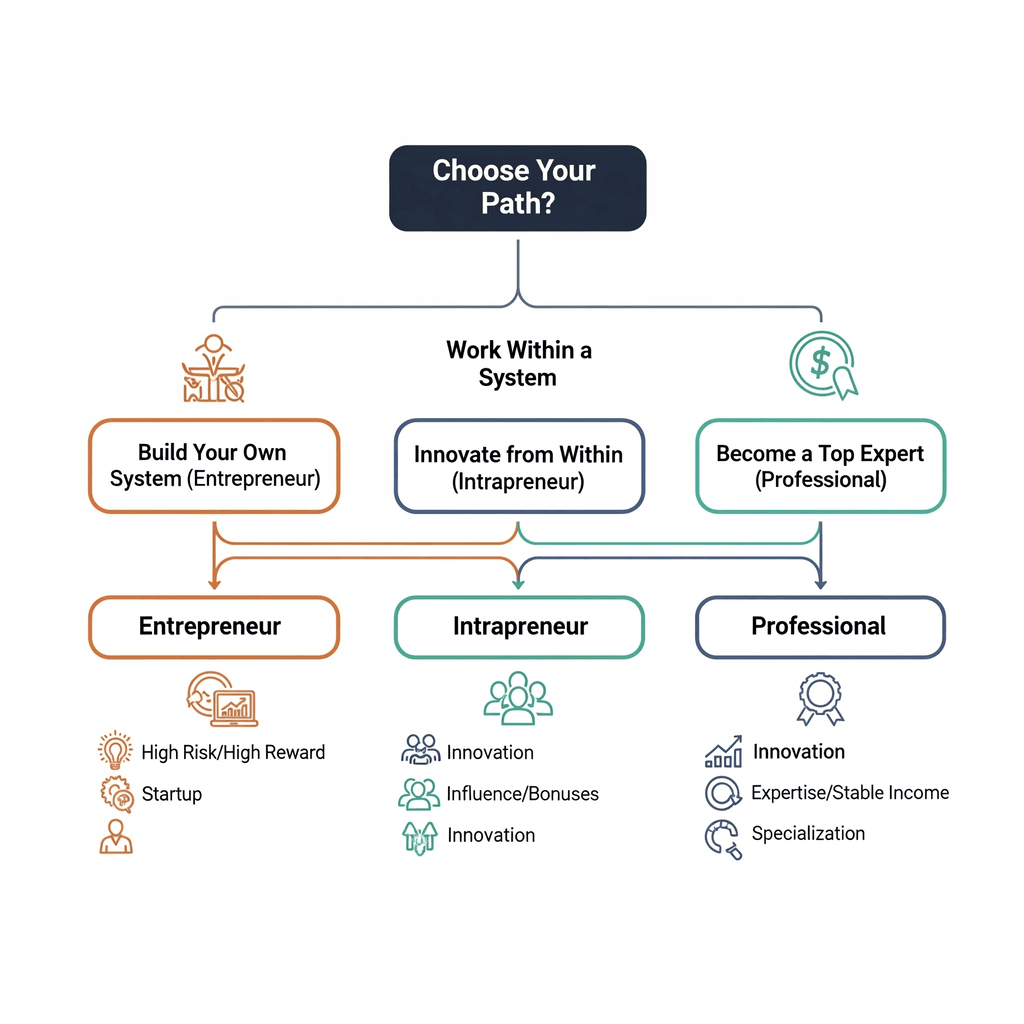
    The first point to understand is the importance of choosing a path to wealth based on your unique strengths. The book offers a “Personal Identity Audit” approach—a deep reflection to help each person understand what truly motivates them. Only by understanding who we are can we choose whether to become an entrepreneur, intrapreneur, or take on another role in building wealth—and each path has its own distinct strategy. Your Next Five Moves Master the Art of Business Strategy.pdf.
    But how exactly does one conduct an identity audit and translate it into the right path? The series of key questions and its in-depth process are outlined step-by-step in this book…


    Determining the Path: Entrepreneur vs. Intrapreneur

    Not everyone is cut out to be an entrepreneur, but every individual can find a value-creation path that aligns with their talents. The book emphasizes two main paths:

    1. Entrepreneur: The Risk-Taker and Game-Changer

    An entrepreneur breaks old boundaries and builds something new from scratch. They take on great risks, but also have the potential for the highest returns. However, the risks are not just in the form of capital—but also mental pressure and the acumen to spot opportunities. Your Next Five Moves Master the art of Business Strategy.pdf.

    2. Intrapreneur: The Innovation Leader Within an Organization

    On the other hand, an intrapreneur is a catalyst for change within a large company. They develop ideas, lead innovative projects, and build value, but within a framework that is relatively safer than that of an entrepreneur.

    Choosing this path cannot be done carelessly. You need to be aware of your strengths, weaknesses, and deepest motivations before making this big decision.
    A concrete framework for assessing your fit for the entrepreneur or intrapreneur role—including practical assessments and case studies—is presented in full in a special chapter of this book. The explanation of “blue ocean” and how to execute it is also dissected in detail in the exclusive summary on MentorBuku…


    The Power of Differentiation: Find Your Unique “Edge”

    In a world full of competition, only those who can stand out and be different will survive. Bet-David consistently emphasizes the importance of a “competitive edge”—something that sets you apart from the crowd and opens up a “blue ocean” or a new, untapped market. Your Next Five Moves Master the Art of Business Strategy.pdf.
    Differentiation is not just about creating a different product or service. It starts with knowing very clearly for whom you are offering value, what makes you relevant, and why people should choose you over others.
    Therefore, the step of finding this unique “edge” is often seen as simple, yet it is full of pitfalls. Many professionals fail to distinguish between a real competitive advantage and simply “following trends.”
    Market research techniques, the “Value Proposition” framework approach, as well as case studies on how large companies found their “blue oceans,” are all detailed in MentorBuku’s advanced guide. Three fatal mistakes in building differentiation are also thoroughly examined…


    The Mindset of a Great Player: Learning from the “Poker Master”

    There is an interesting story in this book about Eric Drache, one of the world’s greatest poker players. He was successful not only because of his playing skills, but also because he always chose opponents who made him grow—not just seeking easy wins. This analogy becomes an important lesson: in the business world, we are often required to make decisions by considering many steps ahead, like a chess grandmaster thinking about their “next five moves”. Your Next Five Moves Master the Art of Business Strategy.pdf.
    This kind of mindset distinguishes between ordinary businesspeople and those who can stay at the top of their game. You are required to:

    • Dare to make important decisions even when not all information is available
    • Always be prepared to face uncertainty
    • Choose challenges that sharpen your “mental muscle”

    However, how can one build this winner’s mindset? The book contains mental exercises, reflective reminders, and daily habits to hone strategic intuition. A template for developing “resilience” and real examples of decision mapping are available exclusively on MentorBuku…


    Strategy Integration: Creating a Personal Wealth Blueprint

    After understanding these major concepts, the main key is integration. You are faced with a critical question: how do you combine the personal identity audit, path determination (entrepreneur/intrapreneur), the search for a “competitive edge,” and a winner’s mindset into a single strategic blueprint?
    This series of integrative steps, which includes setting milestones, periodic reviews, and the technique of “reverse engineering” life goals, becomes an essential foundation for real transformation.
    A strategy integration framework, a self-evaluation checklist, and real blueprint examples are presented exclusively in the MentorBuku summary. You will also find cases of the biggest failures caused by a lack of “strategic integration,” and how to avoid them…


    Conclusion: Why You Shouldn’t Stop Here

    If you want to build wealth that is not only substantial but also resilient and true to your identity, the foundation you’ve learned in this article is just the tip of the iceberg. There are detailed secrets, practical techniques, and inspiring case studies that are intentionally not revealed here. You can get all of that if you are willing to dig deeper.

    Read also : Courage Is Calling by Ryan Holiday


    Read also : Do Epic Shit by Ankur Warikoo


    Read also : Energize Your Mind by Gaur Gopal Das

    You have just seen the foundation. These concepts are merely the tip of the iceberg of what this book offers. How do you apply them step by step, avoid common pitfalls, and integrate them into your strategy? All those answers are inside.
    Sign Up and Get Free Access on MentorBuku Now!

  • Rahasia Fundamental Membangun Kekayaan: Paradigma Strategis dari “Your Next Five Moves”. Your Next Five Moves: Master the Art of Business Strategy by Patrick Bet-David with Greg Dinkin

    Pendahuluan: Menyibak Lapisan Strategi Menuju Kekayaan

    Setiap orang bermimpi membangun kekayaan yang otentik—yang mampu bertahan bukan hanya dalam satu musim, tetapi membentuk fondasi masa depan. Namun, hanya sedikit yang mengerti bahwa kesuksesan sejati bukan sekadar soal keberuntungan atau kerja keras. Ia adalah hasil dari serangkaian langkah strategis yang disusun dengan cermat. Inilah pesan kuat yang dipaparkan dalam buku “Your Next Five Moves: Master the Art of Business Strategy”.

    Artikel ini mengupas beberapa konsep fundamental dari buku tersebut—mulai dari menemukan jalur kekayaan, mengenal identitas diri, hingga memahami kekuatan diferensiasi dan cara berpikir pemenang. Namun, setiap konsep ini baru permukaannya. Untuk menguasai “bagaimana” dan menghindari jebakan umum, simak penjelasan berikut hingga akhir.


    Paradigma Strategis: Menyusun Jalan Menuju Kekayaan Pribadi

    Kekayaan yang tahan lama tidak pernah lahir secara kebetulan. Menurut Patrick Bet-David, penulis buku ini, “money is only a tool.” Artinya, uang itu netral—dialah yang akan membawa Anda sejauh visi dan strategi Anda membawanya. Namun, bukan uang yang menentukan siapa pengemudinya; Andalah sang pengendali arah Your Next Five Moves Master the Art of Business Strategy.pdf.

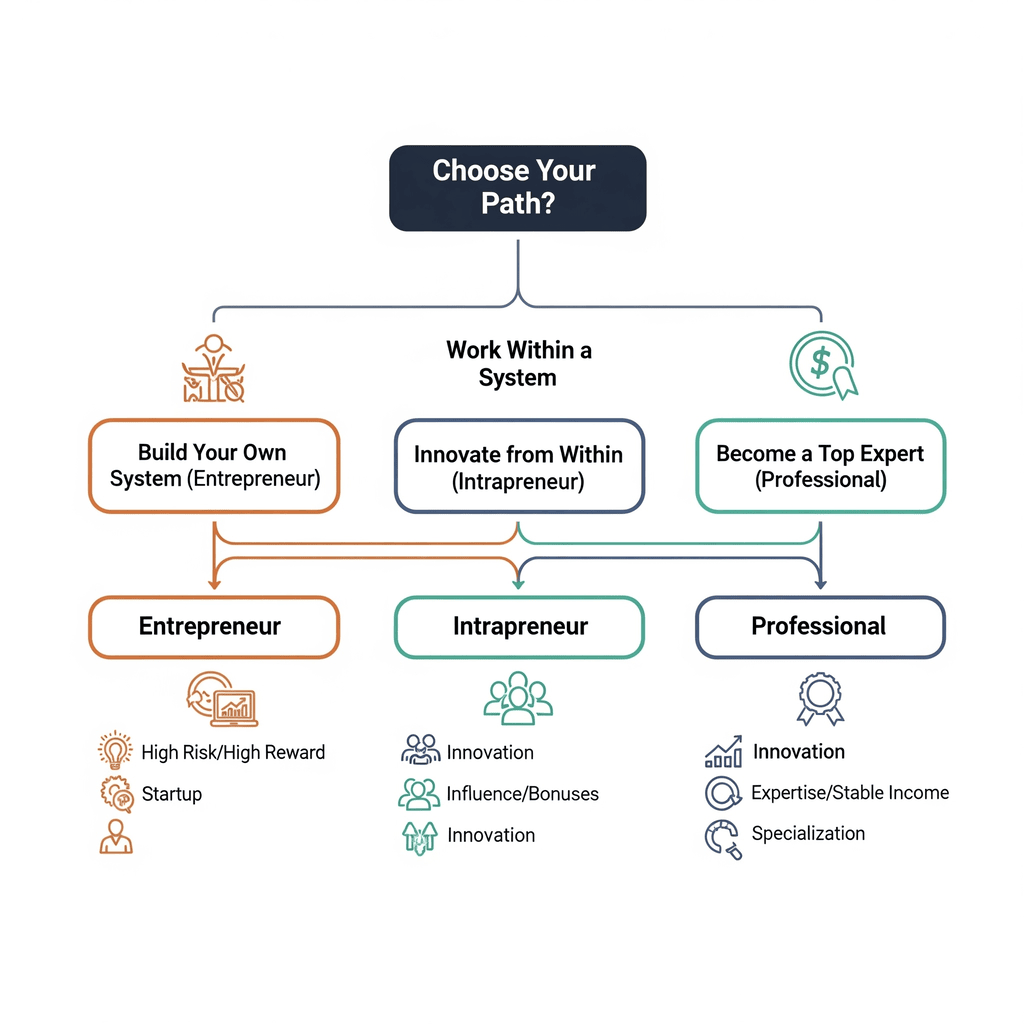
    Titik pertama yang harus dipahami adalah pentingnya memilih jalan kaya sesuai kekuatan unik. Buku ini menawarkan pendekatan “Personal Identity Audit”—suatu refleksi mendalam agar setiap orang tahu apa yang benar-benar memotivasi mereka. Hanya dengan memahami siapa kita, kita bisa memilih apakah akan menjadi entrepreneur, intrapreneur, atau posisi lain dalam membangun kekayaan—dan semua memiliki strategi tersendiri Your Next Five Moves Master the Art of Business Strategy.pdf.

    Namun, bagaimana persisnya melakukan audit identitas dan menerjemahkannya ke jalur yang benar? Rangkaian pertanyaan kunci dan proses mendalamnya diuraikan langkah demi langkah dalam buku ini…


    Menentukan Jalur: Entrepreneur vs. Intrapreneur

    Tidak semua orang cocok menjadi entrepreneur, namun setiap individu dapat menemukan jalur penciptaan nilai yang sesuai dengan bakatnya. Buku ini menekankan dua jalur utama:

    1. Entrepreneur: Pengambil Risiko dan Pencipta Permainan Baru

    Seorang entrepreneur mendobrak batas lama dan membangun sesuatu yang baru dari nol. Mereka menanggung risiko besar, tetapi juga memiliki peluang pengembalian tertinggi. Namun, risikonya bukan sekadar dalam bentuk modal—tetapi juga tekanan mental dan kejelian membaca peluang Your Next Five Moves Master the Art of Business Strategy.pdf.

    2. Intrapreneur: Pemimpin Inovasi di Dalam Organisasi

    Di sisi lain, intrapreneur adalah katalisator perubahan di perusahaan besar. Mereka mengembangkan ide, memimpin proyek inovatif, dan membangun value, namun dalam kerangka yang relatif lebih aman daripada entrepreneur.

    Menentukan jalur ini tidak boleh asal. Anda perlu menyadari kekuatan, kelemahan, dan motivasi terdalam sebelum mengambil keputusan besar ini.

    Kerangka kerja konkret untuk menilai kecocokan diri dengan peran entrepreneur atau intrapreneur—termasuk asesmen praktis dan studi kasus—tersaji lengkap dalam bab khusus buku ini. Penjelasan “blue ocean” dan cara mengeksekusinya juga dibedah detail dalam rangkuman eksklusif di MentorBuku


    Kekuatan Diferensiasi: Temukan “Edge” Unik Anda

    Dalam dunia yang penuh persaingan, hanya mereka yang mampu menonjol dan berbeda yang akan bertahan. Bet-David secara konsisten menekankan pentingnya “competitive edge”—sesuatu yang membedakan Anda dari kerumunan dan membukakan ruang “blue ocean” atau pasar baru yang belum terjamah Your Next Five Moves Master the Art of Business Strategy.pdf.

    Diferensiasi bukan sekadar membuat produk atau jasa yang berbeda. Ini dimulai dari mengetahui dengan sangat jelas untuk siapa Anda menawarkan nilai, apa yang membuat Anda relevan, dan kenapa orang harus memilih Anda dibandingkan yang lain.

    Oleh karena itu, langkah mencari “edge” unik ini kerap dipandang sederhana, padahal penuh jebakan. Banyak profesional gagal membedakan antara keunggulan kompetitif nyata dan sekadar “ikut-ikutan tren”.

    Teknik riset pasar, pendekatan framework “Value Proposition”, serta studi kasus bagaimana perusahaan besar menemukan “blue ocean” mereka, semuanya diuraikan dalam panduan lanjutan MentorBuku. Tiga kesalahan fatal dalam membangun diferensiasi juga dikupas tuntas…


    Pola Pikir Sang Pemain Hebat: Belajar dari “Master Poker”

    Ada kisah menarik dalam buku ini tentang Eric Drache, salah satu pemain poker terhebat dunia. Ia tidak hanya sukses karena keterampilan bermain, namun juga karena selalu memilih lawan yang membuatnya tumbuh—bukan sekadar mencari kemenangan mudah. Analogi ini menjadi pelajaran penting: dalam dunia bisnis, sering kali kita dituntut untuk mengambil keputusan dengan mempertimbangkan banyak langkah ke depan, layaknya grandmaster catur yang memikirkan “next five moves”-nya Your Next Five Moves Master the Art of Business Strategy.pdf.

    Pola pikir seperti ini membedakan antara pebisnis biasa dan pebisnis yang mampu bertahan di puncak permainan. Anda dituntut untuk:

    • Berani mengambil keputusan penting meski belum semua informasi tersedia
    • Selalu bersiap menghadapi ketidakpastian
    • Memilih tantangan yang membuat “mental muscle” bertambah tajam

    Namun, bagaimana cara membangun pola pikir pemenang ini? Buku ini memuat latihan mental, pengingat reflektif, dan kebiasaan harian untuk mengasah intuisi strategis. Template pengembangan “keuletan” dan contoh nyata pemetaan keputusan tersedia eksklusif di MentorBuku…


    Integrasi Strategi: Menyusun Blueprint Pribadi Kekayaan

    Setelah memahami konsep-konsep besar tadi, kunci utamanya adalah integrasi. Anda dihadapkan pada pertanyaan kritis: bagaimana menggabungkan audit identitas diri, penentuan jalur (entrepreneur/intrapreneur), pencarian “competitive edge”, dan pola pikir pemenang ke dalam satu blueprint strategi?

    Rangkaian langkah integratif ini, yang termasuk penetapan milestone, review berkala, dan teknik “reverse engineering” target hidup, menjadi fondasi penting untuk transformasi nyata.

    Framework integrasi strategi, checklist evaluasi diri, dan contoh blueprint nyata disajikan khusus dalam rangkuman MentorBuku. Anda juga akan menemukan kasus kegagalan terbesar yang terjadi akibat tidak adanya “strategic integration”, serta cara menghindarinya…


    Konklusi: Mengapa Anda Tidak Boleh Berhenti Sampai Di Sini

    Jika Anda ingin membangun kekayaan yang bukan hanya tinggi, tapi juga tahan banting dan sesuai dengan jati diri Anda, fondasi yang Anda pelajari di artikel ini hanyalah puncak gunung es. Ada rahasia detail, teknik praktis, dan studi kasus inspiratif yang sengaja tidak dibocorkan di sini. Semua itu bisa Anda dapatkan jika bersedia menggali lebih dalam.

    Baca juga : Courage Is Calling by Ryan Holiday

    Baca juga : Do Epic Shit by Ankur Warikoo

    Baca juga : Energize Your Mind by Gaur Gopal Das


    Anda baru saja melihat fondasinya. Konsep-konsep ini hanyalah puncak gunung es dari apa yang ditawarkan buku ini. Bagaimana cara menerapkannya langkah demi langkah, menghindari jebakan umum, dan mengintegrasikannya ke dalam strategi Anda? Semua jawaban itu ada di dalam.

    Daftar dan Dapatkan Akses Gratis di MentorBuku Sekarang!


  • The Fundamental Battle: The Powerful Way to Conquer the Enemy Within and Find Life’s Purpose. Win Your Inner Battles: Defeat The Enemy Within and Live With Purpose by Darius Foroux

    Introduction: Why the Greatest Struggle Actually Happens Within Ourselves

    Have you ever felt as if something is always holding you back from success? Not just external obstacles, but a small voice inside your head that constantly doubts, procrastinates, and even frightens you from moving forward. This voice is the ‘enemy within’—a mental challenge that is real but often invisible to others.
    The book “Win Your Inner Battles: Defeat The Enemy Within and Live With Purpose” dissects the internal warfare experienced by almost everyone. More than just motivation, this book offers strategic insights on how self-discipline, perseverance, and an understanding of true purpose can become your ultimate weapons to win this internal battle.
    In this article, you will discover three key concepts that form the foundation for victory against the enemy within. Each concept is not just about the “what” and “why,” but is also paired with knowledge hooks that will make you eager to know “how” to apply them in detail.


    H2: 1. Recognizing the Enemy Within: How ‘Resistance’ Destroys Your Potential

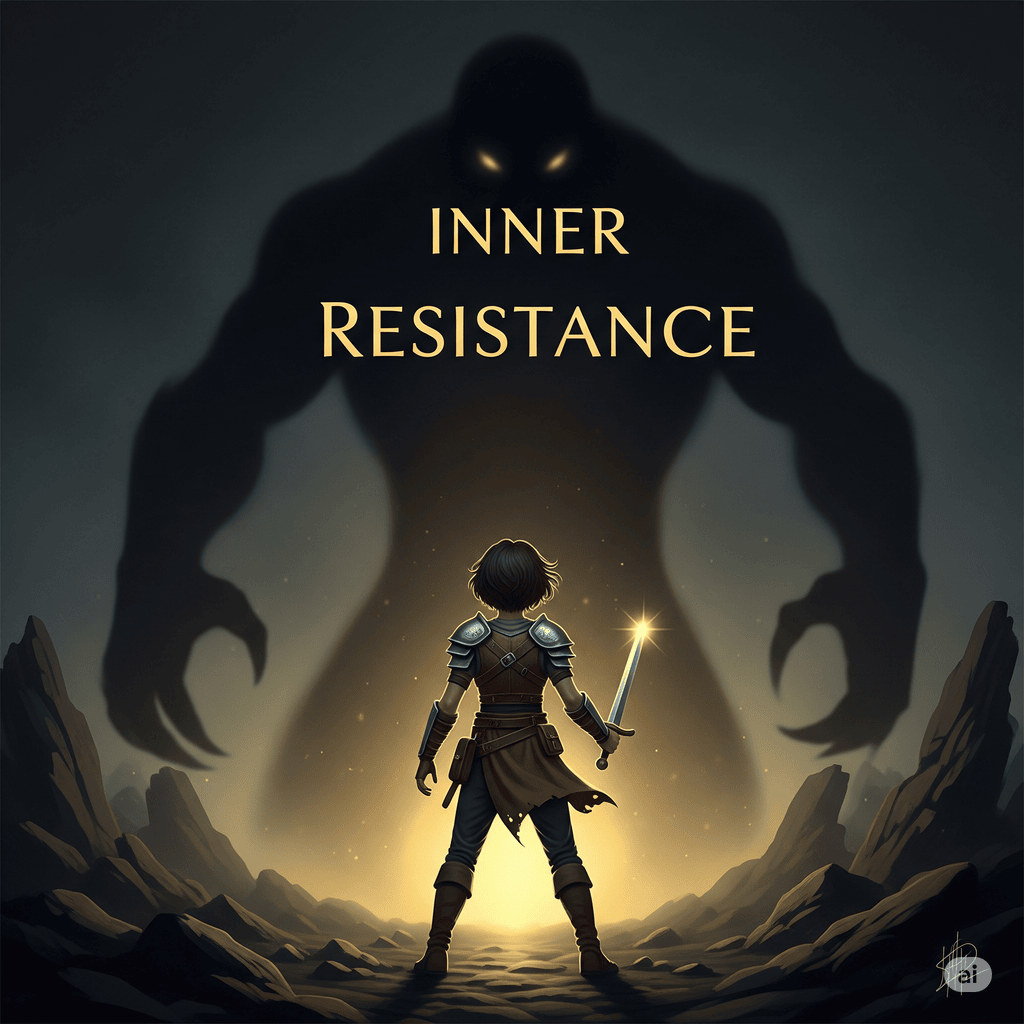
    One of the most compelling insights from this book is the concept called “resistance”—an internal push-and-pull force that becomes the main obstacle to all creative work and achievement. Steven Pressfield calls resistance the universal enemy of writers, creators, entrepreneurs, and anyone who wants to make a significant change in their life. Resistance manifests in the form of procrastination, self-doubt, fear of failure, and even excessive perfectionism.
    Why is resistance so dangerous? Because it operates silently, trapping you in a comfort zone and uncertainty. The bigger your dreams and steps, the stronger resistance attacks. If left unchecked, resistance will paralyze initiative and cause you to miss the best opportunities in life.

    However, a framework for identifying various types of resistance and the specific strategies to conquer them is thoroughly dissected in the book—including how to map out your own key weaknesses, which most people are often unaware of. The advanced strategies and mental exercises are part of a special toolkit that you can find in the MentorBuku summary.

    Read also : $100M Offers by Alex Hormozi

    H2: 2. Taking Control: The Power of Small Actions and Self-Discipline

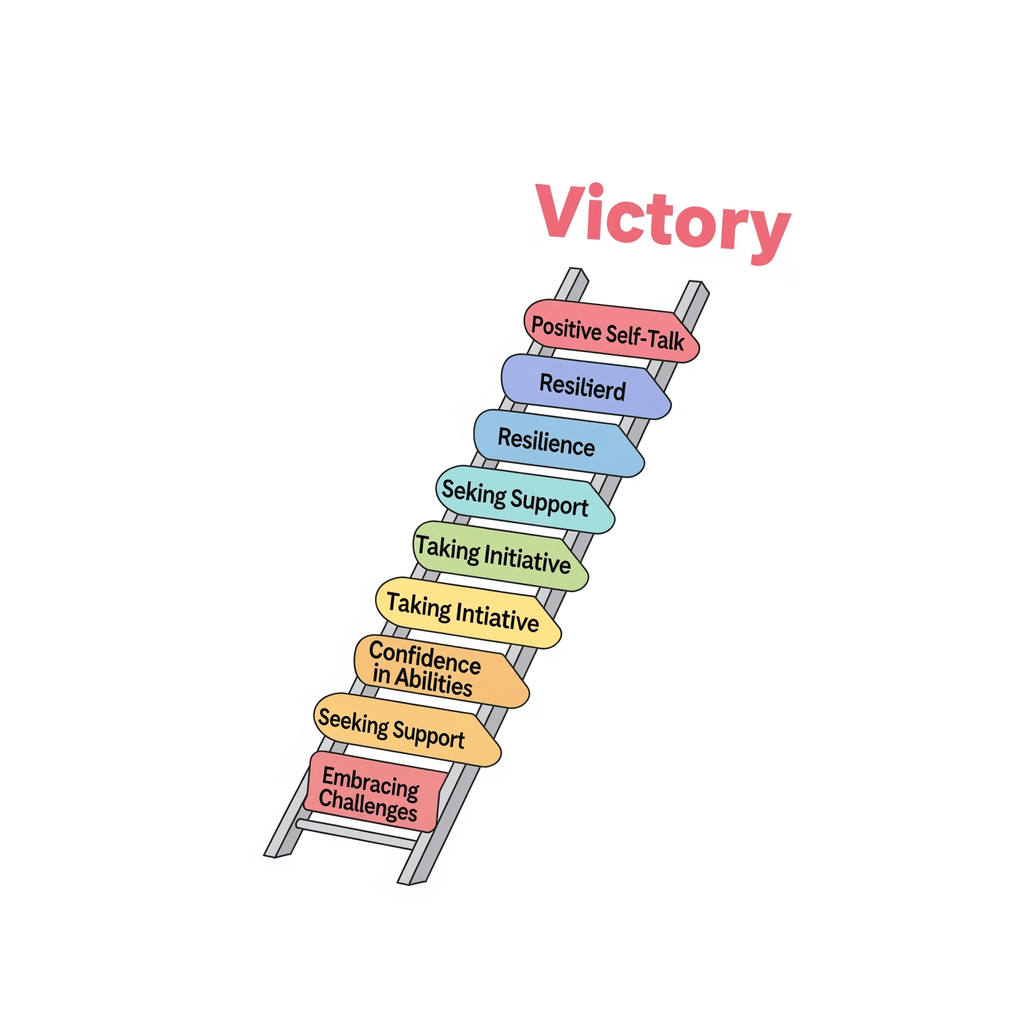
    The second revolutionary concept is the importance of small, consistent actions as the primary way to conquer the enemy within. This book emphasizes that victory in the ‘internal battle’ is not about one grand moment, but rather a series of simple decisions made consciously every day.
    Why is this important? Because people often get trapped in the paradigm of “waiting for the perfect moment.” In reality, true progress is built on the courage to take the first step—no matter how small—and on proactively building competence from one experience to the next.
    Self-discipline becomes the catalyst that separates those who merely dream from those who truly win. You are encouraged to build “confidence through competence,” starting with simple things and eventually generating the courage to conquer your deepest fears.

    The specific framework for how to initiate change, the method for building disciplined habits that do not easily collapse, as well as real-life transformation case studies, are detailed step-by-step in the book. There is also a strategic guide for taming distractions in the digital age, which is something never discussed in conventional motivation.

    Read also : THE RUDEST BOOK EVER by Shwetabh Gangwar

    H2: 3. Finding and Living a Purpose: From Reaction to Meaningful Action

    The enemy within often obscures one fundamental thing: a purpose in life. In many cases, people live their days simply to fulfill expectations, compare themselves to others, and respond to environmental pressures, rather than acting based on a personal mission.
    This book reveals the importance of “purpose”—an authentic purpose that comes from within. Those who live with purpose are not only more resilient in facing trials, but are also more inclined to share and give without expecting anything in return. This is the foundation of true life satisfaction.
    Why? Because without a clear purpose, every achievement feels empty. Life becomes a series of passive responses rather than the embodiment of meaningful action. When you begin to identify ‘why’ you are fighting, the strength to defeat the enemy within multiplies.

    The in-depth process for discovering true purpose and how to prevent the trap of comparing yourself to others is fully explored in the MentorBuku toolbox, complete with reflective exercises and real-life examples from transformational achievers.

    Read also : Why Has Nobody Told Me This Before? by Julie Smith

    H2: 4. Conquering the Noise: How to Reject Expectations and Focus on Yourself

    One of the biggest battles in the modern era is the ability to reject ‘the noise’—whether it’s social demands, pressure to be like others, or the temptation of distractions that destroy focus. The book “Win Your Inner Battles” emphasizes the importance of being selective about what you accept and who you spend your time with.
    Why must you dare to say no? Because your time and energy are limited. When you say yes to external requests too often, you are forced to sacrifice your personal agenda and integrity.
    The discipline to eliminate noise is not just about mental toughness; it also requires a mature relational strategy. You will learn how to “say no” without guilt, manage others’ expectations, and ultimately build a circle that strengthens your mental resilience.
    A practical guide to prioritizing time, redefining relationships, and assertive communication templates are all available in a masterclass accessible through MentorBuku.


    H2: Conclusion: Time to Be the Winner on the Inner Battlefield

    The most real war that determines your future is not external competition, but the daily battle within yourself. Through the concept of resistance, the importance of small and disciplined actions, finding authentic purpose, and sharpening focus, the book “Win Your Inner Battles” provides a strong foundation for you to be ready to fight and win.
    However, the applicable strategies, concrete steps, case study examples, and supporting exercises that separate those who win from those who merely know—all of these can only be found if you dig deeper.


    You’ve just seen the foundation. These concepts are merely the tip of the iceberg of what this book offers. How do you apply them step-by-step, avoid common pitfalls, and integrate them into your strategy? All those answers lie within.

    Sign Up and Get Free Access on MentorBuku Now!