Tag: mental health

  • Why Love Is Not Just Romance: Ayisha Malik’s Perspective That Changes Lives. Conversations on Love by Natasha Lunn

    Introduction

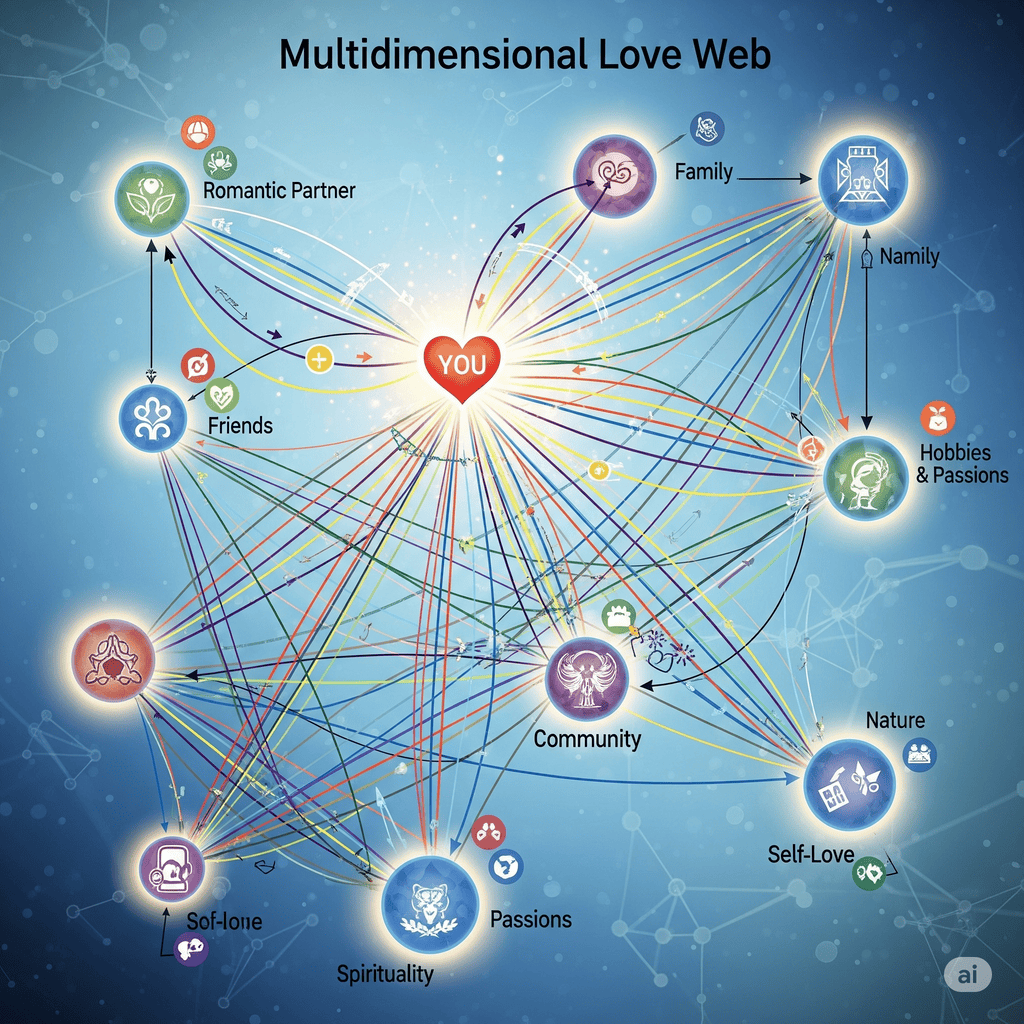
    For a long time, we have been trapped in the narrative that love equates to romantic relationships. In reality, a richly emotional life is born when we free ourselves from that myth. Ayisha Malik—author of The Other Half of Happiness—proves it. Through her personal journey, she invites us to see love as a multidimensional force rooted in various aspects of life. This article reveals how this revolutionary perspective can be the key to overcoming loneliness and discovering true fulfillment.


    Ayisha Malik’s Journey: From Romance to a Love That Is Wider

    Initially, Ayisha believed that a perfect love story should be centered on a romantic partner. This view proved to limit her freedom. Over time, she realized that love can be found anywhere: in work, faith, family, and even the process of understanding oneself. This shift is not merely a change in perspective; it is a liberation from cultural constraints that narrow the meaning of love.
    What’s surprising is that this approach actually brought her peace. When romantic relationships experience ups and downs, Ayisha still feels “connected” because the foundation of her love does not depend on one person. She has built an emotional safety net from various sources.

    Knowledge Hook:
    Ayisha’s concrete strategy for identifying non-romantic sources of love—along with her daily exercises—is described in 4 practical steps in the original book. Its exclusive summary is available to MentorBuku members.
    Also read : The First Episode of Psychosis: A Guide for Patients and Their Families by Michael T. M.D. Compton

    Five Pillars of Love Often Overlooked
    Based on an interview with Ayisha, there are at least five sources of love that are often considered secondary:

    1. Love for Work
      For Ayisha, work is a channel to express personal values. When she wrote The Other Half of Happiness, the creative process itself became a form of self-love. This is different from simply earning an income.
    2. Love for Faith or Life Philosophy
      Spiritual beliefs or philosophies provide a framework of meaning. Ayisha finds peace by reflecting on the principles she holds. This approach becomes a “compass” when facing emotional confusion.
    3. Unconditional Love for Family
      Blood relations are often considered ordinary. Yet, according to Ayisha, family is the first mirror of how we learn to give and receive support without transactions.
    4. Friendship as a Safe Space
      “Friends are the pillars that keep us whole when romance falters,” she says. Friendship offers honesty and acceptance that are hard to find in romantic relationships.
    5. Investing in Self-Understanding
      Ayisha emphasizes that loving oneself is foundational. Without it, love for others is prone to becoming dependency.

    Knowledge Hook:
    Three fatal mistakes in building these five pillars—plus how to avoid them—are thoroughly discussed in a dedicated chapter in the book. The summary version is accessible as soon as you join MentorBuku.

    Romantic Love Myths and the Art of Self-Liberation

    Pop culture paints romantic love as the “finishing touch” of life. Ayisha dismantles this illusion firmly: “There is no one who can see your entire self.” This statement becomes the key to her liberation.
    Why is it dangerous? An overemphasis on romance makes us overlook other sources of love that are actually more stable. As a result, when romantic relationships encounter trouble, the world seems to crumble.
    Vivek Murthy in Together: Loneliness, Health and What Happens When We Find Connection reinforces this: modern loneliness often stems from a lack of multidimensional connections. The solution isn’t to seek a partner, but to broaden the definition of love.

    Knowledge Hook:
    Ayisha’s techniques for detecting the influence of romantic myths on our thinking—complete with a self-assessment quiz—are available in MentorBuku premium materials. You will receive a self-evaluation template.
    Also read: 100 Ways to Motivate Yourself by Steve Chandler


    Why This Concept Is Revolutionary in an Era of Loneliness?

    Data shows that 33% of the global population experiences chronic loneliness. The main cause? Inability to see love beyond romantic relationships. Ayisha’s approach offers a solution:

    • Emotional Resilience: With many sources of love, romantic failure no longer destroys us.
    • Happiness Autonomy: Happiness isn’t handed to you by others.
    • Inclusivity: This can be applied by anyone, whether they have a partner or not.

    Knowledge Hook:
    The specific steps to build Ayisha’s “love portfolio”—including real-life case studies—are detailed in a 7-day structured exercise in the book. Our practical guide is provided exclusively for members.


    Conclusion: A Door to Deeper Understanding

    You’ve just seen the foundation. These concepts are only the tip of the iceberg of what the book offers. How to apply them step by step, avoid common pitfalls, and integrate them into your strategy? All the answers are inside.
    Sign up and get free access at MentorBuku now!

  • The Secret of the New Breathing Paradigm: Unveiling the Forgotten Fundamental Power. Breath: The New Science of a Lost Art by James Nestor

    Introduction: Why Breath Is More Important Than We Ever Realized

    Every second, unconsciously, we breathe. Breathing is a fundamental and automatic process—yet behind this seemingly simple act lies extraordinary power that has long been overlooked by modern science. The book “Breath” takes us on a journey through the intricacies of breathing, from ancient heritage to contemporary research breakthroughs, revealing that the way we breathe profoundly influences health and daily life far beyond simply inhaling and exhaling air.
    In this article, you will be presented with four key concepts from “Breath” that can become catalysts for change in your life. Each concept will be explained in depth about the “what” and the “why”—but the secret of the “how” and the implementation steps? All of it is hidden, waiting for you to uncover further to the core.


    A Glimpse into the Ancient Heritage: Breath as the Path to Longevity

    Delving into Knowledge from Ancient Chinese Texts

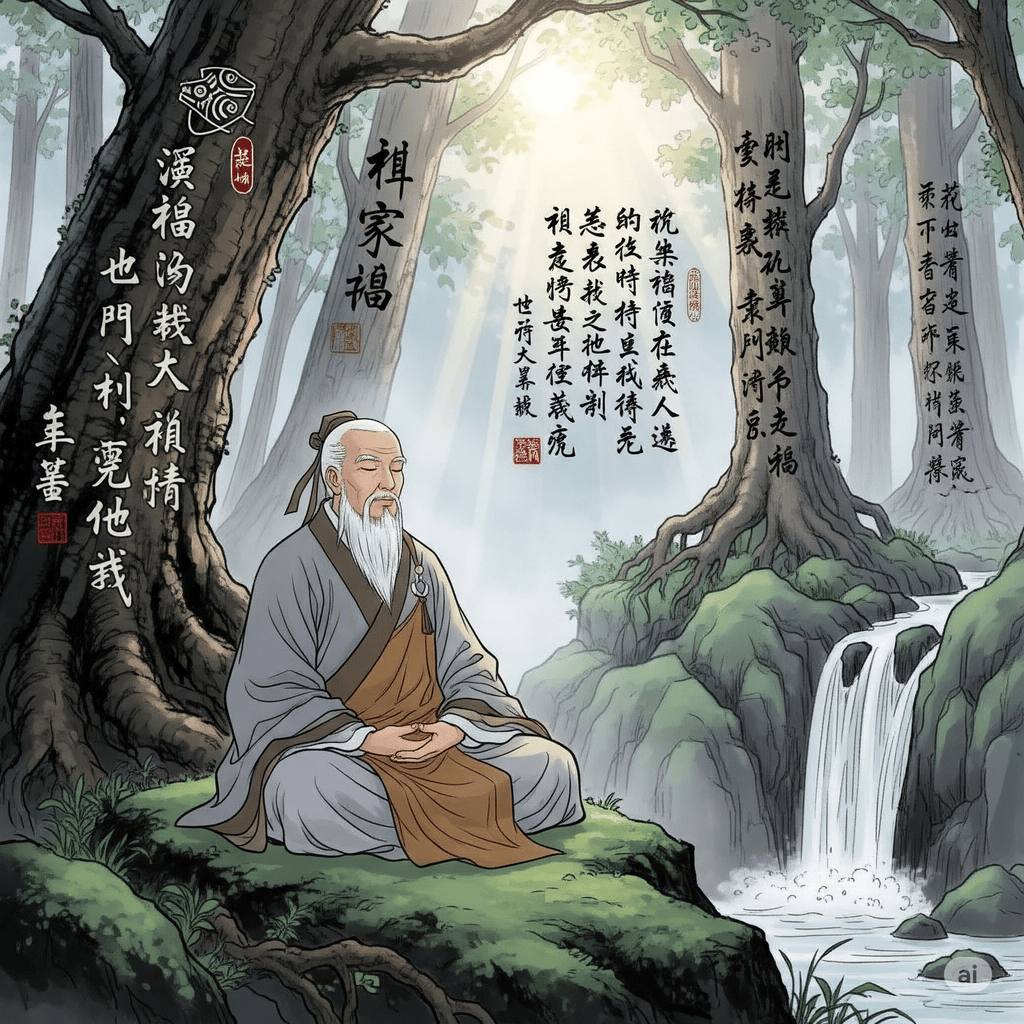
    For thousands of years, Eastern cultures have recognized breath as the key to longevity and the core of vitality. Even in “The Primordial Breath,” one Taoist text, breath-control techniques are not only about health but also an art of prolonging life and maintaining harmony of body and soul. They believed that regulating the breath means regulating the fundamental life energy itself.
    Imagine, thousands of years before modern laboratories and sophisticated sensors, Tao practitioners had developed a breathing system with remarkable precision and purpose. This system is not merely mystical doctrine; it provides step-by-step guidelines proven in practice across generations.
    But how exactly did they “transport” breath and maximize its function for optimal health? The complete framework of these techniques, along with training examples, is examined in depth in the book’s dedicated chapters—full insight is available only if you delve further.

    Also read : Raising Responsible Teens in a Digital World by Brian Housman

    Breath: The Mysterious Connection Between Mind, Body, and the Ocean

    Modern Exploration: Breath, the Sea, and Lasting Health

    The author of “Breath” began from curiosity and experiences in the world of freediving—a breath-hold dive that requires full control over the breath. From this experience, an insight emerged: the human body actually harbors great potential if the breath is managed correctly. When breath becomes one with the rhythm of the sea, a symphony occurs between the physical, mental, and the surrounding environment.
    Modern scientific data also show that specific breathing techniques can reduce stress, regulate hormones, and even influence blood pressure and the immune system. However, on the other hand, incorrect breathing patterns in daily life can trigger problems—from fatigue, insomnia, to hidden metabolic disorders.
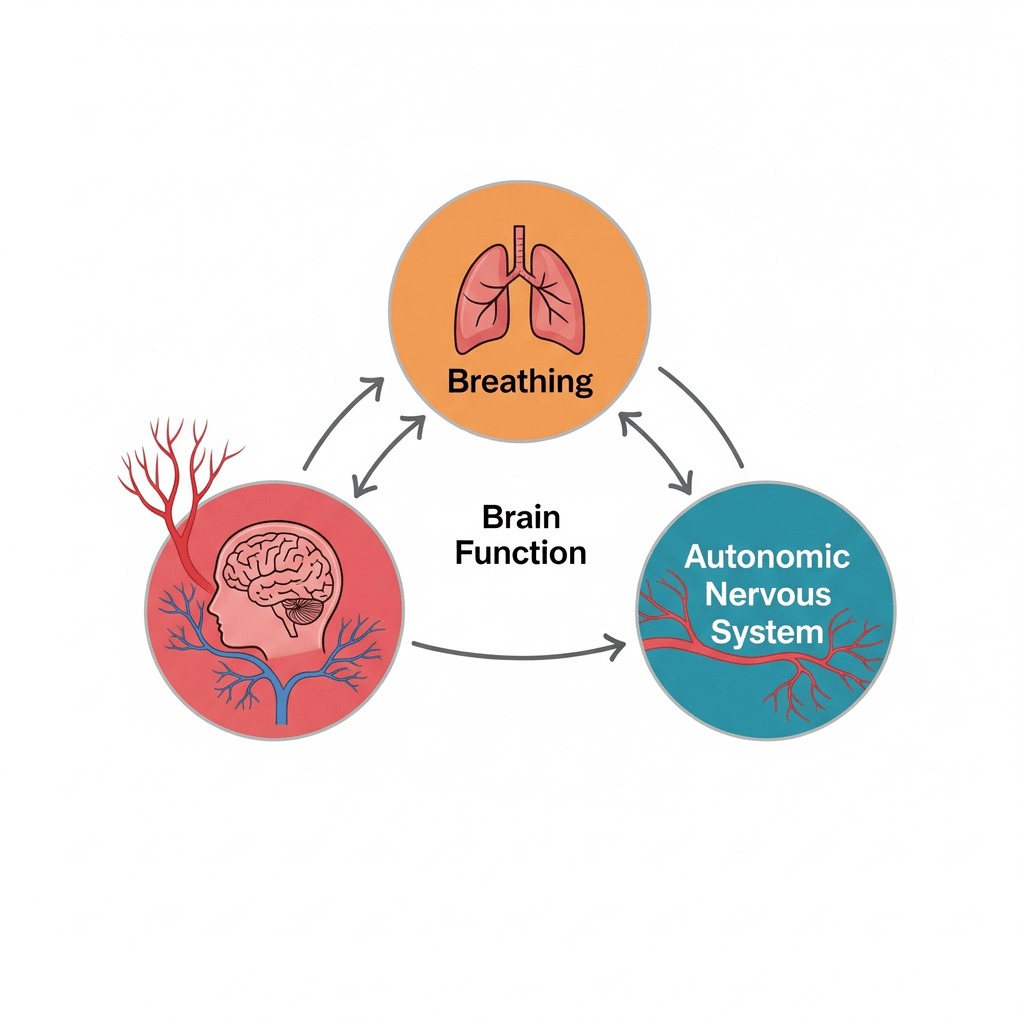
    So why is the breath–body connection so fundamental? Recent studies reveal the links between changes in breathing patterns, brain activity, and the functioning of vital organs. Yet the specific techniques on how to transform your breathing pattern into a source of strength? That is a major chapter that is unpacked step by step in the book, complete with research results and case studies from around the world.

    Also read : The Advertising Effect: How to Change Behaviour by Adam Ferrier

    Cracked House: A Modern Story of Breath Neglect

    A Trait Worth Envy, The Ancestors Paid Attention to Breath at All Times

    In the opening chapter, the author invites readers to a somber setting—like the old Amityville house rich with history and mystery. In that antique-toned room, a group of modern people from diverse backgrounds search for answers: why does their breath feel incomplete, whether due to stress, bad habits, or simply the fast-paced modern lifestyle.
    They arrive for a reason—noted by medical advice leading to health issues that won’t heal. In fact, breath turns out to be the starting point of recovery for a range of ailments, from sleep disorders to cardiovascular problems. The modern environment with pollution, sedentary living, and processed foods makes our breath shallower—and its effects erode daily vitality.
    But what can we do to avoid falling into the trap of incorrect breathing? The book contains structured discussions of the most common breathing mistakes and how to correct them—a step-by-step sequence that is accessible only to those ready to dive deeper.


    The Wonders of Modern Science: Astonishing Breath Studies

    Science Begins to Reappreciate Breath

    In recent decades, science has finally pursued the ancient wisdom about breath. Supported by the latest medical and neurological research, researchers identify the domino effects of breathing on mental health, hormonal balance, and human performance potential far beyond initial expectations.
    In fact, there are studies showing how small techniques to control the timing and depth of breathing can yield dramatic benefits for the immune system and the body’s healing processes. Yet what are the findings of this “troubling picture” uncovered by researchers—and how did they develop clinically tested breathing training protocols? Exclusive details and specific training recommendations are laid out clearly in the book’s pivotal sections.
    As a reader of this article, you have seen part of the picture of the urgency of breathing. However, advanced techniques, in-depth case studies, and proven habit-change templates—these are part of exclusive insights that are available only at MentorBuku.


    Breath as the Key to Personal Revolution: What Comes Next?

    The pressures of modern life, gadget addiction, and an increasingly polluted environment demand that we take full control of something we have long considered trivial: breath. There is no health innovation, self-development, or productivity strategy that can truly be effective if the foundation of breathing is left in disarray.
    This article is only the surface—there are still many mysteries, techniques, and real-life stories of personal transformation through breath waiting for you to explore further. Each chapter in the book “Breath” is like a layer of strategy and knowledge ready to change how you think, work, and enjoy daily life.

    You’ve just seen the foundation. These concepts are only the tip of the iceberg of what the book offers. How to apply them step by step, avoid common pitfalls, and integrate them into your strategy? All the answers are inside.
    Sign up and get free access at MentorBuku now!
  • The Fundamental Secrets of the Subconscious Mind: A Revolutionary Catalyst for Life Transformation. The Power of Your Subconscious Mind by Joseph Murphy

    The Invisible Gap Behind the Power of the Mind

    Have you ever felt like you’ve struggled as hard as you can, read countless motivational books, yet the life changes you’ve hoped for never come true? The answer may not lie in how hard you try in the outside world, but in how intelligently you orchestrate the power of your subconscious mind.
    A deep understanding separates ordinary people from world changers—the ability to use the subconscious as a catalyst for change. This article will take you beyond the surface layer of the concept of “positive thinking,” strategically dissecting how revolutionary ideas about visualization and suggestion can become the gateway to an authentic and fulfilling life.


    Visualization, the Main Pillar in Shaping Reality

    Imagination as a Real Foundation in Life

    Imagine being able to grasp your dreams before the world can see them. The secret? Visualization. In his book, the author describes how important it is to create a clear image in your mind before manifesting it in reality. Just like a painter who has already seen their masterpiece on the canvas of imagination before the brush touches the cloth, visualization is the process of seeing something “alive” in the mind as if it were already real.
    It’s not just daydreaming—visualization is the way the brain prepares the external world to receive a new reality. The mental images you create become the substance of “evidence of things not yet seen,” and if you consistently maintain these images, the energy to bring them into reality will accumulate in extraordinary ways.

    Read also : Measuring Marketing: 110+ Key Metrics Every Marketer Needs by John A. Davis

    However, why do so many people stop at just dreaming? Because there is a thin but essential difference between imagining and fully building belief in that image. To turn imagination into substance requires advanced techniques and inner discipline.
    The complete techniques for building visualization that is truly “alive” and rooted in the subconscious are outlined step by step in the book…


    Visualization Techniques that Have Inspired Thousands of Successful People

    The author reveals that before appearing in public, he always “plays” a mental recording: imagining the entire auditorium, seeing all the audience looking bright, enthusiastic, and inspired. This technique consistently makes performances more vibrant, energetic, and impactful on a much deeper level.
    This process is not just for the stage. Athletes, successful entrepreneurs, and even world-class scientists have proven that strong mental visualization enhances real-world performance.
    How to specifically prepare your mind so that your body and actions are programmed for achievement—all the frameworks are available as premium modules in MentorBuku…


    Planned Suggestion, the Elusive Driver Toward Real Change

    Phenomenal Studies: Proof of the Power of the Subconscious Mind

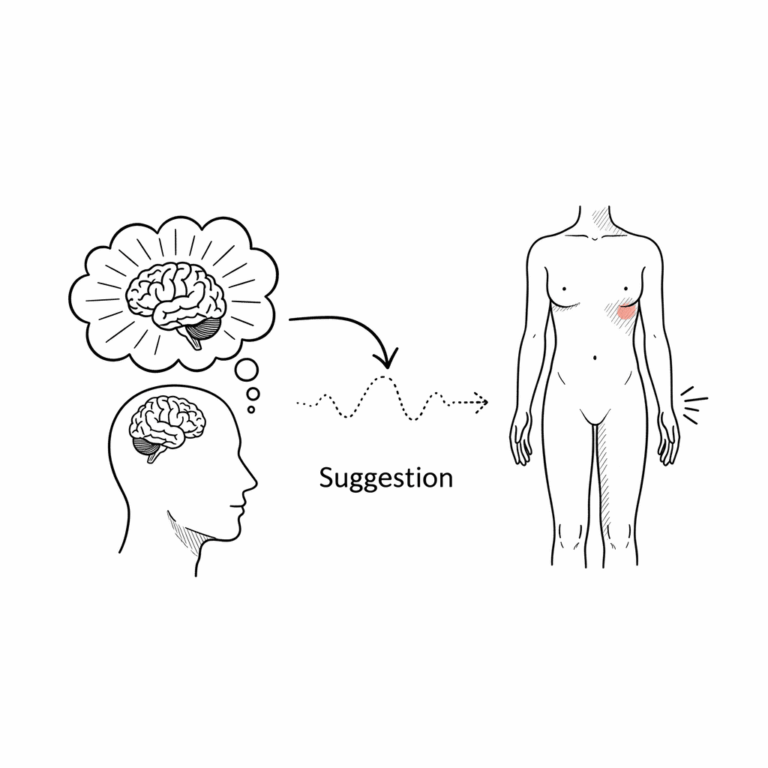
    An amazing story from Dr. M. Bourru highlights the power of suggestion: someone, given a command while under hypnosis—“at four o’clock your nose will bleed”—actually experiences a nosebleed at the designated time; not an illusion, but a real physical effect!
    In another case, someone’s name was lightly scratched onto their arm. With the suggestion, “later your name will appear from this scratch,” a few hours later, the letters actually appeared on the skin, even accompanied by blood. This is not just a stage phenomenon or sensory trick, but proof that the subconscious can control the body at a micro-biological level, far beyond conscious intention.

    Read also : Never Split the Difference by Chris Voss

    This story is a powerful reminder: anything absorbed by the subconscious can become an automatic command for our bodies and our lives.
    However, there are three common mistakes that people almost always make when applying suggestion techniques. All these pitfalls—along with their antidotes and strategies—are discussed in detail in a special session at MentorBuku…


    Why Suggestion Is More Dangerous or Powerful Than Mere Intention

    The main difference between conscious intention (simply wanting) and suggestion (an ingrained command) lies in the power of automatic execution. When suggestion is embedded, the subconscious works without needing to be pushed. That’s why suggestion, if misused, can lead to downfall—such as patterns of self-sabotage, addiction, or chronic doubt. Conversely, when suggestion reinforcement strategies are used correctly, they drive changes that feel almost “effortless” at the surface level of the mind.
    The strategy to eradicate self-sabotage and instill a highly competitive mindset belongs only to those who understand how to manage the power of suggestion.
    All patterns of affirmation sentences, repetition rhythms, and suggestion reinforcement techniques are shared exclusively in the premium guide at MentorBuku…


    The Mystery of Direct Experience from Experts: Between Imagination and Reality

    Many people believe it is impossible to change the real world “just” with the mind. However, modern science and the experiences of classic spiritualists show the interconnectedness between mental imagery and physiological change. In fact, today’s business world adopts this concept as “mindset engineering,” mental programming for great success.
    Between imagination and reality there is always an “invisible” space filled by the workings of the subconscious. Here, the laws of psychology and spirituality work together in synergy. From morning routines, affirmation repetition, to daily visualization—all are only effective if they truly reach the subconscious realm.
    How can you integrate simple techniques into your daily routine so the results last and build a much higher-quality life? The answer is a combination of empirical and spiritual strategies that you can only learn in depth through the authoritative discussion in this book…


    Closing – The Gateway to the Next Level

    Now, you have seen the deepest layers of how visualization and suggestion are not just theories, but the transformative foundation for life change. However, what you have read is only the beginning. The “how”—turning inspiration into habit, avoiding every pitfall of failure, and creating a framework for strategic implementation—all await you at the next level.


    You have just seen the foundation. These concepts are only the tip of the iceberg of what this book offers. How do you apply them step by step, avoid common pitfalls, and integrate them into your strategies? All the answers are inside.

    Sign up and Get Free Access at MentorBuku Now!

  • The Magical Secret to Unveiling the Authentic Self-Esteem Paradigm: A Revolutionary Foundation for a Meaningful Life. The Power of Self-Esteem by Nathaniel Branden, Ph.D.


    Every person has doubted their abilities at some point. Everyone has questioned, “Am I good enough?” or even found themselves trapped in comparing themselves to impossible standards. But behind that simple question lies a fundamental key that determines the quality of our lives: self-esteem, or authentic self-worth.

    In today’s fast-paced era, many people equate self-esteem only with achievements, appearance, or the recognition of others. However, as revealed in the important book The Power of Self-Esteem, there is a much deeper paradigm that is rarely uncovered.

    This article will dissect four essential conceptual gems from the book, while also highlighting why you should go beyond simply ‘knowing’—and begin to yearn for ‘how’ to build it authentically. Discover the “strategic teaser” that will open your eyes to the power of authentic self-esteem, yet (deliberately) leave you with a curiosity that propels you to take the next step.


    Why Self-Esteem Is a Paradigm, Not a Temporary Label

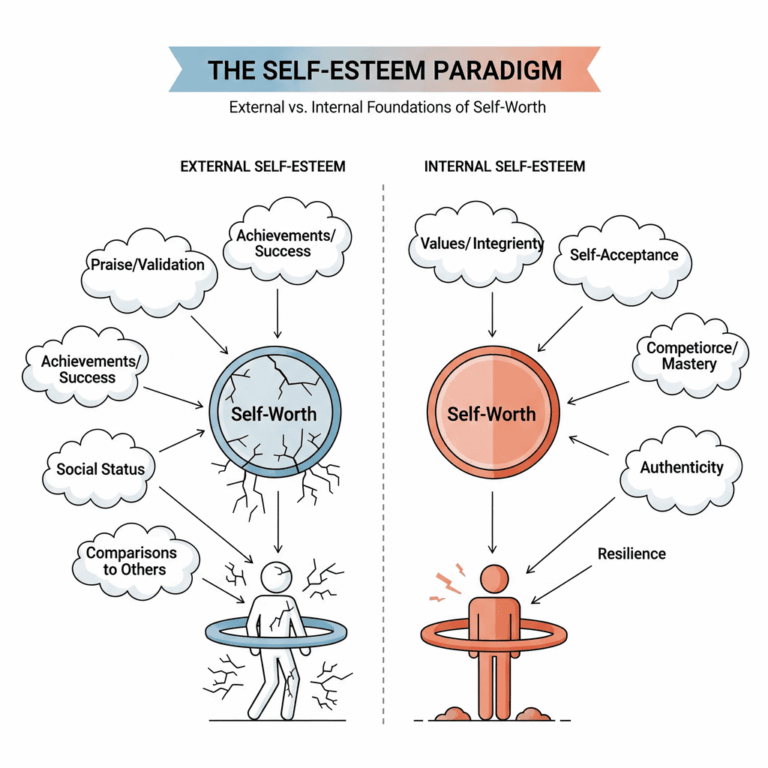
    Many people think of self-esteem as a price tag: something that can be attached, removed, or changed at will. However, The Power of Self-Esteem shows that self-esteem is a paradigm. It is not a ‘status’ suddenly gained through academic achievements, recognition from a boss, or a beautiful face in the mirror.

    Self-esteem grows as a result of how we conduct our daily lives, how we handle problems, interpret failures, and respond to criticism. The paradigm of true self-esteem is founded on responsible action, the courage to be honest with oneself, and the refusal to be trapped by superficial judgments.

    Why is this revolutionary? Because this paradigm breaks the chains of entrapment. If you depend on trophies (which can be lost), or youthful looks (which inevitably fade), your self-esteem will always be fragile. The new paradigm taught in this book urges you to build a foundation of self-value from the inside out—not from the outside in.

    “How do you shift the source of self-esteem from external to internal? Its comprehensive practical framework is only systematically revealed within the book…”

    Read also : GenderSell: How to Sell to the Opposite Sex by Judith C. Tingley Ph.D.

    Commitment to Awareness: The Main Pillar of High Self-Esteem

    There is one standout trait among people with high self-esteem: commitment to awareness, or “the will to understand.” They do not go through life on autopilot. Instead, they choose to live consciously—mindfully—in every action, decision, and interaction.

    This awareness is not just about being alert to the environment. It is the courage to be honest with oneself, to open one’s eyes to the motivations behind decisions, and to welcome feedback from others. People with high self-worth do not seek validation; they seek clarity: Am I progressing according to the goals and values I believe in? If not, what needs to be corrected?

    Why is this important? Because commitment to awareness keeps you “on course.” It is a vital compass in facing challenges and change. When someone loses self-awareness, they are easily trapped in reactive patterns, destructive habits, or even toxic relationships.

    “Techniques for building commitment to awareness, complete with proven daily exercises, are only thoroughly detailed in our exclusive guide…”

    Read also : The Illustrated Art of Manliness: The Essential How-To Guide: Survival, Chivalry, Self-Defense, Style, Car Repair, And More! by Brett McKay

    Authentic Pride: Enjoying Achievements Without Arrogance

    One of the classic pitfalls in the journey of building self-esteem is the confusion between healthy pride and empty arrogance. This book points out that authentic pride arises not from a desire to “prove oneself,” but from the satisfaction that grows after doing what is good and right.

    People with authentic pride will say, “I did what was necessary,” and feel quietly satisfied. They do not need to showcase their achievements or seek bombastic praise. This kind of pride does not come from an “emptiness wanting to be filled,” but from a “fullness longing to be savored.”

    Why is this important? Because authentic pride is a natural shield against feelings of inferiority, failure, and the compulsive urge to outdo others. It fosters a solid self-confidence—without having to sacrifice social relationships, as there is no false competition.

    “How do you distinguish authentic pride from false ego? A series of reflective tests and case studies are available only to those who dig deeper…”


    Avoiding the Trap of External Validation: The Quiet Path to Wholeness

    Oftentimes, people feel the need to please many parties at once—bosses, partners, friends, even “societal standards.” This creates a dilemma: striving to gain approval from one can mean facing rejection from another. If external validation becomes the sole source of self-worth, every rejection feels like a disaster.

    This book invites readers to move beyond that trap. By building inner wholeness, you no longer become a “slave” to popularity, status, or the opinions of the majority. Calmness, confidence, and happiness will grow from within—and endure even when circumstances are less than ideal.

    Why is this transition important? Because it frees you from collective anxiety, the fear of failure, or the worry of “losing face” in public.

    “There are three patterns of self-sabotage that most often keep people trapped in the web of external validation—and the strategies to overcome them are analyzed in depth in the complete version…”


    Conclusion: Embracing Change Before You Choose to Act

    Achieving authentic self-esteem is a journey, not a destination. By letting go of dependence on external validation, nurturing true pride, and committing to a mindful life, you deserve to enjoy inner freedom and meaningful accomplishment.

    However, this knowledge is just the tip of the iceberg. You have now grasped the “what” and “why.” The “how”? That’s where the true magic of transformation lies—and you deserve to experience it today.


    You have just seen the foundation. These concepts are only the tip of the iceberg of what the book has to offer. How do you apply them step by step, avoid common pitfalls, and integrate them into your strategy? All the answers are inside.

    Sign Up and Get Free Access at MentorBuku Now!

  • The Fundamental Secret to an Authentic “Glow Up”: Breaking Through Outdated Paradigms Toward True Transformation. The Mountain is You by Brianna Wiest

    Introduction: Why a “Glow Up” Is Actually Deeper Than You Think

    Everyone craves change. Many of us are obsessed with the “glow up”: a transformation to look more attractive, appear more successful, and simply—gain the world’s validation. However, behind the glitter of this trend, there is one fundamental question: Can external change truly bring inner fulfillment, or does it actually deepen the emptiness within?
    This article will uncover the secrets behind authentic transformation, connecting psychological foundations, the trap of false narratives, and revolutionary steps toward a meaningful life. Uniquely, this is the grand “what” and “why” that will open the path, but the “how” is only available through a deeper exploration. Let’s dig deeper and prepare for a paradigm shift!

    Read also : The Happiest Man on Earth by Eddie Jaku

    Debunking the Myth: Superficial “Glow Up” vs. True Transformation

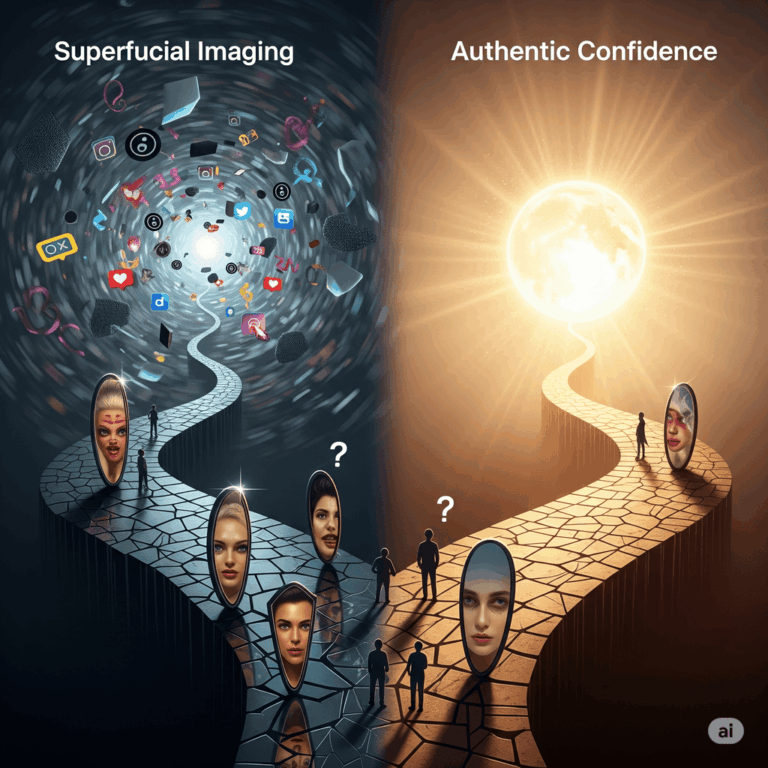
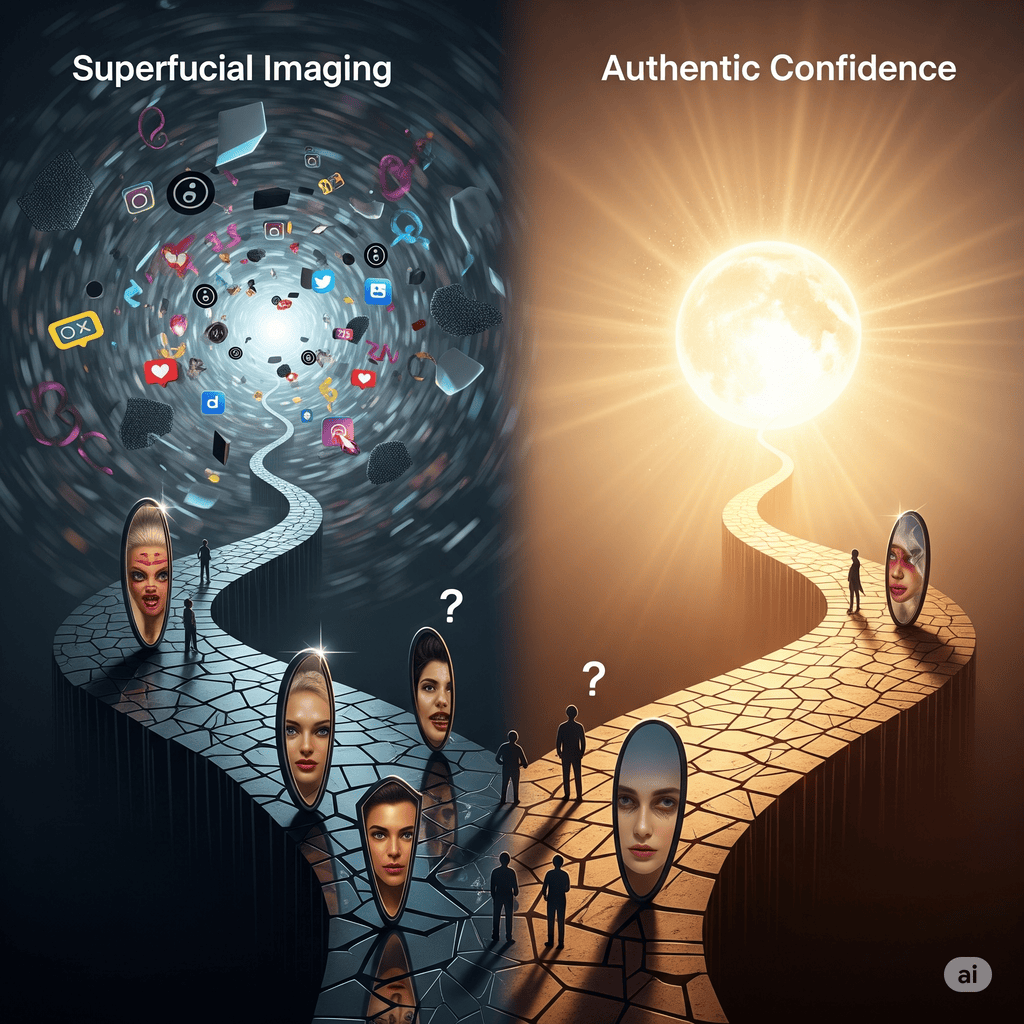
    Often, “glow up” is understood only as a change in appearance. People race to enhance their images on social media, edit photos, cover up flaws, spend a fortune on their looks, and weave narratives that appear happy, while their hearts may remain empty.
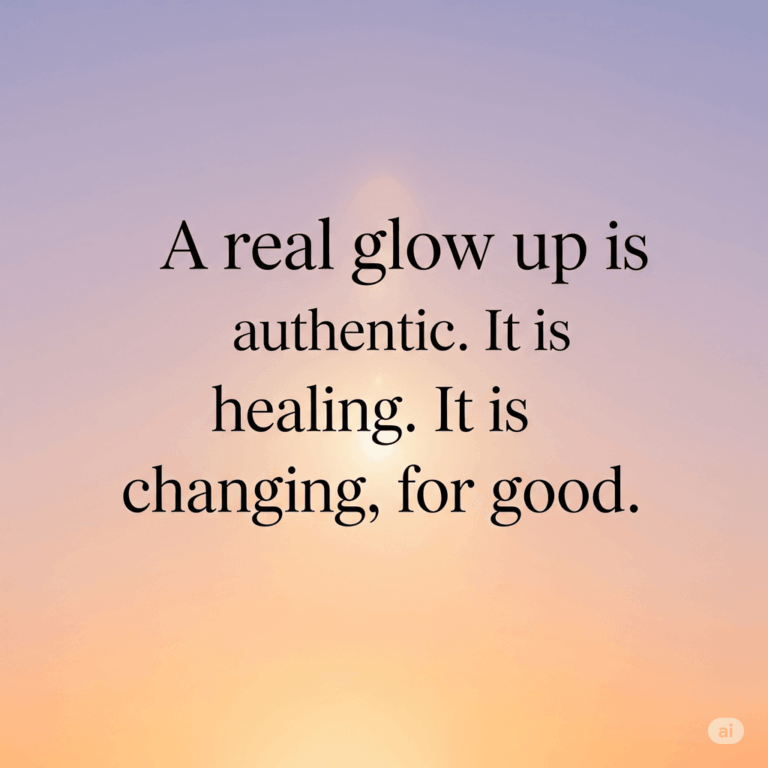
    However, according to one of the key insights from the book The Mountain is You, truly meaningful change—an authentic glow up—is not about becoming bigger, smaller, or more beautiful in the eyes of others. True transformation happens when someone dares to “remove all the false layers,” acknowledge their real issues, heal their inner wounds, and prioritize their own heart instead of simply meeting others’ expectations.
    This concept dismantles the culture of “image-building” that prevails today. Anyone can create a better appearance. But if someone becomes so obsessed with proving themselves to others, it often signals an untouched emptiness within.
    The framework for distinguishing between authentic and cosmetic transformation, as well as how to detect whether the changes we pursue truly fulfill our deepest needs, is thoroughly discussed in the book—including warning signs that should not be ignored.
    In-depth techniques and steps to dismantle false narratives in your life and build a genuine “glow up” have been specially crafted in MentorBuku’s exclusive summary…

    Read also : The 5AM Club by Robin Sharma

    Why Old Wounds Hold You Back from Total Transformation

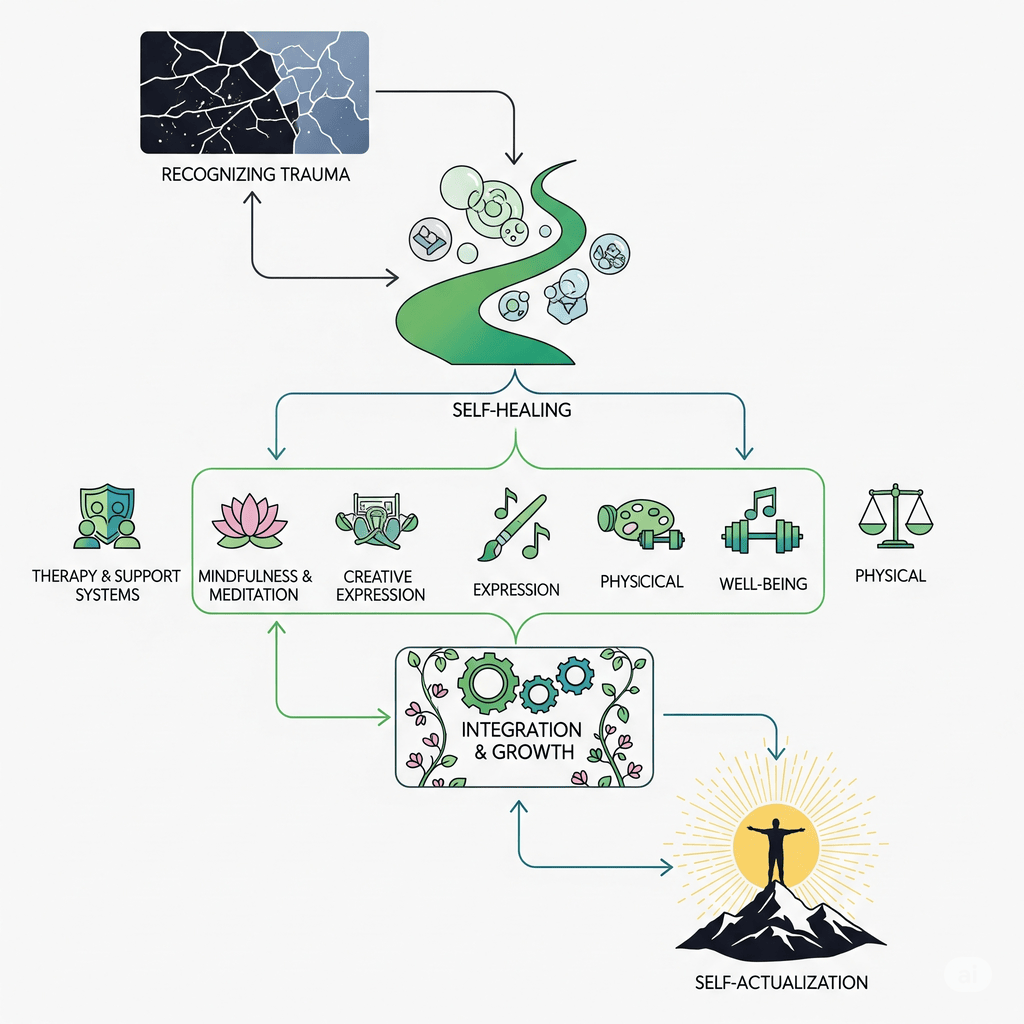
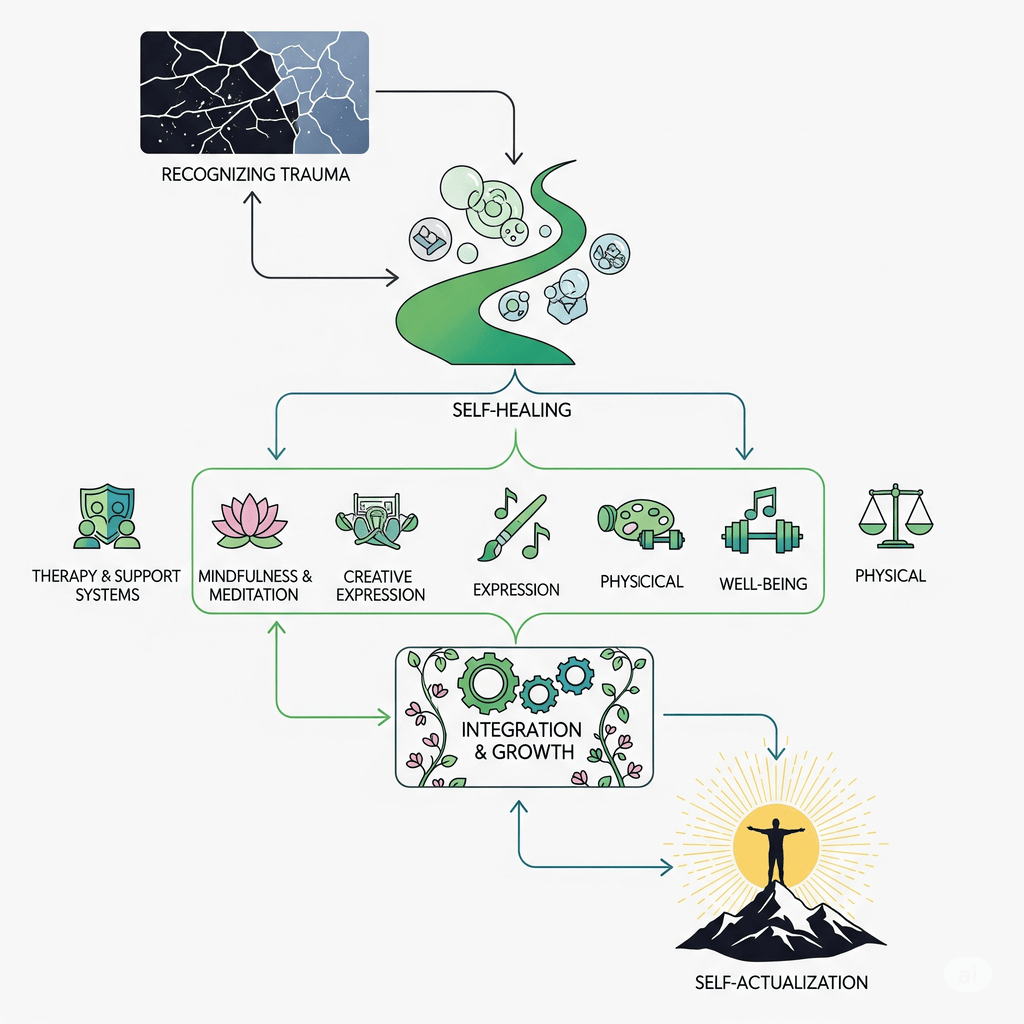
    Every desire for change is often overshadowed by one thing that rarely gets acknowledged—past trauma and psychological wounds. This book dissects the profound impact of trauma on three key brain structures: the amygdala, hippocampus, and prefrontal cortex.
    Because of trauma, the brain stops processing memories fully, emotions become difficult to regulate, and our ability to plan for the future and self-development is hindered. This is the main reason why so many attempts to “start over” end in failure, or feel nearly impossible even with strong determination.
    Understanding this foundation is the revolutionary key: we realize that to “climb the mountain” of life, we must dare to look back, confront old wounds, and process unresolved emotions. Without the courage to manage the remnants of trauma, change becomes nothing more than meaningless outer decoration.
    But what patterns of self-sabotage arise from this trauma? How can we distinguish spontaneous emotions from old patterns that hold you back? All the identification techniques and ways to navigate these challenges are specifically outlined in the in-depth chapters of this book.
    A complete framework for recognizing the traces of trauma and strategies for overcoming it can only be found in MentorBuku’s exclusive guide…


    Accessing Your Future Self: Revolutionary Practice to Break Through Old Limits

    Interestingly, the author introduces a unique introspective technique: meeting your “future self” in a structured meditation. The process is more than visualization; it’s a profound experience to break free from fears that are always rooted in past experiences.
    In the early stages, you are invited to sit quietly, meditate, and then imagine conversing with the most ideal, enlightened version of your “self.” Interestingly, at first, “fear” often disguises itself in the initial visualization. However, the author emphasizes that if you dare to push past this and open up, you can receive extraordinary messages from your future self—a roadmap to authentic transformation.
    This practice may seem simple, but it is incredibly deep. By overcoming fear and greeting your future, you free yourself from the traps of old thinking. You begin to carve out a new path that truly originates from your greatest potential, not from trauma or the expectations of those around you.
    What important messages commonly emerge from the “future self?” How can you make this session truly effective and not just empty imagination? All its secrets—including journaling formats, advanced visualization techniques, and the steps of integration—are fully explained in MentorBuku’s in-depth discussion.
    A detailed template and step-by-step guide for the ‘meeting your future self’ session can be found exclusively through MentorBuku’s internal resources…


    Putting Your Own Heart First—A New Paradigm for Authentic Happiness

    The most fundamental point of all these discussions is the courage to prioritize your own heart. In a world increasingly burdened by social pressures, we often care more about “how others judge us” than “what truly feels right in our hearts.”
    Why is this so important? Because as long as the direction of our lives is dictated by external expectations, all change will only repeat old patterns: chasing validation while still feeling empty. True transformation requires a radical decision: to prioritize conscience, follow your heart, and stop measuring yourself by external standards.
    But how do you take the first step to put your heart first amid real world demands? How can you establish healthy boundaries without feeling guilty or worrying about being labeled selfish? Practical answers and vital keys to inner freedom have been compiled in detail in MentorBuku’s mentoring program.
    Practical guides and daily routines for building the courage to prioritize your heart are available exclusively in official MentorBuku sources…


    Conclusion—The Path to True Transformation Is Right in Front of You

    By gaining a deep understanding of authentic “glow up,” you’re now able to distinguish between change that brings meaning and mere illusion. Recognizing the impact of trauma on the brain and on life, as well as daring to have conversations with your “future self,” results in a small revolution with profound effects. All of this leads to one thing: the decision to begin the journey inward, listen to your own heart, and go far beyond mere appearances.
    However, if you want practical strategies, daily templates, and step-by-step action frameworks—all of that is only available in MentorBuku’s exclusive collection of guides, summaries, and e-books. Don’t let true transformation remain just a discourse; it’s time to open the gateway to your transformation now.

    Also read: The One Thing by Gary W. Keller, Jay Papasan

    You’ve just seen the foundation. These concepts are only the tip of the iceberg of what this book has to offer. How do you implement them step by step, avoid common pitfalls, and integrate them into your strategy? All those answers are inside.
    Sign up and Get Free Access on MentorBuku Now!

  • Rahasia Fundamental “Glow Up” Otentik: Menerobos Paradigma Usang Menuju Transformasi Sejati. The Mountain is You by Brianna Wiest

    Pendahuluan: Mengapa “Glow Up” Sebenarnya Lebih Dalam dari yang Anda Kira

    Setiap orang mendambakan perubahan. Banyak dari kita terobsesi dengan “glow up”: transformasi untuk terlihat lebih menarik, tampak lebih sukses, dan sederhana—mendapatkan validasi dunia. Namun, di balik gempita tren ini, ada satu pertanyaan fundamental: Apakah perubahan luar bisa benar-benar memberi kepuasan batin, atau justru menambah kekosongan dalam diri?

    Artikel ini akan membongkar rahasia di balik transformasi otentik, menghubungkan fondasi psikologis, jebakan narasi palsu, hingga langkah revolusioner menuju hidup penuh makna. Dan uniknya, inilah “apa” dan “mengapa” besar yang akan membuka jalan, namun “bagaimana”-nya hanya tersedia dalam penjelajahan penuh yang lebih mendalam. Mari kita gali lebih dalam dan bersiap untuk perubahan paradigma!


    Baca juga : The Happiest Man on Earth by Eddie Jaku

    Membedah Mitos: “Glow Up” yang Semu Vs. Transformasi Sejati

    Seringkali, “glow up” hanya dipahami sebagai perubahan penampilan. Orang berlomba-lomba memperindah citra di media sosial, mengedit foto, menutup kekurangan, membeli penampilan dengan biaya mahal, dan menenun narasi yang tampak bahagia, padahal hati mereka mungkin tetap kosong.

    Padahal, menurut salah satu insight penting dari buku The Mountain is You, perubahan yang benar-benar bermakna—glow up otentik—bukan soal menjadi lebih besar, lebih kecil, atau lebih cantik di mata orang lain. Transformasi sejati justru terjadi saat seseorang berani “melepas semua lapisan palsu”, mengakui masalah yang sebenarnya, menyembuhkan luka batin, dan memprioritaskan hati sendiri daripada sekadar mengikuti harapan orang lain.

    Konsep ini membongkar budaya “pencitraan” yang marak terjadi. Siapa pun memang bisa menciptakan tampilan yang lebih baik. Namun jika seseorang begitu terobsesi membuktikan dirinya pada orang lain, seringkali itu pertanda ada kekosongan yang belum tersentuh di dalam diri.

    Kerangka kerja untuk membedakan antara transformasi otentik dan kosmetik, serta cara mendeteksi apakah perubahan yang kita kejar benar-benar memenuhi kebutuhan terdalam, dibahas tuntas di dalam buku—termasuk sinyal-sinyal yang tak boleh diabaikan.

    Teknik dan langkah mendalam untuk membongkar narasi palsu dalam hidup Anda serta membangun “glow up” sejati sudah dirancang khusus dalam rangkuman eksklusif MentorBuku…


    Baca juga : The 5AM Club by Robin Sharma

    Mengapa Luka Lama Menahan Anda dari Perubahan Menyeluruh

    Setiap keinginan akan perubahan seringkali dibayangi satu hal yang jarang diakui—trauma masa lalu dan luka psikologis. Buku ini membedah dampak luar biasa trauma pada tiga struktur utama otak: amygdala, hippocampus, dan prefrontal cortex.

    Akibat trauma, otak berhenti memproses memori dengan utuh, emosi menjadi sulit diatur, serta kemampuan merancang masa depan dan pengembangan diri ikut tersendat. Inilah penyebab utama mengapa banyak upaya “memulai lagi” gagal total, atau terasa sulit didekati meski tekad sudah kuat.

    Memahami fondasi ini adalah kunci revolusioner: kita menyadari bahwa untuk “naik gunung” kehidupan, harus berani menoleh ke belakang untuk menghadapi luka dan memproses emosi yang tertinggal. Tanpa keberanian mengelola sisa-sisa trauma, perubahan hanya akan menjadi hiasan luar tanpa makna dalam.

    Namun, apa saja pola sabotase diri yang muncul akibat trauma ini? Bagaimana membedakan emosi yang muncul spontan dari pola lama yang menahan diri Anda? Semua teknik identifikasi dan navigasinya diuraikan secara spesifik di bab-bab mendalam buku ini.

    Kerangka kerja komplet tentang cara mengenali jejak trauma dan strategi mengatasinya hanya ada di dalam panduan eksklusif MentorBuku…


    Mengakses Sisi Masa Depan Anda: Latihan Revolusioner Menembus Batas Diri Lama

    Menariknya, penulis memperkenalkan sebuah teknik introspeksi unik: bertemu dengan “diri masa depan” dalam sebuah meditasi yang terstruktur. Prosesnya bukan sekadar visualisasi, tapi sebuah pengalaman mendalam untuk mendobrak pola ketakutan yang selalu datang dari pengalaman masa lalu.

    Di tahap awal, Anda diajak duduk tenang, bermeditasi, lalu membayangkan sedang berbincang dengan “diri sendiri” dalam versi paling ideal dan tercerahkan. Menariknya, seringkali “ketakutan” bertopeng dalam visualisasi awal. Namun, penulis menekankan, bila Anda berani melewatinya dan membuka diri, Anda bisa mendapat pesan luar biasa dari diri masa depan—peta jalan transformasi otentik.

    Latihan ini terasa sederhana tapi sangat dalam. Dengan menundukkan ketakutan dan menyapa masa depan, Anda membebaskan diri dari jebakan pikiran lama. Anda mulai meretas jalan baru yang benar-benar berakar pada potensi terbaik, bukan trauma atau ekspektasi sekitar.

    Apa saja pesan penting yang biasa muncul dari “diri masa depan”? Bagaimana membuat sesi ini benar-benar efektif dan bukan sekadar imajinasi kosong? Semua rahasianya—termasuk format jurnal, teknik visualisasi lanjutan, serta tahap integrasinya—tersedia secara lengkap dalam pembahasan lanjutan MentorBuku.

    Template rinci dan langkah demi langkah sesi bertemu ‘diri masa depan’ bisa Anda temukan secara eksklusif melalui sumber internal MentorBuku…


    Mendahulukan Hati Sendiri—Paradigma Baru untuk Kebahagiaan Otentik

    Poin paling fundamental dari semua pembahasan adalah keberanian untuk memprioritaskan hati sendiri. Dalam dunia yang kian penuh tekanan sosial, seringkali kita lebih peduli dengan “bagaimana orang lain menilai” daripada “apa yang benar-benar terasa baik di hati”.

    Mengapa ini sangat penting? Karena selama arah hidup kita ditentukan oleh ekspektasi luar, semua perubahan hanya akan mengulang pola lama: memburu validasi namun tetap merasa hampa. Transformasi sejati butuh keputusan radikal: mengutamakan nurani, mengikuti kata hati, dan tak lagi mengukur diri dengan standar luar.

    Namun, bagaimana memulai langkah pertama untuk memprioritaskan hati, di tengah tuntutan dunia nyata? Bagaimana cara menetapkan batasan sehat tanpa rasa bersalah atau khawatir dicap egois? Jawaban praktis dan kunci-kunci penting menuju kebebasan batin telah disusun secara detail dalam program mentoring MentorBuku.

    Panduan praktis dan rutinitas harian membangun keberanian memprioritaskan hati akan Anda temukan khusus di sumber resmi MentorBuku…


    Konklusi—Jalur Transformasi Sejati Ada di Depan Mata

    Melalui pemahaman mendalam tentang “glow up” otentik, Anda sudah mampu membedakan mana perubahan yang membawa makna dan mana sekadar ilusi. Menyadari dampak trauma pada otak dan hidup, serta berani bercakap dengan “diri masa depan”, merupakan revolusi kecil namun berdampak luar biasa. Semua ini bermuara pada satu hal: keputusan untuk mulai menapaki jalan ke dalam, mendengar suara hati sendiri, dan melangkah jauh melampaui sekadar pencitraan.

    Namun, jika Anda ingin strategi praktis, template harian, dan kerangka aksi langkah demi langkah—semua itu hanya dapat Anda temukan dalam koleksi panduan, rangkuman, dan e-book eksklusif MentorBuku. Jangan biarkan perubahan sejati hanya sebatas wacana, waktunya membuka pintu gerbang transformasi Anda sekarang juga.

    Baca juga : The One Thing by Gary W. Keller,Jay Papasan


    Anda baru saja melihat fondasinya. Konsep-konsep ini hanyalah puncak gunung es dari apa yang ditawarkan buku ini. Bagaimana cara menerapkannya langkah demi langkah, menghindari jebakan umum, dan mengintegrasikannya ke dalam strategi Anda? Semua jawaban itu ada di dalam.

    Daftar dan Dapatkan Akses Gratis di MentorBuku Sekarang!


  • The Fundamental Secret of Visualization: A Powerful Catalyst for Transforming Your Life. The Miracle Morning: The Not-So-Obvious Secret Guaranteed to Transform Your Life Before 8 AM by Hal Elrod

    Visualization often sounds like a mystical concept—a practice believed to be useful only for athletes or those who believe in the “law of attraction.” However, in reality, visualization is a revolutionary key that can reshape your habits, ignite your enthusiasm, and truly change the course of your life. In this article, we will explore three fundamental catalysts of the art of visualization derived from “The Miracle Morning,” uncovering why they are so important and, of course, leaving you eager to learn about structured application strategies.

    Why Is Visualization a Game Changer?

    Every person carries the burden of the past: failures, doubts, or even trauma that hinders the path to the future. This is where visualization comes in, not as an escape, but as a “mental time machine” that can spark motivation and steer your life toward a more promising future. Instead of letting bad memories dictate your actions, you now have a tool to fill your mind with an exciting and limitless vision of the future.

    Interestingly, research shows that those who fill their minds with positive images of the future tend to be more resilient, more productive, and better able to maintain motivation when facing challenges. This is not just empty theory; it is the foundation of performance psychology that has helped millions of people change their routines and achieve unexpected accomplishments.

    But how exactly does visualization work as a catalyst for transformation? Let’s break down its three main, interwoven components.


    1. Directed Visualization: Reprogramming the Mind for Success

    Many people start visualizing by simply imagining “wanting to be successful.” However, the real power comes from directed visualization—where you consciously and intentionally design a “mental movie” of how you want to live your ideal day. For example, the author of “The Miracle Morning” makes it a habit each morning to sit quietly, close his eyes, and systematically visualize himself going through his day with enthusiasm and smoothness. From small routines to major achievements, everything is visualized as if it has already happened.

    The strength of this approach lies in its detail. By imagining sensations, emotions, even potential obstacles, you “trick” your brain into believing that success is truly attainable, not just wishful thinking. Every thought, every “scene” you repeat daily becomes the foundation for confidence and a consistent source of motivation.

    But how do you create effective directed visualization? There are three specific steps outlined in the book, including ways to manage the mental resistance that often arises at the start of the practice—and all of them are available in our strategic source.


    2. Vision Board: The Physical “Magnet” for Your Dreams

    Imagine your desk covered with inspiring images—dream destinations, role models, financial achievements, or even favorite quotes. That’s the Vision Board, a simple visual tool with extraordinary power. In truth, a Vision Board is a constellation of visuals that helps strengthen your mental images so that your brain can more easily connect your targets to reality.

    This concept was popularized by the book and movie “The Secret,” but what is often overlooked is the process of choosing the right images, arranging them strategically, and maintaining a routine of “interacting” with your Vision Board so that its impact goes beyond mere decoration. Many people make random Vision Boards and then feel disappointed when their dreams don’t come any closer. In fact, there is a specific way to activate this “magnet” so that it truly strengthens your focus and daily energy.

    A complete framework for building an impactful Vision Board, including how to set it up to fit your unique goals, is thoroughly explained in MentorBuku’s exclusive visualization toolkit.

    3. Emotion as Leverage: The Key to Creating Mental “Attraction”

    One often-overlooked secret in visualization is the power of emotion. Merely imagining success is not enough. You need to bring to life the emotions that accompany it—joy, gratitude, even a touch of fear. The stronger the emotions you feel during visualization, the more “real” the experience becomes to your brain. This is why many top coaches emphasize the importance of “feeling” victory even before it actually happens.

    Why are emotions so crucial? Because deep emotions make you see your goal not just as something “worth trying,” but as an inevitability. When you start your morning by “touching” the feeling of satisfaction after achieving success, your motivation to act switches into “turbo mode.”

    Specific steps to evoke emotion during visualization, along with tricks to overcome mental blocks that hinder genuine feelings, are described in a special chapter that is not only theoretical but also practical in our key book.


    4. “Habit Stacking”: Integrating Visualization with Daily Routines

    One reason most people fail to maintain the habit of visualization is the lack of integration into their routines. Visualizing right after waking up is much more effective than scheduling it for “whenever there’s time.” That’s where the concept of “Habit Stacking”—attaching a new habit (visualization) to an existing one (such as drinking a glass of water)—becomes a game changer.

    Not only does this make visualization easier to implement, but habit stacking also strengthens consistency and helps the brain form automatic habit pathways. Over time, visualization will no longer feel like a “chore” but will become an inseparable part of your morning energy.

    A series of powerful habit stacking techniques, along with practical examples for various professions, are offered as part of the bonus strategies available on the MentorBuku platform.


    Conclusion: Visualization Is Not a Dogma, but a Discipline

    Visualization is a catalyst for transforming your life, but only when practiced with discipline and mindfulness. With directed visualization, a meaningful Vision Board, ignited emotions, and habit stacking strategies, you have already opened the door to change. However, the journey doesn’t end here.

    Read also: The Rational Male by Rollo Tomassi

    Read also: The 7 Habits of Highly Effective Families: Creating a Nurturing Family in a Turbulent World by Stephen R. Covey


    Closing: Are You Ready to Become the Architect of Your Future?

    You have just seen the foundation. These concepts are only the tip of the iceberg of what this book offers. How do you apply them step by step, avoid common pitfalls, and integrate them into your strategies? All those answers await inside.

    Sign Up and Get Free Access at MentorBuku Now!

  • Debunking the Myth of Laziness: Why ‘Laziness’ Is an Illusion Created by the Era of Productivity. Laziness Does Not Exist by Devon Price

    The Hidden Secret Behind the Stigma of Laziness: What We Don’t Realize About “Laziness”

    Today is an era of productivity worship. We live amidst a constant stream of information, social media, and apps that relentlessly push us to “do more.” Yet beneath this ocean of motivation, one label is most feared: laziness. Seen as the biggest enemy of success, everything seems wrong if we’re not “diligent.” But is laziness actually real—or is it just a social construct masking deeper problems?
    In this article, we’ll explore three fundamental concepts from the book “Laziness Does Not Exist” that will transform how you view effort, productivity, and self-identity. Each concept will help you realize something important, yet intentionally leave you wanting to know “how” to overcome it—and that’s the magic of knowledge you’ll only discover if you keep searching deeper.


    A New Paradigm: Laziness as a Cultural Illusion

    The stigma of being “lazy” often haunts anyone who isn’t constantly active in the productivity sphere. Even successful creative professionals—like Michael Roy, a.k.a. Birdcap, a renowned mural artist—still feel plagued by this judgment. Michael is known for consistently producing monumental artworks in various countries. Yet behind his busy schedule of painting, building client networks, and managing a digital presence, he still feels guilty and considers himself “horrifically lazy.”
    Why does this happen? The social paradigm of success has shifted. It’s no longer enough to just “work hard”; now you always have to “look busy” and “be active everywhere.” Exposure to others’ success on social media intensifies this phenomenon. Many of us fall into the trap of comparing our personal process to the highlight reels of others’ lives. Laziness becomes a mirage that’s always tempting, when in reality what underlies it is a cluster of invisible mental burdens.

    Knowledge Teaser:
    A complete framework to free yourself from the stigma of laziness—and to identify the real roots of mental exhaustion—is explained in a special chapter of the original book. There, you’ll learn to distinguish between feeling “lazy” and the signals of burnout that actually require a pause.

    The Irony of Productivity: Relentless Activity or Mental Health?

    The world of visual arts is a prime example of how relentless the demand to always be active can be. Michael Roy, like thousands of other artists, isn’t just required to keep creating but must also maintain a personal “brand” on digital platforms. This challenge brings about a new burden: the fear of becoming irrelevant if they don’t “show up” on Instagram or Twitter for just a single day.
    Beyond the creative world, learning apps like Duolingo demonstrate a similar “level.” These platforms turn learning into a game, with rewards, scores, and notifications from their iconic green mascot every time you skip a session. If you don’t access the app for a few days, you’re subtly shamed for “not trying hard enough”—even if you might just be tired or need a break.
    This phenomenon reveals one thing: modern society often fails to distinguish between healthy rest and “laziness.” The dark side of the “always on” principle is that the more you meet external expectations, the greater your tendency to blame yourself when you can’t keep up. As a result, mental health is eroded by the endless obsession with “appearing productive”—not truly being productive.

    Knowledge Teaser:
    The four main signs that differentiate the need for rest from a tendency to give up (and why the two are so often confused) are explained with real case studies in a special MentorBuku summary. Included are introductory strategies for managing both internal and external expectations.

    “Gamifying” Life: The Benefits, Destructive Power, and the Illusion of Consistency

    Learning apps like Duolingo leverage gamification—embedding game elements into daily tasks—to boost motivation. This method proves effective in the short term; anyone earning a streak medal surely feels proud. However, there’s a hidden side: the pressure to maintain those numbers can turn into compulsive behavior. Instead of learning out of a desire to grow, users become trapped in a spiral of “not wanting to lose the streak.”
    This phenomenon is widespread: from language learning apps, to social networks, to office reward systems. Digital platforms exploit the basic human need to feel “successful,” often with fake rewards. When someone eventually “fails” to maintain their virtual consistency, feelings of guilt and “laziness” arise. Yet sometimes, “taking a break” is the essential need for keeping the mind fresh.
    Here lies the great illusion: modern systems define consistency as “never stopping,” when in reality, humans need ebb and flow to maintain long-term mental health and productivity.

    Knowledge Teaser:
    A guide to managing “gamification” in daily life—so it doesn’t become a productivity poison—is available in templates and practical action recommendations on MentorBuku. You might be surprised by how many hidden psychological traps exist in modern reward systems!

    Also read: Anatomy and Physiology For Dummies by Maggie Norris, Donna Rae Siegfried


    Progress Comparison: Enjoying the Process, Not Just the Outcome

    One of the biggest traps when discussing “laziness” is comparing your own journey with other people’s achievements. Yet every journey is different. Even successful artists can feel insecure, especially when they judge themselves only by the “amount of visible work.”
    Knowing your own work rhythm is the key—not chasing achievements based on someone else’s timeline. The book “Laziness Does Not Exist” emphasizes that feeling lazy is often a sign that your body and mind need care. Breaking the cycle of social comparison is the first step to stop getting caught in the “laziness” trap that actually hinders your authentic progress.
    Knowledge Teaser:
    Advanced techniques for building self-compassion, as well as steps to break the chain of destructive comparisons, are thoroughly discussed in exclusive MentorBuku materials. How can you prioritize mental balance while still growing? The answer surprises many professionals!

    Also read: The Art of Explanation: How to Communicate with Clarity and Confidence by Ros Atkins


    Conclusion: It’s Time to Redefine “Diligence” and “Laziness”

    Many failures of the modern industry stem from forcing everyone to act as if they’re machines. But psychological reality and the human body are very different. The stigma of laziness only adds to already heavy mental pressures: it blocks the necessary rest and reflection that should also count as productive.
    Remember, there is no universal definition of success or productivity. The key to transformation lies in recognizing your own signals and distinguishing real needs from mere social pressure.


    You’ve just seen the foundation. These concepts are only the tip of the iceberg of what this book offers. How do you apply them step by step, avoid common pitfalls, and integrate them into your own strategy? All those answers are inside.

    Sign up and Get Free Access at MentorBuku Now!

  • Facing Uncertainty: Valuable Lessons from Courage Is Calling by Ryan Holiday and Stephen Hanselman

    In a fast-paced and uncertain world, courage is often considered a rare quality. The book “Courage Is Calling” invites us to explore the meaning of courage and how we can implement it in our daily lives. Through deep and reflective narration, we are encouraged to consider not only heroic acts, but also the small moments that require bravery in facing everyday challenges.

    1. Courage in Facing Obstacles

    One of the main themes raised in this book is the courage to confront obstacles. In this context, the author describes the struggle of Admiral James Stockdale, who endured torture at the Hanoi Hilton. Stockdale was not just a prisoner of war; he was a figure who fought for his fellow inmates, even risking his own life to stop the ongoing torture.

    This brave moment shows that courage often manifests as sacrifice. Stockdale demonstrates the importance of solidarity and collective courage in facing injustice. However, an important question arises: how can we apply this principle in our daily lives?
    Techniques for applying the principle of courage in professional and personal fields are discussed in more detail in the book…

    Read also : Sell or Be Sold by Grant Cardone

    2. Kintsugi: Embracing and Transforming Fragility into Strength

    Another fascinating concept presented in this book is kintsugi, the Japanese art of transforming broken objects into something even more valuable. In kintsugi, damage is not merely repaired, but celebrated and made a part of a new kind of beauty.
    We are invited to reflect: will we find ways to become stronger in places of fragility, or will we fall back into our old patterns that could lead to further destruction? Kintsugi teaches that moments of failure can be the starting point for a greater revival.
    Some practical steps for applying the kintsugi philosophy in daily life will be explained in detail in this book…

    Read also : The Post-Truth Business: How to Rebuild Brand Authenticity in a Distrusting World by Sean Pillot de Chenecey

    3. Focus on the Present: Reducing Fear

    Wilfred Owen, a war poet, wisely emphasized the importance of not letting our imagination take over. When we imagine all the worst possibilities, we miss the opportunity to focus on what we can do right now.
    In this context, the Stoics encourage us to stay focused on the “first impression”—what is right in front of us at this moment, rather than on unknown challenges. Reducing worry and concentrating on concrete things we can control is an important step in building resilience and courage.
    Strategies for practicing mindfulness and being present will be further outlined in our summary…

    Conclusion

    The book “Courage Is Calling” offers deep reflections on courage through real-life stories, philosophy, and art. By understanding that courage can mean fighting for others, accepting our weaknesses, and focusing on the present moment, we can develop greater resilience in facing life’s challenges.
    You have just seen the foundation. These concepts are only the tip of the iceberg of what this book has to offer. How do you apply them step by step, avoid common pitfalls, and integrate them into your strategy? All those answers are inside.

    Sign Up and Get Free Access on MentorBuku Now!

  • The Secrets of Ikigai Revealed: More Than Just a Life Purpose. Ikigai: The Japanese Secret to a Long and Happy Life, by Héctor García and Francesc Miralles

    Have you ever wondered why the residents of a small island in Japan, Okinawa, have the highest life expectancy in the world? The secret is not just a healthy diet or a friendly climate. Deep within their culture lies a fundamental concept that fuels their longevity and happiness: Ikigai. Many people in the West mistakenly interpret ikigai merely as “life purpose” or “passion.” However, this understanding is too superficial. Ikigai is a much deeper paradigm, an elusive meeting point where four essential elements of life intersect harmoniously. This concept is not just a beautiful philosophy to ponder; it is a practical roadmap you can use to engineer a fulfilling and long life. This article will dissect the three main pillars of the Ikigai philosophy, enlightening you on the “what” and “why,” and showing you where to find the “how” to apply it.

    Why Ikigai is a Fundamental Catalyst for Longevity?

    Ikigai can literally be translated as “a reason for being” or, more poetically, “a reason to get up in the morning.” According to the authors of this book, Héctor García and Francesc Miralles, everyone has an ikigai hidden within them. Discovering it requires a patient search, yet the results are transformative. It is not about a single passion, but rather the convergence of four main forces:

    1. What You Love (Your Passion & Mission): Activities that make time seem to stand still and bring you pure joy.
    2. What You Are Good At (Your Passion & Profession): Unique skills and talents you possess that set you apart from others.
    3. What the World Needs (Your Mission & Vocation): Contributions you can make to make the world a better place, no matter how small.
    4. What You Can Get Paid For (Your Profession & Vocation): How you can financially support yourself through your skills.

    The point where the four circles intersect is your Ikigai. It is a source of satisfaction, happiness, and deep meaning. People who live with a clear ikigai never really “retire” in the sense of stopping their work; they continue to do what they love as long as their health allows. This is what gives them extraordinary vitality and resilience. However, there are three common mistakes that often occur when trying to find this intersection, which are thoroughly dissected in our summary at MentorBuku.

    “Flow”: The Secret Weapon to Transform Activities into Happiness

    One of the keys to living in ikigai is to frequently experience a condition known as “flow.” Popularized by psychologist Mihaly Csikszentmihalyi, flow is a state where you are so engaged in an activity that everything else seems unimportant. Your ego dissolves, time disappears, and you become one with what you are doing. It is an optimal experience that can turn work and leisure time into a space for growth.
    To achieve flow, the activity you are involved in must be at an ideal point: challenging enough to keep you focused, but not too difficult that it causes anxiety or frustration. This is the zone where your skills are tested just beyond the comfortable limit. Additionally, having a clear goal and working in a distraction-free environment is a prerequisite for entering it. The takumi (master craftsmen) in Japan are masters of achieving this state, dedicating their lives to perfecting one skill with full concentration. They do not work solely for money, but for the pleasure of the process itself. Mastering ‘flow’ requires more than just turning off notifications. Our summary reveals seven specific triggers to enter the ‘flow’ state at will, an exclusive insight we have prepared at MentorBuku.

    Ogimi Lifestyle: Three Practical Pillars to Emulate Centenarians

    If Ikigai is the engine and flow is the fuel, then lifestyle is the chassis that supports everything. The village of Ogimi in Okinawa, dubbed the “Village of Longevity,” provides a practical blueprint for living that supports ikigai.

    The 80 Percent Secret: Eating for Energy, Not Fullness

    One of the most common sayings in Japan is “Hara hachi bu,” which means “fill your stomach until 80 percent.” This is not just a dietary recommendation, but a philosophy. Instead of eating until full, the Okinawans stop when they begin to feel satisfied. This practice prevents the body from being fatigued by a long digestion process, which can speed up cellular aging. Their diet is rich in vegetables, tofu, and antioxidant foods like green tea and shikuwasa fruit. The ‘hara hachi bu’ philosophy goes beyond just stopping eating. There is a list of 15 specific antioxidant foods that are key to the Okinawan diet, which is thoroughly discussed in this book.

    Read also: The Ultimate Marketing Engine: 5 Steps to Ridiculously Consistent Growth by John Jantsch

    Moving with Purpose, Not Torturing Yourself at the Gym

    The longest-living people are not those who exercise the hardest, but those who move the most. The residents of Ogimi do not go to the gym. Instead, physical activity is naturally integrated into their daily lives: gardening in the morning, walking to visit neighbors, and doing gentle exercises like Radio Taiso together. These gentle movements keep the joints flexible and the body active without putting too much strain. This book presents a step-by-step routine, such as ‘Radio Taiso,’ that can be done in just 5 minutes each morning to revitalize your body.

    The Power of “Moai”: Community as the Best Medicine

    Perhaps the most important pillar of longevity in Ogimi is the concept of “moai”—a group of close friends committed to taking care of each other for life. This moai functions like a second family, providing emotional, social, and even financial support. The strong sense of belonging and security that comes from this moai is a powerful antidote to stress and loneliness, two factors known to shorten lifespan. They celebrate every little thing together, from birthdays to gateball games, creating a rich and supportive social bond. Forming a ‘moai’ in the modern world may seem difficult, but there are fundamental principles from Ogimi that can be applied to build a strong social circle, which we will outline in MentorBuku.

    Also read: Handbook of Parent Training 3rd Edition by James M. Briesmeister

    Resilience and Wabi-Sabi: The Art of Facing Life’s Storms

    Having ikigai does not mean life will always be smooth. Challenges and setbacks will inevitably come. This is where resilience—the ability to bounce back after difficulties—becomes crucial. Japanese philosophy teaches this through the concept of wabi-sabi, which is about finding beauty in imperfection and transience. Instead of pursuing impossible perfection, we learn to appreciate things as they are. Another complementary concept is ichi-go ichi-e, which means “this moment is unique and will never occur again.” It serves as a reminder to live in the present, to value every encounter and experience, as they are all unique and temporary. By focusing our minds on the present and accepting that life is not perfect, we can face challenges with greater calm. Mental toughness is not innate. There are specific techniques from Buddhism and Stoicism, such as ‘negative visualization’, discussed in the book, to train your mind to remain calm in the face of challenges.


    You have just seen the foundation. These concepts are just the tip of the iceberg of what this book offers. How can you apply them step by step, avoid common pitfalls, and integrate them into your strategy? All those answers are within.
    Sign up and Get Free Access at MentorBuku Now!