Tag: life strategies

  • The Magical Secret to Unveiling the Authentic Self-Esteem Paradigm: A Revolutionary Foundation for a Meaningful Life. The Power of Self-Esteem by Nathaniel Branden, Ph.D.


    Every person has doubted their abilities at some point. Everyone has questioned, “Am I good enough?” or even found themselves trapped in comparing themselves to impossible standards. But behind that simple question lies a fundamental key that determines the quality of our lives: self-esteem, or authentic self-worth.

    In today’s fast-paced era, many people equate self-esteem only with achievements, appearance, or the recognition of others. However, as revealed in the important book The Power of Self-Esteem, there is a much deeper paradigm that is rarely uncovered.

    This article will dissect four essential conceptual gems from the book, while also highlighting why you should go beyond simply ‘knowing’—and begin to yearn for ‘how’ to build it authentically. Discover the “strategic teaser” that will open your eyes to the power of authentic self-esteem, yet (deliberately) leave you with a curiosity that propels you to take the next step.


    Why Self-Esteem Is a Paradigm, Not a Temporary Label

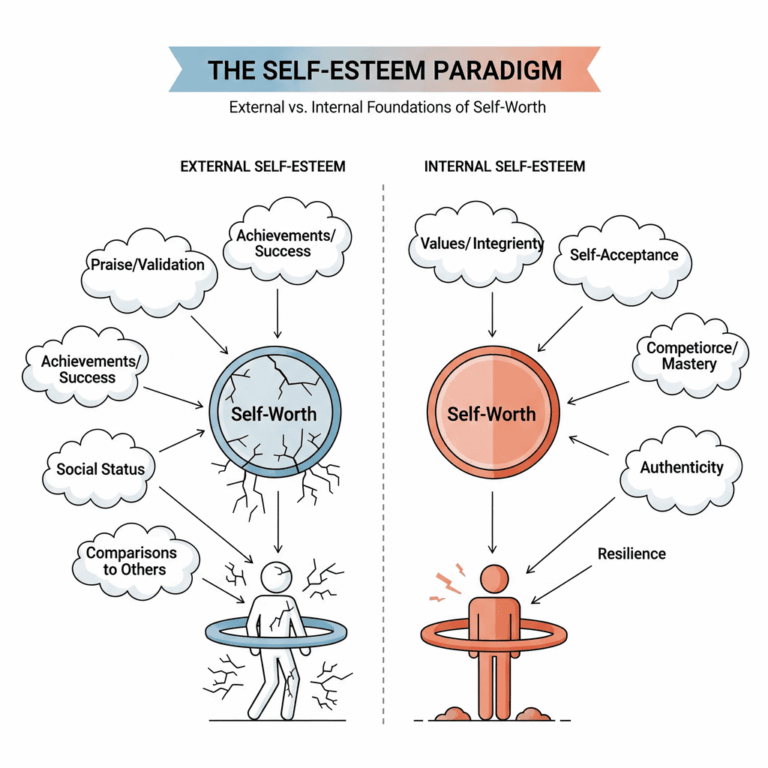
    Many people think of self-esteem as a price tag: something that can be attached, removed, or changed at will. However, The Power of Self-Esteem shows that self-esteem is a paradigm. It is not a ‘status’ suddenly gained through academic achievements, recognition from a boss, or a beautiful face in the mirror.

    Self-esteem grows as a result of how we conduct our daily lives, how we handle problems, interpret failures, and respond to criticism. The paradigm of true self-esteem is founded on responsible action, the courage to be honest with oneself, and the refusal to be trapped by superficial judgments.

    Why is this revolutionary? Because this paradigm breaks the chains of entrapment. If you depend on trophies (which can be lost), or youthful looks (which inevitably fade), your self-esteem will always be fragile. The new paradigm taught in this book urges you to build a foundation of self-value from the inside out—not from the outside in.

    “How do you shift the source of self-esteem from external to internal? Its comprehensive practical framework is only systematically revealed within the book…”
    Read also : GenderSell: How to Sell to the Opposite Sex by Judith C. Tingley Ph.D.

    Commitment to Awareness: The Main Pillar of High Self-Esteem

    There is one standout trait among people with high self-esteem: commitment to awareness, or “the will to understand.” They do not go through life on autopilot. Instead, they choose to live consciously—mindfully—in every action, decision, and interaction.

    This awareness is not just about being alert to the environment. It is the courage to be honest with oneself, to open one’s eyes to the motivations behind decisions, and to welcome feedback from others. People with high self-worth do not seek validation; they seek clarity: Am I progressing according to the goals and values I believe in? If not, what needs to be corrected?

    Why is this important? Because commitment to awareness keeps you “on course.” It is a vital compass in facing challenges and change. When someone loses self-awareness, they are easily trapped in reactive patterns, destructive habits, or even toxic relationships.

    “Techniques for building commitment to awareness, complete with proven daily exercises, are only thoroughly detailed in our exclusive guide…”

    Read also : The Illustrated Art of Manliness: The Essential How-To Guide: Survival, Chivalry, Self-Defense, Style, Car Repair, And More! by Brett McKay

    Authentic Pride: Enjoying Achievements Without Arrogance

    One of the classic pitfalls in the journey of building self-esteem is the confusion between healthy pride and empty arrogance. This book points out that authentic pride arises not from a desire to “prove oneself,” but from the satisfaction that grows after doing what is good and right.

    People with authentic pride will say, “I did what was necessary,” and feel quietly satisfied. They do not need to showcase their achievements or seek bombastic praise. This kind of pride does not come from an “emptiness wanting to be filled,” but from a “fullness longing to be savored.”

    Why is this important? Because authentic pride is a natural shield against feelings of inferiority, failure, and the compulsive urge to outdo others. It fosters a solid self-confidence—without having to sacrifice social relationships, as there is no false competition.

    “How do you distinguish authentic pride from false ego? A series of reflective tests and case studies are available only to those who dig deeper…”


    Avoiding the Trap of External Validation: The Quiet Path to Wholeness

    Oftentimes, people feel the need to please many parties at once—bosses, partners, friends, even “societal standards.” This creates a dilemma: striving to gain approval from one can mean facing rejection from another. If external validation becomes the sole source of self-worth, every rejection feels like a disaster.

    This book invites readers to move beyond that trap. By building inner wholeness, you no longer become a “slave” to popularity, status, or the opinions of the majority. Calmness, confidence, and happiness will grow from within—and endure even when circumstances are less than ideal.

    Why is this transition important? Because it frees you from collective anxiety, the fear of failure, or the worry of “losing face” in public.

    “There are three patterns of self-sabotage that most often keep people trapped in the web of external validation—and the strategies to overcome them are analyzed in depth in the complete version…”


    Conclusion: Embracing Change Before You Choose to Act

    Achieving authentic self-esteem is a journey, not a destination. By letting go of dependence on external validation, nurturing true pride, and committing to a mindful life, you deserve to enjoy inner freedom and meaningful accomplishment.

    However, this knowledge is just the tip of the iceberg. You have now grasped the “what” and “why.” The “how”? That’s where the true magic of transformation lies—and you deserve to experience it today.


    You have just seen the foundation. These concepts are only the tip of the iceberg of what the book has to offer. How do you apply them step by step, avoid common pitfalls, and integrate them into your strategy? All the answers are inside.

    Sign Up and Get Free Access at MentorBuku Now!

  • True Wealth and Authentic Happiness: The Magical Paradigm of Naval Ravikant That Changes How You View Success. The Almanack of Naval Ravikant by Eric Jorgenson

    Introduction: It’s Time to Change the Way You Pursue Happiness and Wealth

    How long have you been working hard for social status or the numbers in your bank account, yet still feel something is missing? In an era where success is often measured by material accumulation and achievements, Naval Ravikant emerges as a catalyst for change—not just within the Silicon Valley startup ecosystem, but also in the realm of modern life philosophy.

    Naval Ravikant is not just a founder and investor in world giants like Uber and Twitter. He is much more than a wealthy person: he is the living embodiment of wealth and happiness walking hand in hand. Through his life journey, Naval has proven that true success is not just about financial achievement—but about living an authentic, peaceful, and meaningful life. The book “The Almanack of Naval Ravikant: A Guide to Wealth and Happiness” brings together fragments of philosophy that inspire the world to rethink purpose, process, and the meaning of being a successful and happy human being.

    In this article, you will delve into three fundamental concepts from Naval Ravikant’s life journey and thinking. Each concept serves as a “gateway” to deeper insights—and after reading, you will feel a thirst to know “how” to make real changes in your own life.


    Read also : First Ladies of the United States: A Biographical Dictionary by Robert P. Watson

    The Power in Enjoyment: Turning Goals into a Game

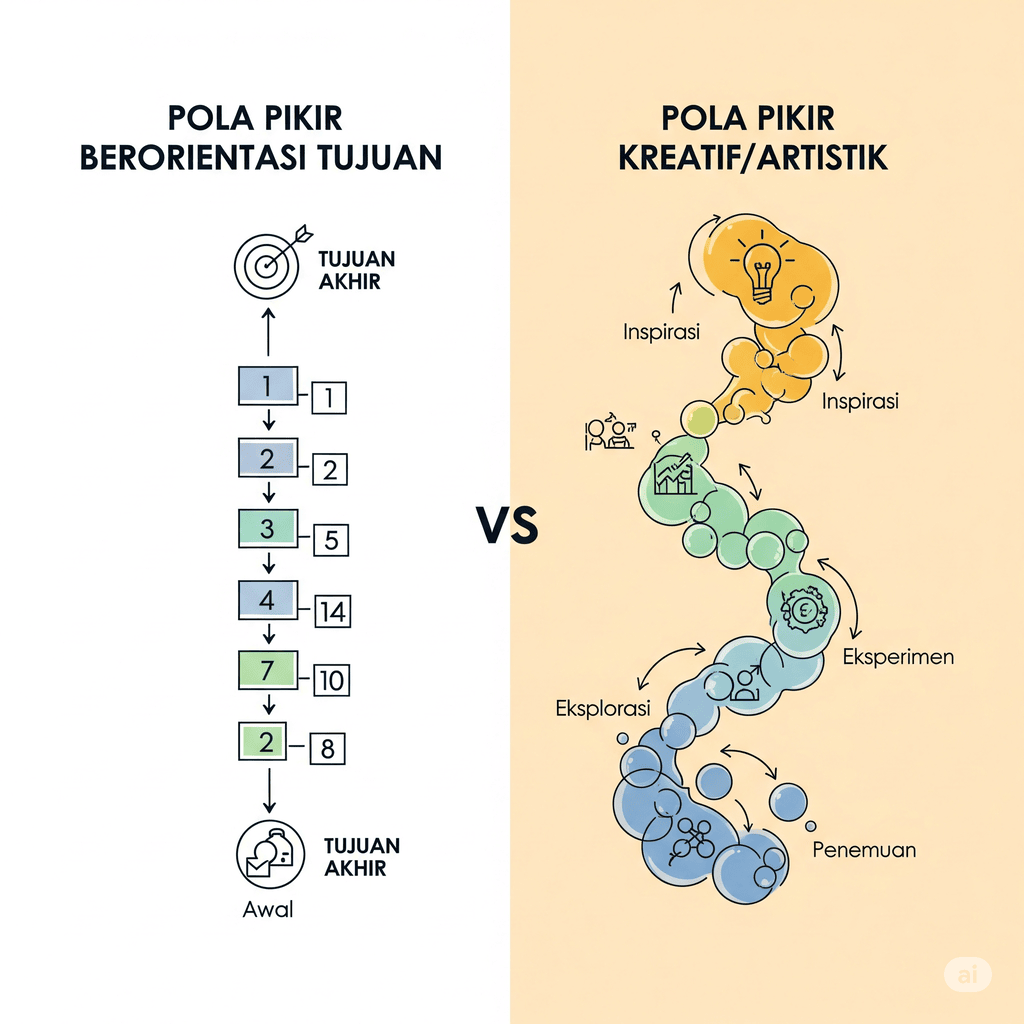
    One of Naval’s unique messages is to view business creation, innovation, or even work itself as a form of art—not merely as a tool to achieve goals. Naval boldly states that history only remembers the “artists,” whether in commerce, science, or politics. True artists create out of love and enjoyment, not out of pressure or obsession with the end result.

    For Naval, building companies isn’t just about chasing profit. He does it because he enjoys the game itself—much like a child engrossed in play, unconcerned about what others think. Imagine, after repeatedly succeeding in building businesses, he finds his motivation is more artistic than simply target-oriented. Remarkably, once he prioritizes creativity and freedom of expression, the results are far more satisfying—both personally and financially.

    This paradigm frees you from the trap of empty achievements. You are invited to reflect: Is your work a source of constant stress, or could it become an enjoyable field for creativity? What would happen if you started living and building your career as a work of art?

    The complete framework for shifting your mindset from “working for results” to “working as art,” along with practical exercises, can be found exclusively in this book and the special summaries from MentorBuku…

    Read also : Predictive Marketing: Easy Ways Every Marketer Can Use Customer Analytics and Big Data by Omer Artun,Dominique Levin

    Wealth Is Not the Goal, But a Side Effect

    The second concept that sets Naval’s philosophy apart is the relationship between wealth and perception. Many people think wealth is everything, but for Naval, true wealth is a “by-product”—a natural side effect of applying the right principles. As he emphasizes, he builds businesses “because it’s fun,” and money is simply a consequence, not the main purpose.

    Why is this important? Because when you pursue wealth as your sole goal, it’s easy to fall into a never-ending race; you constantly feel lacking, always chasing the next level that never truly arrives. Naval suggests that you should build value and solve real problems, and wealth will follow naturally. He relates this to economic and life philosophy: true winners not only accumulate money but also gain peace and gratitude.

    However, implementing this mindset is not easy. There are three common mistakes people make when trying to become “wealthy as a by-product,” both in mindset and action, which are detailed only in the book and MentorBuku discussions…

    Happiness: A Skill That Can Be Learned

    For Naval Ravikant, happiness is not something that “comes from the outside.” After decades studying Eastern and Western philosophy, he concludes that happiness is a skill—just like coding or public speaking. This means you can learn, cultivate, and practice it, as long as you have the right method.

    Most people wait for their external circumstances to change before they can be happy. Naval flips this: “Be happy first, and extraordinary performance and results will follow.” Through reflection techniques, meditation, and daily practices, he teaches that happiness is the result of mindset and consistent discipline. There’s no instant magic. It all begins with small shifts in thought and action.

    But how do you build happiness habits that are easy and lasting—especially amidst life’s pressures and endless work targets? Advanced techniques, including daily practice and practical step-by-step examples, are explained in depth in this book and the exclusive MentorBuku course…

    Mindful Productivity: The Liberating “Game”

    Naval speaks of productivity not as a form of time slavery, but as the freedom to choose what truly matters. He emphasizes the importance of minimizing the trivial, managing focus, and learning to say “no” to distractions and irrelevant social demands. In other words, it’s not how hard you work, but how authentically and purposefully you move toward your personal goals.

    This contrasts with hustle culture, which believes overtime is a mark of greatness. Naval instead suggests—with real proof in his own life—that discipline, prioritization, and “playing the right game” are much more effective at delivering achievement and inner peace.

    How can you start implementing the principle of “mindful productivity” gradually, without causing internal conflict or social pressure? The answers and strategic framework are laid out step by step in summaries and worksheets available exclusively to MentorBuku members…


    Conclusion: The Key to Wealth and Happiness Lies in the Mindset and Strategies You Choose

    Naval Ravikant offers a way out of the outdated paradigm of wealth and happiness. He invites us to ask ourselves: Are you living to chase validation, or have you made your own life a work of art? Are you endlessly chasing money, or creating value so that wealth comes as a “bonus”? And, are you waiting to be happy after achieving success, or choosing to be happy first as the foundation for success?

    These three “strategic foundations”—work as art, wealth as a side effect, and happiness as a skill—are just a few of Naval’s principles that have inspired founders and thinkers worldwide. However, applying them to your routines, mindset, and daily decision-making requires systematic guidance.

    Achieving this transformation is not about luck or temporary motivation. It’s about strategy. And you can find that strategy through special study at MentorBuku.

    Read also: They Say, I Say by Gerald Graff

    You’ve just seen the foundation. These concepts are only the tip of the iceberg of what this book has to offer. How do you implement them step by step, avoid common pitfalls, and integrate them into your strategy? All those answers are inside.
    Sign up and get free access at MentorBuku now!

  • Find Strength Within: Achieving Success Through Self-Awareness. Get Epic Shit Done by Ankur Warikoo

    We often hear the saying, “When the student is ready, the teacher will appear.” This simple sentence speaks volumes about the importance of readiness in acquiring knowledge and wisdom. Through understanding and self-awareness, we can explore the limitless potential within ourselves. This article delves into how self-awareness can be a catalyst for greater success in our lives.

    The Importance of Self-Awareness

    Self-awareness is not just about knowing our strengths and weaknesses. It is an ongoing process in which we reflect on our experiences, emotions, and reactions to various situations. By understanding who we are and what we want, we can better direct our lives. Self-awareness leads us to a deeper understanding of our life goals and mission.

    Why is Self-Awareness So Important?

    1. Helps in Facing Challenges: When confronted with difficulties, self-aware individuals tend to be better at analyzing situations and determining appropriate steps. They do not just react; they prefer to respond with wisdom.
    2. Enhances Relationships: By becoming more aware of our emotions and reactions, we can communicate more effectively. This creates deeper and more authentic relationships with others.
    3. Continuous Personal Development: Self-awareness encourages us to keep learning and growing. It triggers a healthy curiosity that will lead us toward greater success.

    But building self-awareness is not an instant process. There are various practical steps and techniques that can be applied, which are discussed further in the book we recommend.

    Read also : No-Drama Discipline: The Whole-Brain Way to Calm the Chaos and Nurture Your Child’s Developing Mind by Daniel J Siegel

    Creating Personal Standards

    One valuable lesson told in an anecdote about a sculptor is the importance of having personal standards. When a student sees a beautiful statue that has some minor damage, he is amazed by its beauty. However, the sculptor destroys the statue because he is not satisfied with his self-imposed standards—something that may not be visible to others but is important to him.

    Why You Should Have Personal Standards?

    1. Encourages Quality and Integrity: When you set high standards for yourself, you strive to deliver the best results in every action.
    2. Maintains Consistency: By having clear standards, you can be more consistent in your life goals and decisions.
    3. Inspires Others: When people see you committed to your standards, they may be inspired to pursue their own goals in the same way.

    Skills and techniques on how to set and maintain personal standards will be discussed in more detail in our recommended book…

    Placeholder Visual:

    Read also : Atomic Habits by James Clear

    Facing Uncertainty

    One of life’s biggest challenges is uncertainty. In critical moments, finding clarity through self-awareness can help you stay on track until you achieve your goals. When difficulties strike, it’s important to understand that every experience is an opportunity to learn.

    Why Is Facing Uncertainty Important?

    1. Developing Resilience: The ability to endure and stay focused amidst challenges is a crucial life skill. It will prepare you to face the future more effectively.
    2. Creating Independence: Self-awareness helps us become more independent in making decisions and facing risks.
    3. Gaining Valuable Insights: Experiences, even the toughest ones, often bring valuable lessons that can only be learned by understanding our situations well.

    However, some effective strategies for facing this uncertainty are detailed in our book…

    Placeholder Visual:


    Read also : The Intelligent Investor by Benjamin Graham

    Conclusion

    Self-awareness is an incredibly valuable tool in achieving true success. By understanding ourselves, reaching personal standards, and facing uncertainty, we pave the way to our true potential. Creating this awareness is not easy, but the journey will surely yield remarkable results.

    You have just seen the foundation. These concepts are just the tip of the iceberg of what this book offers. How to apply them step by step, avoid common pitfalls, and integrate them into your strategy? All the answers can be found within.

    Register and Get Free Access on MentorBuku Now!

  • Fundamental Secrets: How Roles & Identity Shape Our Lives According to “Frames of Mind”. Howard Gardner’s Frames of Mind: The Theory of Multiple Intelligences by the Author

    Introduction: Identity, Roles, and the Drama of Life

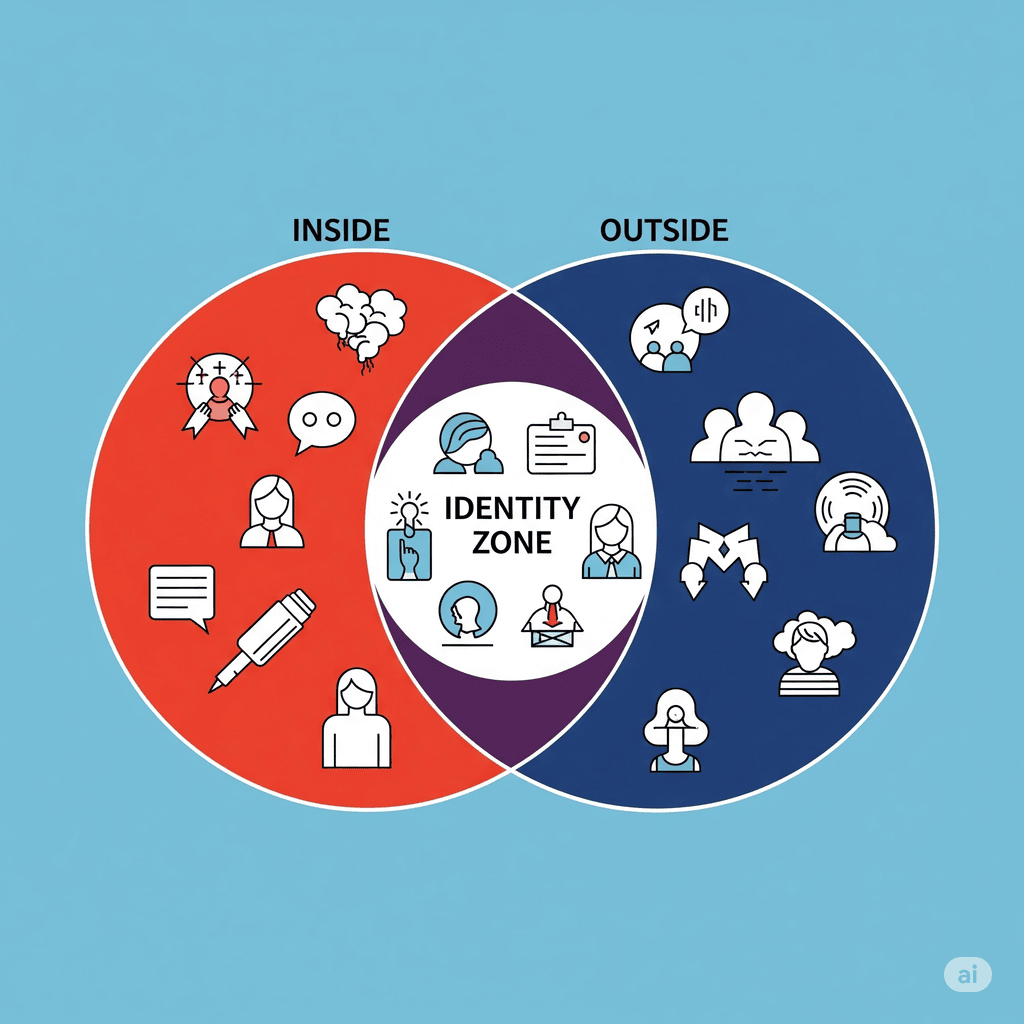
    Every human is born with an identity, but over time, the world asks us to wear various role masks. In the office, family, or community, we are compelled to adapt, sometimes to the point of forgetting who we really are. But have you ever wondered—how does culture shape the way we view ourselves? And what impact does it have on our creativity, leadership, or even our happiness?
    Howard Gardner, in his work “Frames of Mind,” invites us to explore how society weaves identity and roles into the human mind. By highlighting the dramas of life in Bali and Java as well as the world of art, Gardner reveals fundamental secrets about self, roles, and human potential that we often overlook.


    Bali, Java, and the Theater of Existence: Becoming Someone in Society?

    Balinese Life – Masks, Roles, and the Fear of Authenticity

    In Bali, life is a grand stage. Each individual lives in a highly structured social drama. One’s identity is no longer about personal uniqueness but rather about how well one embodies the roles inherited from society. There, everyone is an actor in an eternal play; masks and roles become more important than self-authenticity.
    Gardner writes that in Balinese culture, “every aspect of personal existence is distilled such that anything idiosyncratic is suppressed in favor of the roles established in the drama of Balinese life.” The greatest risk? When the public performance fails and the true personality suddenly emerges. In those moments, it feels intensely human, and one becomes “creatural”—returning to raw basic instincts. This is the greatest existential fear: being overwhelmed by authenticity amidst the overwhelming pressure of social roles.

    Javanese Philosophy – Inner & Outer Self, “Pure” and “Civilized”

    Unlike Bali, Javanese society emphasizes two main poles in defining self: “inner” and “outer.” The “inner” realm encompasses feelings and subjective experiences, while the “outer” involves observable actions, speech, and body posture. Interestingly, these two sides do not replace each other but are managed independently. Each individual strives to balance a turbulent inner world with an outward world full of rules.
    Additionally, there is a tension between “pure” and “civilized,” where Javanese society places a high value on the ability to maintain harmony between these two worlds. However, how does one maintain balance without falling into pretense or losing inner authenticity?
    Advanced techniques for managing identity duality in Javanese culture, including case studies and their applications in the modern era, are part of the exclusive insights we have prepared at MentorBuku…

    The Concept of Composition Sensitivity: Lessons from the World of Art

    Ben Shahn, Turner, and Herbert Read – Sensitivity to Form and Color

    Not only culture, but Gardner also highlights spatial intelligence in art. A great artist like Ben Shahn reveals, “ideas must emerge from images.” Meanwhile, Turner—through his manipulation of color and form—successfully creates light that cannot be achieved by logic alone. Herbert Read emphasizes that true beauty is derived not from physical objects but from the ability to capture form, color, and composition in a work of art.
    This is what Gardner refers to as composition sensitivity: the ability to arrange visual elements to create harmony and new meaning. In art, issues of design, color, and form become central, often surpassing the subject of the painting itself.
    However, there are three common mistakes that often occur when developing composition sensitivity, which are thoroughly examined in our summary…

    Also read: Marketing Made Simple: A Step-by-Step StoryBrand Guide for Any Business by Donald Miller


    Implications for Modern Life: Managing Roles, Identity, and Creativity

    What does this mean for you? The modern world demands that we adeptly play many roles—professional, personal, social. However, the pressure to always “look good” risks leading us to lose ourselves. On the other hand, the ability to maintain a balance between the inner world and external appearance becomes the key to psychological resilience.
    From art, we learn that sensitivity to composition (both in works and in life) determines the quality of the final outcome. The ability to “arrange” emotions, roles, and expressions is as important as arranging colors on a canvas. Integrating lessons from culture and art can serve as a catalyst for building an authentic identity, creating innovative works, and living a more meaningful life.
    A practical framework for strategically managing roles and identity in professional and personal worlds, complete with templates and practical exercises, can be found at mentorbuku.com…

    Also read: Emergency Medicine PreTest Self-Assessment and Review, Second Edition (PreTest Clinical Medicine) by Adam Rosh


    Conclusion & Call to Action

    This article is just the spark. Imagine if one idea from here could change the way you work or think. Now, envision what dozens of other strategic ideas could do. That is the power waiting for you.

    Sign up and Get Free Access at MentorBuku Now!