Tag: life philosophy

  • True Wealth and Authentic Happiness: The Magical Paradigm of Naval Ravikant That Changes How You View Success. The Almanack of Naval Ravikant by Eric Jorgenson

    Introduction: It’s Time to Change the Way You Pursue Happiness and Wealth

    How long have you been working hard for social status or the numbers in your bank account, yet still feel something is missing? In an era where success is often measured by material accumulation and achievements, Naval Ravikant emerges as a catalyst for change—not just within the Silicon Valley startup ecosystem, but also in the realm of modern life philosophy.

    Naval Ravikant is not just a founder and investor in world giants like Uber and Twitter. He is much more than a wealthy person: he is the living embodiment of wealth and happiness walking hand in hand. Through his life journey, Naval has proven that true success is not just about financial achievement—but about living an authentic, peaceful, and meaningful life. The book “The Almanack of Naval Ravikant: A Guide to Wealth and Happiness” brings together fragments of philosophy that inspire the world to rethink purpose, process, and the meaning of being a successful and happy human being.

    In this article, you will delve into three fundamental concepts from Naval Ravikant’s life journey and thinking. Each concept serves as a “gateway” to deeper insights—and after reading, you will feel a thirst to know “how” to make real changes in your own life.


    Read also : First Ladies of the United States: A Biographical Dictionary by Robert P. Watson

    The Power in Enjoyment: Turning Goals into a Game

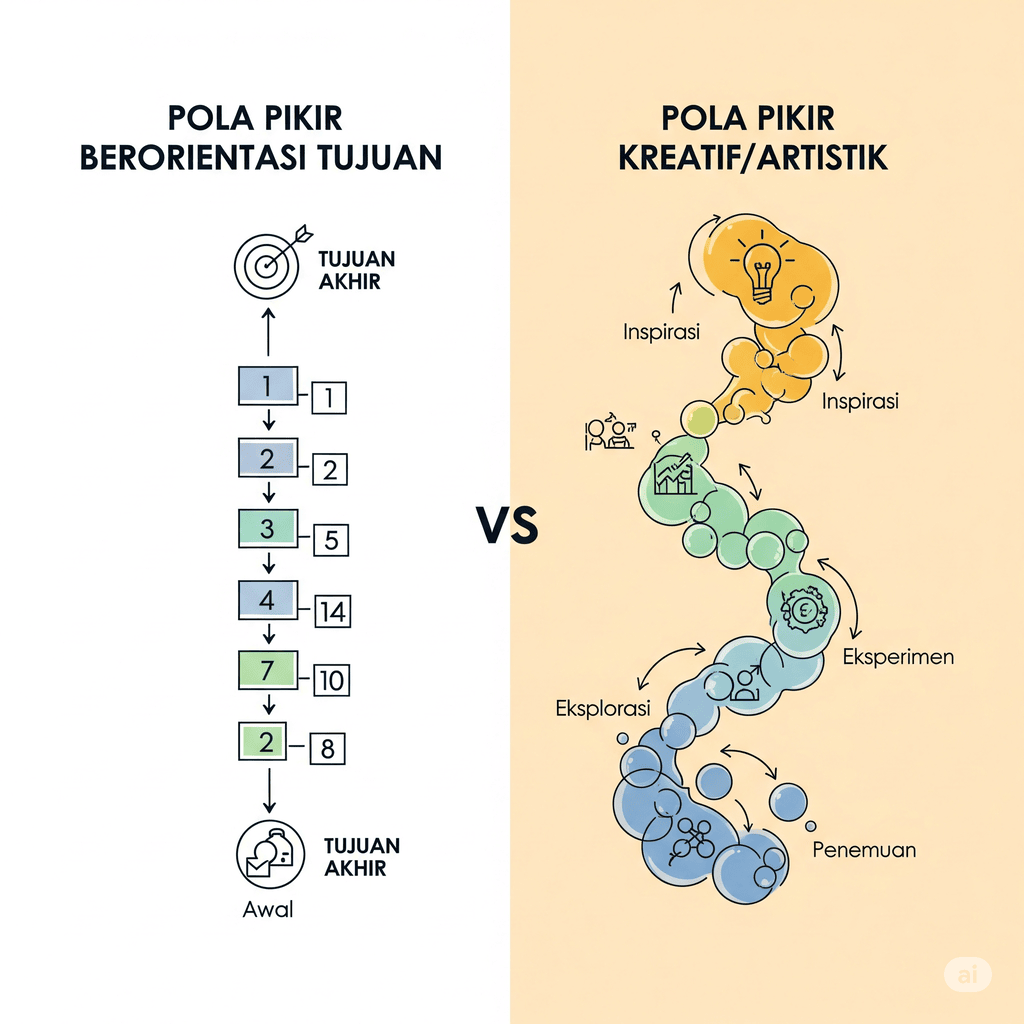
    One of Naval’s unique messages is to view business creation, innovation, or even work itself as a form of art—not merely as a tool to achieve goals. Naval boldly states that history only remembers the “artists,” whether in commerce, science, or politics. True artists create out of love and enjoyment, not out of pressure or obsession with the end result.

    For Naval, building companies isn’t just about chasing profit. He does it because he enjoys the game itself—much like a child engrossed in play, unconcerned about what others think. Imagine, after repeatedly succeeding in building businesses, he finds his motivation is more artistic than simply target-oriented. Remarkably, once he prioritizes creativity and freedom of expression, the results are far more satisfying—both personally and financially.

    This paradigm frees you from the trap of empty achievements. You are invited to reflect: Is your work a source of constant stress, or could it become an enjoyable field for creativity? What would happen if you started living and building your career as a work of art?

    The complete framework for shifting your mindset from “working for results” to “working as art,” along with practical exercises, can be found exclusively in this book and the special summaries from MentorBuku…
    Read also : Predictive Marketing: Easy Ways Every Marketer Can Use Customer Analytics and Big Data by Omer Artun,Dominique Levin

    Wealth Is Not the Goal, But a Side Effect

    The second concept that sets Naval’s philosophy apart is the relationship between wealth and perception. Many people think wealth is everything, but for Naval, true wealth is a “by-product”—a natural side effect of applying the right principles. As he emphasizes, he builds businesses “because it’s fun,” and money is simply a consequence, not the main purpose.

    Why is this important? Because when you pursue wealth as your sole goal, it’s easy to fall into a never-ending race; you constantly feel lacking, always chasing the next level that never truly arrives. Naval suggests that you should build value and solve real problems, and wealth will follow naturally. He relates this to economic and life philosophy: true winners not only accumulate money but also gain peace and gratitude.

    However, implementing this mindset is not easy. There are three common mistakes people make when trying to become “wealthy as a by-product,” both in mindset and action, which are detailed only in the book and MentorBuku discussions…

    Happiness: A Skill That Can Be Learned

    For Naval Ravikant, happiness is not something that “comes from the outside.” After decades studying Eastern and Western philosophy, he concludes that happiness is a skill—just like coding or public speaking. This means you can learn, cultivate, and practice it, as long as you have the right method.

    Most people wait for their external circumstances to change before they can be happy. Naval flips this: “Be happy first, and extraordinary performance and results will follow.” Through reflection techniques, meditation, and daily practices, he teaches that happiness is the result of mindset and consistent discipline. There’s no instant magic. It all begins with small shifts in thought and action.

    But how do you build happiness habits that are easy and lasting—especially amidst life’s pressures and endless work targets? Advanced techniques, including daily practice and practical step-by-step examples, are explained in depth in this book and the exclusive MentorBuku course…

    Mindful Productivity: The Liberating “Game”

    Naval speaks of productivity not as a form of time slavery, but as the freedom to choose what truly matters. He emphasizes the importance of minimizing the trivial, managing focus, and learning to say “no” to distractions and irrelevant social demands. In other words, it’s not how hard you work, but how authentically and purposefully you move toward your personal goals.

    This contrasts with hustle culture, which believes overtime is a mark of greatness. Naval instead suggests—with real proof in his own life—that discipline, prioritization, and “playing the right game” are much more effective at delivering achievement and inner peace.

    How can you start implementing the principle of “mindful productivity” gradually, without causing internal conflict or social pressure? The answers and strategic framework are laid out step by step in summaries and worksheets available exclusively to MentorBuku members…


    Conclusion: The Key to Wealth and Happiness Lies in the Mindset and Strategies You Choose

    Naval Ravikant offers a way out of the outdated paradigm of wealth and happiness. He invites us to ask ourselves: Are you living to chase validation, or have you made your own life a work of art? Are you endlessly chasing money, or creating value so that wealth comes as a “bonus”? And, are you waiting to be happy after achieving success, or choosing to be happy first as the foundation for success?

    These three “strategic foundations”—work as art, wealth as a side effect, and happiness as a skill—are just a few of Naval’s principles that have inspired founders and thinkers worldwide. However, applying them to your routines, mindset, and daily decision-making requires systematic guidance.

    Achieving this transformation is not about luck or temporary motivation. It’s about strategy. And you can find that strategy through special study at MentorBuku.

    Read also: They Say, I Say by Gerald Graff

    You’ve just seen the foundation. These concepts are only the tip of the iceberg of what this book has to offer. How do you implement them step by step, avoid common pitfalls, and integrate them into your strategy? All those answers are inside.
    Sign up and get free access at MentorBuku now!

  • Facing Uncertainty: Valuable Lessons from Courage Is Calling by Ryan Holiday and Stephen Hanselman

    In a fast-paced and uncertain world, courage is often considered a rare quality. The book “Courage Is Calling” invites us to explore the meaning of courage and how we can implement it in our daily lives. Through deep and reflective narration, we are encouraged to consider not only heroic acts, but also the small moments that require bravery in facing everyday challenges.

    1. Courage in Facing Obstacles

    One of the main themes raised in this book is the courage to confront obstacles. In this context, the author describes the struggle of Admiral James Stockdale, who endured torture at the Hanoi Hilton. Stockdale was not just a prisoner of war; he was a figure who fought for his fellow inmates, even risking his own life to stop the ongoing torture.

    This brave moment shows that courage often manifests as sacrifice. Stockdale demonstrates the importance of solidarity and collective courage in facing injustice. However, an important question arises: how can we apply this principle in our daily lives?
    Techniques for applying the principle of courage in professional and personal fields are discussed in more detail in the book…

    Read also : Sell or Be Sold by Grant Cardone

    2. Kintsugi: Embracing and Transforming Fragility into Strength

    Another fascinating concept presented in this book is kintsugi, the Japanese art of transforming broken objects into something even more valuable. In kintsugi, damage is not merely repaired, but celebrated and made a part of a new kind of beauty.
    We are invited to reflect: will we find ways to become stronger in places of fragility, or will we fall back into our old patterns that could lead to further destruction? Kintsugi teaches that moments of failure can be the starting point for a greater revival.
    Some practical steps for applying the kintsugi philosophy in daily life will be explained in detail in this book…

    Read also : The Post-Truth Business: How to Rebuild Brand Authenticity in a Distrusting World by Sean Pillot de Chenecey

    3. Focus on the Present: Reducing Fear

    Wilfred Owen, a war poet, wisely emphasized the importance of not letting our imagination take over. When we imagine all the worst possibilities, we miss the opportunity to focus on what we can do right now.
    In this context, the Stoics encourage us to stay focused on the “first impression”—what is right in front of us at this moment, rather than on unknown challenges. Reducing worry and concentrating on concrete things we can control is an important step in building resilience and courage.
    Strategies for practicing mindfulness and being present will be further outlined in our summary…

    Conclusion

    The book “Courage Is Calling” offers deep reflections on courage through real-life stories, philosophy, and art. By understanding that courage can mean fighting for others, accepting our weaknesses, and focusing on the present moment, we can develop greater resilience in facing life’s challenges.
    You have just seen the foundation. These concepts are only the tip of the iceberg of what this book has to offer. How do you apply them step by step, avoid common pitfalls, and integrate them into your strategy? All those answers are inside.

    Sign Up and Get Free Access on MentorBuku Now!

  • The Secrets of Ikigai Revealed: More Than Just a Life Purpose. Ikigai: The Japanese Secret to a Long and Happy Life, by Héctor García and Francesc Miralles

    Have you ever wondered why the residents of a small island in Japan, Okinawa, have the highest life expectancy in the world? The secret is not just a healthy diet or a friendly climate. Deep within their culture lies a fundamental concept that fuels their longevity and happiness: Ikigai. Many people in the West mistakenly interpret ikigai merely as “life purpose” or “passion.” However, this understanding is too superficial. Ikigai is a much deeper paradigm, an elusive meeting point where four essential elements of life intersect harmoniously. This concept is not just a beautiful philosophy to ponder; it is a practical roadmap you can use to engineer a fulfilling and long life. This article will dissect the three main pillars of the Ikigai philosophy, enlightening you on the “what” and “why,” and showing you where to find the “how” to apply it.

    Why Ikigai is a Fundamental Catalyst for Longevity?

    Ikigai can literally be translated as “a reason for being” or, more poetically, “a reason to get up in the morning.” According to the authors of this book, Héctor García and Francesc Miralles, everyone has an ikigai hidden within them. Discovering it requires a patient search, yet the results are transformative. It is not about a single passion, but rather the convergence of four main forces:

    1. What You Love (Your Passion & Mission): Activities that make time seem to stand still and bring you pure joy.
    2. What You Are Good At (Your Passion & Profession): Unique skills and talents you possess that set you apart from others.
    3. What the World Needs (Your Mission & Vocation): Contributions you can make to make the world a better place, no matter how small.
    4. What You Can Get Paid For (Your Profession & Vocation): How you can financially support yourself through your skills.

    The point where the four circles intersect is your Ikigai. It is a source of satisfaction, happiness, and deep meaning. People who live with a clear ikigai never really “retire” in the sense of stopping their work; they continue to do what they love as long as their health allows. This is what gives them extraordinary vitality and resilience. However, there are three common mistakes that often occur when trying to find this intersection, which are thoroughly dissected in our summary at MentorBuku.

    “Flow”: The Secret Weapon to Transform Activities into Happiness

    One of the keys to living in ikigai is to frequently experience a condition known as “flow.” Popularized by psychologist Mihaly Csikszentmihalyi, flow is a state where you are so engaged in an activity that everything else seems unimportant. Your ego dissolves, time disappears, and you become one with what you are doing. It is an optimal experience that can turn work and leisure time into a space for growth.
    To achieve flow, the activity you are involved in must be at an ideal point: challenging enough to keep you focused, but not too difficult that it causes anxiety or frustration. This is the zone where your skills are tested just beyond the comfortable limit. Additionally, having a clear goal and working in a distraction-free environment is a prerequisite for entering it. The takumi (master craftsmen) in Japan are masters of achieving this state, dedicating their lives to perfecting one skill with full concentration. They do not work solely for money, but for the pleasure of the process itself. Mastering ‘flow’ requires more than just turning off notifications. Our summary reveals seven specific triggers to enter the ‘flow’ state at will, an exclusive insight we have prepared at MentorBuku.

    Ogimi Lifestyle: Three Practical Pillars to Emulate Centenarians

    If Ikigai is the engine and flow is the fuel, then lifestyle is the chassis that supports everything. The village of Ogimi in Okinawa, dubbed the “Village of Longevity,” provides a practical blueprint for living that supports ikigai.

    The 80 Percent Secret: Eating for Energy, Not Fullness

    One of the most common sayings in Japan is “Hara hachi bu,” which means “fill your stomach until 80 percent.” This is not just a dietary recommendation, but a philosophy. Instead of eating until full, the Okinawans stop when they begin to feel satisfied. This practice prevents the body from being fatigued by a long digestion process, which can speed up cellular aging. Their diet is rich in vegetables, tofu, and antioxidant foods like green tea and shikuwasa fruit. The ‘hara hachi bu’ philosophy goes beyond just stopping eating. There is a list of 15 specific antioxidant foods that are key to the Okinawan diet, which is thoroughly discussed in this book.

    Read also: The Ultimate Marketing Engine: 5 Steps to Ridiculously Consistent Growth by John Jantsch

    Moving with Purpose, Not Torturing Yourself at the Gym

    The longest-living people are not those who exercise the hardest, but those who move the most. The residents of Ogimi do not go to the gym. Instead, physical activity is naturally integrated into their daily lives: gardening in the morning, walking to visit neighbors, and doing gentle exercises like Radio Taiso together. These gentle movements keep the joints flexible and the body active without putting too much strain. This book presents a step-by-step routine, such as ‘Radio Taiso,’ that can be done in just 5 minutes each morning to revitalize your body.

    The Power of “Moai”: Community as the Best Medicine

    Perhaps the most important pillar of longevity in Ogimi is the concept of “moai”—a group of close friends committed to taking care of each other for life. This moai functions like a second family, providing emotional, social, and even financial support. The strong sense of belonging and security that comes from this moai is a powerful antidote to stress and loneliness, two factors known to shorten lifespan. They celebrate every little thing together, from birthdays to gateball games, creating a rich and supportive social bond. Forming a ‘moai’ in the modern world may seem difficult, but there are fundamental principles from Ogimi that can be applied to build a strong social circle, which we will outline in MentorBuku.

    Also read: Handbook of Parent Training 3rd Edition by James M. Briesmeister

    Resilience and Wabi-Sabi: The Art of Facing Life’s Storms

    Having ikigai does not mean life will always be smooth. Challenges and setbacks will inevitably come. This is where resilience—the ability to bounce back after difficulties—becomes crucial. Japanese philosophy teaches this through the concept of wabi-sabi, which is about finding beauty in imperfection and transience. Instead of pursuing impossible perfection, we learn to appreciate things as they are. Another complementary concept is ichi-go ichi-e, which means “this moment is unique and will never occur again.” It serves as a reminder to live in the present, to value every encounter and experience, as they are all unique and temporary. By focusing our minds on the present and accepting that life is not perfect, we can face challenges with greater calm. Mental toughness is not innate. There are specific techniques from Buddhism and Stoicism, such as ‘negative visualization’, discussed in the book, to train your mind to remain calm in the face of challenges.


    You have just seen the foundation. These concepts are just the tip of the iceberg of what this book offers. How can you apply them step by step, avoid common pitfalls, and integrate them into your strategy? All those answers are within.
    Sign up and Get Free Access at MentorBuku Now!

  • Fundamental Secret: The Power of the Selflessness Paradigm That Can Change Your Life. Energize Your Mind by Gaur Gopal Das

    Why “Selflessness” Has Become the Catalyst for a Productive Life

    Have you ever wondered why some people seem so happy and productive, even when they seem to give more than they receive? The answer may lie in a single word we often overlook: selflessness.

    In an increasingly individualistic world, the book “Energize Your Mind” by Gaur Gopal Das offers a contrasting and revolutionary perspective. This book doesn’t just discuss motivation or time management techniques. Instead, it highlights how “giving” selflessly—in terms of time, energy, or thought—can become an unlimited source of mental energy.

    This article will review three key concepts from the book:

    1. Selflessness as the foundation of a meaningful life
    2. The “Chain of Kindness” principle and its impact on productivity
    3. The “Beyond Yourself” mindset as a catalyst for true happiness

    However, keep in mind: this discussion is only a “gateway” to knowledge. The concrete methods for applying these concepts can only be found at MentorBuku.


    Selflessness: The Foundation of a Meaningful Life

    Have you ever heard the saying, “A tree does not eat its own fruit, a river does not drink its own water”? Gaur Gopal Das quotes this ancient philosophy, affirming that great beings—like trees, rivers, and clouds—benefit others selflessly. This philosophy forms the foundation of “selflessness” as a mindset that we should adopt in modern life.

    Why is this important?
    Many modern studies show that giving—whether materially or emotionally—triggers the release of happiness hormones and reduces stress. But beyond that, selflessness also creates stronger mental resilience. When you stop focusing on yourself and start thinking about others, you actually activate a new energy center in your life.

    Furthermore, selflessness acts as a psychological “safety net” when facing challenges. When you give, you build strong social connections and expand the meaning of life. This is a principle that has been proven for thousands of years and is now relevant again in the fast-paced digital era.

    A complete framework for practicing selflessness in daily routines—without feeling exploited—is discussed systematically in this book and has been summarized exclusively at MentorBuku.

    See also: The Magic by Rhonda Byrne


    The Chain of Kindness Principle: Small, But Highly Impactful

    Next, “Energize Your Mind” introduces the principle of the “Chain of Kindness.” This philosophy asserts that one small act can create an unexpected positive domino effect. In the real-life story of Kamalamma, for example, a simple action she took became a national inspiration and changed many lives.

    Why is this concept so powerful? Because with the chain of kindness, you’re not just changing one person’s life, but building an ever-growing ecosystem of goodness. Every positive action you take can inspire others to do the same, creating a never-ending cycle of virtue.

    In the workplace, this principle can transform organizational culture. In personal relationships, it strengthens trust and loyalty. Even in everyday life, the chain of kindness increases gratitude and enriches the soul.

    However, there are three common mistakes often made when trying to build a chain of kindness, from wrong motivations to misguided social expectations. An in-depth analysis along with practical solutions can only be found in our summary at MentorBuku.

    See also: Great CEOs Are Lazy by Jim Schleckser


    The “Beyond Yourself” Mindset: Catalyst for True Happiness

    In another section, this book highlights the importance of developing a “Beyond Yourself” mindset—thinking and acting beyond personal interests. Many people are trapped in the “what’s in it for me” mindset, unknowingly closing the door to true happiness.

    Adopting this mindset changes the way you view challenges and opportunities. You no longer fear failure, because your main goal is contribution, not just personal achievement. This also makes you more resilient to social pressure and external expectations.

    In fact, positive psychology research shows that individuals focused on contribution have better mental health and a lower risk of burnout. They are more adaptive, creative, and happy.

    Advanced techniques for developing a “Beyond Yourself” mindset, including self-reflection templates and practical examples in everyday life, are part of the exclusive insights we offer at MentorBuku.

    See also: Stoicism for Inner Peace by Fleur Marie Vaz


    Spiritual Lessons from “Energize Your Mind”

    This book also touches on the spiritual dimension of selflessness. In ancient Indian teachings, giving selflessly is considered the highest form of devotion and the path to a more meaningful life. The author even thanks his spiritual teachers, signifying that learning to give is a lifelong journey.

    This spiritual spirit opens up new horizons regarding the meaning of success. It’s not just about material achievement, but about accomplishments that benefit as many people as possible. This perspective is highly relevant today, as the meaning of happiness is shifting from “having” to “sharing.”

    How can you integrate this spiritual dimension into your modern routine? The answer, complete with practical steps and self-reflection, can be found on the MentorBuku platform.

    Why You Should Adopt the Selflessness Paradigm Now

    Practicing selflessness does not mean sacrificing yourself without limits; rather, it means prioritizing contribution. In a highly competitive world, it is those who dare to give and share who become the true winners—both personally and professionally.

    This paradigm has stood the test of time. It is the foundation for great leaders, innovators, and individuals who lead meaningful lives. Now is the time for you to begin your journey of change with the first step: understanding and internalizing the concept of selflessness.

    However, understanding the “what” and “why” is only the beginning. You need practical strategies, real case studies, and step-by-step guidance to truly transform your life.

    Conclusion: Transformation Starts Here

    You have just seen the foundation. These concepts are only the tip of the iceberg of what this book has to offer. How do you apply them step by step, avoid common pitfalls, and integrate them into your strategy? All the answers are inside.
    [Sign Up and Get Free Access at MentorBuku]