Tag: healthy lifestyle

  • The Secret of the New Breathing Paradigm: Unveiling the Forgotten Fundamental Power. Breath: The New Science of a Lost Art by James Nestor

    Introduction: Why Breath Is More Important Than We Ever Realized

    Every second, unconsciously, we breathe. Breathing is a fundamental and automatic process—yet behind this seemingly simple act lies extraordinary power that has long been overlooked by modern science. The book “Breath” takes us on a journey through the intricacies of breathing, from ancient heritage to contemporary research breakthroughs, revealing that the way we breathe profoundly influences health and daily life far beyond simply inhaling and exhaling air.
    In this article, you will be presented with four key concepts from “Breath” that can become catalysts for change in your life. Each concept will be explained in depth about the “what” and the “why”—but the secret of the “how” and the implementation steps? All of it is hidden, waiting for you to uncover further to the core.


    A Glimpse into the Ancient Heritage: Breath as the Path to Longevity

    Delving into Knowledge from Ancient Chinese Texts

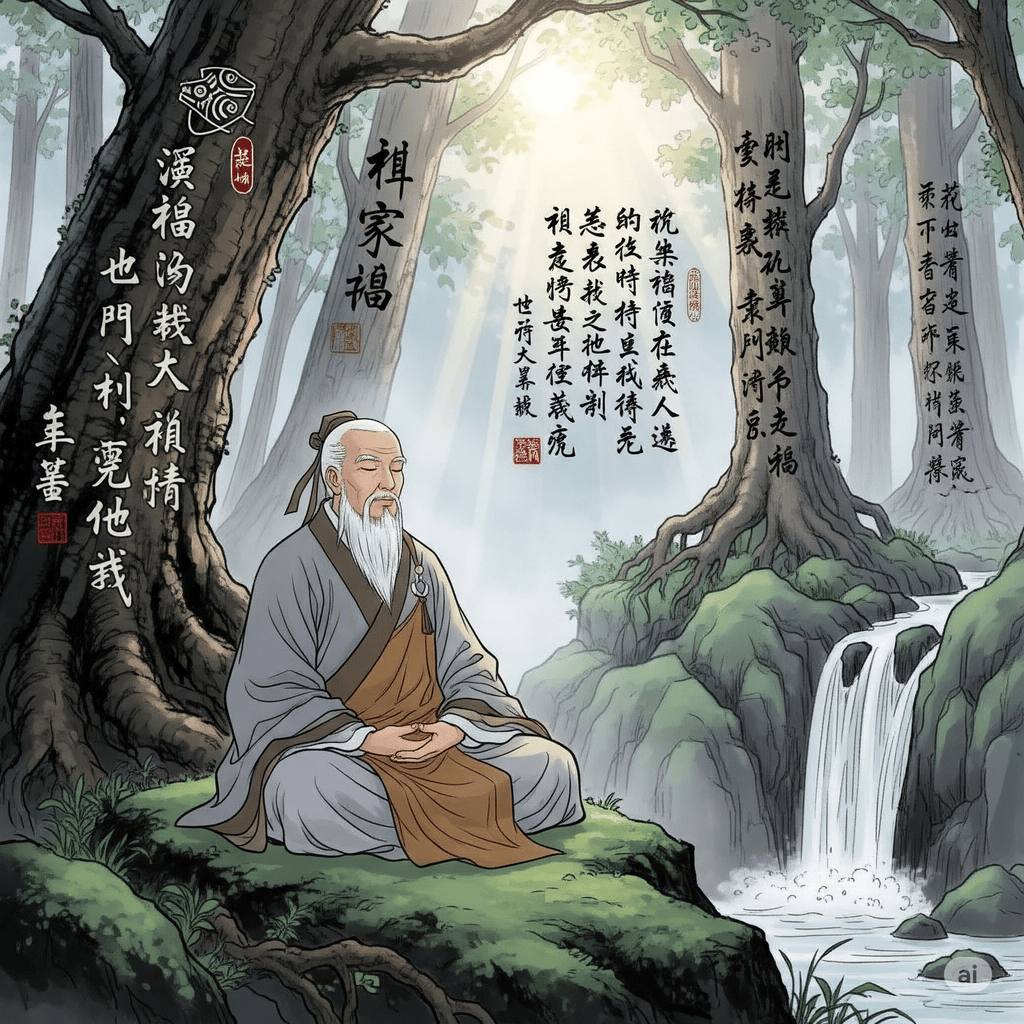
    For thousands of years, Eastern cultures have recognized breath as the key to longevity and the core of vitality. Even in “The Primordial Breath,” one Taoist text, breath-control techniques are not only about health but also an art of prolonging life and maintaining harmony of body and soul. They believed that regulating the breath means regulating the fundamental life energy itself.
    Imagine, thousands of years before modern laboratories and sophisticated sensors, Tao practitioners had developed a breathing system with remarkable precision and purpose. This system is not merely mystical doctrine; it provides step-by-step guidelines proven in practice across generations.
    But how exactly did they “transport” breath and maximize its function for optimal health? The complete framework of these techniques, along with training examples, is examined in depth in the book’s dedicated chapters—full insight is available only if you delve further.
    Also read : Raising Responsible Teens in a Digital World by Brian Housman

    Breath: The Mysterious Connection Between Mind, Body, and the Ocean

    Modern Exploration: Breath, the Sea, and Lasting Health

    The author of “Breath” began from curiosity and experiences in the world of freediving—a breath-hold dive that requires full control over the breath. From this experience, an insight emerged: the human body actually harbors great potential if the breath is managed correctly. When breath becomes one with the rhythm of the sea, a symphony occurs between the physical, mental, and the surrounding environment.
    Modern scientific data also show that specific breathing techniques can reduce stress, regulate hormones, and even influence blood pressure and the immune system. However, on the other hand, incorrect breathing patterns in daily life can trigger problems—from fatigue, insomnia, to hidden metabolic disorders.
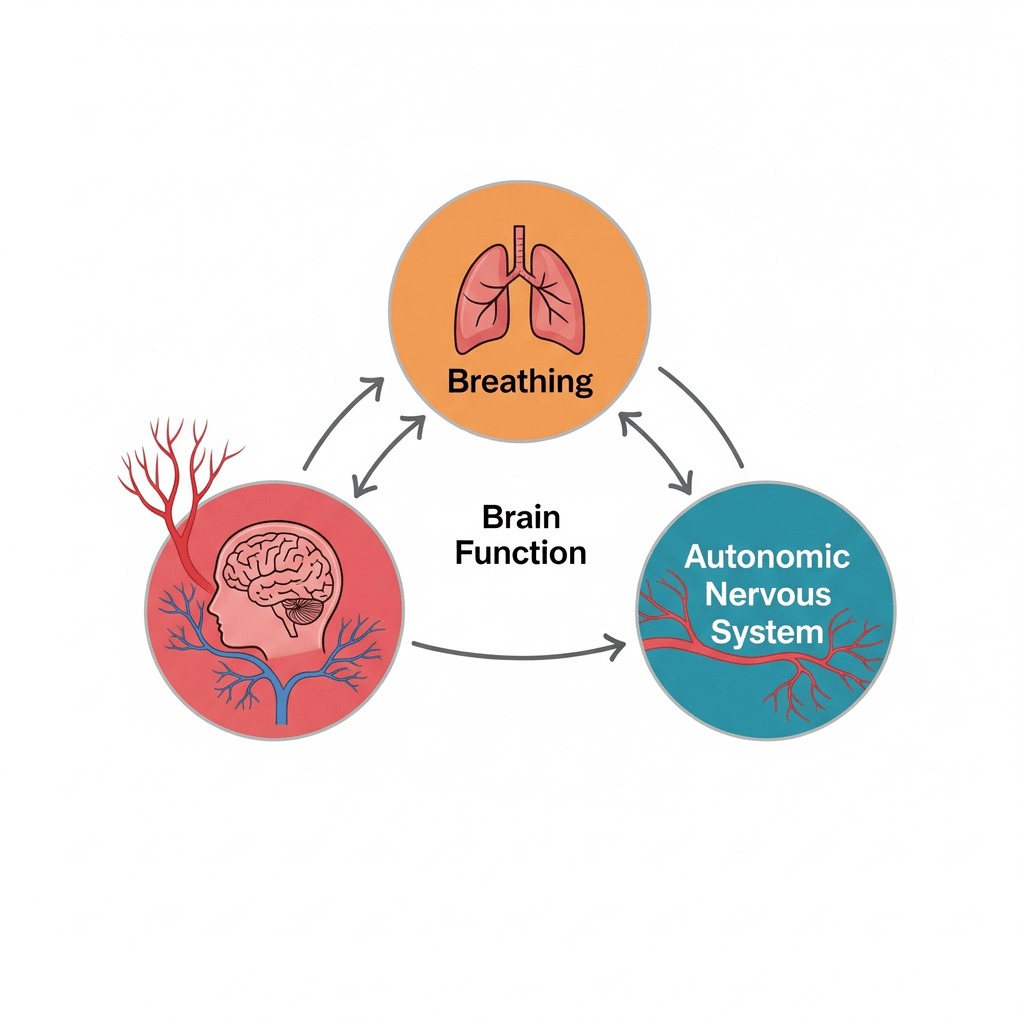
    So why is the breath–body connection so fundamental? Recent studies reveal the links between changes in breathing patterns, brain activity, and the functioning of vital organs. Yet the specific techniques on how to transform your breathing pattern into a source of strength? That is a major chapter that is unpacked step by step in the book, complete with research results and case studies from around the world.
    Also read : The Advertising Effect: How to Change Behaviour by Adam Ferrier

    Cracked House: A Modern Story of Breath Neglect

    A Trait Worth Envy, The Ancestors Paid Attention to Breath at All Times

    In the opening chapter, the author invites readers to a somber setting—like the old Amityville house rich with history and mystery. In that antique-toned room, a group of modern people from diverse backgrounds search for answers: why does their breath feel incomplete, whether due to stress, bad habits, or simply the fast-paced modern lifestyle.
    They arrive for a reason—noted by medical advice leading to health issues that won’t heal. In fact, breath turns out to be the starting point of recovery for a range of ailments, from sleep disorders to cardiovascular problems. The modern environment with pollution, sedentary living, and processed foods makes our breath shallower—and its effects erode daily vitality.
    But what can we do to avoid falling into the trap of incorrect breathing? The book contains structured discussions of the most common breathing mistakes and how to correct them—a step-by-step sequence that is accessible only to those ready to dive deeper.


    The Wonders of Modern Science: Astonishing Breath Studies

    Science Begins to Reappreciate Breath

    In recent decades, science has finally pursued the ancient wisdom about breath. Supported by the latest medical and neurological research, researchers identify the domino effects of breathing on mental health, hormonal balance, and human performance potential far beyond initial expectations.
    In fact, there are studies showing how small techniques to control the timing and depth of breathing can yield dramatic benefits for the immune system and the body’s healing processes. Yet what are the findings of this “troubling picture” uncovered by researchers—and how did they develop clinically tested breathing training protocols? Exclusive details and specific training recommendations are laid out clearly in the book’s pivotal sections.
    As a reader of this article, you have seen part of the picture of the urgency of breathing. However, advanced techniques, in-depth case studies, and proven habit-change templates—these are part of exclusive insights that are available only at MentorBuku.


    Breath as the Key to Personal Revolution: What Comes Next?

    The pressures of modern life, gadget addiction, and an increasingly polluted environment demand that we take full control of something we have long considered trivial: breath. There is no health innovation, self-development, or productivity strategy that can truly be effective if the foundation of breathing is left in disarray.
    This article is only the surface—there are still many mysteries, techniques, and real-life stories of personal transformation through breath waiting for you to explore further. Each chapter in the book “Breath” is like a layer of strategy and knowledge ready to change how you think, work, and enjoy daily life.

    You’ve just seen the foundation. These concepts are only the tip of the iceberg of what the book offers. How to apply them step by step, avoid common pitfalls, and integrate them into your strategy? All the answers are inside.
    Sign up and get free access at MentorBuku now!

  • The Secrets of Ikigai Revealed: More Than Just a Life Purpose. Ikigai: The Japanese Secret to a Long and Happy Life, by Héctor García and Francesc Miralles

    Have you ever wondered why the residents of a small island in Japan, Okinawa, have the highest life expectancy in the world? The secret is not just a healthy diet or a friendly climate. Deep within their culture lies a fundamental concept that fuels their longevity and happiness: Ikigai. Many people in the West mistakenly interpret ikigai merely as “life purpose” or “passion.” However, this understanding is too superficial. Ikigai is a much deeper paradigm, an elusive meeting point where four essential elements of life intersect harmoniously. This concept is not just a beautiful philosophy to ponder; it is a practical roadmap you can use to engineer a fulfilling and long life. This article will dissect the three main pillars of the Ikigai philosophy, enlightening you on the “what” and “why,” and showing you where to find the “how” to apply it.

    Why Ikigai is a Fundamental Catalyst for Longevity?

    Ikigai can literally be translated as “a reason for being” or, more poetically, “a reason to get up in the morning.” According to the authors of this book, Héctor García and Francesc Miralles, everyone has an ikigai hidden within them. Discovering it requires a patient search, yet the results are transformative. It is not about a single passion, but rather the convergence of four main forces:

    1. What You Love (Your Passion & Mission): Activities that make time seem to stand still and bring you pure joy.
    2. What You Are Good At (Your Passion & Profession): Unique skills and talents you possess that set you apart from others.
    3. What the World Needs (Your Mission & Vocation): Contributions you can make to make the world a better place, no matter how small.
    4. What You Can Get Paid For (Your Profession & Vocation): How you can financially support yourself through your skills.

    The point where the four circles intersect is your Ikigai. It is a source of satisfaction, happiness, and deep meaning. People who live with a clear ikigai never really “retire” in the sense of stopping their work; they continue to do what they love as long as their health allows. This is what gives them extraordinary vitality and resilience. However, there are three common mistakes that often occur when trying to find this intersection, which are thoroughly dissected in our summary at MentorBuku.

    “Flow”: The Secret Weapon to Transform Activities into Happiness

    One of the keys to living in ikigai is to frequently experience a condition known as “flow.” Popularized by psychologist Mihaly Csikszentmihalyi, flow is a state where you are so engaged in an activity that everything else seems unimportant. Your ego dissolves, time disappears, and you become one with what you are doing. It is an optimal experience that can turn work and leisure time into a space for growth.
    To achieve flow, the activity you are involved in must be at an ideal point: challenging enough to keep you focused, but not too difficult that it causes anxiety or frustration. This is the zone where your skills are tested just beyond the comfortable limit. Additionally, having a clear goal and working in a distraction-free environment is a prerequisite for entering it. The takumi (master craftsmen) in Japan are masters of achieving this state, dedicating their lives to perfecting one skill with full concentration. They do not work solely for money, but for the pleasure of the process itself. Mastering ‘flow’ requires more than just turning off notifications. Our summary reveals seven specific triggers to enter the ‘flow’ state at will, an exclusive insight we have prepared at MentorBuku.

    Ogimi Lifestyle: Three Practical Pillars to Emulate Centenarians

    If Ikigai is the engine and flow is the fuel, then lifestyle is the chassis that supports everything. The village of Ogimi in Okinawa, dubbed the “Village of Longevity,” provides a practical blueprint for living that supports ikigai.

    The 80 Percent Secret: Eating for Energy, Not Fullness

    One of the most common sayings in Japan is “Hara hachi bu,” which means “fill your stomach until 80 percent.” This is not just a dietary recommendation, but a philosophy. Instead of eating until full, the Okinawans stop when they begin to feel satisfied. This practice prevents the body from being fatigued by a long digestion process, which can speed up cellular aging. Their diet is rich in vegetables, tofu, and antioxidant foods like green tea and shikuwasa fruit. The ‘hara hachi bu’ philosophy goes beyond just stopping eating. There is a list of 15 specific antioxidant foods that are key to the Okinawan diet, which is thoroughly discussed in this book.

    Read also: The Ultimate Marketing Engine: 5 Steps to Ridiculously Consistent Growth by John Jantsch

    Moving with Purpose, Not Torturing Yourself at the Gym

    The longest-living people are not those who exercise the hardest, but those who move the most. The residents of Ogimi do not go to the gym. Instead, physical activity is naturally integrated into their daily lives: gardening in the morning, walking to visit neighbors, and doing gentle exercises like Radio Taiso together. These gentle movements keep the joints flexible and the body active without putting too much strain. This book presents a step-by-step routine, such as ‘Radio Taiso,’ that can be done in just 5 minutes each morning to revitalize your body.

    The Power of “Moai”: Community as the Best Medicine

    Perhaps the most important pillar of longevity in Ogimi is the concept of “moai”—a group of close friends committed to taking care of each other for life. This moai functions like a second family, providing emotional, social, and even financial support. The strong sense of belonging and security that comes from this moai is a powerful antidote to stress and loneliness, two factors known to shorten lifespan. They celebrate every little thing together, from birthdays to gateball games, creating a rich and supportive social bond. Forming a ‘moai’ in the modern world may seem difficult, but there are fundamental principles from Ogimi that can be applied to build a strong social circle, which we will outline in MentorBuku.

    Also read: Handbook of Parent Training 3rd Edition by James M. Briesmeister

    Resilience and Wabi-Sabi: The Art of Facing Life’s Storms

    Having ikigai does not mean life will always be smooth. Challenges and setbacks will inevitably come. This is where resilience—the ability to bounce back after difficulties—becomes crucial. Japanese philosophy teaches this through the concept of wabi-sabi, which is about finding beauty in imperfection and transience. Instead of pursuing impossible perfection, we learn to appreciate things as they are. Another complementary concept is ichi-go ichi-e, which means “this moment is unique and will never occur again.” It serves as a reminder to live in the present, to value every encounter and experience, as they are all unique and temporary. By focusing our minds on the present and accepting that life is not perfect, we can face challenges with greater calm. Mental toughness is not innate. There are specific techniques from Buddhism and Stoicism, such as ‘negative visualization’, discussed in the book, to train your mind to remain calm in the face of challenges.


    You have just seen the foundation. These concepts are just the tip of the iceberg of what this book offers. How can you apply them step by step, avoid common pitfalls, and integrate them into your strategy? All those answers are within.
    Sign up and Get Free Access at MentorBuku Now!