Tag: happiness

  • The Secrets of Ikigai Revealed: More Than Just a Life Purpose. Ikigai: The Japanese Secret to a Long and Happy Life, by Héctor García and Francesc Miralles

    Have you ever wondered why the residents of a small island in Japan, Okinawa, have the highest life expectancy in the world? The secret is not just a healthy diet or a friendly climate. Deep within their culture lies a fundamental concept that fuels their longevity and happiness: Ikigai. Many people in the West mistakenly interpret ikigai merely as “life purpose” or “passion.” However, this understanding is too superficial. Ikigai is a much deeper paradigm, an elusive meeting point where four essential elements of life intersect harmoniously. This concept is not just a beautiful philosophy to ponder; it is a practical roadmap you can use to engineer a fulfilling and long life. This article will dissect the three main pillars of the Ikigai philosophy, enlightening you on the “what” and “why,” and showing you where to find the “how” to apply it.

    Why Ikigai is a Fundamental Catalyst for Longevity?

    Ikigai can literally be translated as “a reason for being” or, more poetically, “a reason to get up in the morning.” According to the authors of this book, Héctor García and Francesc Miralles, everyone has an ikigai hidden within them. Discovering it requires a patient search, yet the results are transformative. It is not about a single passion, but rather the convergence of four main forces:

    1. What You Love (Your Passion & Mission): Activities that make time seem to stand still and bring you pure joy.
    2. What You Are Good At (Your Passion & Profession): Unique skills and talents you possess that set you apart from others.
    3. What the World Needs (Your Mission & Vocation): Contributions you can make to make the world a better place, no matter how small.
    4. What You Can Get Paid For (Your Profession & Vocation): How you can financially support yourself through your skills.

    The point where the four circles intersect is your Ikigai. It is a source of satisfaction, happiness, and deep meaning. People who live with a clear ikigai never really “retire” in the sense of stopping their work; they continue to do what they love as long as their health allows. This is what gives them extraordinary vitality and resilience. However, there are three common mistakes that often occur when trying to find this intersection, which are thoroughly dissected in our summary at MentorBuku.

    “Flow”: The Secret Weapon to Transform Activities into Happiness

    One of the keys to living in ikigai is to frequently experience a condition known as “flow.” Popularized by psychologist Mihaly Csikszentmihalyi, flow is a state where you are so engaged in an activity that everything else seems unimportant. Your ego dissolves, time disappears, and you become one with what you are doing. It is an optimal experience that can turn work and leisure time into a space for growth.
    To achieve flow, the activity you are involved in must be at an ideal point: challenging enough to keep you focused, but not too difficult that it causes anxiety or frustration. This is the zone where your skills are tested just beyond the comfortable limit. Additionally, having a clear goal and working in a distraction-free environment is a prerequisite for entering it. The takumi (master craftsmen) in Japan are masters of achieving this state, dedicating their lives to perfecting one skill with full concentration. They do not work solely for money, but for the pleasure of the process itself. Mastering ‘flow’ requires more than just turning off notifications. Our summary reveals seven specific triggers to enter the ‘flow’ state at will, an exclusive insight we have prepared at MentorBuku.

    Ogimi Lifestyle: Three Practical Pillars to Emulate Centenarians

    If Ikigai is the engine and flow is the fuel, then lifestyle is the chassis that supports everything. The village of Ogimi in Okinawa, dubbed the “Village of Longevity,” provides a practical blueprint for living that supports ikigai.

    The 80 Percent Secret: Eating for Energy, Not Fullness

    One of the most common sayings in Japan is “Hara hachi bu,” which means “fill your stomach until 80 percent.” This is not just a dietary recommendation, but a philosophy. Instead of eating until full, the Okinawans stop when they begin to feel satisfied. This practice prevents the body from being fatigued by a long digestion process, which can speed up cellular aging. Their diet is rich in vegetables, tofu, and antioxidant foods like green tea and shikuwasa fruit. The ‘hara hachi bu’ philosophy goes beyond just stopping eating. There is a list of 15 specific antioxidant foods that are key to the Okinawan diet, which is thoroughly discussed in this book.

    Read also: The Ultimate Marketing Engine: 5 Steps to Ridiculously Consistent Growth by John Jantsch

    Moving with Purpose, Not Torturing Yourself at the Gym

    The longest-living people are not those who exercise the hardest, but those who move the most. The residents of Ogimi do not go to the gym. Instead, physical activity is naturally integrated into their daily lives: gardening in the morning, walking to visit neighbors, and doing gentle exercises like Radio Taiso together. These gentle movements keep the joints flexible and the body active without putting too much strain. This book presents a step-by-step routine, such as ‘Radio Taiso,’ that can be done in just 5 minutes each morning to revitalize your body.

    The Power of “Moai”: Community as the Best Medicine

    Perhaps the most important pillar of longevity in Ogimi is the concept of “moai”—a group of close friends committed to taking care of each other for life. This moai functions like a second family, providing emotional, social, and even financial support. The strong sense of belonging and security that comes from this moai is a powerful antidote to stress and loneliness, two factors known to shorten lifespan. They celebrate every little thing together, from birthdays to gateball games, creating a rich and supportive social bond. Forming a ‘moai’ in the modern world may seem difficult, but there are fundamental principles from Ogimi that can be applied to build a strong social circle, which we will outline in MentorBuku.

    Also read: Handbook of Parent Training 3rd Edition by James M. Briesmeister

    Resilience and Wabi-Sabi: The Art of Facing Life’s Storms

    Having ikigai does not mean life will always be smooth. Challenges and setbacks will inevitably come. This is where resilience—the ability to bounce back after difficulties—becomes crucial. Japanese philosophy teaches this through the concept of wabi-sabi, which is about finding beauty in imperfection and transience. Instead of pursuing impossible perfection, we learn to appreciate things as they are. Another complementary concept is ichi-go ichi-e, which means “this moment is unique and will never occur again.” It serves as a reminder to live in the present, to value every encounter and experience, as they are all unique and temporary. By focusing our minds on the present and accepting that life is not perfect, we can face challenges with greater calm. Mental toughness is not innate. There are specific techniques from Buddhism and Stoicism, such as ‘negative visualization’, discussed in the book, to train your mind to remain calm in the face of challenges.


    You have just seen the foundation. These concepts are just the tip of the iceberg of what this book offers. How can you apply them step by step, avoid common pitfalls, and integrate them into your strategy? All those answers are within.
    Sign up and Get Free Access at MentorBuku Now!
  • Fundamental Secret: The Power of the Selflessness Paradigm That Can Change Your Life. Energize Your Mind by Gaur Gopal Das

    Why “Selflessness” Has Become the Catalyst for a Productive Life

    Have you ever wondered why some people seem so happy and productive, even when they seem to give more than they receive? The answer may lie in a single word we often overlook: selflessness.

    In an increasingly individualistic world, the book “Energize Your Mind” by Gaur Gopal Das offers a contrasting and revolutionary perspective. This book doesn’t just discuss motivation or time management techniques. Instead, it highlights how “giving” selflessly—in terms of time, energy, or thought—can become an unlimited source of mental energy.

    This article will review three key concepts from the book:

    1. Selflessness as the foundation of a meaningful life
    2. The “Chain of Kindness” principle and its impact on productivity
    3. The “Beyond Yourself” mindset as a catalyst for true happiness

    However, keep in mind: this discussion is only a “gateway” to knowledge. The concrete methods for applying these concepts can only be found at MentorBuku.


    Selflessness: The Foundation of a Meaningful Life

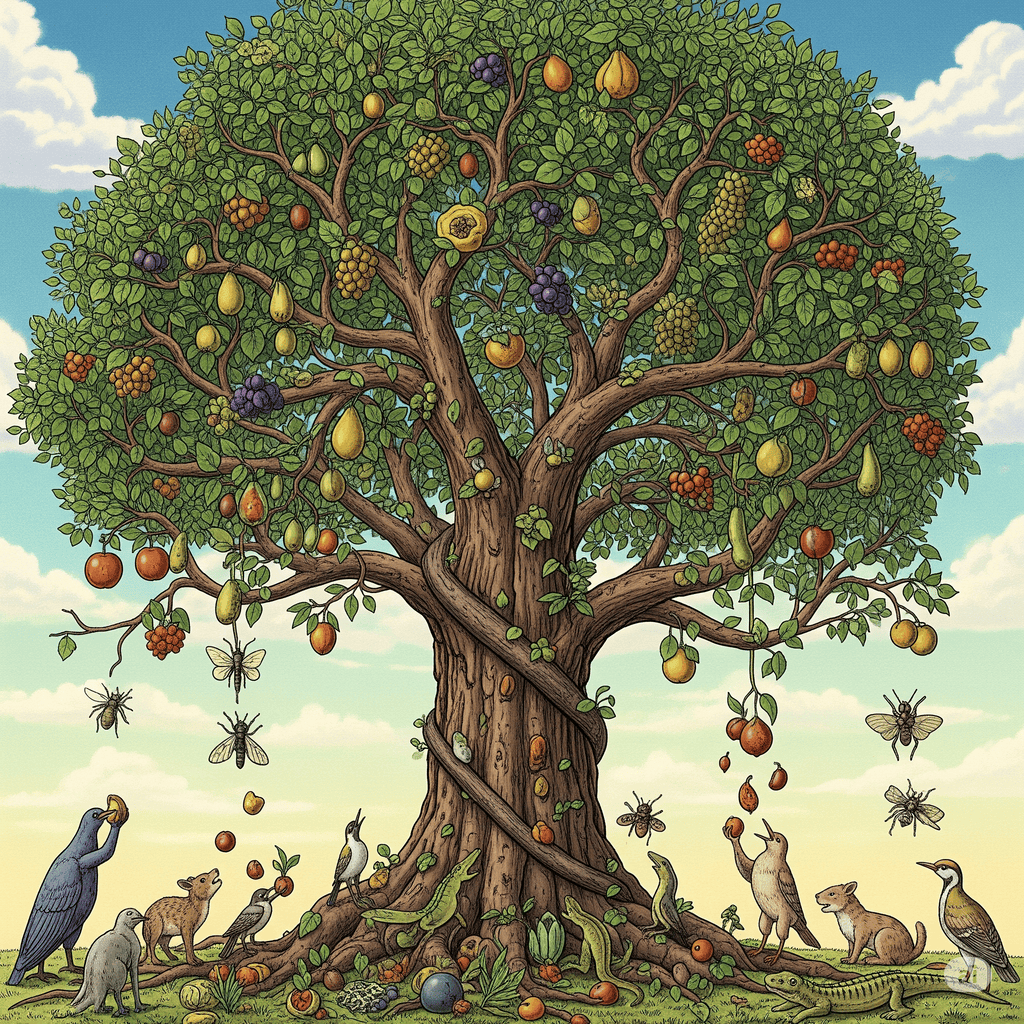
    Have you ever heard the saying, “A tree does not eat its own fruit, a river does not drink its own water”? Gaur Gopal Das quotes this ancient philosophy, affirming that great beings—like trees, rivers, and clouds—benefit others selflessly. This philosophy forms the foundation of “selflessness” as a mindset that we should adopt in modern life.

    Why is this important?
    Many modern studies show that giving—whether materially or emotionally—triggers the release of happiness hormones and reduces stress. But beyond that, selflessness also creates stronger mental resilience. When you stop focusing on yourself and start thinking about others, you actually activate a new energy center in your life.

    Furthermore, selflessness acts as a psychological “safety net” when facing challenges. When you give, you build strong social connections and expand the meaning of life. This is a principle that has been proven for thousands of years and is now relevant again in the fast-paced digital era.

    A complete framework for practicing selflessness in daily routines—without feeling exploited—is discussed systematically in this book and has been summarized exclusively at MentorBuku.

    See also: The Magic by Rhonda Byrne


    The Chain of Kindness Principle: Small, But Highly Impactful

    Next, “Energize Your Mind” introduces the principle of the “Chain of Kindness.” This philosophy asserts that one small act can create an unexpected positive domino effect. In the real-life story of Kamalamma, for example, a simple action she took became a national inspiration and changed many lives.

    Why is this concept so powerful? Because with the chain of kindness, you’re not just changing one person’s life, but building an ever-growing ecosystem of goodness. Every positive action you take can inspire others to do the same, creating a never-ending cycle of virtue.

    In the workplace, this principle can transform organizational culture. In personal relationships, it strengthens trust and loyalty. Even in everyday life, the chain of kindness increases gratitude and enriches the soul.

    However, there are three common mistakes often made when trying to build a chain of kindness, from wrong motivations to misguided social expectations. An in-depth analysis along with practical solutions can only be found in our summary at MentorBuku.

    See also: Great CEOs Are Lazy by Jim Schleckser


    The “Beyond Yourself” Mindset: Catalyst for True Happiness

    In another section, this book highlights the importance of developing a “Beyond Yourself” mindset—thinking and acting beyond personal interests. Many people are trapped in the “what’s in it for me” mindset, unknowingly closing the door to true happiness.

    Adopting this mindset changes the way you view challenges and opportunities. You no longer fear failure, because your main goal is contribution, not just personal achievement. This also makes you more resilient to social pressure and external expectations.

    In fact, positive psychology research shows that individuals focused on contribution have better mental health and a lower risk of burnout. They are more adaptive, creative, and happy.

    Advanced techniques for developing a “Beyond Yourself” mindset, including self-reflection templates and practical examples in everyday life, are part of the exclusive insights we offer at MentorBuku.

    See also: Stoicism for Inner Peace by Fleur Marie Vaz


    Spiritual Lessons from “Energize Your Mind”

    This book also touches on the spiritual dimension of selflessness. In ancient Indian teachings, giving selflessly is considered the highest form of devotion and the path to a more meaningful life. The author even thanks his spiritual teachers, signifying that learning to give is a lifelong journey.

    This spiritual spirit opens up new horizons regarding the meaning of success. It’s not just about material achievement, but about accomplishments that benefit as many people as possible. This perspective is highly relevant today, as the meaning of happiness is shifting from “having” to “sharing.”

    How can you integrate this spiritual dimension into your modern routine? The answer, complete with practical steps and self-reflection, can be found on the MentorBuku platform.

    Why You Should Adopt the Selflessness Paradigm Now

    Practicing selflessness does not mean sacrificing yourself without limits; rather, it means prioritizing contribution. In a highly competitive world, it is those who dare to give and share who become the true winners—both personally and professionally.

    This paradigm has stood the test of time. It is the foundation for great leaders, innovators, and individuals who lead meaningful lives. Now is the time for you to begin your journey of change with the first step: understanding and internalizing the concept of selflessness.

    However, understanding the “what” and “why” is only the beginning. You need practical strategies, real case studies, and step-by-step guidance to truly transform your life.

    Conclusion: Transformation Starts Here

    You have just seen the foundation. These concepts are only the tip of the iceberg of what this book has to offer. How do you apply them step by step, avoid common pitfalls, and integrate them into your strategy? All the answers are inside.
    [Sign Up and Get Free Access at MentorBuku]

  • Unpacking the 3 Secret Pillars of “The 5 AM Club” by Robin Sharma for a Productive and Happy Life

    Written by
    mentorbuku
    in
    Success Habits, Time Management, Mindset & Psychology, Self-Development, Productivity

    There’s a reason why so many top CEOs and world-class creators swear by one simple habit: waking up at five in the morning. But behind simply having your alarm ring before sunrise, there lies a radical philosophy that transforms productivity, health, and life satisfaction. “The 5 AM Club” by Robin Sharma doesn’t just offer typical time management tips—it invites readers to undertake a profound transformation through three pillars of change often overlooked by most people.

    This article is your “intellectual gateway,” summarizing the revolutionary essence of this legendary book. You’ll discover what makes The 5 AM Club’s philosophy so compelling, why it’s a game-changer, and some pitfalls rarely discussed on the surface. But the concrete step-by-step details and specific practice framework? Those are only revealed in MentorBuku’s exclusive summary.


    Why Is “The 5 AM Club” So Disruptive?

    In a world full of distractions, directionless pursuit of achievement, and mental exhaustion, most people remain trapped in a cycle of meaningless busyness. Robin Sharma turns the paradigm on its head with one sharp statement: “Victims love entertainment. Victors adore education.” This philosophy marks the dividing line between an ordinary life and an extraordinary one.

    But why is waking up earlier considered the ultimate weapon? More than just quantity of hours, the morning is a distraction-free space—a time when the mind, emotions, and spirit are at their freshest. This is when a deeply personal transformation can occur—if you know how.

    The three main pillars of “The 5 AM Club,” when truly understood, become the foundation for extraordinary change: sharpening your purpose, managing your energy, and conquering social ego. Let’s explore them one by one.


    Pillar 1: Sharpening Purpose—Unpacking the Obsession with Social Legitimacy

    At the beginning of the story, the entrepreneur and the artist are depicted as passionate creators, but also obsessed with the recognition of others. “The first fifty years of our lives are a lot about seeking legitimacy, you know. We crave social approval. We want our peers to respect us.” From childhood to adulthood, people dream big, but are often pushed by external currents: the urge to show off, to buy unnecessary things, and to chase validation.

    Why is this destructive to potential? Because it blurs your life’s focus; energy and time drain away on superficial things. Waking up early is an act of rebellion against this trap. In those quiet hours before the world awakens, we have the chance to reflect, prioritize our true purpose, and strengthen our “internal scorecard”—not outside ratings.

    But how can you effectively refocus your purpose? A complete framework explaining how to build a personal “purpose statement,” conquer external pressures, and practice early morning meditation—all are thoroughly discussed in MentorBuku’s summary. Here’s the hook! You know this is important; now it’s time to learn structured practice.


    Pillar 2: Energy Management—Starting the Day Like a Champion, Not Battling Fatigue

    Have you ever felt drained even before noon? “The 5 AM Club” reveals a secret quite the opposite of conventional motivational advice: it’s not time you manage, but energy. Robin Sharma highlights the importance of a “world-class morning ritual,” not just waking up and eating breakfast. He states, “You’ll get more done by noon than most people get done in a week, and so you’ll optimize your health, happiness and…” This is where the magic begins.

    Five a.m. is the time when the brain and body are at their peak productivity. Yet most people neglect the need to physically, mentally, and emotionally prepare before the “onslaught” of the digital world and external demands. The book offers the 20/20/20 framework—a 20-minute ritual for movement, 20 minutes for reflection, and 20 minutes for self-development.

    But there are three classic traps that can ruin morning energy management—from choosing the wrong initial activity, to sabotaging physiological sleep patterns. Case studies and elite performers’ morning checklists are available exclusively in MentorBuku, complete with daily templates and ways to overcome personal challenges. Interested in breaking down the patterns deeper?


    Pillar 3: Conquering Social Ego—Turning Entertainment into True Education

    The “hobo’s” sharp line—“Victims love entertainment. Victors adore education.”—is a blunt jab at the era of Netflix, doomscrolling, and escapism. The modern world bombards people with instant entertainment, but shuts the gate to transformational education. “The 5 AM Club” offers a key transition: replacing shallow entertainment with deep learning as a new life standard.

    Why? Because the early morning offers the quietest time, free from digital pollution, when the brain’s neuroplasticity is at its peak for learning. This is where self-mastery can genuinely blossom. But without the right “reward loop” strategy, anyone can slide back into old habits.

    Advanced techniques to turn an entertainment-addicted brain into a world-class learning machine are detailed in various methods: from “content stacking,” elite performer journaling, to neuro-association techniques shared only in MentorBuku. Still willing to lose your golden morning momentum?


    Epilogue: Time to Shift Your Paradigm—The Gateway to Change Is in Your Hands

    In “The 5 AM Club,” even the simplest scenes—like swimming with dolphins on a quiet Cape Town beach—become metaphors for the joy of freedom, conquering self-imposed limits, and the rise of new spirit. The philosophy of rising before the world demands your attention is the beginning of all extraordinary achievements; but change doesn’t happen just by reading an introductory article.

    Success, health, and happiness result from understanding and APPLYING the concrete frameworks tested by world leaders. You’ve seen a glimpse of the “what” and “why”—but the secret of “how” to form a morning ritual that unleashes your true power will remain a mystery, until you uncover it yourself.

    You’ve just seen the foundation. But how do you build the skyscraper? All the strategies, detailed steps, and case studies from this book have been thoroughly dissected. Don’t just know the “what”—master the “how” by subscribing at https://mentorbuku.com.