Tag: growth mindset

  • The Powerful Secret of Kaizen: A New Paradigm for Authentic Success. Stoicism for Inner Peace by Einzelgänger

    Knowledge Gaps in the Pursuit of Success

    Everyone wants to achieve success. But the question is: why do only a few truly achieve it authentically and consistently?
    Most people work hard. They follow “motivational” advice, try popular methods, and even get up before dawn for a new routine. Ironically, the reality is often far from expectations. Many fall short along the way. They feel deceived by the initial enthusiasm that doesn’t last long.
    Behind this repeated failure lies a fundamental lesson: success is not about “working harder,” but “working smarter”—and, more importantly, about shifting the underlying thinking paradigm.

    This article will take you on a journey to explore new landscapes: how the smallest changes, when done correctly, can redirect your life in ways you never anticipated. Every small step becomes a part of continuous transformation—that’s the power of “Kaizen.”


    A New Thinking Paradigm About Success and Failure

    Success has long been associated with big results and instant achievements.
    We tend to focus on spectacular stories: athletes winning gold medals, entrepreneurs becoming billionaires overnight, or debut authors whose books instantly become bestsellers in the global market. Unfortunately, this narrative blinds us to the continuum of failure and the long processes that actually form the foundation of true success.

    Why Old Mindsets Limit Your Major Breakthroughs

    Conventional mindsets always prompt us to ask, “How can a big success happen as quickly as possible?”
    However, the real question should be: “How does the process lead to repeated success without burning out along the way?”
    The book we are discussing invites you to reevaluate all your old beliefs about success. It highlights a fundamental mistake: overvaluing “big wins” while underestimating the power of accumulating “incremental gains.”
    Ultimately, we often find ourselves trapped in a trial & error cycle. We feel like failures not because we worked less hard, but because of the wrong mindset—focusing on spectacular results while ignoring the transformative power of the “repetitive process.” This is the critical point:
    Shifting from a results-oriented paradigm to a process-oriented paradigm is the leap that distinguishes authentic success from mere trend-following.
    However, uncovering the deeper layers of how to identify and break the “failure mindset”—along with practical examples—is the secret that this book elaborates on in detail in a separate chapter.
    “A complete framework for applying the paradigm shift from failure to repeated success is outlined in five phases in this book…”
    Also read: Angels of Aceh: The compelling story of Operation Tsunami Assist by Sophie York


    Unveiling the Kaizen Pattern: Small Changes, Maximum Impact

    Can consistent small changes lead to extraordinary results, rivaling the big breakthroughs that are often glorified?
    The concept of “Kaizen” completely reverses our understanding of how change, achievement, and personal excellence occur.
    Originating from Japanese philosophy, Kaizen is the principle of continuous improvement—making small, measurable, and repeatable enhancements every day. But what is its most important aspect? The unpredictable domino effect that is hard to foresee at the beginning.

    The 1% Rule Phenomenon and Compound Mentality

    Imagine the impact of just a 1% improvement every day. Over the course of a year, that small accumulation can mean a change of 37 times from the original position.
    The phenomenon of the compound effect is not just mathematics: it is a game changer in achievement psychology.
    Kaizen warriors don’t have to master super disciplines, let alone rely on ironclad motivation. They simply need to consistently “stretch” themselves little by little into new zones until profound changes occur naturally.
    On the other hand, massive improvements (big bang transformations) often end up in a cycle of failure–try again–despair. Meanwhile, those who persist with Kaizen quietly build foundations that eventually create a “sudden” success explosion.
    This concept dismantles the failure of the “all or nothing” method and provides a new lens to evaluate daily efforts.
    “Advanced techniques of Kaizen, including how to identify the right 1% steps and strategies to maintain them under daily pressure, turn into practical guidance for you at MentorBuku…”

    Anti-Bad Habit Mindset—Breaking Free from Old Self

    How does someone get trapped in the same cycle of bad habits for years, even when they know it hinders personal success?
    The answer lies in an auto-pilot mindset that resists structural changes.
    Our subconscious belief system constantly whispers comfort of the old while dramatizing the risks of change. When Kaizen is adopted, you are not just adding new habits; you are dismantling old habit cycles, layer by layer.

    The Secret to Breaking the Fail-Repeat Cycle

    This book distinguishes between addictive change (based solely on momentary motivation) and systemic change that truly frees you from the fail-repeat patterns.
    The key secret? “Identity-based habits,” which is a strategy for building habits from the roots of a new identity rather than just a checklist of routines.
    In a specific chapter, the author shows that creating lasting change requires three pillars:

    1. Recognition of old habits (awareness).
    2. Gradual severing of the old “reward chain.”
    3. Construction of a new identity based on small success experiences.

    Resilience becomes a byproduct: the more frequently you succeed at canceling old routines, the stronger the new mentality becomes. However, the three most common traps in this mindset transition—along with strategies to break through mental blocks and self-sabotage—are discussed in detail in the secrets of this book.
    “Psychological steps and templates for dismantling bad habits, including new identity exercises, can be found as practical insights in MentorBuku…”
    Also read: The Power of Your Subconscious Mind by Joseph Murphy


    Environment Redesign—The Catalyst for Transformation

    How significant is the impact of the environment on someone’s journey to success?
    More than many realize. The environment—whether physical, social, or digital—silently fosters (or hinders) the process of change.
    Successful people do not solely rely on discipline but consciously design their environment to support their vision.
    For example, the choice of friends, visual stimuli, availability of positive triggers, or even the setup of daily workflows.
    This book reveals that even a single detail in the environment (such as where to place your to-do list, or who you often converse with) can accelerate or derail long-term goals without your awareness.

    Key Factors That Secretly Shape Outcomes

    A simple analogy: an artist may have talent, but without light and access to quality materials, they will never produce a masterpiece.
    Similarly, anyone risks repeating failures if they don’t change key environmental elements—often, this is more determining than the internal motivation touted elsewhere.
    This book breaks down smart ways to structure micro and macro environments, along with a “success environment audit” so your journey of change is no longer trial and error. From a checklist for redesigning the environment to real-time evaluations, everything is available as a special part of the MentorBuku program.
    “The toolkit for redesigning the environment, complete with case examples and real scenarios, becomes exclusive insights that you can access in our advanced summaries…”
    Also read: Keto Comfort Foods: Family Favorite Recipes Made Low-Carb and Healthy by Maria Emmerich

    Also read: Essential Yoga: An Illustrated Guide to Over 100 Yoga Poses and Meditations by Olivia H. Miller


    Conclusion – Strategic Gaps & Action Triggers

    After exploring these four key concepts—the authentic success paradigm, the power of Kaizen, the anti-bad habit mindset, and the importance of environment—do you feel your understanding gap is narrowing, or rather deepening? This is where “the knowledge gap” lies:
    Knowing the “what” and “why” is just the beginning. However, applying precise steps, avoiding traps in the process, and optimizing all these pillars simultaneously—that is the achievement that can only be attained with structured guidance.

    Insight is an asset that cannot be postponed. Every day without a deeper understanding is a missed opportunity. Don’t let your competitors gain this advantage before you do. Sign up and get free access to MentorBuku now!

  • Rahasia Ampuh Kaizen: Paradigma Baru Menuju Sukses Otentik. Stoicism for inner Peace by Einzelgänger

    Celah Pengetahuan dalam Pencarian Sukses

    Setiap orang ingin mencapai sukses. Namun pertanyaannya adalah: mengapa hanya sedikit yang benar-benar mencapainya secara otentik dan konsisten?
    Sebagian besar orang bekerja keras. Mereka mengikuti saran “motivasional”, menjajal metode populer, bahkan rela bangun sebelum subuh demi rutinitas baru. Ironisnya, realita sering kali jauh dari ekspektasi. Banyak yang gugur di tengah jalan. Mereka merasa tertipu oleh semangat awal yang tak bertahan lama.
    Di balik kegagalan berulang ini, tersembunyi pelajaran fundamental: sukses bukan tentang “lebih keras”, tetapi “lebih cerdas”—dan, lebih penting lagi, tentang menggeser paradigma berpikir mendasar.

    Artikel ini akan membawa Anda menjelajahi lanskap baru: bagaimana perubahan terkecil, jika dilakukan dengan tepat, mampu membelokkan arah hidup Anda dengan cara yang selama ini tak diduga. Setiap langkah kecil jadi bagian dari transformasi berkelanjutan—itulah kekuatan “Kaizen.”


    Paradigma Berpikir Baru tentang Sukses dan Kegagalan

    Sukses telah lama diasosiasikan dengan hasil besar dan pencapaian instan.
    Kita cenderung fokus pada cerita-cerita spektakuler: atlet yang meraih medali emas, pengusaha yang menjadi miliarder semalam, atau penulis debut yang bukunya langsung laris di pasar global. Sayangnya, narasi ini membutakan kita terhadap kontinum kegagalan dan proses panjang yang, sebenarnya, membentuk pondasi keberhasilan sejati.

    Mengapa Mindset Lama Membatasi Lompatan Besar Anda

    Mindset konvensional membuat kita selalu bertanya, “Bagaimana agar sukses besar bisa terjadi secepat mungkin?”
    Namun, pertanyaan sesungguhnya seharusnya: “Bagaimana prosesnya mengantar keberhasilan terjadi secara berulang, tanpa membakar diri sendiri di tengah jalan?”
    Buku yang kita bahas mengajak Anda meninjau ulang semua keyakinan lama tentang sukses. Ia menyoroti kesalahan mendasar: terlalu memuja “big wins”, meremehkan kekuatan akumulasi “incremental gains”.

    Akhirnya, kita sering kali terjebak dalam lingkaran trial & error. Kita merasa gagal bukan karena usaha kurang keras, tetapi mindset yang keliru—fokus pada hasil gemilang, mengabaikan proses “repetisi berdaya transformasi”. Inilah titik kritis:
    Bergeser dari paradigma hasil ke paradigma proses adalah lompatan yang membedakan kaum sukses otentik versus pengikut tren sesaat.

    Namun, membuka lapisan terdalam tentang cara mengidentifikasi dan mematahkan “mindset kegagalan” ini—beserta contoh aplikasinya—adalah rahasia yang buku ini uraikan secara detail dalam bab tersendiri.
    “Kerangka kerja lengkap untuk menerapkan shifting paradigm dari kegagalan menuju sukses berulang dijabarkan dalam lima fase di buku ini…”

    Baca juga : Angels of Aceh: The compelling story of Operation Tsunami Assist by Sophie York


    Mengungkap Pola Kaizen: Perubahan Kecil, Dampak Maksimal

    Mungkinkah perubahan kecil yang konsisten menghasilkan hasil luar biasa, bahkan menyaingi gebrakan besar yang sering diagungkan?
    Konsep “Kaizen” membalik total pemahaman kita tentang bagaimana perubahan, pencapaian, dan keunggulan pribadi terjadi.
    Bermula dari filosofi Jepang, Kaizen adalah prinsip peningkatan berkelanjutan—melakukan perbaikan kecil, terukur, dan berulang setiap hari. Namun aspek palinng pentingnya? Akumulasi efek domino yang sulit diprediksi pada awalnya.

    Fenomena 1% Rule dan Mentalitas Compound

    Bayangkan dampak dari peningkatan 1% saja setiap hari. Dalam setahun, akumulasi kecil itu berarti perubahan 37 kali lipat dari posisi semula.
    Fenomena compound effect ini bukan sekadar matematika: ia adalah game changer dalam psikologi pencapaian.
    Pejuang Kaizen tak harus menguasai disiplin super, apalagi mengandalkan motivasi besi. Mereka cukup konsisten “mengulur diri” sedikit demi sedikit ke zona baru, hingga akhirnya perubahan mendalam terjadi tanpa paksaan.
    Di sisi lain, perbaikan masif (big bang transformation) sering berakhir pada siklus gagal–coba lagi–putus asa. Sementara itu, mereka yang tekun dengan Kaizen diam-diam membangun pondasi yang akhirnya menciptakan ledakan sukses “mendadak”.

    Konsep ini membongkar kegagalan metode “all or nothing”, dan memberikan lensa baru untuk menilai upaya harian.
    “Teknik lanjutan dari Kaizen, termasuk cara mengidentifikasi langkah 1% yang tepat dan strategi mempertahankannya dalam tekanan sehari-hari, diubah menjadi panduan praktikal untuk Anda di MentorBuku…”


    Mindset Anti-Kebiasaan Buruk—Melepas Diri Lama

    Bagaimana seseorang terjebak di siklus kebiasaan buruk yang sama selama bertahun-tahun, bahkan saat mereka tahu itu menghambat sukses pribadi?
    Jawabannya: mindset auto-pilot yang menolak perubahan struktural.
    Sistem kepercayaan bawah sadar kita terus membisikkan kenyamanan lama, sekaligus mendramatisir risiko perubahan. Ketika Kaizen diadopsi, Anda bukan sekadar menambah kebiasaan baru; Anda sedang membongkar siklus kebiasaan lama, selapis demi selapis.

    Rahasia Membongkar Siklus Gagal-Ulang

    Buku ini membedakan perubahan adiktif (hanya berbasis motivasi sesaat) dengan perubahan sistemik yang benar-benar membebaskan dari pola gagal-ulang.
    Rahasia utamanya? “Identity-based habits”, yaitu strategi membangun kebiasaan dari akar identitas baru, bukan sekadar checklist rutinitas.
    Di bab spesifiknya, penulis menunjukkan bahwa membentuk perubahan abadi memerlukan tiga pilar:

    1. Pengakuan atas kebiasaan lama (awareness).
    2. Pemutusan “rantai reward” lama secara bertahap.
    3. Penyusunan identitas baru berbasis pengalaman sukses kecil.

    Ketangguhan menjadi hasil samping: semakin sering Anda berhasil membatalkan rutinitas lama, semakin kuat mentalitas baru terbentuk. Namun, tiga jebakan paling umum dalam transisi mindset ini—serta strategi keluar dari mental block dan self-sabotage—hanya dibahas secara rinci di bagian rahasia buku ini.
    “Langkah-langkah psikologis dan template membongkar kebiasaan buruk, termasuk latihan identitas baru, bisa Anda temukan sebagai insight praktis dalam MentorBuku…”

    Baca juga : The Power of Your Subconscious Mind by Joseph Murphy


    Lingkungan Rancang Ulang—Katalisator Transformasi

    Seberapa besar pengaruh lingkungan terhadap perjalanan sukses seseorang?
    Lebih dari yang disadari banyak orang. Lingkungan—baik fisik, sosial, maupun digital—secara diam-diam melahirkan (atau justru menahan) proses perubahan.

    Orang yang sukses bukan sekadar mengandalkan disiplin, tetapi secara sadar merancang linkungan agar mendukung visi mereka.
    Misalnya, pilihan teman, stimulus visual, ketersedian trigger positif, atau bahkan pengaturan flow kerja harian.
    Buku ini mengungkap bahwa bahkan satu detail lingkungan (semisal, tempat meletakkan to-do-list, atau siapa saja yang sering Anda percakapan) bisa mempercepat atau malah menggagalkan tujuan jangka panjang tanpa disadari.

    Faktor Kunci yang Diam-diam Membentuk Hasil Akhir

    Analogi sederhana: seorang pelukis mungkin punya bakat, namun tanpa cahaya dan akses bahan berkualitas, ia tak pernah menghasilkan maha karya.
    Demikian pula, siapa pun berisiko mengulang kegagalan jika tak mengubah elemen kunci lingkungan—sering kali, ini justru lebih menentukan dari motivasi internal yang digembar-gemborkan di luar sana.

    Buku ini membongkar cara cerdas menyusun lingkungan mikro dan makro, beserta “audit lingkungan sukses” agar perjalanan perubahan Anda tidak lagi trial and error. Namun, check-list rancang ulang lingkungan hingga evaluasi real-time, semuanya tersedia sebagai bagian khusus dalam program MentorBuku.
    “Toolkit rancang ulang lingkungan, lengkap dengan contoh kasus dan skenario asli, menjadi insight eksklusif yang dapat Anda akses dalam rangkuman lanjutan kami…”

    Baca juga : Keto Comfort Foods: Family Favorite Recipes Made Low-Carb and Healthy by Maria Emmerich
    Baca juga : Essential Yoga: An Illustrated Guide to Over 100 Yoga Poses and Meditations by Olivia H. Miller


    Penutup – Gap Strategis & Pancingan Aksi

    Setelah menggali empat konsep kunci ini—paradigma sukses otentik, kekuatan Kaizen, mindset anti-kebiasaan buruk, dan pentingnya lingkungan—apakah Anda merasa celah pemahaman Anda semakin sempit, atau justru semakin dalam? Di sinilah letak “the knowledge gap”:
    Mengetahui “apa” dan “mengapa” hanyalah awal. Namun, menerapkan langkah-langkah presisi, menghindari perangkap dalam proses, dan mengoptimalkan semua pilar ini secara simultan—itulah pencapaian yang hanya dapat diraih dengan panduan terstruktur.


    Wawasan adalah aset yang tidak bisa ditunda. Setiap hari tanpa pemahaman yang lebih dalam adalah peluang yang terlewatkan. Jangan biarkan kompetitor Anda mendapatkan keunggulan ini lebih dulu.

    Daftar dan Dapatkan Akses Gratis di MentorBuku Sekarang!


  • The Secret Power of Kaizen: A New Paradigm Towards Authentic Success. Great CEOs are Lazy by Jim Schleckser

    The Knowledge Gap in the Pursuit of Success

    Everyone wants to achieve success. But the question is: why do so few actually attain it authentically and consistently?
    Most people work hard. They follow “motivational” advice, try popular methods, and are even willing to wake up before dawn for a new routine. Ironically, reality is often far from expectations. Many give up halfway. They feel deceived by their initial enthusiasm that doesn’t last long.
    Behind these repeated failures lies a fundamental lesson: success is not about working “harder,” but “smarter”—and, more importantly, about shifting your fundamental paradigm of thinking.


    This article will take you on a journey through new territory: how even the smallest changes, if made correctly, can unexpectedly redirect the course of your life. Every small step becomes part of a continuous transformation—that’s the power of “Kaizen.”


    A New Paradigm of Thinking About Success and Failure

    For a long time, success has been associated with big results and instant achievements.
    We tend to focus on spectacular stories: athletes winning gold medals, entrepreneurs becoming billionaires overnight, or debut authors whose books become instant global bestsellers. Unfortunately, these narratives blind us to the continuum of failure and the long process that actually forms the foundation of true success.

    Why the Old Mindset Limits Your Big Leaps

    The conventional mindset always leads us to ask, “How can big success happen as quickly as possible?”
    However, the real question should be: “How can the process lead to repeated success, without burning yourself out along the way?”
    The book we’re discussing invites you to re-examine all your old beliefs about success. It highlights a fundamental mistake: over-glorifying “big wins” while underestimating the power of accumulated “incremental gains”.

    As a result, we often find ourselves stuck in a cycle of trial and error. We feel like failures, not because we didn’t work hard enough, but because our mindset was wrong—focusing on dazzling outcomes while ignoring the process of “transformative repetition”. This is the critical point:
    Shifting from a results paradigm to a process paradigm is the leap that separates truly successful people from fleeting trend followers.

    However, unraveling the deepest layers of how to identify and break the “failure mindset”—complete with practical examples—is a secret that this book thoroughly explains in a separate chapter.
    “The complete framework for applying the paradigm shift from failure to repeated success is outlined in five phases in this book…”

    Read also: The Heart of Business: Leadership Principles for the Next Era of Capitalism by Hubert Joly, Caroline Lambert


    Unveiling the Kaizen Pattern: Small Changes, Maximum Impact

    Is it possible for small, consistent changes to produce extraordinary results—even rivaling the big breakthroughs that are often celebrated?
    The concept of “Kaizen” completely overturns our understanding of how change, achievement, and personal excellence happen.
    Originating from Japanese philosophy, Kaizen is the principle of continuous improvement—making small, measurable, consistent improvements every day. But its most important aspect? The accumulation of domino effects that are nearly impossible to predict at first.

    The 1% Rule Phenomenon and Compound Mentality

    Imagine the impact of improving by just 1% each day. Over a year, those small increments add up to a change 37 times greater than where you started.
    This compound effect phenomenon isn’t just about math: it’s a game changer in the psychology of achievement.
    Kaizen practitioners don’t need to master superhuman discipline or rely on ironclad motivation. They just need to consistently “stretch themselves” bit by bit into new zones, so that ultimately, profound change happens without force.
    Massive improvement (big bang transformation), on the other hand, often ends up in a cycle of failure–trying again–giving up. Meanwhile, those who persist with Kaizen quietly build a foundation that eventually creates a “sudden” explosion of success.
    This concept dismantles the failure of the “all or nothing” approach, offering a new lens for evaluating daily efforts.
    “Advanced Kaizen techniques, including how to identify the right 1% steps and strategies to maintain them under daily pressure, have been transformed into a practical guide for you at MentorBuku…”

    Anti-Bad Habit Mindset—Letting Go of Your Old Self

    How can someone remain trapped in the same cycle of bad habits for years, even when they know it’s hindering their personal success?
    The answer: an auto-pilot mindset that resists structural change.
    Our subconscious belief system keeps whispering old comforts while dramatizing the risks of change. When you adopt Kaizen, you’re not just adding new habits; you’re dismantling old habit cycles, layer by layer.

    The Secret to Breaking the Failure-Repeat Cycle

    This book distinguishes addictive change (driven only by fleeting motivation) from systemic change that truly liberates you from the repeat-failure pattern.
    What’s the main secret? “Identity-based habits”—the strategy of building habits from the foundation of a new identity, not just a checklist of routines.

    In a specific chapter, the author shows that forming lasting change requires three pillars:

    1. Recognition of old habits (awareness).
    2. Gradually breaking the old “reward chain”.
    3. Constructing a new identity based on small successful experiences.

    Resilience becomes the byproduct: the more often you successfully break old routines, the stronger your new mentality becomes. However, the three most common traps in this mindset transition—and strategies to overcome mental blocks and self-sabotage—are discussed in detail only in the secret section of this book.
    “Psychological steps and templates for breaking bad habits, including new identity exercises, can be found as practical insights on MentorBuku…”

    Read also: What to Expect When You’re Expecting by Heldi Murkoff


    Redesigned Environment—The Catalyst of Transformation

    How much does the environment influence someone’s journey to success?
    Much more than most people realize. Your environment—physical, social, and digital—quietly creates (or holds back) the process of change.
    Successful people don’t just rely on discipline; they consciously design their environment to support their vision.

    For example: the friends you choose, visual stimuli, availability of positive triggers, or even the setup of your daily workflow.
    This book reveals that even a single detail in your environment (such as where you place your to-do list or who you converse with most) can accelerate—or unknowingly sabotage—your long-term goals.

    Key Factors Quietly Shaping the Final Result

    A simple analogy: an artist may have talent, but without good lighting and access to quality materials, they will never produce a masterpiece.
    Likewise, anyone risks repeating failure if they don’t change key elements of their environment—often, this is more decisive than the much-touted internal motivation.

    This book exposes clever ways to structure your micro and macro environments, along with a “success environment audit” so your change journey is no longer trial and error. However, the environment redesign checklist and real-time evaluation are all available as a special section in the MentorBuku program.
    “The environment redesign toolkit, complete with real case examples and authentic scenarios, becomes an exclusive insight you can access in our advanced summary…”

    Read also: An Unseemly Man: My Life as Pornographer, Pundit, and Social Outcast by Larry Flynt

    Read also: Emergency Medicine PreTest Self-Assessment and Review, Second Edition (PreTest Clinical Medicine) by Adam Rosh


    Conclusion – Strategic Gap & Call to Action

    After exploring these four key concepts—authentic success paradigm, the power of Kaizen, the anti-bad habit mindset, and the importance of environment—do you feel your knowledge gap is narrowing, or actually getting deeper? Here lies “the knowledge gap”:
    Knowing the “what” and “why” is just the beginning. But applying precise steps, avoiding traps along the way, and optimizing all these pillars simultaneously—that’s an achievement only possible with structured guidance.

    Insight is an asset that cannot be postponed. Every day without deeper understanding is a missed opportunity. Don’t let your competitors gain this advantage before you do.
    Sign up and Get Free Access to MentorBuku Now!

  • Rahasia Ampuh Kaizen: Paradigma Baru Menuju Sukses Otentik. Great Ceos are Lazzy by Jim Schleckser

    Celah Pengetahuan dalam Pencarian Sukses

    Setiap orang ingin mencapai sukses. Namun pertanyaannya adalah: mengapa hanya sedikit yang benar-benar mencapainya secara otentik dan konsisten?
    Sebagian besar orang bekerja keras. Mereka mengikuti saran “motivasional”, menjajal metode populer, bahkan rela bangun sebelum subuh demi rutinitas baru. Ironisnya, realita sering kali jauh dari ekspektasi. Banyak yang gugur di tengah jalan. Mereka merasa tertipu oleh semangat awal yang tak bertahan lama.
    Di balik kegagalan berulang ini, tersembunyi pelajaran fundamental: sukses bukan tentang “lebih keras”, tetapi “lebih cerdas”—dan, lebih penting lagi, tentang menggeser paradigma berpikir mendasar.

    Artikel ini akan membawa Anda menjelajahi lanskap baru: bagaimana perubahan terkecil, jika dilakukan dengan tepat, mampu membelokkan arah hidup Anda dengan cara yang selama ini tak diduga. Setiap langkah kecil jadi bagian dari transformasi berkelanjutan—itulah kekuatan “Kaizen.”


    Paradigma Berpikir Baru tentang Sukses dan Kegagalan

    Sukses telah lama diasosiasikan dengan hasil besar dan pencapaian instan.
    Kita cenderung fokus pada cerita-cerita spektakuler: atlet yang meraih medali emas, pengusaha yang menjadi miliarder semalam, atau penulis debut yang bukunya langsung laris di pasar global. Sayangnya, narasi ini membutakan kita terhadap kontinum kegagalan dan proses panjang yang, sebenarnya, membentuk pondasi keberhasilan sejati.

    Mengapa Mindset Lama Membatasi Lompatan Besar Anda

    Mindset konvensional membuat kita selalu bertanya, “Bagaimana agar sukses besar bisa terjadi secepat mungkin?”
    Namun, pertanyaan sesungguhnya seharusnya: “Bagaimana prosesnya mengantar keberhasilan terjadi secara berulang, tanpa membakar diri sendiri di tengah jalan?”
    Buku yang kita bahas mengajak Anda meninjau ulang semua keyakinan lama tentang sukses. Ia menyoroti kesalahan mendasar: terlalu memuja “big wins”, meremehkan kekuatan akumulasi “incremental gains”.

    Akhirnya, kita sering kali terjebak dalam lingkaran trial & error. Kita merasa gagal bukan karena usaha kurang keras, tetapi mindset yang keliru—fokus pada hasil gemilang, mengabaikan proses “repetisi berdaya transformasi”. Inilah titik kritis:
    Bergeser dari paradigma hasil ke paradigma proses adalah lompatan yang membedakan kaum sukses otentik versus pengikut tren sesaat.

    Namun, membuka lapisan terdalam tentang cara mengidentifikasi dan mematahkan “mindset kegagalan” ini—beserta contoh aplikasinya—adalah rahasia yang buku ini uraikan secara detail dalam bab tersendiri.
    “Kerangka kerja lengkap untuk menerapkan shifting paradigm dari kegagalan menuju sukses berulang dijabarkan dalam lima fase di buku ini…”

    Baca juga : The Heart of Business: Leadership Principles for the Next Era of Capitalism by Hubert Joly,Caroline Lambert


    Mengungkap Pola Kaizen: Perubahan Kecil, Dampak Maksimal

    Mungkinkah perubahan kecil yang konsisten menghasilkan hasil luar biasa, bahkan menyaingi gebrakan besar yang sering diagungkan?
    Konsep “Kaizen” membalik total pemahaman kita tentang bagaimana perubahan, pencapaian, dan keunggulan pribadi terjadi.
    Bermula dari filosofi Jepang, Kaizen adalah prinsip peningkatan berkelanjutan—melakukan perbaikan kecil, terukur, dan berulang setiap hari. Namun aspek palinng pentingnya? Akumulasi efek domino yang sulit diprediksi pada awalnya.

    Fenomena 1% Rule dan Mentalitas Compound

    Bayangkan dampak dari peningkatan 1% saja setiap hari. Dalam setahun, akumulasi kecil itu berarti perubahan 37 kali lipat dari posisi semula.
    Fenomena compound effect ini bukan sekadar matematika: ia adalah game changer dalam psikologi pencapaian.
    Pejuang Kaizen tak harus menguasai disiplin super, apalagi mengandalkan motivasi besi. Mereka cukup konsisten “mengulur diri” sedikit demi sedikit ke zona baru, hingga akhirnya perubahan mendalam terjadi tanpa paksaan.
    Di sisi lain, perbaikan masif (big bang transformation) sering berakhir pada siklus gagal–coba lagi–putus asa. Sementara itu, mereka yang tekun dengan Kaizen diam-diam membangun pondasi yang akhirnya menciptakan ledakan sukses “mendadak”.

    Konsep ini membongkar kegagalan metode “all or nothing”, dan memberikan lensa baru untuk menilai upaya harian.
    “Teknik lanjutan dari Kaizen, termasuk cara mengidentifikasi langkah 1% yang tepat dan strategi mempertahankannya dalam tekanan sehari-hari, diubah menjadi panduan praktikal untuk Anda di MentorBuku…”


    Mindset Anti-Kebiasaan Buruk—Melepas Diri Lama

    Bagaimana seseorang terjebak di siklus kebiasaan buruk yang sama selama bertahun-tahun, bahkan saat mereka tahu itu menghambat sukses pribadi?
    Jawabannya: mindset auto-pilot yang menolak perubahan struktural.
    Sistem kepercayaan bawah sadar kita terus membisikkan kenyamanan lama, sekaligus mendramatisir risiko perubahan. Ketika Kaizen diadopsi, Anda bukan sekadar menambah kebiasaan baru; Anda sedang membongkar siklus kebiasaan lama, selapis demi selapis.

    Rahasia Membongkar Siklus Gagal-Ulang

    Buku ini membedakan perubahan adiktif (hanya berbasis motivasi sesaat) dengan perubahan sistemik yang benar-benar membebaskan dari pola gagal-ulang.
    Rahasia utamanya? “Identity-based habits”, yaitu strategi membangun kebiasaan dari akar identitas baru, bukan sekadar checklist rutinitas.
    Di bab spesifiknya, penulis menunjukkan bahwa membentuk perubahan abadi memerlukan tiga pilar:

    1. Pengakuan atas kebiasaan lama (awareness).
    2. Pemutusan “rantai reward” lama secara bertahap.
    3. Penyusunan identitas baru berbasis pengalaman sukses kecil.

    Ketangguhan menjadi hasil samping: semakin sering Anda berhasil membatalkan rutinitas lama, semakin kuat mentalitas baru terbentuk. Namun, tiga jebakan paling umum dalam transisi mindset ini—serta strategi keluar dari mental block dan self-sabotage—hanya dibahas secara rinci di bagian rahasia buku ini.
    “Langkah-langkah psikologis dan template membongkar kebiasaan buruk, termasuk latihan identitas baru, bisa Anda temukan sebagai insight praktis dalam MentorBuku…”

    Baca juga : What to Expect When You’re Expecting by Heldi Murkoff


    Lingkungan Rancang Ulang—Katalisator Transformasi

    Seberapa besar pengaruh lingkungan terhadap perjalanan sukses seseorang?
    Lebih dari yang disadari banyak orang. Lingkungan—baik fisik, sosial, maupun digital—secara diam-diam melahirkan (atau justru menahan) proses perubahan.

    Orang yang sukses bukan sekadar mengandalkan disiplin, tetapi secara sadar merancang linkungan agar mendukung visi mereka.
    Misalnya, pilihan teman, stimulus visual, ketersedian trigger positif, atau bahkan pengaturan flow kerja harian.
    Buku ini mengungkap bahwa bahkan satu detail lingkungan (semisal, tempat meletakkan to-do-list, atau siapa saja yang sering Anda percakapan) bisa mempercepat atau malah menggagalkan tujuan jangka panjang tanpa disadari.

    Faktor Kunci yang Diam-diam Membentuk Hasil Akhir

    Analogi sederhana: seorang pelukis mungkin punya bakat, namun tanpa cahaya dan akses bahan berkualitas, ia tak pernah menghasilkan maha karya.
    Demikian pula, siapa pun berisiko mengulang kegagalan jika tak mengubah elemen kunci lingkungan—sering kali, ini justru lebih menentukan dari motivasi internal yang digembar-gemborkan di luar sana.

    Buku ini membongkar cara cerdas menyusun lingkungan mikro dan makro, beserta “audit lingkungan sukses” agar perjalanan perubahan Anda tidak lagi trial and error. Namun, check-list rancang ulang lingkungan hingga evaluasi real-time, semuanya tersedia sebagai bagian khusus dalam program MentorBuku.
    “Toolkit rancang ulang lingkungan, lengkap dengan contoh kasus dan skenario asli, menjadi insight eksklusif yang dapat Anda akses dalam rangkuman lanjutan kami…”

    Baca juga : An Unseemly Man: My Life as Pornographer, Pundit, and Social Outcast by Larry Flynt
    Baca juga : Emergency Medicine PreTest Self-Assessment and Review, Second Edition (PreTest Clinical Medicine) by Adam Rosh


    Penutup – Gap Strategis & Pancingan Aksi

    Setelah menggali empat konsep kunci ini—paradigma sukses otentik, kekuatan Kaizen, mindset anti-kebiasaan buruk, dan pentingnya lingkungan—apakah Anda merasa celah pemahaman Anda semakin sempit, atau justru semakin dalam? Di sinilah letak “the knowledge gap”:
    Mengetahui “apa” dan “mengapa” hanyalah awal. Namun, menerapkan langkah-langkah presisi, menghindari perangkap dalam proses, dan mengoptimalkan semua pilar ini secara simultan—itulah pencapaian yang hanya dapat diraih dengan panduan terstruktur.


    Wawasan adalah aset yang tidak bisa ditunda. Setiap hari tanpa pemahaman yang lebih dalam adalah peluang yang terlewatkan. Jangan biarkan kompetitor Anda mendapatkan keunggulan ini lebih dulu.

    Daftar dan Dapatkan Akses Gratis di MentorBuku Sekarang!


  • Fundamental Secret: The Power of the Selflessness Paradigm That Can Change Your Life. Energize Your Mind by Gaur Gopal Das

    Why “Selflessness” Has Become the Catalyst for a Productive Life

    Have you ever wondered why some people seem so happy and productive, even when they seem to give more than they receive? The answer may lie in a single word we often overlook: selflessness.

    In an increasingly individualistic world, the book “Energize Your Mind” by Gaur Gopal Das offers a contrasting and revolutionary perspective. This book doesn’t just discuss motivation or time management techniques. Instead, it highlights how “giving” selflessly—in terms of time, energy, or thought—can become an unlimited source of mental energy.

    This article will review three key concepts from the book:

    1. Selflessness as the foundation of a meaningful life
    2. The “Chain of Kindness” principle and its impact on productivity
    3. The “Beyond Yourself” mindset as a catalyst for true happiness

    However, keep in mind: this discussion is only a “gateway” to knowledge. The concrete methods for applying these concepts can only be found at MentorBuku.


    Selflessness: The Foundation of a Meaningful Life

    Have you ever heard the saying, “A tree does not eat its own fruit, a river does not drink its own water”? Gaur Gopal Das quotes this ancient philosophy, affirming that great beings—like trees, rivers, and clouds—benefit others selflessly. This philosophy forms the foundation of “selflessness” as a mindset that we should adopt in modern life.

    Why is this important?
    Many modern studies show that giving—whether materially or emotionally—triggers the release of happiness hormones and reduces stress. But beyond that, selflessness also creates stronger mental resilience. When you stop focusing on yourself and start thinking about others, you actually activate a new energy center in your life.

    Furthermore, selflessness acts as a psychological “safety net” when facing challenges. When you give, you build strong social connections and expand the meaning of life. This is a principle that has been proven for thousands of years and is now relevant again in the fast-paced digital era.

    A complete framework for practicing selflessness in daily routines—without feeling exploited—is discussed systematically in this book and has been summarized exclusively at MentorBuku.

    See also: The Magic by Rhonda Byrne


    The Chain of Kindness Principle: Small, But Highly Impactful

    Next, “Energize Your Mind” introduces the principle of the “Chain of Kindness.” This philosophy asserts that one small act can create an unexpected positive domino effect. In the real-life story of Kamalamma, for example, a simple action she took became a national inspiration and changed many lives.

    Why is this concept so powerful? Because with the chain of kindness, you’re not just changing one person’s life, but building an ever-growing ecosystem of goodness. Every positive action you take can inspire others to do the same, creating a never-ending cycle of virtue.

    In the workplace, this principle can transform organizational culture. In personal relationships, it strengthens trust and loyalty. Even in everyday life, the chain of kindness increases gratitude and enriches the soul.

    However, there are three common mistakes often made when trying to build a chain of kindness, from wrong motivations to misguided social expectations. An in-depth analysis along with practical solutions can only be found in our summary at MentorBuku.

    See also: Great CEOs Are Lazy by Jim Schleckser


    The “Beyond Yourself” Mindset: Catalyst for True Happiness

    In another section, this book highlights the importance of developing a “Beyond Yourself” mindset—thinking and acting beyond personal interests. Many people are trapped in the “what’s in it for me” mindset, unknowingly closing the door to true happiness.

    Adopting this mindset changes the way you view challenges and opportunities. You no longer fear failure, because your main goal is contribution, not just personal achievement. This also makes you more resilient to social pressure and external expectations.

    In fact, positive psychology research shows that individuals focused on contribution have better mental health and a lower risk of burnout. They are more adaptive, creative, and happy.

    Advanced techniques for developing a “Beyond Yourself” mindset, including self-reflection templates and practical examples in everyday life, are part of the exclusive insights we offer at MentorBuku.

    See also: Stoicism for Inner Peace by Fleur Marie Vaz


    Spiritual Lessons from “Energize Your Mind”

    This book also touches on the spiritual dimension of selflessness. In ancient Indian teachings, giving selflessly is considered the highest form of devotion and the path to a more meaningful life. The author even thanks his spiritual teachers, signifying that learning to give is a lifelong journey.

    This spiritual spirit opens up new horizons regarding the meaning of success. It’s not just about material achievement, but about accomplishments that benefit as many people as possible. This perspective is highly relevant today, as the meaning of happiness is shifting from “having” to “sharing.”

    How can you integrate this spiritual dimension into your modern routine? The answer, complete with practical steps and self-reflection, can be found on the MentorBuku platform.

    Why You Should Adopt the Selflessness Paradigm Now

    Practicing selflessness does not mean sacrificing yourself without limits; rather, it means prioritizing contribution. In a highly competitive world, it is those who dare to give and share who become the true winners—both personally and professionally.

    This paradigm has stood the test of time. It is the foundation for great leaders, innovators, and individuals who lead meaningful lives. Now is the time for you to begin your journey of change with the first step: understanding and internalizing the concept of selflessness.

    However, understanding the “what” and “why” is only the beginning. You need practical strategies, real case studies, and step-by-step guidance to truly transform your life.

    Conclusion: Transformation Starts Here

    You have just seen the foundation. These concepts are only the tip of the iceberg of what this book has to offer. How do you apply them step by step, avoid common pitfalls, and integrate them into your strategy? All the answers are inside.
    [Sign Up and Get Free Access at MentorBuku]

  • The Secret Mindset of Great CEOs: The Rarely Revealed Catalyst for Excellence. CEO Excellence: The Six Mindsets That Distinguish the Best Leaders from the Rest by Carolyn Dewar, Scott Keller, and Vikram Malhotra

    Introduction – Why the CEO Mindset Makes All the Difference

    What truly sets the world’s best CEOs apart from ordinary leaders? Many people assume the answer lies in strategy or networking. However, the reality behind the pinnacle of leadership is much deeper. In a rapidly changing world, a CEO’s mindset is the primary catalyst that can turn a company’s fortunes, drive innovation, and keep an organization relevant.
    The book “CEO Excellence: The Six Mindsets That Distinguish the Best Leaders from the Rest” uncovers the deepest layers of the mindset that shapes world-class CEOs. This article will highlight three key concepts—not just theories, but the proven foundations that shape great leaders. You will understand the “what” and the “why,” but the specifics of how to implement them can only be found if you dig deeper.

    Vision Ownership & The Power of One

    Why CEOs Must Hold a Firm Vision

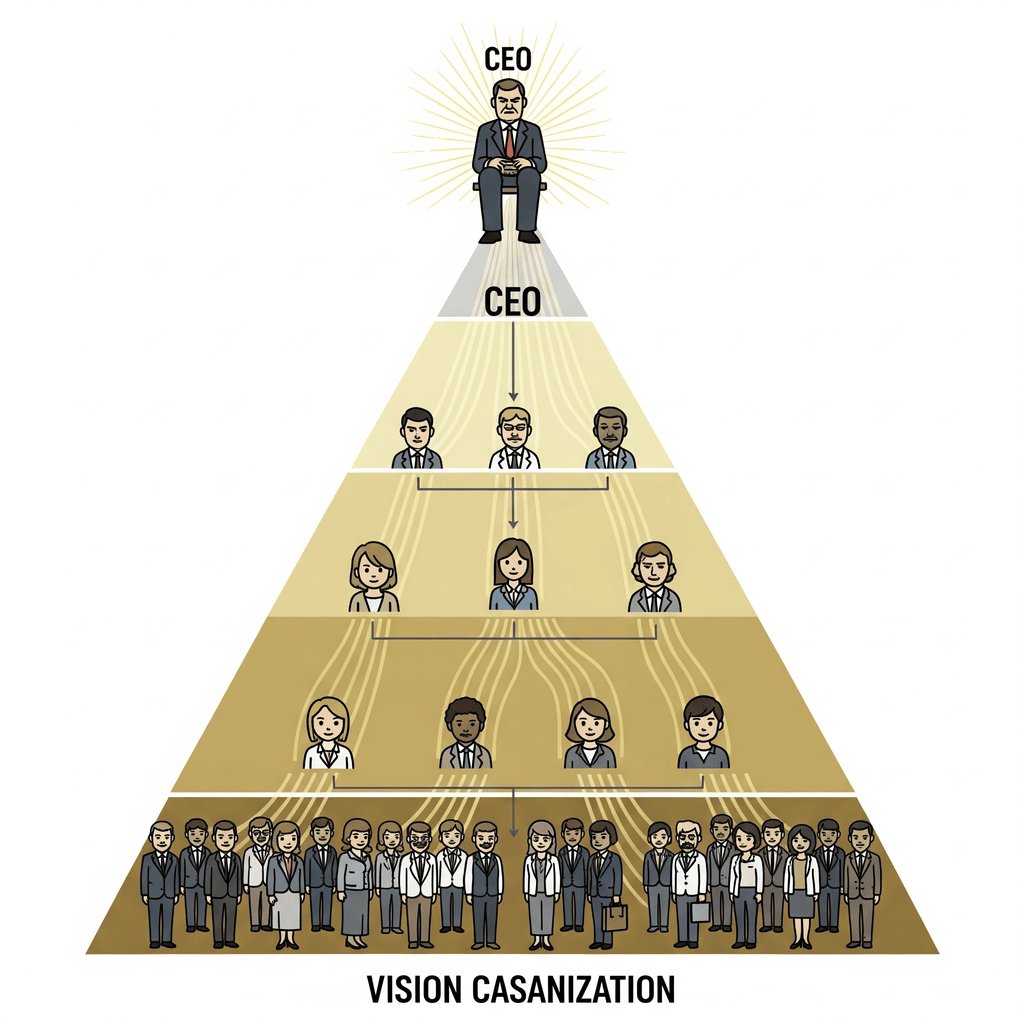
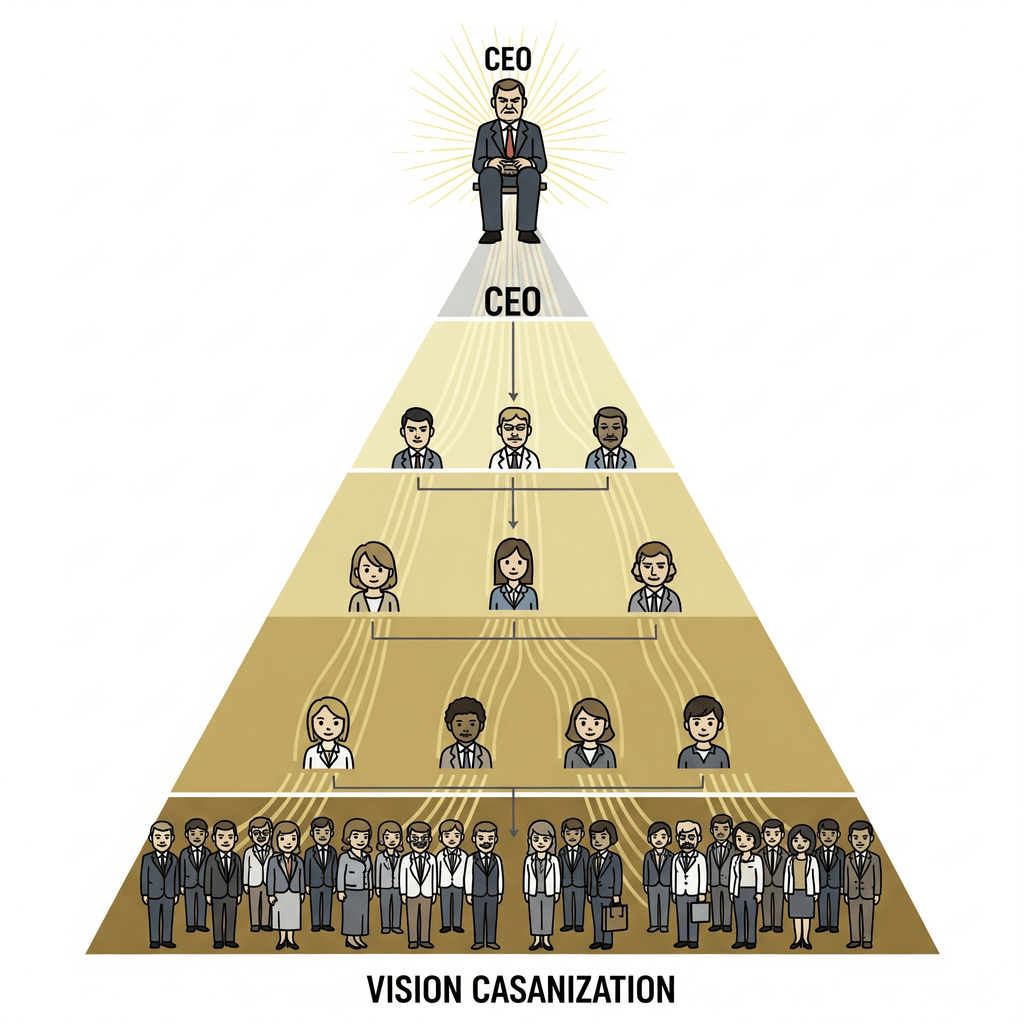
    A CEO is not just a strategy executor. They are the owner of the vision. The concept of “The Power of One” emphasizes how crucial it is for a CEO to have an authentic and bold vision, not just for themselves but for the entire organization. History has shown that a strong vision can focus the company’s energy and unite thousands of individuals under one overarching goal—even when strategies change, the vision remains a moral compass guiding every decision.
    Ajay Banga at Mastercard, for example, introduced the “kill cash” vision, focusing on the future of digital payments. This vision was not just a slogan, but became the catalyst for a major transformation within the company, despite initial resistance. With total vision ownership, a CEO not only inspires but also builds trust in the eyes of the board and shareholders, establishing themselves as a true agent of change.
    But how do world-class CEOs develop a truly authentic vision, and how do they effectively spread it throughout the organization?
    The complete framework for implementing vision ownership, including communication techniques and reality testing, is discussed in depth in this book…

    Strategic Resource Allocation

    The “Be Bold” Mindset and the Zero-Based Approach

    Many CEOs get stuck in routine, allocating resources based on old patterns without the courage to change the status quo. The “Be Bold” mindset demands that CEOs dare to make big decisions, even if they involve risk. One of the main tools is the zero-based approach—allocating resources from scratch, not just continuing last year’s patterns.
    This approach forces the organization to thoroughly examine which projects or divisions deserve full support and which ones should be trimmed or even discontinued. World-class CEOs, as studied in this book, are able to leverage this mindset not just for efficiency but to create new growth. They are unafraid to cut what is irrelevant while simultaneously making significant investments in future opportunities.
    Therefore, outstanding CEOs are not just budget managers, but architects of the future. However, how is this “bold” resource allocation decision-making process actually carried out?
    Advanced techniques from the “be bold” mindset, including zero-based analysis templates and real case studies, are part of the exclusive insights we have prepared at MentorBuku…

    Read also : Connection Parenting by Pam Leo


    Building Trust and Uniting the Team

    Solving for the Whole & Overcoming Resistance

    The best CEOs don’t just focus on small parts; they solve problems for the good of the entire organization. The concept of “solving for the whole” requires leaders to see the bigger picture, resolve conflicts of interest between divisions, and ensure every decision brings long-term benefits to the company as a whole.
    However, the path to synergy is rarely smooth. Resistance, inter-team rivalry, and turf wars often become obstacles. World-class CEOs use various techniques to build trust—with the board, management, and employees alike. They understand that trust is the main currency when driving massive strategic change.
    Interestingly, there are specific communication patterns and psychological approaches that top CEOs use to break down resistance. They also rely on performance milestones as a way to measure and maintain momentum during the transformation journey.
    However, there are three common mistakes often made when trying to unite the team and build trust, which are thoroughly analyzed in our summary…

    Read also : Men Are from Mars, Women Are from Venus by John Gray

    The Path to Excellence in an Era of Uncertainty

    Amid business volatility, the CEO’s mindset becomes the anchor that unites vision, strategy, and execution. The three key concepts—vision ownership, strategic resource allocation, and building trust—are the foundations that set great CEOs apart from mediocre ones. Yet, this is only the beginning. Each concept has deeper layers that you can only master through thorough exploration.

    Read also: Give and Take by Adam Grant


    You’ve just seen the foundation. These concepts are only the tip of the iceberg of what this book has to offer. How do you apply them step by step, avoid common pitfalls, and integrate them into your strategy? All those answers are inside.

    Sign up and Get Free Access at MentorBuku Now!

  • Rahasia Fundamental: Kekuatan Paradigma Selflessness yang Mengubah Hidup Anda. Energize Your Mind by Gaur Gopal Das

    Mengapa “Selflessness” Kini Jadi Katalisator Hidup Produktif

    Pernahkah Anda bertanya-tanya, mengapa sebagian orang tampak begitu bahagia dan produktif, bahkan ketika mereka justru lebih banyak memberi daripada menerima? Jawabannya bisa jadi terletak pada satu kata yang sering kita abaikan: selflessness, atau ketidakmementingan diri.

    Di dunia yang semakin individualistik, buku “Energize Your Mind” karya Gaur Gopal Das menghadirkan sudut pandang kontras yang revolusioner. Buku ini tidak sekadar membahas motivasi atau teknik manajemen waktu. Ia justru menyoroti bagaimana “memberi” tanpa pamrih—baik dalam bentuk waktu, tenaga, maupun pemikiran—bisa menjadi sumber energi mental yang tak terbatas.

    Artikel ini akan mengulas tiga konsep kunci dari buku tersebut:

    1. Selflessness sebagai fondasi hidup bermakna
    2. Prinsip “Kebaikan Berantai” dan dampaknya pada produktivitas
    3. Mindset “Beyond Yourself” sebagai katalisator kebahagiaan sejati

    Namun, perlu diingat: pembahasan ini adalah “pintu gerbang” pengetahuan. Cara menerapkan konsep-konsep ini secara konkret hanya dapat Anda temukan di MentorBuku.


    Selflessness: Fondasi Hidup Bermakna

    Pernah mendengar pepatah, “Pohon tidak makan buahnya sendiri, sungai tidak minum airnya sendiri”? Gaur Gopal Das mengutip filosofi kuno yang menegaskan bahwa makhluk-makhluk agung—seperti pohon, sungai, dan awan—memberi manfaat kepada sesama tanpa pamrih. Filosofi ini menjadi pondasi “selflessness” sebagai pola pikir yang seharusnya kita miliki dalam hidup modern.

    Mengapa hal ini penting?
    Banyak penelitian modern menunjukkan bahwa memberi, baik dalam bentuk materiil maupun emosional, memicu pelepasan hormon kebahagiaan dan menurunkan stres. Namun, tidak hanya itu, selflessness juga menciptakan ketahanan mental yang lebih kuat. Ketika Anda berhenti fokus pada diri sendiri dan mulai memikirkan orang lain, Anda justru mengaktifkan pusat energi baru dalam hidup Anda.

    Selain itu, selflessness berperan sebagai “jaringan pengaman” psikologis saat menghadapi tantangan. Saat Anda memberi, Anda membangun koneksi sosial yang kuat dan memperluas makna kehidupan. Ini adalah prinsip yang telah terbukti selama ribuan tahun, kini kembali relevan di era digital yang serba cepat.

    Kerangka kerja lengkap untuk menerapkan selflessness dalam rutinitas harian—tanpa merasa dieksploitasi—dibahas secara sistematis di dalam buku ini dan telah dirangkum secara eksklusif di MentorBuku.
    Baca juga : The Magic by Rhonda Byrne


    Prinsip Kebaikan Berantai: Kecil, Namun Berdampak Besar

    Selanjutnya, “Energize Your Mind” memperkenalkan prinsip “Kebaikan Berantai”. Filosofi ini menegaskan bahwa satu tindakan kecil dapat menciptakan efek domino positif yang tak terduga. Dalam kisah nyata Kamalamma, misalnya, tindakan sederhana yang ia lakukan menjadi inspirasi nasional dan mengubah kehidupan banyak orang.

    Mengapa konsep ini begitu powerful? Karena dengan kebaikan berantai, Anda tidak hanya mengubah hidup satu orang, tetapi juga membangun ekosistem kebaikan yang terus berkembang. Setiap aksi positif yang Anda lakukan bisa menginspirasi orang lain untuk berbuat hal serupa, menciptakan lingkaran kebajikan yang tidak pernah berhenti.

    Di dunia kerja, prinsip ini bisa mengubah budaya organisasi. Dalam hubungan pribadi, ia mempererat kepercayaan dan loyalitas. Bahkan dalam kehidupan sehari-hari, kebaikan berantai menambah rasa syukur dan memperkaya jiwa.

    Namun, ada tiga kesalahan umum yang sering terjadi saat mencoba membangun rantai kebaikan, mulai dari motivasi yang salah hingga ekspektasi sosial yang keliru. Ulasan mendalam beserta solusi praktisnya hanya ada dalam rangkuman kami di MentorBuku.
    Baca juga : Great CEOs Are Lazy by Jim Schleckser


    Mindset “Beyond Yourself”: Katalisator Kebahagiaan Sejati

    Di bagian lain, buku ini menyoroti pentingnya mengembangkan mindset “Beyond Yourself”—berpikir dan bertindak melampaui kepentingan pribadi. Banyak orang terjebak dalam pola pikir “apa untungnya bagiku”, tanpa sadar justru menutup pintu kebahagiaan sejati.

    Mengadopsi mindset ini mengubah cara Anda melihat tantangan dan peluang. Anda tidak lagi takut gagal, karena tujuan utama Anda adalah kontribusi, bukan hanya prestasi pribadi. Ini juga membuat Anda lebih tahan banting terhadap tekanan sosial dan ekspektasi eksternal.

    Bahkan, riset psikologi positif menunjukkan bahwa individu yang fokus pada kontribusi memiliki tingkat kesehatan mental lebih baik dan risiko burnout lebih rendah. Mereka lebih adaptif, kreatif, dan bahagia.

    Teknik lanjutan mengembangkan mindset “Beyond Yourself”, termasuk template refleksi diri dan contoh aplikasinya dalam kehidupan sehari-hari, merupakan bagian dari wawasan eksklusif yang kami siapkan di MentorBuku.
    Baca juga : Stoicism for Inner Peace by Fleur Marie Vaz


    Pelajaran Spiritual dari “Energize Your Mind”

    Buku ini juga menyinggung dimensi spiritual dari selflessness. Dalam ajaran-ajaran India kuno, memberi tanpa pamrih adalah bentuk tertinggi dari pengabdian dan jalan menuju kehidupan yang lebih bermakna. Penulis bahkan mengucapkan terima kasih kepada para guru spiritualnya, menandakan bahwa belajar memberi adalah perjalanan seumur hidup.

    Spirit spiritual ini membuka cakrawala baru tentang makna kesuksesan. Bukan sekadar pencapaian materi, melainkan pencapaian yang membawa manfaat bagi sebanyak-banyaknya orang. Perspektif ini sangat relevan di era sekarang, di mana makna kebahagiaan semakin bergeser dari “memiliki” menjadi “berbagi”.

    Bagaimana cara Anda mengintegrasikan dimensi spiritual ini ke dalam rutinitas modern? Jawabannya, lengkap dengan langkah praktis dan refleksi diri, dapat Anda temukan di platform MentorBuku.


    Mengapa Anda Harus Mengadopsi Paradigma Selflessness Sekarang?

    Menerapkan selflessness bukan berarti mengorbankan diri sendiri tanpa batas, melainkan menempatkan kontribusi sebagai prioritas. Dalam dunia yang penuh persaingan, justru mereka yang berani memberi dan berbagi yang akan menjadi pemenang sejati—baik secara personal maupun profesional.

    Paradigma ini telah diuji oleh waktu. Ia menjadi fondasi bagi para pemimpin hebat, inovator, dan individu yang hidupnya penuh makna. Kini, saatnya Anda memulai perjalanan perubahan dengan langkah pertama: memahami dan menginternalisasi konsep selflessness.

    Namun, memahami “apa” dan “mengapa” hanyalah permulaan. Anda butuh strategi praktis, studi kasus nyata, dan panduan langkah demi langkah untuk benar-benar mengubah hidup Anda.


    Penutup: Transformasi Dimulai dari Sini

    Anda baru saja melihat fondasinya. Konsep-konsep ini hanyalah puncak gunung es dari apa yang ditawarkan buku ini. Bagaimana cara menerapkannya langkah demi langkah, menghindari jebakan umum, dan mengintegrasikannya ke dalam strategi Anda? Semua jawaban itu ada di dalam.

    **[Daftar dan Dapatkan Akses Gratis di MentorBuku]**

  • Rahasia Mindset CEO Hebat: Katalisator Keunggulan yang Jarang Terungkap. CEO Excellence: The Six Mindsets That Distinguish the Best Leaders from the Rest by Carolyn Dewar, Scott Keller, and Vikram Malhotra

    Introduksi – Mengapa Mindset CEO Menjadi Pembeda

    Apa yang benar-benar membedakan CEO terbaik dunia dari para pemimpin biasa? Banyak orang mengira jawabannya ada pada strategi atau jaringan. Namun, realita di balik puncak kepemimpinan jauh lebih mendalam. Dalam dunia yang berubah cepat, mindset seorang CEO adalah katalisator utama yang mampu memutarbalikkan nasib perusahaan, menciptakan inovasi, dan menjaga organisasi tetap relevan.

    Buku “CEO Excellence: The Six Mindsets That Distinguish the Best Leaders from the Rest” membongkar lapisan terdalam tentang pola pikir yang membentuk CEO kelas dunia. Artikel ini akan menyoroti tiga konsep kunci—bukan sekadar teori, namun fondasi yang telah terbukti membentuk para pemimpin hebat. Anda akan memahami “apa” dan “mengapa”-nya, namun cara penerapannya secara spesifik hanya bisa ditemukan jika Anda menggali lebih dalam.


    Kepemilikan Visi & The Power of One

    Mengapa CEO Wajib Memegang Visi yang Tegas

    CEO bukan sekadar eksekutor strategi. Mereka adalah pemilik visi. Konsep “The Power of One” menekankan betapa pentingnya seorang CEO memiliki visi yang otentik dan berani, bukan hanya untuk dirinya sendiri, tetapi juga untuk seluruh organisasi. Sejarah membuktikan, visi yang kuat mampu memusatkan energi perusahaan dan menyatukan ribuan individu di bawah satu tujuan besar—bahkan saat strategi berubah, visi tetap menjadi kompas moral yang mengarahkan setiap keputusan.

    Ajay Banga di Mastercard, misalnya, memperkenalkan visi “kill cash” yang berfokus pada masa depan pembayaran digital. Visi ini bukan sekadar slogan, tetapi menjadi katalis bagi transformasi besar di perusahaan, meski sempat menimbulkan resistensi awal. Dengan kepemilikan visi yang total, CEO tidak hanya memberi inspirasi, tetapi juga membangun kepercayaan di mata dewan dan pemegang saham, menjadikan mereka sosok nyata yang mampu membawa perubahan[1].

    Namun, bagaimana CEO kelas dunia membangun visi yang benar-benar otentik, dan bagaimana mereka menularkannya secara efektif ke seluruh organisasi?
    Kerangka kerja lengkap untuk menerapkan kepemilikan visi, termasuk teknik komunikasi dan pengujian realitas, dibahas secara mendalam dalam buku ini…


    Alokasi Sumber Daya Secara Strategis

    Mindset “Be Bold” dan Zero-Based Approach

    Banyak CEO terjebak dalam rutinitas, mengalokasikan sumber daya berdasarkan pola lama tanpa keberanian untuk mengubah status quo. Mindset “Be Bold” menuntut CEO untuk berani mengambil keputusan besar, meski kadang berisiko. Salah satu alat utama adalah zero-based approach—yaitu mengalokasikan sumber daya dari nol, bukan sekadar meneruskan pola tahun lalu[1].

    Pendekatan ini memaksa organisasi untuk benar-benar menelaah, mana proyek atau divisi yang layak didukung penuh, dan mana yang harus dipangkas atau bahkan dihentikan. CEO kelas dunia seperti yang diteliti dalam buku ini, mampu mendayagunakan mindset ini bukan hanya untuk efisiensi, tetapi untuk menciptakan pertumbuhan baru. Mereka tidak takut untuk memangkas yang tidak relevan, sekaligus berinvestasi besar pada peluang masa depan.

    Oleh karena itu, CEO yang unggul bukan hanya pengelola anggaran, tetapi arsitek masa depan. Namun, bagaimana sebenarnya proses pengambilan keputusan alokasi sumber daya yang “berani” ini dilakukan?
    Teknik lanjutan dari mindset “be bold”, termasuk template analisis zero-based dan contoh kasus nyata, merupakan bagian dari wawasan eksklusif yang kami siapkan di MentorBuku…

    Baca juga : Connection Parenting by Pam Leo


    Membangun Kepercayaan dan Menyatukan Tim

    Solving for The Whole & Mengatasi Resistensi

    CEO terbaik tidak hanya memikirkan bagian-bagian kecil; mereka memecahkan masalah untuk kepentingan seluruh organisasi. Konsep “solving for the whole” menuntut pemimpin untuk melihat gambaran besar, mengatasi konflik kepentingan antar divisi, dan memastikan setiap keputusan membawa manfaat jangka panjang bagi perusahaan secara keseluruhan[1].

    Namun, jalan menuju sinergi jarang mulus. Resistensi, persaingan antar tim, dan “turf wars” sering kali menjadi penghalang. CEO kelas dunia menggunakan berbagai teknik untuk membangun kepercayaan—baik dengan dewan, manajemen, maupun karyawan. Mereka menyadari, kepercayaan adalah mata uang utama dalam menjalankan perubahan strategis yang masif.

    Yang menarik, ada pola komunikasi dan pendekatan psikologis tertentu yang dipakai CEO top untuk memecah resistensi. Mereka juga mengandalkan milestone kinerja sebagai cara mengukur dan menjaga momentum dalam perjalanan transformasi.

    Namun, ada tiga kesalahan umum yang sering terjadi saat mencoba menyatukan tim dan membangun kepercayaan, yang dibedah tuntas dalam rangkuman kami…
    Baca juga : Men Are from Mars, Women Are from Venus by John Gray


    Jalan Menuju Excellence di Era Ketidakpastian

    Di tengah volatilitas bisnis, mindset CEO menjadi jangkar yang menyatukan visi, strategi, dan eksekusi. Tiga konsep kunci—kepemilikan visi, alokasi sumber daya strategis, dan membangun kepercayaan—adalah fondasi yang membedakan CEO hebat dari yang medioker. Namun, semua ini baru permulaan. Setiap konsep memiliki lapisan lebih dalam yang hanya bisa Anda kuasai dengan eksplorasi menyeluruh.

    Baca juga : Give and Take by Adam Grant


    Anda baru saja melihat fondasinya. Konsep-konsep ini hanyalah puncak gunung es dari apa yang ditawarkan buku ini. Bagaimana cara menerapkannya langkah demi langkah, menghindari jebakan umum, dan mengintegrasikannya ke dalam strategi Anda? Semua jawaban itu ada di dalam.

    Daftar dan Dapatkan Akses Gratis di MentorBuku Sekarang!


  • The Fundamental Secret: A Powerful Way to Overcome Your Mind’s Blind Spots. Think Again by Adam Grant


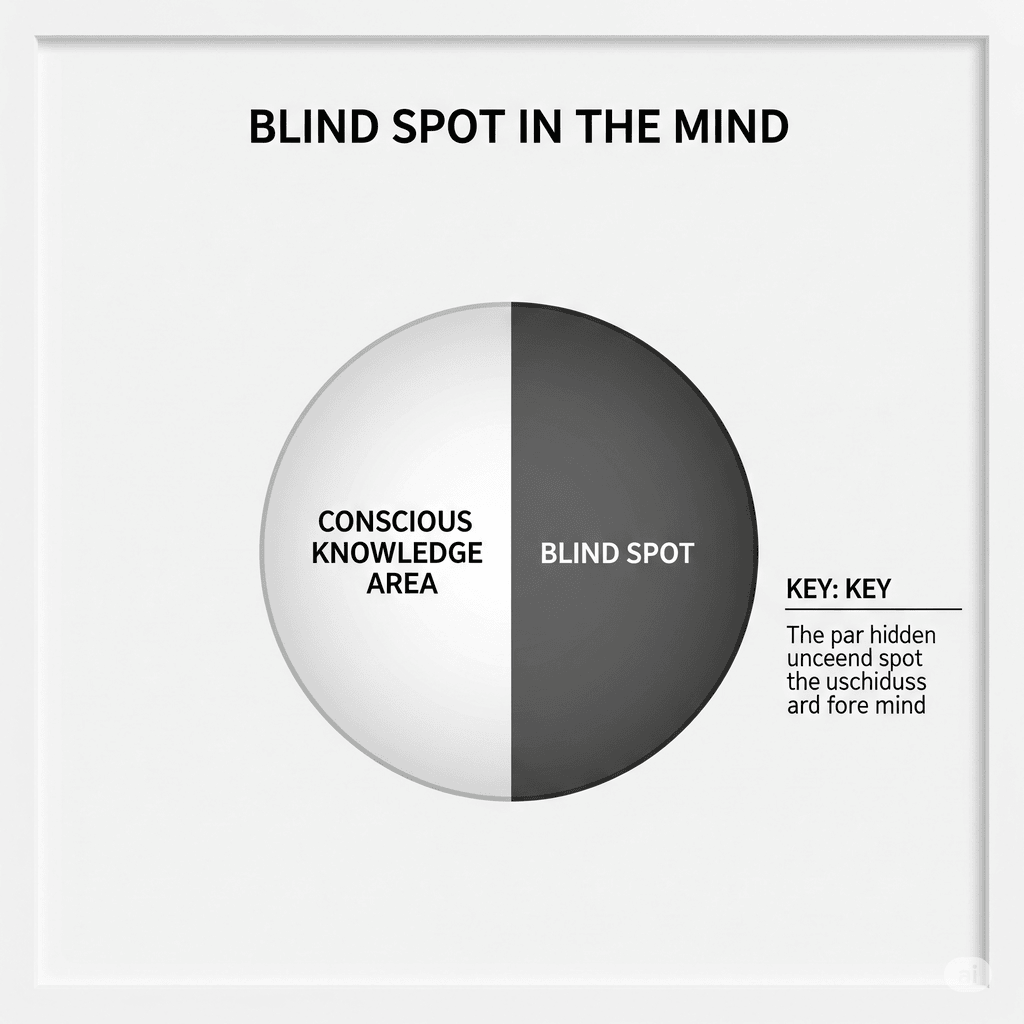
    Have you ever felt so certain about a decision, only to realize later that you were wrong—all because of a factor you were completely unaware of beforehand? This phenomenon is often caused by the mind’s “blind spots”: hidden areas in our way of thinking that prevent us from seeing our own weaknesses. Ironically, this is precisely what often traps someone in a feeling of being right, even when they might be headed in the wrong direction.
    This article will help you understand the fundamental secret behind mental blind spots, why healthy confidence is crucial for learning, and the art of rethinking. All these ideas are foundational for anyone who wants to thrive in a fast-paced world—whether in their career, business, leadership, or daily life.


    Why Mental Blind Spots Are a Big Problem Many People Don’t Realize

    We all have blind spots. However, we are often not even aware that we have them. In his book “Think Again,” Adam Grant touches on a fascinating phenomenon called Anton’s syndrome—a type of blindness where the sufferer’s brain fails to recognize that they are blind. In the context of thinking, this blindness applies to personal understanding and opinions.
    Grant writes, “We all have blind spots in our knowledge and opinions. The bad news is that they can leave us blind to our blindness, which gives us false confidence in our judgment and prevents us from rethinking. The good news is that with the right kind of confidence, we can learn to see ourselves more clearly and update our views.” This means that blind spots are not just a matter of knowledge, but also a problem of ‘false confidence’ that hinders our growth.
    This phenomenon can have fatal consequences. In an organizational or corporate context, leaders who are unaware of their blind spots are easily trapped into making wrong decisions or practicing outdated management. In personal relationships, this can lead to communication deadlocks because each party feels they are already right.

    But how do you recognize (and then reduce) a blind spot? This is what is explored further in the book “Think Again.” A specific framework for conducting this “blind spot detection” in your thinking, including step-by-step exercises you can apply, is detailed completely in the MentorBuku summary…


    Healthy Confidence: The Foundation for Keeping an Open Mind to Renewal

    Often, people think confidence is about standing firm in one’s beliefs. However, according to Grant, true confidence actually involves the ability to admit you could be wrong and the courage to explore alternative ways of thinking. In his book, he warns that too many people are trapped in “overconfidence bias”—an illusion that we know more than we actually do.
    The key to healthy confidence is building a readiness to be corrected. Grant uses an interesting analogy: in driver’s training, we are taught to find and eliminate blind spots with the help of mirrors and sensors. In real life, our minds are not equipped with such tools, so we are the ones who must consciously build these ‘detection tools’.
    This context is highly relevant, especially for those involved in the professional world, business, or important decision-making. Often, it is experienced professionals who are most vulnerable to getting trapped in overconfidence and closing themselves off to new feedback.
    This means the higher your position, the greater the risk of being trapped in the comfort zone of your own thinking. But how can you practically develop healthy confidence without falling into the trap of arrogance? The book “Think Again” outlines key indicators and self-reflection exercises you can do daily, but the technical details are available exclusively in the MentorBuku summary…

    The Art of Rethinking: How to Train Your Mind to be Flexible and Bold in Changing Your Perspective

    If blind spots are the hidden enemy, then “rethinking” is the cure. Grant gives an example: in architecture and art classes, instead of asking students to create one final piece, they are asked to redo their drafts four or more times. The results were extraordinary: the students actually grew more enthusiastic, because the revision process rapidly improved the quality of the output. “Quality means rethinking,” Grant writes firmly.
    The habit of rethinking strengthens the quality of decision-making and enables us to adapt quickly to change. This pattern can be applied in various fields: from product innovation and business strategy to personal self-development. Rethinking is not just about changing your mind randomly, but about making revisions based on new evidence, data, and environmental feedback.
    One of the strengths of “Think Again” is its dissection of the practical steps for building rethinking habits—such as getting used to asking the question “What can I learn from this failure?”, or preparing a ‘support network’ that dares to challenge your basic assumptions.
    Unfortunately, there are three main mistakes that often occur when people start to rethink—from considering the revision process a “failure,” to rejecting feedback for emotional reasons. All the effective techniques, checklists, and real-world examples of this rethinking application are thoroughly explored in MentorBuku. You will find ready-to-use templates and strategies that can be applied to both individuals and work teams…

    Read also : The 48 Laws of Power by Robert Greene

    Conclusion: What’s Next?

    Recognizing that you have blind spots, building healthy confidence, and practicing the habit of rethinking—these are the core foundations for achieving a leap in quality in your learning, career, or life. However, as Adam Grant says, awareness alone is not enough; you need a system, real practice, and deep insights to truly move beyond your comfort zone, revise your way of thinking, and achieve superior results.

    Read also : Discipline Is Destiny by Ryan Holiday


    Read also : Build, Don’t Talk by Raj Shamani


    You have just seen the foundation. These concepts are just the tip of the iceberg of what this book offers. How do you apply them step by step, avoid common pitfalls, and integrate them into your strategy? All those answers are inside.
    Register and Get Free Access at MentorBuku Now!

  • Rahasia Fundamental: Cara Ampuh Mengatasi Blind Spot Pikiran Anda. Think Again by Adam Grant


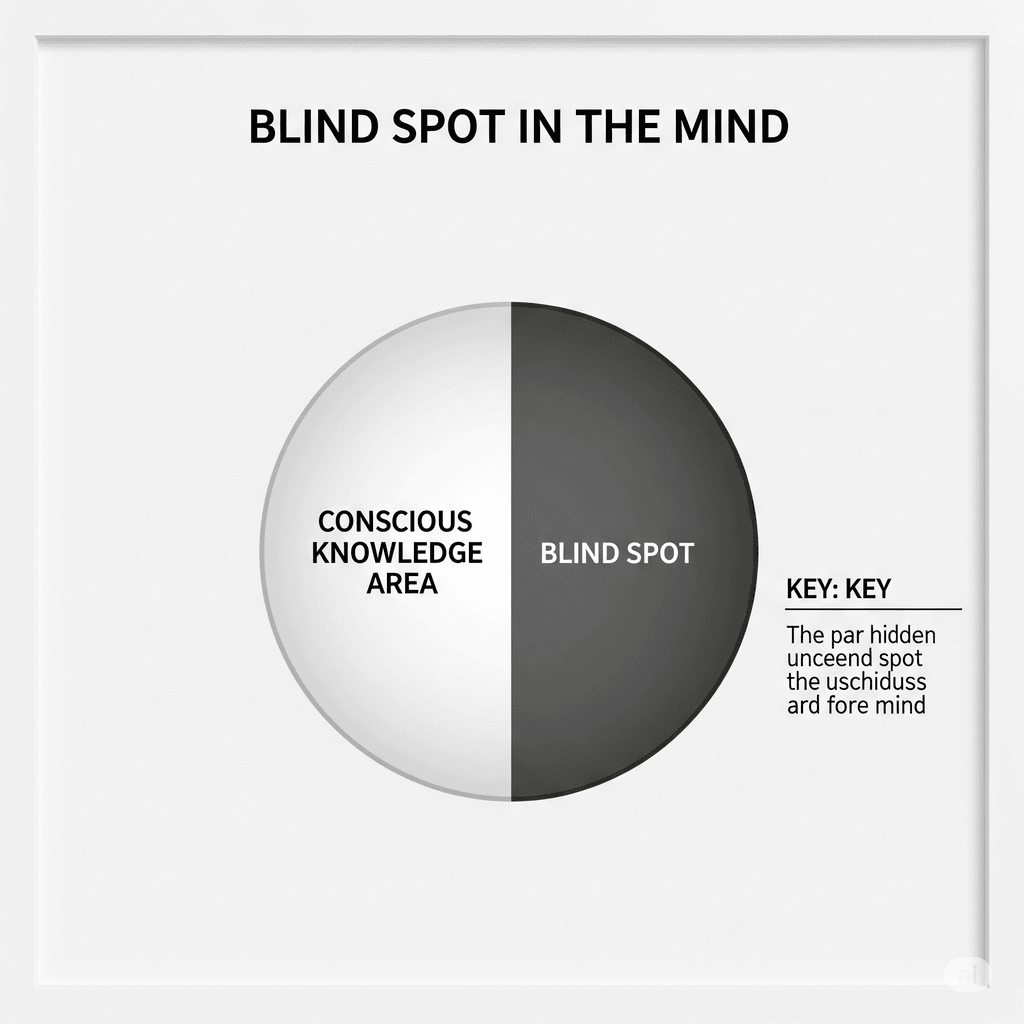
    Pernahkah Anda merasa begitu yakin terhadap sebuah keputusan, hanya untuk menyadari belakangan bahwa Anda salah — dan semuanya karena faktor yang sama sekali tidak Anda sadari sebelumnya? Fenomena inilah yang kerap terjadi akibat “blind spot” pikiran: area-area tersembunyi dalam cara kita berpikir yang membuat kita gagal untuk melihat kelemahan sendiri. Ironisnya, inilah justru yang membuat seseorang sering terjebak dalam rasa paling benar, walaupun faktanya ia mungkin sedang salah arah.

    Artikel ini akan membawa Anda memahami rahasia fundamental di balik blind spot pikiran, mengapa kepercayaan diri yang sehat sangat krusial dalam belajar, dan seni melakukan rethinking. Semua ide ini adalah fondasi bagi siapapun yang ingin berkembang di dunia yang bergerak cepat—baik dalam karier, bisnis, kepemimpinan, maupun kehidupan sehari-hari.


    Mengapa Blind Spot Pikiran adalah Masalah Besar yang Tidak Disadari Banyak Orang

    Kita semua punya blind spot. Namun, sering kali kita bahkan tidak sadar sedang memilikinya. Adam Grant di dalam buku “Think Again” menyinggung fenomena menarik yang disebut Anton’s syndrome—sejenis kondisi kebutaan di mana otak penderita gagal menyadari bahwa dirinya buta. Dalam konteks pemikiran, kebutaan ini terjadi pada pemahaman dan opini pribadi.

    Grant menulis, “We all have blind spots in our knowledge and opinions. The bad news is that they can leave us blind to our blindness, which gives us false confidence in our judgment and prevents us from rethinking. The good news is that with the right kind of confidence, we can learn to see ourselves more clearly and update our views.” Artinya, blind spot bukan sekadar masalah pengetahuan, namun juga masalah ‘kepercayaan diri semu’ yang menghalangi kita untuk tumbuh.

    Fenomena ini bisa berakibat fatal. Dalam konteks organisasi atau perusahaan, para pemimpin yang tidak menyadari blind spot mudah terjebak dalam keputusan yang keliru atau manajemen yang kolot. Dalam hubungan pribadi, hal ini membuat komunikasi terasa buntu karena masing-masing pihak merasa sudah benar.

    Namun bagaimana cara mengenali (dan kemudian mengurangi) blind spot? Inilah yang akan diungkap lebih jauh dalam buku “Think Again.” Kerangka kerja spesifik untuk melakukan “deteksi buta” dalam pemikiran ini, termasuk latihan bertahap yang bisa Anda terapkan, dijabarkan lengkap di dalam rangkuman MentorBuku…


    Kepercayaan Diri Sehat: Fondasi Agar Pikiran Tetap Terbuka pada Pembaruan

    Seringkali, orang mengira kepercayaan diri adalah soal tetap berdiri teguh pada pendirian. Padahal, menurut Grant, kepercayaan diri yang benar justru melibatkan kemampuan mengakui bahwa Anda bisa salah dan berani mengeksplorasi alternatif pemikiran. Dalam bukunya ia mengingatkan bahwa terlalu banyak orang terjebak dalam “overconfidence bias”—sebuah ilusi bahwa kita tahu lebih banyak daripada kenyataan sebenarnya.

    Kunci dari kepercayaan diri sehat adalah membangun kesiapan untuk diperbaiki. Grant menulis analogi menarik: dalam pelatihan mengemudi, kita diajarkan menemukan dan menghilangkan blind spot dengan bantuan kaca spion dan sensor. Dalam hidup nyata, pikiran kita tidak dibekali alat semacam itu, sehingga kitalah yang harus membangun ‘alat deteksi’ tersebut secara sadar.

    Konteks ini sangat relevan, terutama bagi Anda yang berkecimpung di dunia kerja, bisnis, atau pengambilan keputusan penting. Tak jarang, justru para profesional berpengalaman yang paling rentan terjebak dalam overconfidence dan menutup diri dari feedback baru.

    Artinya, semakin tinggi posisi Anda, semakin besar risiko terperangkap dalam zona nyaman pemikiran sendiri. Namun, bagaimana cara praktis mengembangkan kepercayaan diri sehat tanpa terperangkap arogansi? Buku “Think Again” memaparkan indikator-indikator kunci dan latihan refleksi diri yang bisa Anda lakukan setiap hari, namun detail teknisnya hanya tersedia secara eksklusif dalam rangkuman MentorBuku…


    Seni Rethinking: Bagaimana Melatih Pikiran agar Fleksibel dan Berani Mengubah Sudut Pandang

    Jika blind spot adalah musuh tersembunyi, maka “rethinking” adalah jurus mengobatinya. Grant mencontohkan, dalam kelas arsitektur dan seni, alih-alih meminta murid membuat satu karya final, mereka diminta mengulang draf sebanyak empat kali atau lebih. Hasilnya luar biasa: para murid justru makin bersemangat, karena proses revisi membuat kualitas output naik pesat. “Quality means rethinking,” begitu tulis Grant dengan tegas.

    Kebiasaan berpikir ulang (rethinking) memperkuat kualitas pengambilan keputusan dan memampukan kita untuk beradaptasi cepat pada perubahan. Pola ini bisa diterapkan di berbagai bidang: dari inovasi produk, strategi bisnis, hingga pengembangan diri pribadi. Rethinking bukan sekadar soal mengubah pikiran secara acak, namun tentang membuat revisi berdasarkan evidence baru, data, serta feedback lingkungan.

    Salah satu keunggulan “Think Again” adalah membedah langkah-langkah praktis dalam membangun habits rethinking—seperti membiasakan pertanyaan “Apa yang bisa saya pelajari dari kegagalan ini?”, atau menyiapkan ‘support network’ yang berani menantang asumsi dasar Anda.

    Sayangnya, ada tiga kesalahan utama yang sering terjadi ketika orang mulai melakukan rethinking—mulai dari menganggap proses revisi sebagai “kegagalan,” hingga menolak feedback karena alasan emosional. Seluruh teknik jitu, checklist, serta contoh nyata penerapan rethinking ini diulik tuntas dalam MentorBuku. Anda akan menemukan template siap pakai dan strategi yang bisa diterapkan baik untuk individu maupun tim kerja…

    Baca juga : The 48 Laws of Power by Robert Greene


    Penutup: Apa Selanjutnya?

    Mengetahui bahwa Anda punya blind spot, membangun kepercayaan diri sehat, dan melatih kebiasaan rethinking—itulah fondasi utama untuk mencapai lompatan kualitas dalam belajar, karir, ataupun kehidupan. Namun, seperti kata Adam Grant, memiliki awareness saja tidak cukup; Anda memerlukan sistem, latihan nyata, dan wawasan mendalam untuk benar-benar melampaui zona nyaman, merevisi cara mikir, dan mencapai hasil yang lebih unggul.

    Baca juga : Discipline Is Destiny by Ryan Holiday
    Baca juga : Build, Don’t Talk by Raj Shamani


    Anda baru saja melihat fondasinya. Konsep-konsep ini hanyalah puncak gunung es dari apa yang ditawarkan buku ini. Bagaimana cara menerapkannya langkah demi langkah, menghindari jebakan umum, dan mengintegrasikannya ke dalam strategi Anda? Semua jawaban itu ada di dalam.

    Daftar dan Dapatkan Akses Gratis di MentorBuku Sekarang!