Tag: Financial Planning

  • Understanding Personal Finance: How to Build a Foundation for a Wealthy Future. I Will Teach You to Be Rich by Ramit Sethi

    Personal finance is often a confusing topic for many people. With various concepts and strategies circulating, we may feel stuck. In this article, we will discuss some key concepts from the book I Will Teach You to Be Rich by Ramit Sethi, which offers a practical approach to managing finances and investing money. Through this article, you will understand the importance of good financial management and the motivation behind making strategic financial decisions.

    Why Is Personal Finance Important?

    Before we discuss practical steps, let’s take a look at why managing personal finances is so important. Good financial health allows us to:

    1. Meet our daily living needs.
    2. Prepare for the future, including retirement.
    3. Handle emergencies without excessive stress.
      By understanding the basics of personal finance, you open the door to greater financial freedom and the ability to pursue your dreams without financial barriers.

    Read also : Master Your Emotions by Thibaut Meurisse

    Concept 1: Understanding Budgeting

    One of the first things you need to do is understand budgeting. Managing a budget means knowing how much money you have, how much you spend, and where your money goes. In this book, Sethi shows that budgeting doesn’t have to be complicated.
    He recommends starting by setting allocations for certain spending categories. For example, you can allocate specific amounts for food, transportation, and entertainment. It’s important to recognize that most people don’t account for unexpected expenses, such as hospital bills or home repairs.
    However, there are three common mistakes people often make when trying to create a budget, which are explored in depth in our summary…

    Concept 2: Using Credit Cards Wisely

    Credit cards can be a double-edged sword. On one hand, they offer convenience in transactions and reward bonuses, but if used carelessly, they can lead to severe debt. In his book, Sethi discusses strategies for using credit cards responsibly.
    Among his suggestions are paying off the full balance every month and using credit cards only for planned purchases. This helps you build good credit without falling into debt.
    A complete framework for applying smart credit card strategies is discussed in five specific steps in the book…

    Concept 3: Investing Early

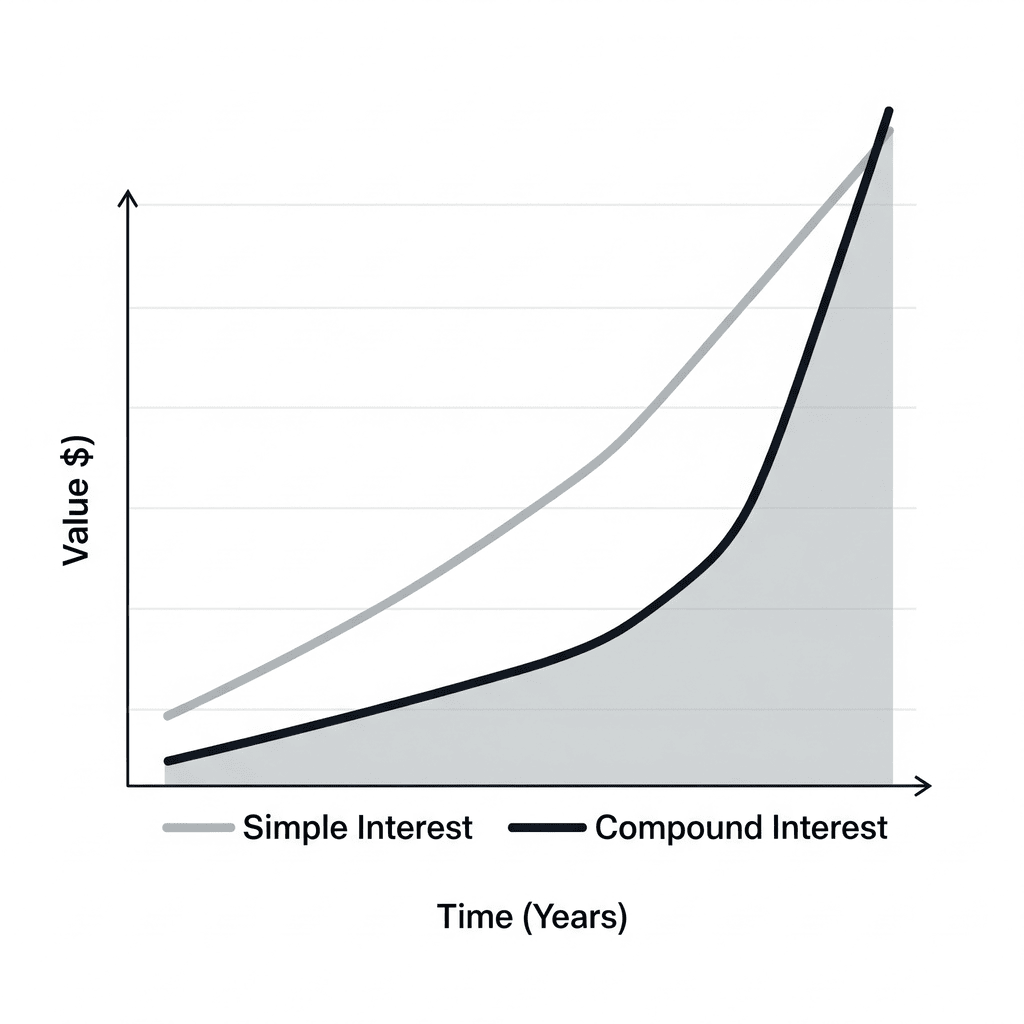
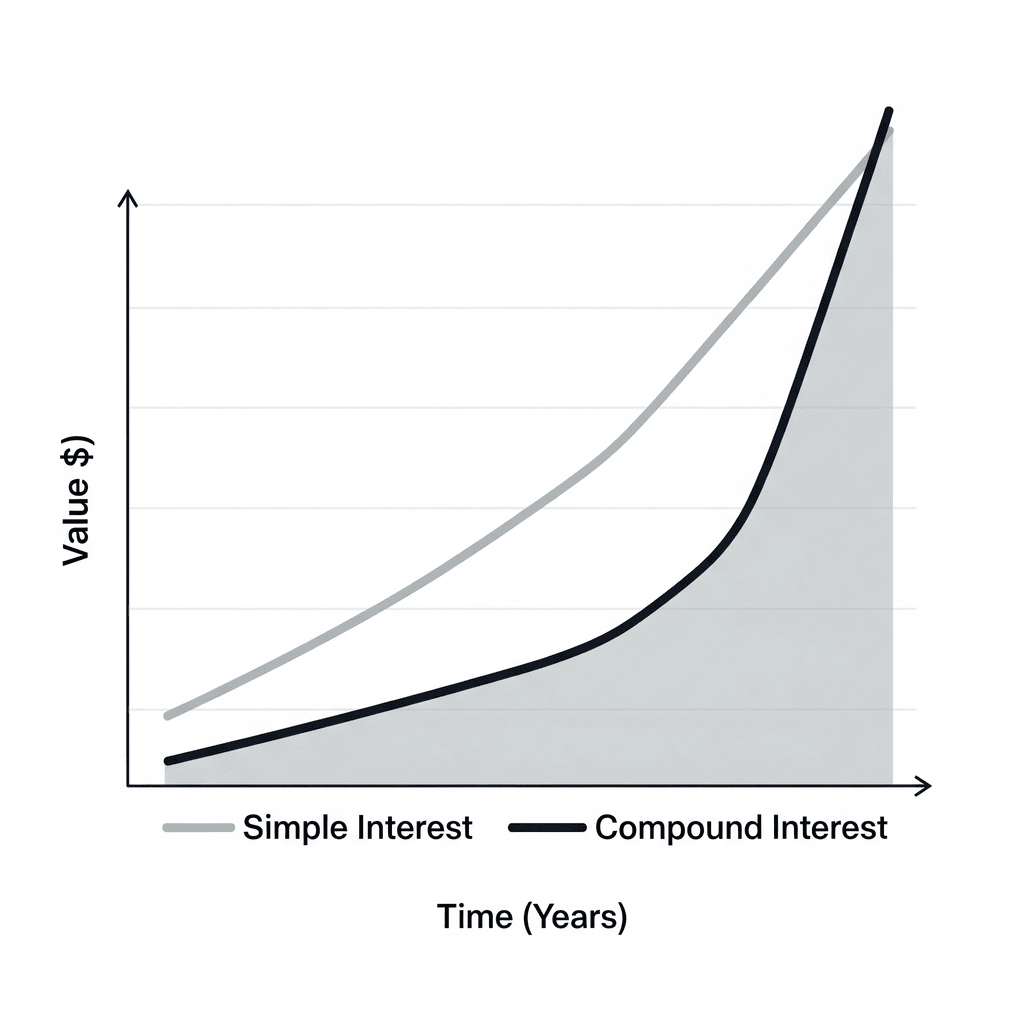
    Once you have a solid foundation in budgeting and debt management, it’s time to consider investing. Sethi explains that starting to invest early allows you to leverage the power of compound interest.
    For instance, if you start investing at age 25 rather than 35, your total investments by the time you retire could differ dramatically. Investing doesn’t have to be complicated; you can start by opening a basic investment account or joining a mutual fund.
    However, you’ll find several effective ways to start investing explained in detail in this book…

    Concept 4: Building an Emergency Fund

    Everyone needs an emergency fund to deal with unexpected situations. Sethi recommends starting by allocating a small amount each month (for example, $50) until you reach a sufficient sum.
    However, it’s very likely that this amount won’t be enough. Learning from experience and planning the ideal amount for your emergency fund is a crucial step in financial risk management.
    Advanced techniques for building an emergency fund, including strategies for gradually increasing your allocation, are part of the exclusive insights we’ve prepared at MentorBuku…

    Read also : The Power of Habit by Charles Duhigg

    Conclusion: Building a Bright Future

    By applying the concepts above, you will be on the right track toward better financial health. Remember, managing finances is an ongoing process. Consistency and adjustment are key to achieving success.
    You’ve just seen the foundation. These concepts are just the tip of the iceberg of what this book has to offer. How do you put them into practice step by step, avoid common pitfalls, and integrate them into your own strategy? All those answers are inside.

    Sign up and get free access at MentorBuku now!

  • Powerful Financial Secrets from The Richest Man In Babylon. The Richest Man In Babylon by George S. Clason


    Revealed! 4 Powerful Financial Secrets from The Richest Man In Babylon

    Introduction: Why Babylonian Financial Principles Are Still Relevant

    Have you ever wondered why some people seem to have the “Midas touch” with their finances? Or why some emerge from a financial crisis even stronger? The answer, it turns out, was locked away and passed down thousands of years ago by the ancient citizens of Babylon—the wealthiest city of the ancient world. Through “The Richest Man In Babylon,” we learn that financial success never comes by chance. It is born from wisdom, habits, and systematic strategies that continue to resonate in the modern financial world today [1].
    In a fast-paced world full of distractions, many of us forget the fundamental principles that made Babylon a symbol of prosperity. This book asserts: prosperity is a result of personal wisdom and discipline. Simply put, financial strength is the fruit of discipline and a sharp understanding of money and how it works [1].
    This article will unlock four key principles—from the art of managing money, building personal habits, and strategies for getting out of debt, to how to turn a surplus into a money-making machine. However, you will soon discover that even with the foundation in hand, applying these steps in reality is an art in itself.

    Read also : Emotional Intelligence by Daniel Goleman

    The Art of Money Management: Managing Money with Discipline

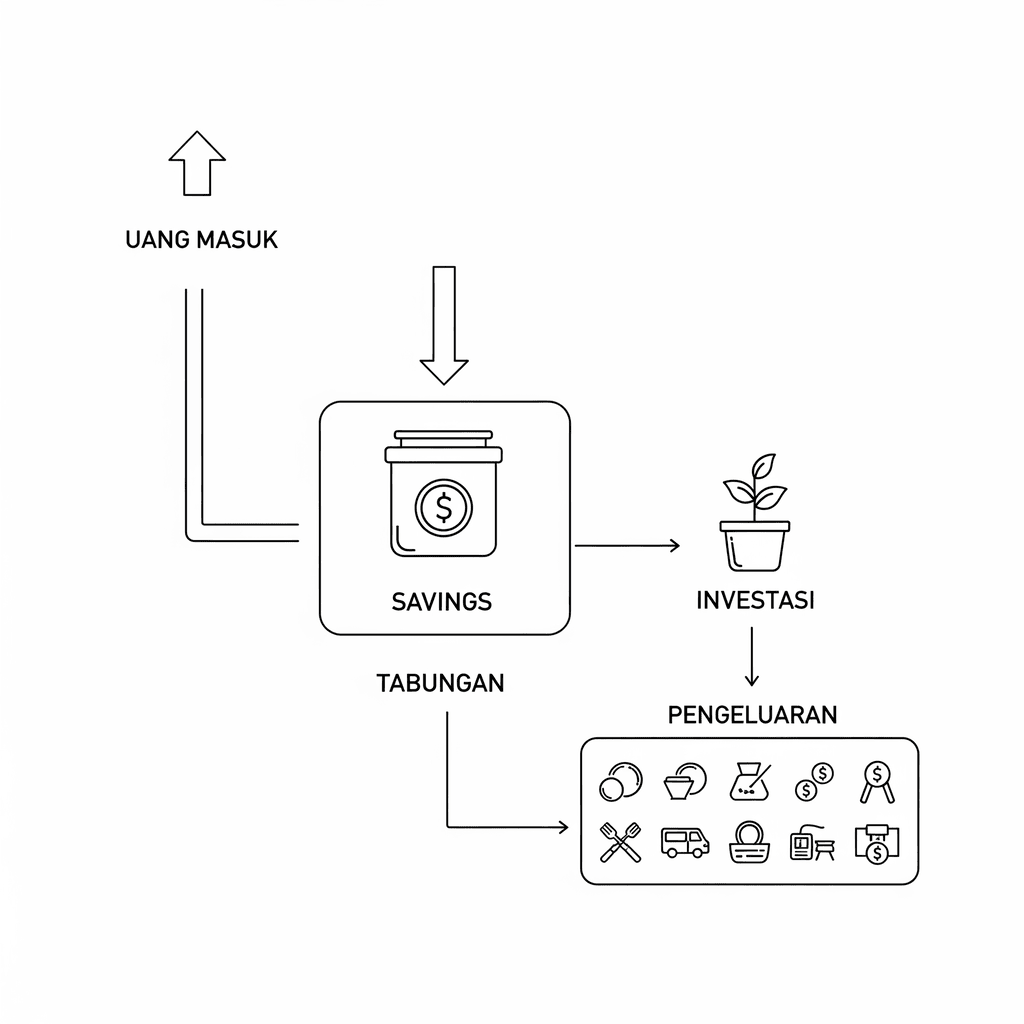
    “The Babylonians became the wealthiest because they understood the value of money and were disciplined in managing it,” according to the book [1]. The principle of money is not just about income, but how you save, spend, and grow it. The Art of Money Management is the first pillar: How one consciously limits spending, invests strategically, and ensures that every coin works hard for its owner.
    The book emphasizes the need to pay yourself first, a revolutionary paradigm even in modern times. By setting aside a portion of every income before anything else, you create the foundational habit of ‘saving first, spending later’. Furthermore, the discipline to resist the temptation of a lavish lifestyle and impulsive consumption is seen as a financial fortress.
    Behind the simplicity of this principle lies a specific framework that ensures your savings are not merely ‘saved’ but truly grow. The complete framework, including allocation tips and automation methods, is detailed step-by-step in MentorBuku’s internal guide and the summary of the original book.

    The complete framework for implementing this art of money management is discussed in 5 specific steps within the book…

    Read also : Effortless by Greg McKeown

    Personal Habits: The Foundation of Financial Strength

    This book highlights a frequently overlooked fact: Habits shape our personal financial ecosystem [1]. Every small action—from tracking expenses and reviewing assets to reinvesting interest—contributes to the accumulation of wealth. However, not all habits are productive. There are mindsets like ‘money is the enemy’ or ‘just getting by is good enough’—two afflictions that erode opportunities like termites.
    The Babylonians emphasized the importance of mental preparation before taking action. They knew, “financial realization is only possible when supported by wise thinking and deep understanding.” This mindset becomes the catalyst for every decision: from conservative investments to more aggressive strategies, it all begins with the habit of daily reflection.
    On the other hand, building positive financial habits is not instantaneous. There are stages, practice techniques, and effective “daily reminders” to ensure the change becomes truly permanent in both your nervous system and your wallet.

    However, there are three common mistakes that often occur when trying to build financial habits, which are dissected in detail in our summary…


    A Structured Plan to Escape the Trap of Debt: Inspired by Dabasir

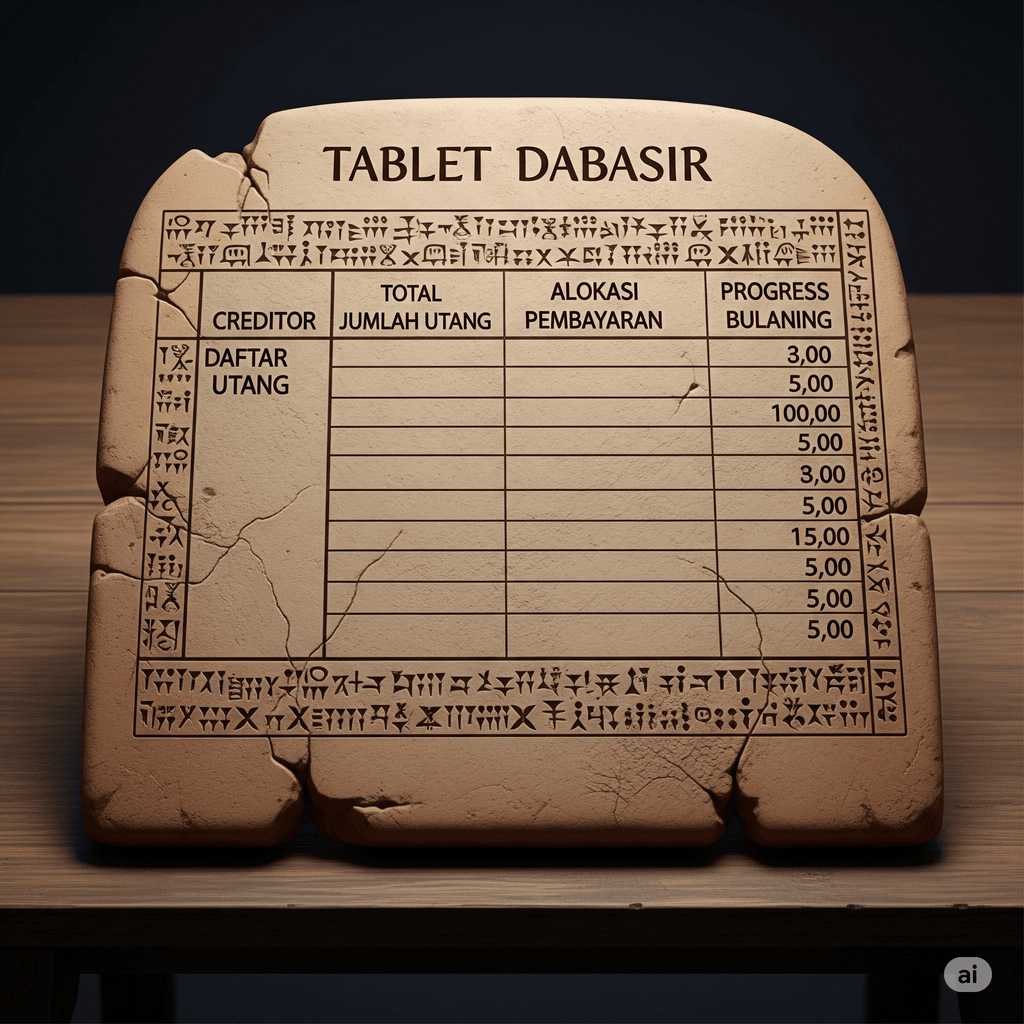
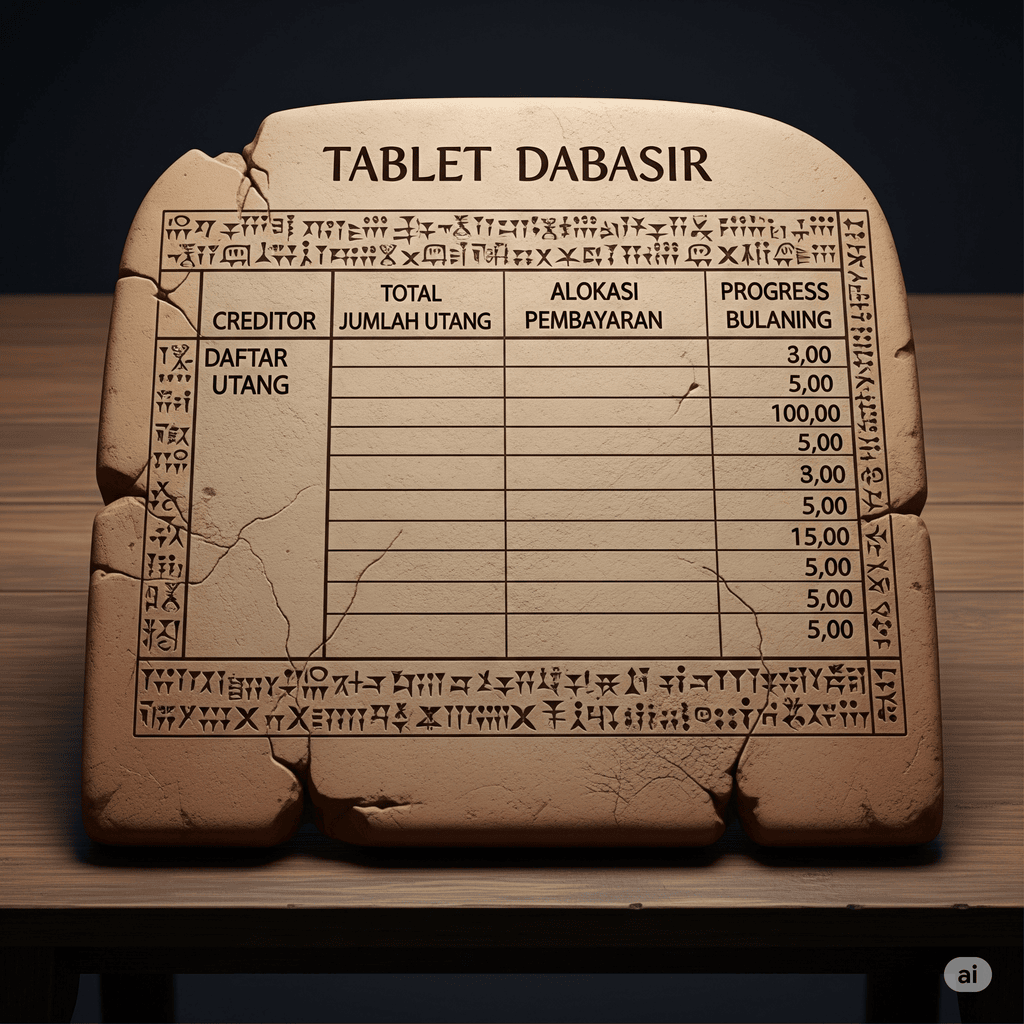
    This book isn’t just about accumulating money, but also about how one can escape from the most frightening financial abyss: debt [1]. The story of Dabasir from Babylon is monumental—he returned from slavery, wrote down a detailed plan, and then paid off his debts one by one.
    What made Dabasir’s strategy so effective? He didn’t merely intend to pay off his debts. He created a phased payment system, set specific goals, and wrote them down as a “covenant on clay tablets” for personal accountability. Every step was calculated, from the payment amounts to the allocation for basic needs and future goals.
    This similar strategy is now widely adapted into the “Debt Snowball” or “Debt Avalanche” methods in modern financial literature, but its historical roots and psychological depth are unique to Dabasir and the citizens of Babylon.
    Advanced techniques from this concept, including a template for creating an effective debt repayment plan, are part of the exclusive insights we have prepared at MentorBuku…

    Read also : The 7 Habits of Highly Effective People by Stephen R. Covey

    The Secret to Building Sustainable Wealth with a Surplus

    The Babylonians were not just masters at eliminating debt; they were also creators of a “surplus machine”—extra income that was never idle. The book teaches that idle money is a wasted opportunity [1]. Every surplus doesn’t just sit in savings but is put to work to grow—through investment, business ventures, or being reinvested as capital.
    However, accumulating a surplus requires both psychological and technical processes: resisting subconscious consumption urges, identifying safe investment opportunities, and managing risk. In modern times, their strategies remain relevant—from mutual funds and stocks to small businesses—the key is the “surplus first” behavior.
    How to find surplus opportunities, avoid fraudulent investment traps, or maximize returns—all are dissected in detail in the deeper chapters of the book and at MentorBuku.

    Specific techniques for creating a sustainable surplus, as well as a safe investment checklist, are an exclusive part of MentorBuku’s recommended module…

    Read also : BRS PHYSIOLOGY by Linda S. Costanzo

    Conclusion: A New Chapter in Your Finances Begins Here

    The four financial secrets from The Richest Man In Babylon are not just history, but an actual roadmap. You now understand the power of money management, the urgency of building good habits, the effective strategy for getting out of debt, and the secret of circulating a surplus. These four are the puzzle pieces to financial freedom. However, all of this is just the entry point. “How” to translate each principle into daily routines and decisions? This is where the need for further guidance becomes essential.

    You’ve just seen the foundation. These concepts are just the tip of the iceberg of what this book offers. How to apply them step by step, avoid common pitfalls, and integrate them into your strategy? All those answers are inside.

    Sign Up and Get Free Access at MentorBuku Now!

  • Rahasia Keuangan Ampuh dari The Richest Man In Babylon. The Richest Man In Babylon by George S. Clason,


    Terungkap! 4 Rahasia Keuangan Ampuh dari The Richest Man In Babylon

    Pengantar: Mengapa Prinsip Keuangan Babylon Masih Relevan

    Pernahkah Anda bertanya-tanya mengapa sebagian orang tampak selalu memiliki “sentuhan emas” dalam keuangannya? Atau mengapa ada orang yang keluar dari krisis finansial dan justru menjadi lebih kuat? Jawabannya ternyata telah dikunci dan diwariskan ribuan tahun lalu oleh para warga kuno di Babylon—kota terkaya di dunia kuno. Melalui “The Richest Man In Babylon”, kita belajar bahwa kejayaan finansial tidak pernah datang secara kebetulan. Ia lahir dari kebijaksanaan, kebiasaan, dan strategi sistematis yang bahkan masih menggetarkan dunia keuangan modern hari ini [1].

    Di dunia yang serba cepat dan penuh distraksi, banyak dari kita melupakan prinsip fundamentalis yang membuat Babylon menjadi simbol kemakmuran. Buku ini menegaskan: prosperity is a result of personal wisdom and discipline. Sederhananya, kekuatan finansial adalah buah dari disiplin dan pemahaman yang tajam tentang uang serta cara kerjanya [1].

    Artikel ini akan membuka empat kunci utama—mulai dari seni mengelola uang, membangun kebiasaan pribadi, strategi keluar dari utang, hingga cara menjadikan surplus sebagai pabrik uang. Namun, Anda akan segera menemukan bahwa meski fondasinya sudah di tangan, menerapkan langkah-langkahnya secara nyata adalah seni tersendiri.


    Baca juga : Emotional Intelligence by Daniel Goleman

    Art of Money Management: Seni Mengelola Uang Dengan Disiplin

    “Orang Babylon menjadi yang terkaya karena mereka tahu nilai uang dan disiplin dalam mengelolanya,” demikian pesan dari buku ini [1]. Prinsip uang bukan sekadar tentang penghasilan, tetapi bagaimana Anda menjaga, membelanjakan, dan mengembangkannya. Art of Money Management adalah pilar pertama: Bagaimana seseorang secara sadar membatasi pengeluaran, berinvestasi secara strategis, dan memastikan bahwa setiap koin bekerja keras untuk pemiliknya.

    Buku ini menekankan perlunya membayar diri sendiri terlebih dahulu, sebuah paradigma yang revolusioner bahkan di zaman modern. Dengan menyisihkan sedikit dari setiap penghasilan sebelum apapun yang lain, Anda menciptakan fondasi kebiasaan “tabungan dulu, pengeluaran kemudian”. Selain itu, disiplin menahan godaan gaya hidup mewah dan konsumsi impulsif dipandang sebagai benteng pertahanan finansial.

    Di balik sederhananya prinsip ini, terdapat kerangka spesifik yang memastikan tabungan Anda tak sekadar “tersimpan” melainkan benar-benar berkembang. Kerangka lengkapnya, termasuk tips alokasi dan cara otomatisasi, diuraikan langkah demi langkah dalam panduan internal MentorBuku dan rangkuman buku aslinya.

    Kerangka kerja lengkap untuk menerapkan seni mengelola uang ini dibahas dalam 5 langkah spesifik di dalam buku…

    Baca juga : Effortless by Greg McKeown


    Kebiasaan Pribadi: Pondasi Kekuatan Finansial

    Buku ini menyentil fakta yang sering diabaikan: Kebiasaan membentuk ekosistem finansial pribadi kita [1]. Setiap tindakan kecil—mencatat pengeluaran, meninjau aset, hingga investasi ulang bunga—berkontribusi pada akumulasi kekayaan. Namun, tidak semua kebiasaan itu produktif. Ada pola pikir “uang adalah musuh” atau “gaji cukup asal cukup”—dua penyakit yang menggerogoti peluang seperti rayap.

    Orang Babylon menekankan pentingnya persiapan mental sebelum bertindak. Mereka tahu, “aktualisasi finansial hanya mungkin jika didukung pemikiran yang bijak dan pemahaman mendalam.” Mindset ini menjadi katalisator setiap keputusan: dari investasi konservatif ke strategi lebih agresif, semua diawali dari kebiasaan refleksi harian.

    Di sisi lain, membangun kebiasaan finansial positif tidaklah instan. Ada tahapan, teknik latihan, serta “reminder harian” yang efektif supaya perubahan benar-benar permanen dalam sistem saraf dan dompet Anda.

    Namun, ada tiga kesalahan umum yang sering terjadi saat mencoba membangun kebiasaan finansial, yang dibedah tuntas dalam rangkuman kami…


    Rencana Terstruktur Keluar dari Jerat Utang: Inspirasi Dabasir

    Buku ini tidak hanya bicara soal menambah uang, tetapi juga bagaimana seseorang bisa keluar dari jurang keuangan paling menakutkan: utang [1]. Kisah Dabasir dari Babylon sangat monumental—ia kembali dari perbudakan, menuliskan rencana detail, lalu membayar satu per satu utangnya.

    Apa yang membuat strategi Dabasir sangat efektif? Ia tidak sekadar berniat membayar utang. Ia menciptakan sistem pembayaran bertahap, menetapkan tujuan spesifik, dan menuliskannya sebagai “perjanjian pada tanah liat” untuk akuntabilitas pribadi. Setiap langkah sudah diperhitungkan dari besaran pembayaran sampai alokasi untuk kebutuhan dasar dan tujuan masa depan.

    Strategi serupa ini sekarang banyak diadaptasi menjadi “Debt Snowball” atau “Debt Avalanche” dalam literatur keuangan modern, tapi akar historis dan kedalaman psikologisnya hanya dimiliki Dabasir dan warga Babylon.

    Teknik lanjutan dari konsep ini, termasuk template pembuatan rencana pelunasan utang yang efektif, adalah bagian dari wawasan eksklusif yang kami siapkan di MentorBuku…

    Baca juga : The 7 Habits of Highly Effective People by Stephen R. Covey


    Rahasia Membangun Kekayaan Berkelanjutan dengan Surplus

    Babylonian bukan hanya pelupa utang terbaik, mereka juga pencipta “mesin surplus”—ekstra pendapatan yang tidak pernah menganggur. Buku ini mengajarkan bahwa uang diam adalah peluang yang terbuang [1]. Setiap surplus tak hanya tidur di tabungan, melainkan didorong untuk berkembang—melalui investasi, usaha, atau diputar kembali sebagai modal.

    Namun, membangun akumulasi surplus membutuhkan proses psikologis dan teknis: menahan keinginan konsumsi bawah sadar, mengenali peluang investasi yang aman, serta mengelola risiko. Di zaman modern, strategi mereka tetap relevan—mulai reksadana, saham, bisnis kecil—yang penting adalah perilaku “surplus first”.

    Bagaimana cara menemukan peluang surplus, menghindari perangkap investasi bodong, atau memaksimalkan return—semuanya dikupas habis dalam bab-bab yang lebih dalam pada buku dan di MentorBuku.

    Teknik spesifik menciptakan surplus berkelanjutan, serta checklist investasi aman, menjadi bagian eksklusif dalam modul rekomendasi MentorBuku…


    Baca juga : BRS PHYSIOLOGY by Linda S. Costanzo

    Kesimpulan: Babak Baru Keuangan Anda Dimulai dari Sini

    Empat rahasia keuangan dari The Richest Man In Babylon bukan hanya sejarah, melainkan peta jalan aktual. Anda sekarang memahami kekuatan pengelolaan uang, urgensi membangun kebiasaan baik, strategi jitu keluar dari utang, dan rahasia perputaran surplus. Keempatnya adalah kepingan puzzle menuju kemerdekaan finansial. Namun, semua ini baru pintu masuk. “Bagaimana” menerjemahkan setiap prinsip menjadi rutinitas dan keputusan harian? Di sinilah kebutuhan akan bimbingan lanjutan menjadi mutlak.

    Anda baru saja melihat fondasinya. Konsep-konsep ini hanyalah puncak gunung es dari apa yang ditawarkan buku ini. Bagaimana cara menerapkannya langkah demi langkah, menghindari jebakan umum, dan mengintegrasikannya ke dalam strategi Anda? Semua jawaban itu ada di dalam.

    Daftar dan Dapatkan Akses Gratis di MentorBuku Sekarang!