Tag: Financial Freedom

  • Your Fundamental Secret to Fastlane Wealth Success. The Millionaire Fastlane by MJ DeMarco

    Have you ever felt that achieving wealth is incredibly slow, even after years of hard work? Many people believe the path to financial freedom is to follow the conventional path: go to school, get a job, save money, retire, and hope their wealth multiplies in their old age. However, the great secret that often goes unnoticed is this: the conventional “Slowlane” mindset and strategy is precisely what makes your journey feel endless. Through “The Millionaire Fastlane,” MJ DeMarco shatters this old model and offers a new path that is far faster, proven, and challenges the status quo of the financial world. Let’s break down the three foundations of wealth success—with one common thread: you can take back control of your life’s direction if you dare to change the way you think and act. What are the key concepts?


    Why the Fastlane Mindset is Superior to the Slowlane

    Most people have unknowingly fallen into the “Slowlane trap”—following the old playbook: get a good education, work hard, climb the corporate ladder, and hope that savings and investments will slowly accumulate in their accounts. The reality is, the world has changed. A single economic crisis, technological shift, or even a pandemic can wipe out all conventional plans in an instant. This is DeMarco’s sharp critique: the Slowlane is merely an illusion of security. It forces you to trade your time, sacrifices, and freedom today for the promise of results in an uncertain future. On the other hand, the Fastlane concept puts you in the driver’s seat. It’s not about waiting for fate or a promotion, but about creating a wealth-generating machine that leverages quality and speed. The Fastlane is a bold mindset that challenges “normalcy” and pushes you to build assets that can grow and generate income automatically. What makes the Fastlane radically different?

    • Focus on Scale & Leverage: The Fastlane seeks ways for your time to have an exponential impact, not just trading time for money.
    • Control Your Own Destiny: You stop relying on your company, boss, or the global economy to determine your future.
    • Take Targeted Risks: The courage to try new things, learn quickly, and fail in a calculated manner becomes part of the Fastlane journey.
    • Produce Results Faster: While the Slowlane offers to “get rich later,” the Fastlane allows you to enjoy the results sooner without sacrificing your youth.

    With this shift in perspective, you will view opportunities, failure, and courage from a completely different standpoint. However, don’t be fooled: the detailed framework for building a Fastlane machine is laid out tactically and sequentially in the original book, covering everything from choosing a business model and mindset to execution—it’s not just a slogan or fleeting motivation. “The complete framework for building a scalable and future-proof Fastlane system is laid out step-by-step in the book The Millionaire Fastlane. A detailed summary and its practical steps can be found in more detail at MentorBuku…”

    The Conventional vs. Fastlane Wealth Roadmap

    Let’s clarify the illustration:

    • Slowlane: Work → Get Paid → Save → Invest → Retire → Enjoy the Results
    • Fastlane: Build assets → Leverage technology/systems → Multiplied income in a short period → Enjoy the results while still young and productive

    If you are just waiting for “time” to make you wealthy, you are letting externalities dictate your life. The Fastlane teaches you to create a system that enables income independent of external factors.

    Self-Education: The Key to Adaptation & Income Growth

    Many people assume the learning process ends with a diploma in hand. However, DeMarco emphasizes that formal education is just basic training. The world changes too quickly if you rely on static knowledge. Innovation, technology, and new opportunities are constantly emerging—and only those who actively seek new knowledge can capitalize on them.
    MJ DeMarco himself is a real-life example: when he started building his internet media business, he didn’t know how to create a website, design, manage servers, or even do copywriting. Was that an obstacle? No. Because self-education is the lifeblood of Fastlaners. He learned, experimented, and delved into various resources until he mastered the required skills [1].
    Some important habits for becoming a “great self-learner”:

    • Not being afraid to fail when learning new things
    • Utilizing online resources, books, forums, and productive communities
    • Cultivating a “can-do” mindset
    • Regularly updating skills to stay relevant

    It’s important to remember: postponing learning will only slow down your progress. Deliberate and self-directed education is the true wealth accelerator, not just a certification without added value.
    “However, there are three common mistakes that often occur when starting self-education, from choosing the wrong learning resources to failing to maintain consistency. All strategies to overcome them are covered in MentorBuku’s exclusive summary…”

    Read also : CEO Excellence by Carolyn Dewar

    How to Become a Great Self-Learner and Win in the Digital Era

    How can you get started? The secret lies in the balance between curiosity and discipline. Start with a small project, like building your own portfolio website, and document your learning steps and mistakes along the way. If you encounter obstacles, don’t be quick to give up.
    “Excuses are like a plastic bag ready to smother your dreams, but only if you stick your head in the bag. Instead, my vision didn’t end with ‘I don’t know how’, but started there.” Take inspiration from this quote: The journey to success begins precisely at the point of “not knowing how” [1].
    “Advanced techniques for building self-learning skills, as well as a list of the most effective online learning resources, are all reviewed step-by-step in MentorBuku’s award-winning summary…”


    Customer Service: The X-Factor for Boosting Reputation and Profit

    One expensive lesson in the business world: a great product can be ruined by poor service. DeMarco’s personal experience at a luxury hotel in Italy serves as a real-life illustration. Although the hotel’s architecture was magnificent, the service was chaotic: unresponsive employees, unkept promises, and convoluted processes. Instead of fond memories, all that remained was disappointment.
    This is where the role of customer service lies. More than just fulfilling promises, “living” customer service provides an unforgettable experience and maintains loyalty. In fact, a single incident of poor service can render the investment in product quality useless.
    There are two important lessons:

    1. The service philosophy must be embodied by all employees, not just be a slogan on the wall.
    2. No matter how good your product is, its reputation can still be ruined by a poor customer experience.

    Improving customer service means designing every interaction to reflect your brand’s vision, as well as building strong communication between management and frontline staff.
    “Concrete solutions and templates for building world-class customer service—including a ready-to-use checklist—are available exclusively as part of MentorBuku’s insights…”

    Read also : The Power of Positive Thinking by Dr. Norman Vincent Peale

    Case Study: A Costly Failure Due to Poor Service

    Have you ever been disappointed by a business that was supposed to be “premium”? Perhaps you ended up remembering the bad experience more than the product’s grandeur. Unfortunately, a damaged reputation is difficult to restore. Bad service can spread even faster, especially in the age of social media.
    World-class businesses always start with the mindset: “Every team member is a service ambassador.” The company’s vision is not just communicated, but also translated into action on the ground by every employee.
    “A list of real case studies and recruitment techniques for the best customer service teams are dissected in detail in the book and MentorBuku’s Premium summary…”


    Conclusion: Starting Your Fastlane Journey

    We have dissected three keys to transformation according to “The Millionaire Fastlane”: (1) shifting your mindset and strategy from the Slowlane to the Fastlane, (2) actively building knowledge through self-education, and (3) protecting your business’s reputation through world-class customer service. These three are not just theories—they are foundations that have been tested by modern successful individuals.
    The next step is the courage to initiate change. Are you ready to challenge the mainstream, actively learn new things, and improve all aspects of service in your business or career? It all starts with one small decision today: changing your mindset and taking immediate action.
    However, don’t stop here. Technical guides, practical checklists, and a breakdown of fatal mistakes when implementing the Fastlane concept—all await you at MentorBuku.


    You’ve just seen the foundation. These concepts are merely the tip of the iceberg of what this book offers. How do you apply them step-by-step, avoid common pitfalls, and integrate them into your strategy? All the answers are inside.

    Register and Get Free Access at MentorBuku Now!

  • Powerful Financial Secrets from The Richest Man In Babylon. The Richest Man In Babylon by George S. Clason


    Revealed! 4 Powerful Financial Secrets from The Richest Man In Babylon

    Introduction: Why Babylonian Financial Principles Are Still Relevant

    Have you ever wondered why some people seem to have the “Midas touch” with their finances? Or why some emerge from a financial crisis even stronger? The answer, it turns out, was locked away and passed down thousands of years ago by the ancient citizens of Babylon—the wealthiest city of the ancient world. Through “The Richest Man In Babylon,” we learn that financial success never comes by chance. It is born from wisdom, habits, and systematic strategies that continue to resonate in the modern financial world today [1].
    In a fast-paced world full of distractions, many of us forget the fundamental principles that made Babylon a symbol of prosperity. This book asserts: prosperity is a result of personal wisdom and discipline. Simply put, financial strength is the fruit of discipline and a sharp understanding of money and how it works [1].
    This article will unlock four key principles—from the art of managing money, building personal habits, and strategies for getting out of debt, to how to turn a surplus into a money-making machine. However, you will soon discover that even with the foundation in hand, applying these steps in reality is an art in itself.

    Read also : Emotional Intelligence by Daniel Goleman

    The Art of Money Management: Managing Money with Discipline

    “The Babylonians became the wealthiest because they understood the value of money and were disciplined in managing it,” according to the book [1]. The principle of money is not just about income, but how you save, spend, and grow it. The Art of Money Management is the first pillar: How one consciously limits spending, invests strategically, and ensures that every coin works hard for its owner.
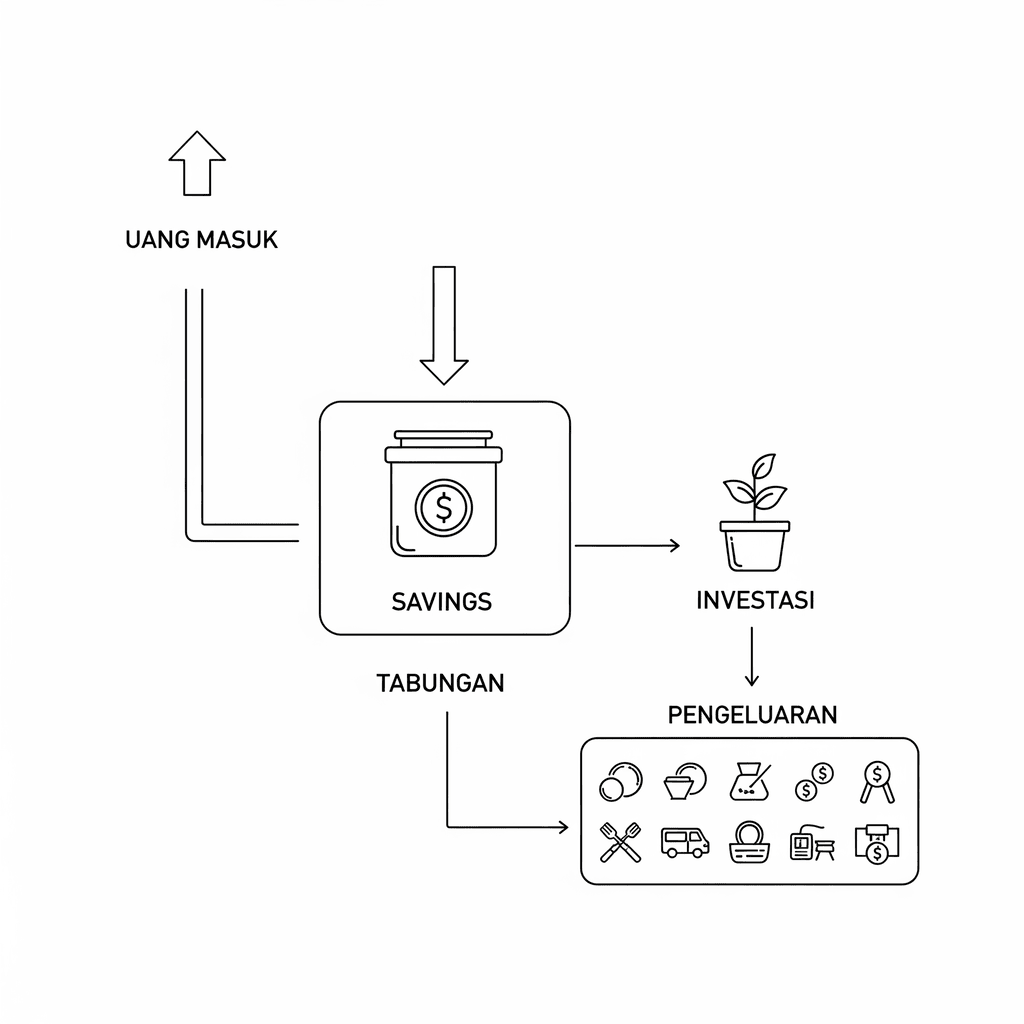
    The book emphasizes the need to pay yourself first, a revolutionary paradigm even in modern times. By setting aside a portion of every income before anything else, you create the foundational habit of ‘saving first, spending later’. Furthermore, the discipline to resist the temptation of a lavish lifestyle and impulsive consumption is seen as a financial fortress.
    Behind the simplicity of this principle lies a specific framework that ensures your savings are not merely ‘saved’ but truly grow. The complete framework, including allocation tips and automation methods, is detailed step-by-step in MentorBuku’s internal guide and the summary of the original book.

    The complete framework for implementing this art of money management is discussed in 5 specific steps within the book…

    Read also : Effortless by Greg McKeown

    Personal Habits: The Foundation of Financial Strength

    This book highlights a frequently overlooked fact: Habits shape our personal financial ecosystem [1]. Every small action—from tracking expenses and reviewing assets to reinvesting interest—contributes to the accumulation of wealth. However, not all habits are productive. There are mindsets like ‘money is the enemy’ or ‘just getting by is good enough’—two afflictions that erode opportunities like termites.
    The Babylonians emphasized the importance of mental preparation before taking action. They knew, “financial realization is only possible when supported by wise thinking and deep understanding.” This mindset becomes the catalyst for every decision: from conservative investments to more aggressive strategies, it all begins with the habit of daily reflection.
    On the other hand, building positive financial habits is not instantaneous. There are stages, practice techniques, and effective “daily reminders” to ensure the change becomes truly permanent in both your nervous system and your wallet.

    However, there are three common mistakes that often occur when trying to build financial habits, which are dissected in detail in our summary…


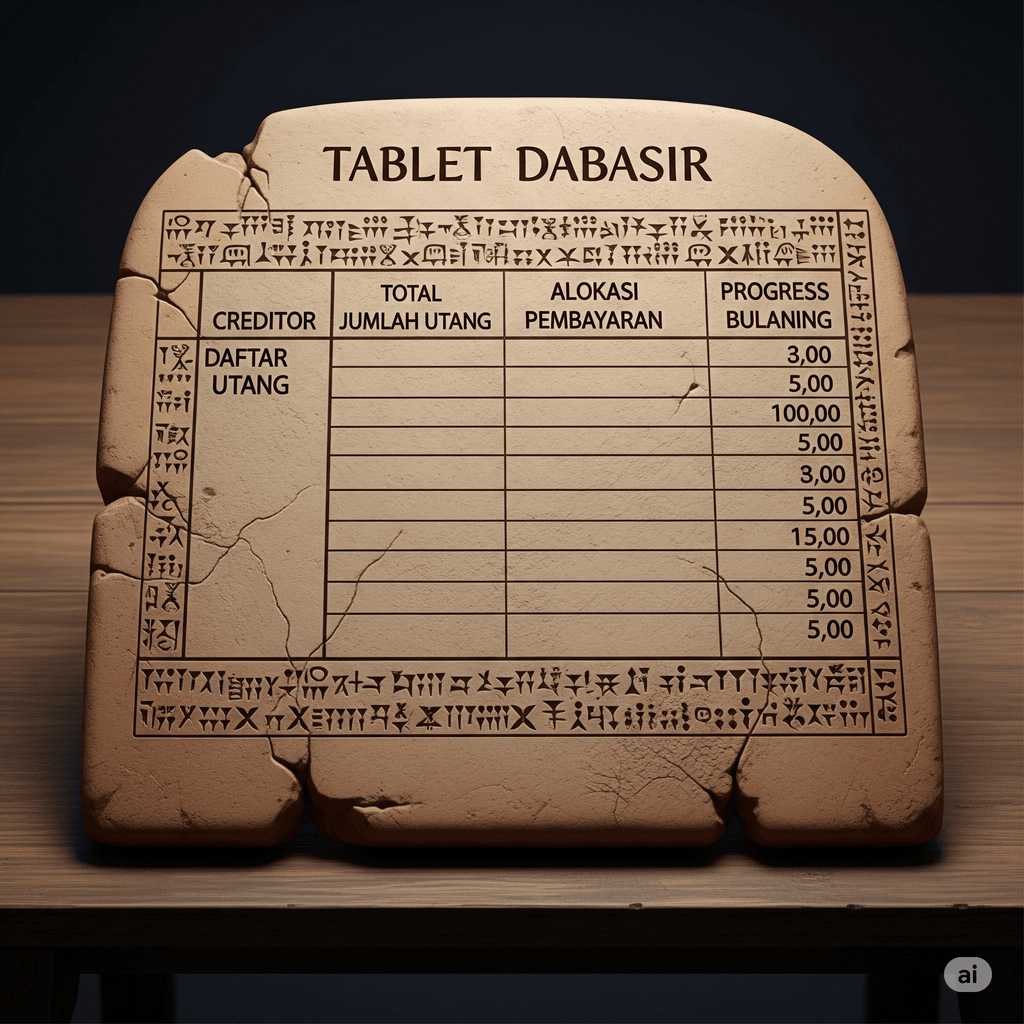
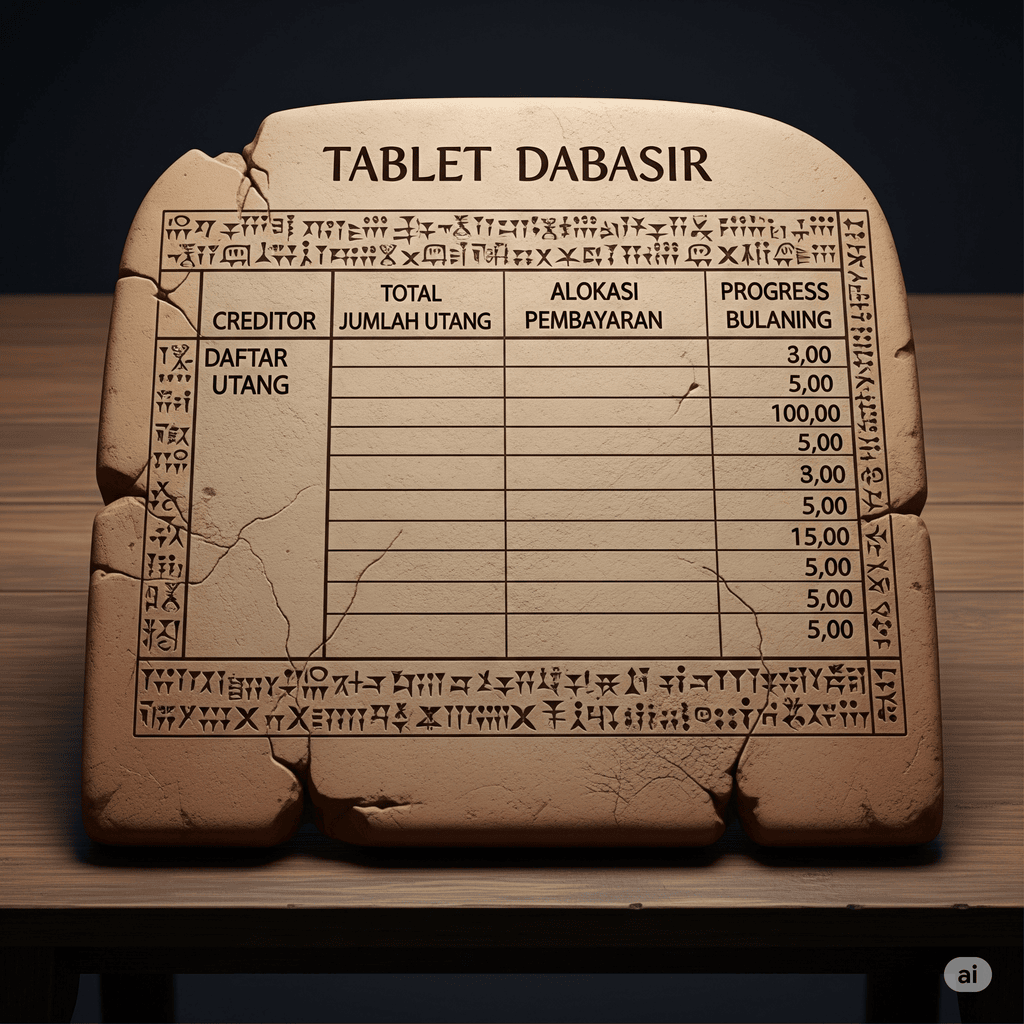
    A Structured Plan to Escape the Trap of Debt: Inspired by Dabasir

    This book isn’t just about accumulating money, but also about how one can escape from the most frightening financial abyss: debt [1]. The story of Dabasir from Babylon is monumental—he returned from slavery, wrote down a detailed plan, and then paid off his debts one by one.
    What made Dabasir’s strategy so effective? He didn’t merely intend to pay off his debts. He created a phased payment system, set specific goals, and wrote them down as a “covenant on clay tablets” for personal accountability. Every step was calculated, from the payment amounts to the allocation for basic needs and future goals.
    This similar strategy is now widely adapted into the “Debt Snowball” or “Debt Avalanche” methods in modern financial literature, but its historical roots and psychological depth are unique to Dabasir and the citizens of Babylon.
    Advanced techniques from this concept, including a template for creating an effective debt repayment plan, are part of the exclusive insights we have prepared at MentorBuku…

    Read also : The 7 Habits of Highly Effective People by Stephen R. Covey

    The Secret to Building Sustainable Wealth with a Surplus

    The Babylonians were not just masters at eliminating debt; they were also creators of a “surplus machine”—extra income that was never idle. The book teaches that idle money is a wasted opportunity [1]. Every surplus doesn’t just sit in savings but is put to work to grow—through investment, business ventures, or being reinvested as capital.
    However, accumulating a surplus requires both psychological and technical processes: resisting subconscious consumption urges, identifying safe investment opportunities, and managing risk. In modern times, their strategies remain relevant—from mutual funds and stocks to small businesses—the key is the “surplus first” behavior.
    How to find surplus opportunities, avoid fraudulent investment traps, or maximize returns—all are dissected in detail in the deeper chapters of the book and at MentorBuku.

    Specific techniques for creating a sustainable surplus, as well as a safe investment checklist, are an exclusive part of MentorBuku’s recommended module…

    Read also : BRS PHYSIOLOGY by Linda S. Costanzo

    Conclusion: A New Chapter in Your Finances Begins Here

    The four financial secrets from The Richest Man In Babylon are not just history, but an actual roadmap. You now understand the power of money management, the urgency of building good habits, the effective strategy for getting out of debt, and the secret of circulating a surplus. These four are the puzzle pieces to financial freedom. However, all of this is just the entry point. “How” to translate each principle into daily routines and decisions? This is where the need for further guidance becomes essential.

    You’ve just seen the foundation. These concepts are just the tip of the iceberg of what this book offers. How to apply them step by step, avoid common pitfalls, and integrate them into your strategy? All those answers are inside.

    Sign Up and Get Free Access at MentorBuku Now!
  • Rahasia Keuangan Ampuh dari The Richest Man In Babylon. The Richest Man In Babylon by George S. Clason,


    Terungkap! 4 Rahasia Keuangan Ampuh dari The Richest Man In Babylon

    Pengantar: Mengapa Prinsip Keuangan Babylon Masih Relevan

    Pernahkah Anda bertanya-tanya mengapa sebagian orang tampak selalu memiliki “sentuhan emas” dalam keuangannya? Atau mengapa ada orang yang keluar dari krisis finansial dan justru menjadi lebih kuat? Jawabannya ternyata telah dikunci dan diwariskan ribuan tahun lalu oleh para warga kuno di Babylon—kota terkaya di dunia kuno. Melalui “The Richest Man In Babylon”, kita belajar bahwa kejayaan finansial tidak pernah datang secara kebetulan. Ia lahir dari kebijaksanaan, kebiasaan, dan strategi sistematis yang bahkan masih menggetarkan dunia keuangan modern hari ini [1].

    Di dunia yang serba cepat dan penuh distraksi, banyak dari kita melupakan prinsip fundamentalis yang membuat Babylon menjadi simbol kemakmuran. Buku ini menegaskan: prosperity is a result of personal wisdom and discipline. Sederhananya, kekuatan finansial adalah buah dari disiplin dan pemahaman yang tajam tentang uang serta cara kerjanya [1].

    Artikel ini akan membuka empat kunci utama—mulai dari seni mengelola uang, membangun kebiasaan pribadi, strategi keluar dari utang, hingga cara menjadikan surplus sebagai pabrik uang. Namun, Anda akan segera menemukan bahwa meski fondasinya sudah di tangan, menerapkan langkah-langkahnya secara nyata adalah seni tersendiri.


    Baca juga : Emotional Intelligence by Daniel Goleman

    Art of Money Management: Seni Mengelola Uang Dengan Disiplin

    “Orang Babylon menjadi yang terkaya karena mereka tahu nilai uang dan disiplin dalam mengelolanya,” demikian pesan dari buku ini [1]. Prinsip uang bukan sekadar tentang penghasilan, tetapi bagaimana Anda menjaga, membelanjakan, dan mengembangkannya. Art of Money Management adalah pilar pertama: Bagaimana seseorang secara sadar membatasi pengeluaran, berinvestasi secara strategis, dan memastikan bahwa setiap koin bekerja keras untuk pemiliknya.

    Buku ini menekankan perlunya membayar diri sendiri terlebih dahulu, sebuah paradigma yang revolusioner bahkan di zaman modern. Dengan menyisihkan sedikit dari setiap penghasilan sebelum apapun yang lain, Anda menciptakan fondasi kebiasaan “tabungan dulu, pengeluaran kemudian”. Selain itu, disiplin menahan godaan gaya hidup mewah dan konsumsi impulsif dipandang sebagai benteng pertahanan finansial.

    Di balik sederhananya prinsip ini, terdapat kerangka spesifik yang memastikan tabungan Anda tak sekadar “tersimpan” melainkan benar-benar berkembang. Kerangka lengkapnya, termasuk tips alokasi dan cara otomatisasi, diuraikan langkah demi langkah dalam panduan internal MentorBuku dan rangkuman buku aslinya.

    Kerangka kerja lengkap untuk menerapkan seni mengelola uang ini dibahas dalam 5 langkah spesifik di dalam buku…

    Baca juga : Effortless by Greg McKeown


    Kebiasaan Pribadi: Pondasi Kekuatan Finansial

    Buku ini menyentil fakta yang sering diabaikan: Kebiasaan membentuk ekosistem finansial pribadi kita [1]. Setiap tindakan kecil—mencatat pengeluaran, meninjau aset, hingga investasi ulang bunga—berkontribusi pada akumulasi kekayaan. Namun, tidak semua kebiasaan itu produktif. Ada pola pikir “uang adalah musuh” atau “gaji cukup asal cukup”—dua penyakit yang menggerogoti peluang seperti rayap.

    Orang Babylon menekankan pentingnya persiapan mental sebelum bertindak. Mereka tahu, “aktualisasi finansial hanya mungkin jika didukung pemikiran yang bijak dan pemahaman mendalam.” Mindset ini menjadi katalisator setiap keputusan: dari investasi konservatif ke strategi lebih agresif, semua diawali dari kebiasaan refleksi harian.

    Di sisi lain, membangun kebiasaan finansial positif tidaklah instan. Ada tahapan, teknik latihan, serta “reminder harian” yang efektif supaya perubahan benar-benar permanen dalam sistem saraf dan dompet Anda.

    Namun, ada tiga kesalahan umum yang sering terjadi saat mencoba membangun kebiasaan finansial, yang dibedah tuntas dalam rangkuman kami…


    Rencana Terstruktur Keluar dari Jerat Utang: Inspirasi Dabasir

    Buku ini tidak hanya bicara soal menambah uang, tetapi juga bagaimana seseorang bisa keluar dari jurang keuangan paling menakutkan: utang [1]. Kisah Dabasir dari Babylon sangat monumental—ia kembali dari perbudakan, menuliskan rencana detail, lalu membayar satu per satu utangnya.

    Apa yang membuat strategi Dabasir sangat efektif? Ia tidak sekadar berniat membayar utang. Ia menciptakan sistem pembayaran bertahap, menetapkan tujuan spesifik, dan menuliskannya sebagai “perjanjian pada tanah liat” untuk akuntabilitas pribadi. Setiap langkah sudah diperhitungkan dari besaran pembayaran sampai alokasi untuk kebutuhan dasar dan tujuan masa depan.

    Strategi serupa ini sekarang banyak diadaptasi menjadi “Debt Snowball” atau “Debt Avalanche” dalam literatur keuangan modern, tapi akar historis dan kedalaman psikologisnya hanya dimiliki Dabasir dan warga Babylon.

    Teknik lanjutan dari konsep ini, termasuk template pembuatan rencana pelunasan utang yang efektif, adalah bagian dari wawasan eksklusif yang kami siapkan di MentorBuku…

    Baca juga : The 7 Habits of Highly Effective People by Stephen R. Covey


    Rahasia Membangun Kekayaan Berkelanjutan dengan Surplus

    Babylonian bukan hanya pelupa utang terbaik, mereka juga pencipta “mesin surplus”—ekstra pendapatan yang tidak pernah menganggur. Buku ini mengajarkan bahwa uang diam adalah peluang yang terbuang [1]. Setiap surplus tak hanya tidur di tabungan, melainkan didorong untuk berkembang—melalui investasi, usaha, atau diputar kembali sebagai modal.

    Namun, membangun akumulasi surplus membutuhkan proses psikologis dan teknis: menahan keinginan konsumsi bawah sadar, mengenali peluang investasi yang aman, serta mengelola risiko. Di zaman modern, strategi mereka tetap relevan—mulai reksadana, saham, bisnis kecil—yang penting adalah perilaku “surplus first”.

    Bagaimana cara menemukan peluang surplus, menghindari perangkap investasi bodong, atau memaksimalkan return—semuanya dikupas habis dalam bab-bab yang lebih dalam pada buku dan di MentorBuku.

    Teknik spesifik menciptakan surplus berkelanjutan, serta checklist investasi aman, menjadi bagian eksklusif dalam modul rekomendasi MentorBuku…


    Baca juga : BRS PHYSIOLOGY by Linda S. Costanzo

    Kesimpulan: Babak Baru Keuangan Anda Dimulai dari Sini

    Empat rahasia keuangan dari The Richest Man In Babylon bukan hanya sejarah, melainkan peta jalan aktual. Anda sekarang memahami kekuatan pengelolaan uang, urgensi membangun kebiasaan baik, strategi jitu keluar dari utang, dan rahasia perputaran surplus. Keempatnya adalah kepingan puzzle menuju kemerdekaan finansial. Namun, semua ini baru pintu masuk. “Bagaimana” menerjemahkan setiap prinsip menjadi rutinitas dan keputusan harian? Di sinilah kebutuhan akan bimbingan lanjutan menjadi mutlak.

    Anda baru saja melihat fondasinya. Konsep-konsep ini hanyalah puncak gunung es dari apa yang ditawarkan buku ini. Bagaimana cara menerapkannya langkah demi langkah, menghindari jebakan umum, dan mengintegrasikannya ke dalam strategi Anda? Semua jawaban itu ada di dalam.

    Daftar dan Dapatkan Akses Gratis di MentorBuku Sekarang!


  • Paradigma Rahasia: Cara Otentik Menjadi Magnet Uang Ampuh – Secrets of the Millionaire Mind by T. Harv Eker


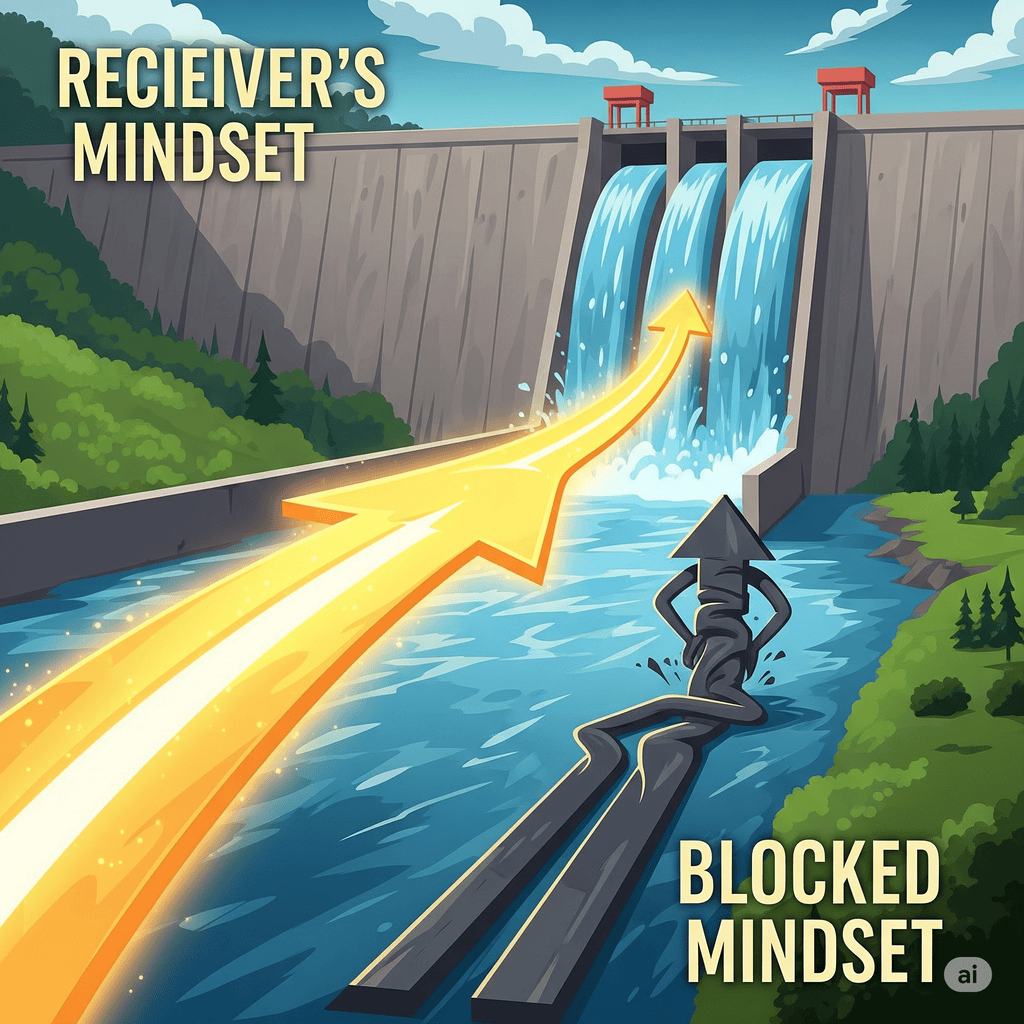
    Mengapa Mentalitas Miliarder Dimulai dari “Menerima”

    Pernahkah Anda bertanya, mengapa sebagian orang tampak mudah menarik peluang, uang, dan keberuntungan, sementara sebagian lain serasa selalu berdiri di tempat? Jawabannya sering kali tidak terletak pada strategi bisnis atau peluang investasi, melainkan pada paradigma dasar tentang “penerimaan”.

    Konsep “receivership”—seni menjadi penerima yang baik—adalah fondasi mentalitas miliarder. Banyak di antara kita, tanpa sadar, memblokir aliran rezeki dengan cara meremehkan hadiah, menolak pujian, bahkan merasa sungkan saat mendapat bonus kecil. Keberuntungan bukan sekadar soal kerja keras; itu juga tentang apakah Anda siap menerima?

    Ilmu modern tentang mindset—serta pengalaman para miliarder dunia—membuktikan, hanya dengan menggeser cara berpikir tentang penerimaan, seseorang dapat membuka pintu kekayaan yang selama ini tampak tertutup rapat. Artikel ini membedah tiga pilar utama dari buku “Secrets of the Millionaire Mind” yang bisa mengubah cara Anda melihat rezeki—dan mempersiapkan Anda untuk kebebasan finansial yang otentik.

    Menjadi Penerima yang Hebat: Langkah Awal Menuju Kelimpahan

    Sulit dipercaya, tetapi mayoritas orang dewasa lebih nyaman memberi daripada menerima. Budaya kita kerap mengajarkan bahwa menerima dengan antusias itu egois. Nyatanya, blok mental ini justru membatasi kekayaan masuk ke hidup kita.

    Penulis menyoroti satu pola praktis: Jika seseorang memberi pujian, cukup katakan “terima kasih” tanpa harus membalasnya atau meremehkannya. Dengan melakukan ini, Anda memberi ruang pada diri sendiri untuk “memiliki” penghargaan tersebut, serta membiarkan pemberi menikmati kebahagiaan memberi [1].

    Sikap ini ternyata lebih dari sekadar sopan santun. Ini adalah latihan mental yang menegaskan pada alam bawah sadar Anda bahwa Anda layak menerima hal baik, sekecil apa pun bentuknya. Seiring waktu, latihan ini membangun “wadah” di dalam diri—semakin besar kapasitas menerima, semakin besar pula rezeki yang sanggup Anda tampung.

    “Practice being an excellent receiver. Each time someone gives you a compliment of any sort, simply say, ‘Thank you.’” [1]

    Pancingan Pengetahuan:
    Kerangka kerja lengkap untuk melatih pola pikir penerimaan ini—termasuk teknik membongkar blok mental dan latihan sehari-hari—dijabarkan rinci dalam 5 langkah di dalam buku aslinya…

    Seni Mengucapkan Terima Kasih Tanpa Syarat

    Banyak orang merasa wajib membalas pujian dengan pujian sejenis, atau malah merespon dengan “Ah, nggak juga kok, cuma kebetulan saja.” Terdengar rendah hati, namun sebenarnya Anda sedang menolak menerima.

    Mengatakan “terima kasih” sederhana adalah latihan mendalam membangun penerimaan tanpa syarat. Ini memperkuat rasa percaya diri serta membuka pintu berkah yang kadang berasal dari jalur tak terduga. Dengan membiasakan respons yang tulus (bukan defensif), Anda secara tidak langsung memberitahu dunia bahwa Anda siap menerima lebih banyak lagi—termasuk dalam bentuk uang dan peluang.

    Pancingan Pengetahuan:
    Ada rahasia psikologis di balik respons “terima kasih” yang sederhana, yang terbukti meningkatkan magnetisme pribadi dan finansial. Rahasia ini—beserta studi kasus dari miliarder dunia—tersimpan eksklusif dalam rangkuman mendalam MentorBuku…

    Merayakan Setiap Rezeki: Ritual Kecil yang Mengubah Mindset

    Apakah Anda ingat kapan terakhir kali menerima uang, bahkan jumlah paling kecil sekalipun? Seringkali kita menganggap enteng uang kembalian, hadiah, atau rejeki nomplok. Padahal, setiap rupiah adalah simbol kepercayaan dunia kepada Anda sebagai penerima rezeki.

    Di buku ini, penulis mendorong satu kebiasaan energik: Setiap kali menerima uang—baik dari jalanan, hadiah, THR, gaji, atau pembayaran apapun—ucapkan atau serukan dengan semangat, “Saya magnet uang. Terima kasih, terima kasih, terima kasih.” [1]

    Kenapa harus demikian? Karena ritual kecil ini punya efek domino: Anda melatih otak untuk menghargai dan mensyukuri segala bentuk rezeki, bukannya hanya mengejar nominal besar. Semakin sering Anda bersyukur, semakin kuat medan magnet rezeki yang Anda bangun.

    Selain itu, ritual ini menanamkan makna di balik setiap pemasukan. Bukan soal besar-kecilnya, namun tentang kesadaran menerima yang semakin menebalkan “mindset kelimpahan” dalam hidup Anda.

    Pancingan Pengetahuan:
    Teknik lanjutan untuk memperbesar efek ritual syukur ini—termasuk cara menghindari sabotase potensi dari pikiran sendiri—adalah bagian dari wawasan eksklusif yang kami siapkan di MentorBuku…

    Mengangkat Energi Syukur dalam Kehidupan Sehari-Hari

    Beberapa orang mungkin berpikir, “Apa benar mengucap terima kasih pada uang receh bisa berpengaruh?” Justru, di situlah letak rahasianya. Syukur yang aktif dan sadar, berulang-ulang, menembus daya batin hingga membuat otak Anda memprogram ulang relasi terhadap uang.

    Penelitian membuktikan, perilaku ini meningkatkan mood serta menghasilkan pola pengambilan keputusan finansial yang lebih sehat. Lebih dari itu, orang yang terbiasa melihat nilai di balik setiap karunia cenderung lebih tahan uji, kreatif, dan cepat bangkit dari kegagalan finansial.

    Pancingan Pengetahuan:
    Namun, ada tiga kesalahan umum yang sering terjadi saat menjalankan kebiasaan syukur ini. Semua jebakan dan cara menghindarinya diulas tuntas dalam ringkasan premium MentorBuku…

    Baca juga: Is That Me Yelling? by Ronna Renner RN

    Memberkahi Kesuksesan Orang Lain: Kunci Mempercepat Kemakmuran

    Satu lagi pilar mentalitas miliarder: belajar memberkahi keberlimpahan dan kesuksesan yang Anda lihat pada orang lain. Seringkali, “mental blok” keuangan berasal dari rasa iri, persaingan, atau bahkan cibiran terhadap mereka yang sudah sukses lebih dulu. Pola pikir ini sebetulnya justru menyabotase potensi diri.

    Sebaliknya, mengirimkan doa baik, ucapan selamat, atau bahkan rasa kagum tulus pada orang yang berhasil akan menempatkan Anda dalam gelombang energi yang sama: energi kelimpahan. Penulis menyarankan, “Whatever you see that you like, bless it, and bless the owners or the people involved.” [1]

    Alih-alih terjebak pada perasaan tidak adil atau iri, ubah fokus Anda menjadi “Saya memberkati kesuksesan orang itu; semoga saya mendapat inspirasi dan bagian saya sendiri.” Latihan sederhana ini memperkecil sekat antara Anda dan impian finansial. Secara psikologis, ini membuang racun dalam hati dan mengisi ruang dengan inspirasi baru.

    Pancingan Pengetahuan:
    Transformasi iri hati menjadi katalis penyemangat diri—beserta latihan membalik mindset persaingan menjadi kolaborasi—lengkap dengan contoh kasus dari pengusaha top, tersedia eksklusif di MentorBuku…

    Baca juga: R.E.D. Marketing: The Three Ingredients of Leading Brands by Greg Creed

    Transformasi Iri Hati Menjadi Magnet Kebaikan

    Definisi sukses menurut para miliarder bukan soal saldo rekening, melainkan tentang kualitas hubungan dengan rezeki dan kehidupan. Saat Anda memberkati orang lain, secara tidak sadar, Anda menyiapkan jalan bagi datangnya keberlimpahan ke hidup Anda sendiri. Tidak ada kontradiksi antara mengharapkan kebaikan untuk dirinya sendiri serta membagikannya ke orang lain—justru di situlah kekuatan terbesar mentalitas kelimpahan.

    Pancingan Pengetahuan:
    Teknik membangun “jaringan syukur”—di mana Anda tidak sekadar berharap diri sukses, namun benar-benar menjadi saluran kebaikan bagi komunitas—dibedah secara praktis di MentorBuku…

    Mengapa Semua Ini Tidak Pernah Diajarkan di Sekolah

    Coba renungkan sebentar: Sepanjang masa sekolah, seberapa sering Anda diajari cara berpikir tentang uang dan kekayaan secara mental-spiritual? Hampir tidak pernah. Sistem pendidikan umum cenderung menekankan aspek mekanik mencari uang, bukan fundamental psikologis menerimanya. Akibatnya, kita sanggup bekerja keras sampai mati-matian, namun tetap kerap mengalami rasa “tidak cukup”.

    Paradigma “receivership”—yaitu layak menerima, merayakan tiap berkat, serta memberkahi keberhasilan orang lain—adalah kunci yang jarang dibagikan. Akses pada rahasia mentalitas ini adalah keunggulan utama yang membedakan kelas miliarder dari orang biasa.

    Jika Anda membaca sampai bagian ini, besar kemungkinan ada sebagian dari diri Anda yang mulai “klik”—bahwa kekayaan dimulai di dalam kepala, sebelum muncul di rekening. Mulailah perjalanan perubahan ini hari ini sebelum dunia berubah lebih cepat dari kemampuan beradaptasi Anda.

    Baca juga: The Yes Brain Child by Daniel J Siegel,Tina Payne Bryson

    Baca juga: The Almanack of Naval Ravikant by Eric Jorgenson

    Kesimpulan & CTA

    Anda baru saja melihat fondasinya. Konsep-konsep ini hanyalah puncak gunung es dari apa yang ditawarkan buku ini. Bagaimana cara menerapkannya langkah demi langkah, menghindari jebakan umum, dan mengintegrasikannya ke dalam strategi Anda? Semua jawaban itu ada di dalam.

    Daftar dan Dapatkan Akses Gratis di MentorBuku Sekarang!


  • Unveiling the “Wealth Code” à la Rich Dad Poor Dad by Robert T. Kiyosaki: 4 Financial Mindset Pillars That Change Everything (But Not the Way You Think!)

    Written by
    mentorbuku
    in
    Financial Literacy, Money Mindset, Self-Development, Book Review


    Introduction: Why Your Financial Mindset Matters More Than Your Savings

    Imagine receiving two kinds of advice since childhood. The first, from a hardworking father: “Study diligently, get good grades, find a secure job, and live frugally.” The second, from an entrepreneurial-minded father figure: “Don’t work for money. Let money work for you.” You probably already know which advice is echoed by society—and which quietly sparks your curiosity.

    This is the soul of the legendary book “Rich Dad Poor Dad”—the global bestseller by Robert T. Kiyosaki. This book is more than just the story of two fathers with opposing philosophies. It’s a “mirror” that challenges your financial beliefs to the core. It’s no coincidence millions of readers regard this book as a “turning point” in their financial mindset. But, really: why is the mindset dissected in this book so dangerous for the old family finance narrative in Indonesia? And what are the pillars of mental strategy that could change your financial future—if you dare to leave your comfort zone?

    This article will break down the four “wealth code” pillars distilled from Rich Dad Poor Dad. You’ll discover why these concepts are like a virus—infecting the minds of businesspeople, professionals, and employees now brave enough to choose a different path. However, be careful; what we provide here is just the big map. If you want the detailed “secret instructions” on how to get started… be patient until the end. Ready to dissect the main blueprint for financial freedom?


    Part 1: Pillar 1 – Shifting the Paradigm from “Working for Money” to “Money Working for You”

    The majority are raised to become workers: study hard, find a job, get promoted, earn a steady paycheck. Do you realize how deeply rooted this mindset is? According to the “poor dad” in this book, that’s the “safe” life route—yet it’s a trap. Every pay raise is easily eaten up by lifestyle inflation and taxes.

    Meanwhile, the “rich dad” instilled a radical principle: hard work is good, but building a system so money works for you is even more important—not the other way around. That means: seek both active and passive income, learn about investing, and stop being afraid of risk.

    Why is this important? Because the traditional education system never teaches practical “financial literacy.” You’re aware, but only know fragments: investments, property, stocks. Yet, behind the book’s second pillar lies a framework for mental preparation and concrete steps before truly starting down this path…

    The complete framework for transforming from “working for money” to “money working for you”—including a tool to diagnose your level of financial literacy—is detailed in MentorBuku’s exclusive summary…


    Part 2: Pillar 2 – “Assets” and “Liabilities”: The Wealth Illusion That Traps the Middle Class

    These two words—assets and liabilities—seem simple. But most of us deceive ourselves: “A house is an asset.” “A car is an asset.” “Everything I own is an asset.” Hold on! Rich Dad radically redefines them: An asset is something that puts money into your pocket. A liability takes money out.

    If the house you live in requires ongoing expenses (with no income), it’s actually a liability, even if its value appreciates. So why are so many “well-off” people increasingly anxious about money? Because as income rises, desires increase, and liabilities hide behind social status. This is the trap that’s often unseen.

    This concept exposes the rampant illusion of wealth. Those who are “truly rich” quietly build assets (property, businesses, stocks, etc.), not just accumulate liabilities disguised as ‘luxury.’

    However, don’t get stuck on simplistic definitions. There are three “mental traps” when defining assets versus liabilities that often hinder people from building real wealth. All three—and the strategies to overcome them—are deep-dive knowledge we only provide at MentorBuku…


    Part 3: Pillar 3 – The Importance of “Financial Education” Over Degrees or Academic Achievement

    You might have a master’s degree, graduate cum laude, or even be a CEO: without financial knowledge, you’re still vulnerable to being “fooled” by lifestyle or enticing offers. Rich Dad Poor Dad highlights how the education system fails to equip us with the ability to read simple financial statements, understand taxes, or manage asset allocation.

    This is the intelligence that separates the “high earners” who remain stressed about money, from the “savvy business people” who stay calm even when income fluctuates. Kiyosaki even emphasizes the importance of learning by doing—gaining practical experience, knowing when to “lose” a little in order to win big later.

    Why is this a pillar? Because society’s faith in degrees and social status often closes off the chance to truly “mature” financially. Are you in the habit of reading your own cash flow statement, or do you still think, “as long as I work hard, my income will rise”?

    Techniques for practical financial learning—including how to measure and improve your personal “financial IQ”—are revealed through secret steps in our summary at MentorBuku…


    Part 4: Pillar 4 – Daring to Leave Your Comfort Zone: An Anti-Fear and Pro-Creative Mentality

    The final concept, and the most challenging to apply: stepping out of your financial comfort zone. Many people fail to build assets and financial freedom not because of lack of ability, but because they play it safe. Afraid to fail, afraid to lose, afraid of being seen as ‘different.’ However, the “rich dad” taught flipping that mentality: daring to take calculated risks, constantly exploring opportunities, and being willing to learn from mistakes.

    In reality, this means training yourself to make small investments, build side projects, or even try new financial instruments that you once thought were “too complicated.”

    But be careful: there’s a fine line between a gambling mentality and smart risk-taking. How do you start a “financial experiment” that doesn’t end in regret? The subtle yet crucial differences, along with safety-first yet progressive financial decision frameworks, are covered exclusively in MentorBuku’s premium discussions…


    Conclusion — The “Wealth Code” Is in Your Hands (But the Key Isn’t… Yet!)

    Let’s recap: The four pillars in Rich Dad Poor Dad aren’t about get-rich-quick formulas. It’s about changing the operating system of your mind regarding money, assets, and risk. Start by bravely challenging old beliefs about working for money, distinguishing assets from liabilities, learning finance beyond the classroom, and strengthening an anti-fear mindset.

    But will you stop at the big-picture map? Or do you want to know the “shortcuts” for real-life application—from a habit-change checklist, asset-building templates, to fear-proof mindset exercises? That’s the “how-to” key you’re searching for!

    You’ve just seen the foundation. But how do you build the skyscraper? All the strategies, detailed steps, and case studies from this book have been thoroughly discussed. Don’t just know the ‘what’; master the ‘how’ by subscribing at https://mentorbuku.com.