In today’s increasingly competitive and information-saturated world, understanding the fundamental principles that influence human behavior has become critically important, especially in the context of persuasion and decision-making. The book “Influence: The Psychology of Persuasion” by Robert Cialdini is one of the main references that delves deeply into the various psychological principles that can be used to influence others, both ethically and manipulatively. This article will guide you through the key concepts of the book, why these principles are highly relevant, and how you can wisely leverage these insights.
What Are Principles of Persuasion?
At its core, principles of persuasion are a set of scientifically proven psychological rules that influence human behavior and decisions. Robert Cialdini introduces six key principles that form the foundation of all psychological persuasion and manipulation techniques. These principles apply not only in marketing and sales, but also in everyday communication, negotiations, and even personal relationships.
1. Social Proof
People tend to follow the actions of others, especially in uncertain situations. For example, when we see many people lining up to buy a particular product, we automatically perceive that product as popular and worth trying. This is based on the belief that if many people do something, it must be correct and safe.
Why is this important?
Social proof helps us make quick decisions without having to do in-depth research. However, there’s a risk if we rely too much on social proof without checking its quality.

Read also : How to Win Every Argument: The Use and Abuse of Logic by Madsen Pirie
However, there are three common mistakes that often occur when trying to use this principle, which are thoroughly examined in our summary in the next section…
2. Consistency
The desire to appear consistent and to live up to previous commitments is very strong. If someone has expressed a desire to do something, they tend to follow through in order to maintain their self-image and sense of consistency. For example, someone who has promised to exercise every day will find it harder to back out if they feel bound by that promise.
Why is this principle effective?
Because people do not want to appear dishonest or inconsistent in the eyes of others or themselves. This principle can be used to encourage people to make a small initial commitment, then gradually guide them toward larger actions.

Read also : Mind Management, Not Time Management by David Kadav
The complete framework for applying this principle is discussed in five specific steps in the book…
3. Liking
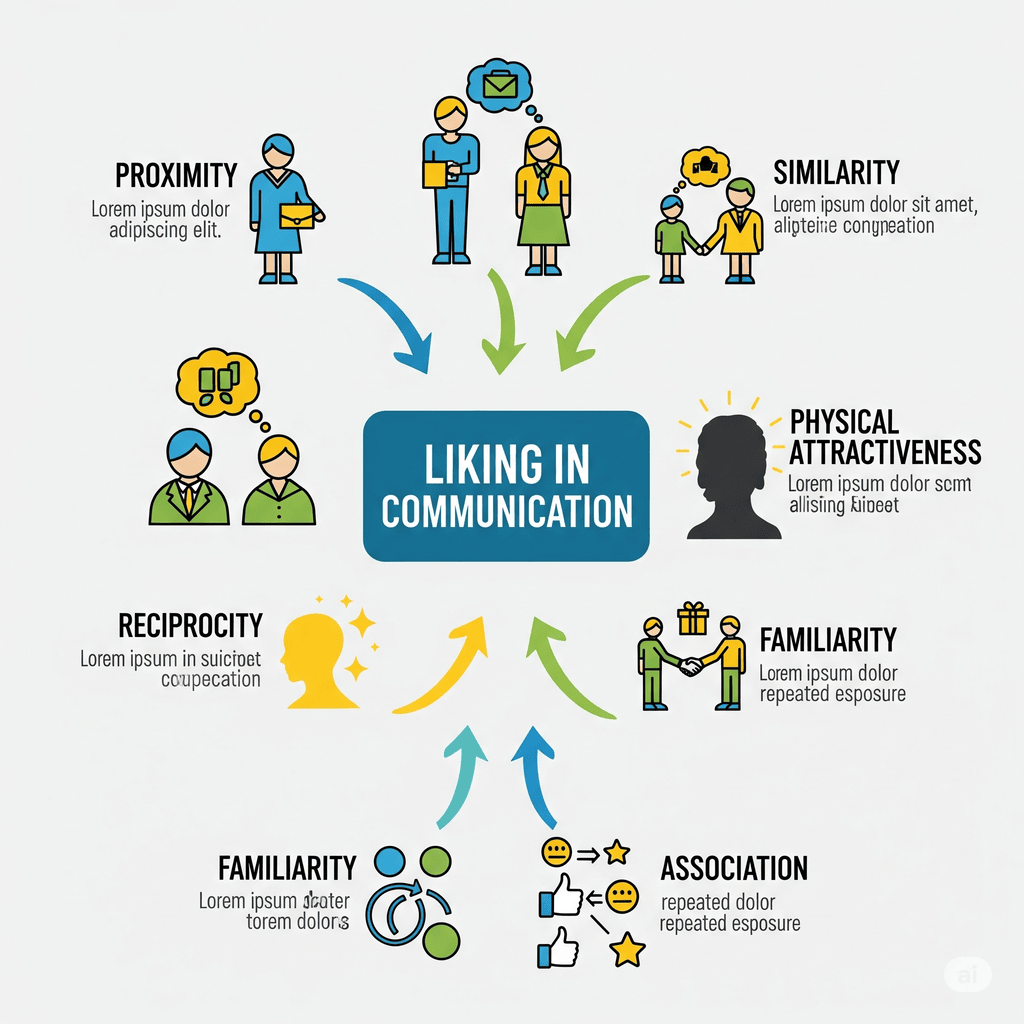
We are more likely to agree with or follow people we like. Feelings of liking can be triggered by an engaging personality, similarities, or even compliments. This is why testers or promoters who are friendly and caring are often more successful in changing people’s opinions.
Why is it important?
Liking makes it harder for us to refuse requests from people we like, even on an emotional level. Therefore, building good and pleasant relationships is very important in the persuasion process.
Read also : Mothers Who Can’t Love: A Healing Guide for Daughters by Susan Forward
Advanced techniques from this concept, including templates and practical examples, are part of the exclusive insights we have prepared at MentorBuku…
4. Authority
We tend to follow advice from those considered experts or who hold authority. For example, recommendations from a doctor or specialist are usually more trusted than those from laypeople. Authority comes with symbols such as titles, formal attire, or certificates.
Why is this effective?
Because humans, by evolution, place great trust in authority figures regarding safety, knowledge, and reliability. Building authority can be achieved through appearance, credibility, and convincing communication.

Advanced strategies for this principle, including templates and practical examples, are part of the exclusive insights we have prepared at MentorBuku…
5. Scarcity
The concept that something limited is more valuable. When we are told that stock is limited or time is running out, our emotional drive to act increases. This strategy is often used in “limited time” and “limited stock” offers.
Why is this important?
The perception of missing out makes us more likely to act impulsively, even though the reality is not always urgent. Awareness of this effect can help us remain calm and avoid being swayed by impulsive decisions.

However, there are three common mistakes that often occur when trying to take advantage of this principle, which we examine thoroughly in our summary…
The Fifth and Sixth Principles
In addition to the five main principles above, there are two others that are equally important:
6. Reciprocity
People usually feel obliged to return a favor. Giving something first, such as free samples or exclusive offers, can increase the likelihood that someone will reciprocate by buying or agreeing to a request.
7. Liking and Tagging (Liking & Authority)
A combination of liking and authority strengthens one’s influence. People are more likely to trust and follow those they like and consider competent.
Why Are These Principles So Important?
Understanding these principles gives us the power to make more rational decisions and not be easily influenced emotionally or manipulatively. Awareness of these mechanisms, for example, can help us avoid traps in dishonest marketing or communication.
Read also: The 5 Types of Wealth: A Transformative Guide to Design Your Dream Life by Sahil Bloom
Conclusion and Next Steps
Robert Cialdini’s book offers extremely valuable insights into how the human mind works and how we can use these principles ethically, as well as protect ourselves from manipulation. Mastering these principles not only helps us influence others, but also keeps us rational when making decisions.
So, what are your practical next steps to apply these principles?
You have just seen the foundation. These concepts are only the tip of the iceberg of what this book has to offer. How do you apply them step by step, avoid common pitfalls, and integrate them into your strategies? All the answers are inside.
Sign up and Get Free Access at MentorBuku Now!