Tag: communication strategies

  • Revealing the Secrets of Persuasion Principles: Increasing Influence and Rational Decision-Making. Influence: The Psychology of Persuasion by Robert B. Cialdini

    In today’s increasingly competitive and information-saturated world, understanding the fundamental principles that influence human behavior has become critically important, especially in the context of persuasion and decision-making. The book “Influence: The Psychology of Persuasion” by Robert Cialdini is one of the main references that delves deeply into the various psychological principles that can be used to influence others, both ethically and manipulatively. This article will guide you through the key concepts of the book, why these principles are highly relevant, and how you can wisely leverage these insights.


    What Are Principles of Persuasion?

    At its core, principles of persuasion are a set of scientifically proven psychological rules that influence human behavior and decisions. Robert Cialdini introduces six key principles that form the foundation of all psychological persuasion and manipulation techniques. These principles apply not only in marketing and sales, but also in everyday communication, negotiations, and even personal relationships.

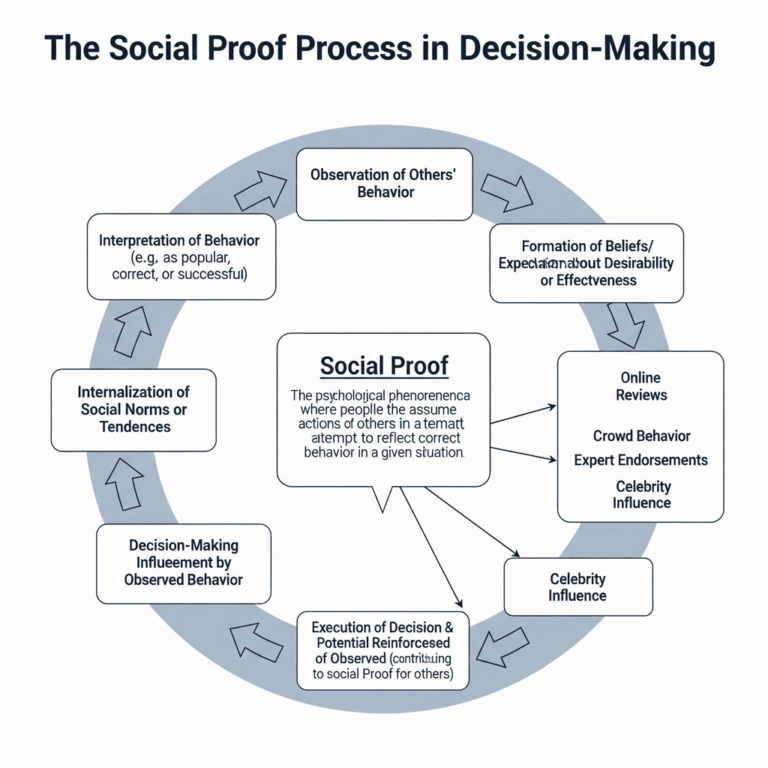
    1. Social Proof

    People tend to follow the actions of others, especially in uncertain situations. For example, when we see many people lining up to buy a particular product, we automatically perceive that product as popular and worth trying. This is based on the belief that if many people do something, it must be correct and safe.

    Why is this important?
    Social proof helps us make quick decisions without having to do in-depth research. However, there’s a risk if we rely too much on social proof without checking its quality.
    Read also : How to Win Every Argument: The Use and Abuse of Logic by Madsen Pirie

    However, there are three common mistakes that often occur when trying to use this principle, which are thoroughly examined in our summary in the next section…


    2. Consistency

    The desire to appear consistent and to live up to previous commitments is very strong. If someone has expressed a desire to do something, they tend to follow through in order to maintain their self-image and sense of consistency. For example, someone who has promised to exercise every day will find it harder to back out if they feel bound by that promise.

    Why is this principle effective?
    Because people do not want to appear dishonest or inconsistent in the eyes of others or themselves. This principle can be used to encourage people to make a small initial commitment, then gradually guide them toward larger actions.

    Read also : Mind Management, Not Time Management by David Kadav

    The complete framework for applying this principle is discussed in five specific steps in the book…


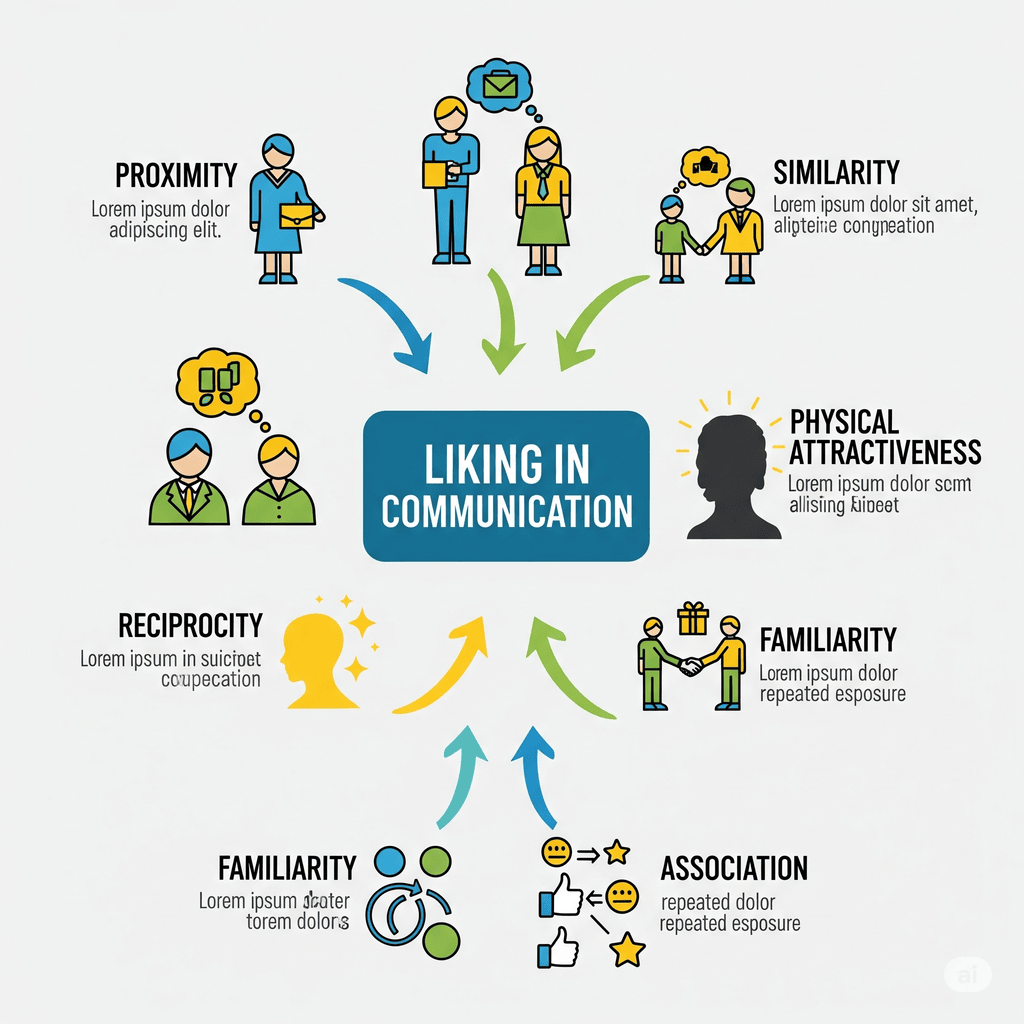
    3. Liking

    We are more likely to agree with or follow people we like. Feelings of liking can be triggered by an engaging personality, similarities, or even compliments. This is why testers or promoters who are friendly and caring are often more successful in changing people’s opinions.

    Why is it important?
    Liking makes it harder for us to refuse requests from people we like, even on an emotional level. Therefore, building good and pleasant relationships is very important in the persuasion process.
    Read also : Mothers Who Can’t Love: A Healing Guide for Daughters by Susan Forward

    Advanced techniques from this concept, including templates and practical examples, are part of the exclusive insights we have prepared at MentorBuku…


    4. Authority

    We tend to follow advice from those considered experts or who hold authority. For example, recommendations from a doctor or specialist are usually more trusted than those from laypeople. Authority comes with symbols such as titles, formal attire, or certificates.

    Why is this effective?
    Because humans, by evolution, place great trust in authority figures regarding safety, knowledge, and reliability. Building authority can be achieved through appearance, credibility, and convincing communication.

    Read also : Out of Control: Why Disciplining Your Child Doesn’t Work and What Will by Dr. Shefali Tsabary

    Advanced strategies for this principle, including templates and practical examples, are part of the exclusive insights we have prepared at MentorBuku…


    5. Scarcity

    The concept that something limited is more valuable. When we are told that stock is limited or time is running out, our emotional drive to act increases. This strategy is often used in “limited time” and “limited stock” offers.

    Why is this important?
    The perception of missing out makes us more likely to act impulsively, even though the reality is not always urgent. Awareness of this effect can help us remain calm and avoid being swayed by impulsive decisions.

    However, there are three common mistakes that often occur when trying to take advantage of this principle, which we examine thoroughly in our summary…


    The Fifth and Sixth Principles

    In addition to the five main principles above, there are two others that are equally important:

    6. Reciprocity

    People usually feel obliged to return a favor. Giving something first, such as free samples or exclusive offers, can increase the likelihood that someone will reciprocate by buying or agreeing to a request.

    7. Liking and Tagging (Liking & Authority)

    A combination of liking and authority strengthens one’s influence. People are more likely to trust and follow those they like and consider competent.


    Why Are These Principles So Important?

    Understanding these principles gives us the power to make more rational decisions and not be easily influenced emotionally or manipulatively. Awareness of these mechanisms, for example, can help us avoid traps in dishonest marketing or communication.

    Read also: The 5 Types of Wealth: A Transformative Guide to Design Your Dream Life by Sahil Bloom


    Conclusion and Next Steps

    Robert Cialdini’s book offers extremely valuable insights into how the human mind works and how we can use these principles ethically, as well as protect ourselves from manipulation. Mastering these principles not only helps us influence others, but also keeps us rational when making decisions.

    So, what are your practical next steps to apply these principles?


    You have just seen the foundation. These concepts are only the tip of the iceberg of what this book has to offer. How do you apply them step by step, avoid common pitfalls, and integrate them into your strategies? All the answers are inside.

    Sign up and Get Free Access at MentorBuku Now!

  • The Secrets of Dark Psychology: Exposed Manipulation Techniques. Manipulation: Dark Psychology to Manipulate and Control People by Arthur Horn

    In a modern world filled with competition and intense social interactions, understanding dark psychology and manipulation is becoming increasingly important. Many people are unaware that they are victims of manipulation techniques, while others want to know how to identify, or even master, these techniques so they won’t be easily deceived. The book “Manipulation: Dark Psychology to Manipulate and Control People” by Arthur Horn offers deep insights into the world of dark psychology, manipulation techniques, and the ethical boundaries that must be upheld by anyone seeking to understand or use this knowledge.
    This article will explore the foundations of dark psychology, the most commonly used manipulation techniques, the power of knowledge possessed by the reader, and the importance of responsibility and ethics in applying (or facing) manipulation techniques. However, remember, as Arthur Horn himself says, this knowledge is a double-edged sword that must be used wisely.


    Understanding the Foundations of Dark Psychology

    Many people think dark psychology is only related to evil or criminal acts. In reality, dark psychology is a branch of psychology that studies the ways in which someone can influence, control, or even manipulate others for specific purposes. This knowledge is not always used for negative ends; in the right context, it can even be used to protect oneself from exploitation or to help others escape manipulative situations.
    Dark psychology is rooted in a deep understanding of human motivation, emotions, and psychological weaknesses. Arthur Horn emphasizes that recognizing the basic patterns of dark psychology is the first step to protecting yourself from manipulation and gaining control over your social interactions. By recognizing subtle signals, you can distinguish between healthy communication and conversations laden with manipulative traps.
    However, this book not only reveals “what” dark psychology is, but also highlights why this understanding is so important in the modern era. As information spreads rapidly and people are easily exposed to external influences, the ability to detect and resist manipulation becomes a fundamental life skill.
    A comprehensive framework for understanding and dismantling the foundations of dark psychology, along with its distinctive characteristics, is systematically outlined in this book. You will find a thought structure that can be applied to recognize and shield yourself from manipulation techniques that are often invisible.

    Manipulation Techniques in Dark Psychology

    Manipulation techniques are at the heart of dark psychology. In his book, Arthur Horn explains various techniques used by skilled manipulators, ranging from subtle methods like gaslighting and love bombing to more overt techniques such as guilt-tripping or the silent treatment. Each technique has its own unique psychological basis and operates in a different way.
    For example, gaslighting is often used to make victims doubt their own perceptions or memories. This process usually occurs gradually, so the victim does not realize they are being manipulated. On the other hand, love bombing exploits the basic human need for love and recognition. The manipulator showers the victim with attention and praise, then suddenly withdraws, creating emotional dependence.
    Knowledge of these techniques enables you to be more vigilant in both personal and professional relationships. Furthermore, this understanding can help you identify manipulation patterns in the workplace, family, or even in digital interactions.
    However, it is important to remember that using these techniques without ethical consideration can cause serious psychological harm to victims. This book thoroughly examines not only how these techniques work, but also the psychological impact they cause.
    Advanced techniques and practical application examples of each manipulation method, along with effective survival strategies, are available exclusively in MentorBuku’s special summary.

    Read also : I Am Malala by Malala Yousafzai

    Everyday Examples and Applications

    Manipulation techniques are not limited to romantic relationships or work environments. Often, we encounter manipulation within family, friendships, and even on social media. A simple example is the use of guilt to force someone into making a decision they don’t actually want. Or, someone might use the silent treatment to make you feel guilty and eventually comply with their wishes.
    In the digital age, manipulation has become even more sophisticated. Social media algorithms can exploit psychological weaknesses to keep users constantly engaged and consuming certain content. Therefore, learning to recognize these manipulation patterns is crucial so you don’t easily get trapped in a harmful cycle.
    However, practical applications and in-depth case studies that you can use as real references for dealing with manipulation are available exclusively in MentorBuku’s complete materials.

    Read also : Weird Parenting Wins by Hillary Frank

    The Power of Knowledge & Ethical Responsibility

    Delving into dark psychology and manipulation techniques is like wielding a double-edged sword. This knowledge can be an invaluable tool for protecting yourself from negative influences, but it can also be extremely dangerous if used for the wrong purposes. For this reason, Arthur Horn emphasizes the importance of ethics and responsibility in applying these techniques.
    Anyone studying dark psychology must possess a strong moral compass. Using this knowledge to build healthy relationships, empower others, or protect oneself from social predators is a wise goal. However, if it is used to exploit other people’s weaknesses, the psychological and social consequences can be highly damaging.
    The author even explicitly states in his book that the information provided is not professional advice, but insights that should be used wisely and responsibly. This is the fundamental difference between those who become predatory manipulators and those who act as protectors for themselves and others.
    Discussions on how to build a moral compass, as well as best practices for using dark psychology knowledge ethically, are explored in depth in MentorBuku’s advanced modules.

    Risks and Limitations in Manipulation Practices

    Although manipulation techniques may seem tempting to some, the risks involved cannot be ignored. The psychological impact on victims can last a long time, and in some cases, damaged relationships may never be repaired. Furthermore, manipulators who are caught often lose the trust and reputation they have in the eyes of others.
    This book reminds us that there is no manipulation technique that is truly safe. Every action has consequences, both for the manipulator and the victim. Therefore, understanding the limitations and risks before attempting to apply dark psychology techniques is a very important step.
    There are three common mistakes that beginners often make when trying to use manipulation techniques, ranging from misreading the situation to failing to understand the victim’s motivation. These mistakes, along with ways to avoid them, are discussed in detail in MentorBuku’s exclusive summary.

    Read also: Principles: Life and Work by Ray Dalio


    Conclusion & Next Steps

    Understanding dark psychology and manipulation techniques is the first step to becoming a more resilient and emotionally intelligent individual. However, as Arthur Horn has warned, this knowledge must be used wisely and responsibly. By equipping yourself with these insights, you can not only protect yourself from manipulation but also help those around you.

    You’ve just seen the foundation. These concepts are only the tip of the iceberg of what this book has to offer. How do you apply them step by step, avoid common pitfalls, and integrate them into your strategy? All those answers are inside.

    Sign up and Get Free Access at MentorBuku Now!