Tag: Business Strategy

  • The Secret Mindset of Great CEOs: The Rarely Revealed Catalyst for Excellence. CEO Excellence: The Six Mindsets That Distinguish the Best Leaders from the Rest by Carolyn Dewar, Scott Keller, and Vikram Malhotra

    Introduction – Why the CEO Mindset Makes All the Difference

    What truly sets the world’s best CEOs apart from ordinary leaders? Many people assume the answer lies in strategy or networking. However, the reality behind the pinnacle of leadership is much deeper. In a rapidly changing world, a CEO’s mindset is the primary catalyst that can turn a company’s fortunes, drive innovation, and keep an organization relevant.
    The book “CEO Excellence: The Six Mindsets That Distinguish the Best Leaders from the Rest” uncovers the deepest layers of the mindset that shapes world-class CEOs. This article will highlight three key concepts—not just theories, but the proven foundations that shape great leaders. You will understand the “what” and the “why,” but the specifics of how to implement them can only be found if you dig deeper.
    Vision Ownership & The Power of One

    Why CEOs Must Hold a Firm Vision

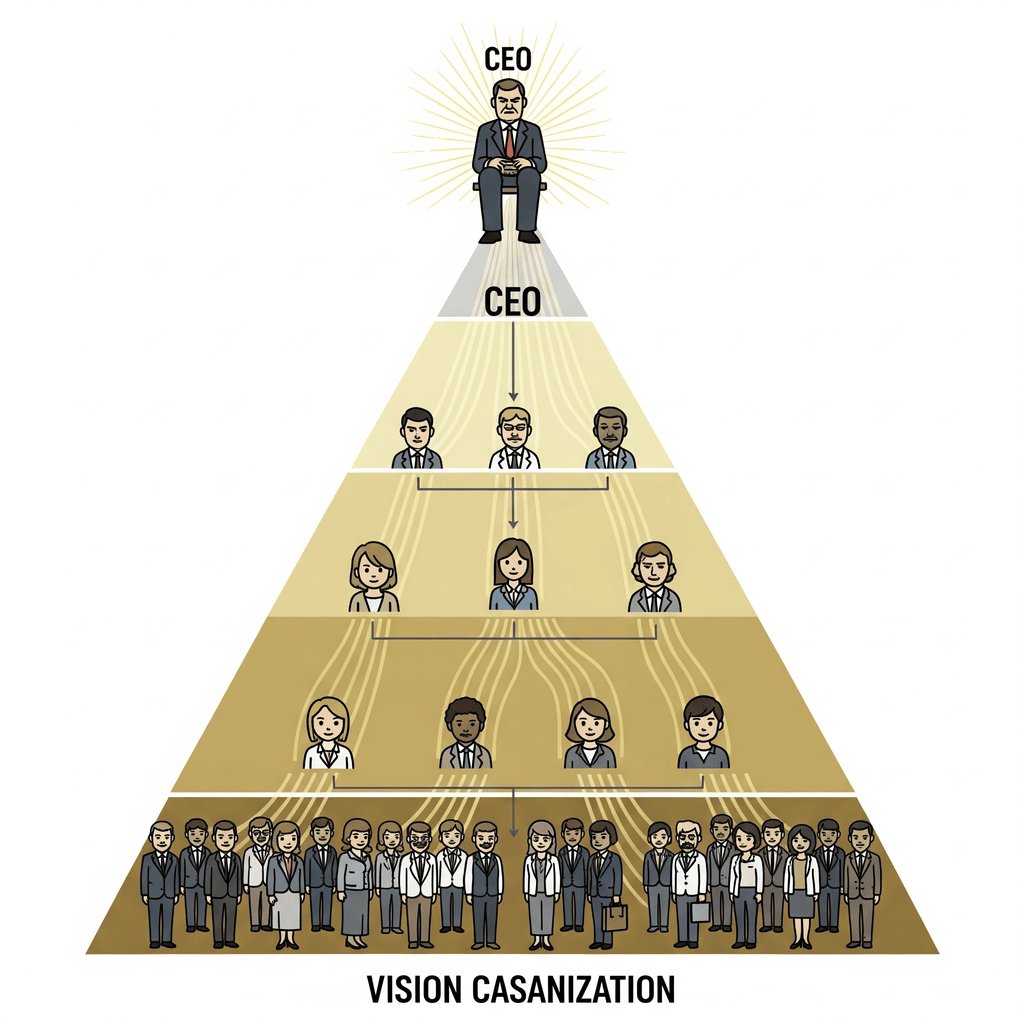
    A CEO is not just a strategy executor. They are the owner of the vision. The concept of “The Power of One” emphasizes how crucial it is for a CEO to have an authentic and bold vision, not just for themselves but for the entire organization. History has shown that a strong vision can focus the company’s energy and unite thousands of individuals under one overarching goal—even when strategies change, the vision remains a moral compass guiding every decision.
    Ajay Banga at Mastercard, for example, introduced the “kill cash” vision, focusing on the future of digital payments. This vision was not just a slogan, but became the catalyst for a major transformation within the company, despite initial resistance. With total vision ownership, a CEO not only inspires but also builds trust in the eyes of the board and shareholders, establishing themselves as a true agent of change.
    But how do world-class CEOs develop a truly authentic vision, and how do they effectively spread it throughout the organization?
    The complete framework for implementing vision ownership, including communication techniques and reality testing, is discussed in depth in this book…
    Strategic Resource Allocation

    The “Be Bold” Mindset and the Zero-Based Approach

    Many CEOs get stuck in routine, allocating resources based on old patterns without the courage to change the status quo. The “Be Bold” mindset demands that CEOs dare to make big decisions, even if they involve risk. One of the main tools is the zero-based approach—allocating resources from scratch, not just continuing last year’s patterns.
    This approach forces the organization to thoroughly examine which projects or divisions deserve full support and which ones should be trimmed or even discontinued. World-class CEOs, as studied in this book, are able to leverage this mindset not just for efficiency but to create new growth. They are unafraid to cut what is irrelevant while simultaneously making significant investments in future opportunities.
    Therefore, outstanding CEOs are not just budget managers, but architects of the future. However, how is this “bold” resource allocation decision-making process actually carried out?
    Advanced techniques from the “be bold” mindset, including zero-based analysis templates and real case studies, are part of the exclusive insights we have prepared at MentorBuku…

    Read also : Connection Parenting by Pam Leo


    Building Trust and Uniting the Team

    Solving for the Whole & Overcoming Resistance

    The best CEOs don’t just focus on small parts; they solve problems for the good of the entire organization. The concept of “solving for the whole” requires leaders to see the bigger picture, resolve conflicts of interest between divisions, and ensure every decision brings long-term benefits to the company as a whole.
    However, the path to synergy is rarely smooth. Resistance, inter-team rivalry, and turf wars often become obstacles. World-class CEOs use various techniques to build trust—with the board, management, and employees alike. They understand that trust is the main currency when driving massive strategic change.
    Interestingly, there are specific communication patterns and psychological approaches that top CEOs use to break down resistance. They also rely on performance milestones as a way to measure and maintain momentum during the transformation journey.
    However, there are three common mistakes often made when trying to unite the team and build trust, which are thoroughly analyzed in our summary…

    Read also : Men Are from Mars, Women Are from Venus by John Gray

    The Path to Excellence in an Era of Uncertainty

    Amid business volatility, the CEO’s mindset becomes the anchor that unites vision, strategy, and execution. The three key concepts—vision ownership, strategic resource allocation, and building trust—are the foundations that set great CEOs apart from mediocre ones. Yet, this is only the beginning. Each concept has deeper layers that you can only master through thorough exploration.

    Read also: Give and Take by Adam Grant


    You’ve just seen the foundation. These concepts are only the tip of the iceberg of what this book has to offer. How do you apply them step by step, avoid common pitfalls, and integrate them into your strategy? All those answers are inside.

    Sign up and Get Free Access at MentorBuku Now!
  • The Key Secrets of Zero to One: Winning Through Innovation and Reputation. Zero to One: Notes on Startups, or How to Build the Future, by Peter Thiel with Blake Masters


    In an increasingly competitive business world, successful companies do more than just offer products. They challenge old paradigms. Peter Thiel’s “Zero to One” provides a blueprint for how technology pioneers build lasting victories through a combination of radical innovation, a solid reputation, and precise distribution strategies.
    Whether you are a startup founder, a corporate professional, or an SME owner looking to grow, understanding the secrets of this legendary book will change how you view the battles in modern industry.
    10X Innovation and World-Transforming Technology
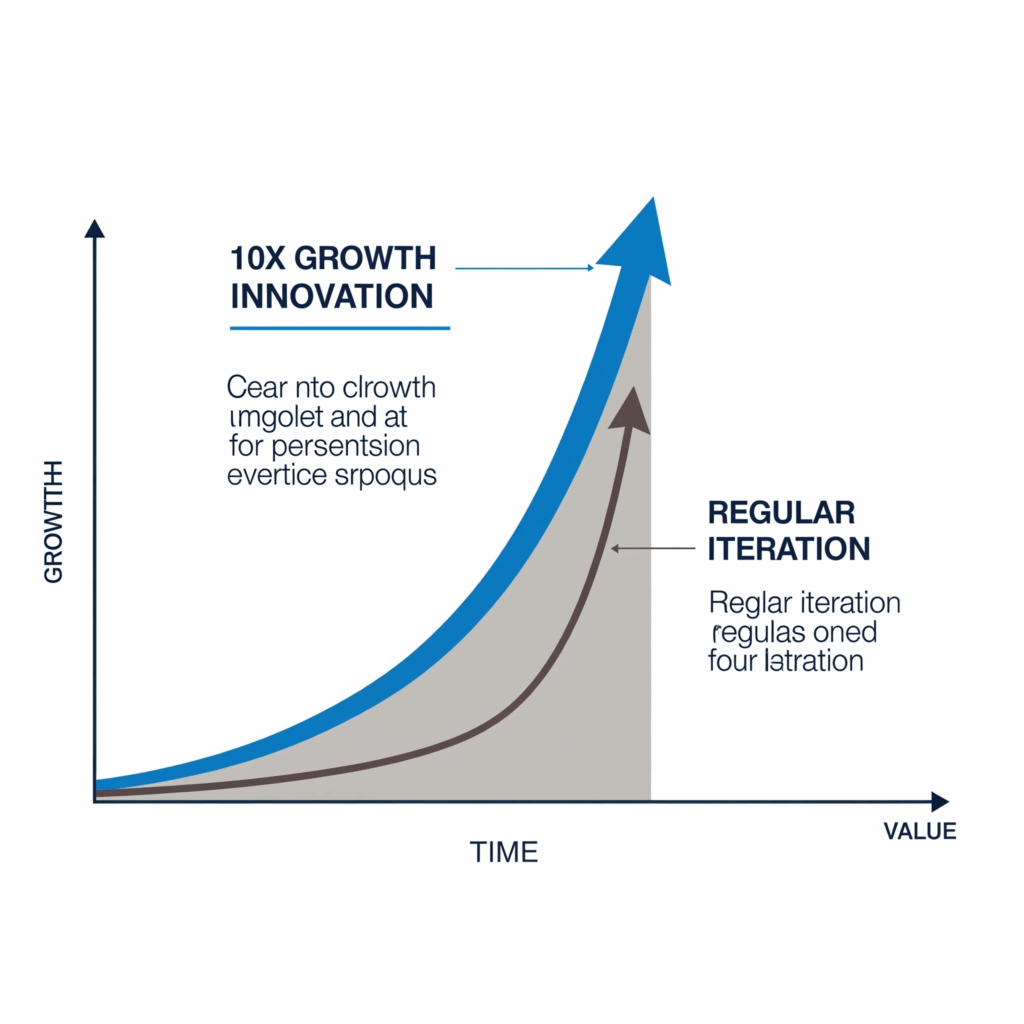
    One of the cornerstones of Peter Thiel’s thinking is the difference between creating something new (0 to 1) and copying something that already exists (1 to N). Winning companies are not just better. They are ten times better than the old solution, fundamentally shifting the industry’s landscape.
    Companies like Google were not just another search engine; they delivered a quantum leap through technology. In a fast-moving global economy, this kind of innovation is the catalyst for exponential growth, as well as a safeguard against disruption.
    But how does one detect “zero to one” innovation opportunities? Peter Thiel’s analytical framework helps you identify untouched market gaps. This complete framework is detailed in a special module of the original book—its detailed strategies are available in the MentorBuku premium summary.

    The Richness of Reputation: Building a Brand and a Lasting Narrative
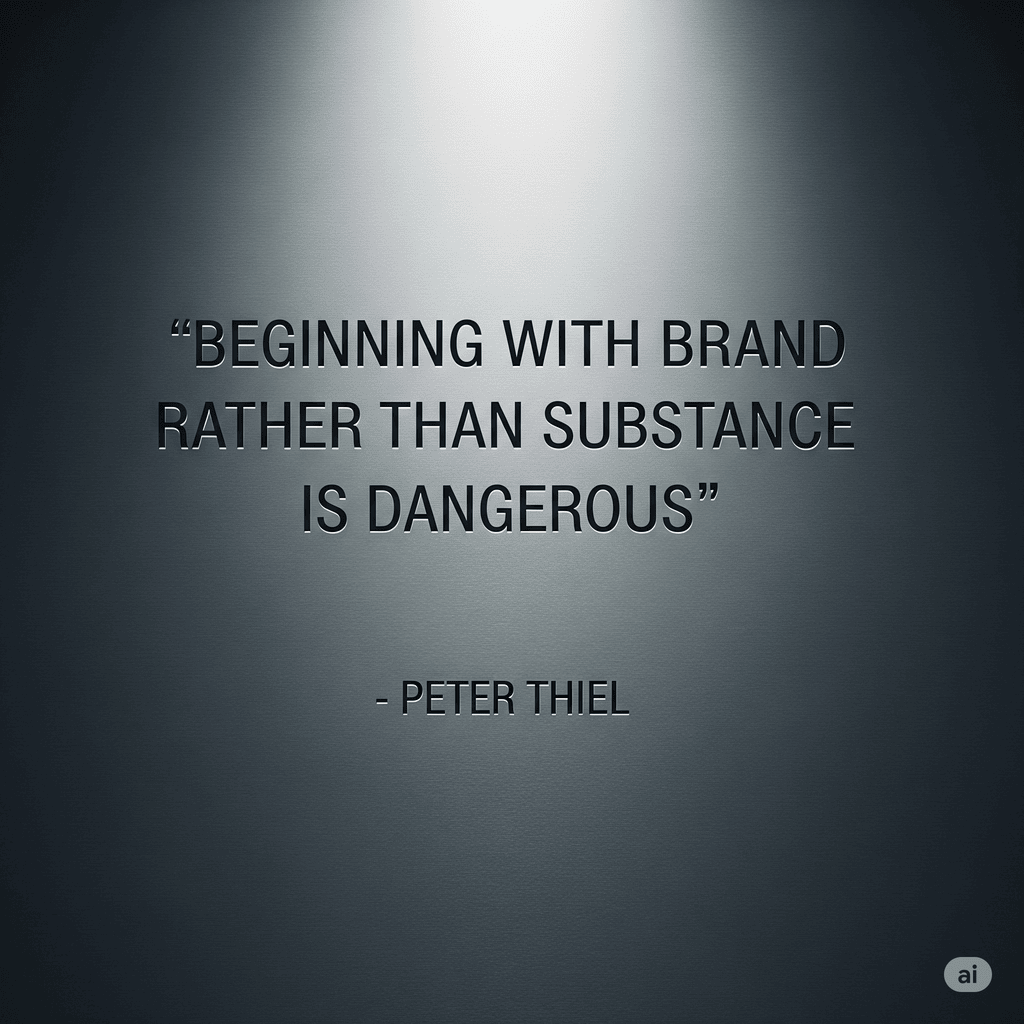
    Many founders underestimate the power of a brand in the digital age. In fact, a strong reputation can be the deciding factor—not only in attracting customers, but also in attracting investors and top talent. When someone searches for your company’s name on Google, what they find is often the primary assessment, even before they try your product [1].
    Thiel emphasizes that a positive narrative through PR (Public Relations) can be an initial asset that grows the ecosystem and accelerates adoption. Google, for example, once crafted a narrative of “we are not a monopoly, we are the promising underdog,” which worked to their advantage when facing regulation [1].
    How does one formulate an authentic narrative that reaches the media, customers, and prospective employees? The book Zero to One features the criteria and checklist for a winning narrative, which can be studied further at MentorBuku.

    Viral Distribution Strategy and the Important Role of PR
    Distribution is often considered an easy task, yet it is the differentiator between a failed product and a legendary one. Thiel acknowledges that viral distribution is not just a hope that “if the product is good, it will surely spread.” It requires an in-depth strategy, from engaging with the media to creating a network that gets your product talked about by influencers [1].
    In fact, according to Thiel, good PR can multiply the power of marketing. It’s not just the attention of end consumers that is captured, but also that of investors and great potential employees—all of whom are searching for a digital track record and a positive narrative. Building viral distribution is not solely about social media, but about a measured communication orchestra from the start.
    How does one create a solid distribution strategy from the beginning? What are the viral marketing techniques that have proven successful for top-tier technology companies? The framework details and examples can be found in this MentorBuku’s summary of distribution strategy.

    Read also : Common Core Math For Parents For Dummies with Videos Online by Christopher Danielson


    Read also : The Psychology of Price: How to use price to increase demand, profit and customer satisfaction by Leigh Caldwell

    Thinking Like a Monopoly: Unlocking the Path to Victory
    One of the most counterintuitive insights from Zero to One is that great founders are not afraid of becoming a “monopoly.” Not in the sense of unfairly stifling competition, but by creating value so dominant that competitors struggle to catch up. Google, for example, always portrayed itself as a “small fish in a big pond,” even though its position was, in reality, incredibly difficult to challenge [1].
    This “creative monopoly” paradigm pushes us to seek uniqueness and a business moat that is hard for competitors to replicate. Thiel differentiates great companies not by how well they fight competitors, but by their ability to create a category of their own.
    What are the parameters of a company poised to become a “creative monopoly”? How does one identify the intangible value that creates a new competitive landscape? Three specific strategies for building a sustainable business moat are broken down in detail in an exclusive MentorBuku session.

    Read also : Handbook of US Consumer Economics by Andrew Haughwout

    Conclusion
    Peter Thiel offers a world-class framework for building a winning company, starting from 10X innovation and reputation management, to a distribution strategy that is not accidental but meticulously designed. Behind it all, there is a “monopoly” mindset that unlocks limitless opportunities to create real change.
    Are you ready to take the next step and start applying these strategies in your business or career?

    This article is the spark. Imagine if one idea from this could change the way you work or think. Now, imagine what dozens of other strategic ideas could do. That is the power that awaits you.

    Sign Up and Get Free Access at MentorBuku Now!
  • The Fundamental Secrets of Building Wealth: A Strategic Paradigm from “Your Next Five Moves”. Your Next Five Moves: Master the Art of Business Strategy by Patrick Bet-David with Greg Dinkin

    Introduction: Unveiling the Layers of Strategy to Wealth

    Everyone dreams of building authentic wealth—one that can endure not just for a season, but form the foundation of the future. However, few understand that true success is not merely a matter of luck or hard work. It is the result of a series of meticulously planned strategic moves. This is the powerful message presented in the book “Your Next Five Moves: Master the Art of Business Strategy”.
    This article explores several fundamental concepts from the book—from discovering the path to wealth and knowing your own identity, to understanding the power of differentiation and a winner’s mindset. However, each of these concepts is just the surface. To master the ‘how’ and avoid common pitfalls, follow the explanation to the end.


    The Strategic Paradigm: Crafting the Path to Personal Wealth

    Lasting wealth is never accidental. According to Patrick Bet-David, the author of this book, “money is only a tool.” This means money is neutral—it will only take you as far as your vision and strategy carry it. However, it is not the money that determines the driver; you are the one controlling the direction Your Next Five Moves Master the Art of Business Strategy.pdf.

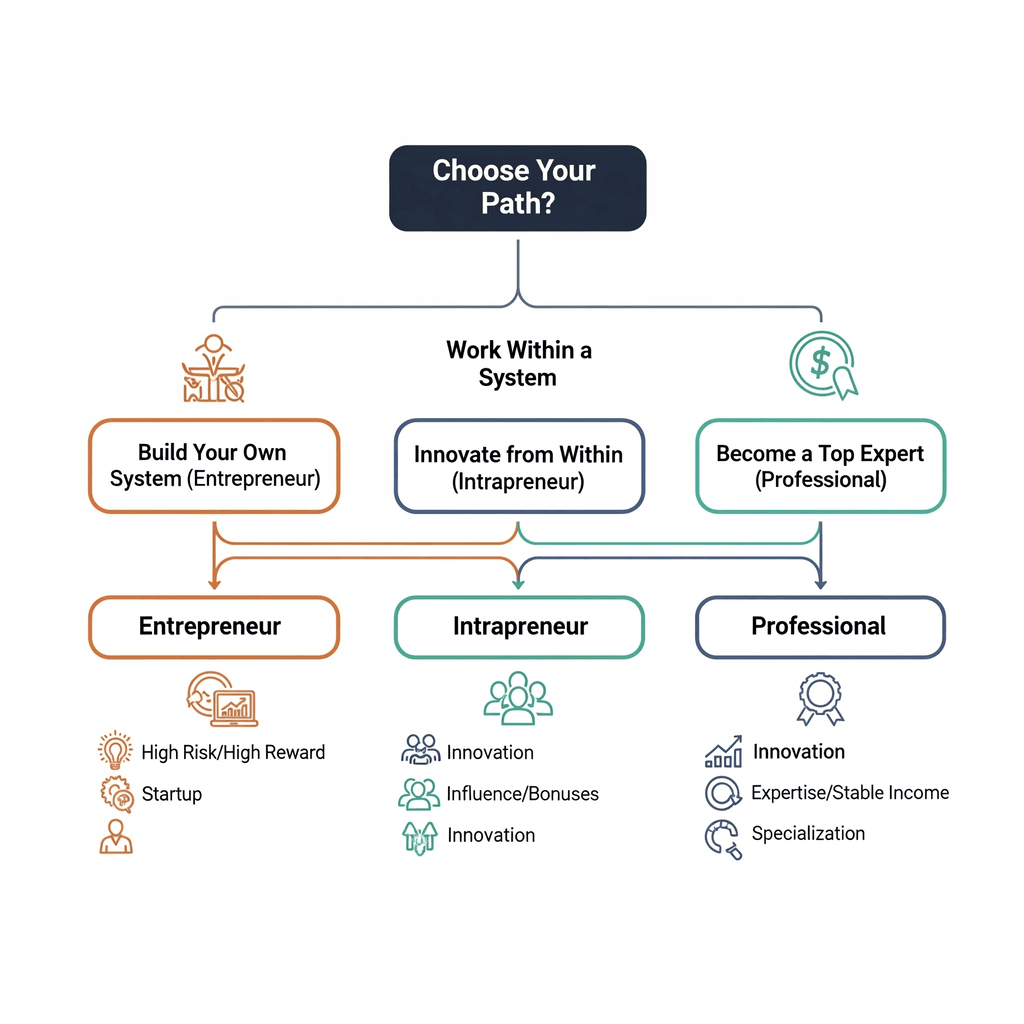
    The first point to understand is the importance of choosing a path to wealth based on your unique strengths. The book offers a “Personal Identity Audit” approach—a deep reflection to help each person understand what truly motivates them. Only by understanding who we are can we choose whether to become an entrepreneur, intrapreneur, or take on another role in building wealth—and each path has its own distinct strategy. Your Next Five Moves Master the Art of Business Strategy.pdf.
    But how exactly does one conduct an identity audit and translate it into the right path? The series of key questions and its in-depth process are outlined step-by-step in this book…


    Determining the Path: Entrepreneur vs. Intrapreneur

    Not everyone is cut out to be an entrepreneur, but every individual can find a value-creation path that aligns with their talents. The book emphasizes two main paths:

    1. Entrepreneur: The Risk-Taker and Game-Changer

    An entrepreneur breaks old boundaries and builds something new from scratch. They take on great risks, but also have the potential for the highest returns. However, the risks are not just in the form of capital—but also mental pressure and the acumen to spot opportunities. Your Next Five Moves Master the art of Business Strategy.pdf.

    2. Intrapreneur: The Innovation Leader Within an Organization

    On the other hand, an intrapreneur is a catalyst for change within a large company. They develop ideas, lead innovative projects, and build value, but within a framework that is relatively safer than that of an entrepreneur.

    Choosing this path cannot be done carelessly. You need to be aware of your strengths, weaknesses, and deepest motivations before making this big decision.
    A concrete framework for assessing your fit for the entrepreneur or intrapreneur role—including practical assessments and case studies—is presented in full in a special chapter of this book. The explanation of “blue ocean” and how to execute it is also dissected in detail in the exclusive summary on MentorBuku…


    The Power of Differentiation: Find Your Unique “Edge”

    In a world full of competition, only those who can stand out and be different will survive. Bet-David consistently emphasizes the importance of a “competitive edge”—something that sets you apart from the crowd and opens up a “blue ocean” or a new, untapped market. Your Next Five Moves Master the Art of Business Strategy.pdf.
    Differentiation is not just about creating a different product or service. It starts with knowing very clearly for whom you are offering value, what makes you relevant, and why people should choose you over others.
    Therefore, the step of finding this unique “edge” is often seen as simple, yet it is full of pitfalls. Many professionals fail to distinguish between a real competitive advantage and simply “following trends.”
    Market research techniques, the “Value Proposition” framework approach, as well as case studies on how large companies found their “blue oceans,” are all detailed in MentorBuku’s advanced guide. Three fatal mistakes in building differentiation are also thoroughly examined…


    The Mindset of a Great Player: Learning from the “Poker Master”

    There is an interesting story in this book about Eric Drache, one of the world’s greatest poker players. He was successful not only because of his playing skills, but also because he always chose opponents who made him grow—not just seeking easy wins. This analogy becomes an important lesson: in the business world, we are often required to make decisions by considering many steps ahead, like a chess grandmaster thinking about their “next five moves”. Your Next Five Moves Master the Art of Business Strategy.pdf.
    This kind of mindset distinguishes between ordinary businesspeople and those who can stay at the top of their game. You are required to:

    • Dare to make important decisions even when not all information is available
    • Always be prepared to face uncertainty
    • Choose challenges that sharpen your “mental muscle”

    However, how can one build this winner’s mindset? The book contains mental exercises, reflective reminders, and daily habits to hone strategic intuition. A template for developing “resilience” and real examples of decision mapping are available exclusively on MentorBuku…


    Strategy Integration: Creating a Personal Wealth Blueprint

    After understanding these major concepts, the main key is integration. You are faced with a critical question: how do you combine the personal identity audit, path determination (entrepreneur/intrapreneur), the search for a “competitive edge,” and a winner’s mindset into a single strategic blueprint?
    This series of integrative steps, which includes setting milestones, periodic reviews, and the technique of “reverse engineering” life goals, becomes an essential foundation for real transformation.
    A strategy integration framework, a self-evaluation checklist, and real blueprint examples are presented exclusively in the MentorBuku summary. You will also find cases of the biggest failures caused by a lack of “strategic integration,” and how to avoid them…


    Conclusion: Why You Shouldn’t Stop Here

    If you want to build wealth that is not only substantial but also resilient and true to your identity, the foundation you’ve learned in this article is just the tip of the iceberg. There are detailed secrets, practical techniques, and inspiring case studies that are intentionally not revealed here. You can get all of that if you are willing to dig deeper.

    Read also : Courage Is Calling by Ryan Holiday


    Read also : Do Epic Shit by Ankur Warikoo


    Read also : Energize Your Mind by Gaur Gopal Das

    You have just seen the foundation. These concepts are merely the tip of the iceberg of what this book offers. How do you apply them step by step, avoid common pitfalls, and integrate them into your strategy? All those answers are inside.
    Sign Up and Get Free Access on MentorBuku Now!

  • Your Fundamental Secret to Fastlane Wealth Success. The Millionaire Fastlane by MJ DeMarco

    Have you ever felt that achieving wealth is incredibly slow, even after years of hard work? Many people believe the path to financial freedom is to follow the conventional path: go to school, get a job, save money, retire, and hope their wealth multiplies in their old age. However, the great secret that often goes unnoticed is this: the conventional “Slowlane” mindset and strategy is precisely what makes your journey feel endless. Through “The Millionaire Fastlane,” MJ DeMarco shatters this old model and offers a new path that is far faster, proven, and challenges the status quo of the financial world. Let’s break down the three foundations of wealth success—with one common thread: you can take back control of your life’s direction if you dare to change the way you think and act. What are the key concepts?


    Why the Fastlane Mindset is Superior to the Slowlane

    Most people have unknowingly fallen into the “Slowlane trap”—following the old playbook: get a good education, work hard, climb the corporate ladder, and hope that savings and investments will slowly accumulate in their accounts. The reality is, the world has changed. A single economic crisis, technological shift, or even a pandemic can wipe out all conventional plans in an instant. This is DeMarco’s sharp critique: the Slowlane is merely an illusion of security. It forces you to trade your time, sacrifices, and freedom today for the promise of results in an uncertain future. On the other hand, the Fastlane concept puts you in the driver’s seat. It’s not about waiting for fate or a promotion, but about creating a wealth-generating machine that leverages quality and speed. The Fastlane is a bold mindset that challenges “normalcy” and pushes you to build assets that can grow and generate income automatically. What makes the Fastlane radically different?

    • Focus on Scale & Leverage: The Fastlane seeks ways for your time to have an exponential impact, not just trading time for money.
    • Control Your Own Destiny: You stop relying on your company, boss, or the global economy to determine your future.
    • Take Targeted Risks: The courage to try new things, learn quickly, and fail in a calculated manner becomes part of the Fastlane journey.
    • Produce Results Faster: While the Slowlane offers to “get rich later,” the Fastlane allows you to enjoy the results sooner without sacrificing your youth.

    With this shift in perspective, you will view opportunities, failure, and courage from a completely different standpoint. However, don’t be fooled: the detailed framework for building a Fastlane machine is laid out tactically and sequentially in the original book, covering everything from choosing a business model and mindset to execution—it’s not just a slogan or fleeting motivation. “The complete framework for building a scalable and future-proof Fastlane system is laid out step-by-step in the book The Millionaire Fastlane. A detailed summary and its practical steps can be found in more detail at MentorBuku…”

    The Conventional vs. Fastlane Wealth Roadmap

    Let’s clarify the illustration:

    • Slowlane: Work → Get Paid → Save → Invest → Retire → Enjoy the Results
    • Fastlane: Build assets → Leverage technology/systems → Multiplied income in a short period → Enjoy the results while still young and productive

    If you are just waiting for “time” to make you wealthy, you are letting externalities dictate your life. The Fastlane teaches you to create a system that enables income independent of external factors.

    Self-Education: The Key to Adaptation & Income Growth

    Many people assume the learning process ends with a diploma in hand. However, DeMarco emphasizes that formal education is just basic training. The world changes too quickly if you rely on static knowledge. Innovation, technology, and new opportunities are constantly emerging—and only those who actively seek new knowledge can capitalize on them.
    MJ DeMarco himself is a real-life example: when he started building his internet media business, he didn’t know how to create a website, design, manage servers, or even do copywriting. Was that an obstacle? No. Because self-education is the lifeblood of Fastlaners. He learned, experimented, and delved into various resources until he mastered the required skills [1].
    Some important habits for becoming a “great self-learner”:

    • Not being afraid to fail when learning new things
    • Utilizing online resources, books, forums, and productive communities
    • Cultivating a “can-do” mindset
    • Regularly updating skills to stay relevant

    It’s important to remember: postponing learning will only slow down your progress. Deliberate and self-directed education is the true wealth accelerator, not just a certification without added value.
    “However, there are three common mistakes that often occur when starting self-education, from choosing the wrong learning resources to failing to maintain consistency. All strategies to overcome them are covered in MentorBuku’s exclusive summary…”

    Read also : CEO Excellence by Carolyn Dewar

    How to Become a Great Self-Learner and Win in the Digital Era

    How can you get started? The secret lies in the balance between curiosity and discipline. Start with a small project, like building your own portfolio website, and document your learning steps and mistakes along the way. If you encounter obstacles, don’t be quick to give up.
    “Excuses are like a plastic bag ready to smother your dreams, but only if you stick your head in the bag. Instead, my vision didn’t end with ‘I don’t know how’, but started there.” Take inspiration from this quote: The journey to success begins precisely at the point of “not knowing how” [1].
    “Advanced techniques for building self-learning skills, as well as a list of the most effective online learning resources, are all reviewed step-by-step in MentorBuku’s award-winning summary…”


    Customer Service: The X-Factor for Boosting Reputation and Profit

    One expensive lesson in the business world: a great product can be ruined by poor service. DeMarco’s personal experience at a luxury hotel in Italy serves as a real-life illustration. Although the hotel’s architecture was magnificent, the service was chaotic: unresponsive employees, unkept promises, and convoluted processes. Instead of fond memories, all that remained was disappointment.
    This is where the role of customer service lies. More than just fulfilling promises, “living” customer service provides an unforgettable experience and maintains loyalty. In fact, a single incident of poor service can render the investment in product quality useless.
    There are two important lessons:

    1. The service philosophy must be embodied by all employees, not just be a slogan on the wall.
    2. No matter how good your product is, its reputation can still be ruined by a poor customer experience.

    Improving customer service means designing every interaction to reflect your brand’s vision, as well as building strong communication between management and frontline staff.
    “Concrete solutions and templates for building world-class customer service—including a ready-to-use checklist—are available exclusively as part of MentorBuku’s insights…”

    Read also : The Power of Positive Thinking by Dr. Norman Vincent Peale

    Case Study: A Costly Failure Due to Poor Service

    Have you ever been disappointed by a business that was supposed to be “premium”? Perhaps you ended up remembering the bad experience more than the product’s grandeur. Unfortunately, a damaged reputation is difficult to restore. Bad service can spread even faster, especially in the age of social media.
    World-class businesses always start with the mindset: “Every team member is a service ambassador.” The company’s vision is not just communicated, but also translated into action on the ground by every employee.
    “A list of real case studies and recruitment techniques for the best customer service teams are dissected in detail in the book and MentorBuku’s Premium summary…”


    Conclusion: Starting Your Fastlane Journey

    We have dissected three keys to transformation according to “The Millionaire Fastlane”: (1) shifting your mindset and strategy from the Slowlane to the Fastlane, (2) actively building knowledge through self-education, and (3) protecting your business’s reputation through world-class customer service. These three are not just theories—they are foundations that have been tested by modern successful individuals.
    The next step is the courage to initiate change. Are you ready to challenge the mainstream, actively learn new things, and improve all aspects of service in your business or career? It all starts with one small decision today: changing your mindset and taking immediate action.
    However, don’t stop here. Technical guides, practical checklists, and a breakdown of fatal mistakes when implementing the Fastlane concept—all await you at MentorBuku.


    You’ve just seen the foundation. These concepts are merely the tip of the iceberg of what this book offers. How do you apply them step-by-step, avoid common pitfalls, and integrate them into your strategy? All the answers are inside.

    Register and Get Free Access at MentorBuku Now!
  • Organizational Transformation Strategies: The Secrets of Sustainable Success from Toyota and Lean Startup. The Lean Startup by Eric Ries


    Understanding the Essence of Organizational Transformation

    In today’s competitive business world, a company’s success is determined not only by the products or services it offers but also by its ability to adapt and innovate continuously. Major companies like Toyota have shown that organizations capable of integrating learning and innovation processes can survive and thrive for decades. Their philosophy is not merely about mass production, but about a resilient culture of learning and adaptation.

    Read also : The Richest Man in Babylon by George S Clason


    Key Principle: Learning Culture and Organizational Development

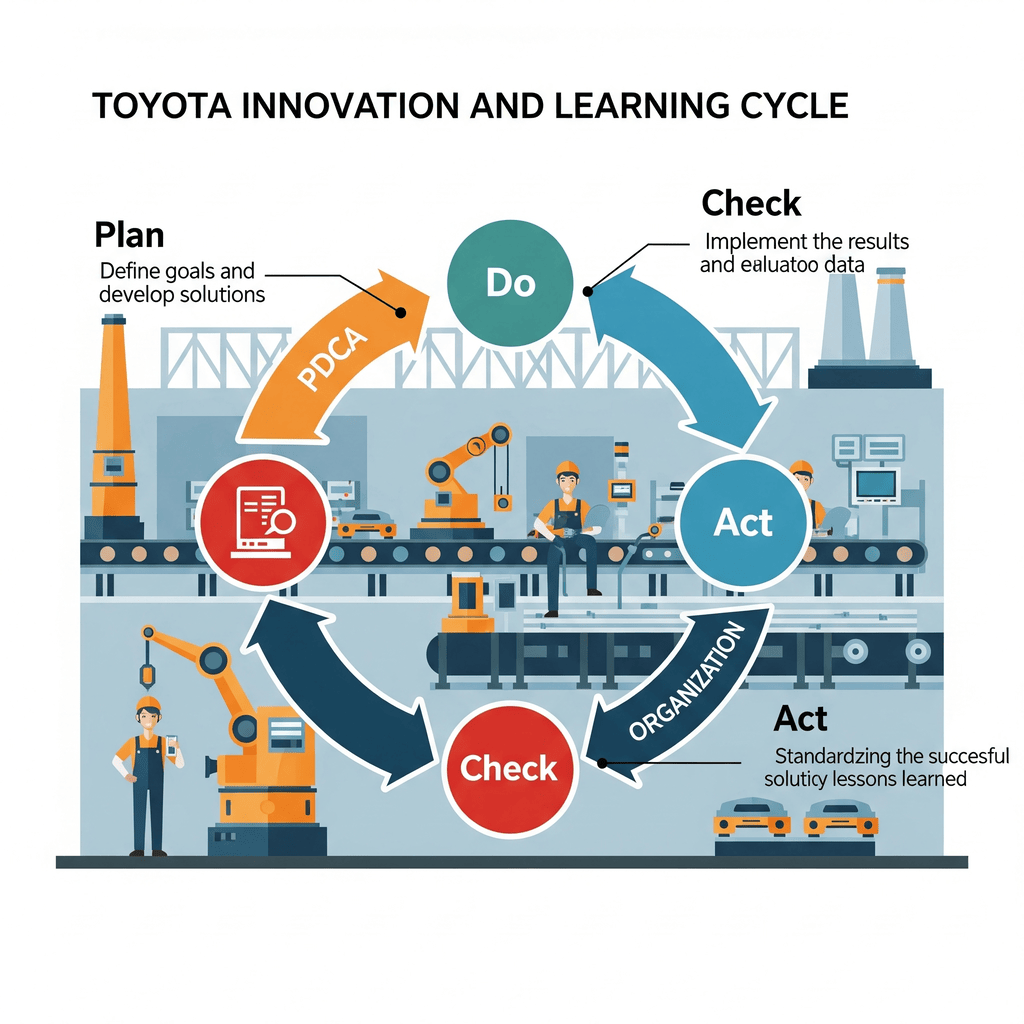
    According to The Lean Startup, long-term success relies heavily on an organization’s ability to build a culture of continuous innovation and learning. Toyota, for example, developed an extreme learning organization that can unleash employee creativity, generate consistent growth, and continually produce innovative products.

    Why is a learning culture important?

    Because in this disruptive era, companies must be able to quickly anticipate changes in the market, technology, and customer needs. If they fail, they will fall behind and eventually lose competitiveness. Toyota has proven that success does not come solely from the products, but from the organization’s ability to build and maintain processes of innovation and learning.

    A complete framework for building this culture is discussed in five specific steps in the book…


    Strategies for Overcoming Commoditization Challenges

    Over time, products that were once unique and innovative tend to undergo commoditization—becoming items that are considered ordinary and replaceable. During this phase, the role of operational excellence becomes vital. Toyota, for instance, always integrates continuous improvement lines and process innovation to reduce costs and increase efficiency.

    3 Common Mistakes When Managing Transformation

    However, many companies make mistakes such as focusing too much on cost without paying attention to innovation, or failing to fully integrate a culture of learning. These mistakes can be avoided by understanding the key strategies from The Lean Startup that are specifically designed to build resilient and innovative organizations.
    Advanced techniques, including templates and practical examples, are part of the exclusive insights we’ve prepared at MentorBuku…


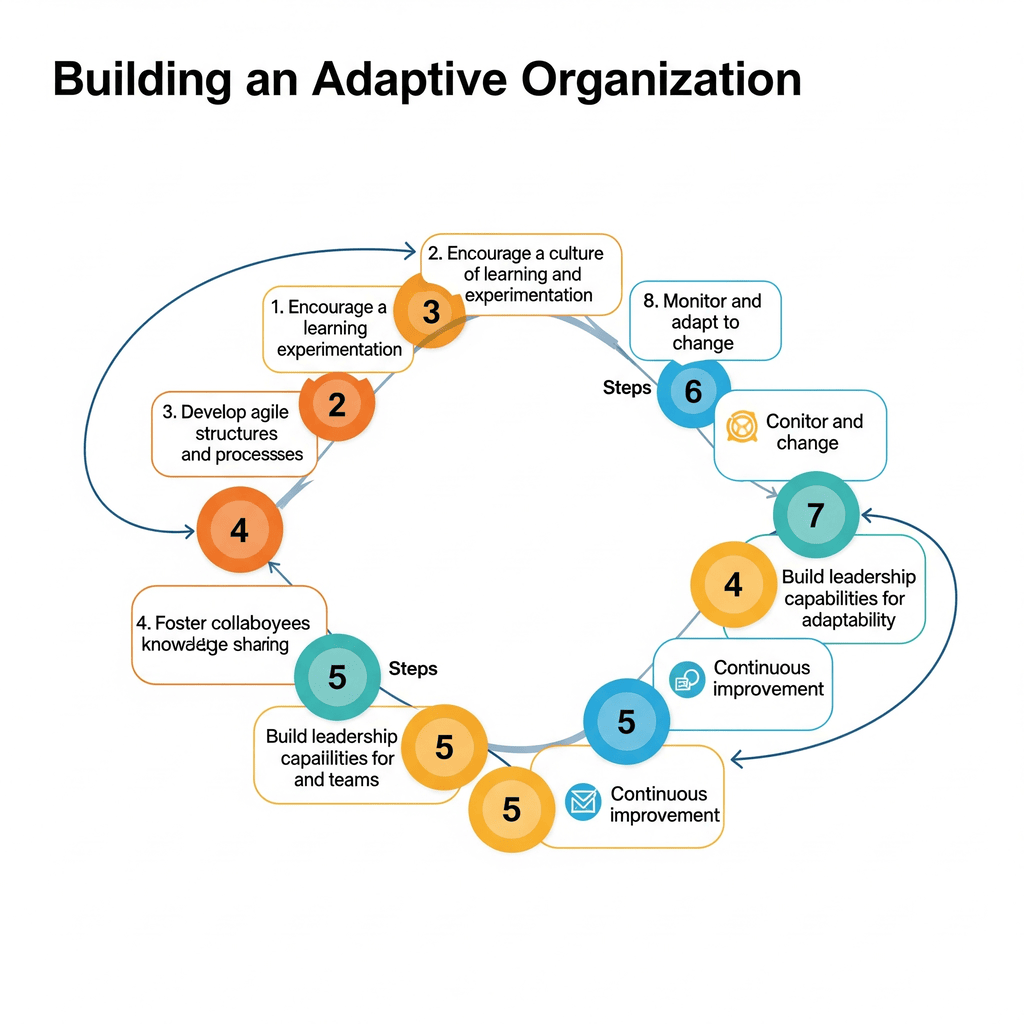
    Building an Adaptive Organization: Implementation Steps

    How can companies replicate Toyota’s success and adopt lean principles? Here are 5 key steps you can implement:

    Read also : The Millionaire Fastlane by MJ Demarco


    Conclusion: The Key to Sustainable Success in the Disruptive Era

    Organizations like Toyota teach us that the main strength lies in a consistent culture of learning and innovation. When products become ordinary, agility and adaptability are the primary determinants of success. If you want to experience the benefits firsthand, start building a learning culture in your company now.

    Read also : The Obstacle Is the Way by Ryan Holiday


    Let’s Build a Resilient Organization Now!

    This article is just the beginning of your journey to create an adaptive and innovative organization. Imagine if a single idea from here could change the way you work or think. Now, imagine what dozens of other strategic ideas could do. That is the power awaiting you.

    Sign up and Get Free Access to MentorBuku Now!