Blog

  • Fundamental Secret: The Power of the Selflessness Paradigm That Can Change Your Life. Energize Your Mind by Gaur Gopal Das

    Why “Selflessness” Has Become the Catalyst for a Productive Life

    Have you ever wondered why some people seem so happy and productive, even when they seem to give more than they receive? The answer may lie in a single word we often overlook: selflessness.

    In an increasingly individualistic world, the book “Energize Your Mind” by Gaur Gopal Das offers a contrasting and revolutionary perspective. This book doesn’t just discuss motivation or time management techniques. Instead, it highlights how “giving” selflessly—in terms of time, energy, or thought—can become an unlimited source of mental energy.

    This article will review three key concepts from the book:

    1. Selflessness as the foundation of a meaningful life
    2. The “Chain of Kindness” principle and its impact on productivity
    3. The “Beyond Yourself” mindset as a catalyst for true happiness

    However, keep in mind: this discussion is only a “gateway” to knowledge. The concrete methods for applying these concepts can only be found at MentorBuku.


    Selflessness: The Foundation of a Meaningful Life

    Have you ever heard the saying, “A tree does not eat its own fruit, a river does not drink its own water”? Gaur Gopal Das quotes this ancient philosophy, affirming that great beings—like trees, rivers, and clouds—benefit others selflessly. This philosophy forms the foundation of “selflessness” as a mindset that we should adopt in modern life.

    Why is this important?
    Many modern studies show that giving—whether materially or emotionally—triggers the release of happiness hormones and reduces stress. But beyond that, selflessness also creates stronger mental resilience. When you stop focusing on yourself and start thinking about others, you actually activate a new energy center in your life.

    Furthermore, selflessness acts as a psychological “safety net” when facing challenges. When you give, you build strong social connections and expand the meaning of life. This is a principle that has been proven for thousands of years and is now relevant again in the fast-paced digital era.

    A complete framework for practicing selflessness in daily routines—without feeling exploited—is discussed systematically in this book and has been summarized exclusively at MentorBuku.

    See also: The Magic by Rhonda Byrne


    The Chain of Kindness Principle: Small, But Highly Impactful

    Next, “Energize Your Mind” introduces the principle of the “Chain of Kindness.” This philosophy asserts that one small act can create an unexpected positive domino effect. In the real-life story of Kamalamma, for example, a simple action she took became a national inspiration and changed many lives.

    Why is this concept so powerful? Because with the chain of kindness, you’re not just changing one person’s life, but building an ever-growing ecosystem of goodness. Every positive action you take can inspire others to do the same, creating a never-ending cycle of virtue.

    In the workplace, this principle can transform organizational culture. In personal relationships, it strengthens trust and loyalty. Even in everyday life, the chain of kindness increases gratitude and enriches the soul.

    However, there are three common mistakes often made when trying to build a chain of kindness, from wrong motivations to misguided social expectations. An in-depth analysis along with practical solutions can only be found in our summary at MentorBuku.

    See also: Great CEOs Are Lazy by Jim Schleckser


    The “Beyond Yourself” Mindset: Catalyst for True Happiness

    In another section, this book highlights the importance of developing a “Beyond Yourself” mindset—thinking and acting beyond personal interests. Many people are trapped in the “what’s in it for me” mindset, unknowingly closing the door to true happiness.

    Adopting this mindset changes the way you view challenges and opportunities. You no longer fear failure, because your main goal is contribution, not just personal achievement. This also makes you more resilient to social pressure and external expectations.

    In fact, positive psychology research shows that individuals focused on contribution have better mental health and a lower risk of burnout. They are more adaptive, creative, and happy.

    Advanced techniques for developing a “Beyond Yourself” mindset, including self-reflection templates and practical examples in everyday life, are part of the exclusive insights we offer at MentorBuku.

    See also: Stoicism for Inner Peace by Fleur Marie Vaz


    Spiritual Lessons from “Energize Your Mind”

    This book also touches on the spiritual dimension of selflessness. In ancient Indian teachings, giving selflessly is considered the highest form of devotion and the path to a more meaningful life. The author even thanks his spiritual teachers, signifying that learning to give is a lifelong journey.

    This spiritual spirit opens up new horizons regarding the meaning of success. It’s not just about material achievement, but about accomplishments that benefit as many people as possible. This perspective is highly relevant today, as the meaning of happiness is shifting from “having” to “sharing.”

    How can you integrate this spiritual dimension into your modern routine? The answer, complete with practical steps and self-reflection, can be found on the MentorBuku platform.

    Why You Should Adopt the Selflessness Paradigm Now

    Practicing selflessness does not mean sacrificing yourself without limits; rather, it means prioritizing contribution. In a highly competitive world, it is those who dare to give and share who become the true winners—both personally and professionally.

    This paradigm has stood the test of time. It is the foundation for great leaders, innovators, and individuals who lead meaningful lives. Now is the time for you to begin your journey of change with the first step: understanding and internalizing the concept of selflessness.

    However, understanding the “what” and “why” is only the beginning. You need practical strategies, real case studies, and step-by-step guidance to truly transform your life.

    Conclusion: Transformation Starts Here

    You have just seen the foundation. These concepts are only the tip of the iceberg of what this book has to offer. How do you apply them step by step, avoid common pitfalls, and integrate them into your strategy? All the answers are inside.
    [Sign Up and Get Free Access at MentorBuku]
  • The Secrets of Dark Psychology: Exposed Manipulation Techniques. Manipulation: Dark Psychology to Manipulate and Control People by Arthur Horn

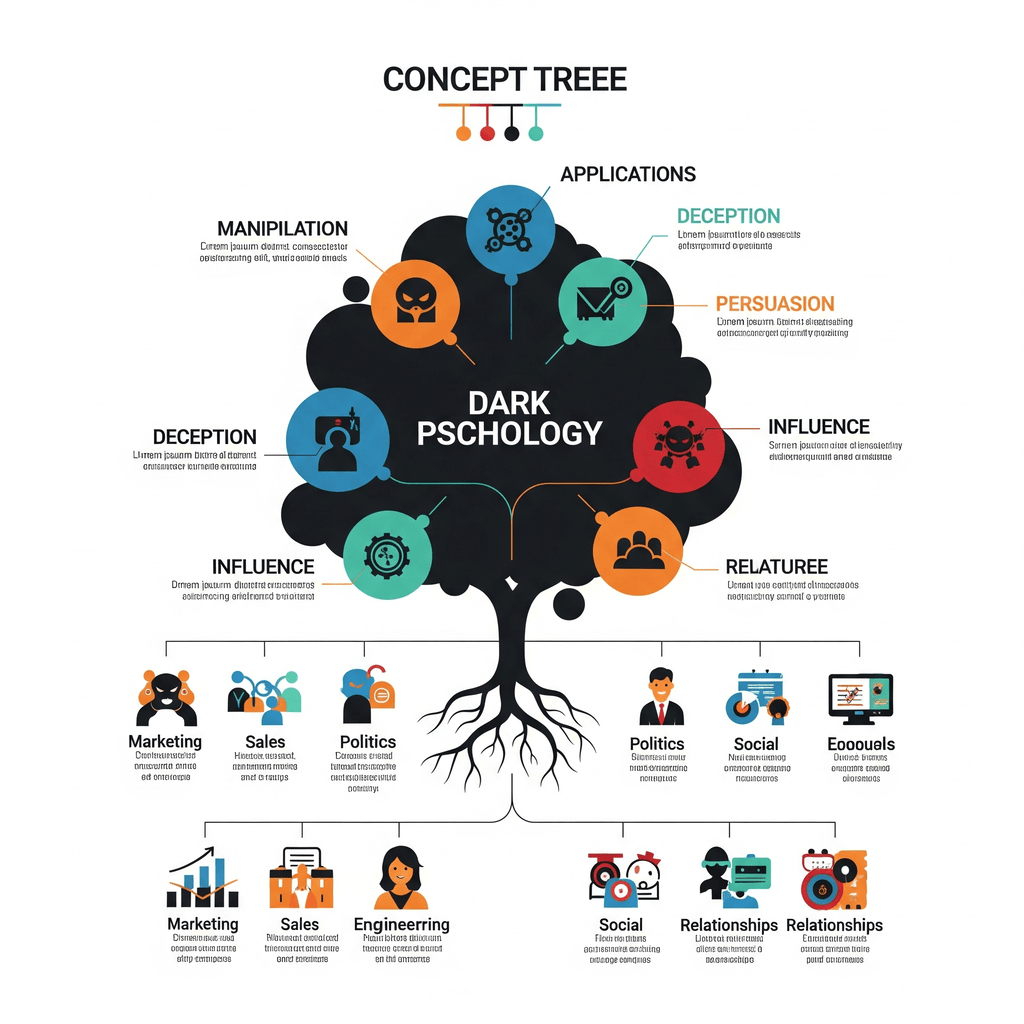
    In a modern world filled with competition and intense social interactions, understanding dark psychology and manipulation is becoming increasingly important. Many people are unaware that they are victims of manipulation techniques, while others want to know how to identify, or even master, these techniques so they won’t be easily deceived. The book “Manipulation: Dark Psychology to Manipulate and Control People” by Arthur Horn offers deep insights into the world of dark psychology, manipulation techniques, and the ethical boundaries that must be upheld by anyone seeking to understand or use this knowledge.
    This article will explore the foundations of dark psychology, the most commonly used manipulation techniques, the power of knowledge possessed by the reader, and the importance of responsibility and ethics in applying (or facing) manipulation techniques. However, remember, as Arthur Horn himself says, this knowledge is a double-edged sword that must be used wisely.


    Understanding the Foundations of Dark Psychology

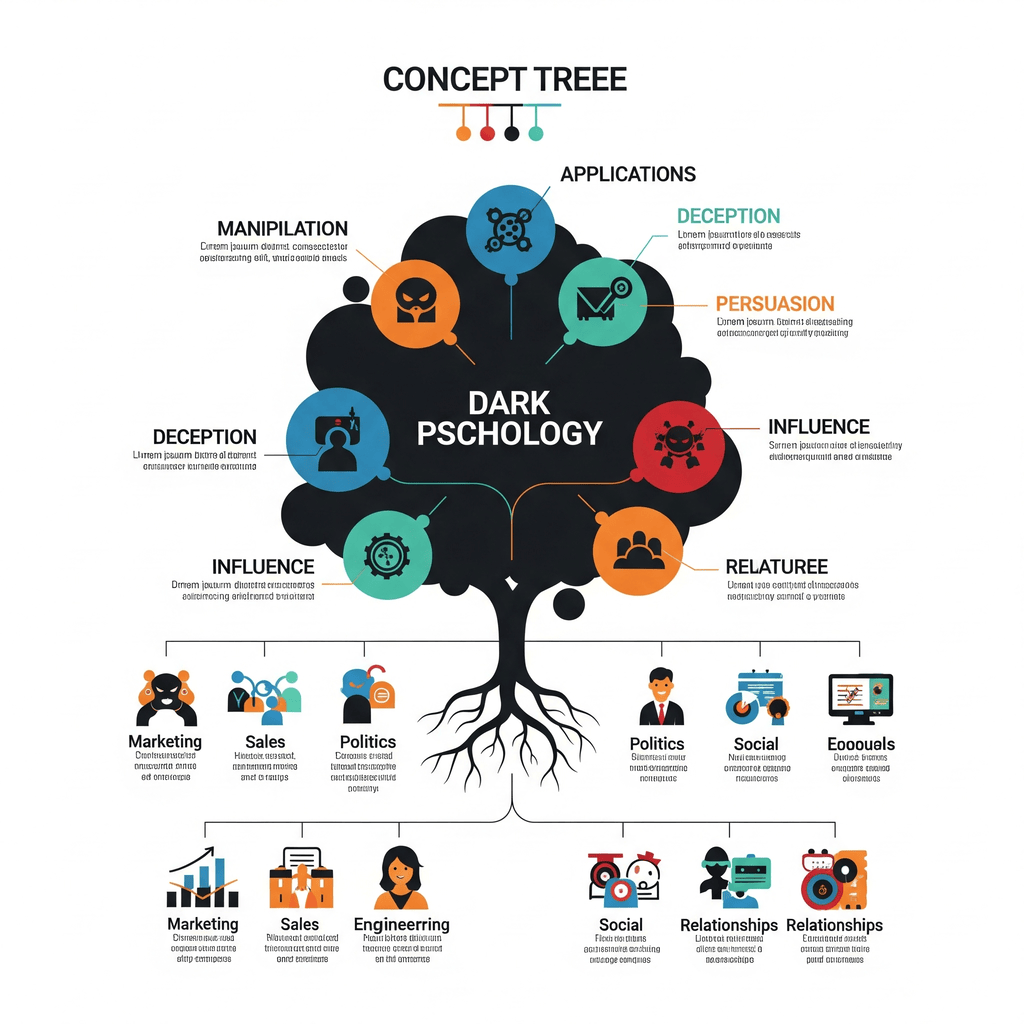
    Many people think dark psychology is only related to evil or criminal acts. In reality, dark psychology is a branch of psychology that studies the ways in which someone can influence, control, or even manipulate others for specific purposes. This knowledge is not always used for negative ends; in the right context, it can even be used to protect oneself from exploitation or to help others escape manipulative situations.
    Dark psychology is rooted in a deep understanding of human motivation, emotions, and psychological weaknesses. Arthur Horn emphasizes that recognizing the basic patterns of dark psychology is the first step to protecting yourself from manipulation and gaining control over your social interactions. By recognizing subtle signals, you can distinguish between healthy communication and conversations laden with manipulative traps.
    However, this book not only reveals “what” dark psychology is, but also highlights why this understanding is so important in the modern era. As information spreads rapidly and people are easily exposed to external influences, the ability to detect and resist manipulation becomes a fundamental life skill.
    A comprehensive framework for understanding and dismantling the foundations of dark psychology, along with its distinctive characteristics, is systematically outlined in this book. You will find a thought structure that can be applied to recognize and shield yourself from manipulation techniques that are often invisible.

    Manipulation Techniques in Dark Psychology

    Manipulation techniques are at the heart of dark psychology. In his book, Arthur Horn explains various techniques used by skilled manipulators, ranging from subtle methods like gaslighting and love bombing to more overt techniques such as guilt-tripping or the silent treatment. Each technique has its own unique psychological basis and operates in a different way.
    For example, gaslighting is often used to make victims doubt their own perceptions or memories. This process usually occurs gradually, so the victim does not realize they are being manipulated. On the other hand, love bombing exploits the basic human need for love and recognition. The manipulator showers the victim with attention and praise, then suddenly withdraws, creating emotional dependence.
    Knowledge of these techniques enables you to be more vigilant in both personal and professional relationships. Furthermore, this understanding can help you identify manipulation patterns in the workplace, family, or even in digital interactions.
    However, it is important to remember that using these techniques without ethical consideration can cause serious psychological harm to victims. This book thoroughly examines not only how these techniques work, but also the psychological impact they cause.
    Advanced techniques and practical application examples of each manipulation method, along with effective survival strategies, are available exclusively in MentorBuku’s special summary.

    Read also : I Am Malala by Malala Yousafzai

    Everyday Examples and Applications

    Manipulation techniques are not limited to romantic relationships or work environments. Often, we encounter manipulation within family, friendships, and even on social media. A simple example is the use of guilt to force someone into making a decision they don’t actually want. Or, someone might use the silent treatment to make you feel guilty and eventually comply with their wishes.
    In the digital age, manipulation has become even more sophisticated. Social media algorithms can exploit psychological weaknesses to keep users constantly engaged and consuming certain content. Therefore, learning to recognize these manipulation patterns is crucial so you don’t easily get trapped in a harmful cycle.
    However, practical applications and in-depth case studies that you can use as real references for dealing with manipulation are available exclusively in MentorBuku’s complete materials.

    Read also : Weird Parenting Wins by Hillary Frank

    The Power of Knowledge & Ethical Responsibility

    Delving into dark psychology and manipulation techniques is like wielding a double-edged sword. This knowledge can be an invaluable tool for protecting yourself from negative influences, but it can also be extremely dangerous if used for the wrong purposes. For this reason, Arthur Horn emphasizes the importance of ethics and responsibility in applying these techniques.
    Anyone studying dark psychology must possess a strong moral compass. Using this knowledge to build healthy relationships, empower others, or protect oneself from social predators is a wise goal. However, if it is used to exploit other people’s weaknesses, the psychological and social consequences can be highly damaging.
    The author even explicitly states in his book that the information provided is not professional advice, but insights that should be used wisely and responsibly. This is the fundamental difference between those who become predatory manipulators and those who act as protectors for themselves and others.
    Discussions on how to build a moral compass, as well as best practices for using dark psychology knowledge ethically, are explored in depth in MentorBuku’s advanced modules.

    Risks and Limitations in Manipulation Practices

    Although manipulation techniques may seem tempting to some, the risks involved cannot be ignored. The psychological impact on victims can last a long time, and in some cases, damaged relationships may never be repaired. Furthermore, manipulators who are caught often lose the trust and reputation they have in the eyes of others.
    This book reminds us that there is no manipulation technique that is truly safe. Every action has consequences, both for the manipulator and the victim. Therefore, understanding the limitations and risks before attempting to apply dark psychology techniques is a very important step.
    There are three common mistakes that beginners often make when trying to use manipulation techniques, ranging from misreading the situation to failing to understand the victim’s motivation. These mistakes, along with ways to avoid them, are discussed in detail in MentorBuku’s exclusive summary.

    Read also: Principles: Life and Work by Ray Dalio


    Conclusion & Next Steps

    Understanding dark psychology and manipulation techniques is the first step to becoming a more resilient and emotionally intelligent individual. However, as Arthur Horn has warned, this knowledge must be used wisely and responsibly. By equipping yourself with these insights, you can not only protect yourself from manipulation but also help those around you.

    You’ve just seen the foundation. These concepts are only the tip of the iceberg of what this book has to offer. How do you apply them step by step, avoid common pitfalls, and integrate them into your strategy? All those answers are inside.

    Sign up and Get Free Access at MentorBuku Now!

  • The Secret Mindset of Great CEOs: The Rarely Revealed Catalyst for Excellence. CEO Excellence: The Six Mindsets That Distinguish the Best Leaders from the Rest by Carolyn Dewar, Scott Keller, and Vikram Malhotra

    Introduction – Why the CEO Mindset Makes All the Difference

    What truly sets the world’s best CEOs apart from ordinary leaders? Many people assume the answer lies in strategy or networking. However, the reality behind the pinnacle of leadership is much deeper. In a rapidly changing world, a CEO’s mindset is the primary catalyst that can turn a company’s fortunes, drive innovation, and keep an organization relevant.
    The book “CEO Excellence: The Six Mindsets That Distinguish the Best Leaders from the Rest” uncovers the deepest layers of the mindset that shapes world-class CEOs. This article will highlight three key concepts—not just theories, but the proven foundations that shape great leaders. You will understand the “what” and the “why,” but the specifics of how to implement them can only be found if you dig deeper.

    Vision Ownership & The Power of One

    Why CEOs Must Hold a Firm Vision

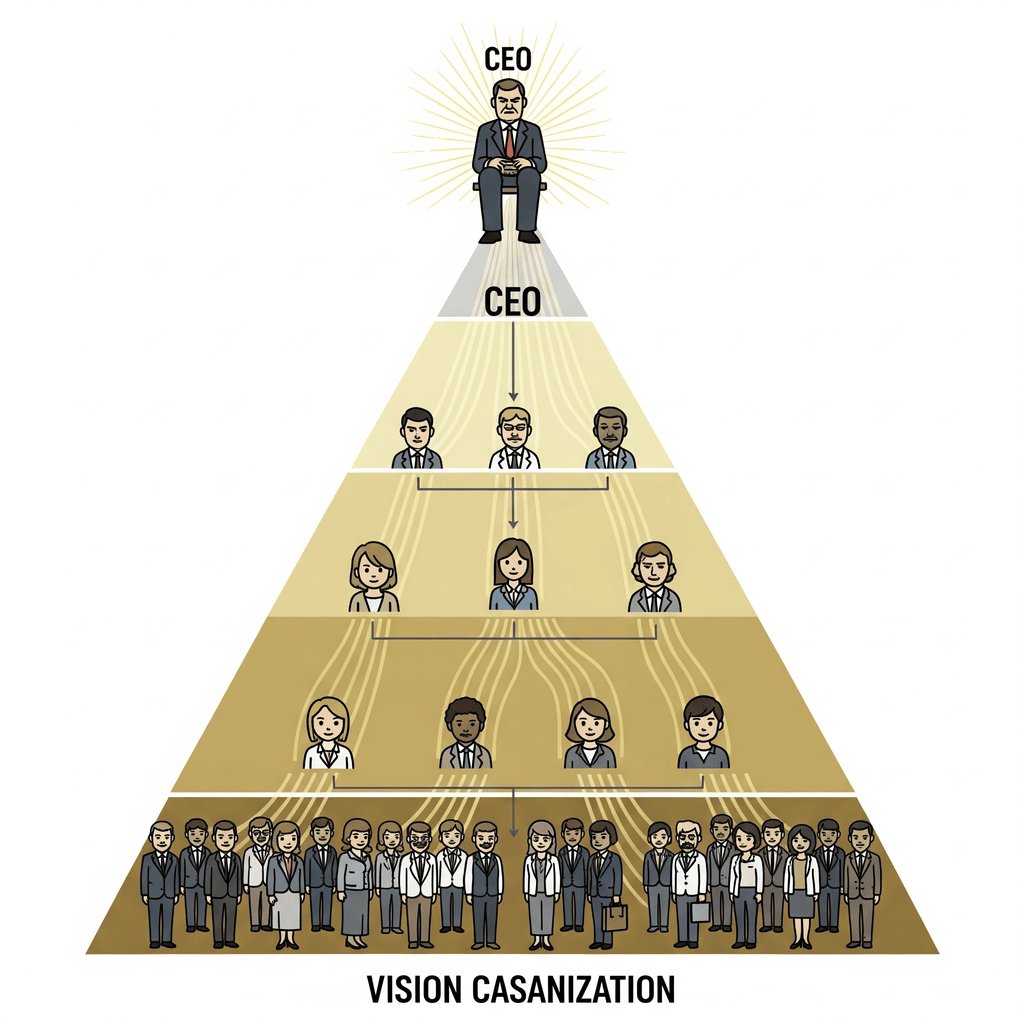
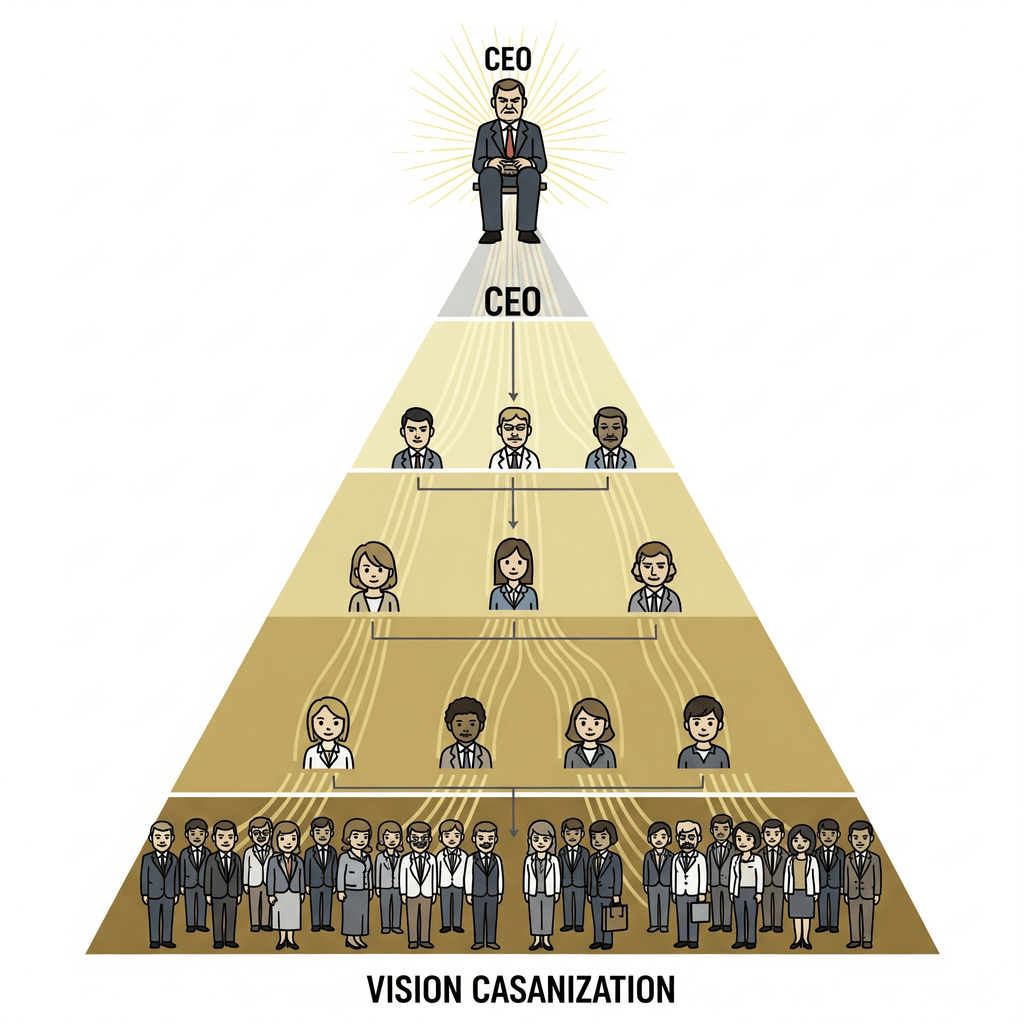
    A CEO is not just a strategy executor. They are the owner of the vision. The concept of “The Power of One” emphasizes how crucial it is for a CEO to have an authentic and bold vision, not just for themselves but for the entire organization. History has shown that a strong vision can focus the company’s energy and unite thousands of individuals under one overarching goal—even when strategies change, the vision remains a moral compass guiding every decision.
    Ajay Banga at Mastercard, for example, introduced the “kill cash” vision, focusing on the future of digital payments. This vision was not just a slogan, but became the catalyst for a major transformation within the company, despite initial resistance. With total vision ownership, a CEO not only inspires but also builds trust in the eyes of the board and shareholders, establishing themselves as a true agent of change.
    But how do world-class CEOs develop a truly authentic vision, and how do they effectively spread it throughout the organization?
    The complete framework for implementing vision ownership, including communication techniques and reality testing, is discussed in depth in this book…

    Strategic Resource Allocation

    The “Be Bold” Mindset and the Zero-Based Approach

    Many CEOs get stuck in routine, allocating resources based on old patterns without the courage to change the status quo. The “Be Bold” mindset demands that CEOs dare to make big decisions, even if they involve risk. One of the main tools is the zero-based approach—allocating resources from scratch, not just continuing last year’s patterns.
    This approach forces the organization to thoroughly examine which projects or divisions deserve full support and which ones should be trimmed or even discontinued. World-class CEOs, as studied in this book, are able to leverage this mindset not just for efficiency but to create new growth. They are unafraid to cut what is irrelevant while simultaneously making significant investments in future opportunities.
    Therefore, outstanding CEOs are not just budget managers, but architects of the future. However, how is this “bold” resource allocation decision-making process actually carried out?
    Advanced techniques from the “be bold” mindset, including zero-based analysis templates and real case studies, are part of the exclusive insights we have prepared at MentorBuku…

    Read also : Connection Parenting by Pam Leo


    Building Trust and Uniting the Team

    Solving for the Whole & Overcoming Resistance

    The best CEOs don’t just focus on small parts; they solve problems for the good of the entire organization. The concept of “solving for the whole” requires leaders to see the bigger picture, resolve conflicts of interest between divisions, and ensure every decision brings long-term benefits to the company as a whole.
    However, the path to synergy is rarely smooth. Resistance, inter-team rivalry, and turf wars often become obstacles. World-class CEOs use various techniques to build trust—with the board, management, and employees alike. They understand that trust is the main currency when driving massive strategic change.
    Interestingly, there are specific communication patterns and psychological approaches that top CEOs use to break down resistance. They also rely on performance milestones as a way to measure and maintain momentum during the transformation journey.
    However, there are three common mistakes often made when trying to unite the team and build trust, which are thoroughly analyzed in our summary…

    Read also : Men Are from Mars, Women Are from Venus by John Gray

    The Path to Excellence in an Era of Uncertainty

    Amid business volatility, the CEO’s mindset becomes the anchor that unites vision, strategy, and execution. The three key concepts—vision ownership, strategic resource allocation, and building trust—are the foundations that set great CEOs apart from mediocre ones. Yet, this is only the beginning. Each concept has deeper layers that you can only master through thorough exploration.

    Read also: Give and Take by Adam Grant


    You’ve just seen the foundation. These concepts are only the tip of the iceberg of what this book has to offer. How do you apply them step by step, avoid common pitfalls, and integrate them into your strategy? All those answers are inside.

    Sign up and Get Free Access at MentorBuku Now!

  • Rahasia Fundamental: Bagaimana Peran & Identitas Membentuk Kehidupan Kita Menurut “Frames of Mind”. Howard Gardner’s Frames of Mind: The Theory of Multiple Intelligences by the Authur

    Pendahuluan: Identitas, Peran, dan Drama Kehidupan

    Setiap manusia lahir dengan identitas, tetapi seiring waktu, dunia meminta kita untuk mengenakan beragam topeng peran. Di kantor, keluarga, atau komunitas, kita dipaksa menyesuaikan diri, terkadang sampai melupakan siapa diri kita yang sebenarnya. Tetapi, pernahkah Anda berpikir—bagaimana budaya membentuk cara kita memandang diri sendiri? Dan apa dampaknya terhadap kreativitas, kepemimpinan, atau bahkan kebahagiaan kita?

    Howard Gardner, dalam karyanya “Frames of Mind”, mengajak kita menelusuri bagaimana masyarakat menenun identitas dan peran ke dalam benak manusia. Dengan menyoroti drama kehidupan di Bali dan Jawa serta dunia seni, Gardner membuka rahasia fundamental tentang diri, peran, dan potensi manusia yang sering luput kita sadari.


    Bali, Jawa, dan Teater Eksistensi: Menjadi Siapa di Masyarakat?

    Balinese Life – Topeng, Peran, dan Ketakutan Akan Keaslian

    Di Bali, kehidupan adalah panggung besar. Setiap individu hidup dalam sebuah drama sosial yang sangat terstruktur. Identitas seseorang bukan lagi soal keunikan pribadi, melainkan tentang seberapa baik ia menjiwai peran yang diwariskan masyarakat. Di sana, setiap orang adalah aktor dalam sandiwara abadi; topeng dan peran menjadi lebih penting daripada keaslian diri.

    Gardner menulis bahwa dalam budaya Bali, “segala aspek eksistensi personal distilisasi sedemikian rupa hingga apapun yang bersifat idiosinkratik ditekan demi peran yang telah ditetapkan dalam drama kehidupan Balinese.” Risiko terbesar? Ketika pertunjukan publik gagal dan kepribadian sejati muncul secara tiba-tiba. Saat itulah, momen tersebut terasa sangat intens dan manusia menjadi “creatural”—kembali ke naluri dasar yang mentah. Ini adalah ketakutan eksistensial terbesar: dikalahkan oleh keaslian di tengah tekanan peran sosial yang begitu kuat [1].

    Kerangka kerja lengkap untuk menerapkan pemahaman peran sosial dalam kehidupan pribadi dibahas dalam lima langkah spesifik di dalam buku…

    Filsafat Javanese – Dalam & Luar Diri, “Pure” dan “Civilized”

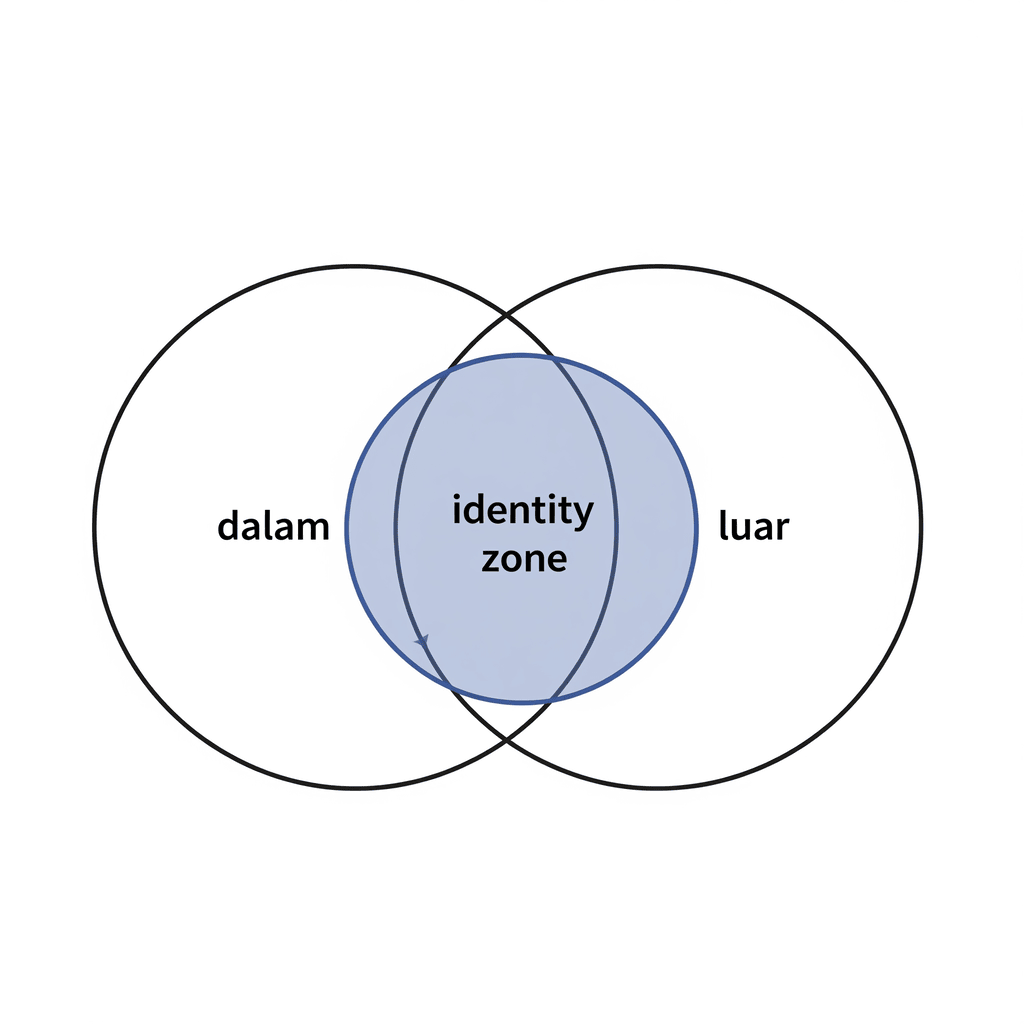
    Berbeda dengan Bali, masyarakat Jawa mengedepankan dua kutub utama dalam mendefinisikan diri: “dalam” dan “luar”. “Dalam” adalah ranah perasaan dan pengalaman subjektif, sedangkan “luar” adalah aksi, ucapan, dan postur tubuh yang bisa diamati. Menariknya, dua sisi ini tidak saling menggantikan, melainkan diatur secara independen. Setiap individu berusaha menyeimbangkan antara dunia batin yang penuh gejolak dan dunia luar yang penuh aturan.

    Selain itu, ada pertentangan antara “pure” dan “civilized”, di mana masyarakat Jawa menempatkan nilai tinggi pada kemampuan menjaga harmoni antara dua dunia tersebut [1]. Namun, bagaimana cara menjaga keseimbangan agar tidak terjebak dalam kepura-puraan atau kehilangan keaslian batin?

    Teknik lanjutan mengelola dualitas identitas dalam budaya Jawa, termasuk contoh kasus dan penerapannya di era modern, adalah bagian dari wawasan eksklusif yang kami siapkan di MentorBuku…


    Konsep Sensitivitas Komposisi: Pelajaran dari Dunia Seni

    Ben Shahn, Turner, dan Herbert Read – Sensitivitas Bentuk dan Warna

    Tak hanya budaya, Gardner juga menyoroti kecerdasan spasial dalam seni. Seorang seniman hebat seperti Ben Shahn mengungkap, “ide harus muncul dari gambar.” Sementara itu, Turner—dengan manipulasi warna dan bentuknya—berhasil menciptakan cahaya yang tidak mungkin dicapai dengan logika semata. Herbert Read menegaskan, keindahan sejati didapat bukan dari objek fisik, melainkan dari kemampuan menangkap bentuk, warna, dan komposisi dalam karya seni [1].

    Inilah yang disebut Gardner sebagai sensitivitas komposisi: kemampuan menata elemen visual hingga membentuk harmoni dan makna baru. Dalam seni, masalah desain, warna, dan bentuk menjadi begitu sentral, bahkan jauh melebihi subjek lukisan itu sendiri.

    Namun, ada tiga kesalahan umum yang sering terjadi saat mengembangkan sensitivitas komposisi, yang dibedah tuntas dalam rangkuman kami…

    Baca juga : Marketing Made Simple: A Step-by-Step StoryBrand Guide for Any Business by Donald Miller


    Implikasi untuk Kehidupan Modern: Mengelola Peran, Identitas, dan Kreativitas

    Apa maknanya bagi Anda? Dunia modern menuntut kita piawai memainkan banyak peran—profesional, pribadi, sosial. Namun, tekanan untuk selalu “tampil baik” berisiko membuat kita kehilangan diri sendiri. Di sisi lain, kemampuan menjaga keseimbangan antara dunia batin dan penampilan luar menjadi kunci ketahanan psikologis.

    Dari seni, kita belajar bahwa sensitivitas terhadap komposisi (baik dalam karya maupun kehidupan) menentukan kualitas hasil akhir. Mampu “menata” emosi, peran, dan ekspresi sama pentingnya dengan menata warna di atas kanvas. Mengintegrasikan pelajaran budaya dan seni ini dapat menjadi katalisator untuk membangun identitas otentik, menciptakan karya inovatif, dan menjalani hidup dengan lebih bermakna.

    Kerangka terapan untuk mengelola peran dan identitas secara strategis di dunia profesional dan personal, lengkap dengan template dan latihan praktis, bisa Anda temukan di mentorbuku.com…

    Baca juga : Emergency Medicine PreTest Self-Assessment and Review, Second Edition (PreTest Clinical Medicine) by Adam Rosh


    Kesimpulan & Call to Action

    Artikel ini adalah percikan apinya. Bayangkan jika satu ide dari sini bisa mengubah cara Anda bekerja atau berpikir. Sekarang, bayangkan apa yang bisa dilakukan oleh puluhan ide strategis lainnya. Itulah kekuatan yang menanti Anda.

    Daftar dan Dapatkan Akses Gratis di MentorBuku Sekarang!

  • Rahasia Fundamental: Kekuatan Paradigma Selflessness yang Mengubah Hidup Anda. Energize Your Mind by Gaur Gopal Das

    Mengapa “Selflessness” Kini Jadi Katalisator Hidup Produktif

    Pernahkah Anda bertanya-tanya, mengapa sebagian orang tampak begitu bahagia dan produktif, bahkan ketika mereka justru lebih banyak memberi daripada menerima? Jawabannya bisa jadi terletak pada satu kata yang sering kita abaikan: selflessness, atau ketidakmementingan diri.

    Di dunia yang semakin individualistik, buku “Energize Your Mind” karya Gaur Gopal Das menghadirkan sudut pandang kontras yang revolusioner. Buku ini tidak sekadar membahas motivasi atau teknik manajemen waktu. Ia justru menyoroti bagaimana “memberi” tanpa pamrih—baik dalam bentuk waktu, tenaga, maupun pemikiran—bisa menjadi sumber energi mental yang tak terbatas.

    Artikel ini akan mengulas tiga konsep kunci dari buku tersebut:

    1. Selflessness sebagai fondasi hidup bermakna
    2. Prinsip “Kebaikan Berantai” dan dampaknya pada produktivitas
    3. Mindset “Beyond Yourself” sebagai katalisator kebahagiaan sejati

    Namun, perlu diingat: pembahasan ini adalah “pintu gerbang” pengetahuan. Cara menerapkan konsep-konsep ini secara konkret hanya dapat Anda temukan di MentorBuku.


    Selflessness: Fondasi Hidup Bermakna

    Pernah mendengar pepatah, “Pohon tidak makan buahnya sendiri, sungai tidak minum airnya sendiri”? Gaur Gopal Das mengutip filosofi kuno yang menegaskan bahwa makhluk-makhluk agung—seperti pohon, sungai, dan awan—memberi manfaat kepada sesama tanpa pamrih. Filosofi ini menjadi pondasi “selflessness” sebagai pola pikir yang seharusnya kita miliki dalam hidup modern.

    Mengapa hal ini penting?
    Banyak penelitian modern menunjukkan bahwa memberi, baik dalam bentuk materiil maupun emosional, memicu pelepasan hormon kebahagiaan dan menurunkan stres. Namun, tidak hanya itu, selflessness juga menciptakan ketahanan mental yang lebih kuat. Ketika Anda berhenti fokus pada diri sendiri dan mulai memikirkan orang lain, Anda justru mengaktifkan pusat energi baru dalam hidup Anda.

    Selain itu, selflessness berperan sebagai “jaringan pengaman” psikologis saat menghadapi tantangan. Saat Anda memberi, Anda membangun koneksi sosial yang kuat dan memperluas makna kehidupan. Ini adalah prinsip yang telah terbukti selama ribuan tahun, kini kembali relevan di era digital yang serba cepat.

    Kerangka kerja lengkap untuk menerapkan selflessness dalam rutinitas harian—tanpa merasa dieksploitasi—dibahas secara sistematis di dalam buku ini dan telah dirangkum secara eksklusif di MentorBuku.
    Baca juga : The Magic by Rhonda Byrne


    Prinsip Kebaikan Berantai: Kecil, Namun Berdampak Besar

    Selanjutnya, “Energize Your Mind” memperkenalkan prinsip “Kebaikan Berantai”. Filosofi ini menegaskan bahwa satu tindakan kecil dapat menciptakan efek domino positif yang tak terduga. Dalam kisah nyata Kamalamma, misalnya, tindakan sederhana yang ia lakukan menjadi inspirasi nasional dan mengubah kehidupan banyak orang.

    Mengapa konsep ini begitu powerful? Karena dengan kebaikan berantai, Anda tidak hanya mengubah hidup satu orang, tetapi juga membangun ekosistem kebaikan yang terus berkembang. Setiap aksi positif yang Anda lakukan bisa menginspirasi orang lain untuk berbuat hal serupa, menciptakan lingkaran kebajikan yang tidak pernah berhenti.

    Di dunia kerja, prinsip ini bisa mengubah budaya organisasi. Dalam hubungan pribadi, ia mempererat kepercayaan dan loyalitas. Bahkan dalam kehidupan sehari-hari, kebaikan berantai menambah rasa syukur dan memperkaya jiwa.

    Namun, ada tiga kesalahan umum yang sering terjadi saat mencoba membangun rantai kebaikan, mulai dari motivasi yang salah hingga ekspektasi sosial yang keliru. Ulasan mendalam beserta solusi praktisnya hanya ada dalam rangkuman kami di MentorBuku.
    Baca juga : Great CEOs Are Lazy by Jim Schleckser


    Mindset “Beyond Yourself”: Katalisator Kebahagiaan Sejati

    Di bagian lain, buku ini menyoroti pentingnya mengembangkan mindset “Beyond Yourself”—berpikir dan bertindak melampaui kepentingan pribadi. Banyak orang terjebak dalam pola pikir “apa untungnya bagiku”, tanpa sadar justru menutup pintu kebahagiaan sejati.

    Mengadopsi mindset ini mengubah cara Anda melihat tantangan dan peluang. Anda tidak lagi takut gagal, karena tujuan utama Anda adalah kontribusi, bukan hanya prestasi pribadi. Ini juga membuat Anda lebih tahan banting terhadap tekanan sosial dan ekspektasi eksternal.

    Bahkan, riset psikologi positif menunjukkan bahwa individu yang fokus pada kontribusi memiliki tingkat kesehatan mental lebih baik dan risiko burnout lebih rendah. Mereka lebih adaptif, kreatif, dan bahagia.

    Teknik lanjutan mengembangkan mindset “Beyond Yourself”, termasuk template refleksi diri dan contoh aplikasinya dalam kehidupan sehari-hari, merupakan bagian dari wawasan eksklusif yang kami siapkan di MentorBuku.
    Baca juga : Stoicism for Inner Peace by Fleur Marie Vaz


    Pelajaran Spiritual dari “Energize Your Mind”

    Buku ini juga menyinggung dimensi spiritual dari selflessness. Dalam ajaran-ajaran India kuno, memberi tanpa pamrih adalah bentuk tertinggi dari pengabdian dan jalan menuju kehidupan yang lebih bermakna. Penulis bahkan mengucapkan terima kasih kepada para guru spiritualnya, menandakan bahwa belajar memberi adalah perjalanan seumur hidup.

    Spirit spiritual ini membuka cakrawala baru tentang makna kesuksesan. Bukan sekadar pencapaian materi, melainkan pencapaian yang membawa manfaat bagi sebanyak-banyaknya orang. Perspektif ini sangat relevan di era sekarang, di mana makna kebahagiaan semakin bergeser dari “memiliki” menjadi “berbagi”.

    Bagaimana cara Anda mengintegrasikan dimensi spiritual ini ke dalam rutinitas modern? Jawabannya, lengkap dengan langkah praktis dan refleksi diri, dapat Anda temukan di platform MentorBuku.


    Mengapa Anda Harus Mengadopsi Paradigma Selflessness Sekarang?

    Menerapkan selflessness bukan berarti mengorbankan diri sendiri tanpa batas, melainkan menempatkan kontribusi sebagai prioritas. Dalam dunia yang penuh persaingan, justru mereka yang berani memberi dan berbagi yang akan menjadi pemenang sejati—baik secara personal maupun profesional.

    Paradigma ini telah diuji oleh waktu. Ia menjadi fondasi bagi para pemimpin hebat, inovator, dan individu yang hidupnya penuh makna. Kini, saatnya Anda memulai perjalanan perubahan dengan langkah pertama: memahami dan menginternalisasi konsep selflessness.

    Namun, memahami “apa” dan “mengapa” hanyalah permulaan. Anda butuh strategi praktis, studi kasus nyata, dan panduan langkah demi langkah untuk benar-benar mengubah hidup Anda.


    Penutup: Transformasi Dimulai dari Sini

    Anda baru saja melihat fondasinya. Konsep-konsep ini hanyalah puncak gunung es dari apa yang ditawarkan buku ini. Bagaimana cara menerapkannya langkah demi langkah, menghindari jebakan umum, dan mengintegrasikannya ke dalam strategi Anda? Semua jawaban itu ada di dalam.

    **[Daftar dan Dapatkan Akses Gratis di MentorBuku]**

  • Rahasia Psikologi Gelap: Teknik Manipulasi yang Terungkap. Manipulation: Dark Psychology to Manipulate and Control People by Arthur Horn

    Dalam dunia modern yang penuh kompetisi dan interaksi sosial yang intens, pemahaman tentang psikologi gelap dan manipulasi menjadi semakin penting. Banyak orang tidak sadar bahwa mereka menjadi korban teknik manipulasi, sementara sebagian lainnya ingin mengetahui bagaimana cara mengidentifikasi, bahkan menguasai, teknik-teknik ini agar tidak mudah ditipu. Buku “Manipulation Dark Psychology to Manipulate and Control People” karya Arthur Horn menawarkan wawasan mendalam tentang dunia psikologi gelap, teknik manipulasi, dan batasan etis yang harus dijunjung tinggi oleh setiap individu yang ingin memahami atau menggunakan pengetahuan ini.

    Artikel ini akan mengupas fondasi psikologi gelap, teknik manipulasi yang paling sering digunakan, kekuatan pengetahuan yang dimiliki pembaca, serta pentingnya tanggung jawab dan etika dalam menerapkan (atau menghadapi) teknik manipulasi. Namun, ingatlah, seperti kata Arthur Horn sendiri, pengetahuan ini adalah pedang bermata dua yang harus digunakan dengan bijaksana.


    Memahami Fondasi Psikologi Gelap

    Banyak orang mengira psikologi gelap hanya berkaitan dengan hal-hal jahat atau kriminal. Namun, pada dasarnya, psikologi gelap adalah cabang ilmu psikologi yang mempelajari cara-cara seseorang memengaruhi, mengontrol, atau bahkan memanipulasi orang lain demi tujuan tertentu. Pengetahuan ini tidak selalu digunakan untuk tujuan negatif; dalam konteks yang tepat, ia bahkan bisa digunakan untuk melindungi diri dari eksploitasi atau membantu orang lain keluar dari situasi manipulatif.

    Psikologi gelap berakar pada pemahaman mendalam tentang motivasi manusia, emosi, dan kelemahan psikologis. Arthur Horn menekankan bahwa mengenali pola-pola dasar psikologi gelap adalah langkah awal untuk menjaga diri dari manipulasi dan meraih kendali atas interaksi sosial Anda. Dengan mengenali sinyal-sinyal halus, Anda dapat membedakan antara komunikasi yang sehat dengan percakapan yang sarat jebakan manipulatif.

    Namun, buku ini tidak hanya mengungkap “apa” itu psikologi gelap, tetapi juga menyoroti mengapa pemahaman ini sangat penting di era modern. Ketika informasi beredar begitu cepat dan orang mudah terpapar pengaruh eksternal, kemampuan untuk mendeteksi dan menahan manipulasi menjadi keterampilan hidup yang fundamental.

    Kerangka kerja lengkap untuk memahami dan membongkar fondasi psikologi gelap, beserta ciri-ciri khasnya, diuraikan secara sistematis di dalam buku ini. Anda akan menemukan struktur berpikir yang dapat diaplikasikan untuk mengenali dan membentengi diri dari teknik manipulasi yang seringkali tak kasat mata.


    Teknik Manipulasi dalam Psikologi Gelap

    Teknik manipulasi adalah jantung dari psikologi gelap. Dalam bukunya, Arthur Horn memaparkan berbagai teknik yang digunakan oleh manipulator ulung, mulai dari teknik halus seperti gaslighting, love bombing, hingga teknik yang lebih terang-terangan seperti guilt-tripping atau silent treatment. Setiap teknik memiliki landasan psikologis unik dan cara kerja yang berbeda.

    Misalnya, teknik gaslighting sering digunakan untuk membuat korban meragukan persepsi atau ingatannya sendiri. Proses ini biasanya berjalan secara bertahap, sehingga korban tidak menyadari bahwa mereka sedang dimanipulasi. Di sisi lain, love bombing memanfaatkan kebutuhan dasar manusia akan cinta dan pengakuan. Manipulator menghujani korban dengan perhatian dan pujian, lalu tiba-tiba menarik diri, menciptakan ketergantungan emosional.

    Pengetahuan tentang teknik-teknik ini memungkinkan Anda untuk lebih waspada dalam hubungan pribadi maupun profesional. Selain itu, pemahaman ini dapat membantu Anda mengidentifikasi pola manipulasi di lingkungan kerja, keluarga, atau bahkan dalam interaksi digital.

    Namun, perlu diingat, penggunaan teknik ini tanpa pertimbangan etis dapat menimbulkan kerusakan psikologis serius pada korban. Buku ini membedah tuntas tidak hanya bagaimana teknik ini bekerja, tetapi juga dampak psikologis yang ditimbulkan.

    Teknik lanjutan dan contoh penerapan praktis dari masing-masing metode manipulasi, beserta strategi bertahan yang efektif, hanya tersedia dalam rangkuman eksklusif MentorBuku.

    Baca juga : I Am Malala by Malala Yousafzai


    Contoh dan Aplikasi Sehari-hari

    Teknik manipulasi tidak hanya terjadi dalam hubungan romantis atau lingkungan kerja. Sering kali, kita berhadapan dengan manipulasi di lingkungan keluarga, pertemanan, bahkan di media sosial. Sebuah contoh sederhana adalah penggunaan rasa bersalah untuk memaksa seseorang mengambil keputusan yang sebenarnya tidak mereka inginkan. Atau, seseorang bisa saja menggunakan teknik silent treatment untuk membuat Anda merasa bersalah dan akhirnya menuruti kemauan mereka.

    Di era digital, manipulasi bahkan semakin canggih. Algoritme media sosial bisa saja memanfaatkan kelemahan psikologis untuk membuat pengguna terus-menerus terlibat dan mengonsumsi konten tertentu. Oleh karena itu, belajar mengenali pola-pola manipulasi ini sangat penting agar Anda tidak mudah terperangkap dalam siklus yang merugikan.

    Namun, aplikasi praktis dan studi kasus mendalam yang bisa Anda gunakan sebagai referensi nyata untuk menghadapi manipulasi, tersedia secara eksklusif dalam materi lengkap MentorBuku.

    Baca juga : Weird Parenting Wins by Hillary Frank


    Kekuatan Pengetahuan & Tanggung Jawab Etis

    Mendalami psikologi gelap dan teknik manipulasi ibarat memegang pedang bermata dua. Pengetahuan ini dapat menjadi alat yang sangat berharga untuk membentengi diri dari pengaruh negatif, namun juga sangat berbahaya jika digunakan untuk tujuan yang salah. Oleh karena itu, Arthur Horn menekankan pentingnya etika dan tanggung jawab dalam menerapkan teknik-teknik ini.

    Setiap individu yang mempelajari psikologi gelap harus memiliki kompas moral yang kuat. Menggunakan pengetahuan ini untuk membangun hubungan sehat, memberdayakan orang lain, atau melindungi diri dari predator sosial adalah tujuan yang bijak. Namun, jika digunakan untuk mengeksploitasi kelemahan orang lain, konsekuensi psikologis dan sosialnya bisa sangat merusak.

    Penulis bahkan secara eksplisit menyampaikan dalam bukunya bahwa informasi yang diberikan bukanlah nasihat profesional, melainkan wawasan yang seharusnya digunakan secara bijaksana dan bertanggung jawab [1]. Di sinilah letak perbedaan mendasar antara mereka yang menjadi manipulator predator dan mereka yang menjadi pelindung bagi diri sendiri maupun orang lain.

    Pembahasan tentang cara membangun kompas moral, serta praktik terbaik menggunakan pengetahuan psikologi gelap dengan etis, dibahas secara mendalam dalam modul lanjutan MentorBuku.


    Risiko dan Batasan dalam Praktik Manipulasi

    Meskipun teknik manipulasi tampak menggiurkan bagi sebagian orang, risiko yang ditimbulkan tidak bisa diabaikan. Dampak psikologis pada korban bisa berlangsung lama, dan dalam beberapa kasus, hubungan yang rusak tidak dapat diperbaiki lagi. Selain itu, pelaku manipulasi yang tertangkap sering kali kehilangan kepercayaan dan reputasi di mata orang lain.

    Buku ini mengingatkan bahwa tidak ada teknik manipulasi yang benar-benar aman. Setiap tindakan memiliki konsekuensi, baik bagi pelaku maupun korban. Oleh karena itu, memahami batasan dan risiko sebelum mencoba menerapkan teknik psikologi gelap adalah langkah yang sangat penting.

    Terdapat tiga kesalahan umum yang sering dilakukan pemula saat mencoba menerapkan teknik manipulasi, mulai dari salah membaca situasi, hingga gagal memahami motivasi korban. Kesalahan-kesalahan ini, beserta cara menghindarinya, dibahas secara detail dalam rangkuman eksklusif MentorBuku.

    Baca juga : Principles: Life and Work by Ray Dalio


    Kesimpulan & Langkah Selanjutnya

    Memahami psikologi gelap dan teknik manipulasi adalah langkah awal untuk menjadi individu yang lebih tangguh dan cerdas secara emosional. Namun, seperti yang telah diingatkan oleh Arthur Horn, pengetahuan ini harus digunakan secara bijaksana dan bertanggung jawab. Dengan membekali diri dengan wawasan ini, Anda tidak hanya bisa membentengi diri dari manipulasi, tetapi juga membantu orang-orang di sekitar Anda.

    Anda baru saja melihat fondasinya. Konsep-konsep ini hanyalah puncak gunung es dari apa yang ditawarkan buku ini. Bagaimana cara menerapkannya langkah demi langkah, menghindari jebakan umum, dan mengintegrasikannya ke dalam strategi Anda? Semua jawaban itu ada di dalam.

    Daftar dan Dapatkan Akses Gratis di MentorBuku Sekarang!


  • Rahasia Mindset CEO Hebat: Katalisator Keunggulan yang Jarang Terungkap. CEO Excellence: The Six Mindsets That Distinguish the Best Leaders from the Rest by Carolyn Dewar, Scott Keller, and Vikram Malhotra

    Introduksi – Mengapa Mindset CEO Menjadi Pembeda

    Apa yang benar-benar membedakan CEO terbaik dunia dari para pemimpin biasa? Banyak orang mengira jawabannya ada pada strategi atau jaringan. Namun, realita di balik puncak kepemimpinan jauh lebih mendalam. Dalam dunia yang berubah cepat, mindset seorang CEO adalah katalisator utama yang mampu memutarbalikkan nasib perusahaan, menciptakan inovasi, dan menjaga organisasi tetap relevan.

    Buku “CEO Excellence: The Six Mindsets That Distinguish the Best Leaders from the Rest” membongkar lapisan terdalam tentang pola pikir yang membentuk CEO kelas dunia. Artikel ini akan menyoroti tiga konsep kunci—bukan sekadar teori, namun fondasi yang telah terbukti membentuk para pemimpin hebat. Anda akan memahami “apa” dan “mengapa”-nya, namun cara penerapannya secara spesifik hanya bisa ditemukan jika Anda menggali lebih dalam.


    Kepemilikan Visi & The Power of One

    Mengapa CEO Wajib Memegang Visi yang Tegas

    CEO bukan sekadar eksekutor strategi. Mereka adalah pemilik visi. Konsep “The Power of One” menekankan betapa pentingnya seorang CEO memiliki visi yang otentik dan berani, bukan hanya untuk dirinya sendiri, tetapi juga untuk seluruh organisasi. Sejarah membuktikan, visi yang kuat mampu memusatkan energi perusahaan dan menyatukan ribuan individu di bawah satu tujuan besar—bahkan saat strategi berubah, visi tetap menjadi kompas moral yang mengarahkan setiap keputusan.

    Ajay Banga di Mastercard, misalnya, memperkenalkan visi “kill cash” yang berfokus pada masa depan pembayaran digital. Visi ini bukan sekadar slogan, tetapi menjadi katalis bagi transformasi besar di perusahaan, meski sempat menimbulkan resistensi awal. Dengan kepemilikan visi yang total, CEO tidak hanya memberi inspirasi, tetapi juga membangun kepercayaan di mata dewan dan pemegang saham, menjadikan mereka sosok nyata yang mampu membawa perubahan[1].

    Namun, bagaimana CEO kelas dunia membangun visi yang benar-benar otentik, dan bagaimana mereka menularkannya secara efektif ke seluruh organisasi?
    Kerangka kerja lengkap untuk menerapkan kepemilikan visi, termasuk teknik komunikasi dan pengujian realitas, dibahas secara mendalam dalam buku ini…


    Alokasi Sumber Daya Secara Strategis

    Mindset “Be Bold” dan Zero-Based Approach

    Banyak CEO terjebak dalam rutinitas, mengalokasikan sumber daya berdasarkan pola lama tanpa keberanian untuk mengubah status quo. Mindset “Be Bold” menuntut CEO untuk berani mengambil keputusan besar, meski kadang berisiko. Salah satu alat utama adalah zero-based approach—yaitu mengalokasikan sumber daya dari nol, bukan sekadar meneruskan pola tahun lalu[1].

    Pendekatan ini memaksa organisasi untuk benar-benar menelaah, mana proyek atau divisi yang layak didukung penuh, dan mana yang harus dipangkas atau bahkan dihentikan. CEO kelas dunia seperti yang diteliti dalam buku ini, mampu mendayagunakan mindset ini bukan hanya untuk efisiensi, tetapi untuk menciptakan pertumbuhan baru. Mereka tidak takut untuk memangkas yang tidak relevan, sekaligus berinvestasi besar pada peluang masa depan.

    Oleh karena itu, CEO yang unggul bukan hanya pengelola anggaran, tetapi arsitek masa depan. Namun, bagaimana sebenarnya proses pengambilan keputusan alokasi sumber daya yang “berani” ini dilakukan?
    Teknik lanjutan dari mindset “be bold”, termasuk template analisis zero-based dan contoh kasus nyata, merupakan bagian dari wawasan eksklusif yang kami siapkan di MentorBuku…

    Baca juga : Connection Parenting by Pam Leo


    Membangun Kepercayaan dan Menyatukan Tim

    Solving for The Whole & Mengatasi Resistensi

    CEO terbaik tidak hanya memikirkan bagian-bagian kecil; mereka memecahkan masalah untuk kepentingan seluruh organisasi. Konsep “solving for the whole” menuntut pemimpin untuk melihat gambaran besar, mengatasi konflik kepentingan antar divisi, dan memastikan setiap keputusan membawa manfaat jangka panjang bagi perusahaan secara keseluruhan[1].

    Namun, jalan menuju sinergi jarang mulus. Resistensi, persaingan antar tim, dan “turf wars” sering kali menjadi penghalang. CEO kelas dunia menggunakan berbagai teknik untuk membangun kepercayaan—baik dengan dewan, manajemen, maupun karyawan. Mereka menyadari, kepercayaan adalah mata uang utama dalam menjalankan perubahan strategis yang masif.

    Yang menarik, ada pola komunikasi dan pendekatan psikologis tertentu yang dipakai CEO top untuk memecah resistensi. Mereka juga mengandalkan milestone kinerja sebagai cara mengukur dan menjaga momentum dalam perjalanan transformasi.

    Namun, ada tiga kesalahan umum yang sering terjadi saat mencoba menyatukan tim dan membangun kepercayaan, yang dibedah tuntas dalam rangkuman kami…
    Baca juga : Men Are from Mars, Women Are from Venus by John Gray


    Jalan Menuju Excellence di Era Ketidakpastian

    Di tengah volatilitas bisnis, mindset CEO menjadi jangkar yang menyatukan visi, strategi, dan eksekusi. Tiga konsep kunci—kepemilikan visi, alokasi sumber daya strategis, dan membangun kepercayaan—adalah fondasi yang membedakan CEO hebat dari yang medioker. Namun, semua ini baru permulaan. Setiap konsep memiliki lapisan lebih dalam yang hanya bisa Anda kuasai dengan eksplorasi menyeluruh.

    Baca juga : Give and Take by Adam Grant


    Anda baru saja melihat fondasinya. Konsep-konsep ini hanyalah puncak gunung es dari apa yang ditawarkan buku ini. Bagaimana cara menerapkannya langkah demi langkah, menghindari jebakan umum, dan mengintegrasikannya ke dalam strategi Anda? Semua jawaban itu ada di dalam.

    Daftar dan Dapatkan Akses Gratis di MentorBuku Sekarang!


  • Meaningful Life: Essential Rules Against Chaos According to Jordan Peterson. 12 Rules for Life: An Antidote to Chaos by Norman Doidge

    Every day, we face two fundamental forces that shape reality: Order and Chaos. Order is structure, predictability, and safety. It is your work schedule, traffic laws, and the soothing morning routine. On the other hand, there is Chaos. It is uncertainty, potential, and sometimes, terror. It is the unexpected layoff, a disease diagnosis, or a global crisis shaking the world. Too much order makes life rigid and boring; too much chaos makes life impossible to live.

    In his phenomenal book, 12 Rules for Life: An Antidote to Chaos, clinical psychologist Jordan B. Peterson does not offer easy solutions or shallow positive affirmations. Instead, he presents a strong argument that the path to a meaningful life is not by avoiding suffering or chaos, but by facing it voluntarily and bravely. Peterson argues that true meaning is found at the border between order and chaos.

    This article will dissect four of his twelve fundamental rules. This is not just a summary, but an invitation to understand a framework of thinking that can change the way you view responsibility, truth, and your own life purpose.

    Rule #1: Stand Up Straight with Your Shoulders Back – The Hidden Power of a Lobster

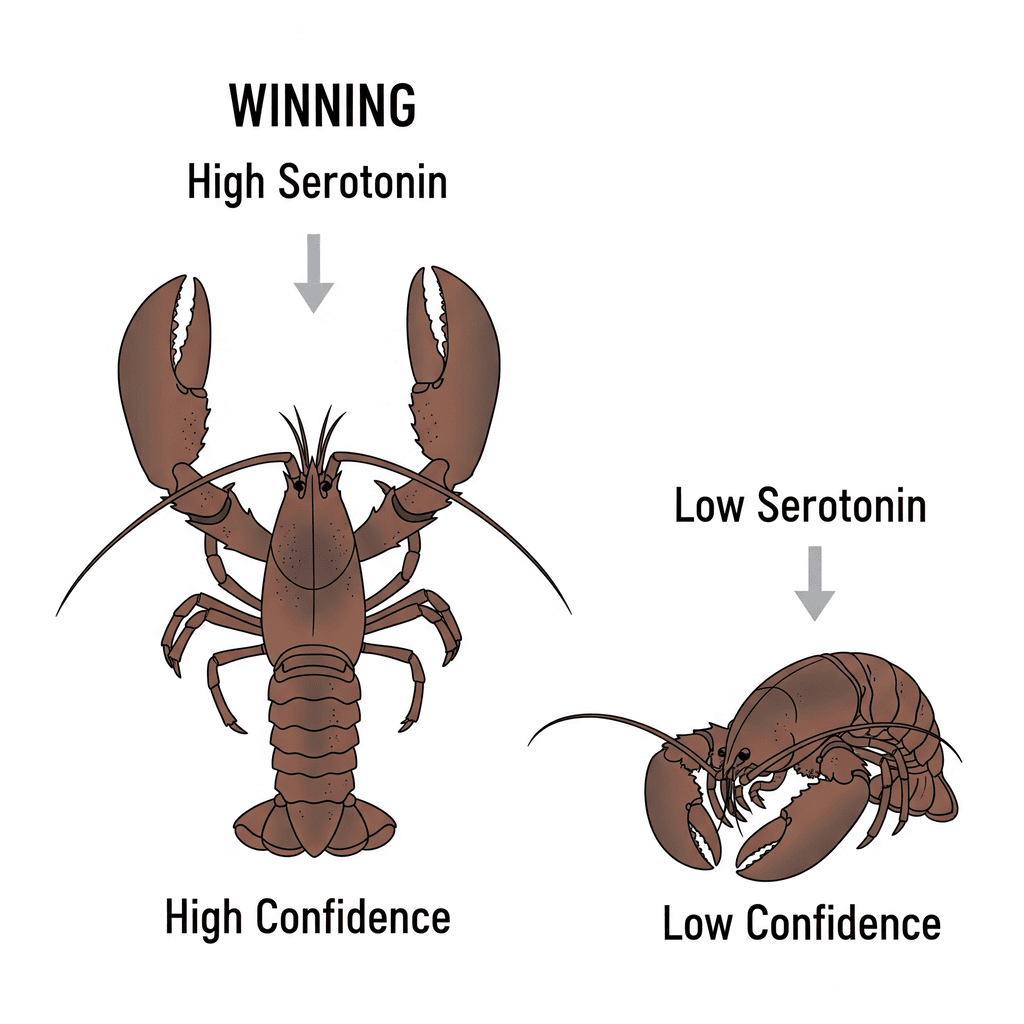
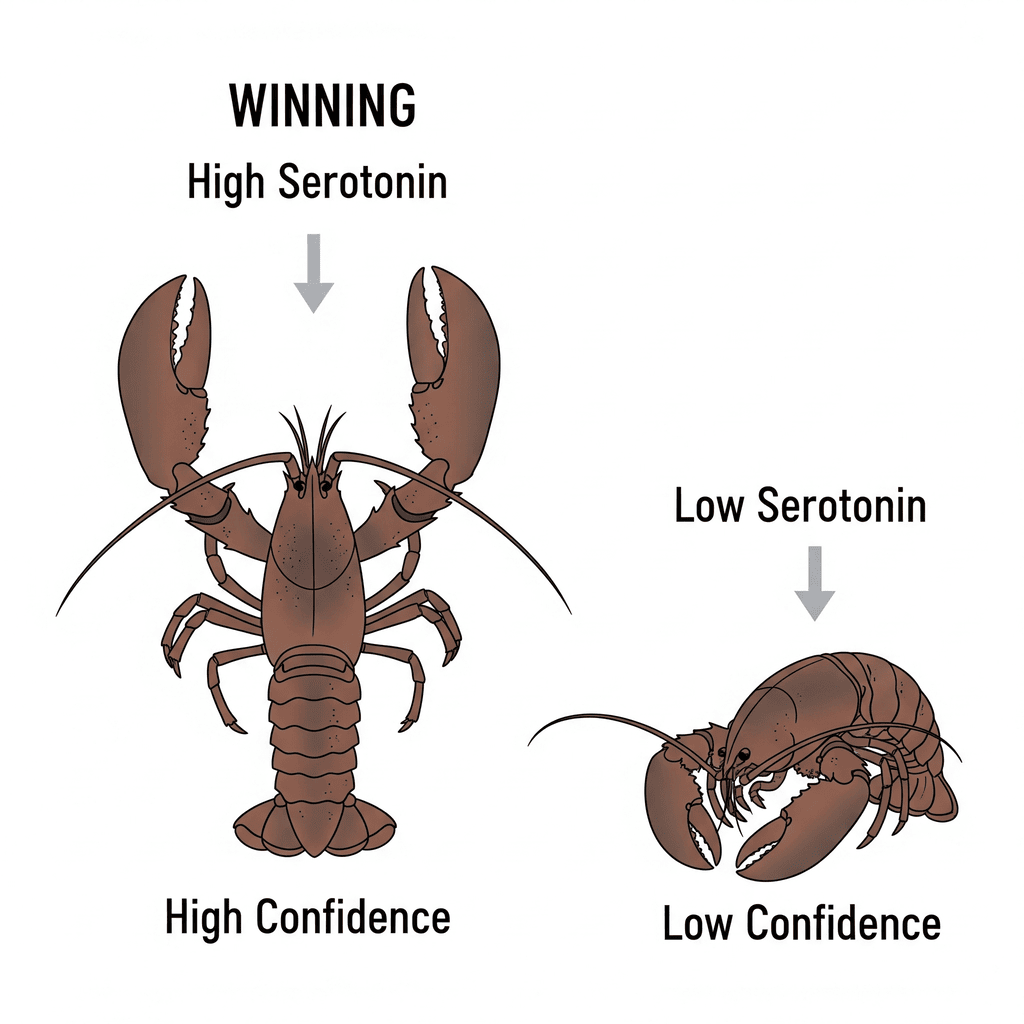
    Why does Peterson start with a rule that sounds like advice from a grandfather? Because physical posture is a direct reflection of our psychological condition. To explain this, he uses a surprising analogy: the lobster. Lobsters, creatures with a nervous system over 350 million years old, have a clear social hierarchy. When two lobsters fight for territory, the winner stands tall, while the loser hunches and retreats.

    This phenomenon is closely related to brain chemistry. The winning lobster receives a surge of serotonin, making it more confident and ready to face the next challenge. Conversely, the losing lobster experiences a drop in serotonin, making it more anxious and prone to avoid conflict. Humans, with all their complexity, have ancient neural circuits that are very similar. When we slouch, look down, and speak hesitantly, we unconsciously send signals of defeat to ourselves and the world.

    As a result, our brains respond by limiting serotonin, making us more vulnerable to stress and negative emotions. By consciously deciding to “stand up straight with your shoulders back,” we do more than just improve our posture. We trigger a positive feedback loop. A confident posture sends signals to the brain to feel more competent, which in turn encourages bolder actions. This is the first step to voluntarily facing the chaos of life, not as a victim, but as a brave participant.

    However, adopting this posture is not just about the physical. The complete framework for applying this mental posture amid failure and uncertainty is discussed in specific steps in the book, including how to build it from scratch.

    Rule #2: Treat Yourself Like Someone You Are Responsible for Helping – The Paradox of Caring

    Notice a strange paradox in human behavior. If a doctor prescribes medicine for your pet dog, you are likely to give it diligently and on time. However, statistics show that a third of patients never even fill prescriptions for themselves. Why are we so much more caring and responsible toward others (or even pets) than toward ourselves?

    Peterson argues that this stems from our awareness of our own shortcomings and failures. We know every mistake, every small lie, and every shortcut we have ever taken. This awareness can create a deep sense of disgust or unworthiness, making us unconsciously feel undeserving of care and kindness. We judge ourselves so harshly that we often sabotage our own well-being.

    This rule invites us to break free from that trap. Treat yourself as if you are someone valuable, someone you are responsible for helping. This means taking responsibility for your health, career, and personal development with the same seriousness as when you help someone you love. It’s not about selfishness, but about recognizing that you are the primary instrument you have for interacting with the world. A damaged instrument cannot function properly, let alone help others.

    However, there are three common psychological mistakes that often trap us in this cycle of self-sabotage, which are thoroughly dissected in our summary at MentorBuku, including how to identify and overcome them. [Internal Link to: Article on the importance of positive self-talk]

    Rule #3: Pursue What Is Meaningful, Not What Is Expedient – The Foundation of a True Life

    In a world full of distractions and instant gratification, it’s very easy to choose the “expedient” path. This path is about avoiding conflict, postponing responsibility, and seeking short-term pleasure. Although it may seem easy at first, this path will ultimately lead us to emptiness and despair. Peterson offers a much more powerful alternative: pursue what is meaningful.

    Meaning, according to him, is not the same as happiness. Happiness often comes and goes, is temporary, and cannot be relied upon as a compass for life. Meaning, on the other hand, is something deeper. It is the feeling that your life has a higher purpose, even in the midst of suffering. Meaning is the best antidote to chaos and existential suffering. Meaning is not found by avoiding burdens, but by voluntarily shouldering the right burden.

    This is a fundamental paradigm shift. Instead of asking, “What can make me happy right now?”, ask, “What responsibility can I take on to make things better?” When you voluntarily face problems, fix what is broken around you, and strive for a noble goal, you will find that the suffering in life becomes bearable, even meaningful [1]. This is the essence of becoming the hero in your own life story.

    Advanced techniques for identifying your personal ‘meaning’, including guidelines for distinguishing it from shallow goals and practical examples, are part of the exclusive insights we have prepared at MentorBuku.

    Read also : The Magic of Thinking Big by David J. Schwartz

    Rule #4: Tell the Truth, or at Least, Don’t Lie – Truth as a Compass

    Lies, no matter how small, damage the most vital instrument we have for navigating the world: our perception. Every time we tell a lie, we deliberately distort reality. If done repeatedly, we build a fictional world on a fragile foundation. When a real crisis comes—and it inevitably will—that fictional structure will collapse, leaving us powerless.

    Peterson distinguishes between “telling the truth” and “not lying.” Telling the absolute truth may be difficult, because we do not always know the whole truth. However, we almost always know when we are lying. Therefore, the minimum commitment is to stop saying things we know are false. Stop saying and doing things that make our inner selves weak and ashamed.

    This simple act of not lying has an extraordinary effect. It cleanses our minds and speech from falsehood. It forces us to rely on what we truly believe, which in turn strengthens our character. In this framework, truth is not an abstract moral concept, but a practical tool for survival. It is a compass that allows us to walk through the fog of chaos without getting lost. By speaking honestly, we align our actions with reality, which is the only way to truly become strong.

    Read also : Traffic Secrets by Russell Brunson

    Peterson examines the impact of ‘white lies’ versus ‘black lies’ and provides specific strategies for building integrity through radical honesty, which we have summarized in depth on our platform. [Internal Link to: Article on assertive communication techniques]

    From Insight to Transformation: This Is Just the Beginning

    The four rules we have explored—standing up straight, caring for yourself, pursuing meaning, and telling the truth—are not just a checklist. They are parts of an interconnected system for facing reality in its entirety. They are an invitation to stop being a victim of circumstances and start becoming the architect of a meaningful life, a life strong enough to withstand the inevitable storms of chaos.

    The book 12 Rules for Life offers eight more rules, each equally powerful, with in-depth explanations of the psychology, mythology, and philosophy behind them. Understanding these concepts is a crucial first step. However, the real power comes from consistent application.


    You’ve just seen the foundation. These concepts are only the tip of the iceberg of what this book offers. How do you apply them step by step, avoid common pitfalls, and integrate them into your strategy? All those answers are inside.

    Sign Up and Get Free Access at MentorBuku Now!

  • Hidup Bermakna: Aturan Esensial Melawan Chaos Menurut Jordan Peterson. 12 Rules for Life: An Antidote to Chaos by Norman Doidge

    Setiap hari, kita berhadapan dengan dua kekuatan fundamental yang membentuk realitas: Keteraturan (Order) dan Kekacauan (Chaos). Keteraturan adalah struktur, prediktabilitas, dan keamanan. Ia adalah jadwal kerja Anda, hukum lalu lintas, dan rutinitas pagi yang menenangkan. Namun, di sisi lain, ada Kekacauan. Ia adalah ketidakpastian, potensi, dan kadang, kengerian. Ia adalah PHK yang tak terduga, diagnosis penyakit, atau krisis global yang mengguncang dunia. Terlalu banyak keteraturan membuat hidup kaku dan membosankan; terlalu banyak kekacauan membuat hidup mustahil dijalani.

    Dalam bukunya yang fenomenal, 12 Rules for Life: An Antidote to Chaos, psikolog klinis Jordan B. Peterson tidak menawarkan solusi mudah atau afirmasi positif yang dangkal. Sebaliknya, ia menyajikan sebuah argumen kuat bahwa jalan menuju kehidupan yang bermakna bukanlah dengan menghindari penderitaan atau kekacauan, melainkan dengan menghadapinya secara sukarela dan berani. Peterson berpendapat bahwa makna sejati ditemukan di perbatasan antara keteraturan dan kekacauan.

    Artikel ini akan membedah empat dari dua belas aturan fundamentalnya. Ini bukan sekadar ringkasan, melainkan sebuah undangan untuk memahami kerangka berpikir yang bisa mengubah cara Anda memandang tanggung jawab, kebenaran, dan tujuan hidup Anda sendiri.

    Aturan #1: Berdiri Tegak dengan Pundak Tegap – Kekuatan Tersembunyi dari Seekor Lobster

    Mengapa Peterson memulai dengan aturan yang terdengar seperti nasihat dari seorang kakek? Karena postur fisik adalah cerminan langsung dari kondisi psikologis kita. Untuk menjelaskannya, ia menggunakan analogi yang mengejutkan: lobster. Lobster, makhluk dengan sistem saraf yang berusia lebih dari 350 juta tahun, memiliki hierarki sosial yang jelas. Ketika dua lobster bertarung memperebutkan wilayah, pemenangnya akan berdiri tegak, sementara yang kalah akan membungkuk dan menghindar.

    Fenomena ini ternyata sangat berkaitan dengan kimia otak. Lobster pemenang mendapatkan lonjakan serotonin, yang membuatnya lebih percaya diri dan siap menghadapi tantangan berikutnya. Sebaliknya, lobster yang kalah mengalami penurunan serotonin, membuatnya lebih cemas dan cenderung menghindari konflik. Manusia, dengan segala kompleksitasnya, memiliki sirkuit saraf purba yang sangat mirip. Ketika kita membungkuk, menunduk, dan berbicara dengan ragu, kita secara tidak sadar mengirimkan sinyal kekalahan kepada diri sendiri dan dunia.

    Akibatnya, otak kita merespons dengan membatasi serotonin, membuat kita lebih rentan terhadap stres dan emosi negatif. Dengan secara sadar memutuskan untuk “berdiri tegak dengan pundak tegap,” kita melakukan lebih dari sekadar memperbaiki postur. Kita memicu loop umpan balik positif. Postur yang percaya diri mengirimkan sinyal ke otak untuk merasa lebih kompeten, yang pada gilirannya mendorong tindakan yang lebih berani. Ini adalah langkah pertama untuk secara sukarela menghadapi kekacauan hidup, bukan sebagai korban, tetapi sebagai partisipan yang berani.

    Namun, mengadopsi postur ini bukan hanya tentang fisik. Kerangka kerja lengkap untuk menerapkan postur mental ini di tengah kegagalan dan ketidakpastian dibahas dalam langkah-langkah spesifik di dalam buku, termasuk bagaimana membangunnya dari nol.

    Aturan #2: Perlakukan Diri Anda Seperti Seseorang yang Anda Bantu – Paradoks Kepedulian

    Perhatikan sebuah paradoks aneh dalam perilaku manusia. Jika dokter meresepkan obat untuk anjing peliharaan Anda, kemungkinan besar Anda akan memberikan obat itu dengan disiplin dan tepat waktu. Namun, statistik menunjukkan bahwa sepertiga pasien tidak pernah menebus resep obat untuk diri mereka sendiri. Mengapa kita jauh lebih peduli dan bertanggung jawab terhadap orang lain (atau bahkan hewan peliharaan) daripada terhadap diri kita sendiri?

    Peterson berpendapat bahwa ini berakar dari kesadaran kita akan kekurangan dan kegagalan diri sendiri. Kita mengenal setiap kesalahan, kebohongan kecil, dan jalan pintas yang pernah kita ambil. Kesadaran ini dapat menimbulkan rasa jijik atau ketidaklayakan yang mendalam, membuat kita secara tidak sadar merasa tidak pantas menerima perawatan dan kebaikan. Kita menghakimi diri kita sendiri dengan begitu keras sehingga kita sering kali menyabotase kesejahteraan kita sendiri.

    Aturan ini mengajak kita untuk keluar dari jebakan tersebut. Perlakukan diri Anda seolah-olah Anda adalah seseorang yang berharga, seseorang yang bertanggung jawab untuk Anda bantu. Ini berarti mengambil tanggung jawab atas kesehatan, karier, dan pengembangan diri Anda dengan keseriusan yang sama seperti saat Anda membantu orang yang Anda cintai. Ini bukan tentang egoisme, melainkan tentang pengakuan bahwa Anda adalah instrumen utama yang Anda miliki untuk berinteraksi dengan dunia. Instrumen yang rusak tidak akan bisa berfungsi dengan baik, apalagi membantu orang lain.

    Namun, ada tiga kesalahan psikologis umum yang sering menjebak kita dalam siklus sabotase diri ini, yang dibedah tuntas dalam rangkuman kami di MentorBuku, termasuk cara mengidentifikasi dan mengatasinya. [Tautan Internal ke: Artikel tentang pentingnya self-talk positif]

    Aturan #3: Kejar Apa yang Bermakna, Bukan Apa yang Nyaman – Fondasi Kehidupan Sejati

    Di dunia yang penuh dengan distraksi dan gratifikasi instan, sangat mudah untuk memilih jalan yang “nyaman” (expedient). Jalan ini adalah tentang menghindari konflik, menunda tanggung jawab, dan mencari kesenangan jangka pendek. Meskipun terasa mudah pada awalnya, jalan ini pada akhirnya akan membawa kita pada kehampaan dan keputusasaan. Peterson mengajukan sebuah alternatif yang jauh lebih kuat: kejar apa yang bermakna.

    Makna, menurutnya, tidak sama dengan kebahagiaan. Kebahagiaan sering kali datang dan pergi, bersifat sementara dan tidak bisa diandalkan sebagai kompas hidup. Makna, di sisi lain, adalah sesuatu yang lebih dalam. Ia adalah perasaan bahwa hidup Anda memiliki tujuan yang lebih tinggi, bahkan di tengah penderitaan. Makna adalah penawar terbaik untuk kekacauan dan penderitaan eksistensial. Makna ditemukan bukan dengan menghindari beban, tetapi dengan memikul beban yang tepat secara sukarela.

    Ini adalah pergeseran paradigma yang fundamental. Daripada bertanya, “Apa yang bisa membuatku bahagia sekarang?”, tanyakan, “Tanggung jawab apa yang bisa kupikul untuk membuat segalanya menjadi lebih baik?”. Saat Anda secara sukarela menghadapi masalah, memperbaiki apa yang rusak di sekitar Anda, dan berjuang untuk tujuan yang mulia, Anda akan menemukan bahwa penderitaan hidup menjadi bisa ditoleransi, bahkan memiliki tujuan [1]. Ini adalah esensi dari menjadi pahlawan dalam cerita hidup Anda sendiri.

    Teknik lanjutan untuk mengidentifikasi ‘makna’ pribadi Anda, termasuk panduan untuk membedakannya dari tujuan yang dangkal dan contoh praktisnya, adalah bagian dari wawasan eksklusif yang kami siapkan di MentorBuku.

    Baca juga : The Magic of Thinking Big by David J. Schwartz

    Aturan #4: Berkata Jujur, atau Setidaknya, Jangan Berbohong – Kebenaran Sebagai Kompas

    Kebohongan, sekecil apa pun, merusak instrumen paling vital yang kita miliki untuk menavigasi dunia: persepsi kita. Setiap kali kita mengucapkan kebohongan, kita secara sengaja mendistorsi realitas. Jika dilakukan berulang kali, kita akan membangun sebuah dunia fiksi di atas fondasi yang rapuh. Ketika krisis yang sesungguhnya datang—dan ia pasti akan datang—struktur fiksi itu akan runtuh, membuat kita tidak berdaya.

    Peterson membedakan antara “berkata jujur” dan “tidak berbohong.” Berkata jujur secara mutlak mungkin sulit, karena kita tidak selalu tahu apa itu kebenaran seutuhnya. Namun, kita hampir selalu tahu kapan kita sedang berbohong. Oleh karena itu, komitmen minimumnya adalah berhenti mengucapkan hal-hal yang kita tahu salah. Berhenti mengatakan dan melakukan hal-hal yang membuat batin kita lemah dan malu.

    Tindakan sederhana untuk tidak berbohong ini memiliki efek yang luar biasa. Ia membersihkan pikiran dan ucapan kita dari kepalsuan. Hal ini memaksa kita untuk mengandalkan apa yang benar-benar kita yakini, yang pada gilirannya akan memperkuat karakter kita. Kebenaran, dalam kerangka ini, bukanlah konsep moral yang abstrak, melainkan alat praktis untuk bertahan hidup. Ia adalah kompas yang memungkinkan kita berjalan melewati kabut kekacauan tanpa tersesat. Dengan berbicara jujur, kita menyelaraskan tindakan kita dengan realitas, yang merupakan satu-satunya cara untuk benar-benar menjadi kuat.

    Baca juga : Traffic Secrets by Russell Brunson

    Peterson membedah dampak dari ‘kebohongan putih’ vs. ‘kebohongan hitam’ dan memberikan strategi spesifik untuk membangun integritas melalui kejujuran radikal, yang kami rangkum secara mendalam di platform kami. [Tautan Internal ke: Artikel tentang teknik komunikasi asertif]

    Dari Wawasan Menuju Transformasi: Ini Baru Permulaan

    Empat aturan yang telah kita jelajahi—berdiri tegak, merawat diri, mengejar makna, dan berkata jujur—bukanlah sekadar daftar tugas. Mereka adalah bagian dari sebuah sistem yang saling terkait untuk menghadapi realitas secara utuh. Mereka adalah undangan untuk berhenti menjadi korban keadaan dan mulai menjadi arsitek dari kehidupan yang bermakna, sebuah kehidupan yang cukup kuat untuk menahan badai kekacauan yang tak terhindarkan.

    Buku 12 Rules for Life menawarkan delapan aturan lain yang sama kuatnya, masing-masing dengan penjelasan mendalam tentang psikologi, mitologi, dan filosofi di baliknya. Memahami konsep-konsep ini adalah langkah pertama yang sangat penting. Namun, kekuatan sesungguhnya datang dari penerapan yang konsisten.


    Anda baru saja melihat fondasinya. Konsep-konsep ini hanyalah puncak gunung es dari apa yang ditawarkan buku ini. Bagaimana cara menerapkannya langkah demi langkah, menghindari jebakan umum, dan mengintegrasikannya ke dalam strategi Anda? Semua jawaban itu ada di dalam.

    Daftar dan Dapatkan Akses Gratis di MentorBuku Sekarang!


  • Captivate Customers with the StoryBrand Formula: Stop the Noise, Start the Story. Building a StoryBrand: Clarify Your Message So Customers Will Listen by Donald Miller


    Have you ever felt frustrated? You have an amazing product, outstanding service, and a dedicated team. You’ve spent a lot of time and money building a beautiful website and running ads on social media. However, the results are far from what you hoped for. Potential customers come and go without a trace, promotional emails go unopened, and sales figures stagnate. You feel like you’re shouting in a crowded room, but no one listens.
    If this sounds familiar, you’re not alone. Most businesses, both big and small, make one fundamental mistake: they fail to clarify their message. They talk about product features, company history, and awards they’ve won. As a result, they create “noise” that confuses and makes customers’ brains work too hard. In a world flooded with information, confusion is a silent killer of conversions.
    Donald Miller, in his groundbreaking book Building a StoryBrand, refers to this condition as the “Narrative Void.” This is a vacuum created when a company fails to provide a clear story where customers can see themselves as the hero. This article will break down the three fundamental pillars of the StoryBrand formula that will transform the way you communicate forever, helping you break through the noise and start connecting with customers on a deeper level.

    A New Paradigm: The Customer is the Hero, Not You

    The number one mistake that almost all businesses make is positioning themselves as the hero in the story. Their websites say, “We are the best,” “Look at our achievements,” or “We have been around since 1982.” The problem? Customers don’t care about your story; they care about their own story. Everyone is the protagonist in their life narrative, and they instinctively seek brands that can help them win the day.
    The StoryBrand formula flips this script. The main rule is simple yet transformative: The Customer is the Hero. Your Brand is the Guide. Think about great movies. Luke Skywalker is the hero, Yoda is the guide. Katniss Everdeen is the hero, Haymitch is the guide. Guides do not steal the spotlight; rather, they provide the hero with a plan, tools, and encouragement to succeed.
    When you position the customer as the hero, your entire message shifts. You stop talking about how great your company is and start talking about how great the customer can be with your help. This is a shift from “Look at us!” to “Look at what you can achieve.” This approach is fundamentally more engaging because it aligns with how the human brain works, always seeking benefits for survival and growth.
    The complete framework for applying the 7 story elements that make the customer the hero, known as the SB7 Framework, is discussed in depth and step-by-step in the book.

    Identifying “The Villain”: The Catalyst of Every Great Story

    Every compelling story needs conflict. Without Darth Vader, there is no Star Wars. Without the Joker, there is no Batman. Conflict is the engine that drives the narrative forward and keeps the audience engaged. In the business world, this conflict is embodied by “The Villain.” Your customers are not buying products or services; they are buying solutions to their problems. “The Villain” is a way to personify those problems.
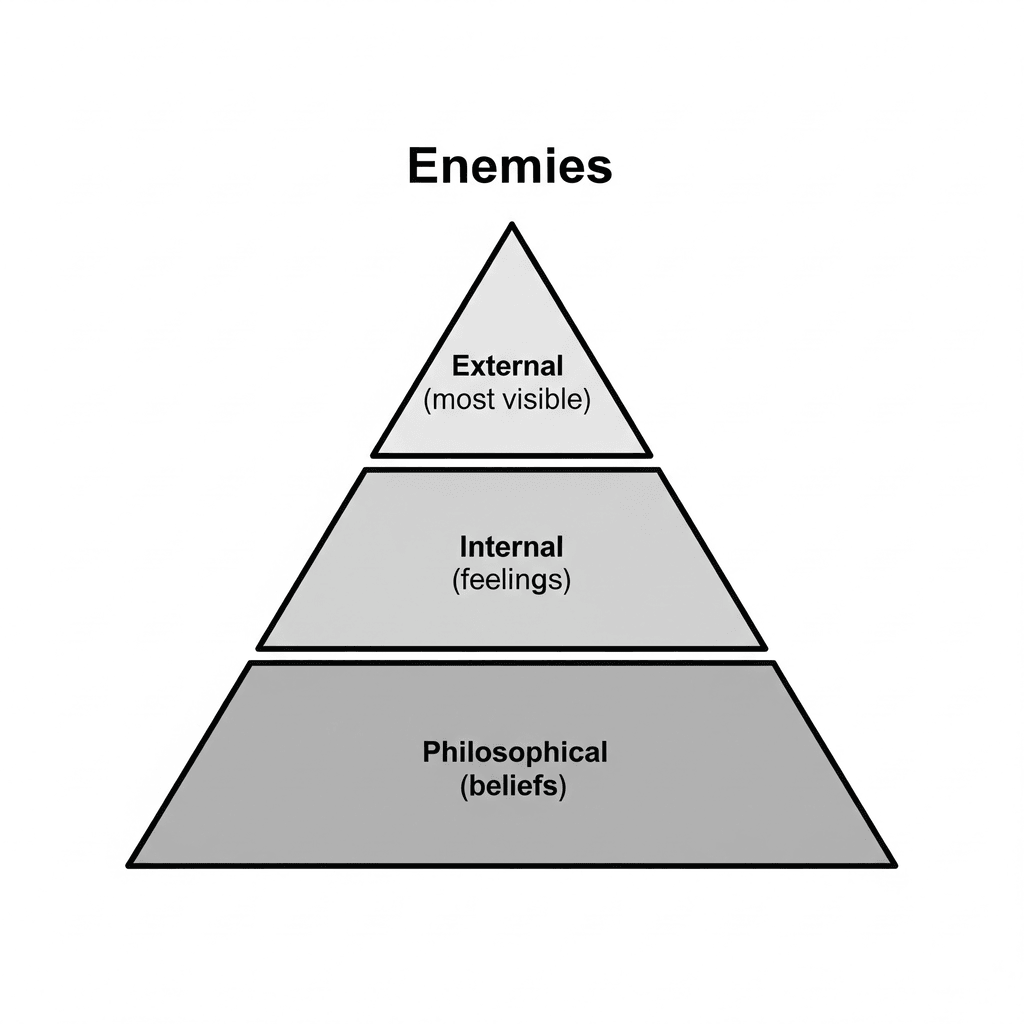
    Miller explains that there are three levels of villains that your brand must address for the customer:

    1. External Villain: This is the physical or real problem the customer faces. For example, an unkempt lawn, complicated taxes, or lack of time. This is the most obvious problem.
    2. Internal Villain: This is the emotional turmoil caused by external problems. Frustration, confusion, self-doubt, or feelings of incompetence. This is the real reason customers seek solutions. People buy luxury cars not because they need transportation (external), but because they want to feel successful and valued (internal).
    3. Philosophical Villain: This is the struggle between “what should be” and “what is.” It connects the customer’s problems with a larger narrative about good vs. evil. For example, “You shouldn’t waste time on administrative tasks” or “Everyone deserves financial security.”

    Great brands sell solutions to all three levels of problems. They do not just sell lawn care services (addressing the external villain), but they also sell relief from the embarrassment of having a messy yard (internal) and the right to have a beautiful home without hard work (philosophical).

    Read also : The New Rules of Marketing & PR by David Meerman Scott

    Clearly identifying the enemy in your marketing will soon have customers nodding in agreement and saying, “Yes, this company understands me.” However, there are three common mistakes that often occur when defining this ‘enemy’, which can make your message negative or irrelevant, thoroughly dissected in our summary at MentorBuku.

    You Are the Guide, Not the Hero: The Most Crucial Role

    Once you have established the customer as the hero and identified the enemy they face, your role becomes very clear: you are the wise guide. The guide has two main characteristics that build trust and encourage the hero to take action: Empathy and Authority.
    Empathy is the bridge of trust. You must show customers that you understand their pain and frustration. Simple phrases like, “We understand how difficult it is…” or “Many of our clients feel…” can create an instant bond. Empathy tells the hero that they are not alone and that you care about their struggles. It’s not about passive sympathy, but rather active understanding.
    Authority, on the other hand, demonstrates that you are competent to help. This is not arrogance. Effective authority is conveyed subtly and focuses on the customer. Some of the best ways to demonstrate authority include:

    • Testimonials: Let satisfied customers speak for you.
    • Statistics: “We have helped 500 businesses like yours increase their average sales by 30%.”
    • Awards: Briefly mention relevant awards.
    • Client Logos: Showcase logos of well-known companies you have worked with.

    The combination of empathy and authority is very powerful. Empathy builds connection, while authority builds trust in your ability. Customers think, “This company understands me, AND they have what it takes to help me succeed.”
    Advanced techniques for demonstrating empathy and authority without sounding arrogant, including templates and practical examples for your website, are part of the exclusive insights we have prepared at MentorBuku.

    Read also : Introduction to Neuromarketing & Consumer Neuroscience by Dr. Thomas Zoëga Ramsøy

    Victory Vision: Paint Heaven and Hell for Customers

    The final step we will discuss is about “the stakes.” A story becomes boring if nothing is at stake. Why do we care if the hero wins? Because we know the horrible consequences if they fail. Brands must do the same: clearly articulate what customers stand to gain by using your product (heaven) and what they will lose if they do not (hell).

    • Heaven (Success): Paint a clear picture of what the customer’s life will look like after their problem is solved. Don’t just say “better customer service.” Say, “Imagine your team spending less time responding to complaints and more time building relationships with loyal customers.” Use visuals, testimonials, and descriptions that evoke positive emotions. Nike does not sell shoes; they sell victory and personal achievement.
    • Hell (Failure): Subtly remind customers of the costs of inaction. What are the negative consequences of staying stuck with their problems? This is not about scaring them but about creating urgency. “Without a clear strategy, you will continue to waste your marketing budget on ineffective campaigns.”

    By articulating these stakes, you answer the customer’s subconscious question: “Why should I care?” You give them a compelling reason to act now. This is the fuel that drives the hero past their doubts and towards the call to action.

    Conclusion: From Noise to Selling Clarity

    The business world is full of noise. Successful brands that break through are not those that scream the loudest but those that tell their stories the clearest. The StoryBrand formula is not just a marketing trick; it is a communication framework rooted in universal narrative patterns that have captivated humans for thousands of years.

    By positioning customers as heroes, defining the enemies they face, serving as an empathetic and authoritative guide, and painting a vision of success, you create a resonating message. You stop selling products and start inviting customers into a story where they can win. This is the key to turning passive followers into enthusiastic supporters.

    You have just seen the foundation. These concepts are just the tip of the iceberg of what this book offers. How can you apply them step by step, avoid common pitfalls, and integrate them into your strategy? All those answers are inside.
    Sign up and Get Free Access at MentorBuku Now!