Blog

  • The Fundamental Secret: A Powerful Way to Overcome Your Mind’s Blind Spots. Think Again by Adam Grant


    Have you ever felt so certain about a decision, only to realize later that you were wrong—all because of a factor you were completely unaware of beforehand? This phenomenon is often caused by the mind’s “blind spots”: hidden areas in our way of thinking that prevent us from seeing our own weaknesses. Ironically, this is precisely what often traps someone in a feeling of being right, even when they might be headed in the wrong direction.
    This article will help you understand the fundamental secret behind mental blind spots, why healthy confidence is crucial for learning, and the art of rethinking. All these ideas are foundational for anyone who wants to thrive in a fast-paced world—whether in their career, business, leadership, or daily life.


    Why Mental Blind Spots Are a Big Problem Many People Don’t Realize

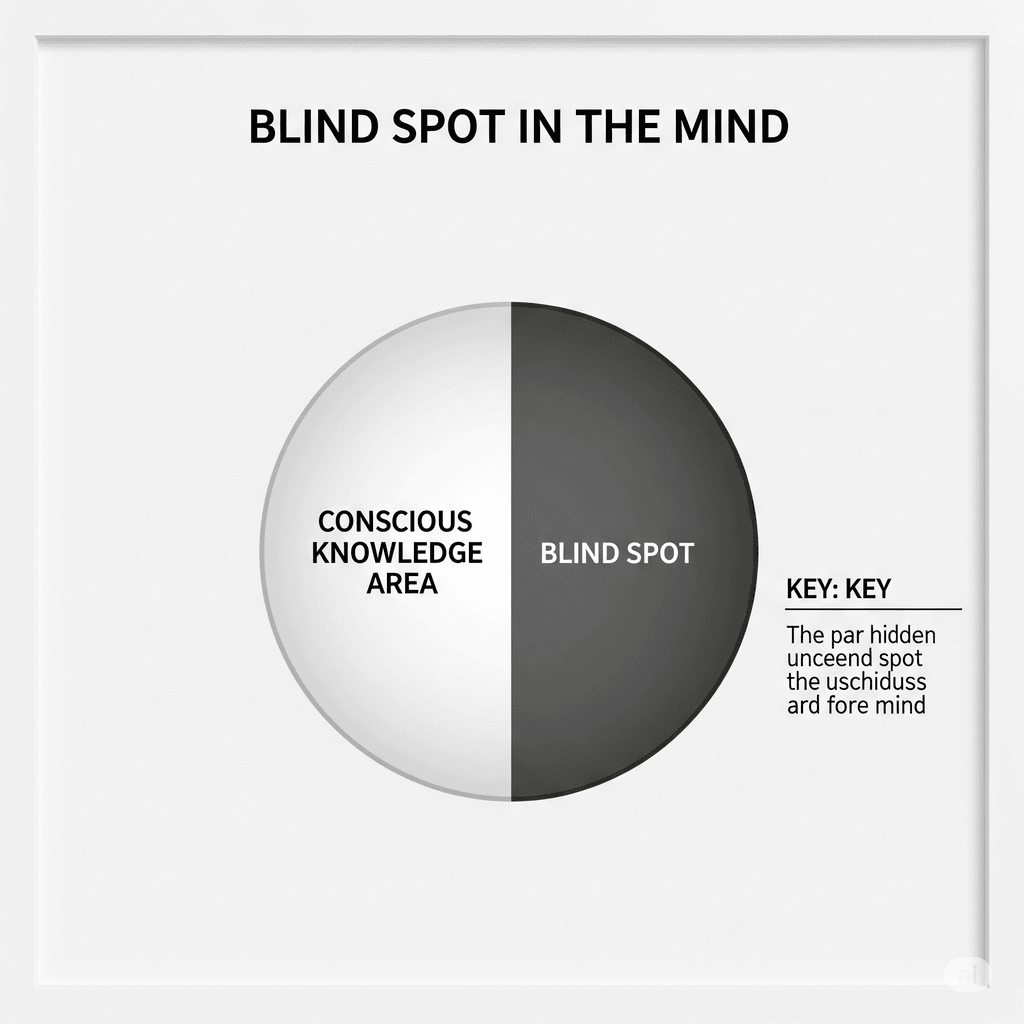
    We all have blind spots. However, we are often not even aware that we have them. In his book “Think Again,” Adam Grant touches on a fascinating phenomenon called Anton’s syndrome—a type of blindness where the sufferer’s brain fails to recognize that they are blind. In the context of thinking, this blindness applies to personal understanding and opinions.
    Grant writes, “We all have blind spots in our knowledge and opinions. The bad news is that they can leave us blind to our blindness, which gives us false confidence in our judgment and prevents us from rethinking. The good news is that with the right kind of confidence, we can learn to see ourselves more clearly and update our views.” This means that blind spots are not just a matter of knowledge, but also a problem of ‘false confidence’ that hinders our growth.
    This phenomenon can have fatal consequences. In an organizational or corporate context, leaders who are unaware of their blind spots are easily trapped into making wrong decisions or practicing outdated management. In personal relationships, this can lead to communication deadlocks because each party feels they are already right.
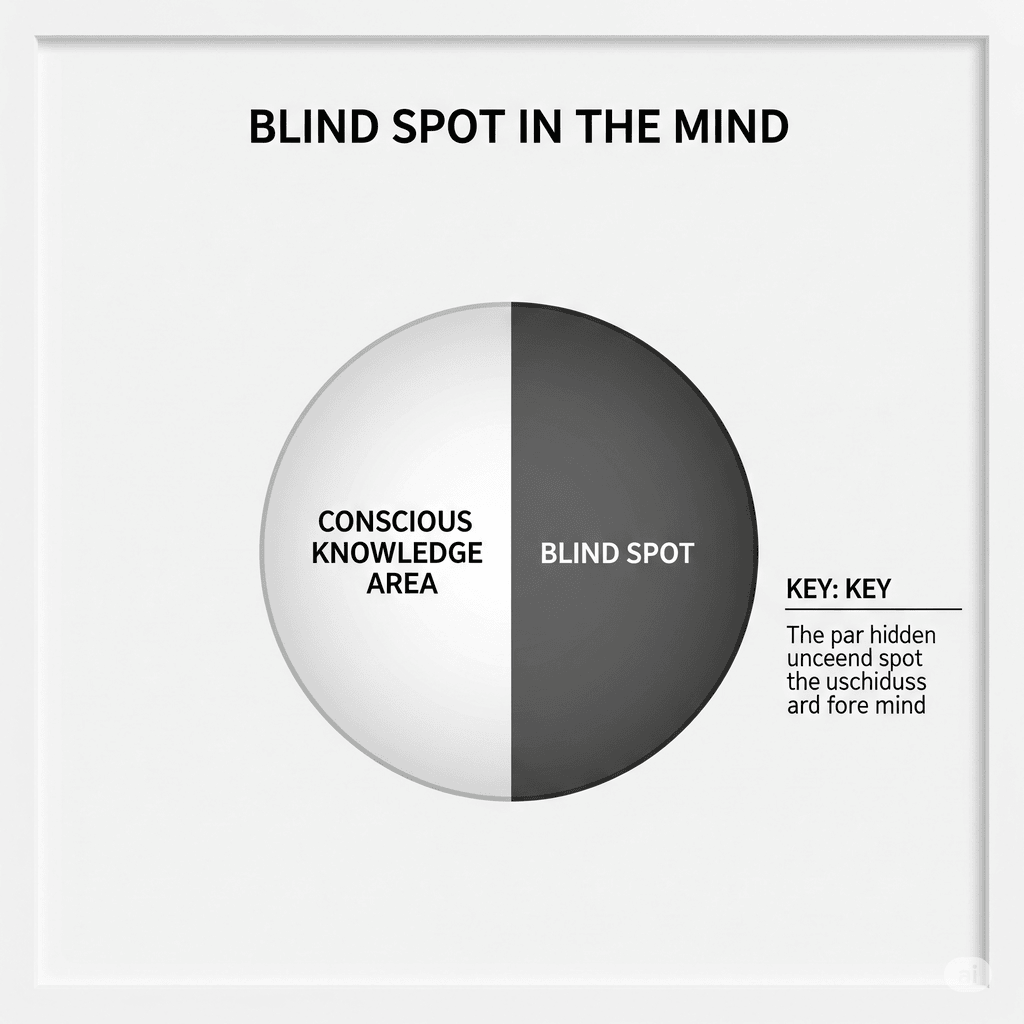
    But how do you recognize (and then reduce) a blind spot? This is what is explored further in the book “Think Again.” A specific framework for conducting this “blind spot detection” in your thinking, including step-by-step exercises you can apply, is detailed completely in the MentorBuku summary…


    Healthy Confidence: The Foundation for Keeping an Open Mind to Renewal

    Often, people think confidence is about standing firm in one’s beliefs. However, according to Grant, true confidence actually involves the ability to admit you could be wrong and the courage to explore alternative ways of thinking. In his book, he warns that too many people are trapped in “overconfidence bias”—an illusion that we know more than we actually do.
    The key to healthy confidence is building a readiness to be corrected. Grant uses an interesting analogy: in driver’s training, we are taught to find and eliminate blind spots with the help of mirrors and sensors. In real life, our minds are not equipped with such tools, so we are the ones who must consciously build these ‘detection tools’.
    This context is highly relevant, especially for those involved in the professional world, business, or important decision-making. Often, it is experienced professionals who are most vulnerable to getting trapped in overconfidence and closing themselves off to new feedback.
    This means the higher your position, the greater the risk of being trapped in the comfort zone of your own thinking. But how can you practically develop healthy confidence without falling into the trap of arrogance? The book “Think Again” outlines key indicators and self-reflection exercises you can do daily, but the technical details are available exclusively in the MentorBuku summary…

    The Art of Rethinking: How to Train Your Mind to be Flexible and Bold in Changing Your Perspective

    If blind spots are the hidden enemy, then “rethinking” is the cure. Grant gives an example: in architecture and art classes, instead of asking students to create one final piece, they are asked to redo their drafts four or more times. The results were extraordinary: the students actually grew more enthusiastic, because the revision process rapidly improved the quality of the output. “Quality means rethinking,” Grant writes firmly.
    The habit of rethinking strengthens the quality of decision-making and enables us to adapt quickly to change. This pattern can be applied in various fields: from product innovation and business strategy to personal self-development. Rethinking is not just about changing your mind randomly, but about making revisions based on new evidence, data, and environmental feedback.
    One of the strengths of “Think Again” is its dissection of the practical steps for building rethinking habits—such as getting used to asking the question “What can I learn from this failure?”, or preparing a ‘support network’ that dares to challenge your basic assumptions.
    Unfortunately, there are three main mistakes that often occur when people start to rethink—from considering the revision process a “failure,” to rejecting feedback for emotional reasons. All the effective techniques, checklists, and real-world examples of this rethinking application are thoroughly explored in MentorBuku. You will find ready-to-use templates and strategies that can be applied to both individuals and work teams…

    Read also : The 48 Laws of Power by Robert Greene

    Conclusion: What’s Next?

    Recognizing that you have blind spots, building healthy confidence, and practicing the habit of rethinking—these are the core foundations for achieving a leap in quality in your learning, career, or life. However, as Adam Grant says, awareness alone is not enough; you need a system, real practice, and deep insights to truly move beyond your comfort zone, revise your way of thinking, and achieve superior results.

    Read also : Discipline Is Destiny by Ryan Holiday


    Read also : Build, Don’t Talk by Raj Shamani


    You have just seen the foundation. These concepts are just the tip of the iceberg of what this book offers. How do you apply them step by step, avoid common pitfalls, and integrate them into your strategy? All those answers are inside.
    Register and Get Free Access at MentorBuku Now!
  • 5 Rahasia Fundamental Membaca Bahasa Tubuh Orang. What Every BODY Is Saying by Joe Navarro with Marvin Karlins, Ph.D


    Di dunia yang serba terhubung, kemampuan membaca bahasa tubuh bukan lagi keahlian eksklusif detektif atau agen rahasia. Faktanya, Anda setiap hari menghadapi momen di mana kata-kata tak bisa diandalkan sepenuhnya. Ketika seseorang berkata “Saya baik-baik saja” dengan senyum tipis dan tangan yang mengatup keras di pangkuannya, kita tahu ada pesan tersembunyi di baliknya.

    Namun, apakah Anda tahu bahwa tubuh menyimpan ‘kode rahasia’ tentang emosi dan niat seseorang—bahkan sebelum mereka sendiri sadar? Mari kita bongkar lima rahasia fundamental membaca bahasa tubuh, sebuah pengetahuan strategis yang mampu mentransformasi cara Anda berkomunikasi, membuat keputusan, hingga membangun kepercayaan.


    Mengapa Bahasa Tubuh Menentukan Kebenaran Seseorang?

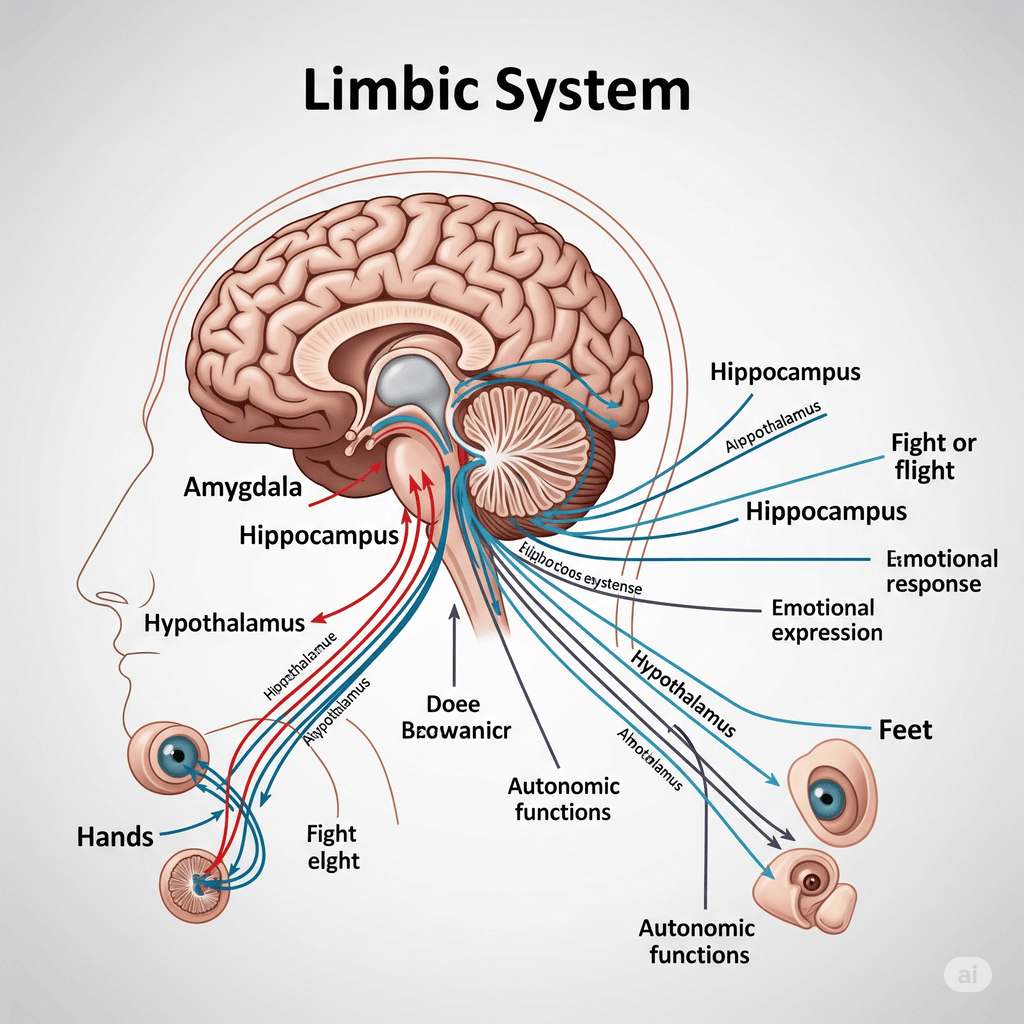
    Sebelum melangkah lebih jauh, Anda harus memahami mengapa nonverbal lebih berbicara daripada kata-kata lisan. Secara neurologis, tubuh kita bereaksi lebih dulu terhadap ancaman, ketidakjujuran, bahkan kegembiraan—jauh sebelum otak rasional mengambil alih. Gerak reflek, tatapan mata, perubahan posisi tangan atau kaki adalah sinyal-sinyal yang berasal dari otak limbik.

    Konteksnya, bahasa nonverbal adalah “bahasa jujur” manusia. Dalam percakapan kasual, Anda mungkin tak menyadari detail detail mikro-ekspresi seseorang. Tetapi dalam konteks negosiasi, wawancara, atau membangun relasi personal, membaca bahasa tubuh membuat perbedaan antara terjebak dalam kebohongan atau mampu memegang kendali situasi.

    “Orang percaya apa yang mereka lihat, bukan hanya apa yang mereka dengarkan.”

    Namun, memahami “kenapa” saja tidak cukup. Untuk mendapatkan keahlian ini, Anda perlu menelaah anatomi detail bahasa tubuh—dan di sinilah lima rahasia ini dimulai.


    Rahasia #1 – Gestur Tangan: Sinyal Jujur atau Menipu?

    Gestur tangan mungkin tampak biasa. Namun, sebagai salah satu sinyal nonverbal terkuat, pergerakan tangan dapat menjadi pintu gerbang utama membaca niat lawan bicara Anda. Peneliti bahasa tubuh menemukan keterkaitan erat antara posisi telapak tangan dengan impresi kejujuran.

    Ketika seseorang berbicara dengan telapak tangan menghadap ke atas (palm-up), biasanya ini menandakan keterbukaan, ketulusan, dan ingin berbagi. Sebaliknya, gestur palm-down adalah simbol dominansi, otoritas, atau dalam kondisi tertentu, keinginan untuk menahan informasi. Selama percakapan biasa, kedua gestur dapat muncul bergantian.

    Namun, hal yang menarik muncul saat percakapan berubah menjadi tensi tinggi atau deklarasi penting. Cermati: apakah lawan bicara Anda memilih gestur palm-down dengan suara tegas, atau tetap bertahan pada palm-up yang tenang? Pergeseran inilah yang menandai perubahan emosi dan niat di bawah permukaan.

    Oleh karena itu, pengamatan gestur tangan bukan hanya soal estetika, tetapi alat mendeteksi dinamika psikologis secara real time.

    “Kerangka kerja lengkap untuk menerapkan pembacaan gestur tangan dalam membuat keputusan bisnis, negosiasi, dan membangun kepercayaan dibahas dalam 5 langkah spesifik di dalam buku asli dan rangkuman premium MentorBuku…”

    Baca juga : The Greatest Secret by Rhonda Byrne


    Studi Kasus Palm-Up vs Palm-Down dalam Percakapan

    Bayangkan Anda berada di meeting penting. Seseorang memberikan usulan besar sambil mempertahankan tangan di atas meja, telapak menghadap ke bawah dan jarang berubah posisi. Di sisi lain, rekan yang mendukung ide itu menggunakan gestur terbuka, telapak ke atas, dengan senyum dan sorot mata ramah. Siapa yang Anda rasakan lebih tulus? Siapa yang diam-diam mendikte agenda?

    Bukan kebetulan, studi-studi microexpression membenarkan bahwa gestur tangan tidak hanya pengiring kata-kata, tapi juga landasan trust dalam komunikasi.

    Namun jangan dulu ambil keputusan. Ada sejumlah bias dan kesalahan umum dalam membaca gestur tangan—dan detailnya adalah salah satu highlight eksklusif yang kami ulas lebih mendalam di MentorBuku…


    Rahasia #2 – Limbic Response: Reaksi Bawah Sadar yang Tak Bisa Disembunyikan

    Limbic system, area di otak yang diwariskan sejak zaman prasejarah, bertanggung jawab melindungi kita dari bahaya serta merefleksikan perasaan lewat reaksi fisik spontan. Saat kita merasa terancam, tidak nyaman, atau ragu, tubuh akan memberikan “alarm bawah sadar”. Contohnya, orang yang tiba-tiba meletakkan tas di antara dirinya dan orang lain, atau mengusap leher, adalah “gesture shield” klasik dari reaksi limbic.

    Yang membuat ini menarik, gesture-gesture ini sangat sulit untuk dikontrol secara sadar, bahkan oleh pembohong ulung sekali pun. Oleh sebab itu, memahami prinsip “limbic reaction” menjadi bekal utama bagi siapapun, baik Anda seorang HR, negosiator, ataupun sekadar ingin menangkap kejujuran sahabat.

    Namun, ciri-ciri limbic response bisa sangat halus dan mudah terlewat. Gerakan kaki gelisah di bawah meja, microexpression wajah satu detik, hingga perubahan pola pernapasan adalah rangkaian detail yang sering keliru dibaca.

    “Teknik lanjutan membedakan limbic response yang valid dengan sekadar kecanggungan sosial, serta cara mempraktikkan pengamatan presisi ini, adalah bagian dari insight eksklusif rangkuman MentorBuku…”

    Baca juga : The Collapse of Parenting by Leonard Sax


    Rahasia #3 – Deklarasi vs Diskusi: Cara Gestur Membocorkan Intensitas Emosi

    Salah satu bab menarik dari buku “What Every BODY is Saying” adalah bagaimana tangan “berbicara” lebih keras di momen deklarasi atau penegasan dibanding percakapan biasa.

    Saat dua orang berdebat santai, bolak-balik palm-up, palm-down adalah hal biasa. Namun, jika terjadi peralihan ke statemen penting (“Saya benar-benar…”, “Kamu harus percaya…”), perubahan tiba-tiba pada posisi tangan (atau justru menghilangnya gesture) adalah ‘alarm’ nonverbal terhadap ketegangan, keraguan, atau upaya mengontrol persepsi.

    Lebih jauh, kombinasi gesture dengan ekspresi wajah, sudut tatapan, dan postur tubuh melengkapi narasi bawah sadar ini. Mereka yang memahami pergeseran gesture ini mampu membaca siapa yang sekadar membangun opini, dan siapa yang sedang sungguh-sungguh berupaya meyakinkan diri sekaligus lawan bicaranya.

    Akan tetapi, membedakan niat asertif dan sekadar stress gestur butuh latihan, observasi mendalam, serta sejumlah checklist perilaku utama.

    “Namun, ada tiga kesalahan umum yang sering terjadi saat menilai pergeseran gesture dalam deklarasi–diskusi, yang dibedah tuntas dalam rangkuman premium MentorBuku…”

    Baca juga : Unwinding Anxiety by Judson A. Brewer


    Penutup: Melihat Dimensi Baru dalam Komunikasi Lewat Tubuh

    Membaca bahasa tubuh bukanlah sekadar “menebak-nebak” mood orang lain. Ini adalah sains terapan, yang dapat diasah untuk mengurangi salah persepsi, meningkatkan kualitas interaksi, dan mendeteksi sinyal bahaya yang sulit diungkap lewat kata-kata saja.

    Namun, “rahasia” terbesar bukan sekadar tentang apa saja sinyal bahasa tubuhnya, melainkan bagaimana Anda membiasakan diri melihat, menelusuri, lalu mengoptimalkan pengamatan ini dalam kehidupan profesional dan personal.

    Prosesnya sudah terbuka di depan Anda. Namun, langkah konkrit, kerangka kerja aplikasi nyata, serta praktik mengenali pola–pola ini secara otomatis adalah keahlian lanjutan yang menanti Anda di platform MentorBuku.


    Anda baru saja melihat fondasinya. Konsep-konsep ini hanyalah puncak gunung es dari apa yang ditawarkan buku ini. Bagaimana cara menerapkannya langkah demi langkah, menghindari jebakan umum, dan mengintegrasikannya ke dalam strategi Anda? Semua jawaban itu ada di dalam.

    Daftar dan Dapatkan Akses Gratis di MentorBuku Sekarang!


  • Rahasia Fundamental: Cara Ampuh Mengatasi Blind Spot Pikiran Anda. Think Again by Adam Grant


    Pernahkah Anda merasa begitu yakin terhadap sebuah keputusan, hanya untuk menyadari belakangan bahwa Anda salah — dan semuanya karena faktor yang sama sekali tidak Anda sadari sebelumnya? Fenomena inilah yang kerap terjadi akibat “blind spot” pikiran: area-area tersembunyi dalam cara kita berpikir yang membuat kita gagal untuk melihat kelemahan sendiri. Ironisnya, inilah justru yang membuat seseorang sering terjebak dalam rasa paling benar, walaupun faktanya ia mungkin sedang salah arah.

    Artikel ini akan membawa Anda memahami rahasia fundamental di balik blind spot pikiran, mengapa kepercayaan diri yang sehat sangat krusial dalam belajar, dan seni melakukan rethinking. Semua ide ini adalah fondasi bagi siapapun yang ingin berkembang di dunia yang bergerak cepat—baik dalam karier, bisnis, kepemimpinan, maupun kehidupan sehari-hari.


    Mengapa Blind Spot Pikiran adalah Masalah Besar yang Tidak Disadari Banyak Orang

    Kita semua punya blind spot. Namun, sering kali kita bahkan tidak sadar sedang memilikinya. Adam Grant di dalam buku “Think Again” menyinggung fenomena menarik yang disebut Anton’s syndrome—sejenis kondisi kebutaan di mana otak penderita gagal menyadari bahwa dirinya buta. Dalam konteks pemikiran, kebutaan ini terjadi pada pemahaman dan opini pribadi.

    Grant menulis, “We all have blind spots in our knowledge and opinions. The bad news is that they can leave us blind to our blindness, which gives us false confidence in our judgment and prevents us from rethinking. The good news is that with the right kind of confidence, we can learn to see ourselves more clearly and update our views.” Artinya, blind spot bukan sekadar masalah pengetahuan, namun juga masalah ‘kepercayaan diri semu’ yang menghalangi kita untuk tumbuh.

    Fenomena ini bisa berakibat fatal. Dalam konteks organisasi atau perusahaan, para pemimpin yang tidak menyadari blind spot mudah terjebak dalam keputusan yang keliru atau manajemen yang kolot. Dalam hubungan pribadi, hal ini membuat komunikasi terasa buntu karena masing-masing pihak merasa sudah benar.

    Namun bagaimana cara mengenali (dan kemudian mengurangi) blind spot? Inilah yang akan diungkap lebih jauh dalam buku “Think Again.” Kerangka kerja spesifik untuk melakukan “deteksi buta” dalam pemikiran ini, termasuk latihan bertahap yang bisa Anda terapkan, dijabarkan lengkap di dalam rangkuman MentorBuku…


    Kepercayaan Diri Sehat: Fondasi Agar Pikiran Tetap Terbuka pada Pembaruan

    Seringkali, orang mengira kepercayaan diri adalah soal tetap berdiri teguh pada pendirian. Padahal, menurut Grant, kepercayaan diri yang benar justru melibatkan kemampuan mengakui bahwa Anda bisa salah dan berani mengeksplorasi alternatif pemikiran. Dalam bukunya ia mengingatkan bahwa terlalu banyak orang terjebak dalam “overconfidence bias”—sebuah ilusi bahwa kita tahu lebih banyak daripada kenyataan sebenarnya.

    Kunci dari kepercayaan diri sehat adalah membangun kesiapan untuk diperbaiki. Grant menulis analogi menarik: dalam pelatihan mengemudi, kita diajarkan menemukan dan menghilangkan blind spot dengan bantuan kaca spion dan sensor. Dalam hidup nyata, pikiran kita tidak dibekali alat semacam itu, sehingga kitalah yang harus membangun ‘alat deteksi’ tersebut secara sadar.

    Konteks ini sangat relevan, terutama bagi Anda yang berkecimpung di dunia kerja, bisnis, atau pengambilan keputusan penting. Tak jarang, justru para profesional berpengalaman yang paling rentan terjebak dalam overconfidence dan menutup diri dari feedback baru.

    Artinya, semakin tinggi posisi Anda, semakin besar risiko terperangkap dalam zona nyaman pemikiran sendiri. Namun, bagaimana cara praktis mengembangkan kepercayaan diri sehat tanpa terperangkap arogansi? Buku “Think Again” memaparkan indikator-indikator kunci dan latihan refleksi diri yang bisa Anda lakukan setiap hari, namun detail teknisnya hanya tersedia secara eksklusif dalam rangkuman MentorBuku…


    Seni Rethinking: Bagaimana Melatih Pikiran agar Fleksibel dan Berani Mengubah Sudut Pandang

    Jika blind spot adalah musuh tersembunyi, maka “rethinking” adalah jurus mengobatinya. Grant mencontohkan, dalam kelas arsitektur dan seni, alih-alih meminta murid membuat satu karya final, mereka diminta mengulang draf sebanyak empat kali atau lebih. Hasilnya luar biasa: para murid justru makin bersemangat, karena proses revisi membuat kualitas output naik pesat. “Quality means rethinking,” begitu tulis Grant dengan tegas.

    Kebiasaan berpikir ulang (rethinking) memperkuat kualitas pengambilan keputusan dan memampukan kita untuk beradaptasi cepat pada perubahan. Pola ini bisa diterapkan di berbagai bidang: dari inovasi produk, strategi bisnis, hingga pengembangan diri pribadi. Rethinking bukan sekadar soal mengubah pikiran secara acak, namun tentang membuat revisi berdasarkan evidence baru, data, serta feedback lingkungan.

    Salah satu keunggulan “Think Again” adalah membedah langkah-langkah praktis dalam membangun habits rethinking—seperti membiasakan pertanyaan “Apa yang bisa saya pelajari dari kegagalan ini?”, atau menyiapkan ‘support network’ yang berani menantang asumsi dasar Anda.

    Sayangnya, ada tiga kesalahan utama yang sering terjadi ketika orang mulai melakukan rethinking—mulai dari menganggap proses revisi sebagai “kegagalan,” hingga menolak feedback karena alasan emosional. Seluruh teknik jitu, checklist, serta contoh nyata penerapan rethinking ini diulik tuntas dalam MentorBuku. Anda akan menemukan template siap pakai dan strategi yang bisa diterapkan baik untuk individu maupun tim kerja…

    Baca juga : The 48 Laws of Power by Robert Greene


    Penutup: Apa Selanjutnya?

    Mengetahui bahwa Anda punya blind spot, membangun kepercayaan diri sehat, dan melatih kebiasaan rethinking—itulah fondasi utama untuk mencapai lompatan kualitas dalam belajar, karir, ataupun kehidupan. Namun, seperti kata Adam Grant, memiliki awareness saja tidak cukup; Anda memerlukan sistem, latihan nyata, dan wawasan mendalam untuk benar-benar melampaui zona nyaman, merevisi cara mikir, dan mencapai hasil yang lebih unggul.

    Baca juga : Discipline Is Destiny by Ryan Holiday
    Baca juga : Build, Don’t Talk by Raj Shamani


    Anda baru saja melihat fondasinya. Konsep-konsep ini hanyalah puncak gunung es dari apa yang ditawarkan buku ini. Bagaimana cara menerapkannya langkah demi langkah, menghindari jebakan umum, dan mengintegrasikannya ke dalam strategi Anda? Semua jawaban itu ada di dalam.

    Daftar dan Dapatkan Akses Gratis di MentorBuku Sekarang!


  • The Fundamental Secret of the 80/20 Rule & Emotion in Marketing: An Elusive Strategy for You! The Personal MBA by Josh Kaufman


    Introduction: A Gateway to a New Paradigm in Business

    In the business world, many people are stuck in the assumption that success can only be achieved through higher education, long hours of study, or complex strategies. However, the reality is often different. Some of the simplest concepts are, in fact, the most revolutionary catalysts for change. The book “The Personal MBA” debunks various popular myths in the business world and invites us to re-examine the foundations of our daily thoughts and actions.
    This article will guide you through the core foundations of the book—specifically, three gems: the power of the 80/20 rule, the role of emotion and the provocation of desire in marketing, and the concept of the end result, which is often underestimated yet is crucial. We will explore what these concepts are and why each one determines the direction of a successful business—and why you will subsequently be hungry to learn how to apply them in the real world.


    Unveiling the 80/20 Rule – The Catalyst for Maximum Results

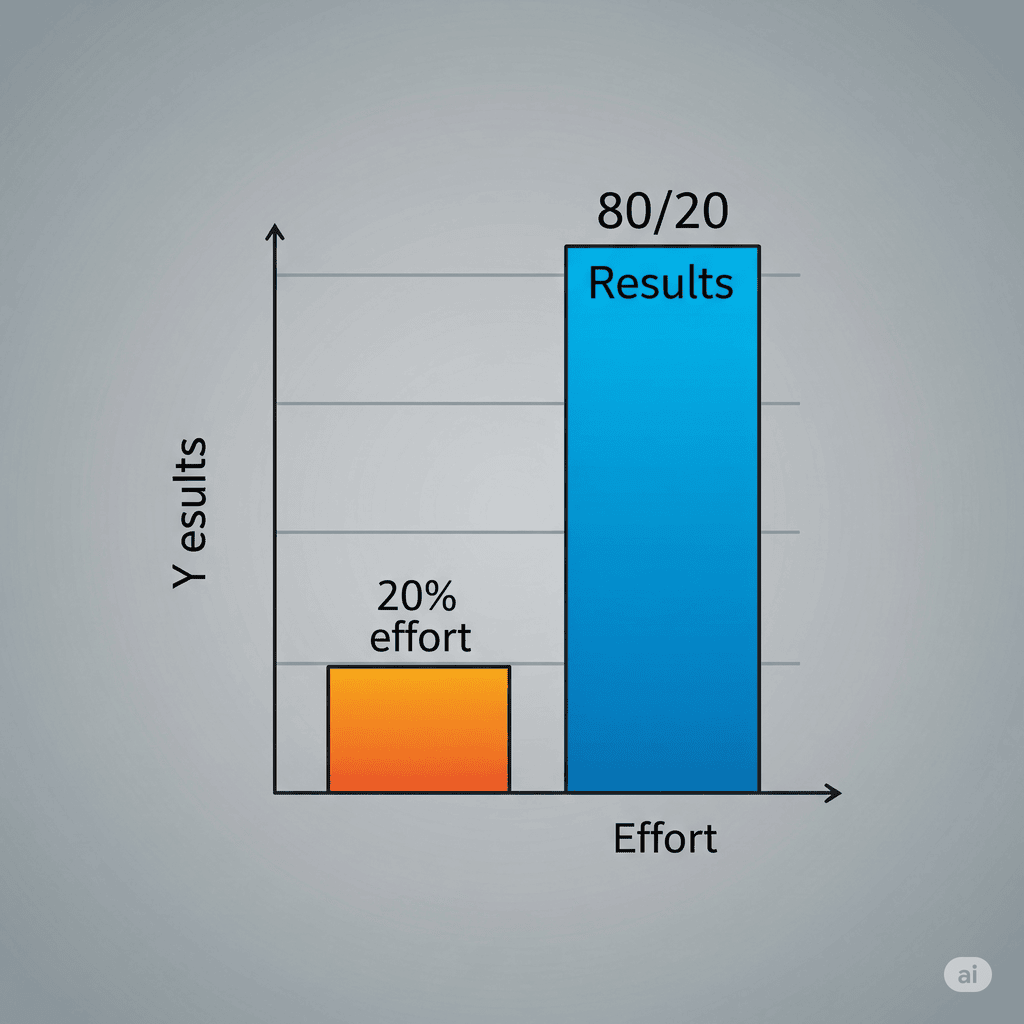
    The 80/20 rule, or Pareto Principle, is one of the most powerful principles in modern business. In essence, 80% of results come from only 20% of activities or resources. In the real world, we often see that most sales come from a few customers, or that most problems actually stem from a few causes.
    Why is this so important? Because by understanding this rule, you can focus your energy and resources on the areas that truly contribute significantly to your business. The effect is very significant: you can reduce waste and increase ROI instantly. However, there is a dangerous trap: many businesspeople fail to precisely identify their 20% leverage point, thus getting trapped in time-consuming routines.

    A systematic framework for identifying and leveraging the 80/20 in business, including the common pitfalls that often trap people, is broken down in detail in a special guide we have prepared at MentorBuku…


    Emotion – The Primary Fuel in Purchasing and Marketing

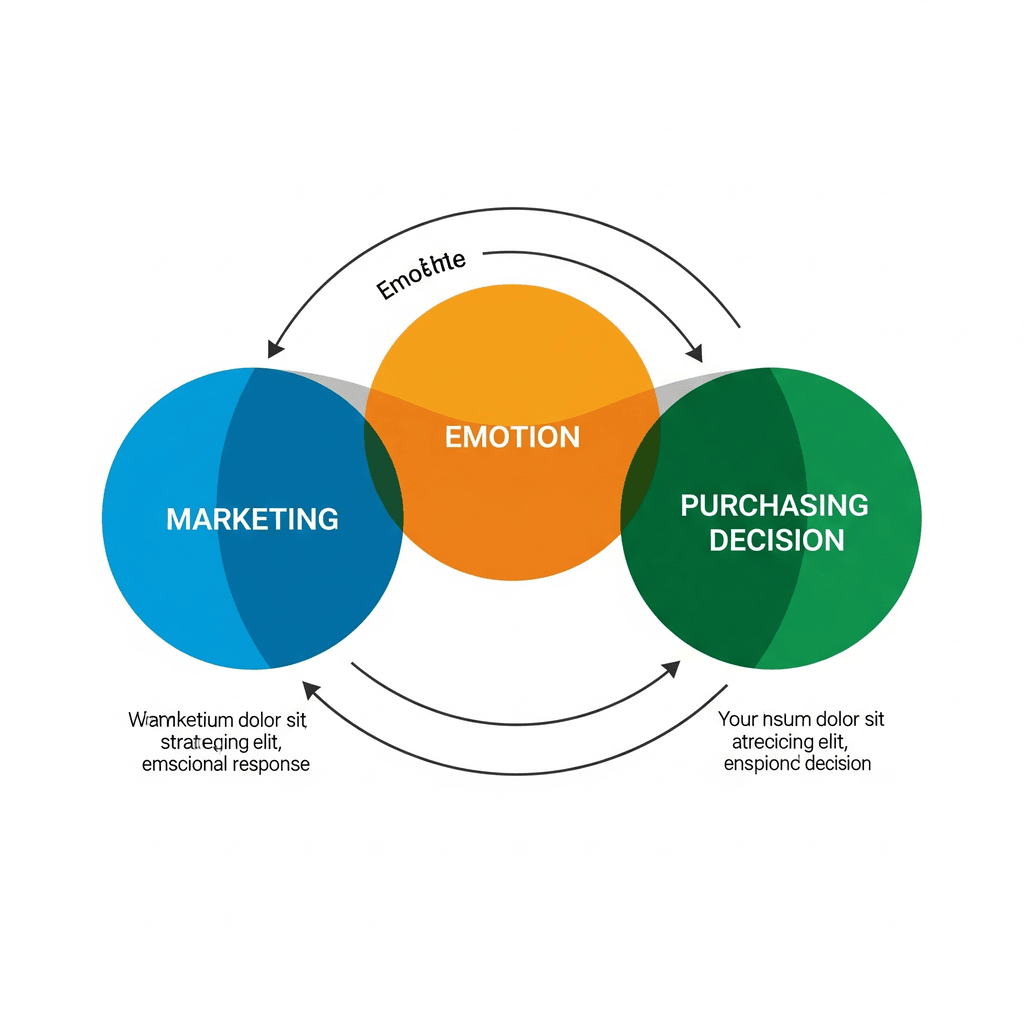
    Businesses are often too rational when designing their marketing or product offerings. Yet, research and field experience prove: emotion is the number one factor that drives purchasing decisions. From the desire for status, comfort, and pride, to the desire for acceptance—all are intertwined with emotion.
    The importance of provoking desire becomes the ultimate strategy in modern marketing. When you successfully ignite an emotional fire in your audience, your message and product will much more easily penetrate their psychological “walls.”
    However, it is futile if you don’t know how to strategically frame a story or message to evoke this emotion. There are specific narrative patterns and emotional triggers that, if applied, can transform ordinary sales pitches into revenue-boosting machines.

    Advanced techniques for designing storytelling and emotional triggers in your marketing, complete with concrete examples and copywriting templates, can be found in MentorBuku’s exclusive insights…


    The End Result – The Surefire Way to Win Negotiations and Marketing

    Instead of discussing product features and advantages, smart businesspeople always talk about the end result—the final outcome desired by the customer. This focus is not only easier for the audience to understand but also far more compelling and persuasive.
    For example, a tech company no longer sells “application features,” but rather “the convenience and efficiency it brings to your life.” In negotiations, offering the end result makes it easier for you to close the deal because the other party immediately imagines the concrete benefits for them.
    Why is this transformative? Because customers don’t care about the process—they care about the results. The ability to communicate in the language of end results is what separates elite marketers and negotiators from the rest.
    However, many fail to distinguish between a true end result and a surface-level benefit. There are special tricks to dig out, formulate, and convey an end result that truly hits the mark.
    A complete framework for designing and delivering the end result effectively is in this book and summarized in the exclusive training at MentorBuku…


    Education-Based Selling – Turning Offers into Education

    One of the most elegant modern marketing strategies is education-based selling, which emphasizes education as the foundation of the entire sales process. Instead of promoting directly, this technique focuses on providing insights, tips, and education to potential customers. The goal is not only to build authority but also to eliminate risk in their decision-making.
    Why is this so powerful? Because people are more likely to trust a party that provides benefits and knowledge before asking for something in return. The result is high trust and a dramatically increased closing rate.
    However, it requires specific techniques to weave education into a sales storytelling narrative that doesn’t feel forced. One wrong move, and the effect could actually drive prospects away.
    All the techniques, scripts, and real-world examples of education-based selling—including how to map the customer’s educational journey—are dissected in our in-depth insights at MentorBuku…


    Eliminating Purchase Risk – The Foundation of Modern Consumer Decisions

    Today, consumers are much more cautious because the risk of making a wrong purchase feels burdensome and detrimental in terms of time, reputation, and money. Therefore, a smart strategy to accelerate closing is to offer ways to eliminate purchase risk—whether through a guarantee, a trial period, or flexible payment terms.
    What is the main reason this technique is so effective? Because the human brain is naturally more inclined to avoid risk than to pursue gain.
    However, too many guarantees or empty promises can also backfire, creating an unprofessional impression. Thus, there are specific ways to design a risk elimination approach that genuinely builds trust.
    Practical strategies, formulas, and magic words that can erase a prospect’s doubts can be found at MentorBuku…


    Conclusion: It’s Time to Apply the Forgotten Fundamentals of Business

    The key to success is not advanced knowledge mastered by only a few—but the understanding and application of fundamental principles that are often overlooked. The 80/20 rule, the power of emotion, focusing on the end result, as well as education-based selling and eliminating purchase risk, are the “little sacred texts” that silently drive giant businesses and visionary entrepreneurs.
    However, without an execution framework, it all remains pseudo-knowledge. What are the practical steps, the potential pitfalls to avoid, and the ready-to-use strategy formulations? All of that awaits you in a strategic learning platform dedicated to true learners.

    Read also : Get Epic Shit Done by Ankur Warikoo


    Read also : How to Break Up with Your Phone Chaterine Price

    Read also : How to Make Girls Chase by Chase Amante


    Read also : Toxic Parents: Overcoming Their Hurtful Legacy and Reclaiming Your Life by Susan Forward


    You have just seen the foundation. These concepts are merely the tip of the iceberg of what this book offers. How do you apply them step-by-step, avoid common pitfalls, and integrate them into your strategy? All the answers lie within.
    Sign Up and Get Free Access on MentorBuku Now!

  • Rahasia Fundamental 80-20 Rule & Emosi dalam Marketing: Strategi Elusif Bagi Anda!. The Personal MBA by Josh Kaufman


    Pendahuluan: Pintu Gerbang Menuju Paradigma Baru dalam Bisnis

    Dalam dunia bisnis, banyak orang terjebak dalam asumsi bahwa kesuksesan hanya bisa dicapai melalui pendidikan tinggi, jam pelajaran panjang, atau strategi yang rumit. Namun, realitasnya sering kali berbeda. Beberapa konsep sederhana justru menjadi katalisator perubahan paling revolusioner. Buku “The Personal MBA” membongkar berbagai mitos populer dalam dunia bisnis dan mengajak kita meninjau ulang pondasi berpikir sekaligus tindakan kita sehari-hari.

    Artikel ini akan membawa Anda menyusuri fondasi utama dari buku tersebut—tepatnya pada tiga permata: kekuatan aturan 80-20, peran emosi dan provokasi keinginan dalam marketing, serta konsep end result yang kerap diremehkan tapi justru sangat menentukan. Kita akan mengeksplorasi apa dan mengapa setiap konsep ini menentukan arah bisnis yang sukses—serta kenapa Anda selanjutnya akan begitu haus pada bagaimana mengaplikasikannya di dunia nyata.


    H2: Menguak 80-20 Rule – Katalisator Hasil Tertinggi

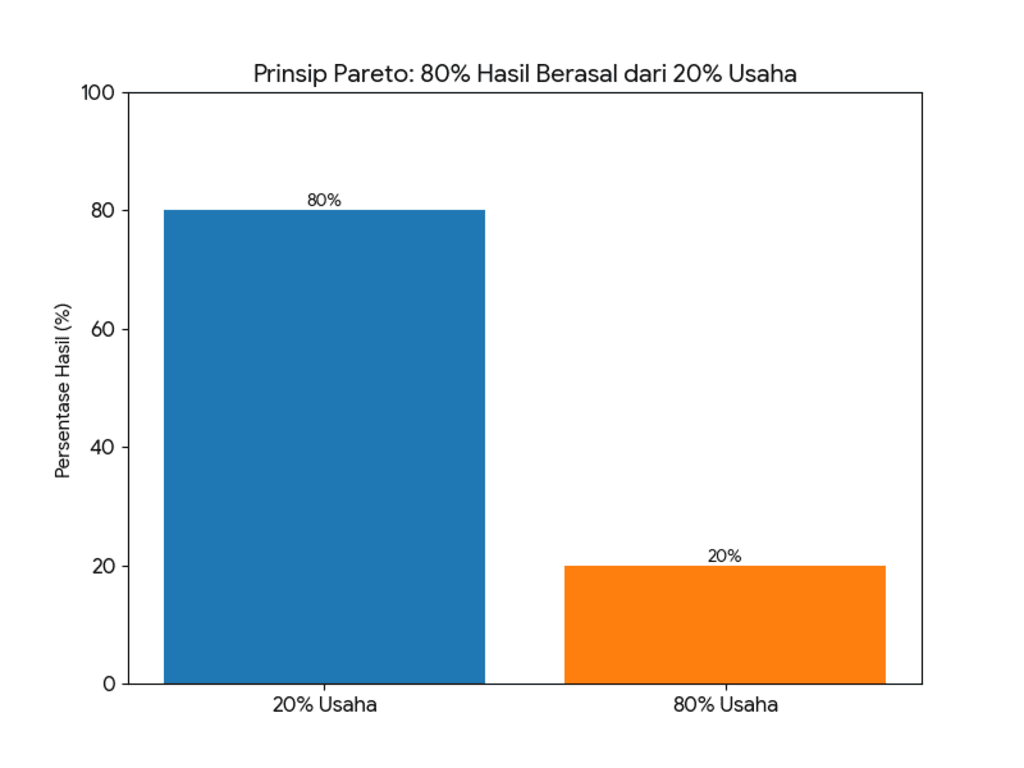
    Aturan 80-20 atau Pareto Principle adalah salah satu prinsip paling powerful dalam bisnis modern. Intinya, 80% hasil berasal dari hanya 20% aktivitas atau sumber daya. Dalam dunia nyata, kita sering melihat bahwa sebagian besar penjualan berasal dari sedikit pelanggan, atau sebagian besar masalah justru berasal dari sedikit penyebab.

    Mengapa ini sangat penting? Karena dengan memahami aturan ini, Anda bisa memfokuskan energi dan sumber daya ke area yang benar-benar berkontribusi besar dalam bisnis Anda. Efeknya sangat signifikan: Anda dapat mengurangi waste dan memperbesar ROI secara instan. Namun, terdapat jebakan berbahaya: banyak pelaku bisnis gagal menemukan dengan tepat di mana titik tumpuh 20% mereka, sehingga terjebak dalam rutinitas yang menguras waktu.

    Kerangka sistematis untuk mengidentifikasi dan memanfaatkan 80-20 dalam bisnis, termasuk kesalahan umum yang sering menjerat, diurai tuntas dalam panduan khusus yang kami siapkan di MentorBuku…


    H2: Emosi – Bahan Bakar Utama dalam Pembelian dan Marketing

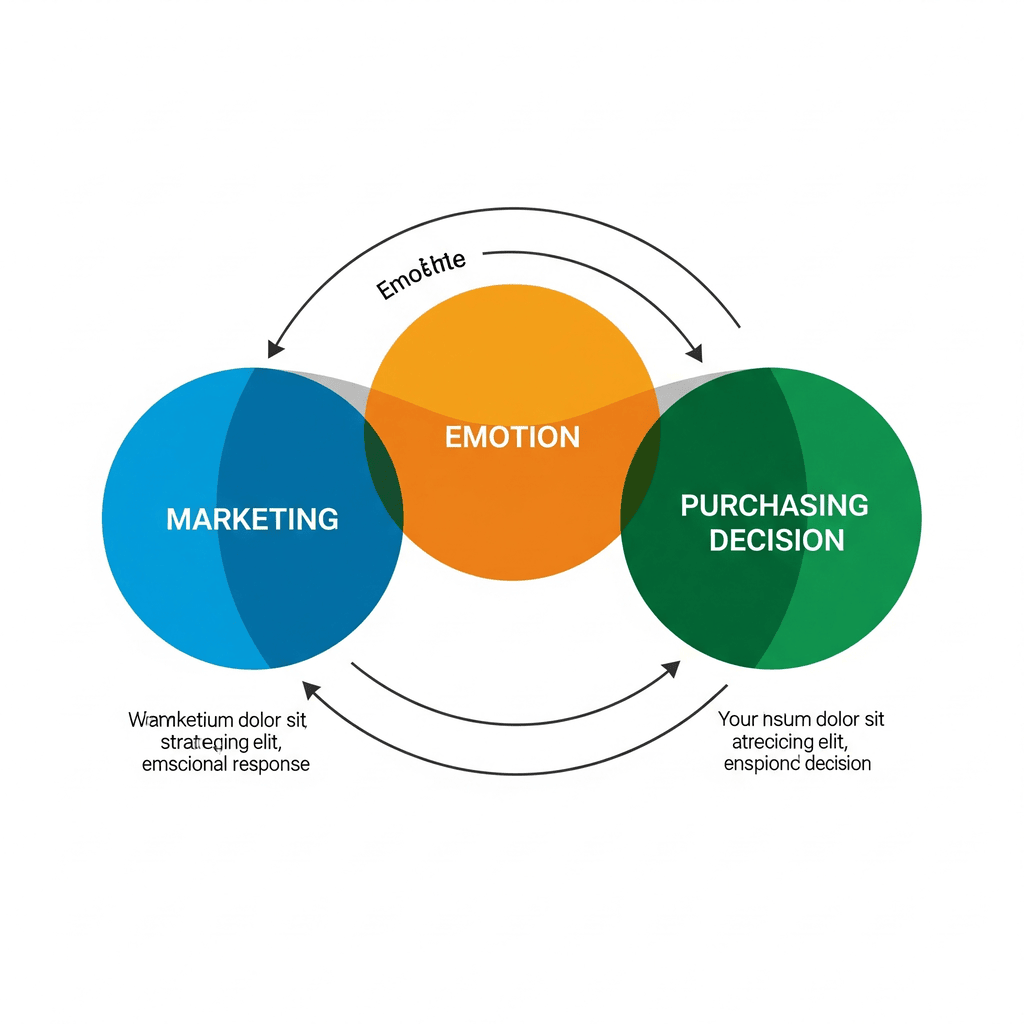
    Bisnis sering kali terlalu rasional dalam mendesain marketing atau penawaran produknya. Padahal, riset dan pengalaman lapangan membuktikan: emosi adalah faktor nomor satu yang mendorong keputusan pembelian. Dari keinginan akan status, kenyamanan, kebanggaan, sampai keinginan untuk diterima—semua terjalin lewat emosi.

    Pentingnya membangkitkan rasa keinginan (desire provoking) menjadi strategi pamungkas dalam marketing masa kini. Saat Anda sukses menyalakan api emosional pada audiens, pesan dan produk Anda akan jauh lebih mudah menembus “tembok” psikologis mereka.

    Namun, percuma jika tidak tahu cara membingkai cerita atau pesan secara strategis agar emosi ini muncul. Ada pola-pola narasi dan pemicu emosional tertentu yang jika diterapkan, bisa mengubah skimpenjualan biasa menjadi mesin pendongkrak omzet.

    Teknik lanjutan untuk merancang storytelling dan pemicu emosi dalam marketing Anda, lengkap dengan contoh konkret dan template copywriting, dapat ditemukan di wawasan eksklusif MentorBuku…


    H2: End Result – Cara Jitu Memenangkan Negosiasi dan Marketing

    Alih-alih membahas fitur dan keunggulan produk, pebisnis cerdas selalu berbicara soal end result—hasil akhir yang didambakan pelanggan. Fokus ini bukan saja lebih mudah dipahami oleh audiens, tetapi juga jauh lebih memikat dan persuasive.

    Misalnya, perusahaan teknologi tidak lagi menjual “fitur aplikasi”, melainkan “kenyamanan dan efisiensi yang diberikannya untuk hidup Anda”. Dalam negosiasi, menawarkan end result membuat Anda lebih mudah menutup kesepakatan karena lawan bicara langsung membayangkan manfaat konkret baginya.

    Mengapa ini transformative? Karena pelanggan tidak peduli proses—mereka peduli pada hasil. Kemampuan berkomunikasi dengan bahasa hasil akhir adalah aspek yang memisahkan marketer dan negosiator elit dari yang lain.

    Namun, banyak yang gagal membedakan antara end result sejati dengan manfaat permukaan. Ada trik khusus untuk menggali, merumuskan, dan menyampaikan end result yang benar-benar mengena sasaran.

    Kerangka kerja lengkap untuk merancang dan menyampaikan end result secara efektif ada di dalam buku ini dan dirangkum dalam pelatihan eksklusif di MentorBuku…


    H2: Education-Based Selling – Mengubah Penawaran Jadi Edukasi

    Salah satu strategi pemasaran modern paling elegan adalah education-based selling, yakni mengedepankan edukasi sebagai fondasi dari seluruh proses penjualan. Alih-alih melakukan promosi secara frontal, teknik ini fokus pada memberi wawasan, tips, serta edukasi kepada calon pelanggan. Tujuannya bukan hanya membangun authority, melainkan juga menghilangkan risiko dalam pengambilan keputusan.

    Mengapa ini begitu powerful? Karena orang lebih percaya pada pihak yang memberi manfaat dan pengetahuan sebelum meminta sesuatu kembali. Hasilnya adalah trust yang tinggi dan closing rate yang melonjak drastis.

    Namun, perlu teknik spesifik untuk merangkai edukasi menjadi bagian story telling penjualan yang tidak terasa memaksa. Salah langkah, efeknya justru membuat prospek menjauh.

    Semua teknik, skrip, dan contoh nyata dari education-based selling—termasuk cara memetakan perjalanan edukasi pelanggan—kami bedah dalam insight mendalam di MentorBuku…


    H2: Eliminasi Risiko Pembelian – Fondasi Keputusan Konsumen Modern

    Kini, konsumen jauh lebih berhati-hati karena risiko salah membeli terasa berat serta merugikan dari sisi waktu, reputasi, dan uang. Maka, strategi cerdas untuk mempercepat closing adalah dengan menawarkan cara mengeliminasi risiko pembelian—baik dengan garansi, trial period, atau posisi pembayaran yang fleksibel.

    Apa alasan utama teknik ini begitu efektif? Karena otak manusia secara alamiah cenderung menghindari risiko lebih kuat daripada mengejar keuntungan.

    Namun, terlalu banyak garansi atau janji kosong juga bisa backfire, menimbulkan kesan tak profesional. Maka, ada cara spesifik untuk merancang pendekatan risk elimination yang benar-benar membangun kepercayaan.

    Strategi praktis, formula, dan kata-kata ajaib yang mampu menghapus keraguan prospek bisa Anda temukan di MentorBuku…


    Kesimpulan: Saatnya Menerapkan Fundamental Bisnis yang Terlupakan

    Kunci sukses bukanlah ilmu tinggi yang hanya dikuasai segelintir orang—tetapi pemahaman dan penerapan prinsip-prinsip mendasar yang sering diabaikan. Aturan 80-20, kekuatan emosi, fokus pada hasil akhir, serta edukasi dalam penjualan dan penghilangan risiko pembelian adalah “kitab suci kecil” yang diam-diam menggerakkan bisnis raksasa dan entrepreneur visioner.

    Namun, tanpa kerangka eksekusi, semua tetap jadi pengetahuan semu. Apa langkah-langkah praktisnya, potensi jebakan yang harus dihindari, dan formulasi strategi siap pakai? Semua itu menanti Anda dalam platform pembelajaran strategis yang didedikasikan untuk para pembelajar sejati.


    Baca juga : Get Epic Shit Done by Ankur Warikoo
    Baca juga : How to Break Up with Your Phone by Chaterine Price
    Baca juga : How to Make Girls Chase by Chase Amante

    Baca juga : Toxic Parents: Overcoming Their Hurtful Legacy and Reclaiming Your Life by Susan Forward


    Anda baru saja melihat fondasinya. Konsep-konsep ini hanyalah puncak gunung es dari apa yang ditawarkan buku ini. Bagaimana cara menerapkannya langkah demi langkah, menghindari jebakan umum, dan mengintegrasikannya ke dalam strategi Anda? Semua jawaban itu ada di dalam.

    Daftar dan Dapatkan Akses Gratis di MentorBuku Sekarang!


  • Your Fundamental Secret to Fastlane Wealth Success. The Millionaire Fastlane by MJ DeMarco

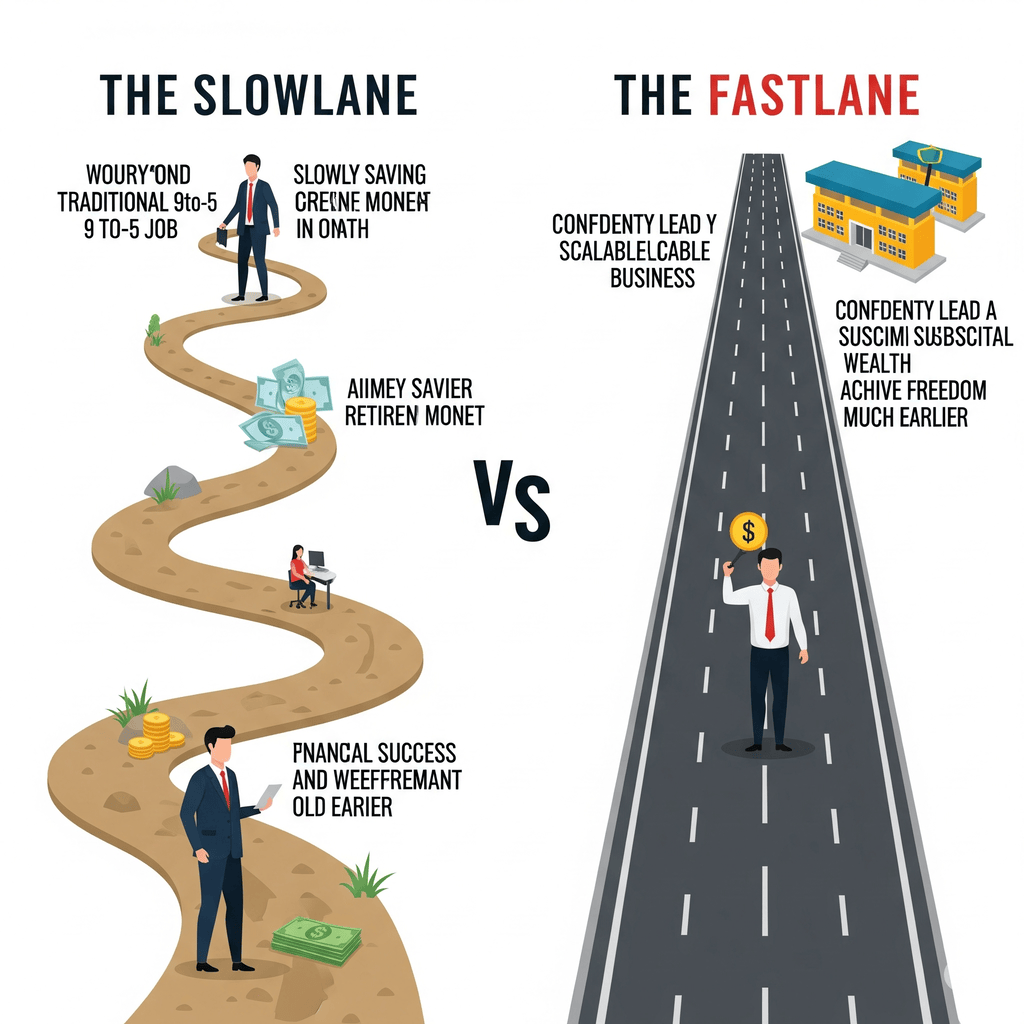
    Have you ever felt that achieving wealth is incredibly slow, even after years of hard work? Many people believe the path to financial freedom is to follow the conventional path: go to school, get a job, save money, retire, and hope their wealth multiplies in their old age. However, the great secret that often goes unnoticed is this: the conventional “Slowlane” mindset and strategy is precisely what makes your journey feel endless. Through “The Millionaire Fastlane,” MJ DeMarco shatters this old model and offers a new path that is far faster, proven, and challenges the status quo of the financial world. Let’s break down the three foundations of wealth success—with one common thread: you can take back control of your life’s direction if you dare to change the way you think and act. What are the key concepts?


    Why the Fastlane Mindset is Superior to the Slowlane

    Most people have unknowingly fallen into the “Slowlane trap”—following the old playbook: get a good education, work hard, climb the corporate ladder, and hope that savings and investments will slowly accumulate in their accounts. The reality is, the world has changed. A single economic crisis, technological shift, or even a pandemic can wipe out all conventional plans in an instant. This is DeMarco’s sharp critique: the Slowlane is merely an illusion of security. It forces you to trade your time, sacrifices, and freedom today for the promise of results in an uncertain future. On the other hand, the Fastlane concept puts you in the driver’s seat. It’s not about waiting for fate or a promotion, but about creating a wealth-generating machine that leverages quality and speed. The Fastlane is a bold mindset that challenges “normalcy” and pushes you to build assets that can grow and generate income automatically. What makes the Fastlane radically different?

    • Focus on Scale & Leverage: The Fastlane seeks ways for your time to have an exponential impact, not just trading time for money.
    • Control Your Own Destiny: You stop relying on your company, boss, or the global economy to determine your future.
    • Take Targeted Risks: The courage to try new things, learn quickly, and fail in a calculated manner becomes part of the Fastlane journey.
    • Produce Results Faster: While the Slowlane offers to “get rich later,” the Fastlane allows you to enjoy the results sooner without sacrificing your youth.

    With this shift in perspective, you will view opportunities, failure, and courage from a completely different standpoint. However, don’t be fooled: the detailed framework for building a Fastlane machine is laid out tactically and sequentially in the original book, covering everything from choosing a business model and mindset to execution—it’s not just a slogan or fleeting motivation. “The complete framework for building a scalable and future-proof Fastlane system is laid out step-by-step in the book The Millionaire Fastlane. A detailed summary and its practical steps can be found in more detail at MentorBuku…”

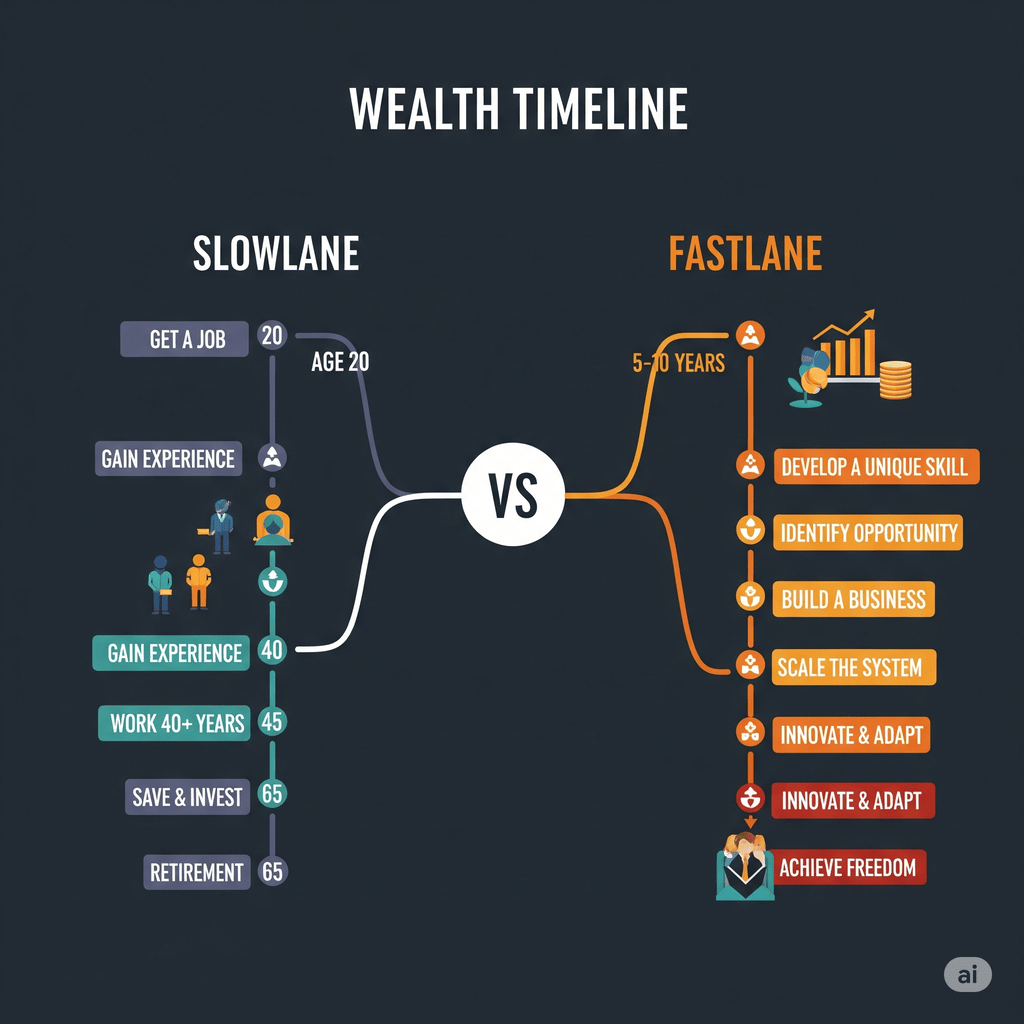
    The Conventional vs. Fastlane Wealth Roadmap

    Let’s clarify the illustration:

    • Slowlane: Work → Get Paid → Save → Invest → Retire → Enjoy the Results
    • Fastlane: Build assets → Leverage technology/systems → Multiplied income in a short period → Enjoy the results while still young and productive

    If you are just waiting for “time” to make you wealthy, you are letting externalities dictate your life. The Fastlane teaches you to create a system that enables income independent of external factors.

    Self-Education: The Key to Adaptation & Income Growth

    Many people assume the learning process ends with a diploma in hand. However, DeMarco emphasizes that formal education is just basic training. The world changes too quickly if you rely on static knowledge. Innovation, technology, and new opportunities are constantly emerging—and only those who actively seek new knowledge can capitalize on them.
    MJ DeMarco himself is a real-life example: when he started building his internet media business, he didn’t know how to create a website, design, manage servers, or even do copywriting. Was that an obstacle? No. Because self-education is the lifeblood of Fastlaners. He learned, experimented, and delved into various resources until he mastered the required skills [1].
    Some important habits for becoming a “great self-learner”:

    • Not being afraid to fail when learning new things
    • Utilizing online resources, books, forums, and productive communities
    • Cultivating a “can-do” mindset
    • Regularly updating skills to stay relevant

    It’s important to remember: postponing learning will only slow down your progress. Deliberate and self-directed education is the true wealth accelerator, not just a certification without added value.
    “However, there are three common mistakes that often occur when starting self-education, from choosing the wrong learning resources to failing to maintain consistency. All strategies to overcome them are covered in MentorBuku’s exclusive summary…”

    Read also : CEO Excellence by Carolyn Dewar

    How to Become a Great Self-Learner and Win in the Digital Era

    How can you get started? The secret lies in the balance between curiosity and discipline. Start with a small project, like building your own portfolio website, and document your learning steps and mistakes along the way. If you encounter obstacles, don’t be quick to give up.
    “Excuses are like a plastic bag ready to smother your dreams, but only if you stick your head in the bag. Instead, my vision didn’t end with ‘I don’t know how’, but started there.” Take inspiration from this quote: The journey to success begins precisely at the point of “not knowing how” [1].
    “Advanced techniques for building self-learning skills, as well as a list of the most effective online learning resources, are all reviewed step-by-step in MentorBuku’s award-winning summary…”


    Customer Service: The X-Factor for Boosting Reputation and Profit

    One expensive lesson in the business world: a great product can be ruined by poor service. DeMarco’s personal experience at a luxury hotel in Italy serves as a real-life illustration. Although the hotel’s architecture was magnificent, the service was chaotic: unresponsive employees, unkept promises, and convoluted processes. Instead of fond memories, all that remained was disappointment.
    This is where the role of customer service lies. More than just fulfilling promises, “living” customer service provides an unforgettable experience and maintains loyalty. In fact, a single incident of poor service can render the investment in product quality useless.
    There are two important lessons:

    1. The service philosophy must be embodied by all employees, not just be a slogan on the wall.
    2. No matter how good your product is, its reputation can still be ruined by a poor customer experience.

    Improving customer service means designing every interaction to reflect your brand’s vision, as well as building strong communication between management and frontline staff.
    “Concrete solutions and templates for building world-class customer service—including a ready-to-use checklist—are available exclusively as part of MentorBuku’s insights…”

    Read also : The Power of Positive Thinking by Dr. Norman Vincent Peale

    Case Study: A Costly Failure Due to Poor Service

    Have you ever been disappointed by a business that was supposed to be “premium”? Perhaps you ended up remembering the bad experience more than the product’s grandeur. Unfortunately, a damaged reputation is difficult to restore. Bad service can spread even faster, especially in the age of social media.
    World-class businesses always start with the mindset: “Every team member is a service ambassador.” The company’s vision is not just communicated, but also translated into action on the ground by every employee.
    “A list of real case studies and recruitment techniques for the best customer service teams are dissected in detail in the book and MentorBuku’s Premium summary…”


    Conclusion: Starting Your Fastlane Journey

    We have dissected three keys to transformation according to “The Millionaire Fastlane”: (1) shifting your mindset and strategy from the Slowlane to the Fastlane, (2) actively building knowledge through self-education, and (3) protecting your business’s reputation through world-class customer service. These three are not just theories—they are foundations that have been tested by modern successful individuals.
    The next step is the courage to initiate change. Are you ready to challenge the mainstream, actively learn new things, and improve all aspects of service in your business or career? It all starts with one small decision today: changing your mindset and taking immediate action.
    However, don’t stop here. Technical guides, practical checklists, and a breakdown of fatal mistakes when implementing the Fastlane concept—all await you at MentorBuku.


    You’ve just seen the foundation. These concepts are merely the tip of the iceberg of what this book offers. How do you apply them step-by-step, avoid common pitfalls, and integrate them into your strategy? All the answers are inside.

    Register and Get Free Access at MentorBuku Now!

  • Rahasia Fundamental Sukses Kekayaan ala Fastlane Anda. The Millionaire Fastlane by MJ DeMarco

    Pernahkah Anda merasa betapa lambatnya pencapaian kekayaan meski sudah bekerja keras bertahun-tahun? Banyak orang percaya, jalan menuju kebebasan finansial adalah dengan mengikuti arus: sekolah, bekerja, nabung, pensiun, dan berharap rezeki berlipat di hari tua. Namun, rahasia besar yang sering tak disadari adalah: pola pikir dan strategi konvensional “Slowlane” justru membuat perjalanan Anda terasa tanpa ujung. MJ DeMarco, lewat “The Millionaire Fastlane”, membongkar pola lama ini dan menawarkan jalur baru yang jauh lebih cepat, teruji, dan menantang status quo dunia keuangan.

    Mari kita bongkar tiga fondasi sukses kekayaan—dengan satu benang merah: Anda bisa kembali memegang kendali arah hidup, jika berani mengubah cara berpikir dan bertindak. Apa saja konsep kuncinya?


    Mengapa Pola Pikir Fastlane Lebih Unggul dari Slowlane

    Sebagian besar orang tanpa sadar sudah masuk ke “jebakan Slowlane”—yakni mengikuti aturan main lama: sekolah tinggi, kerja keras, naik jabatan, dan berharap tabungan serta investasi perlahan-lahan akan menumpuk di rekening. Padahal, dunia telah berubah. Satu krisis ekonomi, perubahan teknologi, atau bahkan pandemi, bisa menggerus semua rencana konvensional dalam sekejap.

    Inilah yang menjadi kritik tajam DeMarco: Slowlane hanyalah ilusi keamanan. Polanya menata waktu, pengorbanan, dan kebebasan Anda untuk sekarang—dengan janji hasil di masa depan yang tak pasti.

    Di sisi lain, konsep Fastlane justru menempatkan Anda sebagai pengendali. Bukan menunggu nasib atau promosi, tapi menciptakan mesin kekayaan dengan leverage kualitas dan kecepatan. Fastlane adalah pola pikir berani yang menantang “kenormalan” dan mendorong Anda untuk membangun aset yang bisa tumbuh dan menghasilkan otomatis.

    Apa yang membedakan Fastlane secara radikal?

    • Fokus pada Scale & Leverage: Fastlane mencari cara agar waktu Anda memiliki dampak eksponensial. Bukan hanya menukar waktu dengan uang.
    • Mengontrol Nasib Sendiri: Anda berhenti berharap pada perusahaan, atasan, atau perekonomian global untuk menentukan masa depan.
    • Ambil Risiko Bertarget: Keberanian mencoba hal baru, belajar cepat, dan gagal secara terukur menjadi bagian dari perjalanan Fastlane.
    • Menghasilkan Lebih Cepat: Sementara Slowlane menawarkan “kaya nanti”, Fastlane memungkinkan menikmati hasil lebih dini tanpa mengorbankan masa muda.

    Dengan perubahan sudut pandang ini, Anda akan memandang peluang, kegagalan, dan keberanian dengan perspektif yang sama sekali berbeda. Namun, jangan terkecoh: kerangka kerja detail membangun mesin Fastlane dibahas dengan taktis dan bertahap dalam buku asli, mulai dari pemilihan model bisnis, mindset, hingga eksekusi—bukan sekadar slogan atau motivasi sesaat.

    “Kerangka kerja lengkap membangun sistem Fastlane yang scalable dan anti-ketinggalan zaman dipaparkan secara bertahap di dalam buku The Millionaire Fastlane. Rangkuman detail dan langkah praktisnya bisa Anda temukan lebih dalam di MentorBuku…”

    Baca juga : Hyperfocus by Chris Balley


    Peta Jalan Kekayaan Konvensional vs Fastlane

    Mari perjelas ilustrasinya:

    • Slowlane: Kerja → Gaji → Tabung → Investasi → Pensiun → Nikmati Hasil
    • Fastlane: Bangun aset → Leverage teknologi/sistem → Penghasilan berlipat dalam kurun waktu singkat → Nikmati hasil saat masih muda dan produktif

    Jika Anda hanya menunggu “waktu” untuk menjadi kaya, Anda membiarkan eksternalitas mendikte hidup Anda. Fastlane mengajarkan Anda membuat sistem yang memungkinkan penghasilan mandiri dari faktor luar.


    Pendidikan Mandiri: Kunci Adaptasi & Lonjakan Penghasilan

    Banyak yang menganggap proses belajar berakhir dengan ijazah di tangan. Namun, DeMarco menekankan, pendidikan formal hanyalah latihan dasar. Dunia berubah terlalu cepat jika Anda mengandalkan pengetahuan yang statis. Inovasi, teknologi, dan peluang baru terus bermunculan—dan hanya mereka yang aktif mencari ilmu baru yang bisa memanfaatkannya.

    MJ DeMarco sendiri adalah contoh nyata: saat awal membangun bisnis internet media, ia tidak tahu cara membuat website, desain, manajemen server, bahkan copywriting. Apakah itu jadi hambatan? Tidak. Karena pendidikan mandiri adalah nafas para Fastlaner. Ia belajar, bereksperimen, dan menggali berbagai sumber hingga menguasai keahlian yang dibutuhkan [1].

    Beberapa kebiasaan penting untuk menjadi “otodidak hebat”:

    • Tidak takut gagal ketika belajar hal baru
    • Memanfaatkan sumber daya online, buku, forum, serta komunitas produktif
    • Membiasakan pola pikir “saya pasti bisa”
    • Update skill secara rutin untuk tetap relevan

    Penting untuk diingat: menunda pembelajaran hanya akan memperlambat progres. Pendidikan yang sengaja dipilih dan dilakukan mandiri adalah akselerator kekayaan sejati, bukan sekadar sertifikasi tanpa value tambah.

    “Namun, ada tiga kesalahan umum yang sering terjadi saat merintis pendidikan mandiri, mulai dari memilih sumber belajar yang salah hingga gagal menjaga konsistensi. Semua strategi mengatasinya dikupas dalam rangkuman eksklusif MentorBuku…”

    Baca juga : CEO Excellence by Carolyn Dewar


    Cara Melatih “Otodidak Hebat” dan Menang di Era Digital

    Bagaimana konkret memulai? Rahasianya ada pada keseimbangan antara rasa ingin tahu dan disiplin. Mulailah dengan project kecil, misal membuat website portofolio sendiri, sekaligus mencatat tahapan belajar dan kesalahan selama proses itu. Jika menemui kendala, jangan buru-buru menyerah.

    “Excuses are like a plastic bag ready to smother your dreams, but only if you stick your head in the bag. Instead, my vision didn’t end with ‘I don’t know how’, but started there.” Petik kalimat inspiratif ini: Justru dari “tidak tahu caranya”, awal perjalanan sukses itu dimulai [1].

    “Teknik lanjutan membangun skill otodidak, serta daftar sumber belajar online paling efektif, semua diulas secara step-by-step dalam award-winning summary MentorBuku…”


    Layanan Pelanggan: Faktor X Pengungkit Reputasi dan Keuntungan

    Satu pelajaran mahal dalam dunia bisnis: produk hebat bisa hancur karena pelayanan buruk. Pengalaman pribadi DeMarco di sebuah hotel mewah di Italia menjadi ilustrasi nyata. Walaupun arsitektur hotel megah, pelayanan kacau: karyawan tidak responsif, janji tidak ditepati, dan proses berbelit-belit. Alih-alih kenangan indah, yang tersisa hanya kekecewaan.

    Di sinilah letak peran customer service. Lebih dari sekadar memenuhi janji, layanan pelanggan yang “hidup” memberika pengalaman tak terlupakan dan menjaga loyalitas. Bahkan, satu kejadian layanan buruk bisa membuat investasi dalam kualitas produk sia-sia.

    Ada dua pelajaran penting:

    1. Filsafat pelayanan harus dihidupi semua karyawan, bukan hanya slogan di dinding.
    2. Sebagus apapun produk Anda, reputasi tetap bisa gugur karena pengalaman pelanggan yang buruk.

    Meningkatkan customer service berarti merancang setiap interaksi agar mencerminkan visi brand Anda, serta membangun komunikasi yang kuat antara manajemen dan frontline staff.

    “Solusi konkret dan template membangun pelayanan pelanggan kelas dunia—termasuk checklist siap pakai—tersedia eksklusif sebagai bagian dari insight MentorBuku…”

    Baca juga : The Power of Positive Thinking by Dr. Norman Vincent Peale


    Studi Kasus: Kegagalan Mahal Akibat Layanan yang Buruk

    Pernahkah Anda mengalami sendiri kecewa pada bisnis yang seharusnya “premium”? Mungkin Anda pun akhirnya lebih mengingat pengalaman buruk daripada kemegahan produknya. Sayangnya, reputasi yang sudah rusak sulit kembali. Pelayan buruk bahkan bisa menyebar lebih cepat, terutama di era sosial media.

    Bisnis kelas dunia selalu memulai dari mindset: “Semua tim adalah duta pelayanan.” Visi perusahaan tidak hanya dikomunikasikan, tapi juga diterjemahkan di lapangan oleh setiap karyawan.

    “Daftar studi kasus nyata dan teknik rekrutmen tim layanan pelanggan terbaik dibedah rinci dalam buku serta rangkuman Premium MentorBuku…”


    Konklusi: Memulai Perjalanan Fastlane Anda

    Kita telah membedah tiga kunci transformasi menurut “The Millionaire Fastlane”: (1) mengubah pola pikir dan strategi dari Slowlane ke Fastlane, (2) aktif membangun pengetahuan melalui pendidikan mandiri, dan (3) menjaga reputasi usaha lewat pelayanan pelanggan kelas dunia. Ketiganya bukan sekadar teori—tetapi fondasi yang telah diuji oleh para pelaku sukses modern.

    Langkah berikutnya adalah keberanian memulai perubahan. Apakah Anda siap menantang arus utama, belajar hal baru secara aktif, dan memperbaiki semua sisi layanan di bisnis atau karier Anda? Semua dimulai dari satu keputusan kecil hari ini: mengubah mindset dan segera mengambil aksi.

    Namun, jangan berhenti di sini. Panduan teknis, checklist praktis, dan penguraian kesalahan fatal saat menerapkan konsep Fastlane—semuanya menunggu Anda di MentorBuku.


    Anda baru saja melihat fondasinya. Konsep-konsep ini hanyalah puncak gunung es dari apa yang ditawarkan buku ini. Bagaimana cara menerapkannya langkah demi langkah, menghindari jebakan umum, dan mengintegrasikannya ke dalam strategi Anda? Semua jawaban itu ada di dalam.

    Daftar dan Dapatkan Akses Gratis di MentorBuku Sekarang!


  • The Proven Secret to Habit Transformation: A Catalyst for a Paradigm Shift in Life. The Power of Habit by Charles Duhigg

    Introduction: Why Habits Determine Your Destiny

    Nearly every aspect of modern life is influenced by habits. From small things like how you start your day to major decisions in organizations and businesses. Often labeled as automatic behaviors, habits are actually the “secret code” that shapes destinies, from personal lives to professional institutions.
    However, behind these routines lies a surprising truth: you can dismantle, reshape, and even create new habits with the right strategy. The Power of Habit—a phenomenal book that has changed the mindsets of millions—unravels the intricacies of habits. But, are you ready to step out of your comfort zone and transform your life?
    In this article, you will understand the scientific foundation of habit formation and change, discover the “why” that has been hindering your progress, and get a teaser of strategies to change your life—but the complete method is accessible at MentorBuku.


    Routine, Reward, Cue: The Foundation of True Habits

    Understanding the Loop: Identifying the Routine

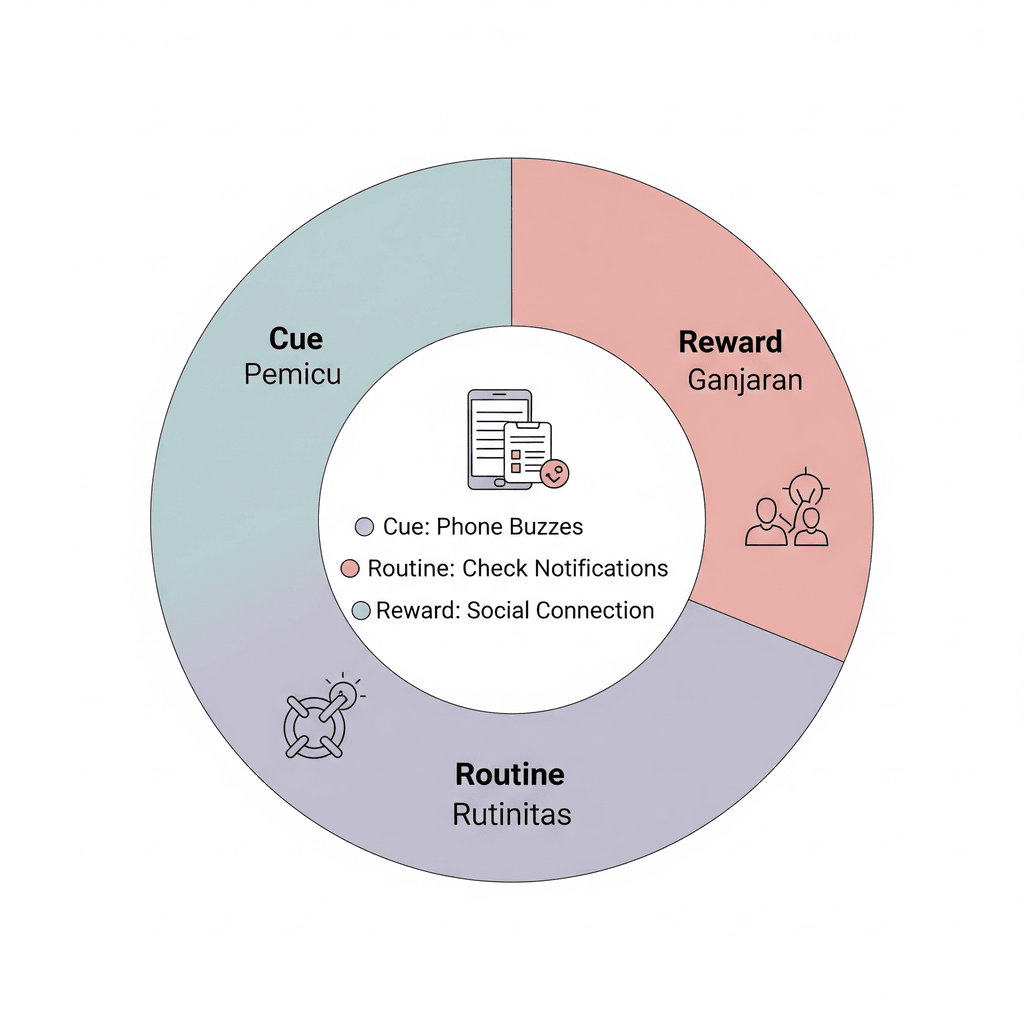
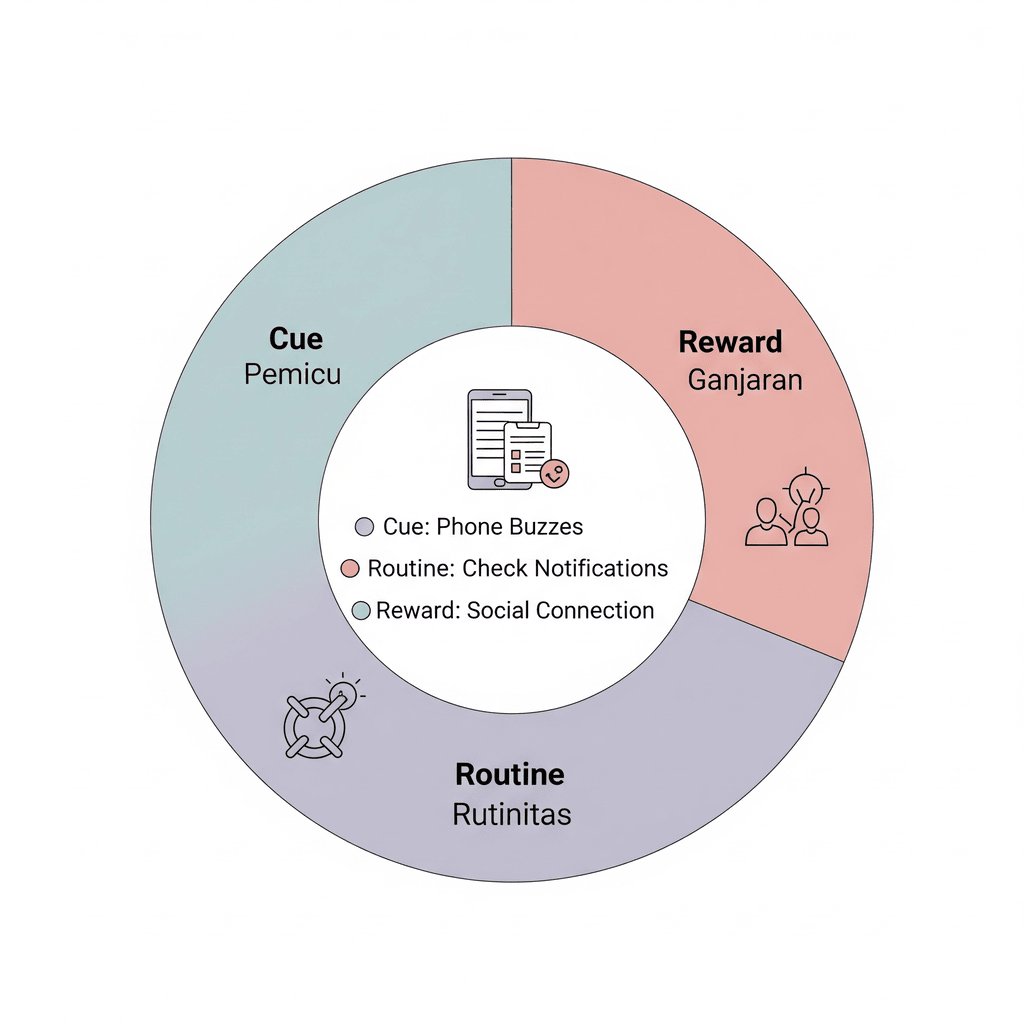
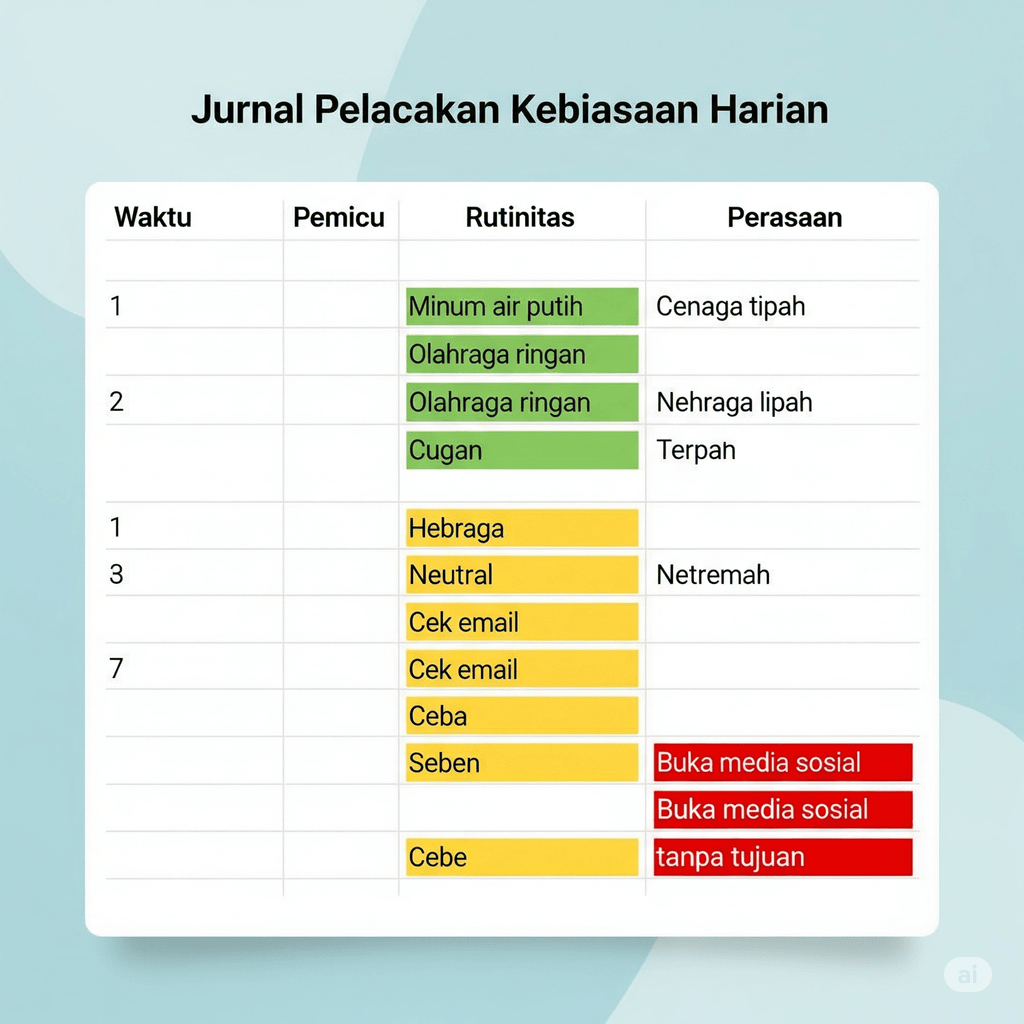
    At its core, every habit consists of three main elements: a routine, a reward, and a cue. This three-step pattern is what makes an action repeat over and over without conscious thought.
    The routine is the behavior we perform automatically—for example, always brewing coffee in the morning. However, behind that routine, there is a trigger (cue) that “ignites” you to do it. It could be a specific time, a mood, or even words heard at random. The reward, on the other hand, is the brain’s prize after performing the routine; it can be a feeling of comfort, calm, or even just a pleasurable sensation.
    A deep understanding of this cycle is crucial. Without knowing what routine is in motion, you will find it difficult to change the behavior.

    However, this is the secret: Honestly identifying your routines is the primary foundation for change.
    “A complete framework for detecting and mapping the routines that form habits is available in a special chapter of this book, including sample worksheets and practical tools that you can learn more about at MentorBuku…”

    Experimenting with Rewards: Locking in Positive Behavior

    Even bad habits persist because of a specific reward. This is why, for example, people continue to smoke despite knowing the risks—there is a temporary sensation (reward) they receive. The Power of Habit recommends reward experimentation; a strategic approach to test various forms of rewards to discover the true motivation behind your routine.
    In other words, the process of change begins not just by suppressing the bad routine, but by replacing it with a new, more constructive reward.
    “The step-by-step technique for conducting reward experiments, as well as how to avoid the ‘false reward’ trap, is explored in detail in the exclusive MentorBuku summary…”

    Read also : What Women Want: The Global Market Turns Female Friendly by Paco Underhill


    Isolating the Cue & The Role of Awareness

    The cue, or trigger, is the first thing that must be identified before you can effectively control a habit. A cue can be a time, an emotional state, a location, a specific person, or even a particular thought. Without understanding the cue, attempts to change a routine are likely to fail because you do not know when that “automatic button” is activated.
    Awareness of the cue grants you immense power: the ability to interrupt the automatic cycle that has held you captive. The Power of Habit teaches the technique of cue isolation through observation, logging, and repeated experimentation—until you can finally see the hidden patterns behind the habit.
    But of course, behind this simple knowledge lie complex layers of observational strategies and methods for identifying the cue, which cannot be fully unpacked here.
    “Advanced cue observation techniques, including a daily application journal and tips for distinguishing between external and internal cues, are part of MentorBuku’s premium insights, specially written by productivity practitioners…”


    The Role of a Plan in Shaping Change

    Without an action plan, habit change is just talk. Many people fail because they know “what” to change, but they don’t know “how” to design the roadmap. The Power of Habit presents a highly applicable framework for change: identify the routine, experiment with rewards, isolate the cue, and then create a plan.
    A plan is not just an intention; it maps out concrete steps that are ready to be implemented. For example, if your cue is stress, the routine is smoking, and the reward is relaxation, your plan could be to replace the smoking routine with a breathing technique for the same reward.
    The key is to take full control of every phase of the change. Without the discipline to design a plan, you will fall back into the old patterns.
    “The five pillars of a fail-proof habit change plan, along with templates and real case studies, are only available in full in the MentorBuku summary…”

    Read also : Ikigai by Héctor García,Francesc Miralles

    Lesson for Leaders: Implementation in Organizations

    Habit change isn’t just for individuals. In the business world, large organizations like Starbucks, Procter & Gamble, and even leading technology companies build the foundation of their success by managing collective habits in the workplace.
    Even strategic decisions—such as “changing the color of a main product” in the middle of the production process—cannot escape the influence of the organization’s established habit patterns. Challenging a team’s habits, facing resistance, and building a new culture require a deep understanding of the routine, reward, and cue cycle at the group level.
    Great leaders are able to detect team routines, map out shared rewards, and design positive cues that make organizational change easier to accept.
    “The three fatal mistakes that often occur when organizations try to change habits, and the strategies to overcome them, are dissected in detail with authentic case studies in MentorBuku…”

    Read also : The Art of Thinking Clearly by Rolf Dobell

    Conclusion: The Power of Transformation & Hidden Opportunities

    Habits are not destiny. They are a “script” that you can rewrite at any time with the relevant knowledge. By understanding the routine–cue–reward cycle, and having a structured plan, you open the door to major changes—both on a personal and professional level.
    However, the true journey of changing a habit only begins when you not only understand the basics, but also know the exact strategy to apply it.
    What are the common mistakes? What are some real-world application examples in the professional world?
    The answers are just a click away.


    CTA & Call to Action

    You have just seen the foundation. These concepts are just the tip of the iceberg of what this book has to offer. How to apply them step by step, avoid common pitfalls, and integrate them into your strategy? All those answers are inside.

    Sign up and Get Free Access at MentorBuku Now!
  • Rahasia Terbukti Transformasi Kebiasaan: Katalisator Paradigma Hidup. The Power of Habit by Charles Duhigg

    Introduksi: Mengapa Kebiasaan Menentukan Nasib Anda

    Hampir setiap aspek kehidupan modern dipengaruhi oleh kebiasaan. Mulai dari hal kecil seperti bagaimana Anda memulai hari, hingga keputusan besar dalam organisasi maupun bisnis. Sering dicap sebagai perilaku otomatis, kebiasaan sebenarnya adalah “kode rahasia” yang membentuk nasib pribadi hingga lembaga profesional.

    Namun, di balik rutinitas itu, tersembunyi satu kebenaran mengejutkan: Anda bisa membongkar, membentuk ulang, bahkan menciptakan kebiasaan baru dengan strategi yang tepat. The Power of Habit—buku fenomenal yang telah mengubah pola pikir jutaan orang—membongkar seluk-beluk kebiasaan. Tetapi, apakah Anda cukup siap untuk keluar dari zona nyaman dan mentransformasikan hidup Anda?

    Pada artikel ini, Anda akan memahami fondasi ilmiah pembentukan dan perubahan habit, menemukan “mengapa” yang selama ini menghalangi perubahan, serta mendapatkan teaser strategi untuk mengubah hidup Anda—tapi cara lengkapnya dapat Anda akses di MentorBuku.


    Rutin, Reward, Cue: Fondasi Kebiasaan Sejati

    Memahami Pola: Mengidentifikasi Rutinitas

    Pada intinya, setiap kebiasaan terdiri dari tiga elemen utama: rutin, reward, dan cue. Pola tiga langkah inilah yang membuat satu tindakan berulang-ulang tanpa dipikirkan secara sadar.

    Rutin adalah perilaku yang kita lakukan secara otomatis—misalnya, selalu menyeduh kopi di pagi hari. Namun, di balik rutinitas itu, ada pemicu (cue) yang “menyulut” Anda untuk melakukannya. Bisa berupa jam tertentu, suasana hati, bahkan kata-kata yang didengar secara acak. Reward, di sisi lain, adalah penghargaan otak setelah melakukan rutinitas; bisa berupa rasa nyaman, tenang, atau bahkan sekadar sensasi nikmat.

    Pemahaman mendalam tentang siklus ini sangat penting. Tanpa mengetahui rutin apa yang terus berjalan, Anda akan kesulitan mengubah perilaku.

    Namun, inilah rahasianya: Mengidentifikasi secara jujur rutinitas Anda adalah fondasi utama untuk perubahan.
    “Kerangka kerja lengkap untuk mendeteksi dan memetakan rutinitas yang membentuk habit ada di bab khusus dari buku ini, termasuk contoh worksheet dan tools aplikatifnya yang bisa Anda pelajari lebih jauh di MentorBuku…”

    Eksperimen Reward: Mengunci Perilaku Positif

    Bahkan kebiasaan buruk bertahan karena reward tertentu. Inilah alasan mengapa, misalnya, orang tetap merokok meski tahu risikonya—ada sensasi sementara (reward) yang mereka dapatkan. The Power of Habit merekomendasikan eksperimen reward; sebuah pendekatan strategis untuk menguji berbagai bentuk penghargaan agar menemukan motivasi sejati di balik rutinitas Anda.

    Dengan kata lain, proses perubahan dimulai bukan hanya dari menekan rutinitas buruk, melainkan menggantinya dengan reward baru yang lebih konstruktif.
    “Teknik langkah demi langkah untuk melakukan eksperimen reward, serta bagaimana menghindari jebakan ‘reward palsu’, dieksplorasi detail di dalam rangkuman eksklusif MentorBuku…”

    Baca juga : What Women Want: The Global Market Turns Female Friendly by Paco Underhill


    Isolasi Cue & Peran Kesadaran

    Cue, atau pemicu, adalah hal pertama yang harus dipecahkan sebelum Anda bisa mengendalikan kebiasaan dengan efektif. Cue bisa berupa waktu, keadaan emosi, lokasi, orang tertentu, bahkan pikiran spesifik. Tanpa memahami cue, upaya mengubah rutinitas cenderung gagal karena tidak mengetahui kapan “tombol otomatis” itu aktif.

    Kesadaran terhadap cue akan membawa Anda pada kekuatan besar: kemampuan menginterupsi siklus otomatis yang selama ini membelenggu. The Power of Habit mengajarkan teknik isolasi cue dengan observasi, pencatatan, dan eksperimen berulang—hingga akhirnya Anda bisa melihat pola tersembunyi di balik kebiasaan.

    Namun tentu saja, di balik pengetahuan sederhana ini, ada lapisan kompleks strategi observasi dan metode penentuan cue yang tidak bisa dibongkar sepenuhnya di sini.
    “Teknik lanjutan observasi cue, termasuk jurnal aplikasi harian dan tips membedakan antara cue eksternal dan internal, adalah bagian dari wawasan premium MentorBuku yang ditulis khusus oleh para praktisi produktivitas…”


    Peran Rencana dalam Membentuk Perubahan

    Tanpa rencana aksi, perubahan habit hanyalah wacana. Banyak orang gagal karena mereka tahu “apa” yang harus diubah, tapi tidak tahu “bagaimana” merancang peta jalannya. The Power of Habit menghadirkan kerangka perubahan yang sangat aplikatif: identifikasi rutinitas, eksperimen reward, isolasi cue, lalu susun rencana.

    Rencana bukan sekadar niat; ia memetakan langkah konkret yang siap dilaksanakan. Contohnya, jika cue Anda adalah stress, rutinitas merokok, dan reward-nya adalah relaksasi, rencana Anda bisa berupa mengganti rutinitas merokok dengan teknik pernapasan dan reward yang sama.

    Kuncinya adalah memegang kendali penuh atas setiap fase perubahan. Tanpa disiplin merancang rencana, Anda akan terjebak kembali ke pola lama.

    “Lima pilar membuat rencana perubahan habit yang anti-gagal, beserta template dan kasus nyata, hanya tersedia lengkap dalam rangkuman MentorBuku…”

    Baca juga : Ikigai by Héctor García,Francesc Miralles


    Lesson for Leaders: Implementasi pada Organisasi

    Perubahan habit bukan milik individu saja. Di dunia bisnis, organisasi besar seperti Starbucks, Procter & Gamble, bahkan perusahaan teknologi terkemuka membangun fondasi kejayaan dengan mengelola habit kolektif di tempat kerja.

    Bahkan keputusan strategis—seperti “mengubah warna produk utama” di tengah proses produksi—tidak bisa luput dari pengaruh pola kebiasaan organisasi yang sudah terbentuk. Menantang kebiasaan tim, menghadapi resistansi, serta membangun budaya baru memerlukan pemahaman mendalam tentang siklus rutin, reward, dan cue pada level grup.

    Pemimpin hebat mampu mendeteksi rutinitas tim, memetakan reward bersama, serta mendesain cue positif yang membuat perubahan organisasi lebih mudah diterima.
    “Tiga kesalahan fatal yang sering terjadi saat organisasi mencoba mengubah habit, dan strategi mengatasinya, dibedah secara mendetail dengan studi kasus otentik di MentorBuku…”

    Baca juga : The Art of Thinking Clearly by Rolf Dobelli


    Penutup: Kekuatan Transformasi & Peluang yang Tersembunyi

    Kebiasaan bukan takdir. Mereka adalah “script” yang bisa Anda tulis ulang kapan saja dengan ilmu yang relevan. Dengan memahami siklus routine–cue–reward, serta memiliki rencana terstruktur, Anda membuka pintu menuju perubahan besar—baik di level pribadi maupun profesional.

    Namun, perjalanan sejati mengubah habit baru dimulai saat Anda tidak hanya paham dasarnya, tetapi juga tahu persis strategi untuk menerapkannya.
    Apa saja kesalahan umum? Bagaimana contoh aplikasi nyata di dunia profesional?
    Jawabannya hanya satu klik lagi.


    CTA & Ajak Tindakan

    Anda baru saja melihat fondasinya. Konsep-konsep ini hanyalah puncak gunung es dari apa yang ditawarkan buku ini. Bagaimana cara menerapkannya langkah demi langkah, menghindari jebakan umum, dan mengintegrasikannya ke dalam strategi Anda? Semua jawaban itu ada di dalam.

    Daftar dan Dapatkan Akses Gratis di MentorBuku Sekarang!


  • Powerful Financial Secrets from The Richest Man In Babylon. The Richest Man In Babylon by George S. Clason


    Revealed! 4 Powerful Financial Secrets from The Richest Man In Babylon

    Introduction: Why Babylonian Financial Principles Are Still Relevant

    Have you ever wondered why some people seem to have the “Midas touch” with their finances? Or why some emerge from a financial crisis even stronger? The answer, it turns out, was locked away and passed down thousands of years ago by the ancient citizens of Babylon—the wealthiest city of the ancient world. Through “The Richest Man In Babylon,” we learn that financial success never comes by chance. It is born from wisdom, habits, and systematic strategies that continue to resonate in the modern financial world today [1].
    In a fast-paced world full of distractions, many of us forget the fundamental principles that made Babylon a symbol of prosperity. This book asserts: prosperity is a result of personal wisdom and discipline. Simply put, financial strength is the fruit of discipline and a sharp understanding of money and how it works [1].
    This article will unlock four key principles—from the art of managing money, building personal habits, and strategies for getting out of debt, to how to turn a surplus into a money-making machine. However, you will soon discover that even with the foundation in hand, applying these steps in reality is an art in itself.

    Read also : Emotional Intelligence by Daniel Goleman

    The Art of Money Management: Managing Money with Discipline

    “The Babylonians became the wealthiest because they understood the value of money and were disciplined in managing it,” according to the book [1]. The principle of money is not just about income, but how you save, spend, and grow it. The Art of Money Management is the first pillar: How one consciously limits spending, invests strategically, and ensures that every coin works hard for its owner.
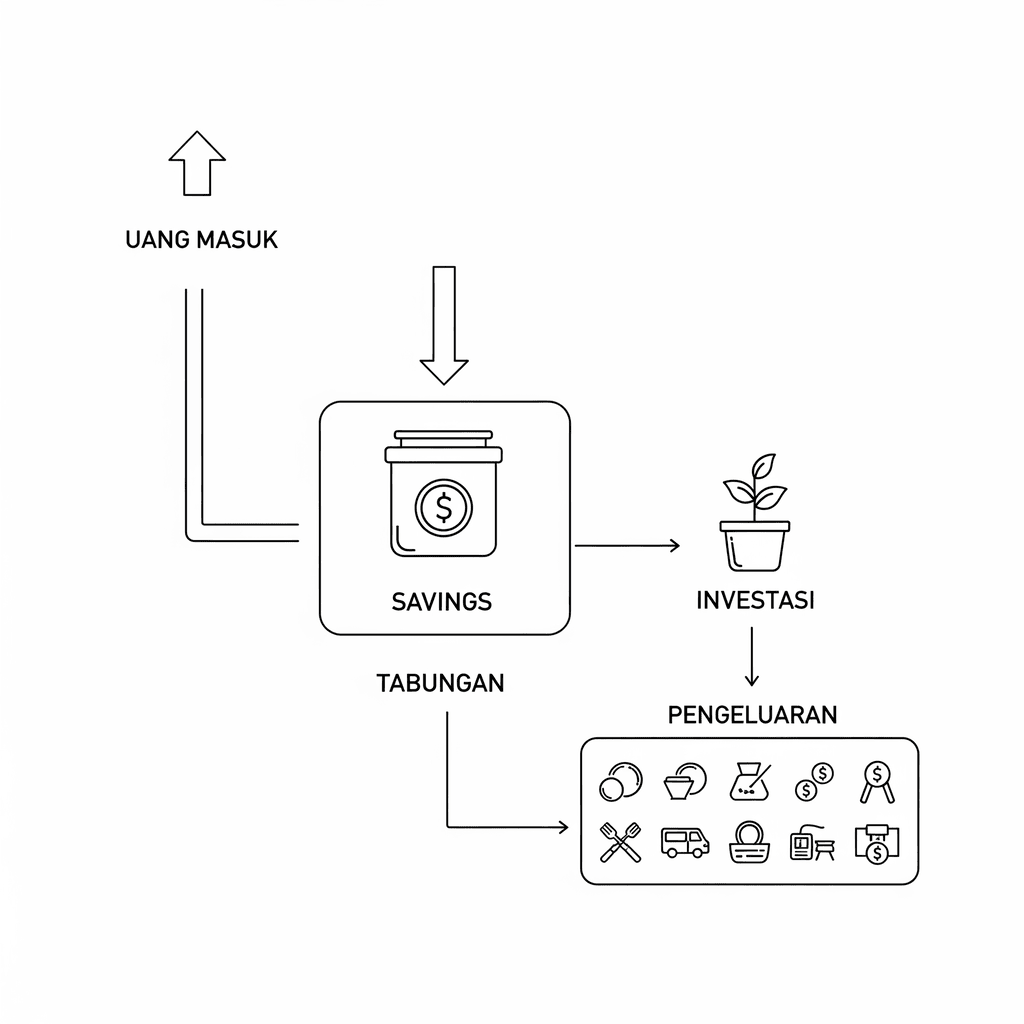
    The book emphasizes the need to pay yourself first, a revolutionary paradigm even in modern times. By setting aside a portion of every income before anything else, you create the foundational habit of ‘saving first, spending later’. Furthermore, the discipline to resist the temptation of a lavish lifestyle and impulsive consumption is seen as a financial fortress.
    Behind the simplicity of this principle lies a specific framework that ensures your savings are not merely ‘saved’ but truly grow. The complete framework, including allocation tips and automation methods, is detailed step-by-step in MentorBuku’s internal guide and the summary of the original book.

    The complete framework for implementing this art of money management is discussed in 5 specific steps within the book…

    Read also : Effortless by Greg McKeown

    Personal Habits: The Foundation of Financial Strength

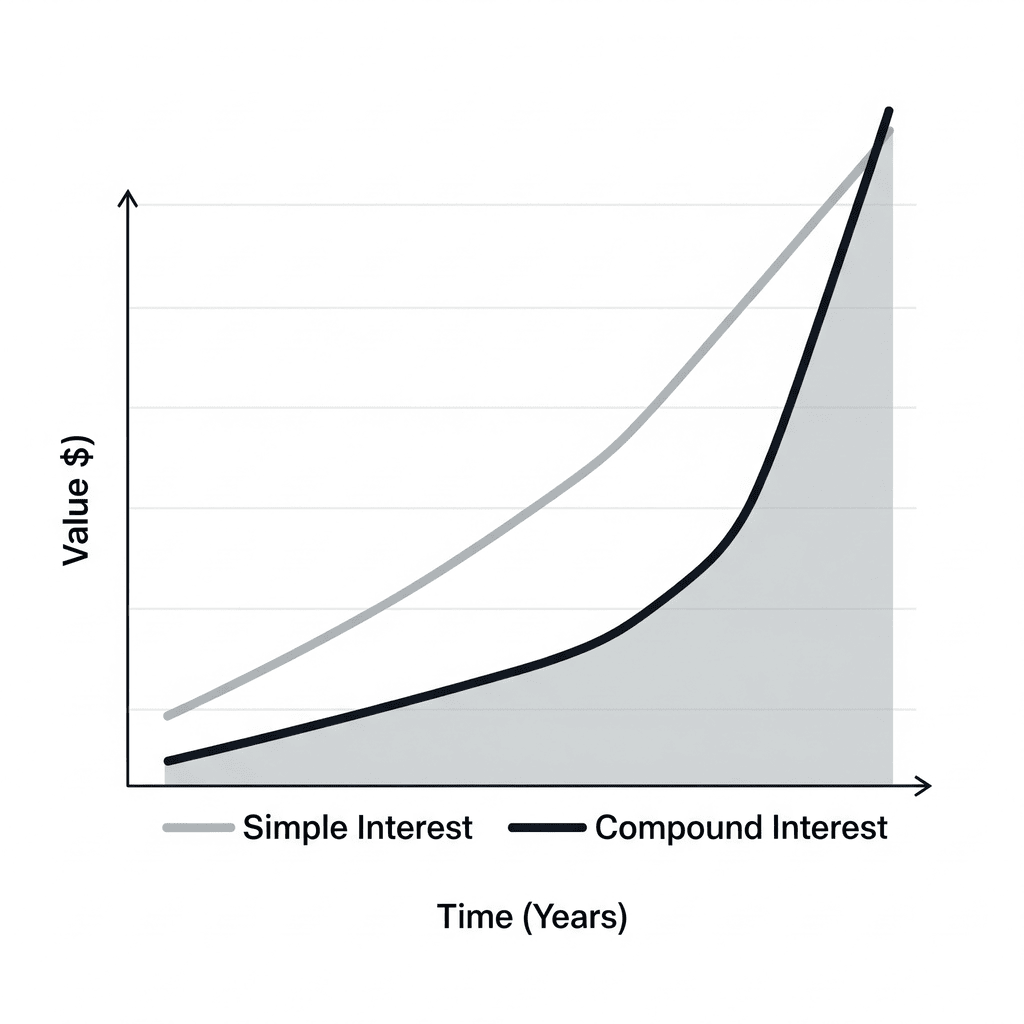
    This book highlights a frequently overlooked fact: Habits shape our personal financial ecosystem [1]. Every small action—from tracking expenses and reviewing assets to reinvesting interest—contributes to the accumulation of wealth. However, not all habits are productive. There are mindsets like ‘money is the enemy’ or ‘just getting by is good enough’—two afflictions that erode opportunities like termites.
    The Babylonians emphasized the importance of mental preparation before taking action. They knew, “financial realization is only possible when supported by wise thinking and deep understanding.” This mindset becomes the catalyst for every decision: from conservative investments to more aggressive strategies, it all begins with the habit of daily reflection.
    On the other hand, building positive financial habits is not instantaneous. There are stages, practice techniques, and effective “daily reminders” to ensure the change becomes truly permanent in both your nervous system and your wallet.

    However, there are three common mistakes that often occur when trying to build financial habits, which are dissected in detail in our summary…


    A Structured Plan to Escape the Trap of Debt: Inspired by Dabasir

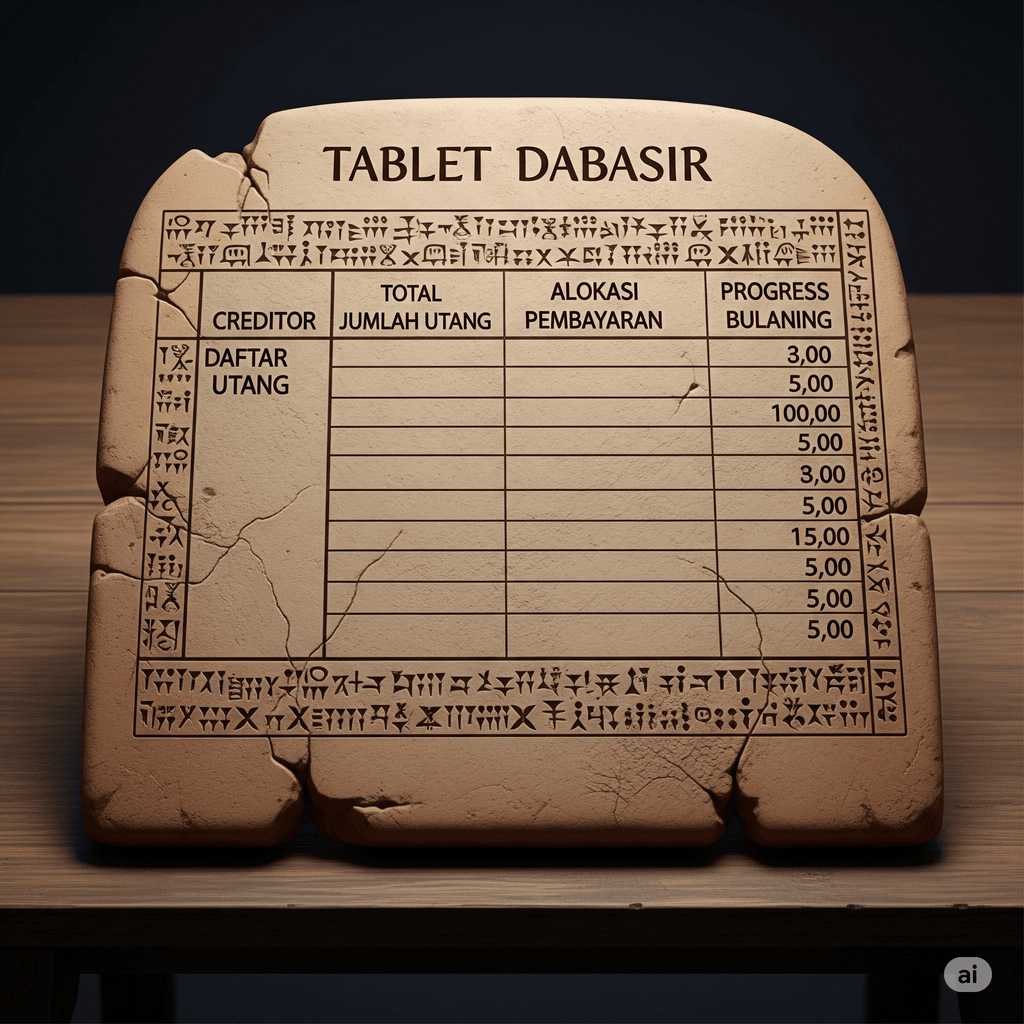
    This book isn’t just about accumulating money, but also about how one can escape from the most frightening financial abyss: debt [1]. The story of Dabasir from Babylon is monumental—he returned from slavery, wrote down a detailed plan, and then paid off his debts one by one.
    What made Dabasir’s strategy so effective? He didn’t merely intend to pay off his debts. He created a phased payment system, set specific goals, and wrote them down as a “covenant on clay tablets” for personal accountability. Every step was calculated, from the payment amounts to the allocation for basic needs and future goals.
    This similar strategy is now widely adapted into the “Debt Snowball” or “Debt Avalanche” methods in modern financial literature, but its historical roots and psychological depth are unique to Dabasir and the citizens of Babylon.
    Advanced techniques from this concept, including a template for creating an effective debt repayment plan, are part of the exclusive insights we have prepared at MentorBuku…

    Read also : The 7 Habits of Highly Effective People by Stephen R. Covey

    The Secret to Building Sustainable Wealth with a Surplus

    The Babylonians were not just masters at eliminating debt; they were also creators of a “surplus machine”—extra income that was never idle. The book teaches that idle money is a wasted opportunity [1]. Every surplus doesn’t just sit in savings but is put to work to grow—through investment, business ventures, or being reinvested as capital.
    However, accumulating a surplus requires both psychological and technical processes: resisting subconscious consumption urges, identifying safe investment opportunities, and managing risk. In modern times, their strategies remain relevant—from mutual funds and stocks to small businesses—the key is the “surplus first” behavior.
    How to find surplus opportunities, avoid fraudulent investment traps, or maximize returns—all are dissected in detail in the deeper chapters of the book and at MentorBuku.

    Specific techniques for creating a sustainable surplus, as well as a safe investment checklist, are an exclusive part of MentorBuku’s recommended module…

    Read also : BRS PHYSIOLOGY by Linda S. Costanzo

    Conclusion: A New Chapter in Your Finances Begins Here

    The four financial secrets from The Richest Man In Babylon are not just history, but an actual roadmap. You now understand the power of money management, the urgency of building good habits, the effective strategy for getting out of debt, and the secret of circulating a surplus. These four are the puzzle pieces to financial freedom. However, all of this is just the entry point. “How” to translate each principle into daily routines and decisions? This is where the need for further guidance becomes essential.

    You’ve just seen the foundation. These concepts are just the tip of the iceberg of what this book offers. How to apply them step by step, avoid common pitfalls, and integrate them into your strategy? All those answers are inside.

    Sign Up and Get Free Access at MentorBuku Now!