Category: Self-Development

  • The Fundamental Secret to an Authentic “Glow Up”: Breaking Through Outdated Paradigms Toward True Transformation. The Mountain is You by Brianna Wiest

    Introduction: Why a “Glow Up” Is Actually Deeper Than You Think

    Everyone craves change. Many of us are obsessed with the “glow up”: a transformation to look more attractive, appear more successful, and simply—gain the world’s validation. However, behind the glitter of this trend, there is one fundamental question: Can external change truly bring inner fulfillment, or does it actually deepen the emptiness within?
    This article will uncover the secrets behind authentic transformation, connecting psychological foundations, the trap of false narratives, and revolutionary steps toward a meaningful life. Uniquely, this is the grand “what” and “why” that will open the path, but the “how” is only available through a deeper exploration. Let’s dig deeper and prepare for a paradigm shift!

    Read also : The Happiest Man on Earth by Eddie Jaku

    Debunking the Myth: Superficial “Glow Up” vs. True Transformation

    Often, “glow up” is understood only as a change in appearance. People race to enhance their images on social media, edit photos, cover up flaws, spend a fortune on their looks, and weave narratives that appear happy, while their hearts may remain empty.
    However, according to one of the key insights from the book The Mountain is You, truly meaningful change—an authentic glow up—is not about becoming bigger, smaller, or more beautiful in the eyes of others. True transformation happens when someone dares to “remove all the false layers,” acknowledge their real issues, heal their inner wounds, and prioritize their own heart instead of simply meeting others’ expectations.
    This concept dismantles the culture of “image-building” that prevails today. Anyone can create a better appearance. But if someone becomes so obsessed with proving themselves to others, it often signals an untouched emptiness within.
    The framework for distinguishing between authentic and cosmetic transformation, as well as how to detect whether the changes we pursue truly fulfill our deepest needs, is thoroughly discussed in the book—including warning signs that should not be ignored.
    In-depth techniques and steps to dismantle false narratives in your life and build a genuine “glow up” have been specially crafted in MentorBuku’s exclusive summary…

    Read also : The 5AM Club by Robin Sharma

    Why Old Wounds Hold You Back from Total Transformation

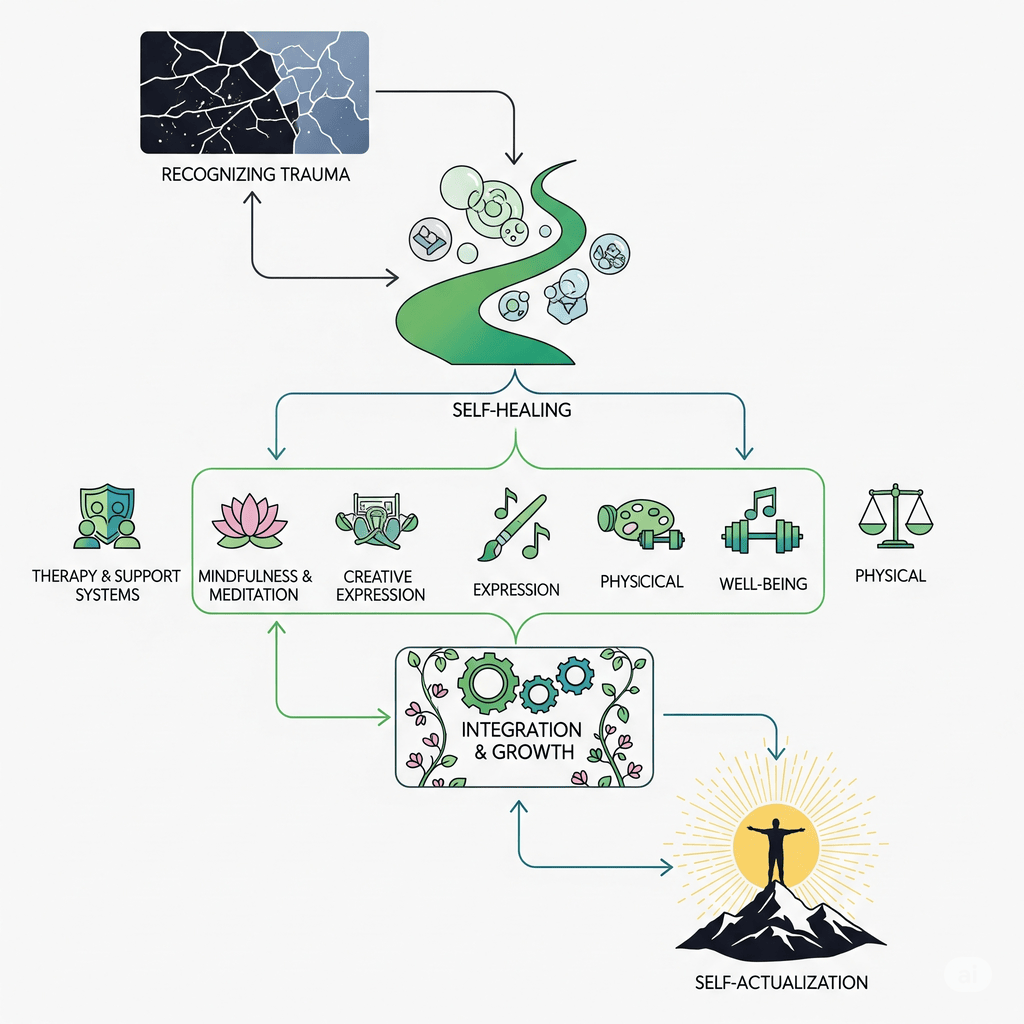
    Every desire for change is often overshadowed by one thing that rarely gets acknowledged—past trauma and psychological wounds. This book dissects the profound impact of trauma on three key brain structures: the amygdala, hippocampus, and prefrontal cortex.
    Because of trauma, the brain stops processing memories fully, emotions become difficult to regulate, and our ability to plan for the future and self-development is hindered. This is the main reason why so many attempts to “start over” end in failure, or feel nearly impossible even with strong determination.
    Understanding this foundation is the revolutionary key: we realize that to “climb the mountain” of life, we must dare to look back, confront old wounds, and process unresolved emotions. Without the courage to manage the remnants of trauma, change becomes nothing more than meaningless outer decoration.
    But what patterns of self-sabotage arise from this trauma? How can we distinguish spontaneous emotions from old patterns that hold you back? All the identification techniques and ways to navigate these challenges are specifically outlined in the in-depth chapters of this book.
    A complete framework for recognizing the traces of trauma and strategies for overcoming it can only be found in MentorBuku’s exclusive guide…


    Accessing Your Future Self: Revolutionary Practice to Break Through Old Limits

    Interestingly, the author introduces a unique introspective technique: meeting your “future self” in a structured meditation. The process is more than visualization; it’s a profound experience to break free from fears that are always rooted in past experiences.
    In the early stages, you are invited to sit quietly, meditate, and then imagine conversing with the most ideal, enlightened version of your “self.” Interestingly, at first, “fear” often disguises itself in the initial visualization. However, the author emphasizes that if you dare to push past this and open up, you can receive extraordinary messages from your future self—a roadmap to authentic transformation.
    This practice may seem simple, but it is incredibly deep. By overcoming fear and greeting your future, you free yourself from the traps of old thinking. You begin to carve out a new path that truly originates from your greatest potential, not from trauma or the expectations of those around you.
    What important messages commonly emerge from the “future self?” How can you make this session truly effective and not just empty imagination? All its secrets—including journaling formats, advanced visualization techniques, and the steps of integration—are fully explained in MentorBuku’s in-depth discussion.
    A detailed template and step-by-step guide for the ‘meeting your future self’ session can be found exclusively through MentorBuku’s internal resources…


    Putting Your Own Heart First—A New Paradigm for Authentic Happiness

    The most fundamental point of all these discussions is the courage to prioritize your own heart. In a world increasingly burdened by social pressures, we often care more about “how others judge us” than “what truly feels right in our hearts.”
    Why is this so important? Because as long as the direction of our lives is dictated by external expectations, all change will only repeat old patterns: chasing validation while still feeling empty. True transformation requires a radical decision: to prioritize conscience, follow your heart, and stop measuring yourself by external standards.
    But how do you take the first step to put your heart first amid real world demands? How can you establish healthy boundaries without feeling guilty or worrying about being labeled selfish? Practical answers and vital keys to inner freedom have been compiled in detail in MentorBuku’s mentoring program.
    Practical guides and daily routines for building the courage to prioritize your heart are available exclusively in official MentorBuku sources…


    Conclusion—The Path to True Transformation Is Right in Front of You

    By gaining a deep understanding of authentic “glow up,” you’re now able to distinguish between change that brings meaning and mere illusion. Recognizing the impact of trauma on the brain and on life, as well as daring to have conversations with your “future self,” results in a small revolution with profound effects. All of this leads to one thing: the decision to begin the journey inward, listen to your own heart, and go far beyond mere appearances.
    However, if you want practical strategies, daily templates, and step-by-step action frameworks—all of that is only available in MentorBuku’s exclusive collection of guides, summaries, and e-books. Don’t let true transformation remain just a discourse; it’s time to open the gateway to your transformation now.

    Also read: The One Thing by Gary W. Keller, Jay Papasan
    You’ve just seen the foundation. These concepts are only the tip of the iceberg of what this book has to offer. How do you implement them step by step, avoid common pitfalls, and integrate them into your strategy? All those answers are inside.
    Sign up and Get Free Access on MentorBuku Now!

  • The Powerful Secret of Kaizen: A New Paradigm for Authentic Success. Stoicism for Inner Peace by Einzelgänger

    Knowledge Gaps in the Pursuit of Success

    Everyone wants to achieve success. But the question is: why do only a few truly achieve it authentically and consistently?
    Most people work hard. They follow “motivational” advice, try popular methods, and even get up before dawn for a new routine. Ironically, the reality is often far from expectations. Many fall short along the way. They feel deceived by the initial enthusiasm that doesn’t last long.
    Behind this repeated failure lies a fundamental lesson: success is not about “working harder,” but “working smarter”—and, more importantly, about shifting the underlying thinking paradigm.

    This article will take you on a journey to explore new landscapes: how the smallest changes, when done correctly, can redirect your life in ways you never anticipated. Every small step becomes a part of continuous transformation—that’s the power of “Kaizen.”


    A New Thinking Paradigm About Success and Failure

    Success has long been associated with big results and instant achievements.
    We tend to focus on spectacular stories: athletes winning gold medals, entrepreneurs becoming billionaires overnight, or debut authors whose books instantly become bestsellers in the global market. Unfortunately, this narrative blinds us to the continuum of failure and the long processes that actually form the foundation of true success.

    Why Old Mindsets Limit Your Major Breakthroughs

    Conventional mindsets always prompt us to ask, “How can a big success happen as quickly as possible?”
    However, the real question should be: “How does the process lead to repeated success without burning out along the way?”
    The book we are discussing invites you to reevaluate all your old beliefs about success. It highlights a fundamental mistake: overvaluing “big wins” while underestimating the power of accumulating “incremental gains.”
    Ultimately, we often find ourselves trapped in a trial & error cycle. We feel like failures not because we worked less hard, but because of the wrong mindset—focusing on spectacular results while ignoring the transformative power of the “repetitive process.” This is the critical point:
    Shifting from a results-oriented paradigm to a process-oriented paradigm is the leap that distinguishes authentic success from mere trend-following.
    However, uncovering the deeper layers of how to identify and break the “failure mindset”—along with practical examples—is the secret that this book elaborates on in detail in a separate chapter.
    “A complete framework for applying the paradigm shift from failure to repeated success is outlined in five phases in this book…”
    Also read: Angels of Aceh: The compelling story of Operation Tsunami Assist by Sophie York


    Unveiling the Kaizen Pattern: Small Changes, Maximum Impact

    Can consistent small changes lead to extraordinary results, rivaling the big breakthroughs that are often glorified?
    The concept of “Kaizen” completely reverses our understanding of how change, achievement, and personal excellence occur.
    Originating from Japanese philosophy, Kaizen is the principle of continuous improvement—making small, measurable, and repeatable enhancements every day. But what is its most important aspect? The unpredictable domino effect that is hard to foresee at the beginning.

    The 1% Rule Phenomenon and Compound Mentality

    Imagine the impact of just a 1% improvement every day. Over the course of a year, that small accumulation can mean a change of 37 times from the original position.
    The phenomenon of the compound effect is not just mathematics: it is a game changer in achievement psychology.
    Kaizen warriors don’t have to master super disciplines, let alone rely on ironclad motivation. They simply need to consistently “stretch” themselves little by little into new zones until profound changes occur naturally.
    On the other hand, massive improvements (big bang transformations) often end up in a cycle of failure–try again–despair. Meanwhile, those who persist with Kaizen quietly build foundations that eventually create a “sudden” success explosion.
    This concept dismantles the failure of the “all or nothing” method and provides a new lens to evaluate daily efforts.
    “Advanced techniques of Kaizen, including how to identify the right 1% steps and strategies to maintain them under daily pressure, turn into practical guidance for you at MentorBuku…”

    Anti-Bad Habit Mindset—Breaking Free from Old Self

    How does someone get trapped in the same cycle of bad habits for years, even when they know it hinders personal success?
    The answer lies in an auto-pilot mindset that resists structural changes.
    Our subconscious belief system constantly whispers comfort of the old while dramatizing the risks of change. When Kaizen is adopted, you are not just adding new habits; you are dismantling old habit cycles, layer by layer.

    The Secret to Breaking the Fail-Repeat Cycle

    This book distinguishes between addictive change (based solely on momentary motivation) and systemic change that truly frees you from the fail-repeat patterns.
    The key secret? “Identity-based habits,” which is a strategy for building habits from the roots of a new identity rather than just a checklist of routines.
    In a specific chapter, the author shows that creating lasting change requires three pillars:

    1. Recognition of old habits (awareness).
    2. Gradual severing of the old “reward chain.”
    3. Construction of a new identity based on small success experiences.

    Resilience becomes a byproduct: the more frequently you succeed at canceling old routines, the stronger the new mentality becomes. However, the three most common traps in this mindset transition—along with strategies to break through mental blocks and self-sabotage—are discussed in detail in the secrets of this book.
    “Psychological steps and templates for dismantling bad habits, including new identity exercises, can be found as practical insights in MentorBuku…”
    Also read: The Power of Your Subconscious Mind by Joseph Murphy


    Environment Redesign—The Catalyst for Transformation

    How significant is the impact of the environment on someone’s journey to success?
    More than many realize. The environment—whether physical, social, or digital—silently fosters (or hinders) the process of change.
    Successful people do not solely rely on discipline but consciously design their environment to support their vision.
    For example, the choice of friends, visual stimuli, availability of positive triggers, or even the setup of daily workflows.
    This book reveals that even a single detail in the environment (such as where to place your to-do list, or who you often converse with) can accelerate or derail long-term goals without your awareness.

    Key Factors That Secretly Shape Outcomes

    A simple analogy: an artist may have talent, but without light and access to quality materials, they will never produce a masterpiece.
    Similarly, anyone risks repeating failures if they don’t change key environmental elements—often, this is more determining than the internal motivation touted elsewhere.
    This book breaks down smart ways to structure micro and macro environments, along with a “success environment audit” so your journey of change is no longer trial and error. From a checklist for redesigning the environment to real-time evaluations, everything is available as a special part of the MentorBuku program.
    “The toolkit for redesigning the environment, complete with case examples and real scenarios, becomes exclusive insights that you can access in our advanced summaries…”
    Also read: Keto Comfort Foods: Family Favorite Recipes Made Low-Carb and Healthy by Maria Emmerich

    Also read: Essential Yoga: An Illustrated Guide to Over 100 Yoga Poses and Meditations by Olivia H. Miller


    Conclusion – Strategic Gaps & Action Triggers

    After exploring these four key concepts—the authentic success paradigm, the power of Kaizen, the anti-bad habit mindset, and the importance of environment—do you feel your understanding gap is narrowing, or rather deepening? This is where “the knowledge gap” lies:
    Knowing the “what” and “why” is just the beginning. However, applying precise steps, avoiding traps in the process, and optimizing all these pillars simultaneously—that is the achievement that can only be attained with structured guidance.

    Insight is an asset that cannot be postponed. Every day without a deeper understanding is a missed opportunity. Don’t let your competitors gain this advantage before you do. Sign up and get free access to MentorBuku now!

  • The Secret of Authentic Negotiation: A New Mindset Paradigm in Never Split the Difference by Chris Voss with Tahl Raz

    Introduction: Why Do We Fail at Negotiation?

    Many people think negotiation is just about bargaining over prices or winning arguments. However, most of us fail. Why is that?
    Because all this time, we have often focused too much on “numbers” and “logic,” when in reality the real action takes place on a much deeper level: psychology and emotion. To truly understand and master negotiation, you must dare to look into the dark side of the human mind and apply strategies that are often overlooked.
    The book “Never Split the Difference” by Chris Voss—a former FBI hostage negotiator for high-stakes cases—offers a revolutionary new paradigm. It is not just theory, but the product of decades of life-and-death situations, direct from the front lines of the world’s toughest negotiations.

    Read also : Brand Naming: The Complete Guide to Creating a Name for Your Company, Product, or Service by Rob Meyerson

    Authentic Paradigm: Between Empathy, Reality, and Real Results

    Successful negotiation is born from the courage to face raw truth—including negative emotions. You’re not just talking to win, but subtly reading and guiding the meaning of the conversation. Chris Voss calls this “empathic negotiation.”

    Labeling – Turning Fear Into Strength

    One of Voss’s central techniques is “labeling.” Labeling is not just guessing or assuming what the other person is feeling, but actively “naming” their emotions and concerns. For example: “It seems you have doubts about this offer…” or “It looks like this situation is making you worried.”
    What’s its power? Neuroscience has proven that when someone is asked to name their emotions—such as fear—the brain’s activity shifts from the “fear” center (amygdala) to the logical area. As a result, panic intensity drastically decreases, and the other party is much more ready for a rational conversation.
    Additionally, labeling helps unravel the quality of communication in high-tension moments: “Exposing negative thoughts to daylight… makes them seem less frightening,” Voss writes. You can control the situation with just a single, simple sentence—if you know how.
    The complete framework for effective labeling—including specific phrases and practical exercises—is detailed in five special steps in this book…

    Master the Mindset: Negotiators Are Emotional Detectives

    A great negotiator trains themselves to become an “emotional detective.” Their task: to catch, understand, and handle emotional cues, whether implied or explicit.
    Rather than being busy “crafting the perfect response,” you should sharpen your sensitivity to changes in tone of voice, body language, and your counterpart’s expressions. This is the key to unlocking solutions that have long been hidden beneath layers of prejudice.
    However, there are three common pitfalls that often lead negotiators to complete failure when attempting to act as emotional detectives—all the strategies for overcoming them are thoroughly explained in the mentorbuku summary…

    Read also : Ghosts by Daylight: A Modern-Day War Correspondent’s Memoir of Love, Loss, and Redemption by Janine di Giovanni

    Field Story: Terrorists, the Media, and the Dark Side of Negotiation

    This book doesn’t stop at the conceptual level. You’re taken into the most brutal arena: elite negotiations with dangerous individuals. One example is when Chris Voss had to face Sabaya, the radical Abu Sayyaf figure known for recording acts of violence and sending them to the media.
    Sabaya: a terrorist-sociopath, a killer with a dark history and a string of brutal acts in the Philippines. He loved the media—and knew exactly how to manipulate public perception.
    In this real-life experience, ordinary strategies would surely fail. FBI negotiators were forced to go beyond reason: pushing themselves to understand the dark side of their opponents in order to save lives without “splitting the difference” or making dangerous compromises.

    Conquering the Opponent’s Ego Through a Realistic Approach

    The key to victory in this negotiation was not intimidating words or empty promises. It was the ability to subdue the opponent’s ego with a realistic approach and direct exposure to the emotional reality the perpetrator was experiencing.
    Every move, every sentence, had to be crafted to open up a space for dialogue with an opponent who was paranoid, manipulative, and full of hidden agendas.
    Yet, advanced communication techniques capable of “hypnotizing” the opponent’s narrative into submitting to reality can only be learned if you master the mix of strategies and authentic FBI sequencing as described in the book…

    Read also : Performance Marketing with Google Analytics: Strategies and Techniques for Maximizing Online ROI by Caleb Whitmore,Justin Cutroni,Sebastian Tonkin

    Why Does This FBI Concept Change the Game?

    Many negotiation books advise: “Find the middle ground,” or “Compromise is key.” But the reality on the field is very different. Chris Voss’s concept goes against the mainstream. His techniques expose the biggest myth: compromise is not a guaranteed solution.
    The FBI strategy focuses on achieving optimal solutions through deep psychology, not merely narrowing differences. When negotiating with lives at stake, compromise can end in disaster.
    Therefore, this approach offers a paradigm shift for anyone who wants to win negotiations—whether in business, family, or everyday life.
    However, without a fundamental understanding of the “worst consequences” from misapplying this FBI strategy, you are actually at risk. The three most terrifying patterns of failure when mistakenly adopting the principles from this book are structured and revealed in the MentorBuku reference. Don’t try it recklessly, without a solid foundation…

    Read also : Flying Free: My Victory Over Fear to Become the First Latina Pilot on the US Aerobatic Team by Cecilia Aragon

    Conclusion & The Path to the Next Level

    Every world-class negotiator knows: winning isn’t about speed, let alone volume. It’s about understanding human nature: emotions, fears, ego, and deepest needs.
    The FBI paradigm opens the “second gateway” in negotiation: a world where sharp empathy, labeling, ego play, and personal storytelling are the main weapons. What you have in your hands now is only the foundation—the what and the why.
    In the end, you’ll realize: the most important aspect of advanced negotiation techniques is not just knowing them, but applying them systematically, avoiding pitfalls, and building self-reflection.


    You’ve just seen the foundation. These concepts are only the tip of the iceberg of what this book has to offer. How do you apply them step by step, avoid common pitfalls, and integrate them into your strategy? All the answers are inside.

    Sign up and Get Free Access at MentorBuku Now!

  • The Secret Power of Kaizen: A New Paradigm Towards Authentic Success. Great CEOs are Lazy by Jim Schleckser

    The Knowledge Gap in the Pursuit of Success

    Everyone wants to achieve success. But the question is: why do so few actually attain it authentically and consistently?
    Most people work hard. They follow “motivational” advice, try popular methods, and are even willing to wake up before dawn for a new routine. Ironically, reality is often far from expectations. Many give up halfway. They feel deceived by their initial enthusiasm that doesn’t last long.
    Behind these repeated failures lies a fundamental lesson: success is not about working “harder,” but “smarter”—and, more importantly, about shifting your fundamental paradigm of thinking.


    This article will take you on a journey through new territory: how even the smallest changes, if made correctly, can unexpectedly redirect the course of your life. Every small step becomes part of a continuous transformation—that’s the power of “Kaizen.”


    A New Paradigm of Thinking About Success and Failure

    For a long time, success has been associated with big results and instant achievements.
    We tend to focus on spectacular stories: athletes winning gold medals, entrepreneurs becoming billionaires overnight, or debut authors whose books become instant global bestsellers. Unfortunately, these narratives blind us to the continuum of failure and the long process that actually forms the foundation of true success.

    Why the Old Mindset Limits Your Big Leaps

    The conventional mindset always leads us to ask, “How can big success happen as quickly as possible?”
    However, the real question should be: “How can the process lead to repeated success, without burning yourself out along the way?”
    The book we’re discussing invites you to re-examine all your old beliefs about success. It highlights a fundamental mistake: over-glorifying “big wins” while underestimating the power of accumulated “incremental gains”.

    As a result, we often find ourselves stuck in a cycle of trial and error. We feel like failures, not because we didn’t work hard enough, but because our mindset was wrong—focusing on dazzling outcomes while ignoring the process of “transformative repetition”. This is the critical point:
    Shifting from a results paradigm to a process paradigm is the leap that separates truly successful people from fleeting trend followers.

    However, unraveling the deepest layers of how to identify and break the “failure mindset”—complete with practical examples—is a secret that this book thoroughly explains in a separate chapter.
    “The complete framework for applying the paradigm shift from failure to repeated success is outlined in five phases in this book…”

    Read also: The Heart of Business: Leadership Principles for the Next Era of Capitalism by Hubert Joly, Caroline Lambert


    Unveiling the Kaizen Pattern: Small Changes, Maximum Impact

    Is it possible for small, consistent changes to produce extraordinary results—even rivaling the big breakthroughs that are often celebrated?
    The concept of “Kaizen” completely overturns our understanding of how change, achievement, and personal excellence happen.
    Originating from Japanese philosophy, Kaizen is the principle of continuous improvement—making small, measurable, consistent improvements every day. But its most important aspect? The accumulation of domino effects that are nearly impossible to predict at first.

    The 1% Rule Phenomenon and Compound Mentality

    Imagine the impact of improving by just 1% each day. Over a year, those small increments add up to a change 37 times greater than where you started.
    This compound effect phenomenon isn’t just about math: it’s a game changer in the psychology of achievement.
    Kaizen practitioners don’t need to master superhuman discipline or rely on ironclad motivation. They just need to consistently “stretch themselves” bit by bit into new zones, so that ultimately, profound change happens without force.
    Massive improvement (big bang transformation), on the other hand, often ends up in a cycle of failure–trying again–giving up. Meanwhile, those who persist with Kaizen quietly build a foundation that eventually creates a “sudden” explosion of success.
    This concept dismantles the failure of the “all or nothing” approach, offering a new lens for evaluating daily efforts.
    “Advanced Kaizen techniques, including how to identify the right 1% steps and strategies to maintain them under daily pressure, have been transformed into a practical guide for you at MentorBuku…”

    Anti-Bad Habit Mindset—Letting Go of Your Old Self

    How can someone remain trapped in the same cycle of bad habits for years, even when they know it’s hindering their personal success?
    The answer: an auto-pilot mindset that resists structural change.
    Our subconscious belief system keeps whispering old comforts while dramatizing the risks of change. When you adopt Kaizen, you’re not just adding new habits; you’re dismantling old habit cycles, layer by layer.

    The Secret to Breaking the Failure-Repeat Cycle

    This book distinguishes addictive change (driven only by fleeting motivation) from systemic change that truly liberates you from the repeat-failure pattern.
    What’s the main secret? “Identity-based habits”—the strategy of building habits from the foundation of a new identity, not just a checklist of routines.

    In a specific chapter, the author shows that forming lasting change requires three pillars:

    1. Recognition of old habits (awareness).
    2. Gradually breaking the old “reward chain”.
    3. Constructing a new identity based on small successful experiences.

    Resilience becomes the byproduct: the more often you successfully break old routines, the stronger your new mentality becomes. However, the three most common traps in this mindset transition—and strategies to overcome mental blocks and self-sabotage—are discussed in detail only in the secret section of this book.
    “Psychological steps and templates for breaking bad habits, including new identity exercises, can be found as practical insights on MentorBuku…”

    Read also: What to Expect When You’re Expecting by Heldi Murkoff


    Redesigned Environment—The Catalyst of Transformation

    How much does the environment influence someone’s journey to success?
    Much more than most people realize. Your environment—physical, social, and digital—quietly creates (or holds back) the process of change.
    Successful people don’t just rely on discipline; they consciously design their environment to support their vision.

    For example: the friends you choose, visual stimuli, availability of positive triggers, or even the setup of your daily workflow.
    This book reveals that even a single detail in your environment (such as where you place your to-do list or who you converse with most) can accelerate—or unknowingly sabotage—your long-term goals.

    Key Factors Quietly Shaping the Final Result

    A simple analogy: an artist may have talent, but without good lighting and access to quality materials, they will never produce a masterpiece.
    Likewise, anyone risks repeating failure if they don’t change key elements of their environment—often, this is more decisive than the much-touted internal motivation.

    This book exposes clever ways to structure your micro and macro environments, along with a “success environment audit” so your change journey is no longer trial and error. However, the environment redesign checklist and real-time evaluation are all available as a special section in the MentorBuku program.
    “The environment redesign toolkit, complete with real case examples and authentic scenarios, becomes an exclusive insight you can access in our advanced summary…”

    Read also: An Unseemly Man: My Life as Pornographer, Pundit, and Social Outcast by Larry Flynt

    Read also: Emergency Medicine PreTest Self-Assessment and Review, Second Edition (PreTest Clinical Medicine) by Adam Rosh


    Conclusion – Strategic Gap & Call to Action

    After exploring these four key concepts—authentic success paradigm, the power of Kaizen, the anti-bad habit mindset, and the importance of environment—do you feel your knowledge gap is narrowing, or actually getting deeper? Here lies “the knowledge gap”:
    Knowing the “what” and “why” is just the beginning. But applying precise steps, avoiding traps along the way, and optimizing all these pillars simultaneously—that’s an achievement only possible with structured guidance.

    Insight is an asset that cannot be postponed. Every day without deeper understanding is a missed opportunity. Don’t let your competitors gain this advantage before you do.
    Sign up and Get Free Access to MentorBuku Now!

  • Understanding the Power of Communication in Families: Exploring Concepts from The 7 Habits of Highly Effective Families by Stephen Covey

    Family is the foundation of our lives, where we learn about love, understanding, and communication. In the book The 7 Habits of Highly Effective Families, Stephen Covey explains how we can build strong and effective relationships within families. In this article, we will discuss key concepts from this book and why a deep understanding of communication and understanding is crucial for building harmonious relationships.

    Why Understanding is Important?

    One of the most important points raised by Covey is the concept of “seeking first to understand, then to be understood” (Habit 5). When we strive to understand the perspectives and feelings of others, we open the door for better communication and deeper relationships. It’s not just about sharing opinions but also about actively listening. Covey illustrates this point with a simple example, inviting readers to look at and describe a picture. What we see can vary depending on our perspective.

    • “Because as the fox said in the book The Little Prince_, ‘It is only with the heart that one can see rightly; what is essential is invisible to the eye.’”_

    This reminds us that many essential things in our relationships are not always visible. Seeking understanding first is indeed a very important step in building effective and emotional relationships.

    “The complete framework for implementing active listening skills within the family is discussed in 5 specific steps in the book…”

    The Power of Memories and Emotional Communication

    Covey also emphasizes the importance of sharing memories in strengthening family bonds. By recounting past experiences and celebrating memories, we can create deeper connections among family members. For instance, when we reflect on beautiful moments with our children, a profound sense of nostalgia and pride emerges.

    Read also : Networking Like a Pro: Turning Contacts into Connections by Ivan R Misner,Brian Hilliard,David Alexander

    Memories not only help us celebrate the past but also provide valuable lessons that can be used to shape the future. When we share stories, we not only entertain but also impart lessons and values to future generations. It also gives us the opportunity to involve our children in emotional discussions that can strengthen our bonds with one another through deeper connections.

    “However, there are three common mistakes that often occur when sharing memories and experiences comprehensively examined in our summary…”

    Strengthening Bonds Through Effective Communication

    It is almost impossible to build strong relationships without clear and effective communication. Communication is not just about speaking; it is also about how we listen and respond. In this book, Covey provides several strategies to enhance communication skills within the family.
    One technique is to use “I” statements to express our feelings without blaming others. This technique helps avoid conflict and encourages more positive discussions. For example, instead of saying, “You are always late!” we can say, “I feel worried when we are not on time.” This helps keep our behavior focused on our own feelings rather than on the faults of others.

    Read also : Timeless Secrets of Health And Rejuvenation by Andreas Moritz

    The advanced techniques of this concept, including templates and practical examples, are part of the exclusive insights we have prepared at MentorBuku…

    Conclusion: Achieving Family Success Through Understanding and Communication

    In an increasingly busy world, we often overlook the importance of effective communication within the family. The book The 7 Habits of Highly Effective Families reminds us that family success is not only measured by what we achieve but more by how we connect with one another. We can build family unity through understanding, sharing memories, and effective communication.
    You have just seen the foundation. These concepts are merely the tip of the iceberg of what this book offers. How can you apply them step by step, avoid common pitfalls, and integrate them into your strategies? All the answers are within.

    Sign up and Get Free Access at MentorBuku Now!

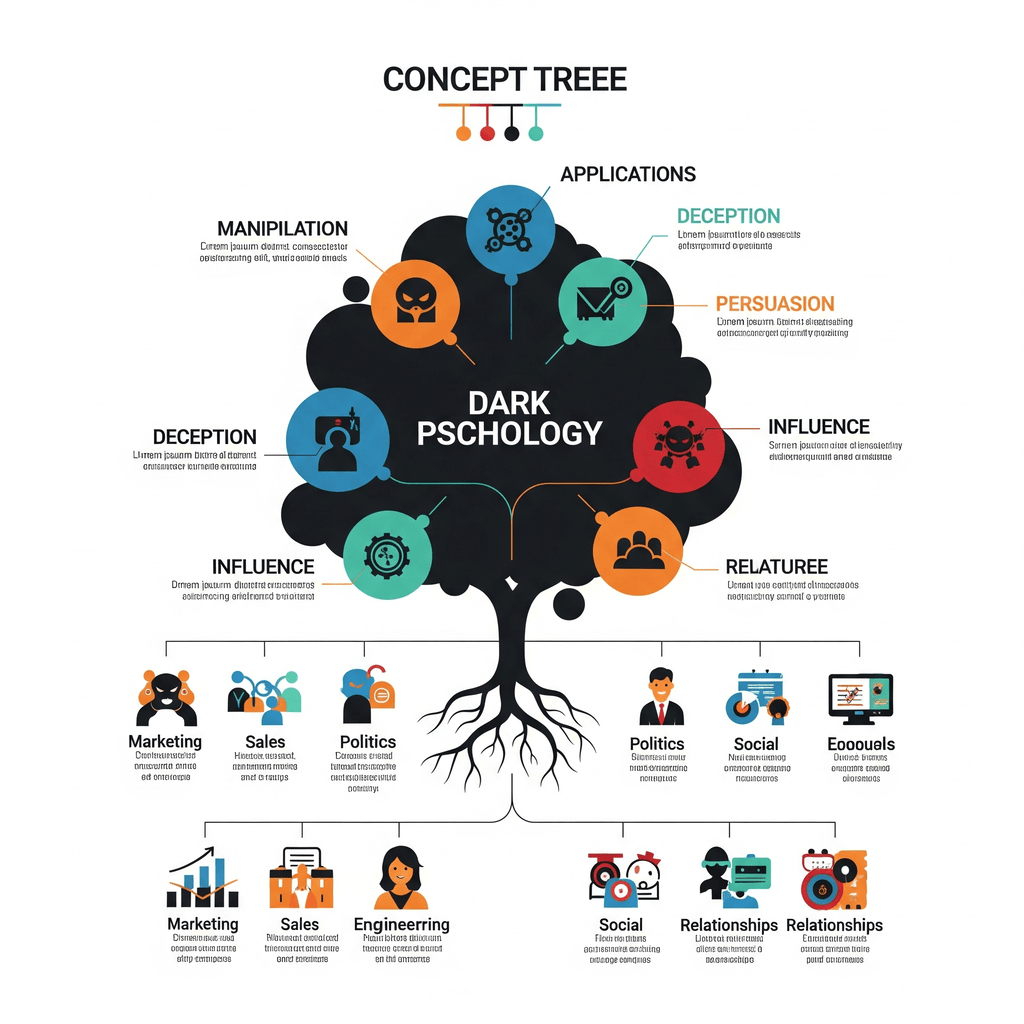
  • The Secrets of Dark Psychology: Exposed Manipulation Techniques. Manipulation: Dark Psychology to Manipulate and Control People by Arthur Horn

    In a modern world filled with competition and intense social interactions, understanding dark psychology and manipulation is becoming increasingly important. Many people are unaware that they are victims of manipulation techniques, while others want to know how to identify, or even master, these techniques so they won’t be easily deceived. The book “Manipulation: Dark Psychology to Manipulate and Control People” by Arthur Horn offers deep insights into the world of dark psychology, manipulation techniques, and the ethical boundaries that must be upheld by anyone seeking to understand or use this knowledge.
    This article will explore the foundations of dark psychology, the most commonly used manipulation techniques, the power of knowledge possessed by the reader, and the importance of responsibility and ethics in applying (or facing) manipulation techniques. However, remember, as Arthur Horn himself says, this knowledge is a double-edged sword that must be used wisely.


    Understanding the Foundations of Dark Psychology

    Many people think dark psychology is only related to evil or criminal acts. In reality, dark psychology is a branch of psychology that studies the ways in which someone can influence, control, or even manipulate others for specific purposes. This knowledge is not always used for negative ends; in the right context, it can even be used to protect oneself from exploitation or to help others escape manipulative situations.
    Dark psychology is rooted in a deep understanding of human motivation, emotions, and psychological weaknesses. Arthur Horn emphasizes that recognizing the basic patterns of dark psychology is the first step to protecting yourself from manipulation and gaining control over your social interactions. By recognizing subtle signals, you can distinguish between healthy communication and conversations laden with manipulative traps.
    However, this book not only reveals “what” dark psychology is, but also highlights why this understanding is so important in the modern era. As information spreads rapidly and people are easily exposed to external influences, the ability to detect and resist manipulation becomes a fundamental life skill.
    A comprehensive framework for understanding and dismantling the foundations of dark psychology, along with its distinctive characteristics, is systematically outlined in this book. You will find a thought structure that can be applied to recognize and shield yourself from manipulation techniques that are often invisible.

    Manipulation Techniques in Dark Psychology

    Manipulation techniques are at the heart of dark psychology. In his book, Arthur Horn explains various techniques used by skilled manipulators, ranging from subtle methods like gaslighting and love bombing to more overt techniques such as guilt-tripping or the silent treatment. Each technique has its own unique psychological basis and operates in a different way.
    For example, gaslighting is often used to make victims doubt their own perceptions or memories. This process usually occurs gradually, so the victim does not realize they are being manipulated. On the other hand, love bombing exploits the basic human need for love and recognition. The manipulator showers the victim with attention and praise, then suddenly withdraws, creating emotional dependence.
    Knowledge of these techniques enables you to be more vigilant in both personal and professional relationships. Furthermore, this understanding can help you identify manipulation patterns in the workplace, family, or even in digital interactions.
    However, it is important to remember that using these techniques without ethical consideration can cause serious psychological harm to victims. This book thoroughly examines not only how these techniques work, but also the psychological impact they cause.
    Advanced techniques and practical application examples of each manipulation method, along with effective survival strategies, are available exclusively in MentorBuku’s special summary.

    Read also : I Am Malala by Malala Yousafzai

    Everyday Examples and Applications

    Manipulation techniques are not limited to romantic relationships or work environments. Often, we encounter manipulation within family, friendships, and even on social media. A simple example is the use of guilt to force someone into making a decision they don’t actually want. Or, someone might use the silent treatment to make you feel guilty and eventually comply with their wishes.
    In the digital age, manipulation has become even more sophisticated. Social media algorithms can exploit psychological weaknesses to keep users constantly engaged and consuming certain content. Therefore, learning to recognize these manipulation patterns is crucial so you don’t easily get trapped in a harmful cycle.
    However, practical applications and in-depth case studies that you can use as real references for dealing with manipulation are available exclusively in MentorBuku’s complete materials.

    Read also : Weird Parenting Wins by Hillary Frank

    The Power of Knowledge & Ethical Responsibility

    Delving into dark psychology and manipulation techniques is like wielding a double-edged sword. This knowledge can be an invaluable tool for protecting yourself from negative influences, but it can also be extremely dangerous if used for the wrong purposes. For this reason, Arthur Horn emphasizes the importance of ethics and responsibility in applying these techniques.
    Anyone studying dark psychology must possess a strong moral compass. Using this knowledge to build healthy relationships, empower others, or protect oneself from social predators is a wise goal. However, if it is used to exploit other people’s weaknesses, the psychological and social consequences can be highly damaging.
    The author even explicitly states in his book that the information provided is not professional advice, but insights that should be used wisely and responsibly. This is the fundamental difference between those who become predatory manipulators and those who act as protectors for themselves and others.
    Discussions on how to build a moral compass, as well as best practices for using dark psychology knowledge ethically, are explored in depth in MentorBuku’s advanced modules.

    Risks and Limitations in Manipulation Practices

    Although manipulation techniques may seem tempting to some, the risks involved cannot be ignored. The psychological impact on victims can last a long time, and in some cases, damaged relationships may never be repaired. Furthermore, manipulators who are caught often lose the trust and reputation they have in the eyes of others.
    This book reminds us that there is no manipulation technique that is truly safe. Every action has consequences, both for the manipulator and the victim. Therefore, understanding the limitations and risks before attempting to apply dark psychology techniques is a very important step.
    There are three common mistakes that beginners often make when trying to use manipulation techniques, ranging from misreading the situation to failing to understand the victim’s motivation. These mistakes, along with ways to avoid them, are discussed in detail in MentorBuku’s exclusive summary.

    Read also: Principles: Life and Work by Ray Dalio


    Conclusion & Next Steps

    Understanding dark psychology and manipulation techniques is the first step to becoming a more resilient and emotionally intelligent individual. However, as Arthur Horn has warned, this knowledge must be used wisely and responsibly. By equipping yourself with these insights, you can not only protect yourself from manipulation but also help those around you.

    You’ve just seen the foundation. These concepts are only the tip of the iceberg of what this book has to offer. How do you apply them step by step, avoid common pitfalls, and integrate them into your strategy? All those answers are inside.

    Sign up and Get Free Access at MentorBuku Now!

  • The Fundamental Secrets of Building Wealth: A Strategic Paradigm from “Your Next Five Moves”. Your Next Five Moves: Master the Art of Business Strategy by Patrick Bet-David with Greg Dinkin

    Introduction: Unveiling the Layers of Strategy to Wealth

    Everyone dreams of building authentic wealth—one that can endure not just for a season, but form the foundation of the future. However, few understand that true success is not merely a matter of luck or hard work. It is the result of a series of meticulously planned strategic moves. This is the powerful message presented in the book “Your Next Five Moves: Master the Art of Business Strategy”.
    This article explores several fundamental concepts from the book—from discovering the path to wealth and knowing your own identity, to understanding the power of differentiation and a winner’s mindset. However, each of these concepts is just the surface. To master the ‘how’ and avoid common pitfalls, follow the explanation to the end.


    The Strategic Paradigm: Crafting the Path to Personal Wealth

    Lasting wealth is never accidental. According to Patrick Bet-David, the author of this book, “money is only a tool.” This means money is neutral—it will only take you as far as your vision and strategy carry it. However, it is not the money that determines the driver; you are the one controlling the direction Your Next Five Moves Master the Art of Business Strategy.pdf.

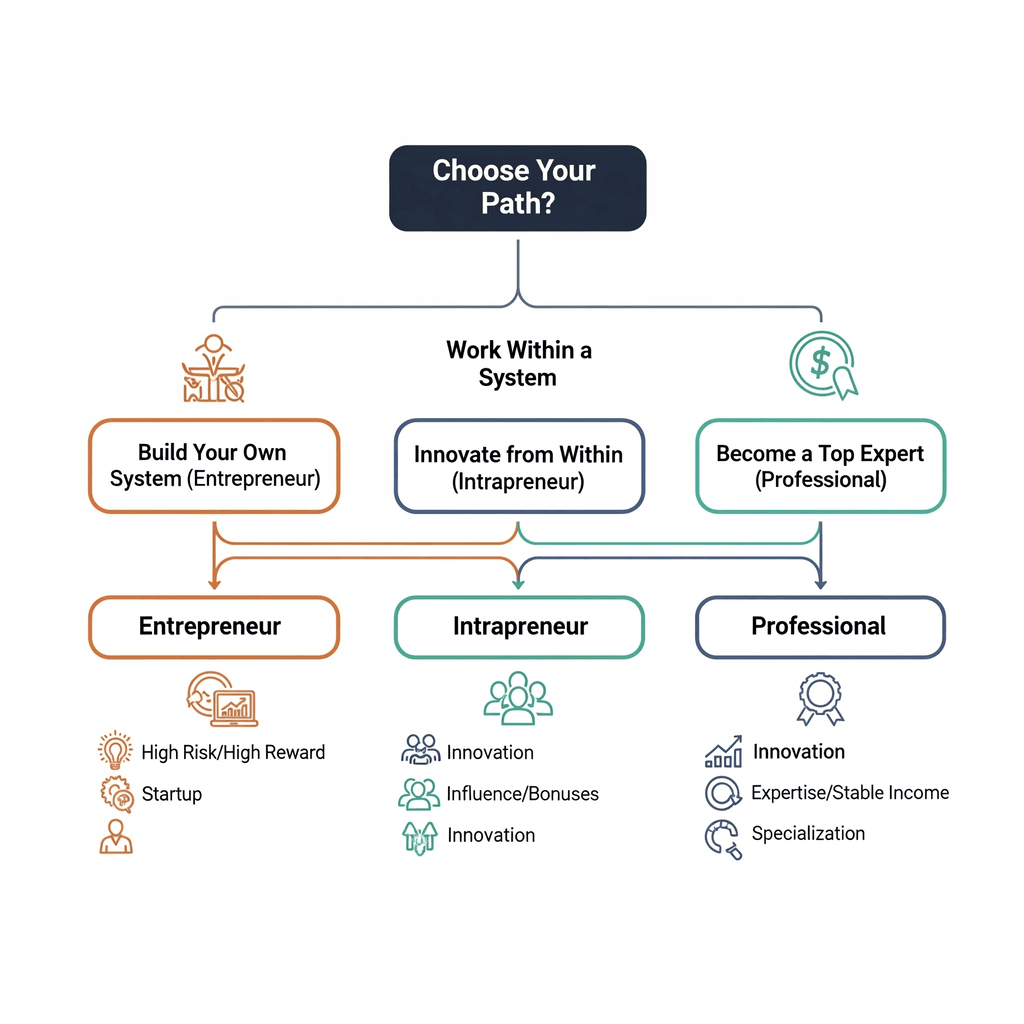
    The first point to understand is the importance of choosing a path to wealth based on your unique strengths. The book offers a “Personal Identity Audit” approach—a deep reflection to help each person understand what truly motivates them. Only by understanding who we are can we choose whether to become an entrepreneur, intrapreneur, or take on another role in building wealth—and each path has its own distinct strategy. Your Next Five Moves Master the Art of Business Strategy.pdf.
    But how exactly does one conduct an identity audit and translate it into the right path? The series of key questions and its in-depth process are outlined step-by-step in this book…


    Determining the Path: Entrepreneur vs. Intrapreneur

    Not everyone is cut out to be an entrepreneur, but every individual can find a value-creation path that aligns with their talents. The book emphasizes two main paths:

    1. Entrepreneur: The Risk-Taker and Game-Changer

    An entrepreneur breaks old boundaries and builds something new from scratch. They take on great risks, but also have the potential for the highest returns. However, the risks are not just in the form of capital—but also mental pressure and the acumen to spot opportunities. Your Next Five Moves Master the art of Business Strategy.pdf.

    2. Intrapreneur: The Innovation Leader Within an Organization

    On the other hand, an intrapreneur is a catalyst for change within a large company. They develop ideas, lead innovative projects, and build value, but within a framework that is relatively safer than that of an entrepreneur.

    Choosing this path cannot be done carelessly. You need to be aware of your strengths, weaknesses, and deepest motivations before making this big decision.
    A concrete framework for assessing your fit for the entrepreneur or intrapreneur role—including practical assessments and case studies—is presented in full in a special chapter of this book. The explanation of “blue ocean” and how to execute it is also dissected in detail in the exclusive summary on MentorBuku…


    The Power of Differentiation: Find Your Unique “Edge”

    In a world full of competition, only those who can stand out and be different will survive. Bet-David consistently emphasizes the importance of a “competitive edge”—something that sets you apart from the crowd and opens up a “blue ocean” or a new, untapped market. Your Next Five Moves Master the Art of Business Strategy.pdf.
    Differentiation is not just about creating a different product or service. It starts with knowing very clearly for whom you are offering value, what makes you relevant, and why people should choose you over others.
    Therefore, the step of finding this unique “edge” is often seen as simple, yet it is full of pitfalls. Many professionals fail to distinguish between a real competitive advantage and simply “following trends.”
    Market research techniques, the “Value Proposition” framework approach, as well as case studies on how large companies found their “blue oceans,” are all detailed in MentorBuku’s advanced guide. Three fatal mistakes in building differentiation are also thoroughly examined…


    The Mindset of a Great Player: Learning from the “Poker Master”

    There is an interesting story in this book about Eric Drache, one of the world’s greatest poker players. He was successful not only because of his playing skills, but also because he always chose opponents who made him grow—not just seeking easy wins. This analogy becomes an important lesson: in the business world, we are often required to make decisions by considering many steps ahead, like a chess grandmaster thinking about their “next five moves”. Your Next Five Moves Master the Art of Business Strategy.pdf.
    This kind of mindset distinguishes between ordinary businesspeople and those who can stay at the top of their game. You are required to:

    • Dare to make important decisions even when not all information is available
    • Always be prepared to face uncertainty
    • Choose challenges that sharpen your “mental muscle”

    However, how can one build this winner’s mindset? The book contains mental exercises, reflective reminders, and daily habits to hone strategic intuition. A template for developing “resilience” and real examples of decision mapping are available exclusively on MentorBuku…


    Strategy Integration: Creating a Personal Wealth Blueprint

    After understanding these major concepts, the main key is integration. You are faced with a critical question: how do you combine the personal identity audit, path determination (entrepreneur/intrapreneur), the search for a “competitive edge,” and a winner’s mindset into a single strategic blueprint?
    This series of integrative steps, which includes setting milestones, periodic reviews, and the technique of “reverse engineering” life goals, becomes an essential foundation for real transformation.
    A strategy integration framework, a self-evaluation checklist, and real blueprint examples are presented exclusively in the MentorBuku summary. You will also find cases of the biggest failures caused by a lack of “strategic integration,” and how to avoid them…


    Conclusion: Why You Shouldn’t Stop Here

    If you want to build wealth that is not only substantial but also resilient and true to your identity, the foundation you’ve learned in this article is just the tip of the iceberg. There are detailed secrets, practical techniques, and inspiring case studies that are intentionally not revealed here. You can get all of that if you are willing to dig deeper.

    Read also : Courage Is Calling by Ryan Holiday


    Read also : Do Epic Shit by Ankur Warikoo


    Read also : Energize Your Mind by Gaur Gopal Das

    You have just seen the foundation. These concepts are merely the tip of the iceberg of what this book offers. How do you apply them step by step, avoid common pitfalls, and integrate them into your strategy? All those answers are inside.
    Sign Up and Get Free Access on MentorBuku Now!

  • The Fundamental Secret: A Powerful Way to Overcome Your Mind’s Blind Spots. Think Again by Adam Grant


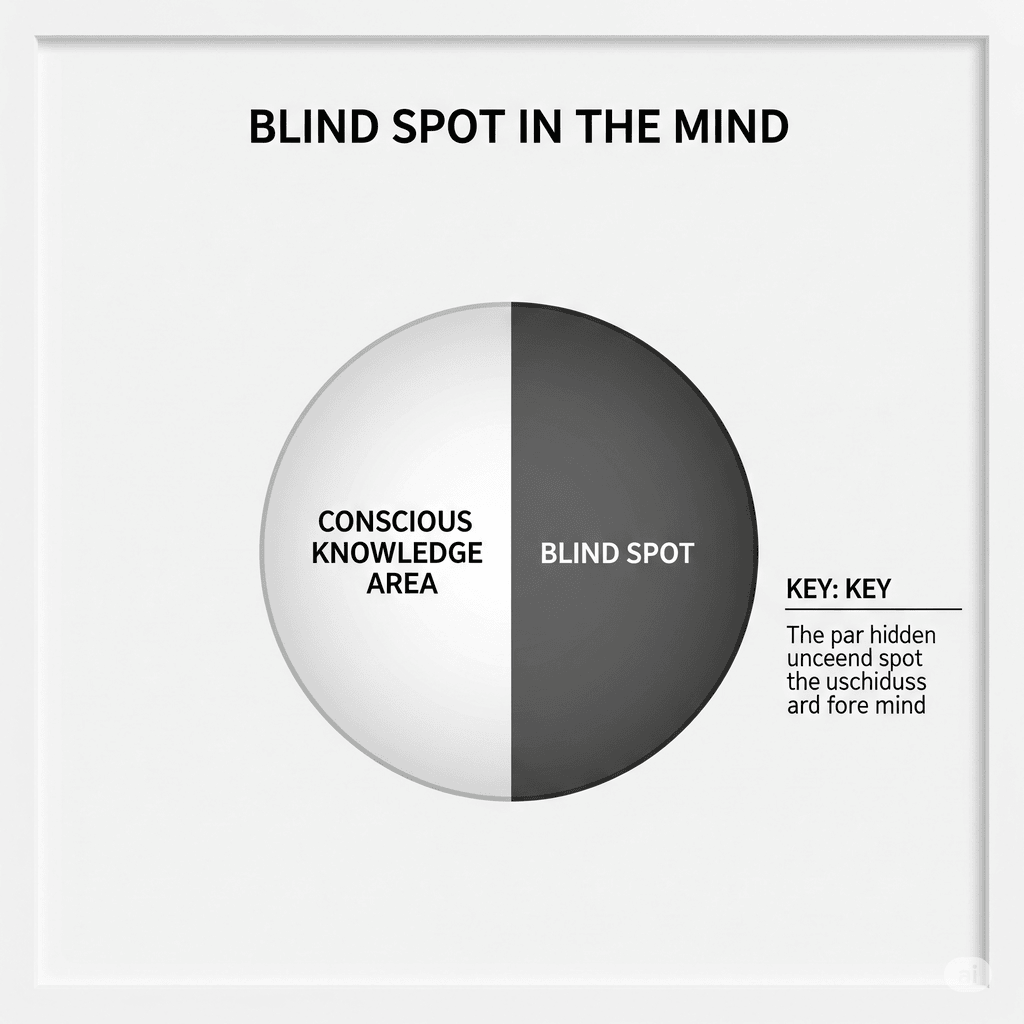
    Have you ever felt so certain about a decision, only to realize later that you were wrong—all because of a factor you were completely unaware of beforehand? This phenomenon is often caused by the mind’s “blind spots”: hidden areas in our way of thinking that prevent us from seeing our own weaknesses. Ironically, this is precisely what often traps someone in a feeling of being right, even when they might be headed in the wrong direction.
    This article will help you understand the fundamental secret behind mental blind spots, why healthy confidence is crucial for learning, and the art of rethinking. All these ideas are foundational for anyone who wants to thrive in a fast-paced world—whether in their career, business, leadership, or daily life.


    Why Mental Blind Spots Are a Big Problem Many People Don’t Realize

    We all have blind spots. However, we are often not even aware that we have them. In his book “Think Again,” Adam Grant touches on a fascinating phenomenon called Anton’s syndrome—a type of blindness where the sufferer’s brain fails to recognize that they are blind. In the context of thinking, this blindness applies to personal understanding and opinions.
    Grant writes, “We all have blind spots in our knowledge and opinions. The bad news is that they can leave us blind to our blindness, which gives us false confidence in our judgment and prevents us from rethinking. The good news is that with the right kind of confidence, we can learn to see ourselves more clearly and update our views.” This means that blind spots are not just a matter of knowledge, but also a problem of ‘false confidence’ that hinders our growth.
    This phenomenon can have fatal consequences. In an organizational or corporate context, leaders who are unaware of their blind spots are easily trapped into making wrong decisions or practicing outdated management. In personal relationships, this can lead to communication deadlocks because each party feels they are already right.

    But how do you recognize (and then reduce) a blind spot? This is what is explored further in the book “Think Again.” A specific framework for conducting this “blind spot detection” in your thinking, including step-by-step exercises you can apply, is detailed completely in the MentorBuku summary…


    Healthy Confidence: The Foundation for Keeping an Open Mind to Renewal

    Often, people think confidence is about standing firm in one’s beliefs. However, according to Grant, true confidence actually involves the ability to admit you could be wrong and the courage to explore alternative ways of thinking. In his book, he warns that too many people are trapped in “overconfidence bias”—an illusion that we know more than we actually do.
    The key to healthy confidence is building a readiness to be corrected. Grant uses an interesting analogy: in driver’s training, we are taught to find and eliminate blind spots with the help of mirrors and sensors. In real life, our minds are not equipped with such tools, so we are the ones who must consciously build these ‘detection tools’.
    This context is highly relevant, especially for those involved in the professional world, business, or important decision-making. Often, it is experienced professionals who are most vulnerable to getting trapped in overconfidence and closing themselves off to new feedback.
    This means the higher your position, the greater the risk of being trapped in the comfort zone of your own thinking. But how can you practically develop healthy confidence without falling into the trap of arrogance? The book “Think Again” outlines key indicators and self-reflection exercises you can do daily, but the technical details are available exclusively in the MentorBuku summary…

    The Art of Rethinking: How to Train Your Mind to be Flexible and Bold in Changing Your Perspective

    If blind spots are the hidden enemy, then “rethinking” is the cure. Grant gives an example: in architecture and art classes, instead of asking students to create one final piece, they are asked to redo their drafts four or more times. The results were extraordinary: the students actually grew more enthusiastic, because the revision process rapidly improved the quality of the output. “Quality means rethinking,” Grant writes firmly.
    The habit of rethinking strengthens the quality of decision-making and enables us to adapt quickly to change. This pattern can be applied in various fields: from product innovation and business strategy to personal self-development. Rethinking is not just about changing your mind randomly, but about making revisions based on new evidence, data, and environmental feedback.
    One of the strengths of “Think Again” is its dissection of the practical steps for building rethinking habits—such as getting used to asking the question “What can I learn from this failure?”, or preparing a ‘support network’ that dares to challenge your basic assumptions.
    Unfortunately, there are three main mistakes that often occur when people start to rethink—from considering the revision process a “failure,” to rejecting feedback for emotional reasons. All the effective techniques, checklists, and real-world examples of this rethinking application are thoroughly explored in MentorBuku. You will find ready-to-use templates and strategies that can be applied to both individuals and work teams…

    Read also : The 48 Laws of Power by Robert Greene

    Conclusion: What’s Next?

    Recognizing that you have blind spots, building healthy confidence, and practicing the habit of rethinking—these are the core foundations for achieving a leap in quality in your learning, career, or life. However, as Adam Grant says, awareness alone is not enough; you need a system, real practice, and deep insights to truly move beyond your comfort zone, revise your way of thinking, and achieve superior results.

    Read also : Discipline Is Destiny by Ryan Holiday


    Read also : Build, Don’t Talk by Raj Shamani


    You have just seen the foundation. These concepts are just the tip of the iceberg of what this book offers. How do you apply them step by step, avoid common pitfalls, and integrate them into your strategy? All those answers are inside.
    Register and Get Free Access at MentorBuku Now!

  • The Proven Secret to Habit Transformation: A Catalyst for a Paradigm Shift in Life. The Power of Habit by Charles Duhigg

    Introduction: Why Habits Determine Your Destiny

    Nearly every aspect of modern life is influenced by habits. From small things like how you start your day to major decisions in organizations and businesses. Often labeled as automatic behaviors, habits are actually the “secret code” that shapes destinies, from personal lives to professional institutions.
    However, behind these routines lies a surprising truth: you can dismantle, reshape, and even create new habits with the right strategy. The Power of Habit—a phenomenal book that has changed the mindsets of millions—unravels the intricacies of habits. But, are you ready to step out of your comfort zone and transform your life?
    In this article, you will understand the scientific foundation of habit formation and change, discover the “why” that has been hindering your progress, and get a teaser of strategies to change your life—but the complete method is accessible at MentorBuku.


    Routine, Reward, Cue: The Foundation of True Habits

    Understanding the Loop: Identifying the Routine

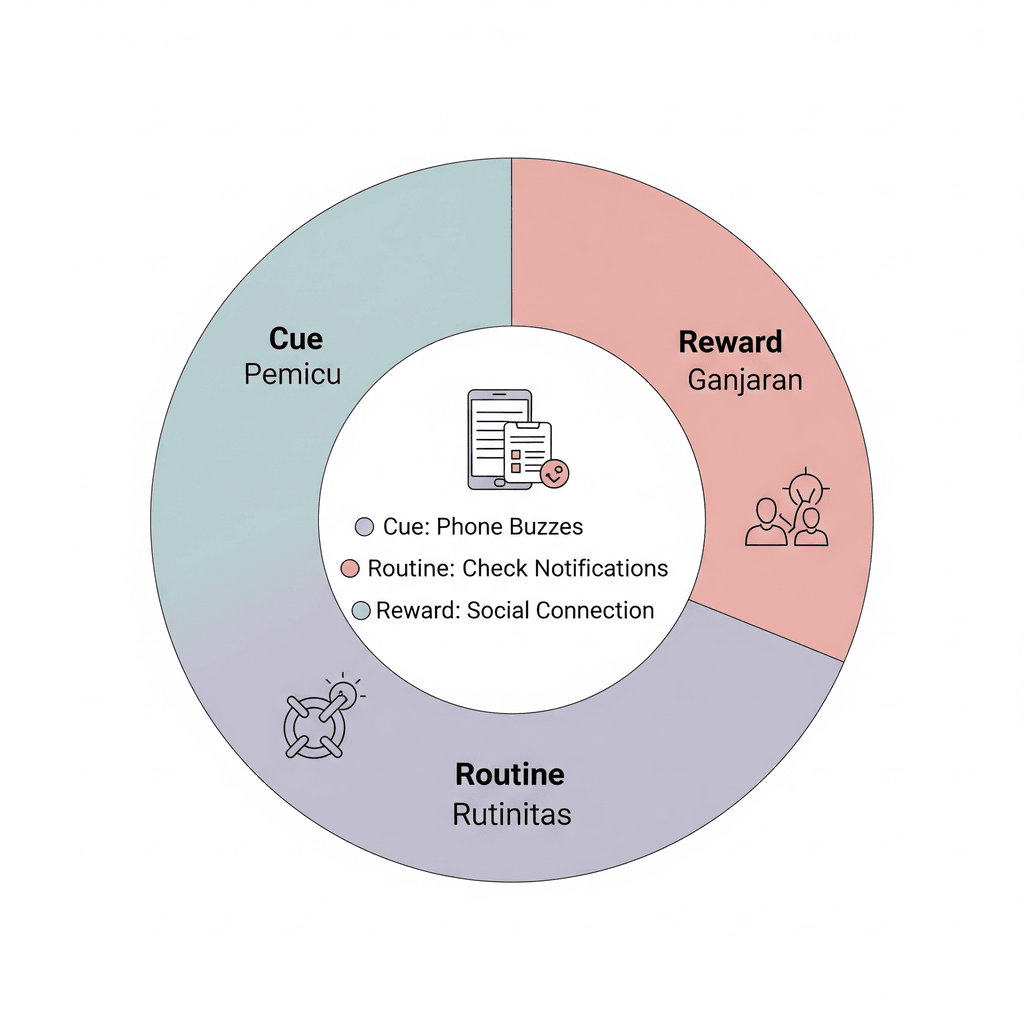
    At its core, every habit consists of three main elements: a routine, a reward, and a cue. This three-step pattern is what makes an action repeat over and over without conscious thought.
    The routine is the behavior we perform automatically—for example, always brewing coffee in the morning. However, behind that routine, there is a trigger (cue) that “ignites” you to do it. It could be a specific time, a mood, or even words heard at random. The reward, on the other hand, is the brain’s prize after performing the routine; it can be a feeling of comfort, calm, or even just a pleasurable sensation.
    A deep understanding of this cycle is crucial. Without knowing what routine is in motion, you will find it difficult to change the behavior.

    However, this is the secret: Honestly identifying your routines is the primary foundation for change.
    “A complete framework for detecting and mapping the routines that form habits is available in a special chapter of this book, including sample worksheets and practical tools that you can learn more about at MentorBuku…”

    Experimenting with Rewards: Locking in Positive Behavior

    Even bad habits persist because of a specific reward. This is why, for example, people continue to smoke despite knowing the risks—there is a temporary sensation (reward) they receive. The Power of Habit recommends reward experimentation; a strategic approach to test various forms of rewards to discover the true motivation behind your routine.
    In other words, the process of change begins not just by suppressing the bad routine, but by replacing it with a new, more constructive reward.
    “The step-by-step technique for conducting reward experiments, as well as how to avoid the ‘false reward’ trap, is explored in detail in the exclusive MentorBuku summary…”

    Read also : What Women Want: The Global Market Turns Female Friendly by Paco Underhill


    Isolating the Cue & The Role of Awareness

    The cue, or trigger, is the first thing that must be identified before you can effectively control a habit. A cue can be a time, an emotional state, a location, a specific person, or even a particular thought. Without understanding the cue, attempts to change a routine are likely to fail because you do not know when that “automatic button” is activated.
    Awareness of the cue grants you immense power: the ability to interrupt the automatic cycle that has held you captive. The Power of Habit teaches the technique of cue isolation through observation, logging, and repeated experimentation—until you can finally see the hidden patterns behind the habit.
    But of course, behind this simple knowledge lie complex layers of observational strategies and methods for identifying the cue, which cannot be fully unpacked here.
    “Advanced cue observation techniques, including a daily application journal and tips for distinguishing between external and internal cues, are part of MentorBuku’s premium insights, specially written by productivity practitioners…”


    The Role of a Plan in Shaping Change

    Without an action plan, habit change is just talk. Many people fail because they know “what” to change, but they don’t know “how” to design the roadmap. The Power of Habit presents a highly applicable framework for change: identify the routine, experiment with rewards, isolate the cue, and then create a plan.
    A plan is not just an intention; it maps out concrete steps that are ready to be implemented. For example, if your cue is stress, the routine is smoking, and the reward is relaxation, your plan could be to replace the smoking routine with a breathing technique for the same reward.
    The key is to take full control of every phase of the change. Without the discipline to design a plan, you will fall back into the old patterns.
    “The five pillars of a fail-proof habit change plan, along with templates and real case studies, are only available in full in the MentorBuku summary…”

    Read also : Ikigai by Héctor García,Francesc Miralles

    Lesson for Leaders: Implementation in Organizations

    Habit change isn’t just for individuals. In the business world, large organizations like Starbucks, Procter & Gamble, and even leading technology companies build the foundation of their success by managing collective habits in the workplace.
    Even strategic decisions—such as “changing the color of a main product” in the middle of the production process—cannot escape the influence of the organization’s established habit patterns. Challenging a team’s habits, facing resistance, and building a new culture require a deep understanding of the routine, reward, and cue cycle at the group level.
    Great leaders are able to detect team routines, map out shared rewards, and design positive cues that make organizational change easier to accept.
    “The three fatal mistakes that often occur when organizations try to change habits, and the strategies to overcome them, are dissected in detail with authentic case studies in MentorBuku…”

    Read also : The Art of Thinking Clearly by Rolf Dobell

    Conclusion: The Power of Transformation & Hidden Opportunities

    Habits are not destiny. They are a “script” that you can rewrite at any time with the relevant knowledge. By understanding the routine–cue–reward cycle, and having a structured plan, you open the door to major changes—both on a personal and professional level.
    However, the true journey of changing a habit only begins when you not only understand the basics, but also know the exact strategy to apply it.
    What are the common mistakes? What are some real-world application examples in the professional world?
    The answers are just a click away.


    CTA & Call to Action

    You have just seen the foundation. These concepts are just the tip of the iceberg of what this book has to offer. How to apply them step by step, avoid common pitfalls, and integrate them into your strategy? All those answers are inside.

    Sign up and Get Free Access at MentorBuku Now!

  • The Secrets of a Successful Attitude and Authentic Happiness You Need to Know Now. Succeed for Yourself by Richard Denny


    Unveiling the Essence of a Successful Attitude and True Happiness

    Everyone wants a successful and happy life. However, have you ever realized that a successful attitude comes before success itself? This book invites us to understand the close connection between mindset and true happiness, which is not just temporary, but sustainable.
    We often think that happiness comes from success or major achievements. In fact, lasting happiness actually begins with how we view and respond to everyday life. A positive attitude and sincere love can create a magnet that attracts many good things into our lives. Like a character in this book who, despite physical limitations, is still able to spread positive energy and be loved by those around him.
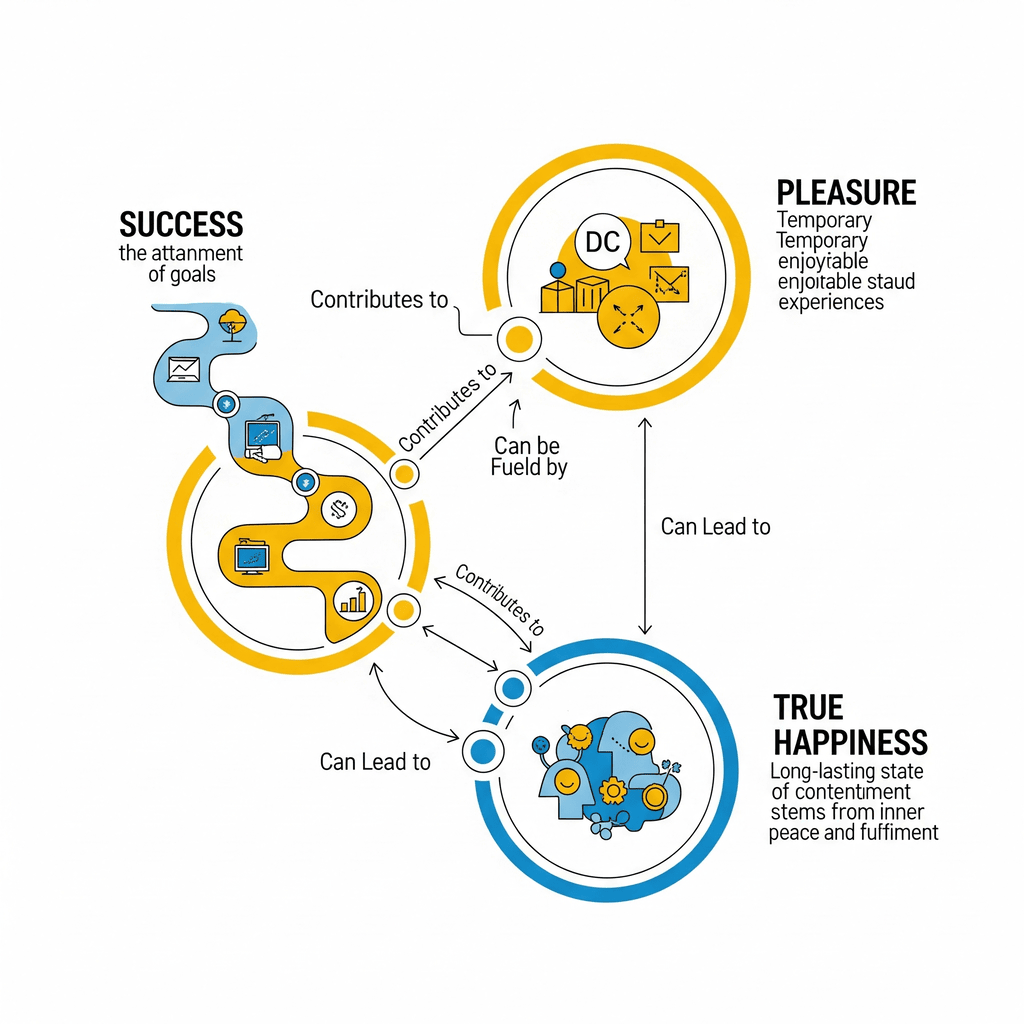
    This concept teaches us that success is not just about the end result, but the process of building the attitude that takes us there. Understanding the difference between true happiness and fleeting pleasure becomes an important foundation. Pleasure is like a small celebration in the middle of life’s journey, while happiness is a sense of peace that continually envelops the soul.
    A complete framework for applying this successful attitude is discussed in five specific steps in the book, which will help you prepare your mind to face challenges and shape authentic happiness.

    Read also : The Almanack of Naval Ravikant by Eric Jorgenson

    Building Family Strength as a Pillar of Happiness

    Apart from individual attitude, this book also emphasizes the importance of family as a source of happiness and emotional security. Undeniably, family brings both invaluable challenges and opportunities. When managed with love, responsibility, and without selfish intentions, family can become an oasis of happiness and the main support system in life.
    In this context, readers are encouraged to realize that family relationships are not just about blood ties, but about how we support each other and grow together in an atmosphere of mutual appreciation. Various common problems may arise, but with the right attitude, family can become a source of inspiration for success and true happiness.
    However, there are three common mistakes often made when building healthy family relationships, which are thoroughly discussed in our summary. Understanding these will help you avoid the pitfalls that frequently undermine harmony.

    Read also : The Yes Brain Child by Daniel J Siegel,Tina Payne Bryson


    Happiness Through a Positive Attitude: The Magnet of Life Success

    How does a positive attitude affect everyday life? This book presents a truly inspiring true story about someone who kept smiling despite facing physical limitations. This positive and cheerful attitude becomes a magnet that attracts the attention and affection of many people.
    This fact shows that happiness and success are not about being free from problems, but about how we face them. By cultivating a positive attitude, we build a strong foundation for achieving what we want in life. It also emphasizes that a successful attitude must be mastered even before success arrives.
    Advanced techniques for developing a positive attitude, including templates and practical examples, are part of the exclusive insights we have prepared at MentorBuku, which will help you maximize your personal and professional potential.


    Conclusion: Uniting the Pillars of Attitude, Family, and True Happiness

    From these three main concepts — a successful attitude, family strength, and a positive outlook — we can see a pattern showing that true happiness and success require harmonious collaboration between our inner selves and our closest environment.
    You have just seen the foundation. These concepts are only the tip of the iceberg of what this book has to offer. How can you apply them step by step, avoid common pitfalls, and integrate them into your strategy? All the answers are inside.
    Register and Get Free Access at MentorBuku Now!