Category: personal development

  • The Fundamental Secret of Visualization: A Powerful Catalyst for Transforming Your Life. The Miracle Morning: The Not-So-Obvious Secret Guaranteed to Transform Your Life Before 8 AM by Hal Elrod

    Visualization often sounds like a mystical concept—a practice believed to be useful only for athletes or those who believe in the “law of attraction.” However, in reality, visualization is a revolutionary key that can reshape your habits, ignite your enthusiasm, and truly change the course of your life. In this article, we will explore three fundamental catalysts of the art of visualization derived from “The Miracle Morning,” uncovering why they are so important and, of course, leaving you eager to learn about structured application strategies.

    Why Is Visualization a Game Changer?

    Every person carries the burden of the past: failures, doubts, or even trauma that hinders the path to the future. This is where visualization comes in, not as an escape, but as a “mental time machine” that can spark motivation and steer your life toward a more promising future. Instead of letting bad memories dictate your actions, you now have a tool to fill your mind with an exciting and limitless vision of the future.

    Interestingly, research shows that those who fill their minds with positive images of the future tend to be more resilient, more productive, and better able to maintain motivation when facing challenges. This is not just empty theory; it is the foundation of performance psychology that has helped millions of people change their routines and achieve unexpected accomplishments.

    But how exactly does visualization work as a catalyst for transformation? Let’s break down its three main, interwoven components.


    1. Directed Visualization: Reprogramming the Mind for Success

    Many people start visualizing by simply imagining “wanting to be successful.” However, the real power comes from directed visualization—where you consciously and intentionally design a “mental movie” of how you want to live your ideal day. For example, the author of “The Miracle Morning” makes it a habit each morning to sit quietly, close his eyes, and systematically visualize himself going through his day with enthusiasm and smoothness. From small routines to major achievements, everything is visualized as if it has already happened.

    The strength of this approach lies in its detail. By imagining sensations, emotions, even potential obstacles, you “trick” your brain into believing that success is truly attainable, not just wishful thinking. Every thought, every “scene” you repeat daily becomes the foundation for confidence and a consistent source of motivation.

    But how do you create effective directed visualization? There are three specific steps outlined in the book, including ways to manage the mental resistance that often arises at the start of the practice—and all of them are available in our strategic source.


    2. Vision Board: The Physical “Magnet” for Your Dreams

    Imagine your desk covered with inspiring images—dream destinations, role models, financial achievements, or even favorite quotes. That’s the Vision Board, a simple visual tool with extraordinary power. In truth, a Vision Board is a constellation of visuals that helps strengthen your mental images so that your brain can more easily connect your targets to reality.

    This concept was popularized by the book and movie “The Secret,” but what is often overlooked is the process of choosing the right images, arranging them strategically, and maintaining a routine of “interacting” with your Vision Board so that its impact goes beyond mere decoration. Many people make random Vision Boards and then feel disappointed when their dreams don’t come any closer. In fact, there is a specific way to activate this “magnet” so that it truly strengthens your focus and daily energy.

    A complete framework for building an impactful Vision Board, including how to set it up to fit your unique goals, is thoroughly explained in MentorBuku’s exclusive visualization toolkit.

    3. Emotion as Leverage: The Key to Creating Mental “Attraction”

    One often-overlooked secret in visualization is the power of emotion. Merely imagining success is not enough. You need to bring to life the emotions that accompany it—joy, gratitude, even a touch of fear. The stronger the emotions you feel during visualization, the more “real” the experience becomes to your brain. This is why many top coaches emphasize the importance of “feeling” victory even before it actually happens.

    Why are emotions so crucial? Because deep emotions make you see your goal not just as something “worth trying,” but as an inevitability. When you start your morning by “touching” the feeling of satisfaction after achieving success, your motivation to act switches into “turbo mode.”

    Specific steps to evoke emotion during visualization, along with tricks to overcome mental blocks that hinder genuine feelings, are described in a special chapter that is not only theoretical but also practical in our key book.


    4. “Habit Stacking”: Integrating Visualization with Daily Routines

    One reason most people fail to maintain the habit of visualization is the lack of integration into their routines. Visualizing right after waking up is much more effective than scheduling it for “whenever there’s time.” That’s where the concept of “Habit Stacking”—attaching a new habit (visualization) to an existing one (such as drinking a glass of water)—becomes a game changer.

    Not only does this make visualization easier to implement, but habit stacking also strengthens consistency and helps the brain form automatic habit pathways. Over time, visualization will no longer feel like a “chore” but will become an inseparable part of your morning energy.

    A series of powerful habit stacking techniques, along with practical examples for various professions, are offered as part of the bonus strategies available on the MentorBuku platform.


    Conclusion: Visualization Is Not a Dogma, but a Discipline

    Visualization is a catalyst for transforming your life, but only when practiced with discipline and mindfulness. With directed visualization, a meaningful Vision Board, ignited emotions, and habit stacking strategies, you have already opened the door to change. However, the journey doesn’t end here.

    Read also: The Rational Male by Rollo Tomassi

    Read also: The 7 Habits of Highly Effective Families: Creating a Nurturing Family in a Turbulent World by Stephen R. Covey


    Closing: Are You Ready to Become the Architect of Your Future?

    You have just seen the foundation. These concepts are only the tip of the iceberg of what this book offers. How do you apply them step by step, avoid common pitfalls, and integrate them into your strategies? All those answers await inside.

    Sign Up and Get Free Access at MentorBuku Now!

  • The Fundamental Secrets of the 4-Hour Workweek: Paradigms, Catalysts, and Fatal Mistakes Almost Everyone Makes

    Introduction: Why the World of Work Must Be Completely Overhauled

    Imagine if you could flip the work paradigm: more free time, a steady flow of income, and freedom from the trap of daily routines. The book “The 4-Hour Workweek” doesn’t just offer a dream; it strips away conventional ways that have imprisoned workers, entrepreneurs, and even visionaries. But why do most people still get stuck in the old model? Because they haven’t truly understood the main catalysts, how the paradox of time and value work together, and—most importantly—the fundamental mistakes almost everyone makes when first attempting this revolutionary strategy.

    This article uncovers three key gems: the “minimal work, maximum results” paradigm, the freedom-inducing architecture of automated businesses, and fatal traps you must beware of. However, we are only peeling back a few layers—not providing step-by-step technical guides. To transform your life, you need to understand the “why” before diving into “how.”


    Minimal Work, Maximum Results Paradigm: The Liberating Paradox

    One of the greatest revolutions from this book is the destruction of the “hard work = big results” mentality. The author dismantles the old myth, replacing it with one key question: “If I could only work 4 hours a week, what would I do differently?”

    This paradigm doesn’t mean you become lazy or neglect your responsibilities. On the contrary, you’re required to be radical in selecting and cutting activities: focus only on the highest-value work. With the 80/20 principle, you are encouraged to identify the 20% of activities that generate 80% of the results. This is the main catalyst that breaks the binds of work hours.

    Moreover, this new paradigm challenges your perception of what you truly want from life: time, mobility, or money? Most workers and business people become absorbed in routines without ever re-evaluating their life goals.

    However, after realizing the importance of cutting work hours and choosing high-value activities, a tempting question arises: “How exactly do you map out your 20% activities? The technique for filtering priority activities used by the author is taught only in the original book…”

    Automated Business Architecture: Turning Ideas into Money While You Sleep

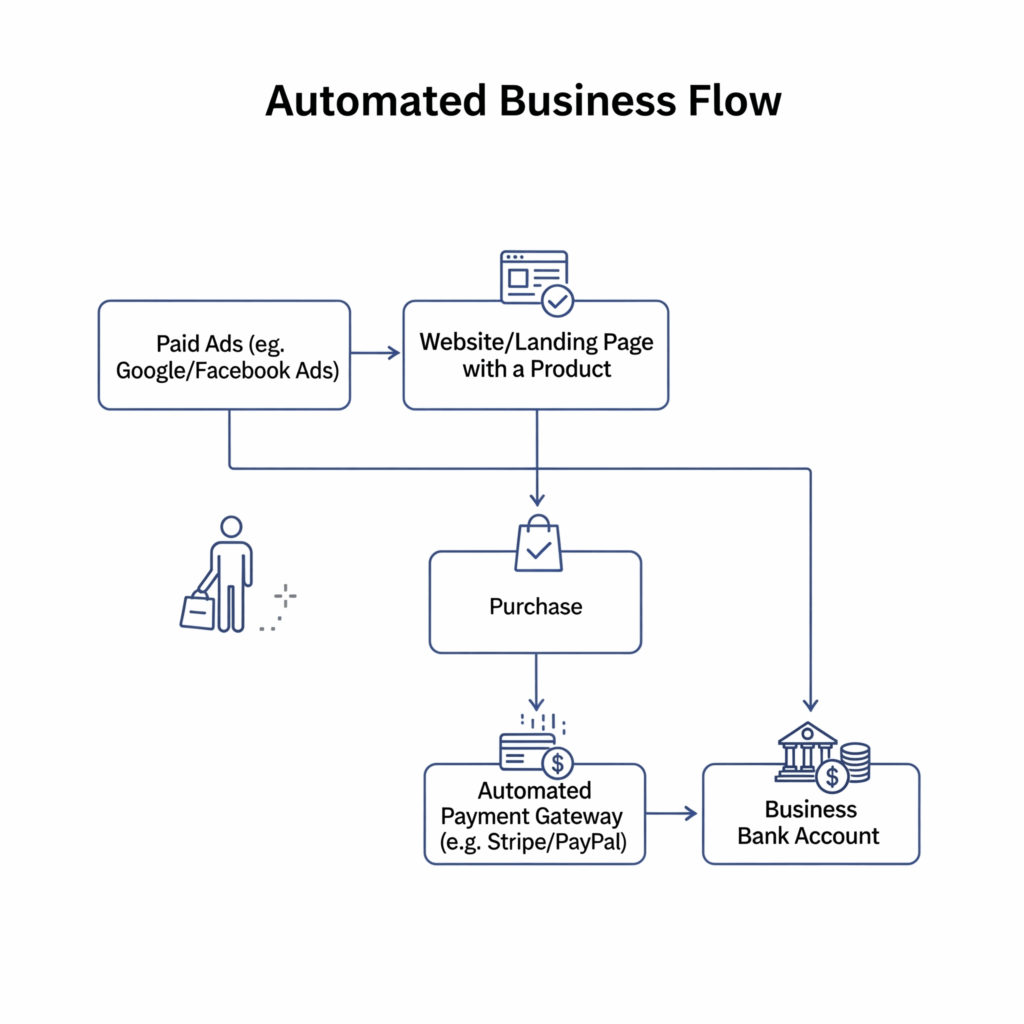
    One of the most compelling sections of this book discusses the architecture of automated business systems. Instead of becoming a “forever worker” in your own company, you’re encouraged to build a business model that requires minimal intervention. There’s a simple diagram that illustrates the flow of money: from advertising (online/offline), to a landing page, to automatic payment processing, and finally—money flows into your account without you being physically or mentally present.

    This concept is the backbone of the “minimal work, maximum results” lifestyle. With automation integration, you can truly become “invisible” behind the scenes—even as your business keeps running and the money keeps coming in.

    This is where the revolution lies: you don’t need to be a tech expert to piece together this architecture. For example, many start with a simple product idea, then run ads and rely on automated payment systems so that orders keep coming in 24/7. However, an important question arises: “The technical steps, tools, and detailed costs required are only explained step-by-step in the architecture diagram and dedicated chapters of this book…”

    Taking Smart Risks: The Zen Story Behind Star Wars

    Freeing yourself from the old system isn’t just about business strategy, but also mental courage. Readers are introduced to real-life stories—one of them being Hans Keeling, who, after taking a huge risk (literally: jumping off a cliff and paragliding in Rio de Janeiro), found a new meaning to life amidst uncertainty.

    Stories like these show that “The 4-Hour Workweek” is more than just a business blueprint. It’s an invitation to courageously face your fears, step outside your comfort zone, and open up new opportunities that previously only existed in dreams. The author often quotes legendary characters like Yoda: “Do, or do not. There is no try.” If you only procrastinate or hesitate, change will never come.

    However, the strategies for resetting personal and mental risk taught in this book are never simply described outside of certain chapters. There are psychological checklists and in-depth questions that can only be found in the original guide.


    Fatal Traps: Common Mistakes Almost Every Beginner Makes

    Tangible failures of this concept usually stem from half-hearted understanding. Many people mistakenly believe that everything can be automated without knowing their priorities, or try to cut work hours without filtering for high-value activities. As a result, they actually become more stressed or lose control over their business and life.

    Another common mistake is the obsession with “work freedom” before having a stable automated income model. In fact, the author warns: streamline your system, truly test the market, and maximize your minimum product or service before completely letting go of daily control.

    Unfortunately, details about the three main mistakes and how to avoid them are discussed through real-life cases in the book. Often, real experiences from seminar participants and failed experiments become the foundation for fail-proof strategies.

    Read also: Young Consumer Behaviour: A Research Companion by Ayantunji Gbadamosi

    Read also: Introducing Economics: A Graphic Guide by David Orrell, Borin van Loon

    Read also: Apartheid and the Making of a Black Psychologist: A Memoir by N. Chabani Manganyi


    Case Studies, Experiments, and Behind-the-Scenes Secrets: What Makes “The 4-Hour Workweek” Different?

    At the heart of this book are dozens of real-life examples—from seminar photo contests, simple experiments to crowdsource marketing content, to stories from families, doctors, and digital entrepreneurs breaking free from traditional work systems. Each case study fuels the reader’s inspiration to dare, fail, and then find their own breakthrough.

    Even reports about how the author “killed the BlackBerry,” broke free from notification chains, and finally “became invisible” in his own business, act as key sparks for shifting mindsets.

    But the most important question always arises: “How do I adapt all these case studies for myself? Templates, worksheets, and communication scripts are covered in depth only in the main source.”


    Conclusion: Why This Book Is More Than Just a Business Guide

    “The 4-Hour Workweek” is an idea catalyst, not just a collection of tricks. It challenges the status quo, teaches you to boldly reject routine, and redesigns life and work based on your deepest desires: freedom and meaning. However, the real secrets are hidden beneath layers of concepts that must be practiced in a structured way—and can only be fully accessed at MentorBuku.


    You’ve just seen the foundation. These concepts are only the tip of the iceberg of what this book has to offer. How do you implement them step by step, avoid common traps, and integrate them into your strategy? All those answers are inside.

    Sign Up and Get Free Access at MentorBuku Now!
  • How to Be an Effective and Inspirational Idea Collector. Steal Like an Artist by Austin Kleon

    Exploring Creativity Through the Concept of Gathering Ideas: Becoming a Collector, Not a Hoarder

    In today’s fast-paced and technology-driven world, many people struggle with the process of generating new ideas. You may have felt stuck in a routine or, on the contrary, overwhelmed with unstructured information and inspiration. However, there is an approach that can help rejuvenate your creativity: becoming an idea collector.

    Why is Idea Collection Important?

    Collecting ideas is not just a hobby; it is one pathway to deep creativity. In the context of art, being a collector means you selectively seek out and gather ideas, perspectives, and experiences that can shape your own work. As Picasso stated, “Art is theft.” Ideas do not emerge from a vacuum; they come from the inspiration we draw from our surroundings.

    Collector vs. Hoarder: Choosing Wisely

    Distinguishing between a collector and a hoarder is crucial. A hoarder collects everything indiscriminately, while a collector chooses wisely, gathering only what truly touches their heart and soul. As the author expressed, we should collect the things we love to enrich our own ideas.

    “Garbage in, garbage out.” – a saying often quoted by parents, emphasizing that what you consume mentally greatly influences the quality of the ideas you produce.
    For example, if you spend your time only with shallow or meaningless content, your work will reflect the same. However, by surrounding yourself with high-quality works – from books, films, to fine arts – you open up opportunities to generate brilliant ideas.

    Read also : The Complete Home Guide to Herbs, Natural Healing, and Nutrition by Jill Davies

    The Power of Inspiration from the Environment

    One of the most effective ways to gather ideas is to immerse yourself in a supportive environment. Engaging with inspiring things can happen anywhere: while watching films, listening to music, reading novels, or even during everyday interactions. These moments can serve as catalysts for upcoming ideas.
    Examples of Inspiration:

    • Classic Films: Pay attention to the visual style and narration used. What makes it unique?
    • Music: Listen to the lyrics and melody. How are emotions transmitted through sound?
    • Visual Art: Observe the techniques and colors used. What can you learn for your own work?

    As you absorb various inspirations, the chances of ideas emerging increase. You can begin to develop concepts by hybridizing the different elements you have collected.

    Applying the Creative Process: From Gathering to Producing

    Collecting ideas is not enough; the next process is to transform those ideas into tangible works. Once you have a collection of ideas, the next step is to organize and develop those concepts. Some steps you might take include:

    1. Creating a Mind Map: Visualize the main ideas and the relationships between them.
    2. Keeping a Journal: Record your thoughts and ideas as they arise. You may discover interesting patterns.
    3. Collaborating: Discuss your ideas with others and explore new perspectives you may not have considered.

    This is important because only by developing ideas can you channel them into something more than mere concepts lying dormant in your mind.

    Read also : Light on Yoga: The Bible of Modern Yoga by B. K. S. Iyengar,Yehudi Menuhin

    Avoiding Common Mistakes in Creativity

    Every creative process inevitably faces its challenges. Here are some common mistakes that often occur and how to avoid them:

    • Stuck in Perfectionism: When you’re too anxious about perfection, you may halt the creative process. Remember that the process is more important than the final result.
    • Not Seeking Inspiration: Don’t hesitate to seek out and explore different sources of inspiration. Taking a nap, walking in nature, or trying new activities can provide the inspiration you need.
    • Not Recording Ideas: Set up tools to jot down emerging ideas. Whether it’s a digital notebook or a classic one, what matters is that you can record them when inspiration strikes.

    Keep in mind to revisit your ideas regularly to ensure you don’t miss out on the potential that may arise from initially simple concepts.

    Conclusion: Returning to the Basics

    The creative process is a long and challenging journey. By being a careful collector of ideas, you not only build a strong foundation for your creative work but also create a flow of continuity that enriches your experiences and final outcomes.
    You have just seen the foundation. These concepts are just the tip of the iceberg of what this book offers. How to apply them step by step, avoid common traps, and integrate them into your strategy? All the answers lie within.

    Sign Up and Get Free Access at MentorBuku Now!

  • The “Ego Is the Enemy” Strategy: The Secret Paradigm of Self-Mastery for Authentic Greatness. Ego Is the Enemy by Ryan Holiday

    Introduction: Behind Success, There Lies a Hidden Foe

    History is full of stories about the failures of geniuses, leaders, and brilliant artists. Why do these individuals, despite being brimming with talent and brilliant ideas, often end up trapped in cycles of failure or mediocrity? The answer often whispers quietly but bites deeply: ego.
    The book “Ego Is the Enemy” delves into the deepest roots of this hidden enemy. Through sharp narratives and real-life examples, this book offers a series of insights into ego—not just in the context of psychology, but as an invisible “hijacker” that can strike anyone at any time.
    This article presents some gems of concepts from a book that has been, and always will be, relevant to anyone seeking to reach authentic and sustainable heights. This is an initial roadmap. However, the path to real change awaits in deeper sections.

    1. Ideas and Work: Why Do Ideas Remain Just Ideas?

    Many of us, like Edgar Degas the seasoned painter, feel full of ideas—sometimes even exploding with inspiration. However, inspiration without execution is powerless to bring real change. A famous conversation between Degas and the poet Mallarmé sums it up: “I can’t write the way I want to, even though my head is full of ideas,” Degas lamented. Mallarmé’s reply was gentle but piercing: “Poems aren’t made with ideas, Degas. They’re made with words.”
    Just like poetry, success in life is only achieved through work, not merely intention. Peter Drucker, the management maestro, asserted, “The best plan is just good intentions unless it degenerates into work.” The biggest obstacle is not a lack of inspiration, but the ego that whispers, “Great ideas are enough; the details can wait.”
    Without the ability to turn ideas into actions, great achievements are nothing but empty dreams. A framework for consistently translating ideas into concrete results, complete with techniques for daily discipline, is thoroughly explored in this book…


    2. The “Canvas Strategy”: The Unconscious Direction Setter

    Most people, driven by ego, want to be at center stage—to control everything, to be known by everyone, to receive instant recognition. Yet, a quiet strategy actually offers a different path: becoming the “canvas setter” who shapes the direction without needing to be in the spotlight.
    The Canvas Strategy teaches us to clear the way for others and contribute selflessly at the outset of our journey. Strangely, by doing so, you are the one shaping the future. Just as a canvas frames a painting, you decide its tone.
    This strategy knows no age, rank, or even length of experience. From before starting a career to leading an organization, anyone can begin. What sets people apart is the ability to restrain the ego—retrain yourself—and consistently focus on contribution rather than praise.
    The complete techniques for systematically practicing the Canvas Strategy, including how to build authentic reputation without appearing to “suck up” or self-sacrifice, are dissected in several dedicated chapters in this book…


    3. Resisting Illusion and Accepting Reality

    It is easier to build illusions of glory than to accept the harsh reality of failure or shortcomings. Ego often plunges us into the narrative of “I already know,” or “I can definitely do it,” even when the facts say otherwise.
    However, as illustrated in the story of John DeLorean, being lulled by baseless ambition for too long and ignoring the warning signs of failure actually led him to total ruin. In truth, falling is not the end. This book affirms that the only way to appreciate personal progress is by standing at the edge of the very pit of failure we once dug, then learning from it and improving our character.
    Challenging the ego to willingly accept facts, admit failure, and rise stronger is a fundamental lesson dissected thoroughly. Yet, the three most common ego traps that hinder your achievements—along with techniques to dismantle them one by one—are only comprehensively outlined within MentorBuku’s detailed guide…


    4. The Willingness to “Draw the Line”: Preserving Character

    Marcus Aurelius once said, “He can only destroy your life if he destroys your character.” In today’s world, dominated by fierce competition, the temptation to trade principles for superficial victory becomes ever more enticing. Ego persuades us to cross the line “just a little,” promising, “you can always go back later.”
    In reality, true strength lies in the courage to draw boundaries. Restraining oneself, saying “enough,” and choosing consistency of character over fleeting desires. This ability, more than just discipline, is the art of enduring life’s toughest trials.
    The big questions: How do you set healthy boundaries? How do you cultivate mental resilience so your character remains intact when pressure peaks? A practical framework for applying the “draw the line” concept in full, including modern case studies and character-building tools, are presented in detail among MentorBuku’s insights…


    5. Transformation through Humility: Becoming an Unshakable Individual

    One of the greatest paradoxes is: the more humble someone is, the harder it is for ego to bring them down. This book highlights the power of humility—active humility, not mere resignation. With humility, you open endless opportunities for learning, accept criticism, and turn failure into a leap of progress.
    The book reveals how the world’s most successful figures almost always share one common thread: a commitment to suppressing ego, learning at every step, and never tiring of self-improvement. However, the mental techniques of a “humility routine” and ways to build daily self-awareness habits—which truly set apart genuine winners—are only available in the exclusive MentorBuku recommendation modules…


    Conclusion: Becoming the Master, Not the Slave of Ego

    Why is ego so elusive, alluring, yet dangerous? Because it clings in the form of hopes, good intentions, even overconfidence. Yet, by dissecting the lessons of key figures and adopting the tactical strategies in this book, you have the chance to become the one in control of your life—not just a victim of your own ego’s impulses.
    Are you ready to follow the roadmap to conquer ego and rewrite your success narrative? The answer starts here.

    Read also : Parenting from the Inside Out by Daniel J Siegel


    Read also : Why Are All the Black Kids Sitting Together in the Cafeteria? by Beverly Daniel Tatum


    Read also : Conversations on Love by Lunn Natasha


    You have just seen the foundation. These concepts are only the tip of the iceberg of what this book has to offer. How do you apply them step by step, avoid common pitfalls, and integrate them into your strategy? All those answers are inside.
    Sign up and Get Free Access on MentorBuku Now!

  • Becoming an Attractive Approacher: Understanding the Art of Captivating Attention. How to Make Girls Chase by Chase Amante

    In today’s information age, the ability to capture the attention of others is a highly valuable skill. Whether in personal or professional contexts, the way we approach others can determine the outcome of our interactions. In this article, we will explore several important principles on how to become an attractive approacher, as well as why this is important for personal development.

    Why is it Important to be an Attractive Approacher?

    Being an attractive person is not just about physical appearance; it also encompasses the way we communicate and interact with others. When we can capture the attention of others, we open up opportunities for better relationships, both socially and professionally. Factors such as confidence, empathy, and communication skills play a crucial role in this process.
    For example, in negotiation situations, those who can capture the attention of their interlocutors often gain a greater advantage.

    Read also : Poisonous Parenting: Toxic Relationships Between Parents and Their Adult Children (Routledge Series on Family Therapy and Counseling) by Shea M. Dunham

    Effective Communication Skills

    One of the main factors in capturing attention is our ability to communicate effectively. This includes:

    1. Sincerity: Demonstrating sincerity in conversations will build trust.
    2. Body Language: An open and friendly posture makes others feel more comfortable.
    3. Active Listening: Giving full attention to what others are saying shows that we value them.

    Applying these three skills can significantly enhance your relationships with others. But how can you integrate these three skills into daily interactions? A complete framework for applying effective communication skills is discussed in five specific steps in the book…

    Understanding the Psychology Behind Attraction

    Psychology plays a significant role in the process of capturing attention. Understanding what triggers interest and engagement is key. Some psychological elements to consider include:

    • Emotional Connection: Relating personal stories or experiences makes us more relatable.
    • Surprise and Intrigue: Presenting unexpected information can heighten the interest of the interlocutor.
    • Relevance: Relating the conversation topic to the experiences of other participants facilitates connection.

    It is fascinating to see how these elements can be applied in various social situations. However, there are three common mistakes often made when trying to understand the psychology behind attraction, which are thoroughly examined in our summary…

    Read also : Know Your Parenting Personality by Janet Levine

    Empathy as a Catalyst

    Empathy is not just about understanding others’ feelings; it is a critical skill for capturing their attention. When we show empathy, we not only draw them in emotionally but also build a deeper connection. Some ways to demonstrate empathy include:

    • Responding with Sincerity: Providing responses that show you are attentive and care.
    • Using Open-Ended Questions: Inviting others to share more about themselves creates space for them to open up.
    • Being Yourself: Authenticity captures attention. Don’t be afraid to be vulnerable.

    Placing empathy in the right context and its ability to build stronger connections are crucial aspects. Advanced techniques of this concept, including templates and practical examples, are part of the exclusive insights we have prepared at MentorBuku…

    Conclusion

    Becoming an attractive approacher is a combination of various skills and deep understanding. By learning how to communicate effectively, understanding the psychology of attraction, and showing empathy, we can open many doors in personal and professional relationships.

    You have just seen the foundation. These concepts are just the tip of the iceberg of what this book offers. How to apply them step by step, avoid common pitfalls, and integrate them into your strategy? All the answers are inside.

    Register and Get Free Access at MentorBuku Now!

  • Find Strength Within: Achieving Success Through Self-Awareness. Get Epic Shit Done by Ankur Warikoo

    We often hear the saying, “When the student is ready, the teacher will appear.” This simple sentence speaks volumes about the importance of readiness in acquiring knowledge and wisdom. Through understanding and self-awareness, we can explore the limitless potential within ourselves. This article delves into how self-awareness can be a catalyst for greater success in our lives.

    The Importance of Self-Awareness

    Self-awareness is not just about knowing our strengths and weaknesses. It is an ongoing process in which we reflect on our experiences, emotions, and reactions to various situations. By understanding who we are and what we want, we can better direct our lives. Self-awareness leads us to a deeper understanding of our life goals and mission.

    Why is Self-Awareness So Important?

    1. Helps in Facing Challenges: When confronted with difficulties, self-aware individuals tend to be better at analyzing situations and determining appropriate steps. They do not just react; they prefer to respond with wisdom.
    2. Enhances Relationships: By becoming more aware of our emotions and reactions, we can communicate more effectively. This creates deeper and more authentic relationships with others.
    3. Continuous Personal Development: Self-awareness encourages us to keep learning and growing. It triggers a healthy curiosity that will lead us toward greater success.

    But building self-awareness is not an instant process. There are various practical steps and techniques that can be applied, which are discussed further in the book we recommend.

    Read also : No-Drama Discipline: The Whole-Brain Way to Calm the Chaos and Nurture Your Child’s Developing Mind by Daniel J Siegel

    Creating Personal Standards

    One valuable lesson told in an anecdote about a sculptor is the importance of having personal standards. When a student sees a beautiful statue that has some minor damage, he is amazed by its beauty. However, the sculptor destroys the statue because he is not satisfied with his self-imposed standards—something that may not be visible to others but is important to him.

    Why You Should Have Personal Standards?

    1. Encourages Quality and Integrity: When you set high standards for yourself, you strive to deliver the best results in every action.
    2. Maintains Consistency: By having clear standards, you can be more consistent in your life goals and decisions.
    3. Inspires Others: When people see you committed to your standards, they may be inspired to pursue their own goals in the same way.

    Skills and techniques on how to set and maintain personal standards will be discussed in more detail in our recommended book…

    Placeholder Visual:

    Read also : Atomic Habits by James Clear

    Facing Uncertainty

    One of life’s biggest challenges is uncertainty. In critical moments, finding clarity through self-awareness can help you stay on track until you achieve your goals. When difficulties strike, it’s important to understand that every experience is an opportunity to learn.

    Why Is Facing Uncertainty Important?

    1. Developing Resilience: The ability to endure and stay focused amidst challenges is a crucial life skill. It will prepare you to face the future more effectively.
    2. Creating Independence: Self-awareness helps us become more independent in making decisions and facing risks.
    3. Gaining Valuable Insights: Experiences, even the toughest ones, often bring valuable lessons that can only be learned by understanding our situations well.

    However, some effective strategies for facing this uncertainty are detailed in our book…

    Placeholder Visual:


    Read also : The Intelligent Investor by Benjamin Graham

    Conclusion

    Self-awareness is an incredibly valuable tool in achieving true success. By understanding ourselves, reaching personal standards, and facing uncertainty, we pave the way to our true potential. Creating this awareness is not easy, but the journey will surely yield remarkable results.

    You have just seen the foundation. These concepts are just the tip of the iceberg of what this book offers. How to apply them step by step, avoid common pitfalls, and integrate them into your strategy? All the answers can be found within.

    Register and Get Free Access on MentorBuku Now!

  • Mastering the Art of Communication: Why the Book “How To Win Friends and Influence People” is Still Relevant Today. How to Win Friends and Influence People by Dale Carnegie

    In this increasingly connected world, the ability to communicate effectively is key to success, both in personal and professional life. Dale Carnegie’s book, “How To Win Friends and Influence People,” has been a guide for millions for over 80 years. In this article, we will discuss some key concepts from this book that remain relevant and beneficial in today’s digital era.

    1. The Importance of a Smile

    A smile is not just a facial expression but also a powerful communication tool. Carnegie emphasizes that a smile can change someone’s mood and create better bonds. In a business context, a smile can open doors to better relationships with colleagues and clients.
    However, how can we utilize this smile in tense situations? A complete framework for applying this technique is discussed in 5 specific steps in the book…

    2. Appreciating Others

    One of the main principles of this book is the importance of appreciating others. Carnegie mentions that everyone wants to feel important. By giving sincere compliments, you not only boost others’ confidence but also create a positive atmosphere.
    However, there are three common mistakes often made when trying to appreciate others, which are thoroughly dissected in our summary…

    3. Being a Good Listener

    The ability to listen well is a skill that is often overlooked. Carnegie argues that being a good listener can help you understand others’ perspectives and build stronger relationships.
    Advanced techniques of this concept, including templates and practical examples, are part of the exclusive insights we have prepared at MentorBuku…

    4. Influencing with Empathy

    Influencing others does not always mean imposing your opinion. By using empathy, you can understand others’ needs and desires, making it easier to guide them toward the direction you want.
    Comprehensive strategies for developing empathy and applying it in daily communication are available in this book…

    Conclusion

    The book “How To Win Friends and Influence People” is not just an old book that has been forgotten. The ideas presented are still relevant and key to success in our social interactions today. If you want to delve deeper into how to apply these principles in everyday life, you can gain more insights at MentorBuku.

    Read also : Breaking The Habit of Being Yourself by Dr. Joe Dispenza

    Read also : Handbook of Parenting Volume 2 by Marc H. Bornstein


    • External Linking Recommendations: [External Link to: Wikipedia – How to Win Friends and Influence People – Brief Description of the Book]

    Placeholder Visual

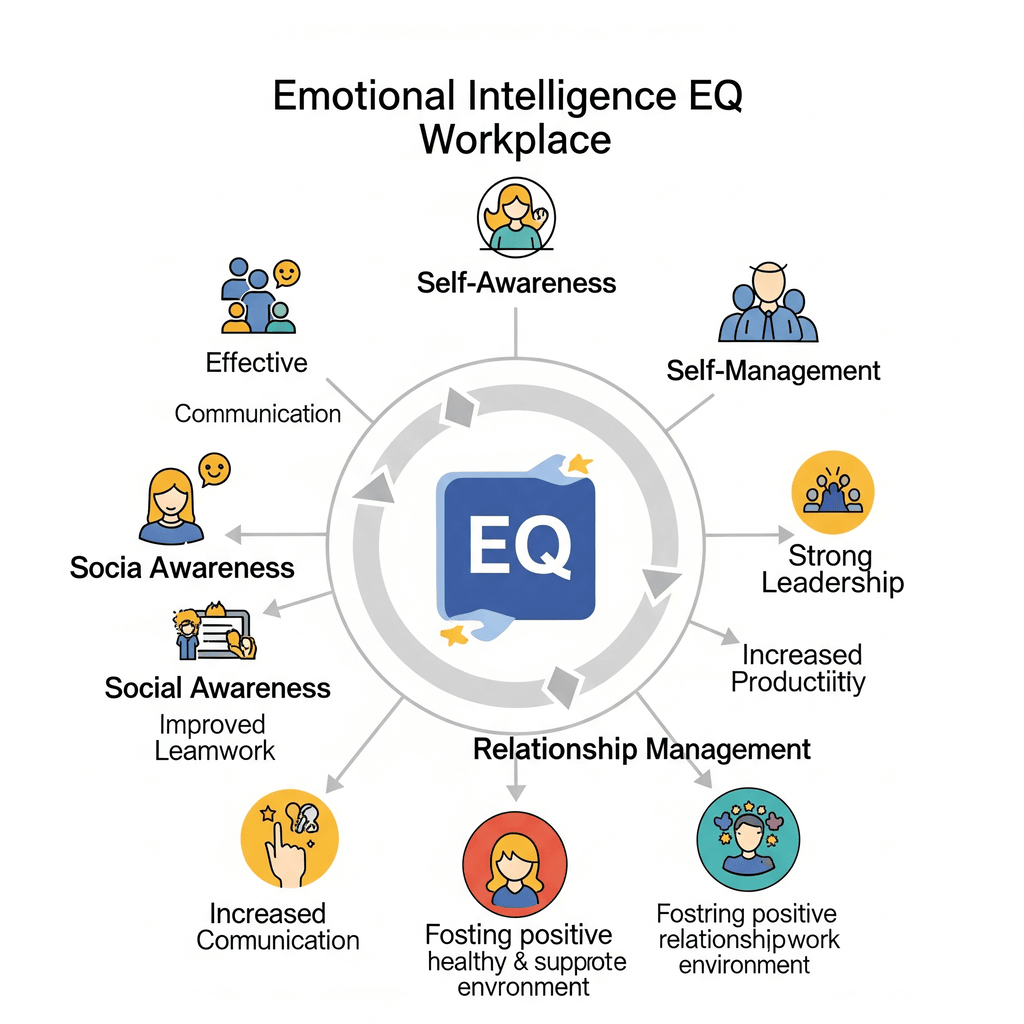
  • Exploring the Power of Emotional Intelligence in the Workplace. Emotional Intelligence: Why it can matter more than IQ by Daniel Goleman

    Exploring the Power of Emotional Intelligence in the Workplace

    In this modern era, emotional intelligence has become one of the most sought-after skills in the workplace. Although often overlooked, the ability to understand and manage emotions—both your own and others’—is a key determinant of professional success. This article will discuss several key concepts regarding emotional intelligence and why it is crucial for your career.

    What is Emotional Intelligence?

    Emotional intelligence is the ability to recognize, understand, and manage emotions, both in yourself and in others. According to Shoshona Zuboff, a psychologist at Harvard Business School, companies have undergone a radical revolution in this century. This has created a need for better interpersonal skills, replacing manipulative managerial styles with a more empathetic and collaborative approach. Emotional Intelligence.pdf.
    However, how can you practically build emotional intelligence? The book discussed provides concrete steps that you can apply to enhance this ability…

    Why is Emotional Intelligence Important?

    1. Improving Work Relationships

    Emotional intelligence helps in building better relationships at work. With the ability to understand others’ emotions, you can communicate more effectively and avoid unnecessary conflicts. This creates a more harmonious and productive work environment.
    However, there are three common mistakes that often occur when trying to apply emotional intelligence in daily interactions, which are thoroughly dissected in our summary…

    1. Promoting Effective Leadership

    Leaders with emotional intelligence tend to be more successful in motivating their teams. They can read the moods and needs of team members, allowing them to provide the right support.
    A comprehensive framework for applying emotional intelligence in leadership is discussed in 5 specific steps in the book…

    1. Enhancing Individual and Team Performance

    Employees with high emotional intelligence are better able to manage stress, which positively impacts their performance. They are also more likely to collaborate with coworkers, improving overall team outcomes.
    Advanced techniques of this concept, including templates and practical examples, are part of the exclusive insights we have prepared at MentorBuku…

    Overcoming Challenges in Enhancing Emotional Intelligence

    Although important, enhancing emotional intelligence is not easy. It requires self-awareness and consistent practice. Here are some ways to tackle these challenges:

    • Self-Reflection: Take time to reflect on your emotional reactions in various situations. What triggers certain emotions? How do you respond?
    • Active Listening: Train yourself to listen attentively when interacting with others. This will help you better understand their perspectives.
    • Managing Stress: Find stress management techniques that suit you, such as meditation or exercise, to help maintain your emotional balance.

    If you want to delve deeper into how to overcome these challenges and reap the benefits of emotional intelligence, we have an in-depth guide you can access…

    Conclusion

    Emotional intelligence is a highly valuable skill in today’s workplace. By understanding and managing emotions, you not only enhance relationships with coworkers but also drive team and personal performance. Having high emotional intelligence is the key to success in your career.

    This article is just a spark. Imagine if one idea from here could change the way you work or think. Now, imagine what dozens of other strategic ideas could do. That is the power waiting for you.

    Sign up and Get Free Access at MentorBuku Now!

    Rekomendasi Internal Linking

    Read also : Don’t Believe Everything You Think by Joseph Nguyen

    Read also : How to Win Friends & Influence People by Dale Carnegie

  • Revealed! A New Paradigm for Mastering Attention & Creativity. Hyperfocus: How to Be More Productive in a World of Distraction by Chris Bailey

    In today’s information age, attention is the new currency. Every day, we are bombarded with thousands of notifications, digital distractions, and relentless multitasking demands. But have you ever wondered: why is it so difficult to maintain deep focus and generate fresh ideas? The answer lies in how we manage two main modes of the brain: hyperfocus and scatterfocus.
    Chris Bailey, through his book “Hyperfocus: The New Science of Attention, Productivity, and Creativity,” dissects the secrets of managing attention to boost your productivity and creativity. This article will unveil its fundamental foundations—and why you must master them before your competitors do.

    Hyperfocus — A Revolutionary Way to Manage Attention

    Let’s start with the fundamental concept: hyperfocus. In a world full of distractions, the ability to place your entire attention on a single task without fragmentation is a strategic advantage. Hyperfocus is a state where your brain is fully immersed in work, much like an athlete entering the “zone.” In this condition, productivity soars, the quality of work improves, and you can complete important tasks more quickly and effectively.
    Chris Bailey emphasizes that hyperfocus is not just a theory; it is a skill that can be trained. By identifying the best times to focus (Creative Prime Time) and organizing your work environment, you can create space for hyperfocus to thrive. Additionally, working in structured time blocks and managing energy are also key.
    However, activating hyperfocus is not as easy as flipping your hand. Many get trapped in the illusion of productivity: feeling busy while their attention is scattered everywhere. This is the main trap of the digital age.

    A complete framework for implementing hyperfocus, including strategies for prioritizing tasks and setting up a distraction-free environment, is discussed in specific steps in this book. However, there are three common mistakes often made when trying to hyperfocus, which are thoroughly examined in our summary at MentorBuku.

    Scatterfocus — The Hidden Source of Your Brain’s Creativity

    If hyperfocus is about narrowing attention, then scatterfocus is the opposite: allowing thoughts to wander in a directed manner. Scatterfocus does not mean daydreaming aimlessly, but rather giving the brain space to connect the dots of ideas hidden in the subconscious. This is the brain’s creative mode often utilized by great thinkers like Salvador Dalí and Mihaly Csikszentmihalyi.
    During scatterfocus, your brain naturally reflects on problems, identifies patterns, and generates innovative solutions. Many great discoveries occur while someone is engaged in light activities such as walking or taking a shower—when the brain is in scatterfocus mode. Bailey mentions that scheduling specific time for scatterfocus is as important as hyperfocus sessions. Both complement each other: you need hyperfocus to complete tasks, and scatterfocus to generate new ideas.

    Advanced techniques for optimizing scatterfocus—including how to manage “mind wandering” to remain productive and not let it turn into mere distraction—are part of the exclusive insights we have prepared at MentorBuku.

    Taming Distractions and Building Focus Habits

    Nothing is more challenging than maintaining attention in today’s digital world. Phone notifications, incoming emails, and social media are the primary enemies of hyperfocus. Often, we fail to build focus habits because our surroundings do not support it. Chris Bailey analyzes that the biggest sources of distraction actually come from within: uncontrolled curiosity, the desire to react immediately, and procrastination habits.
    The solution is not only to turn off notifications or apply “deep work” techniques but also to build habits that reinforce self-control. Through structured practice, discipline, and understanding attention patterns of the brain, you can gradually enhance your focus ability. Bailey outlines tiny habits that become the foundation of hyperfocus and scatterfocus routines.
    However, there is a trap: many people fail to maintain focus habits because they do not know how to address “attention fatigue” and build an effective support system. Templates and practical examples for building long-term focus habits are only available at MentorBuku.

    Also read: The 4-Hour Workweek by Timothy Ferriss

    Integrating Hyperfocus & Scatterfocus into Your Routine

    Often, we get stuck in one mode: overly focused (hyperfocus) to the point of exhaustion, or allowing thoughts to wander (scatterfocus) so much that we lose direction. The key to success is to integrate both proportionally into your daily routine. In other words, you need to know when to sharpen your focus and when to give space for creativity to flourish.
    Chris Bailey emphasizes the importance of finding your personal rhythm—identifying when your brain is most optimal for deep work and when the best time is to rest and let ideas emerge naturally. Many successful professionals schedule specific times for deep work and creativity sessions in their agendas.

    Also read: Luxury Marketing, Sustainability and Technology (Routledge Studies in Luxury Management) by Park Thaichon, Sara Quach

    However, specific strategies for adjusting hyperfocus and scatterfocus schedules to fit your lifestyle and unique challenges can only be found in our complete summary.

    Conclusion: A New Era of Attention = A New Era of Success

    The key to future productivity and creativity is not just hard work, but smart work—by mastering attention. Hyperfocus and scatterfocus are two sides of the same coin that you must practice and utilize. By understanding when and how to activate these two modes, you will surpass conventional productivity limits.
    Do not let your attention be stolen by the digital world. Build focus habits, create space for creativity, and become a pioneer in the era of relentless competition.

    This article is just the spark. Imagine if one idea from here could change the way you work or think. Now, imagine what dozens of other strategic ideas could do. That is the power that awaits you.

    Sign up and Get Free Access at MentorBuku Now!

  • Powerful Financial Secrets from The Richest Man In Babylon. The Richest Man In Babylon by George S. Clason


    Revealed! 4 Powerful Financial Secrets from The Richest Man In Babylon

    Introduction: Why Babylonian Financial Principles Are Still Relevant

    Have you ever wondered why some people seem to have the “Midas touch” with their finances? Or why some emerge from a financial crisis even stronger? The answer, it turns out, was locked away and passed down thousands of years ago by the ancient citizens of Babylon—the wealthiest city of the ancient world. Through “The Richest Man In Babylon,” we learn that financial success never comes by chance. It is born from wisdom, habits, and systematic strategies that continue to resonate in the modern financial world today [1].
    In a fast-paced world full of distractions, many of us forget the fundamental principles that made Babylon a symbol of prosperity. This book asserts: prosperity is a result of personal wisdom and discipline. Simply put, financial strength is the fruit of discipline and a sharp understanding of money and how it works [1].
    This article will unlock four key principles—from the art of managing money, building personal habits, and strategies for getting out of debt, to how to turn a surplus into a money-making machine. However, you will soon discover that even with the foundation in hand, applying these steps in reality is an art in itself.

    Read also : Emotional Intelligence by Daniel Goleman

    The Art of Money Management: Managing Money with Discipline

    “The Babylonians became the wealthiest because they understood the value of money and were disciplined in managing it,” according to the book [1]. The principle of money is not just about income, but how you save, spend, and grow it. The Art of Money Management is the first pillar: How one consciously limits spending, invests strategically, and ensures that every coin works hard for its owner.
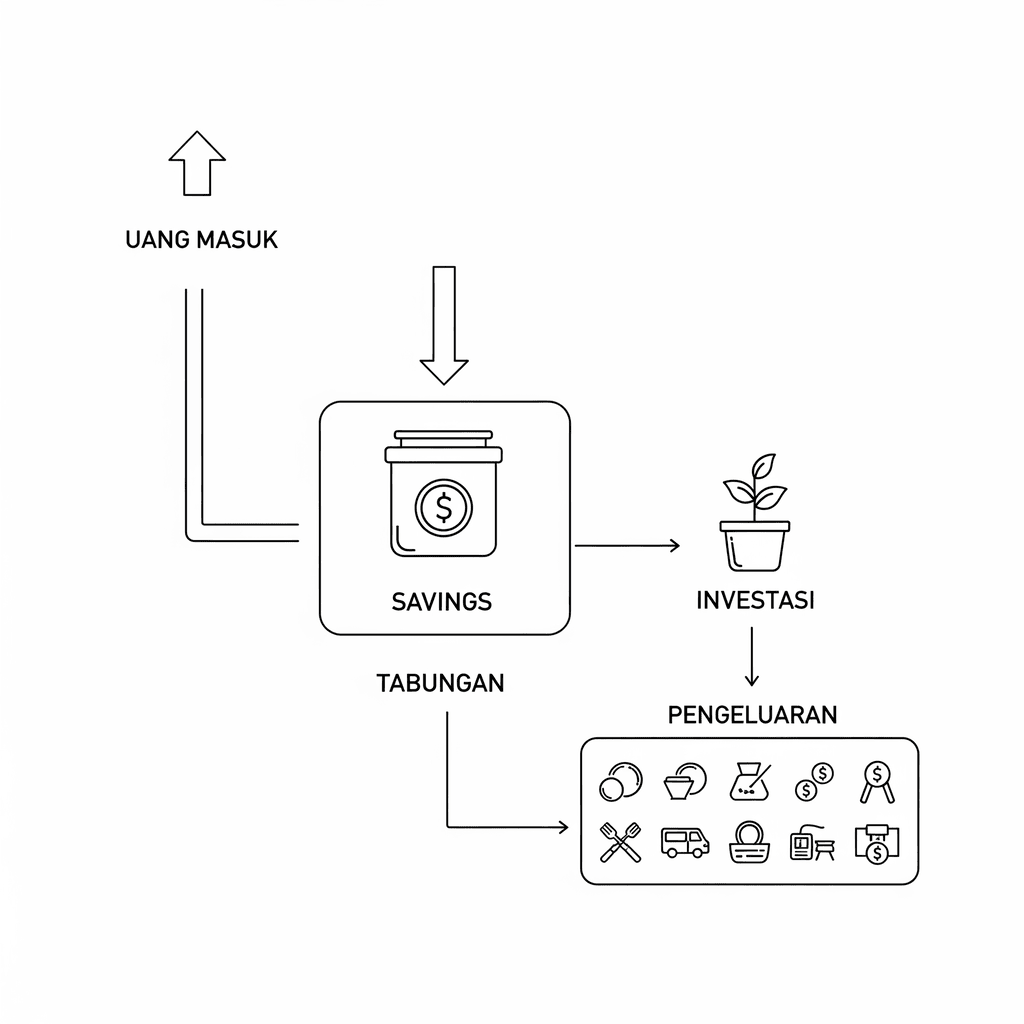
    The book emphasizes the need to pay yourself first, a revolutionary paradigm even in modern times. By setting aside a portion of every income before anything else, you create the foundational habit of ‘saving first, spending later’. Furthermore, the discipline to resist the temptation of a lavish lifestyle and impulsive consumption is seen as a financial fortress.
    Behind the simplicity of this principle lies a specific framework that ensures your savings are not merely ‘saved’ but truly grow. The complete framework, including allocation tips and automation methods, is detailed step-by-step in MentorBuku’s internal guide and the summary of the original book.

    The complete framework for implementing this art of money management is discussed in 5 specific steps within the book…

    Read also : Effortless by Greg McKeown

    Personal Habits: The Foundation of Financial Strength

    This book highlights a frequently overlooked fact: Habits shape our personal financial ecosystem [1]. Every small action—from tracking expenses and reviewing assets to reinvesting interest—contributes to the accumulation of wealth. However, not all habits are productive. There are mindsets like ‘money is the enemy’ or ‘just getting by is good enough’—two afflictions that erode opportunities like termites.
    The Babylonians emphasized the importance of mental preparation before taking action. They knew, “financial realization is only possible when supported by wise thinking and deep understanding.” This mindset becomes the catalyst for every decision: from conservative investments to more aggressive strategies, it all begins with the habit of daily reflection.
    On the other hand, building positive financial habits is not instantaneous. There are stages, practice techniques, and effective “daily reminders” to ensure the change becomes truly permanent in both your nervous system and your wallet.

    However, there are three common mistakes that often occur when trying to build financial habits, which are dissected in detail in our summary…


    A Structured Plan to Escape the Trap of Debt: Inspired by Dabasir

    This book isn’t just about accumulating money, but also about how one can escape from the most frightening financial abyss: debt [1]. The story of Dabasir from Babylon is monumental—he returned from slavery, wrote down a detailed plan, and then paid off his debts one by one.
    What made Dabasir’s strategy so effective? He didn’t merely intend to pay off his debts. He created a phased payment system, set specific goals, and wrote them down as a “covenant on clay tablets” for personal accountability. Every step was calculated, from the payment amounts to the allocation for basic needs and future goals.
    This similar strategy is now widely adapted into the “Debt Snowball” or “Debt Avalanche” methods in modern financial literature, but its historical roots and psychological depth are unique to Dabasir and the citizens of Babylon.
    Advanced techniques from this concept, including a template for creating an effective debt repayment plan, are part of the exclusive insights we have prepared at MentorBuku…

    Read also : The 7 Habits of Highly Effective People by Stephen R. Covey

    The Secret to Building Sustainable Wealth with a Surplus

    The Babylonians were not just masters at eliminating debt; they were also creators of a “surplus machine”—extra income that was never idle. The book teaches that idle money is a wasted opportunity [1]. Every surplus doesn’t just sit in savings but is put to work to grow—through investment, business ventures, or being reinvested as capital.
    However, accumulating a surplus requires both psychological and technical processes: resisting subconscious consumption urges, identifying safe investment opportunities, and managing risk. In modern times, their strategies remain relevant—from mutual funds and stocks to small businesses—the key is the “surplus first” behavior.
    How to find surplus opportunities, avoid fraudulent investment traps, or maximize returns—all are dissected in detail in the deeper chapters of the book and at MentorBuku.

    Specific techniques for creating a sustainable surplus, as well as a safe investment checklist, are an exclusive part of MentorBuku’s recommended module…

    Read also : BRS PHYSIOLOGY by Linda S. Costanzo

    Conclusion: A New Chapter in Your Finances Begins Here

    The four financial secrets from The Richest Man In Babylon are not just history, but an actual roadmap. You now understand the power of money management, the urgency of building good habits, the effective strategy for getting out of debt, and the secret of circulating a surplus. These four are the puzzle pieces to financial freedom. However, all of this is just the entry point. “How” to translate each principle into daily routines and decisions? This is where the need for further guidance becomes essential.

    You’ve just seen the foundation. These concepts are just the tip of the iceberg of what this book offers. How to apply them step by step, avoid common pitfalls, and integrate them into your strategy? All those answers are inside.

    Sign Up and Get Free Access at MentorBuku Now!