Category: Education

  • Optimizing Mathematical Skills Through Visualization: Why Is It So Important? Common Core Math For Parents For Dummies by Christopher Danielson, PhD

    Mathematics is often considered a challenging subject for many students. However, there is one approach that has proven to improve students’ understanding and performance in this subject: visualization. Not only does it aid in conceptual understanding, but visualization also strengthens essential analytical skills. In this article, we will explore the importance of visualization in learning mathematics, some basic techniques that can be applied, and why it can become an integral part of effective teaching methods.

    The Importance of Visualization in Learning Mathematics

    Visualization encompasses the ability to picture and manipulate shapes and numbers in our minds. Students with strong visualization skills tend to be better at understanding mathematical concepts, especially in the field of geometry. By visualizing numbers and patterns, students can understand not just “what” is happening, but also “why” it is happening.

    Why Is Visualization Beneficial?

    1. Enhances Memory: When students associate concepts with images or diagrams, they are more likely to remember the information. It also makes learning more engaging.
    2. Builds Spatial Skills: Spatial visualization is the ability to imagine shapes from different perspectives. These skills are crucial in geometry and many other branches of mathematics.
    3. Encourages Critical Thinking: By visualizing problems, students can see relationships and patterns that may not be apparent when relying solely on numbers and formulas.

    Visualization Techniques That Can Be Used

    To harness the power of visualization, teachers and parents can use the following techniques:

    1. Using Visual Patterns
    • Visual patterns can be a great learning tool. For example, using diagrams or images that show patterns in numbers can help students understand mathematical concepts in an enjoyable way.
    • Resources such as Visual Patterns offer many examples that teachers and parents can use to help students see and understand numbers in a new light.
    1. Drawing Geometric Diagrams
    • Drawing is an effective way to understand geometry. Students can learn to give meaning to various shapes through the drawings and diagrams they create themselves.
    • When students draw shapes, they can observe the characteristics of those shapes and how they remain consistent when transformed.
    1. Using Multimedia
    • Videos, animations, and interactive apps can provide new ways for students to understand mathematical concepts. This approach is appealing to today’s digital generation, who are more familiar with technology.

    Read also : The Positive Parent: Raising Healthy, Happy, and Successful Children, Birth-Adolescence by Kerby T. Alvy, Ph.D

    Common Mistakes in Applying Visualization

    Although visualization is very important, there are several common mistakes often made by students (and even teachers) when implementing it:

    • Ignoring Details: When drawing or creating visualizations, some students may rush and overlook important details. Neglecting these details can change the meaning of the visualization.
    • Relying Solely on Visuals: Visualization should complement contextual understanding, not replace it. Students need to be guided not only to look at images but also to understand what is being depicted.
    • Lack of Variety: Using only one type of visualization can make students quickly lose interest. It is important to use various ways of illustrating concepts and to create engagement.

    Read also : Parenting from the Inside Out by Daniel J Siegel

    Conclusion

    Visualization is not just an aid; it is a game-changer in mathematics education. By utilizing visualization, students can open up broader pathways to understanding complex concepts. The ability to see and represent information visually can significantly enhance learning. Teachers and parents should make an effort to implement this technique as part of their teaching strategies.

    Don’t miss the opportunity to learn more about how to implement visualization techniques in math learning. In the book, you’ll find a complete guide.

    Sign up and get free access on MentorBuku now!
  • Building Awareness About Education: Why We Need to Invest in the Younger Generation. I Am Malala: The Girl Who Stood Up for Education and Was Shot by the Taliban

    Education is the foundation of individual and societal development. However, how often do we reflect on the vital role education plays in our lives? In this article, we will explore the importance of education, the challenges faced, and how we can contribute to supporting the younger generation in obtaining the education they need.

    Why is Education Important?

    Education is not just about teaching basic skills, but also about shaping character and building a future. With education, individuals can access better opportunities, improve their quality of life, and contribute more to society. However, despite its importance, access to education remains a problem in many countries.

    Education Changes Lives

    Education has the power to change a person’s life. It provides them with the tools to think critically, innovate, and solve problems. When we invest in education, we are also investing in future potential. Many studies have shown that children who receive a good education tend to have a better quality of life and can contribute more positively to society.

    Read also : Doing Life with Your Adult Children: Keep Your Mouth Shut and the Welcome Mat Out by Jim Burns Ph.D

    However, there are many challenges that need to be addressed. In many areas, access to quality education remains limited, especially for girls and marginalized groups. This is an issue that we must tackle together.

    Challenges in Accessing Education

    The biggest challenge in education is the access gap. Many children around the world are still forced to drop out of school for various reasons, such as poverty, social injustice, and lack of educational infrastructure.

    Gender Gap in Education

    One significant challenge is the gender gap. In many countries, girls still face discrimination in education. They are often not given the same opportunities to learn and grow. This is not only an ethical issue but also an economic one, as neglecting the potential of half the population will harm society as a whole.
    However, there are solutions to address this problem. In the latest book we analyzed, there are several effective strategies to improve access to education for girls. A complete framework for implementing these strategies is discussed in five specific steps in the book…

    Why We Need to Invest in Education

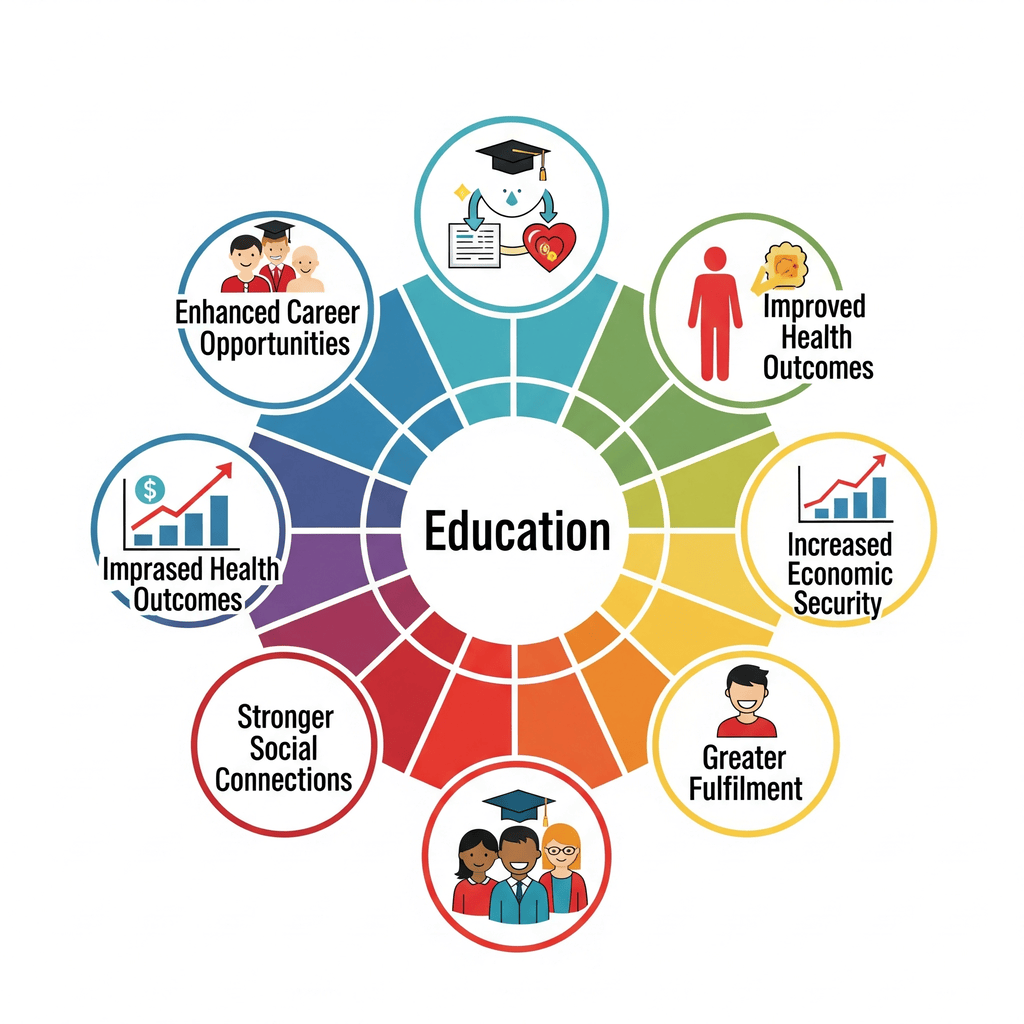
    Investing in education is an investment in a better future. When we support education, we are not only providing knowledge but also the skills necessary to face future challenges. Here are some reasons why we should invest in education:

    1. Improved Quality of Life: A good education enhances the health and well-being of individuals.
    2. Economic Growth: Educated societies tend to have stronger and more sustainable economies.
    3. Social Empowerment: Education gives a voice to individuals and marginalized groups, enabling them to participate in decision-making processes.

    However, there are three common mistakes often made when trying to invest in education, which are thoroughly examined in our summary…

    How We Can Help

    There are many ways we can contribute to improving education. Here are some steps we can take:

    • Financial Support: Donating funds to schools in need or organizations focused on education.
    • Volunteering: Spending time teaching or mentoring children in need of support.
    • Community Awareness: Raising awareness about the importance of education through campaigns and discussions.

    Read also: Manipulation Dark Psychology to Manipulate and Control People by Arthur Horn

    Conclusion

    Education is a fundamental right for every child. By supporting education, we are investing in a better future for them and our society. We have a responsibility to ensure that every child, regardless of background, has access to quality education.

    You have just seen the foundation. These concepts are just the tip of the iceberg of what this book offers. How to apply them step by step, avoid common pitfalls, and integrate them into your strategy? All those answers are inside.

    Sign up and Get Free Access at MentorBuku Now!