In today’s hyper-connected world, the ability to read body language is no longer a skill exclusive to detectives or secret agents. In fact, every day you face moments where words cannot be fully trusted. When someone says, “I’m fine,” with a faint smile and hands clasped tightly in their lap, we know there’s a hidden message behind it.
But did you know that the body holds a ‘secret code’ about a person’s emotions and intentions—even before they themselves are aware of it? Let’s unpack the five fundamental secrets of reading body language, a strategic skill that can transform the way you communicate, make decisions, and build trust.
Why Does Body Language Reveal the Truth?
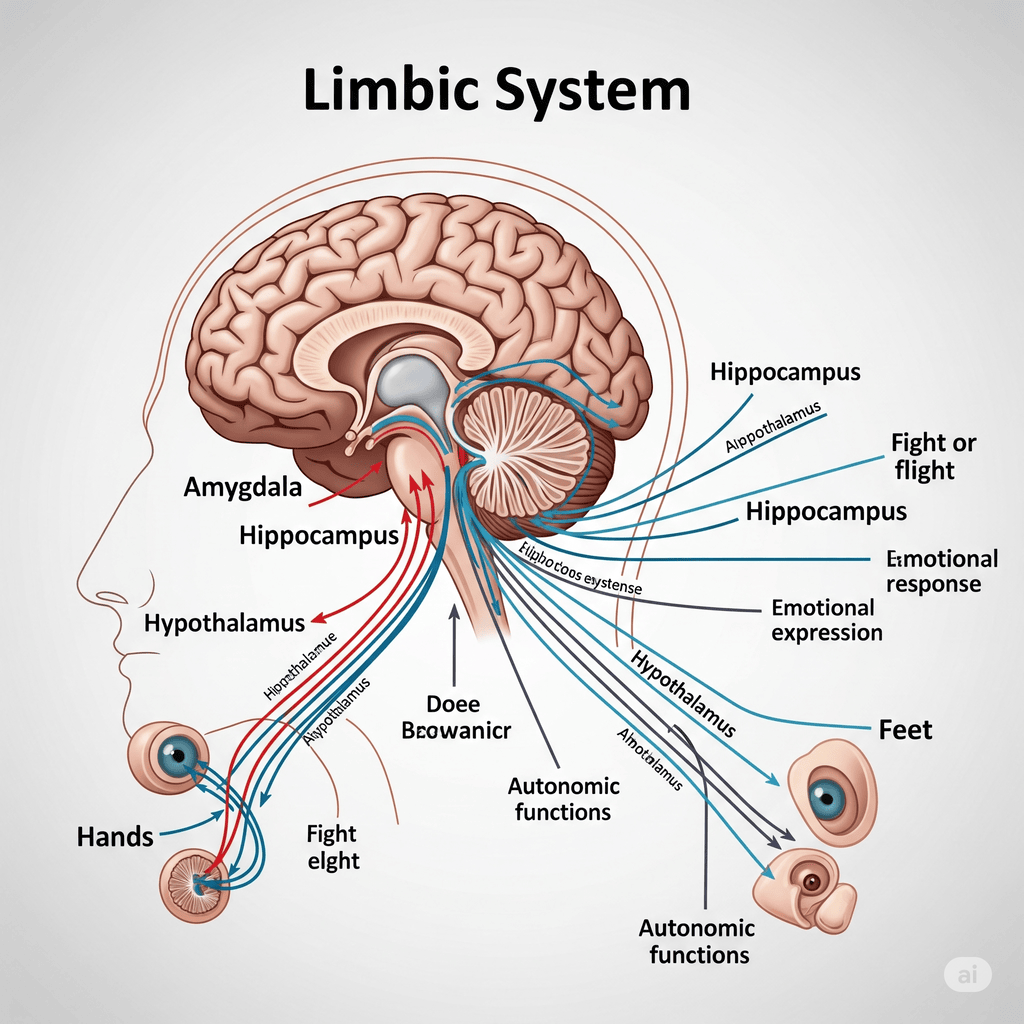
Before we go any further, you must understand why nonverbals speak louder than spoken words. Neurologically, our bodies react first to threats, dishonesty, and even joy—long before our rational brain takes over. Reflexive movements, gaze, and changes in hand or foot position are all signals originating from the limbic brain.
Essentially, nonverbal language is humanity’s “honest language.” In a casual conversation, you might not notice a person’s micro-expressions. But in the context of negotiations, interviews, or building personal relationships, reading body language can make the difference between being deceived and being able to control the situation.
“People believe what they see, not just what they hear.”
However, understanding “why” alone isn’t enough. To acquire this skill, you need to examine the detailed anatomy of body language—and this is where these five secrets begin.
Secret #1 – Hand Gestures: Honest or Deceptive Signals?
Hand gestures might seem ordinary. However, as one of the most powerful nonverbal signals, hand movements can be a primary gateway to reading your counterpart’s intentions. Body language researchers have found a strong correlation between the position of the palms and the impression of honesty.
When someone speaks with their palms facing up (palm-up), it usually signifies openness, sincerity, and a willingness to share. Conversely, the palm-down gesture is a symbol of dominance, authority, or, in certain situations, a desire to withhold information. During a normal conversation, both gestures can appear interchangeably.
However, what’s interesting occurs when the conversation becomes high-tension or involves an important declaration. Observe: does your counterpart choose a palm-down gesture with a firm voice, or stick with a calm palm-up gesture? It is this shift that signals the change in emotion and intention beneath the surface.

Therefore, observing hand gestures is not just a matter of aesthetics, but a tool for detecting psychological dynamics in real time.
“The complete framework for applying hand gesture reading in business decision-making, negotiations, and building trust is discussed in 5 specific steps within the original book and the MentorBuku premium summary…”
Read also : The Greatest Secret by Rhonda Byrne
Case Study: Palm-Up vs. Palm-Down in Conversation
Imagine you are in an important meeting. Someone presents a major proposal while keeping their hands on the table, palms facing down, and rarely changing position. On the other hand, a colleague who supports the idea uses open gestures, palms up, with a smile and a friendly gaze. Who do you feel is more sincere? Who is secretly dictating the agenda?
It’s no coincidence that microexpression studies confirm that hand gestures are not just an accompaniment to words, but also the foundation of trust in communication.
But don’t make a decision just yet. There are a number of biases and common mistakes in reading hand gestures—and the details are one of the exclusive highlights we cover in more depth at MentorBuku…
Secret #2 – The Limbic Response: A Subconscious Reaction That Cannot Be Hidden
The limbic system, an area of the brain inherited from prehistoric times, is responsible for protecting us from danger and reflecting feelings through spontaneous physical reactions. When we feel threatened, uncomfortable, or doubtful, the body will issue a “subconscious alarm.” For example, someone suddenly placing a bag between themselves and another person, or rubbing their neck, is a classic “shielding gesture” from a limbic reaction.
What makes this interesting is that these gestures are very difficult to control consciously, even for a masterful liar. Therefore, understanding the “limbic reaction” principle becomes a primary tool for anyone, whether you are in HR, a negotiator, or simply want to discern a friend’s honesty.
However, the signs of a limbic response can be very subtle and easily missed. Restless leg movements under the table, one-second facial microexpressions, to changes in breathing patterns are a series of details that are often misread.
“Advanced techniques for distinguishing a valid limbic response from mere social awkwardness, as well as how to practice this precise observation, are part of the exclusive insights in the MentorBuku summary…”
Read also : The Collapse of Parenting by Leonard Sax
Secret #3 – Declaration vs. Discussion: How Gestures Reveal Emotional Intensity
One of the interesting chapters from the book “What Every BODY is Saying” is how hands “speak” louder in moments of declaration or assertion than in a normal conversation.
When two people are in a casual debate, switching between palm-up and palm-down is normal. However, if a shift to an important statement occurs (“I really…”, “You have to believe…”), a sudden change in hand position (or the disappearance of gestures altogether) is a nonverbal ‘alarm’ for tension, doubt, or an attempt to control perception.
Furthermore, the combination of gestures with facial expressions, gaze angle, and body posture completes this subconscious narrative. Those who understand this shift in gestures can read who is merely forming an opinion and who is genuinely trying to convince both themselves and their counterpart.
However, distinguishing between an assertive intention and a mere stress gesture requires practice, in-depth observation, and a number of key behavioral checklists.
“However, there are three common mistakes often made when assessing gesture shifts in declarations versus discussions, which are dissected in full detail in the MentorBuku premium summary…”
Read also : Unwinding Anxiety by Judson A. Brewer
Conclusion: Seeing a New Dimension in Communication Through the Body
Reading body language is not merely about guessing other people’s moods. It is an applied science that can be honed to reduce misperceptions, improve the quality of interactions, and detect danger signals that are difficult to express through words alone.
However, the biggest “secret” isn’t just about what the body language signals are, but rather how you train yourself to see, investigate, and then optimize these observations in your professional and personal life.
The process is laid out before you. However, the concrete steps, the real-world application framework, and the practice of automatically recognizing these patterns are advanced skills that await you on the MentorBuku platform.
You have just seen the foundation. These concepts are just the tip of the iceberg of what this book offers. How do you apply them step by step, avoid common pitfalls, and integrate them into your strategy? All those answers are inside.
Sign Up and Get Free Access on MentorBuku Now!