Introduction: It’s Time to Change the Way You Pursue Happiness and Wealth
How long have you been working hard for social status or the numbers in your bank account, yet still feel something is missing? In an era where success is often measured by material accumulation and achievements, Naval Ravikant emerges as a catalyst for change—not just within the Silicon Valley startup ecosystem, but also in the realm of modern life philosophy.
Naval Ravikant is not just a founder and investor in world giants like Uber and Twitter. He is much more than a wealthy person: he is the living embodiment of wealth and happiness walking hand in hand. Through his life journey, Naval has proven that true success is not just about financial achievement—but about living an authentic, peaceful, and meaningful life. The book “The Almanack of Naval Ravikant: A Guide to Wealth and Happiness” brings together fragments of philosophy that inspire the world to rethink purpose, process, and the meaning of being a successful and happy human being.
In this article, you will delve into three fundamental concepts from Naval Ravikant’s life journey and thinking. Each concept serves as a “gateway” to deeper insights—and after reading, you will feel a thirst to know “how” to make real changes in your own life.

Read also : First Ladies of the United States: A Biographical Dictionary by Robert P. Watson
The Power in Enjoyment: Turning Goals into a Game
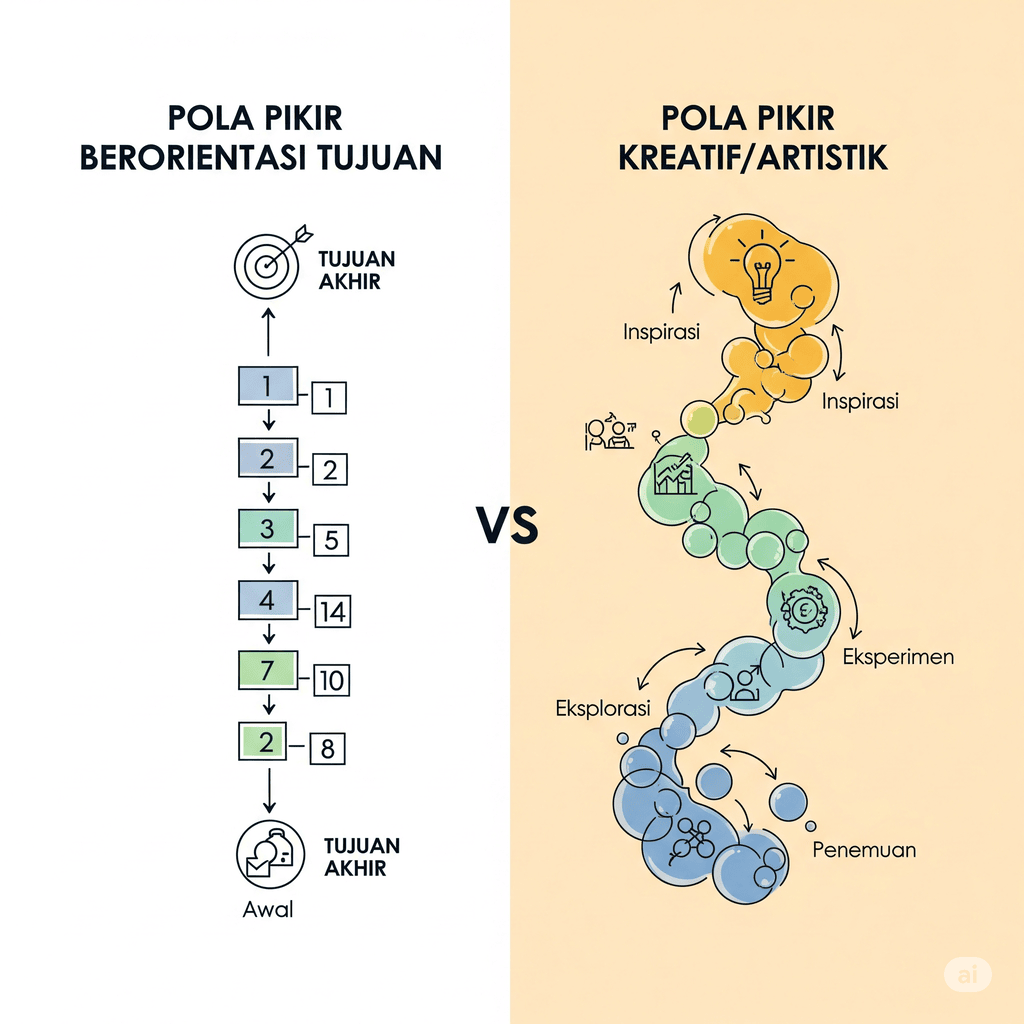
One of Naval’s unique messages is to view business creation, innovation, or even work itself as a form of art—not merely as a tool to achieve goals. Naval boldly states that history only remembers the “artists,” whether in commerce, science, or politics. True artists create out of love and enjoyment, not out of pressure or obsession with the end result.
For Naval, building companies isn’t just about chasing profit. He does it because he enjoys the game itself—much like a child engrossed in play, unconcerned about what others think. Imagine, after repeatedly succeeding in building businesses, he finds his motivation is more artistic than simply target-oriented. Remarkably, once he prioritizes creativity and freedom of expression, the results are far more satisfying—both personally and financially.
This paradigm frees you from the trap of empty achievements. You are invited to reflect: Is your work a source of constant stress, or could it become an enjoyable field for creativity? What would happen if you started living and building your career as a work of art?
The complete framework for shifting your mindset from “working for results” to “working as art,” along with practical exercises, can be found exclusively in this book and the special summaries from MentorBuku…
Read also : Predictive Marketing: Easy Ways Every Marketer Can Use Customer Analytics and Big Data by Omer Artun,Dominique Levin
Wealth Is Not the Goal, But a Side Effect
The second concept that sets Naval’s philosophy apart is the relationship between wealth and perception. Many people think wealth is everything, but for Naval, true wealth is a “by-product”—a natural side effect of applying the right principles. As he emphasizes, he builds businesses “because it’s fun,” and money is simply a consequence, not the main purpose.
Why is this important? Because when you pursue wealth as your sole goal, it’s easy to fall into a never-ending race; you constantly feel lacking, always chasing the next level that never truly arrives. Naval suggests that you should build value and solve real problems, and wealth will follow naturally. He relates this to economic and life philosophy: true winners not only accumulate money but also gain peace and gratitude.
However, implementing this mindset is not easy. There are three common mistakes people make when trying to become “wealthy as a by-product,” both in mindset and action, which are detailed only in the book and MentorBuku discussions…
Happiness: A Skill That Can Be Learned
For Naval Ravikant, happiness is not something that “comes from the outside.” After decades studying Eastern and Western philosophy, he concludes that happiness is a skill—just like coding or public speaking. This means you can learn, cultivate, and practice it, as long as you have the right method.
Most people wait for their external circumstances to change before they can be happy. Naval flips this: “Be happy first, and extraordinary performance and results will follow.” Through reflection techniques, meditation, and daily practices, he teaches that happiness is the result of mindset and consistent discipline. There’s no instant magic. It all begins with small shifts in thought and action.
But how do you build happiness habits that are easy and lasting—especially amidst life’s pressures and endless work targets? Advanced techniques, including daily practice and practical step-by-step examples, are explained in depth in this book and the exclusive MentorBuku course…
Mindful Productivity: The Liberating “Game”
Naval speaks of productivity not as a form of time slavery, but as the freedom to choose what truly matters. He emphasizes the importance of minimizing the trivial, managing focus, and learning to say “no” to distractions and irrelevant social demands. In other words, it’s not how hard you work, but how authentically and purposefully you move toward your personal goals.
This contrasts with hustle culture, which believes overtime is a mark of greatness. Naval instead suggests—with real proof in his own life—that discipline, prioritization, and “playing the right game” are much more effective at delivering achievement and inner peace.
How can you start implementing the principle of “mindful productivity” gradually, without causing internal conflict or social pressure? The answers and strategic framework are laid out step by step in summaries and worksheets available exclusively to MentorBuku members…
Conclusion: The Key to Wealth and Happiness Lies in the Mindset and Strategies You Choose
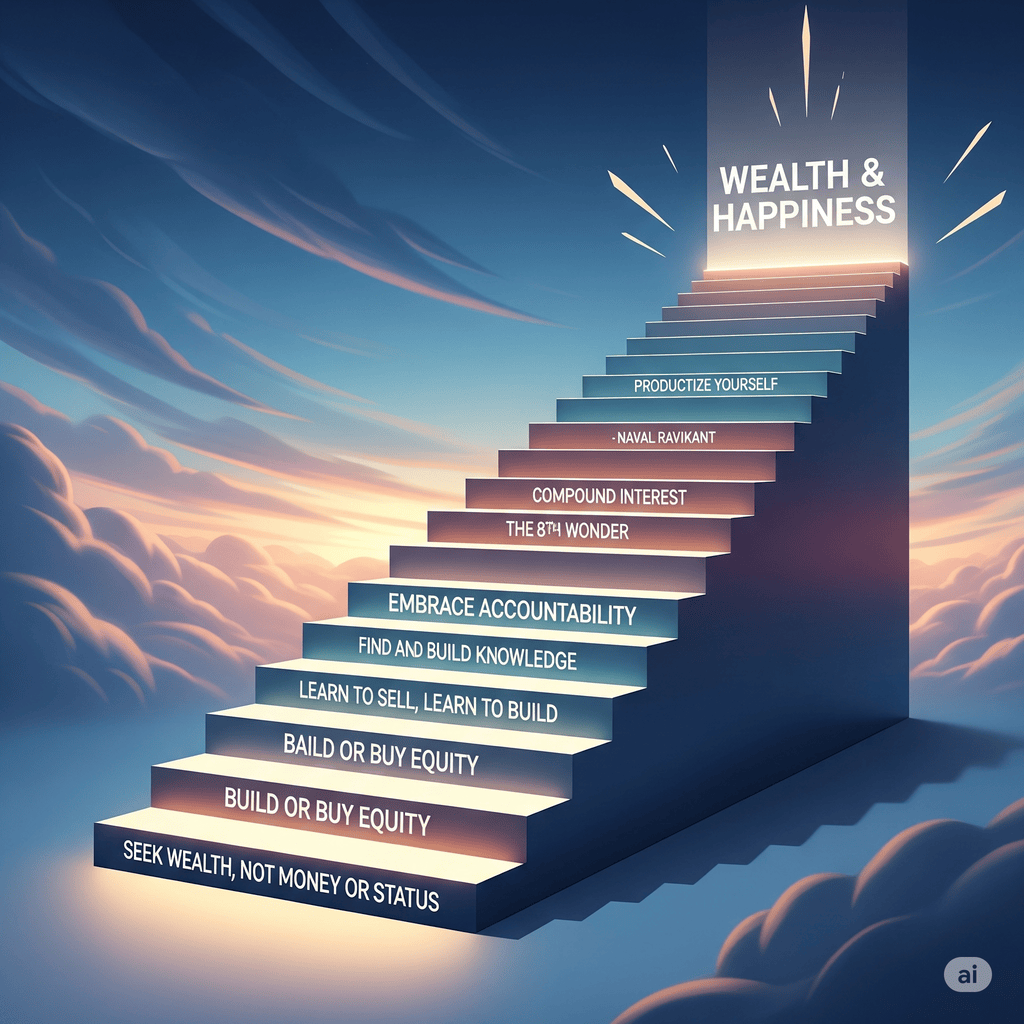
Naval Ravikant offers a way out of the outdated paradigm of wealth and happiness. He invites us to ask ourselves: Are you living to chase validation, or have you made your own life a work of art? Are you endlessly chasing money, or creating value so that wealth comes as a “bonus”? And, are you waiting to be happy after achieving success, or choosing to be happy first as the foundation for success?
These three “strategic foundations”—work as art, wealth as a side effect, and happiness as a skill—are just a few of Naval’s principles that have inspired founders and thinkers worldwide. However, applying them to your routines, mindset, and daily decision-making requires systematic guidance.
Achieving this transformation is not about luck or temporary motivation. It’s about strategy. And you can find that strategy through special study at MentorBuku.
Read also: They Say, I Say by Gerald Graff
You’ve just seen the foundation. These concepts are only the tip of the iceberg of what this book has to offer. How do you implement them step by step, avoid common pitfalls, and integrate them into your strategy? All those answers are inside.
Sign up and get free access at MentorBuku now!
Leave a Reply